Natural wonders of Middle East

12 wonders

The wonders of Middle East in the atlas so far. This region grows as the atlas expands.
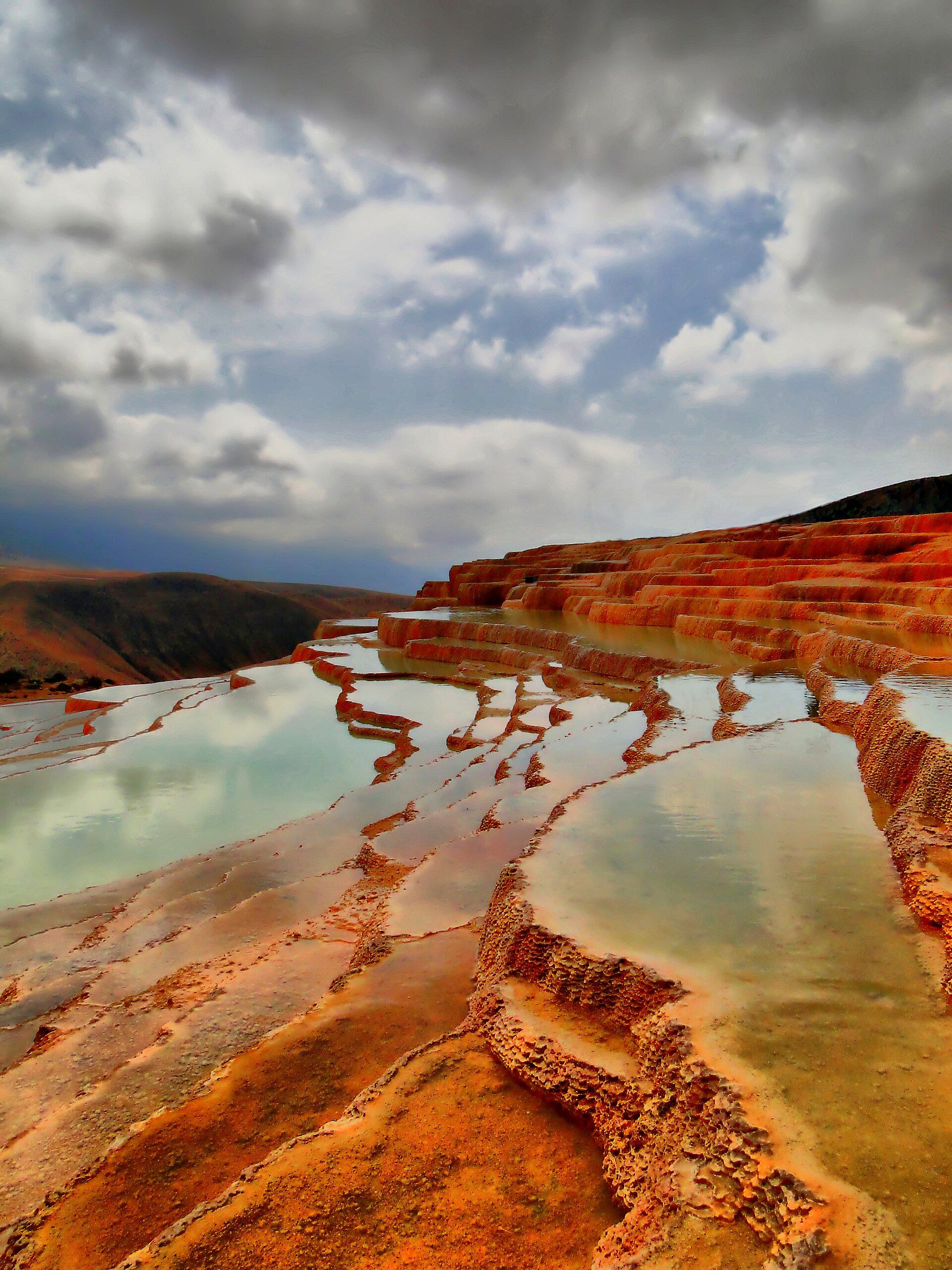
Badab-e Surt, Mazandaran Province, northern Iran

Badab-e Surt

Mazandaran Province, northern Iran

A hillside staircase of terraced mineral pools in northern Iran, stained deep orange and red by iron-rich spring water and built up over thousands of years into stepped basins of travertine.

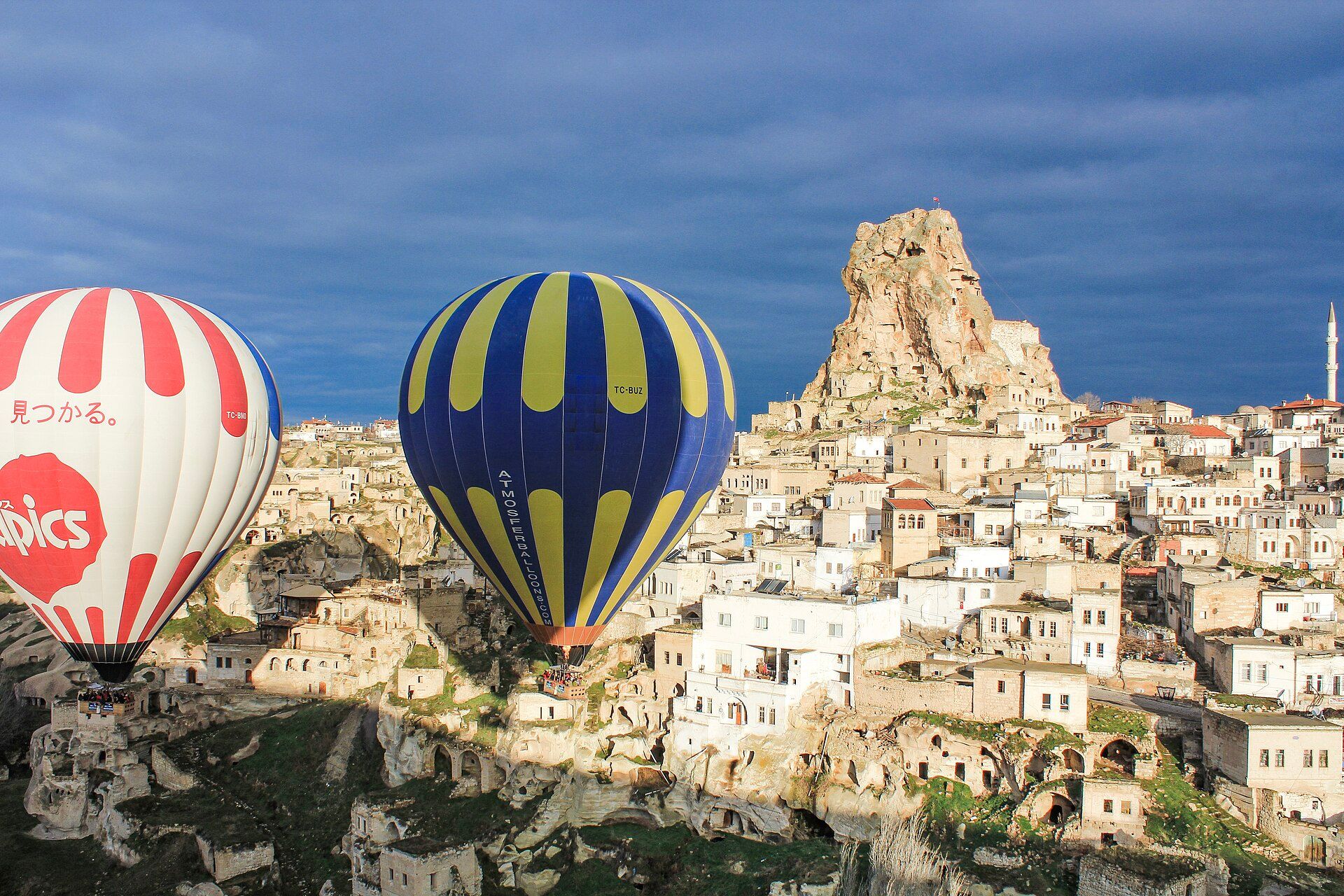
Cappadocia, Central Anatolia, Turkey

Cappadocia

Central Anatolia, Turkey

A dreamlike landscape of 'fairy chimneys' — tapering cones and pinnacles of soft volcanic rock carved by erosion, honeycombed with ancient cave homes and churches, and famous for its dawn balloon flights.

Hormuz Island, Strait of Hormuz, Persian Gulf, southern Iran

Hormuz Island

Strait of Hormuz, Persian Gulf, southern Iran

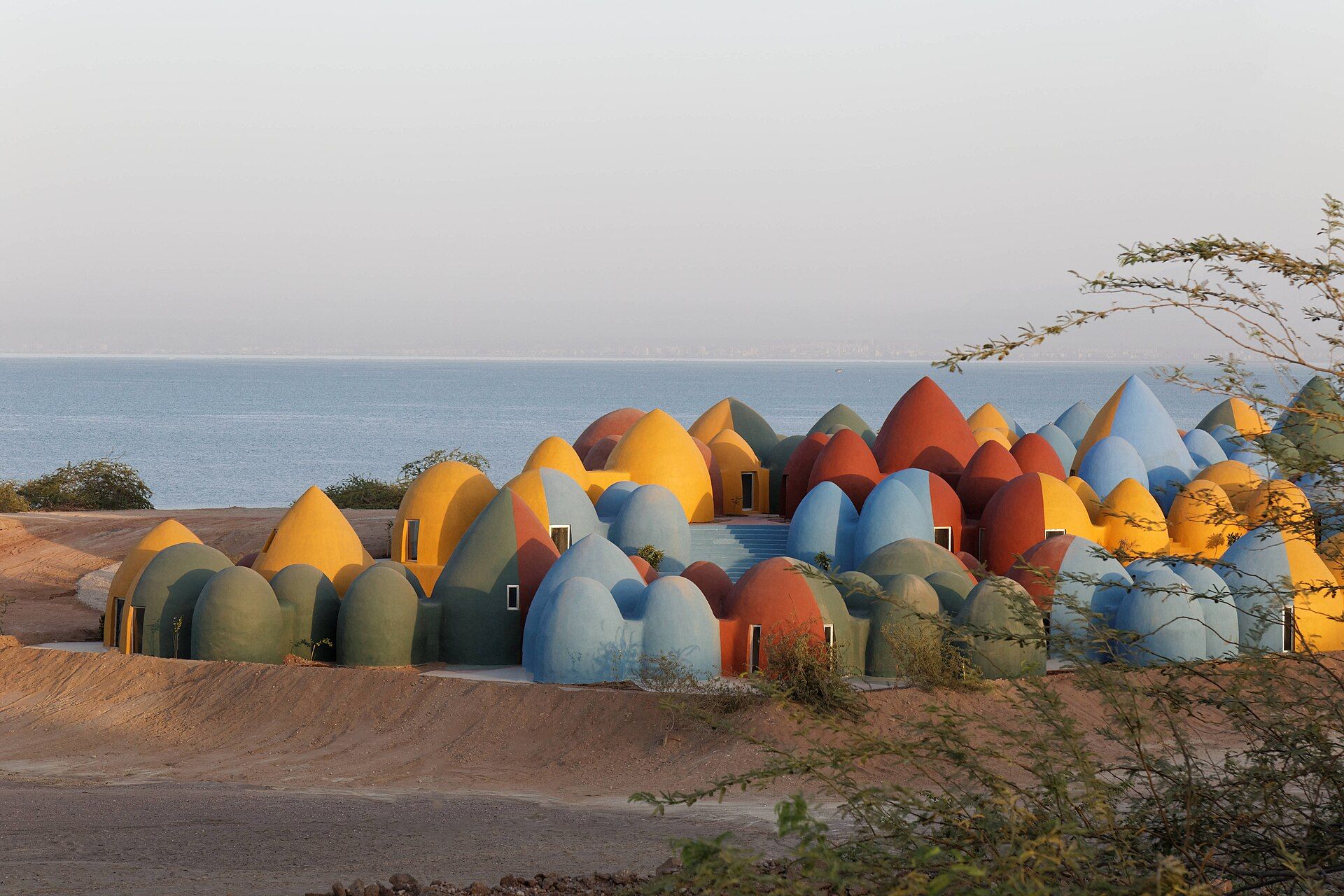
A small 'rainbow island' in the Strait of Hormuz where salt-dome geology paints the hills and beaches in red, ochre, and a spectrum of mineral colours — including sand you can taste.

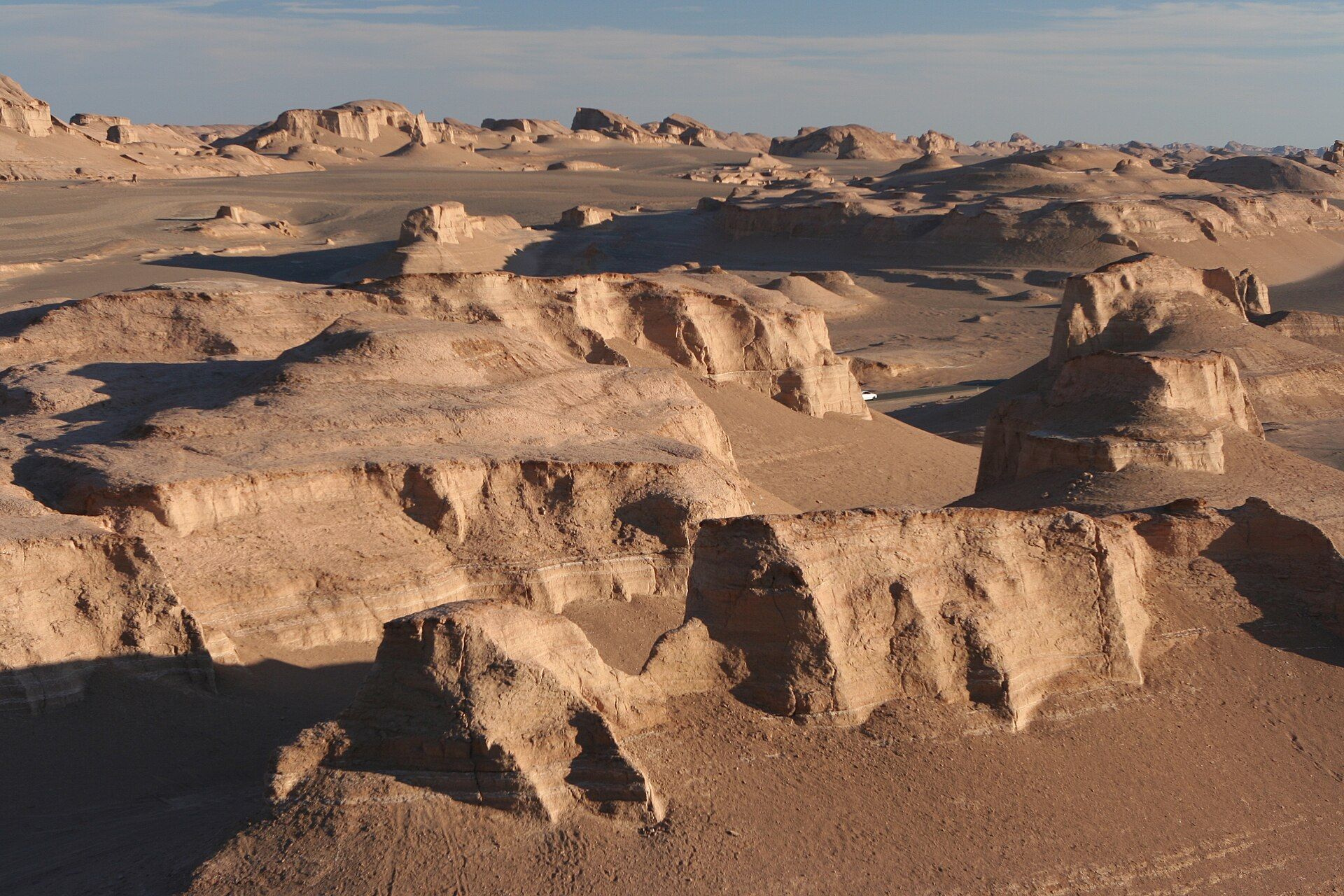
Lut Desert, Kerman & Sistan provinces, southeastern Iran

Lut Desert

Kerman & Sistan provinces, southeastern Iran

One of the hottest and most surreal deserts on Earth — a sea of wind-carved ridges called kaluts that stretch to the horizon, where satellites have recorded record land-surface temperatures.

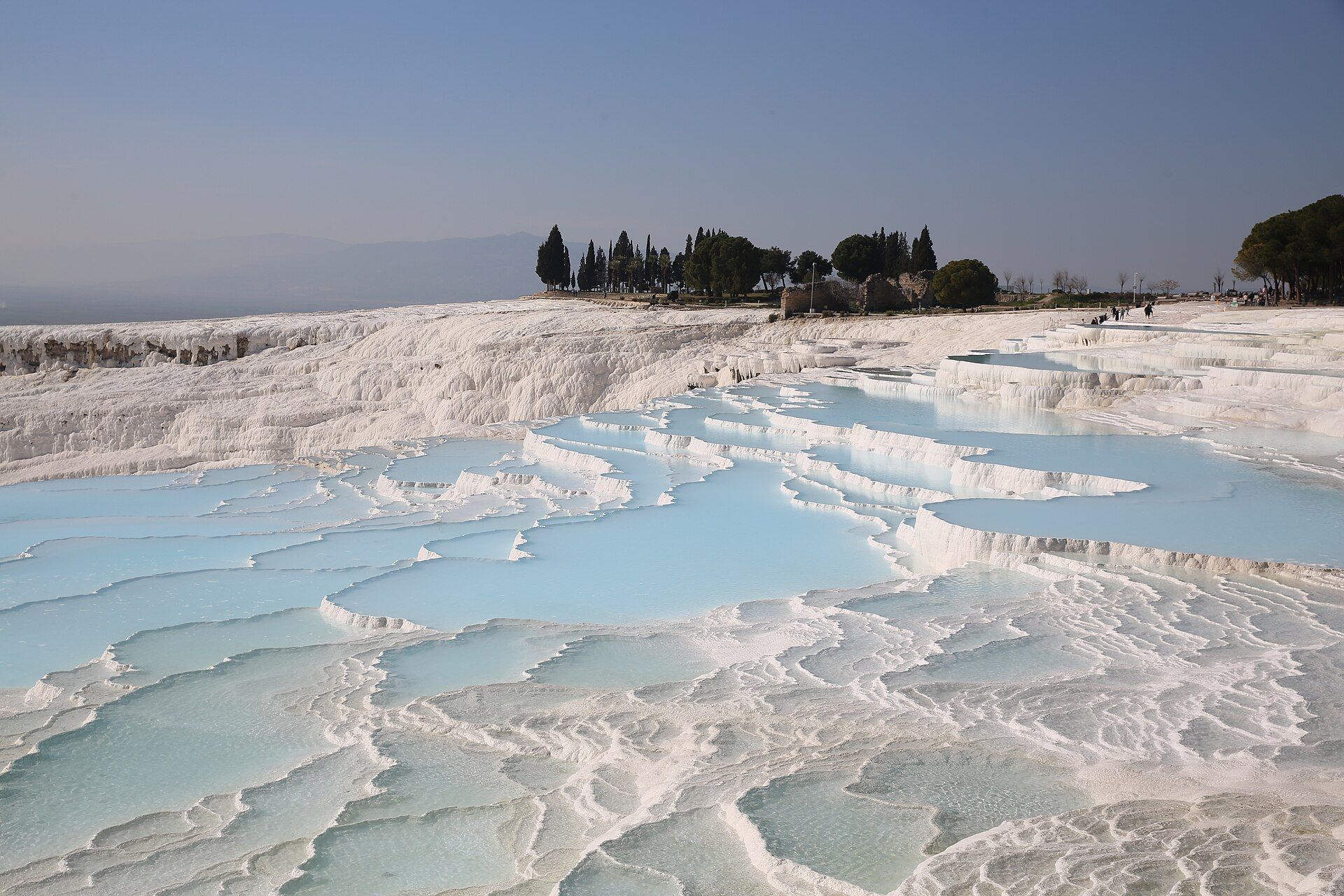
Pamukkale, Denizli Province, southwestern Turkey

Pamukkale

Denizli Province, southwestern Turkey

The 'Cotton Castle' — a dazzling white hillside of terraced travertine pools formed by mineral-rich hot springs, where warm turquoise water spills over blindingly white stone terraces.

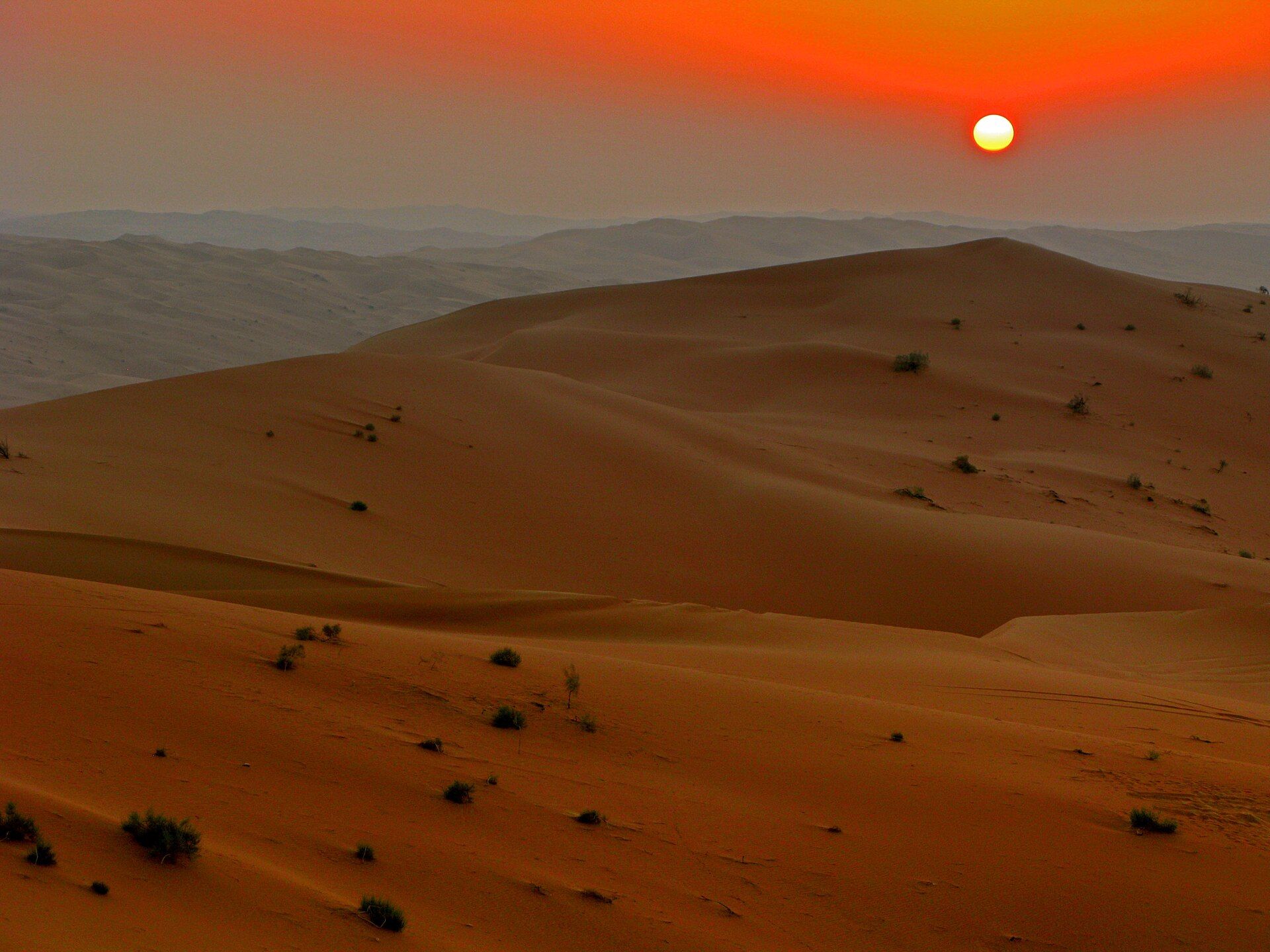
Rub' al Khali, Southern Arabian Peninsula

Rub' al Khali

Southern Arabian Peninsula

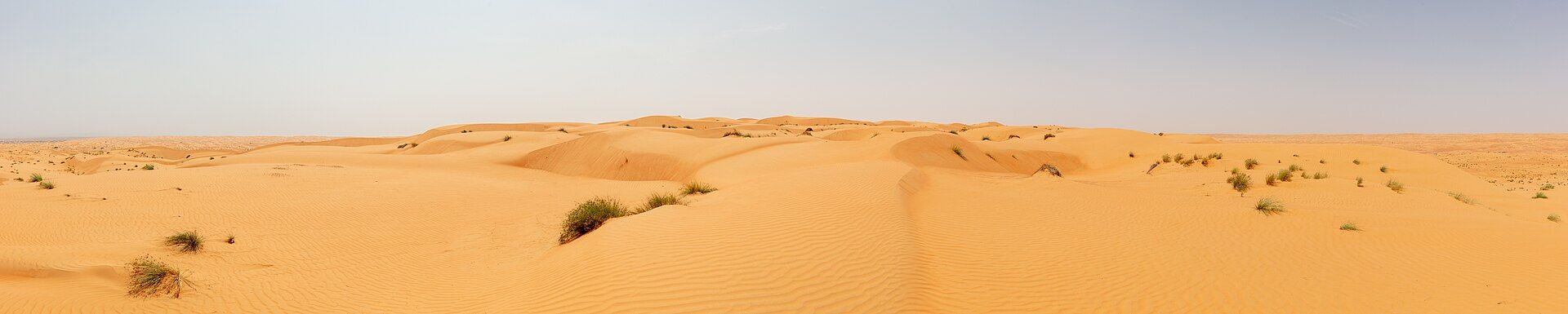
The Empty Quarter — the largest continuous sand desert on Earth, a sea of dunes up to 250 metres tall rolling across an area larger than France.

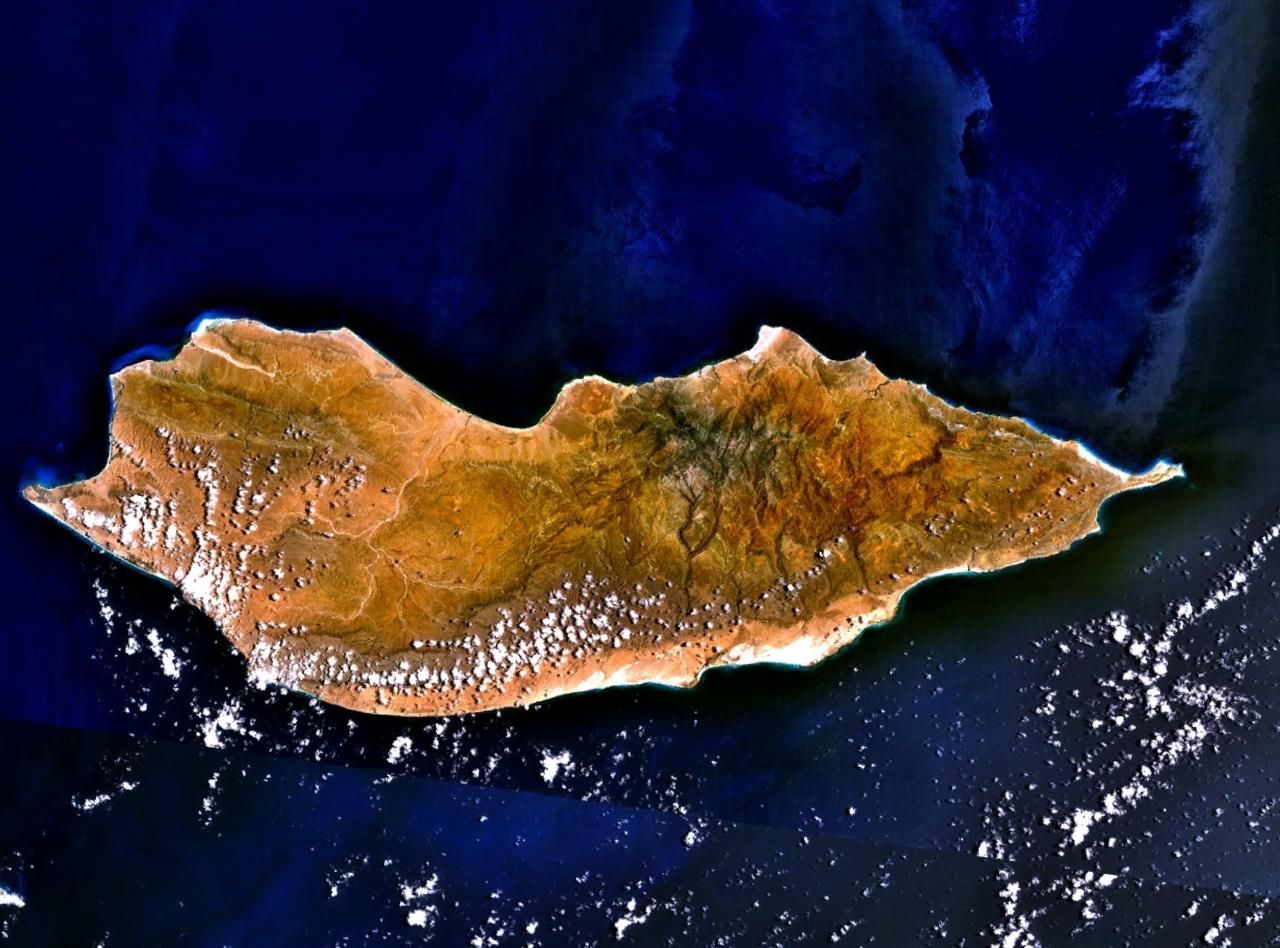
Socotra, Socotra Archipelago, Arabian Sea, Yemen

Socotra

Socotra Archipelago, Arabian Sea, Yemen

An isolated Indian Ocean island of such strange, ancient life that it's been called the 'Galápagos of the Indian Ocean' — home to umbrella-shaped dragon's blood trees and hundreds of plants found nowhere else on Earth.

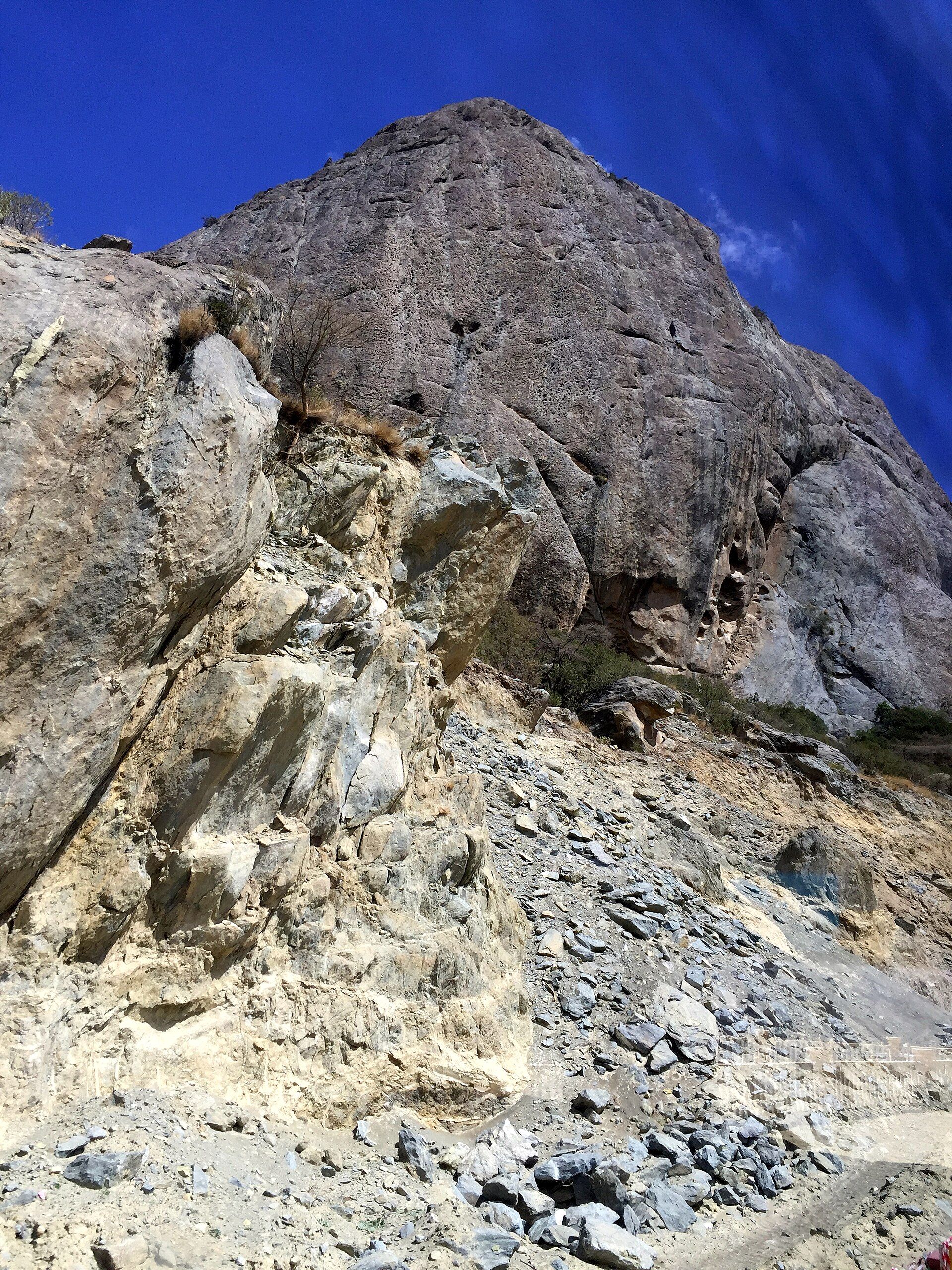
The Asir Mountains, Asir Province, southwestern Saudi Arabia

The Asir Mountains

Asir Province, southwestern Saudi Arabia

A green, misty mountain range in Saudi Arabia's southwest — terraced highlands and juniper forests, cooled by monsoon cloud, that overturn every expectation of the desert kingdom.

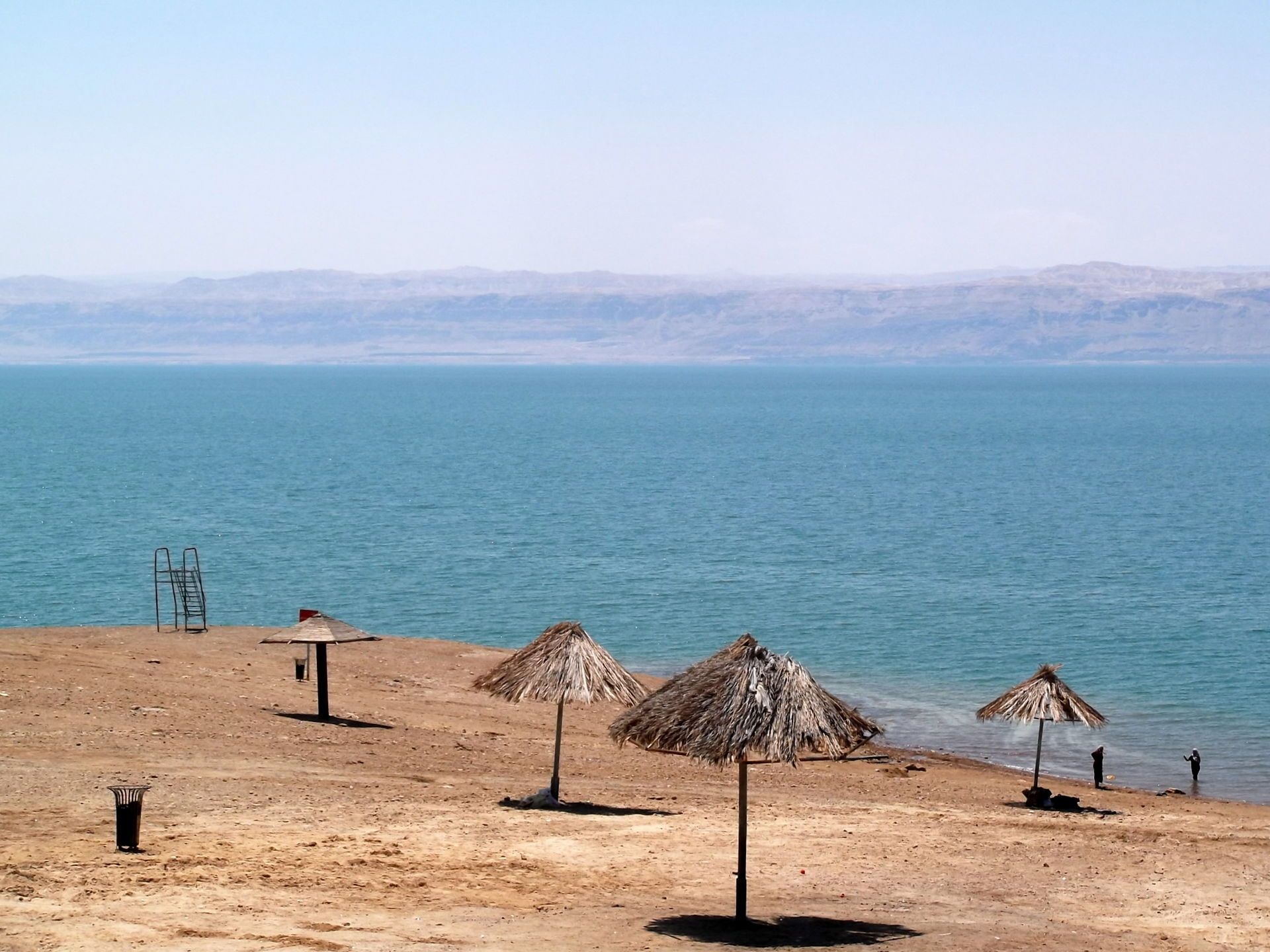
The Dead Sea, Jordan Rift Valley, Jordan / Israel / West Bank

The Dead Sea

Jordan Rift Valley, Jordan / Israel / West Bank

The lowest point on the surface of the Earth — a hypersaline lake so dense with salt and minerals that swimmers float effortlessly, cradled in the desert far below sea level.

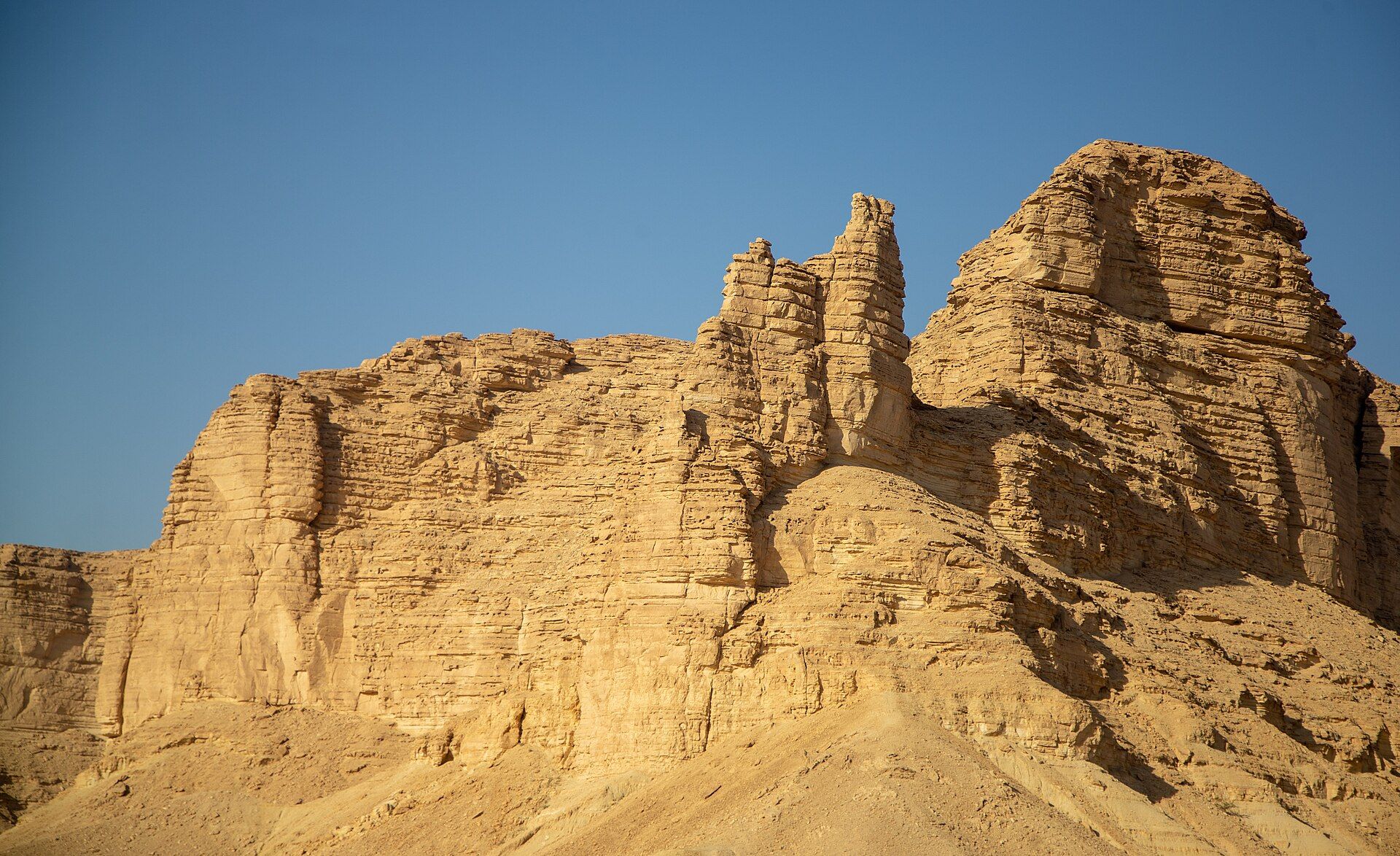
The Edge of the World, Jebel Fihrayn, near Riyadh, Saudi Arabia

The Edge of the World

Jebel Fihrayn, near Riyadh, Saudi Arabia

A dramatic cliff-edge of the Tuwaiq escarpment near Riyadh, where an ancient seabed drops away hundreds of metres to a vast plain that stretches unbroken to the horizon.

The Farasan Islands, Red Sea, off Jazan, southwestern Saudi Arabia

The Farasan Islands

Red Sea, off Jazan, southwestern Saudi Arabia

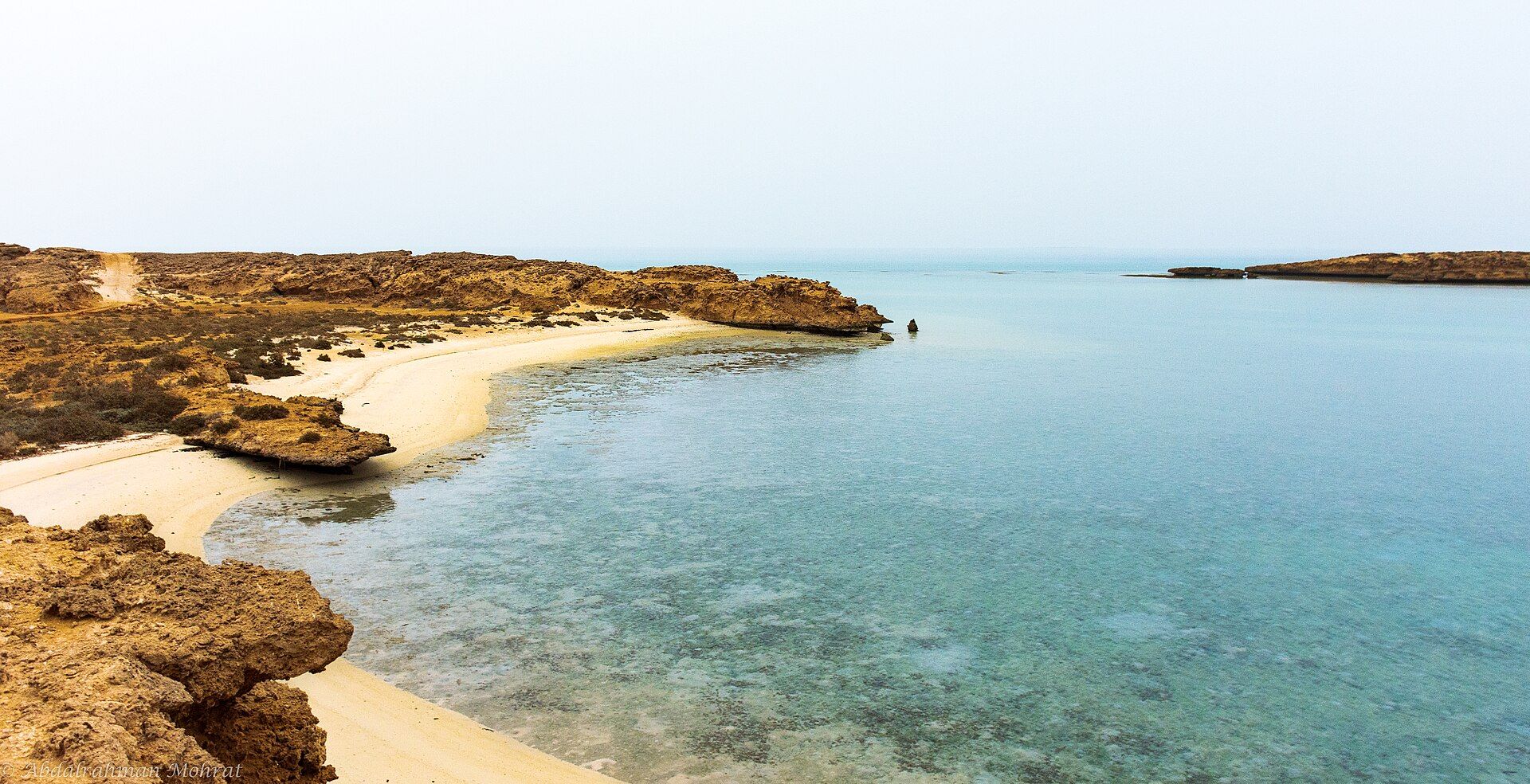
A low, coral-fringed archipelago in the southern Red Sea — turquoise shallows, mangroves, and reefs that shelter dugongs, nesting seabirds, and a gazelle found nowhere else.

Wadi Rum, Southern Jordan

Wadi Rum

Southern Jordan

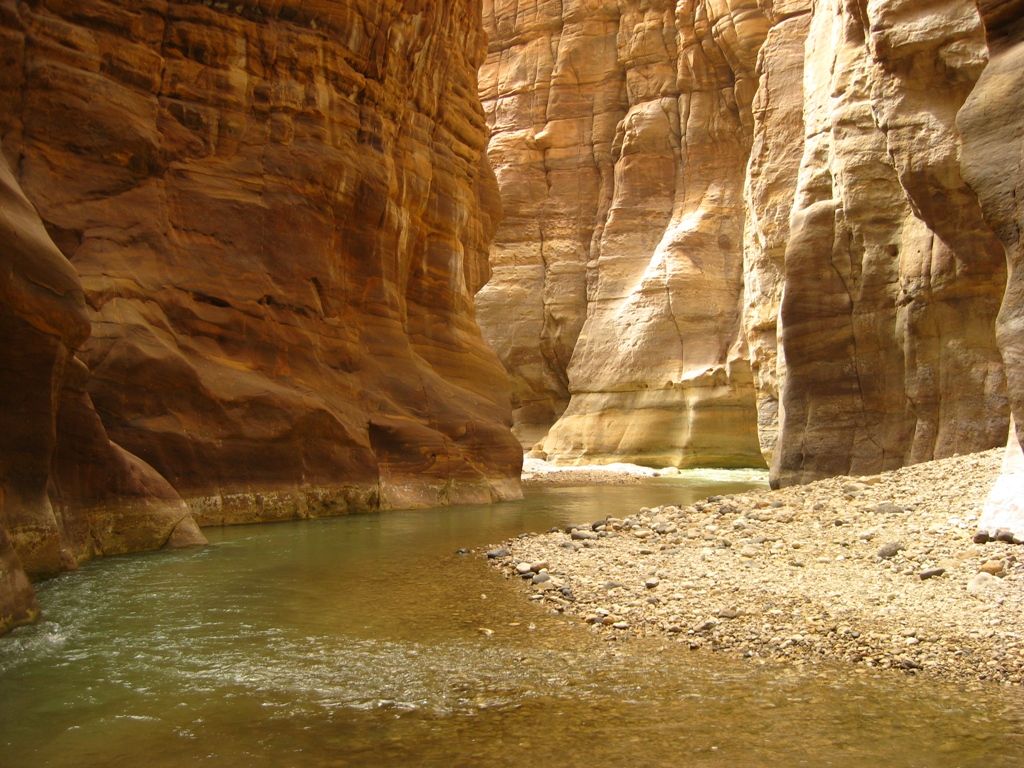
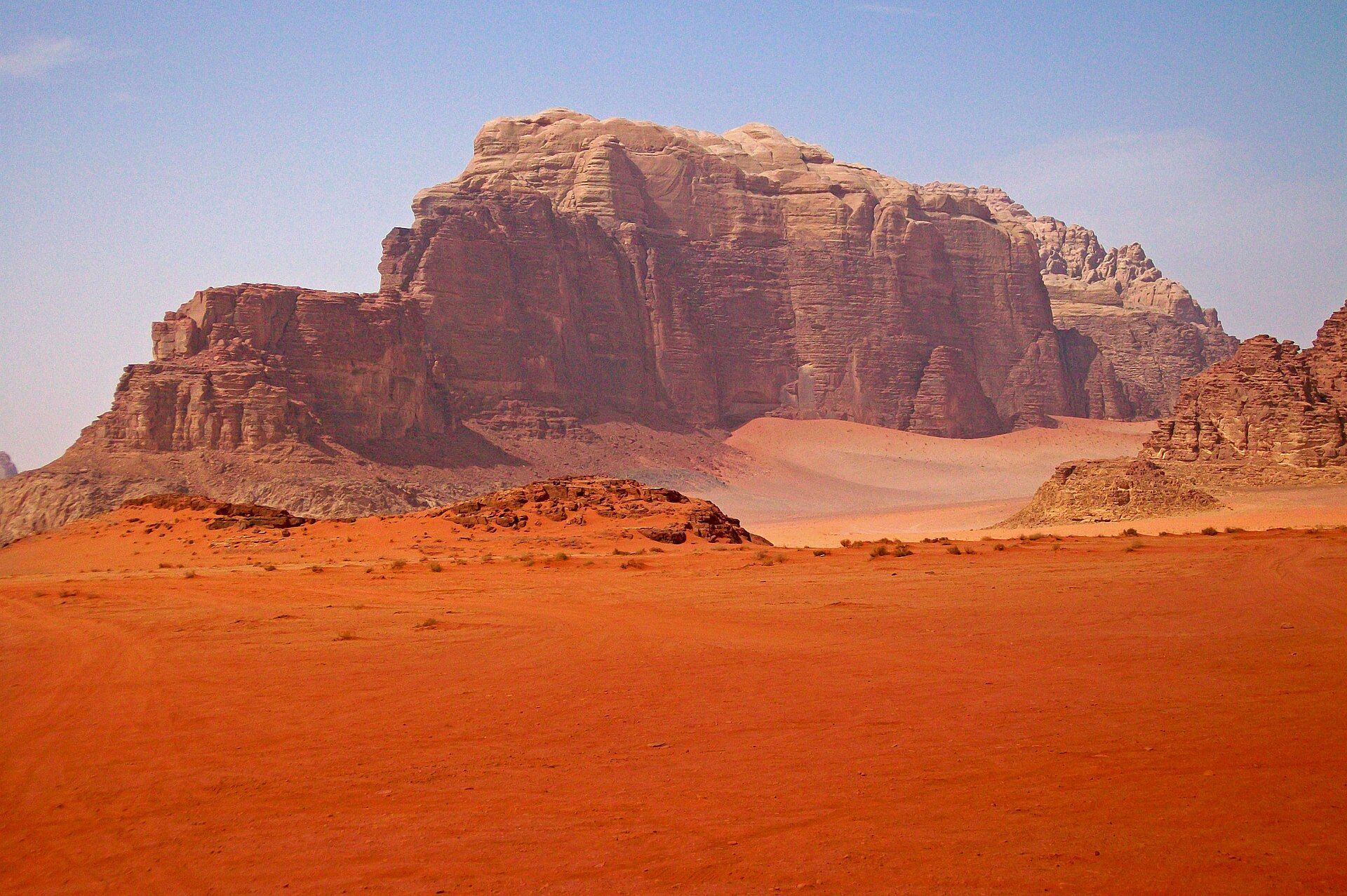
The 'Valley of the Moon' — a vast desert of red and gold sand studded with towering sandstone and granite mountains, sculpted by wind into arches, canyons, and sheer cliffs beneath enormous skies.