The Dead Sea
📍 Jordan Rift Valley, Jordan / Israel / West Bank
The lowest point on the surface of the Earth — a hypersaline lake so dense with salt and minerals that swimmers float effortlessly, cradled in the desert far below sea level.
What makes it marvelous
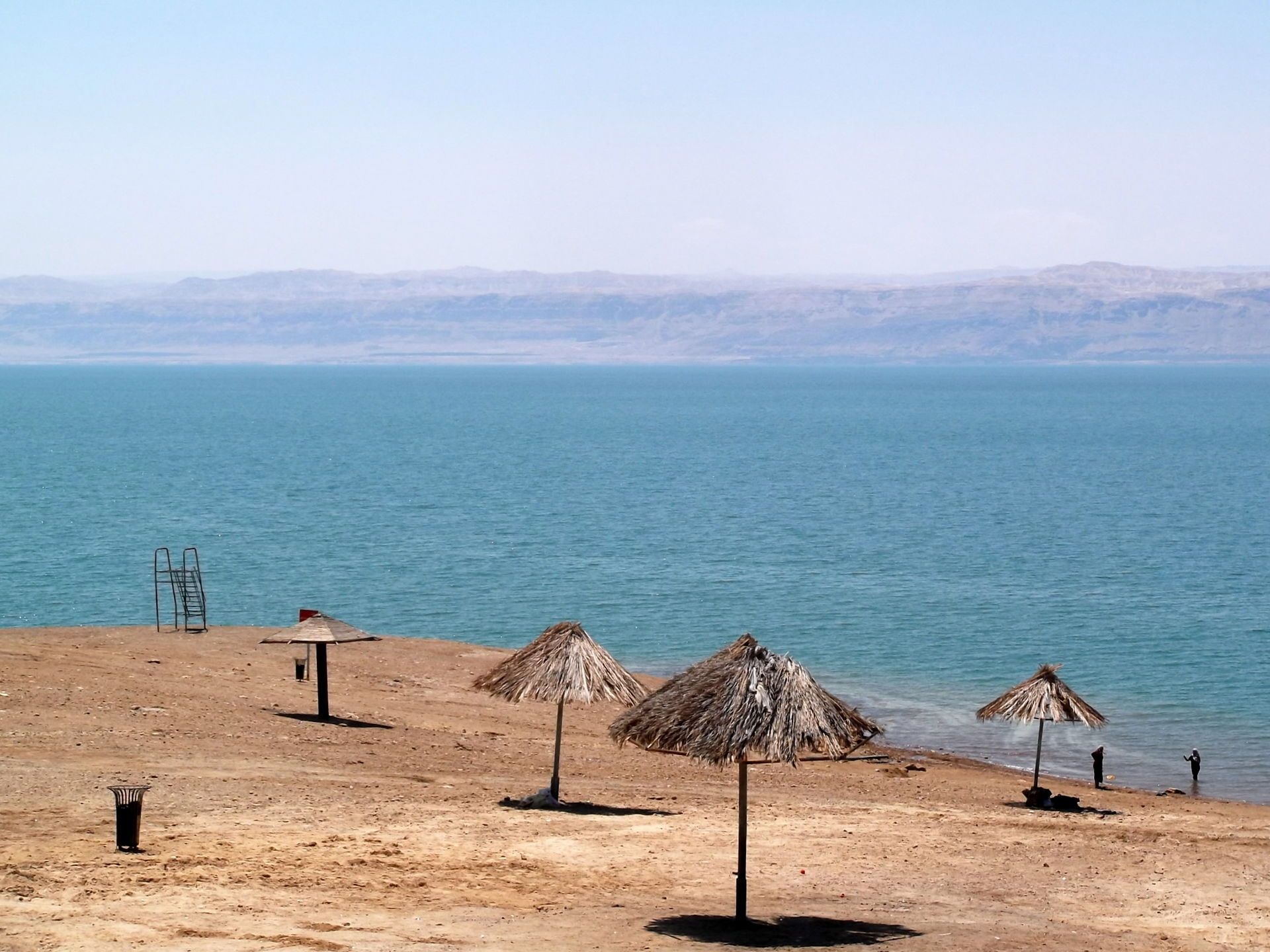
The Dead Sea sits in the deepest part of the Jordan Rift Valley, its surface around 430 metres below sea level and dropping — the lowest exposed land on the planet. With no outlet, water arriving from the Jordan River simply evaporates in the desert heat, leaving behind salt and minerals until the lake is nearly ten times as salty as the ocean. That extreme density is why bathers bob like corks, and why almost nothing lives in it. Its mineral mud and salt have been prized for health and beauty since antiquity. Worryingly, the sea is shrinking fast as its inflow is diverted.
Why visit
Floating on your back reading a newspaper — an impossibility anywhere else — is a genuinely strange delight, and coating yourself in the famous black mineral mud is part of the routine. The stark desert setting far below sea level, with the Judean and Moab hills rising around, is dramatic and unique.
Still deciding?
The Dead Sea comes up most often against one other place — each one weighs cost, effort, season and crowds side by side.
What to know before you go
🗓️ Best time
Spring (March–May) and autumn (September–November) for pleasant warmth; summer is extremely hot, though the sea is visited year-round.
🧭 Getting there & access
About an hour from Amman (Jordan) or Jerusalem; resorts and public beaches line the shore, with easy access to the water and mud.
Good to know
- Don't shave beforehand and keep the water out of your eyes and mouth — it stings intensely.
- Rinse off with fresh water after floating and mud-bathing.
- Float, don't swim; the density makes normal swimming impossible.
Plan your visit
Easy🧭 Getting there
From Amman, Jordan
- Fly → Amman (AMM)
- Drive Amman → the Dead Sea resort strip or a public beach — roughly 1h
- Descend to the shore, the lowest dry land on the planet
- Total travel
- About an hour from Amman
- Time at site
- A few hours; the salt limits how long you stay in
- Access
- The Jordanian shore is a mix of resort beaches, where a day pass buys showers and loungers, and rougher public access points. The float is the whole experience, but the water is brutally unforgiving of any cut, and getting it in your eyes or mouth is genuinely painful — this is not swimming, it is lying back. The sea is also receding, and along parts of the shore that retreat has opened sinkholes; stay on established beaches rather than wandering the exposed flats. The same water and heat sit on both the Jordanian and Israeli sides.
🎒 What to bring & consider
- The discipline not to shave that morning and not to splash — every nick stings ferociously and a splash in the eyes will end your float
- Sandals you can wear into the water, since the salt crystals underfoot are sharp enough to cut
- Fresh water and a nearby shower, because the salt must come off skin and out of hair afterwards or it itches for hours
- Serious sun protection and shade — you are at the lowest, hottest point on land and the heat is deceptive
- A stick to established beaches and away from the receding flats, where sinkholes are a real and growing hazard
👁️ What to expect
- Crowds
- Resort beaches fill on weekends and holidays. Weekday mornings are calmer.
- Conditions
- Very hot, hazy and still. The float is effortless; everything else about the salt is a nuisance to manage.
- Facilities
- Full at the resort beaches — showers, cafés, mud. Basic to none at the free access points.
- The view
- The classic float with a newspaper held up against the pale blue haze, salt crusting the shoreline. Wet hands ruin cameras and phones here, so hand yours to someone dry on the shore.
Times and requirements are approximate and change with season, weather, and local rules — confirm permits, fares, and schedules with operators before you travel.
Natural riches of the area
- A hypersaline lake at the lowest point on Earth's land surface
- Salt and mineral deposits (potash, magnesium, bromine)
- Therapeutic mineral mud long used since antiquity
- The dramatic Jordan Rift Valley geology
Local food
- Mansaf
- Jordan's national dish of lamb in dried-yoghurt sauce over rice.
- Mezze
- Hummus, baba ganoush, falafel, and salads shared across the table.
- Dates & citrus
- Fruit from the irrigated oases of the rift valley.
The Dead Sea is a place of superlatives and strangeness. It lies in the deepest trench of the Jordan Rift Valley, its surface roughly 430 metres below sea level — the lowest exposed land anywhere on Earth. Rivers flow in but none flow out, so in the fierce desert heat the water evaporates and leaves its salts behind, until the lake is nearly ten times saltier than the ocean.
That extraordinary density does something no other large body of water does: it holds you up. Wade in and you simply float, unable to sink, bobbing on the surface while the desert hills shimmer around you. People have come here for the mineral-rich mud and salt since ancient times. But the Dead Sea is also a cautionary tale — starved of its inflow, it is shrinking year by year, a reminder that even the most singular natural wonders can be fragile.
There is a wrinkle worth knowing before you book. Much of the “Dead Sea” in resort photographs is not the natural lake at all: the shallow southern basin dried out and has been run since the 1980s as industrial evaporation ponds for potash and bromine, so the water many hotels sit beside is impounded and pumped. The natural northern basin, meanwhile, is dropping by roughly a metre a year, because the Jordan River that once fed it is now largely drawn off upstream for farming and drinking water. As the shoreline retreats, fresh groundwater dissolves the buried salt layers left behind and the ground above collapses — more than six thousand sinkholes have opened along the shore, swallowing beaches, car parks and stretches of road. “Dead” is an overstatement too: the brine supports salt-loving archaea and algae that can occasionally bloom it red.
The Dead Sea: common questions
How do you get to The Dead Sea?
From Amman, Jordan: Fly → Amman (AMM); Drive Amman → the Dead Sea resort strip or a public beach — roughly 1h; Descend to the shore, the lowest dry land on the planet. Total travel time: About an hour from Amman.
When is the best time to visit The Dead Sea?
Spring (March–May) and autumn (September–November) for pleasant warmth; summer is extremely hot, though the sea is visited year-round.
How long should you spend at The Dead Sea?
A few hours; the salt limits how long you stay in. Total travel time: About an hour from Amman.
What should you bring to The Dead Sea?
The discipline not to shave that morning and not to splash — every nick stings ferociously and a splash in the eyes will end your float Sandals you can wear into the water, since the salt crystals underfoot are sharp enough to cut Fresh water and a nearby shower, because the salt must come off skin and out of hair afterwards or it itches for hours Serious sun protection and shade — you are at the lowest, hottest point on land and the heat is deceptive A stick to established beaches and away from the receding flats, where sinkholes are a real and growing hazard
Do you need a permit or guide for The Dead Sea?
The Jordanian shore is a mix of resort beaches, where a day pass buys showers and loungers, and rougher public access points. The float is the whole experience, but the water is brutally unforgiving of any cut, and getting it in your eyes or mouth is genuinely painful — this is not swimming, it is lying back. The sea is also receding, and along parts of the shore that retreat has opened sinkholes; stay on established beaches rather than wandering the exposed flats. The same water and heat sit on both the Jordanian and Israeli sides.
Is The Dead Sea crowded, and what are conditions like?
Resort beaches fill on weekends and holidays. Weekday mornings are calmer. Very hot, hazy and still. The float is effortless; everything else about the salt is a nuisance to manage. Facilities: Full at the resort beaches — showers, cafés, mud. Basic to none at the free access points.
Added Updated
More wonders to explore