Lake Nakuru
📍 Great Rift Valley, central Kenya
A shallow soda lake in Kenya's Rift Valley, famous for shimmering pink shorelines of flamingos and as a stronghold sanctuary for both black and white rhinos.
What makes it marvelous
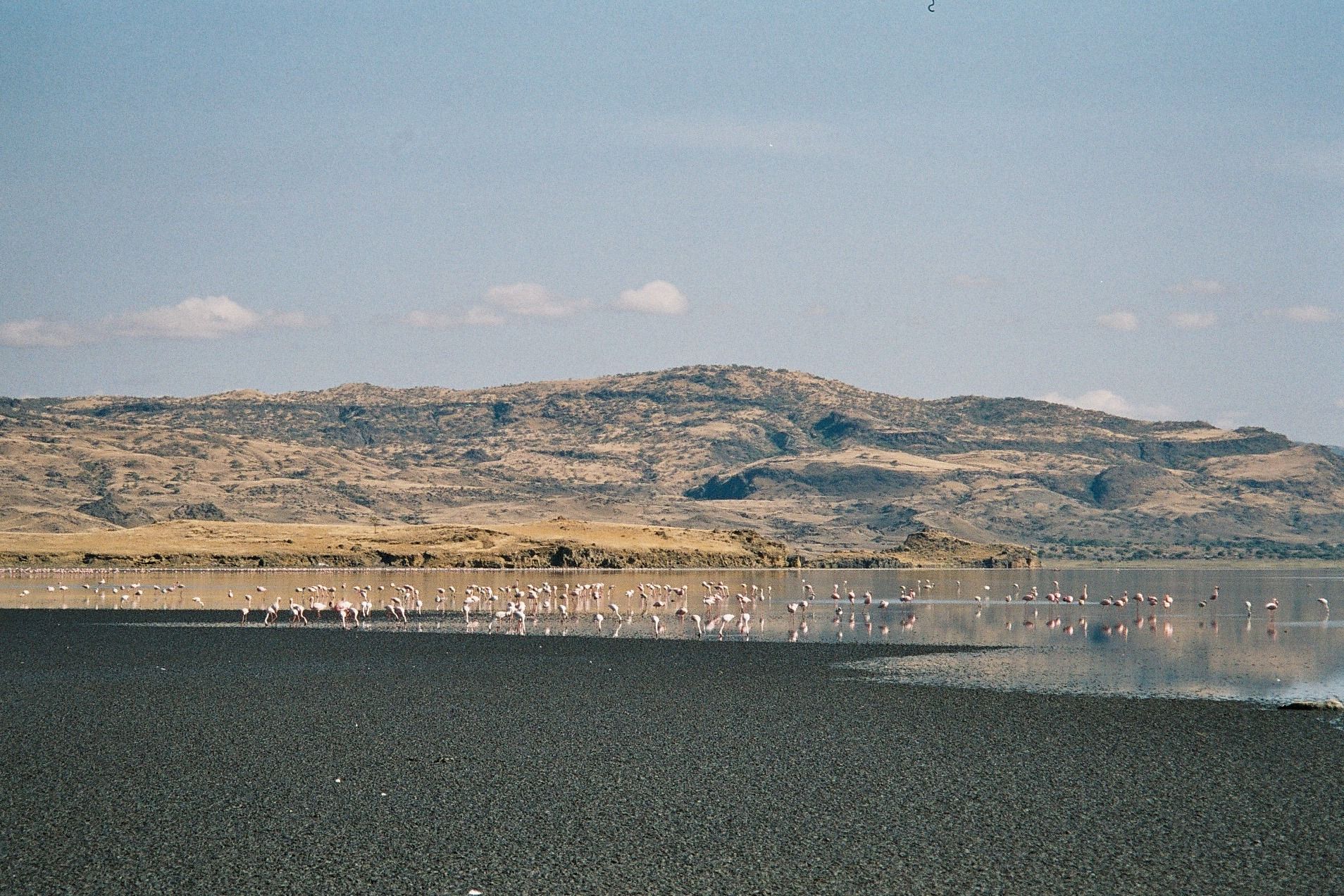
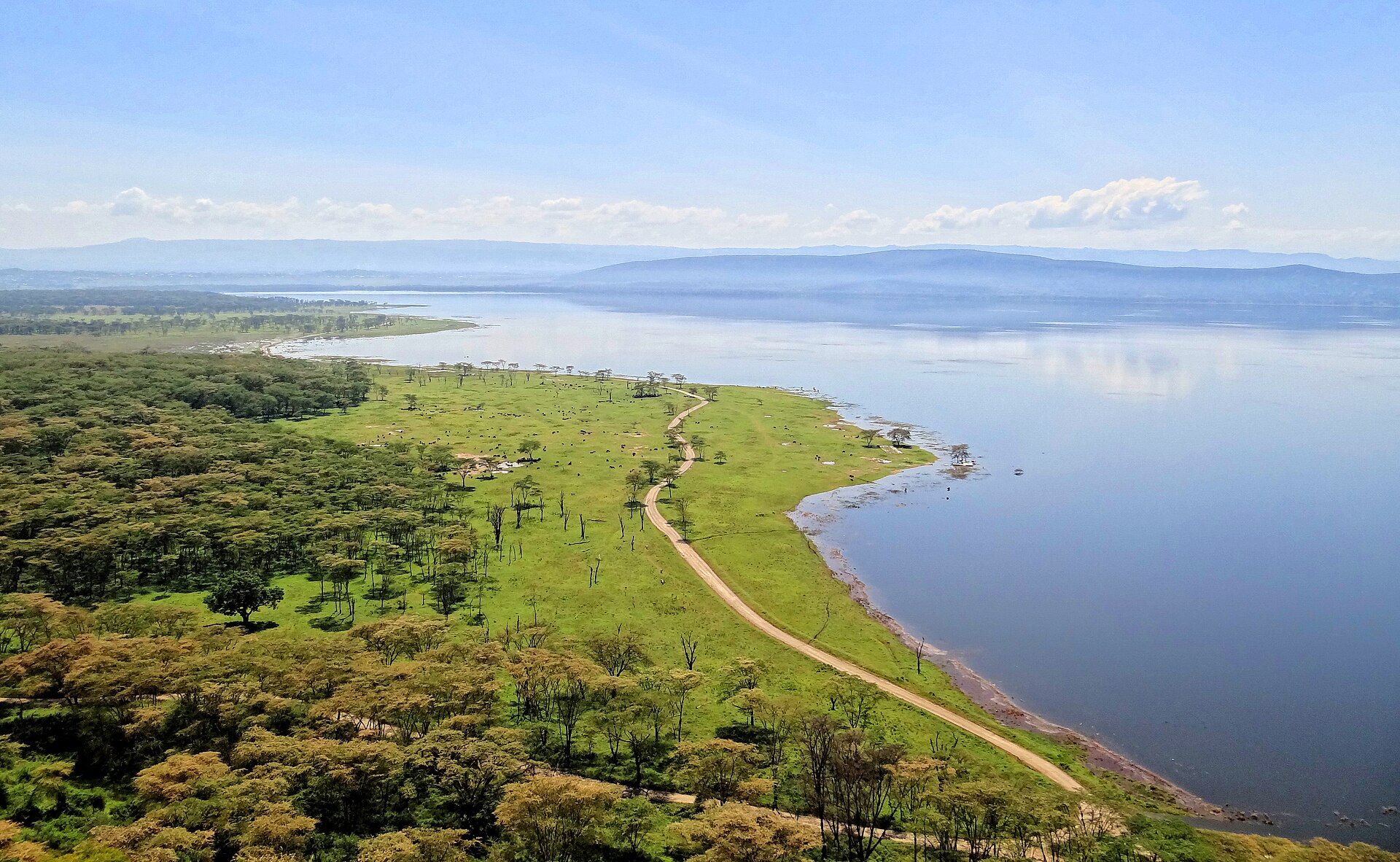
Lake Nakuru is a shallow, alkaline soda lake on the floor of the Great Rift Valley, with no outlet, so minerals concentrate in its warm waters and feed vast blooms of algae. Those algae once drew flamingos in millions, turning the shoreline a living pink — one of the great wildlife spectacles of Africa — though the birds now come and go with the lake's fluctuating levels. Ringed by acacia forest, cliffs, and euphorbia, the surrounding national park has become a fenced sanctuary for endangered rhinos.
Why visit
The park packs an extraordinary amount of wildlife around a small lake: flocks of flamingos and pelicans on the water, both black and white rhinos in the grasslands, lions (sometimes seen in trees), leopards, and the rare Rothschild's giraffe. Viewpoints like Baboon Cliff look out over the whole pink-fringed lake and its wildlife, making it one of Kenya's most rewarding and accessible safari parks.
Still deciding?
Lake Nakuru comes up most often against one other place — each one weighs cost, effort, season and crowds side by side.
More views of Lake Nakuru
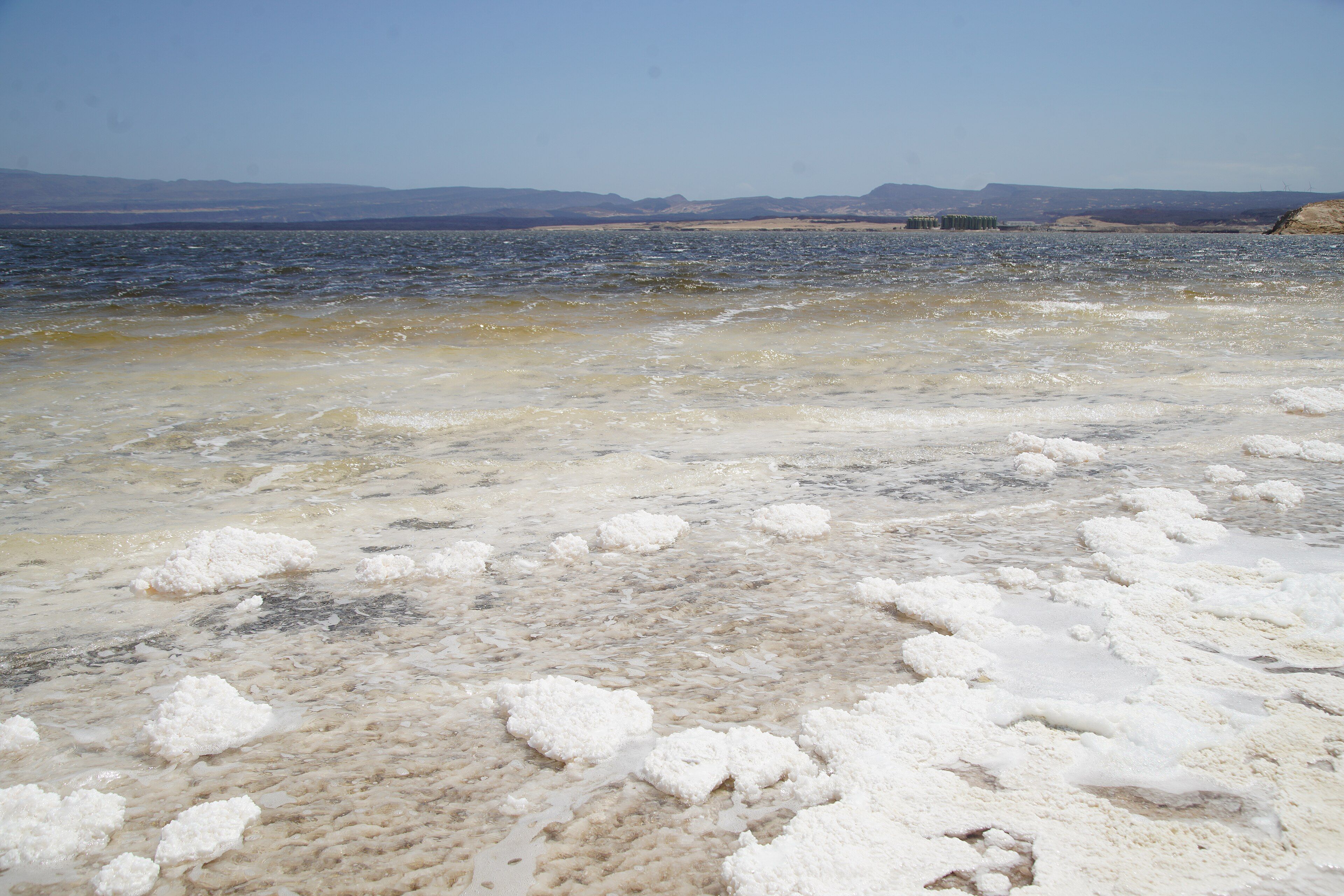
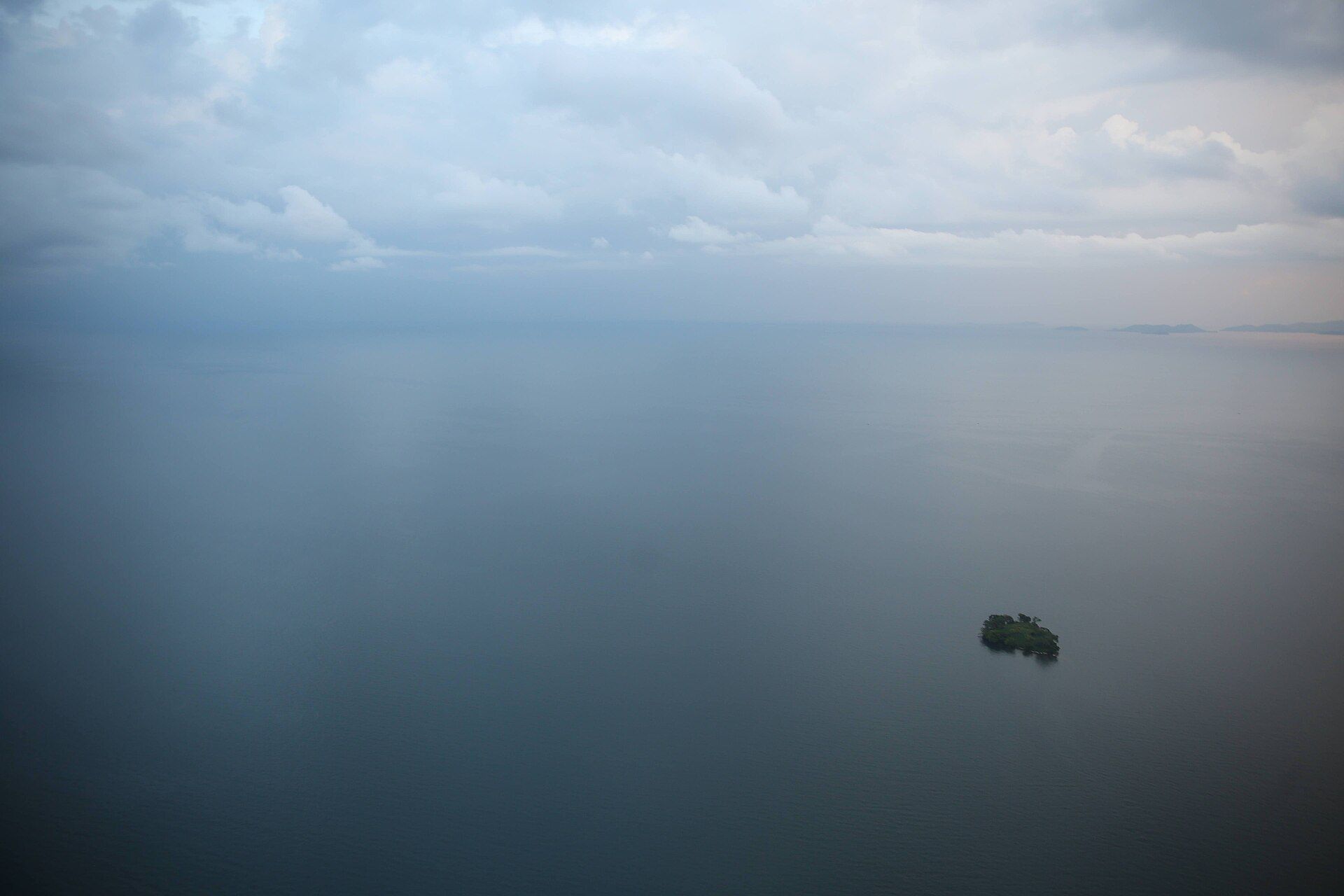
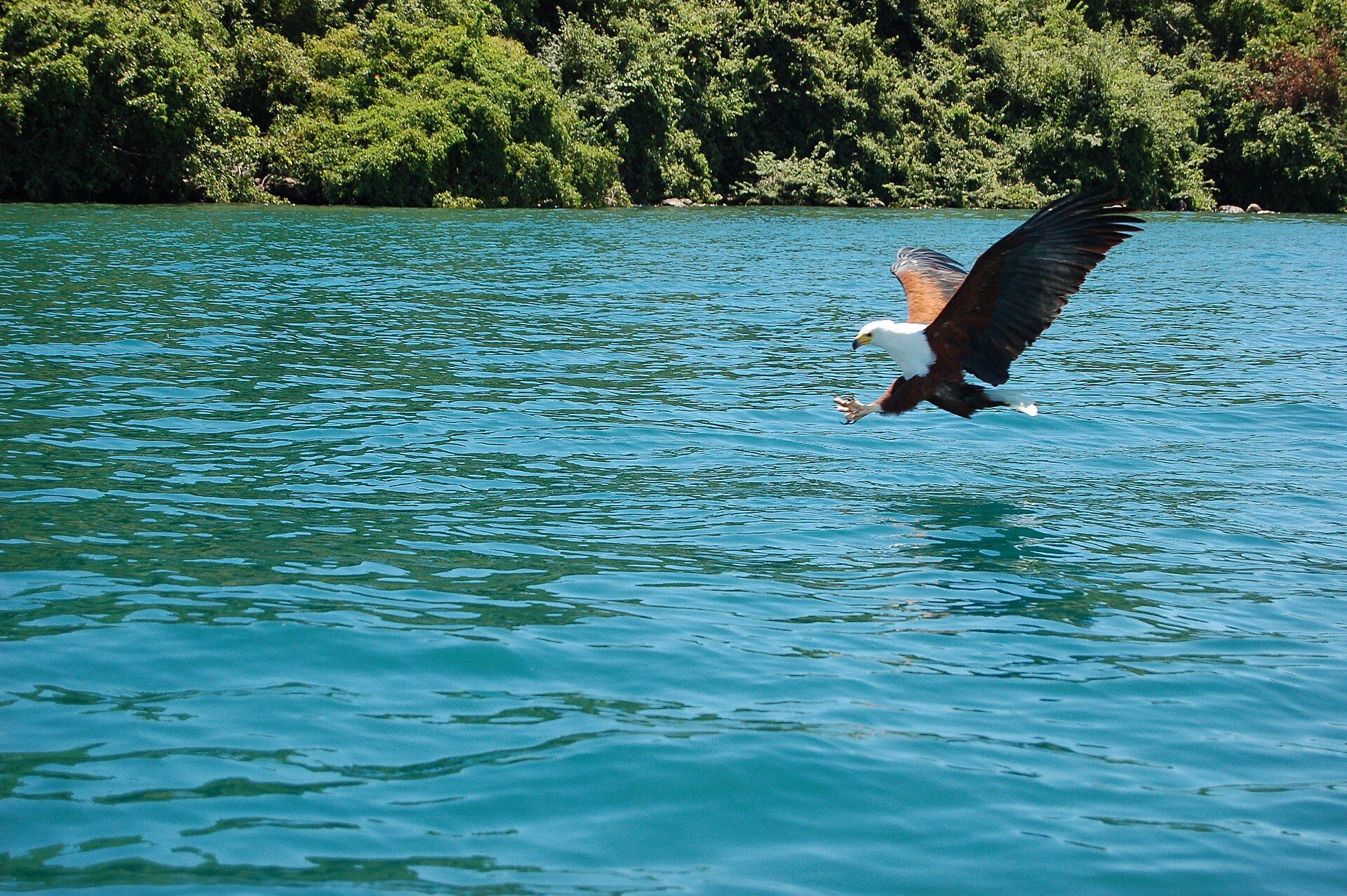
Additional photographs of the actual site — each freely licensed, with its photographer and licence credited.
What to know before you go
🗓️ Best time
The drier months (roughly June–March, with a break in the long rains) for easier game-viewing; flamingo numbers vary greatly with the lake's water level, so no season guarantees the pink shoreline.
🧭 Getting there & access
About 2.5–3 hours by road northwest of Nairobi, near the town of Nakuru. A ticketed national park explored by safari vehicle; entry is via park gates, with lodges and campsites inside and nearby.
Good to know
- Go early or late for the best light and most active wildlife.
- Don't count on the flamingos — their numbers swing with the lake level.
- Climb to Baboon Cliff for the classic panorama over the lake.
Plan your visit
Easy🧭 Getting there
From Nairobi (NBO), Kenya
- Fly to Nairobi
- Road northwest toward Nakuru — about 2h30–3h
- Enter the national park by safari vehicle through a park gate
- Total travel
- A half-day drive from Nairobi; often part of a Rift Valley circuit
- Time at site
- A full day or an overnight for game drives around the lake
- Access
- National park entry fees apply (higher for foreign visitors), typically paid per day. Game viewing is by vehicle; guided safaris are the norm. Roads inside can be rough after rain.
🎒 What to bring & consider
- Binoculars and a camera with a zoom for the wildlife
- Sun protection, water, and neutral clothing for game drives
- A guide or safari operator familiar with the park
- Park fees in the accepted form of payment
👁️ What to expect
- Crowds
- A popular park, busiest midday around the main viewpoints; early and late drives are quieter and better for wildlife.
- Conditions
- Game-drive terrain of tracks around the lake and through forest; hot by day, cool at dawn.
- Facilities
- Lodges, campsites, and picnic sites in and around the park; Nakuru town nearby.
- The view
- A pink shoreline of flamingos with rhinos or giraffe beyond, or the lake from Baboon Cliff. Early light and a high lake with flamingos are the ideal, if unpredictable.
Times and requirements are approximate and change with season, weather, and local rules — confirm permits, fares, and schedules with operators before you travel.
Natural riches of the area
- A shallow alkaline soda lake in the Rift Valley
- Algae blooms that feed flamingos and pelicans
- A fenced sanctuary for black and white rhinos
- Acacia forest, cliffs, and Rothschild's giraffe
Local food
- Nyama choma
- Kenyan grilled meat, the centrepiece of a shared meal.
- Ugali
- A firm maize-flour staple eaten with stews and greens.
Lake Nakuru is one of the jewels of Kenya’s Great Rift Valley — a shallow, mineral-rich soda lake that has no outlet, so its warm alkaline water grows vast blooms of algae. Those algae are food for flamingos, which once gathered here in their millions and turned the entire shoreline a shimmering, living pink, one of the most famous wildlife sights in Africa. The flocks now rise and fall with the lake’s changing water levels, but the spectacle, when it comes, is unforgettable.
The national park around the lake is just as remarkable. Fenced to protect them, both black and white rhinos graze its grasslands; lions, sometimes lounging in the acacias, and leopards hunt the forest edges; and the rare Rothschild’s giraffe steps among the trees. From viewpoints like Baboon Cliff, the whole pink-rimmed lake and its wildlife spread out below. Easily reached from Nairobi and packed with life around a single small lake, Nakuru is one of Kenya’s most rewarding safari destinations.
Lake Nakuru: common questions
How do you get to Lake Nakuru?
From Nairobi (NBO), Kenya: Fly to Nairobi; Road northwest toward Nakuru — about 2h30–3h; Enter the national park by safari vehicle through a park gate. Total travel time: A half-day drive from Nairobi; often part of a Rift Valley circuit.
When is the best time to visit Lake Nakuru?
The drier months (roughly June–March, with a break in the long rains) for easier game-viewing; flamingo numbers vary greatly with the lake's water level, so no season guarantees the pink shoreline.
How long should you spend at Lake Nakuru?
A full day or an overnight for game drives around the lake. Total travel time: A half-day drive from Nairobi; often part of a Rift Valley circuit.
What should you bring to Lake Nakuru?
Binoculars and a camera with a zoom for the wildlife Sun protection, water, and neutral clothing for game drives A guide or safari operator familiar with the park Park fees in the accepted form of payment
Do you need a permit or guide for Lake Nakuru?
National park entry fees apply (higher for foreign visitors), typically paid per day. Game viewing is by vehicle; guided safaris are the norm. Roads inside can be rough after rain.
Is Lake Nakuru crowded, and what are conditions like?
A popular park, busiest midday around the main viewpoints; early and late drives are quieter and better for wildlife. Game-drive terrain of tracks around the lake and through forest; hot by day, cool at dawn. Facilities: Lodges, campsites, and picnic sites in and around the park; Nakuru town nearby.
Added
More wonders to explore