Kayangan Lake, Coron
📍 Coron Island, Palawan, Philippines
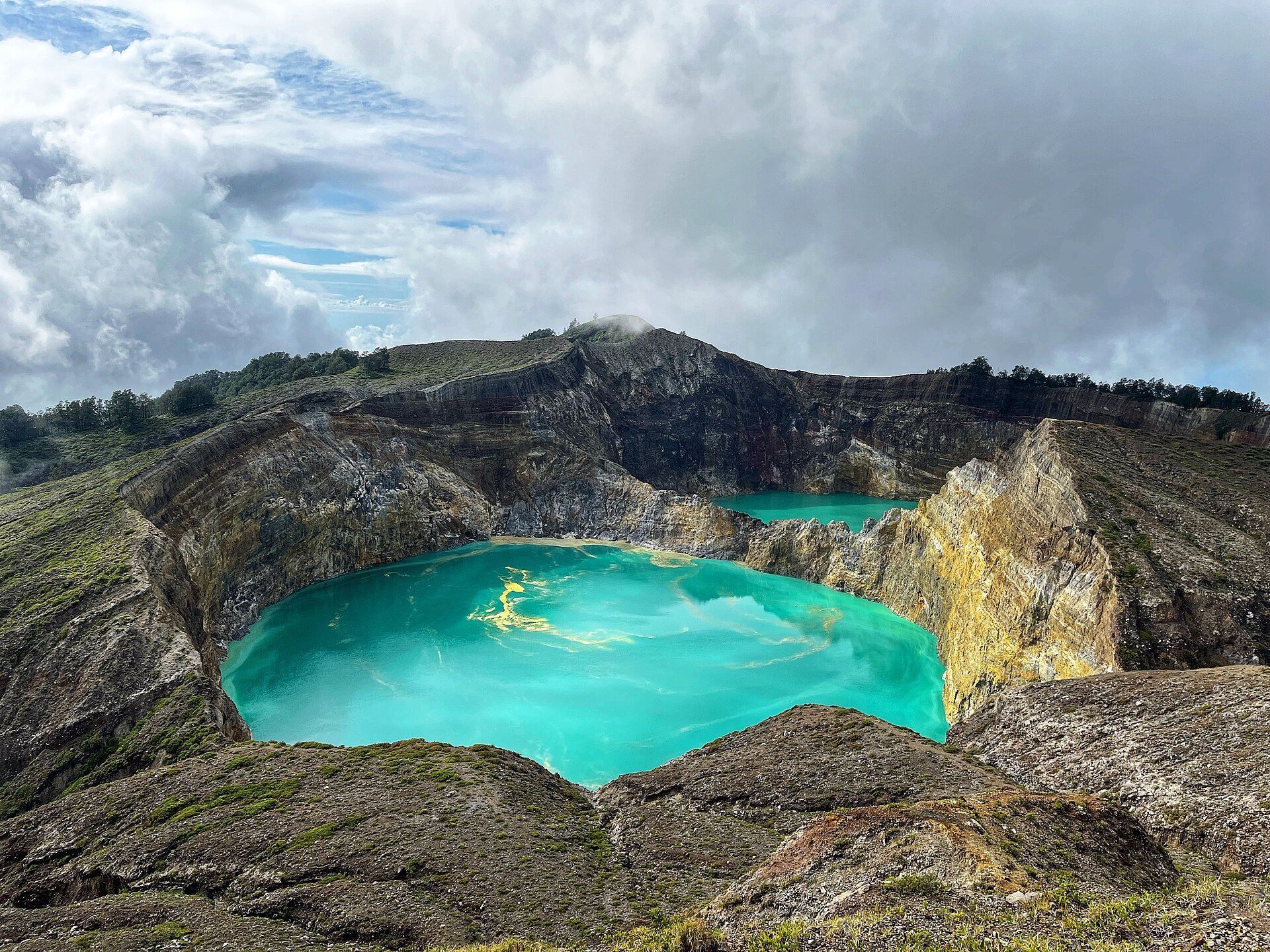
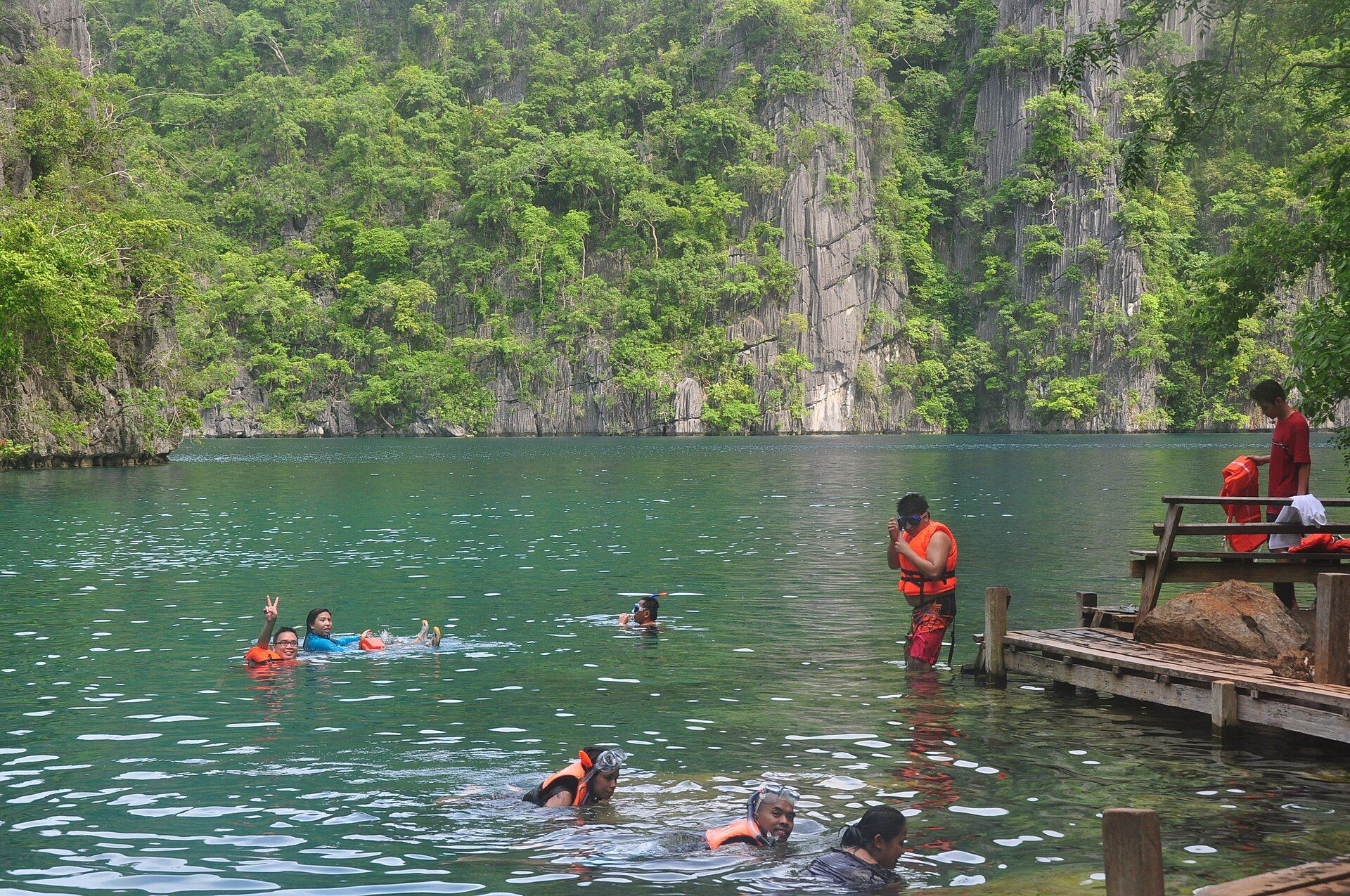
Often called the cleanest lake in the Philippines — a jewel-clear brackish lake cradled by limestone cliffs on Coron Island, reached by a short climb over a saddle with one of the country's most photographed viewpoints.
What makes it marvelous
Kayangan is a meromictic lake: a layered body where cool freshwater floats over warmer saltwater seeping through the porous limestone, giving startling clarity and a visible thermocline. The whole of Coron Island is jagged karst, its lakes and lagoons ringed by cliffs and managed by the Indigenous Tagbanua people, who hold ancestral rights to these waters.
Why visit
From the ridge above the lake you get the classic Coron view — turquoise water framed by dark limestone towers. Down at the water, snorkelling reveals sunken rock formations and shimmering layers where fresh meets salt. Nearby Twin Lagoon and the Japanese WWII shipwrecks make Coron one of the best day-boat destinations in the country.
What to know before you go
🗓️ Best time
Late October to May, the dry season, for calm crossings and clear water. Peak clarity and weather are usually March–May.
🧭 Getting there & access
Fly to Busuanga (Coron) airport, then a van to Coron town and an outrigger boat to Coron Island. A short but steep stairway climbs to the viewpoint and down to the lake; entry and Tagbanua community fees apply.
Good to know
- Go early to beat the boat crowds and get the still-water reflection.
- The stairs are steep — wear proper footwear and take water.
- Respect the Tagbanua rules; several lakes on the island are closed to visitors entirely.
Plan your visit
Moderate🧭 Getting there
From Busuanga (USU), Coron, Palawan
- Fly Manila → Busuanga — about 1h10
- Road to Coron town — roughly 30–45 minutes
- Boat to Coron Island — about 30–45 minutes
- Steep climb over the ridge to the lake — around 150 steps, 10–15 minutes
- Total travel
- Half a day from Manila
- Time at site
- Full day as part of an island-hopping tour
- Access
- Boat tour plus separate Tagbanua community fees for Kayangan and Barracuda Lakes. The lakes are ancestral domain of the Tagbanua people and some areas are closed to visitors entirely — respect this.
🎒 What to bring & consider
- Water shoes for sharp karst rock and the steep steps
- Dry bag; you transfer from boat to shore
- Reef-safe sunscreen — regular sunscreen is restricted at the lakes
- Cash for the several separate community and site fees
- Reasonable fitness for the ridge climb, which is short but steep
👁️ What to expect
- Crowds
- Kayangan is one of the busiest sites in the Philippines by late morning. Being on the first boat out makes a dramatic difference.
- Conditions
- A short, steep staircase over the ridge, then a wooden platform into cold, exceptionally clear brackish water.
- Facilities
- Toilets and changing areas at the lake; lunch cooked aboard the boat.
- The view
- The classic viewpoint over the lagoon is on the climb, partway up the steps — before the lake itself.
Times and requirements are approximate and change with season, weather, and local rules — confirm permits, fares, and schedules with operators before you travel.
Natural riches of the area
- Karst limestone islands and layered (meromictic) lakes
- Coral reefs and seagrass around Coron and Busuanga
- Dugong feeding grounds in nearby waters
- Mangroves and endemic reef fish
Local food
- Lato salad
- Crunchy 'sea grapes' (green caviar seaweed) with tomato, onion, and vinegar.
- Grilled tamban and tuna
- Small sardines and tuna landed around Busuanga, grilled fresh.
- Cashew and calamansi
- Palawan cashews and the region's tart little limes turn up in snacks and drinks everywhere.
Coron Island is a wall of black limestone rising out of the sea north of Palawan, and hidden inside it are some of the clearest lakes in the country. Kayangan is the famous one: a short, steep climb from the boat landing brings you to a ridge with the postcard view — turquoise water hemmed by karst towers — and then down to the lake itself.
The clarity is not an accident. Kayangan is a layered lake, cool freshwater resting over warmer saltwater that seeps through the porous rock, so the water is unusually still and transparent, with a visible line where the layers meet. Snorkellers drift over drowned rock formations in water that seems to have no bottom.
Coron’s lakes belong to the Tagbanua people, who manage access and keep several of them closed to outsiders altogether. Visiting the ones that are open — quietly, and by their rules — is part of what keeps this karst island so remarkable.
Kayangan Lake, Coron: common questions
How do you get to Kayangan Lake, Coron?
From Busuanga (USU), Coron, Palawan: Fly Manila → Busuanga — about 1h10; Road to Coron town — roughly 30–45 minutes; Boat to Coron Island — about 30–45 minutes; Steep climb over the ridge to the lake — around 150 steps, 10–15 minutes. Total travel time: Half a day from Manila.
When is the best time to visit Kayangan Lake, Coron?
Late October to May, the dry season, for calm crossings and clear water. Peak clarity and weather are usually March–May.
How long should you spend at Kayangan Lake, Coron?
Full day as part of an island-hopping tour. Total travel time: Half a day from Manila.
What should you bring to Kayangan Lake, Coron?
Water shoes for sharp karst rock and the steep steps Dry bag; you transfer from boat to shore Reef-safe sunscreen — regular sunscreen is restricted at the lakes Cash for the several separate community and site fees Reasonable fitness for the ridge climb, which is short but steep
Do you need a permit or guide for Kayangan Lake, Coron?
Boat tour plus separate Tagbanua community fees for Kayangan and Barracuda Lakes. The lakes are ancestral domain of the Tagbanua people and some areas are closed to visitors entirely — respect this.
Is Kayangan Lake, Coron crowded, and what are conditions like?
Kayangan is one of the busiest sites in the Philippines by late morning. Being on the first boat out makes a dramatic difference. A short, steep staircase over the ridge, then a wooden platform into cold, exceptionally clear brackish water. Facilities: Toilets and changing areas at the lake; lunch cooked aboard the boat.
Added Updated
More wonders to explore