Lake Sebu & the Seven Falls
📍 South Cotabato, Mindanao, Philippines
A serene highland lake wreathed in morning mist, feeding a chain of seven waterfalls through the mountains — the ancestral home of the T'boli people and one of Mindanao's most soulful landscapes.
What makes it marvelous
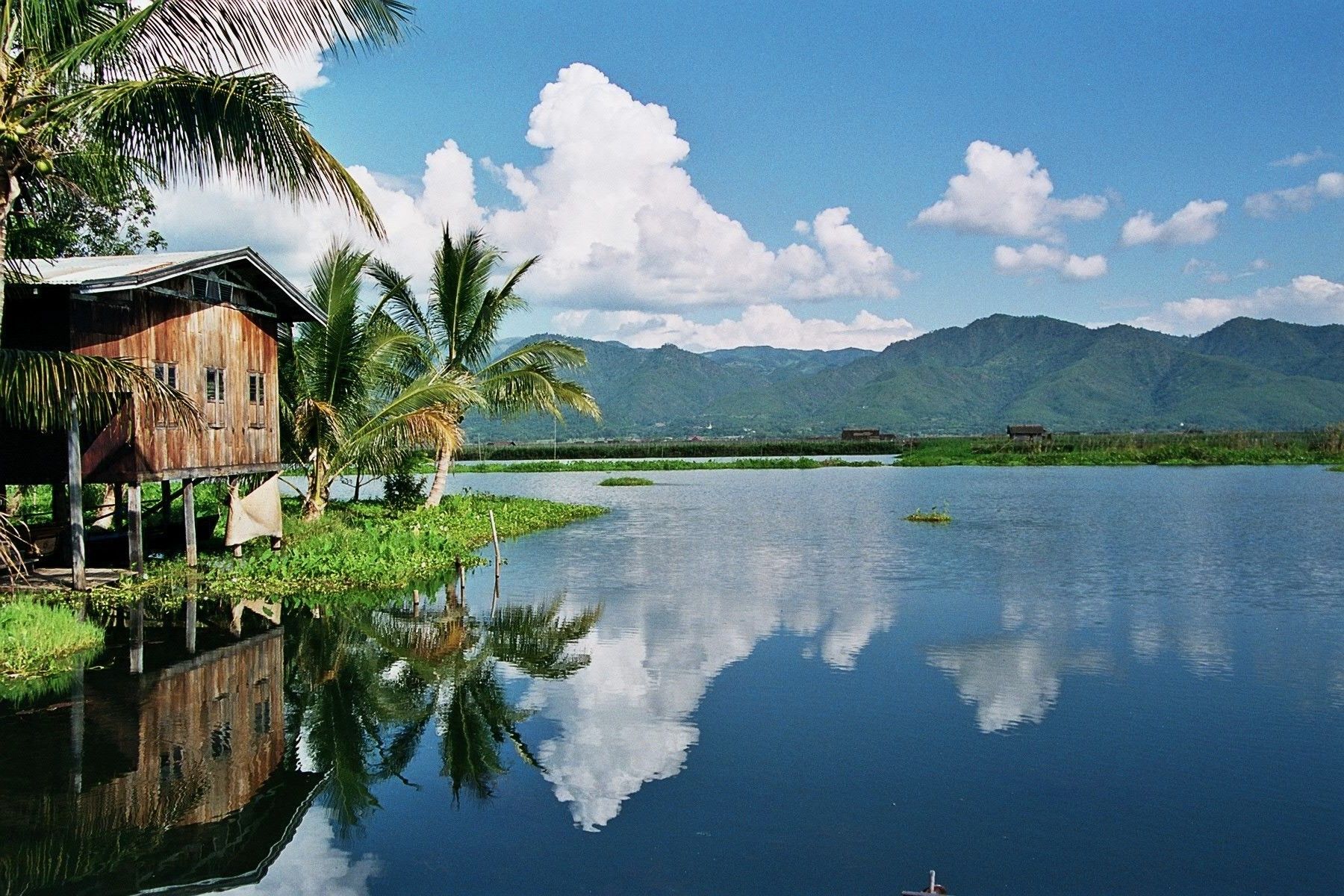
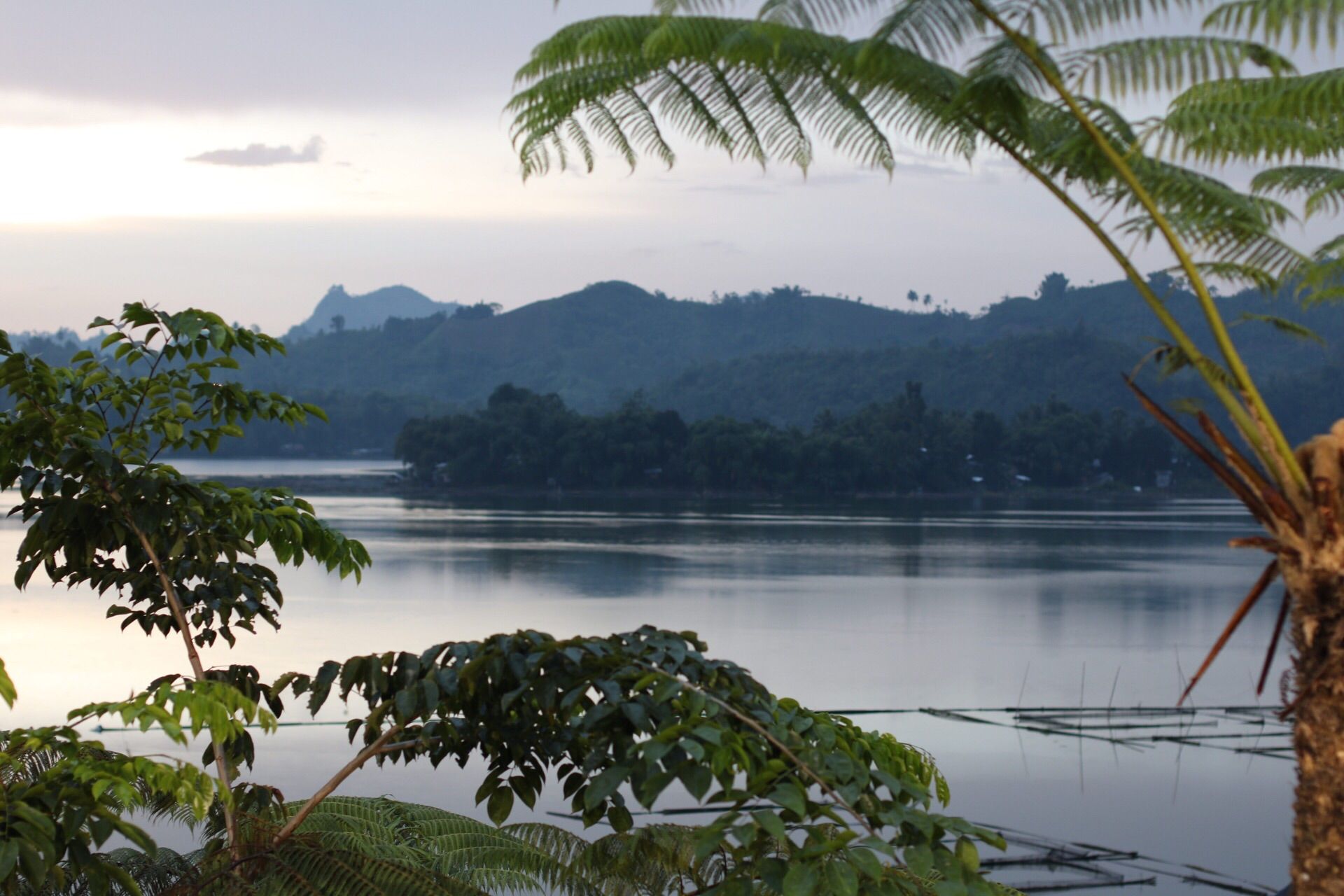
Set at around 300 metres in the highlands of South Cotabato, Lake Sebu is a natural freshwater lake fringed by lotus and fish pens, cradled by forested hills. Its outflow tumbles down the mountains as the Seven Falls, a stepped series of cascades. The whole basin is the ancestral domain of the T'boli, whose culture — from t'nalak weaving to brass casting — is bound to this land and water.
Why visit
Dawn on the lake, with mist rising off the water and lotus blooms opening, is quietly beautiful. A zip-line soars high above two of the seven falls for a bird's-eye view of the gorge, and the T'boli cultural community offers a rare, living connection between people and place.
What to know before you go
🗓️ Best time
The cooler, drier months (roughly November–May) for clear mountain weather and calm mornings on the lake.
🧭 Getting there & access
Reached from General Santos City or Koronadal in South Cotabato, then up into the highlands to Lake Sebu town. Local guides and the T'boli community host lake tours, falls visits, and the zip-line.
Good to know
- Take an early boat onto the lake for the mist and lotus at their best.
- Buy t'nalak weaving and brasswork directly from T'boli artisans to support the community.
- Be a respectful guest — this is a living ancestral homeland, not a stage set.
Plan your visit
Easy🧭 Getting there
From General Santos (GES), South Cotabato
- Fly Manila or Cebu → General Santos
- Van General Santos → Koronadal → Surallah — roughly 2h–2h30
- Van or habal-habal Surallah → Lake Sebu — about 40 minutes up into the highlands
- Total travel
- Around three to four hours from the airport
- Time at site
- Two days, to see the lakes early and the falls properly
- Access
- Open access to the lakes and town, with separate fees for the Seven Falls zipline and for entry to the falls area. Lake Sebu is T'boli ancestral domain, and much of what makes it worth visiting — the weaving, the music, the lake itself — belongs to the community rather than to a tourism operation. The zipline runs on weather and does not fly in strong wind or heavy rain. Arrange guides and homestays through the community rather than around it.
🎒 What to bring & consider
- The courtesy to ask before photographing people, their homes or the t'nalak weaving — this is a living community, not a display, and permission is both expected and readily given
- A warm layer for evenings: the lake sits around 1,000m and highland nights are genuinely cool by Philippine standards
- Rain gear, since cloud sits on these highlands for much of the year
- Cash, brought from Koronadal or General Santos
- A head for heights if you plan the zipline, which crosses high above the falls
👁️ What to expect
- Crowds
- Quiet, apart from weekends at the zipline. The lakes themselves are working fish farms with almost no visitors on them.
- Conditions
- Cool, misty highland weather. Easy walking, with stairs down to some of the falls.
- Facilities
- Lakeside resorts and homestays, simple restaurants serving lake tilapia, and a small market.
- The view
- Dawn mist over the tilapia pens with a paddled boat crossing it — the lake's best hour is before breakfast and it is over by eight. The falls need the zipline or a hike to see more than the first two.
Times and requirements are approximate and change with season, weather, and local rules — confirm permits, fares, and schedules with operators before you travel.
Natural riches of the area
- A natural highland freshwater lake with lotus beds and tilapia fisheries
- The Seven Falls cascade system feeding the lowlands
- Montane forest and cool-climate highland soils
- The ancestral domain and living culture of the T'boli people
Local food
- Tilapia
- Farmed sustainably in the lake and served grilled or fried, fresh from the water.
- T'boli traditional dishes
- Highland rice, root crops, and native greens central to T'boli cuisine.
- Native coffee & tableya
- Highland-grown coffee and stone-ground cacao from the surrounding hills.
Lake Sebu lies high in the mountains of South Cotabato, a calm freshwater lake fringed with lotus and fish pens and often wrapped, at dawn, in a soft mist that lifts as the sun climbs. Its waters spill down the mountainside as the Seven Falls, a stepped chain of cascades that a zip-line now soars above for a heart-in-mouth view of the gorge.
The lake is inseparable from the T’boli people, whose ancestral domain this is. Their culture — the dream-woven t’nalak cloth, brass ornaments, music, and dance — grows directly out of this landscape, and visiting means being a guest in a living homeland rather than a spectator at an attraction.
It is one of Mindanao’s most quietly moving places: a highland lake, a waterfall chain, and a community whose life and land are one and the same.
Lake Sebu & the Seven Falls: common questions
How do you get to Lake Sebu & the Seven Falls?
From General Santos (GES), South Cotabato: Fly Manila or Cebu → General Santos; Van General Santos → Koronadal → Surallah — roughly 2h–2h30; Van or habal-habal Surallah → Lake Sebu — about 40 minutes up into the highlands. Total travel time: Around three to four hours from the airport.
When is the best time to visit Lake Sebu & the Seven Falls?
The cooler, drier months (roughly November–May) for clear mountain weather and calm mornings on the lake.
How long should you spend at Lake Sebu & the Seven Falls?
Two days, to see the lakes early and the falls properly. Total travel time: Around three to four hours from the airport.
What should you bring to Lake Sebu & the Seven Falls?
The courtesy to ask before photographing people, their homes or the t'nalak weaving — this is a living community, not a display, and permission is both expected and readily given A warm layer for evenings: the lake sits around 1,000m and highland nights are genuinely cool by Philippine standards Rain gear, since cloud sits on these highlands for much of the year Cash, brought from Koronadal or General Santos A head for heights if you plan the zipline, which crosses high above the falls
Do you need a permit or guide for Lake Sebu & the Seven Falls?
Open access to the lakes and town, with separate fees for the Seven Falls zipline and for entry to the falls area. Lake Sebu is T'boli ancestral domain, and much of what makes it worth visiting — the weaving, the music, the lake itself — belongs to the community rather than to a tourism operation. The zipline runs on weather and does not fly in strong wind or heavy rain. Arrange guides and homestays through the community rather than around it.
Is Lake Sebu & the Seven Falls crowded, and what are conditions like?
Quiet, apart from weekends at the zipline. The lakes themselves are working fish farms with almost no visitors on them. Cool, misty highland weather. Easy walking, with stairs down to some of the falls. Facilities: Lakeside resorts and homestays, simple restaurants serving lake tilapia, and a small market.
Added Updated
More wonders to explore