Best of · North America
The 27 Most Beautiful Places in North America
27 places · every one real, mapped, and worth the trip
North America is a continent of superlatives — the deepest canyons, the tallest trees, geysers and glaciers, painted deserts and Arctic ice — much of it protected inside the world's first and finest national parks and reachable on a long, scenic drive.
This is our editors' pick of the most beautiful natural places across the continent, from Greenland's icebergs to the Yucatán's cenotes. It isn't a ranked countdown, but every entry is a real, mapped place with an honest guide to reaching it and the season it looks its best.
-
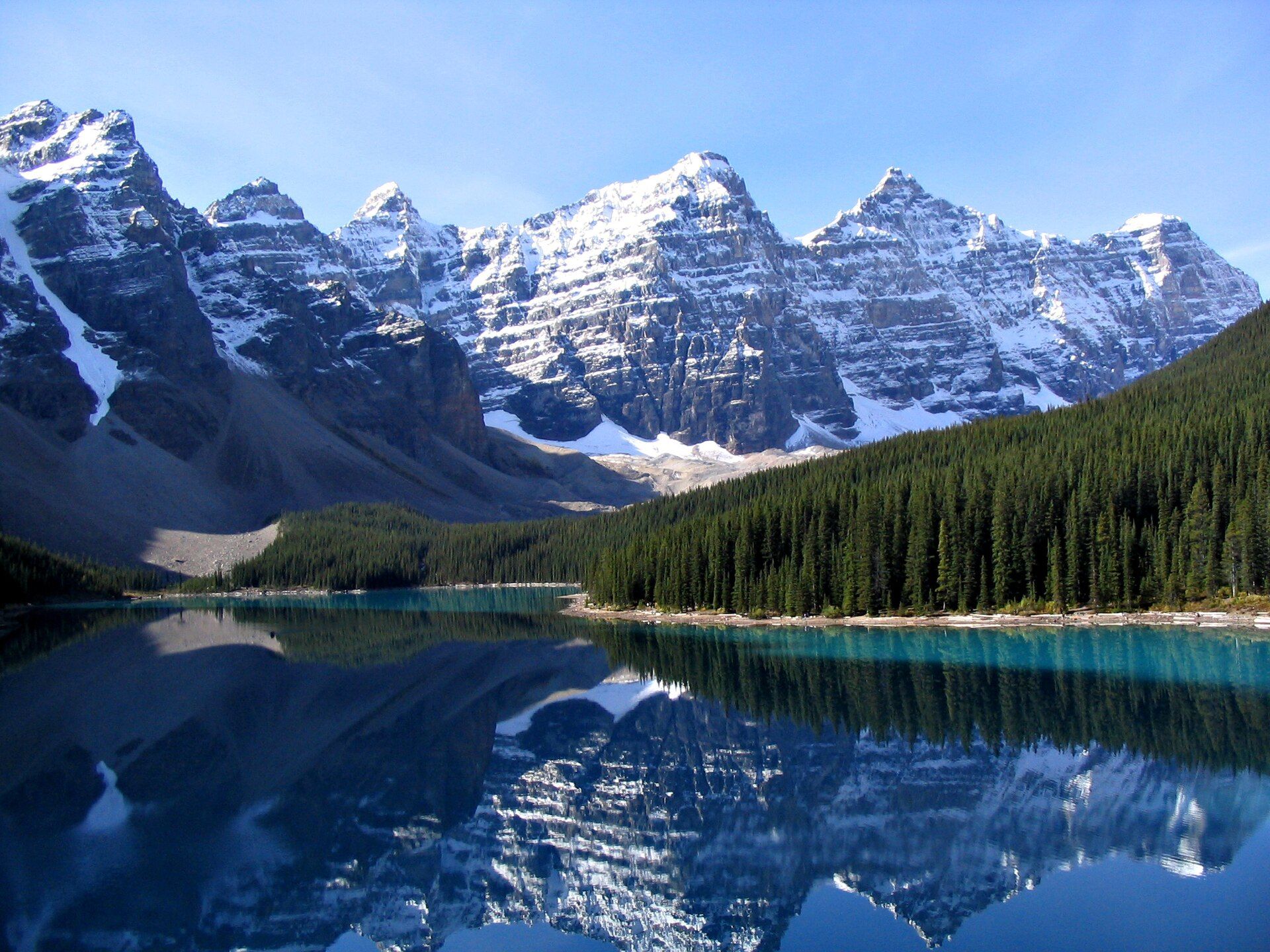
Banff & Moraine Lake Turquoise water
Banff National Park, Alberta, Canada
A glacier-fed lake of almost electric blue beneath the jagged Valley of the Ten Peaks — the most photographed view in the Canadian Rockies.
-
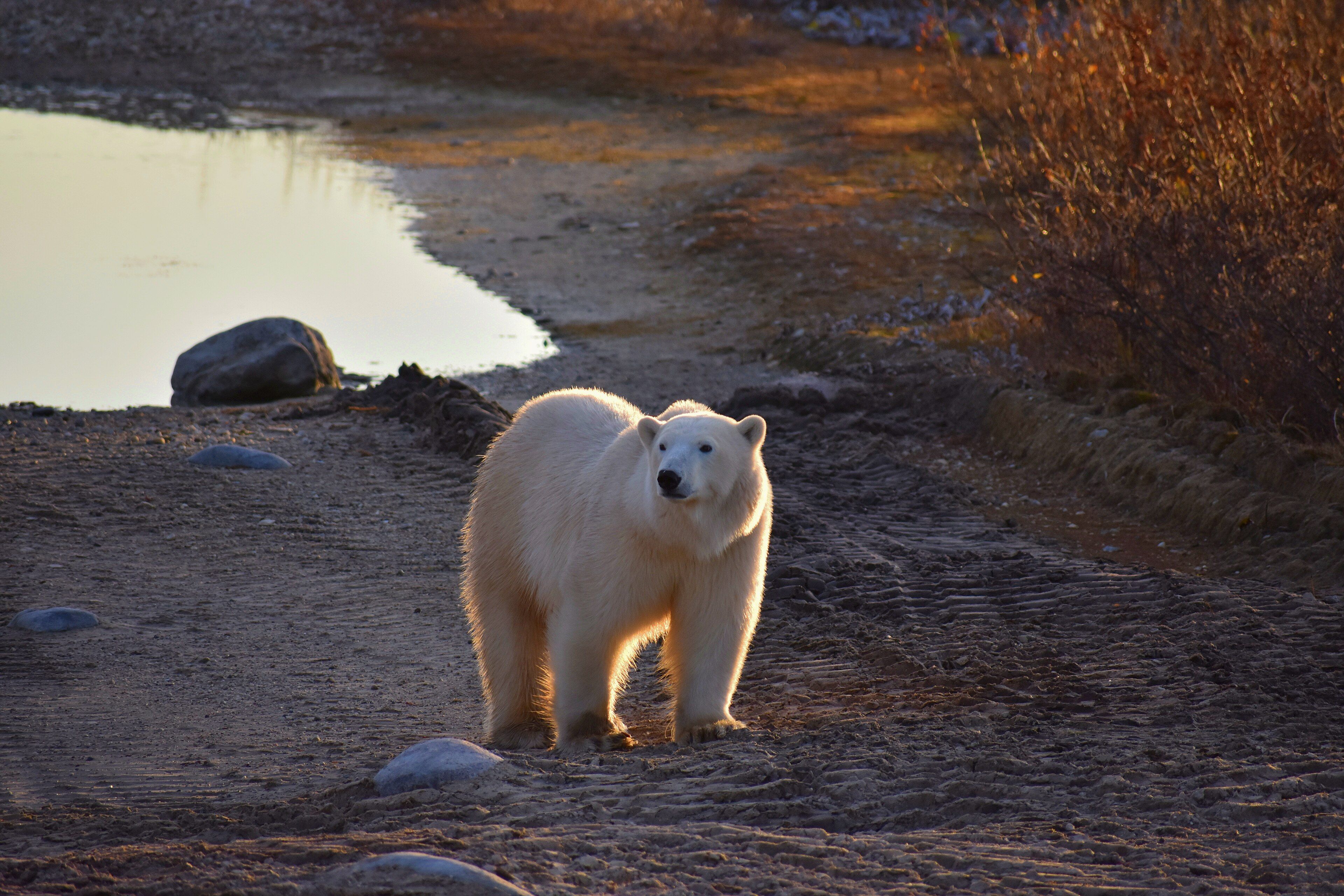
Churchill The polar bear coast
Churchill, Manitoba, western Hudson Bay, Canada
The Hudson Bay shore where roughly 900 polar bears gather each autumn, waiting on the tundra for the sea ice to form.
-
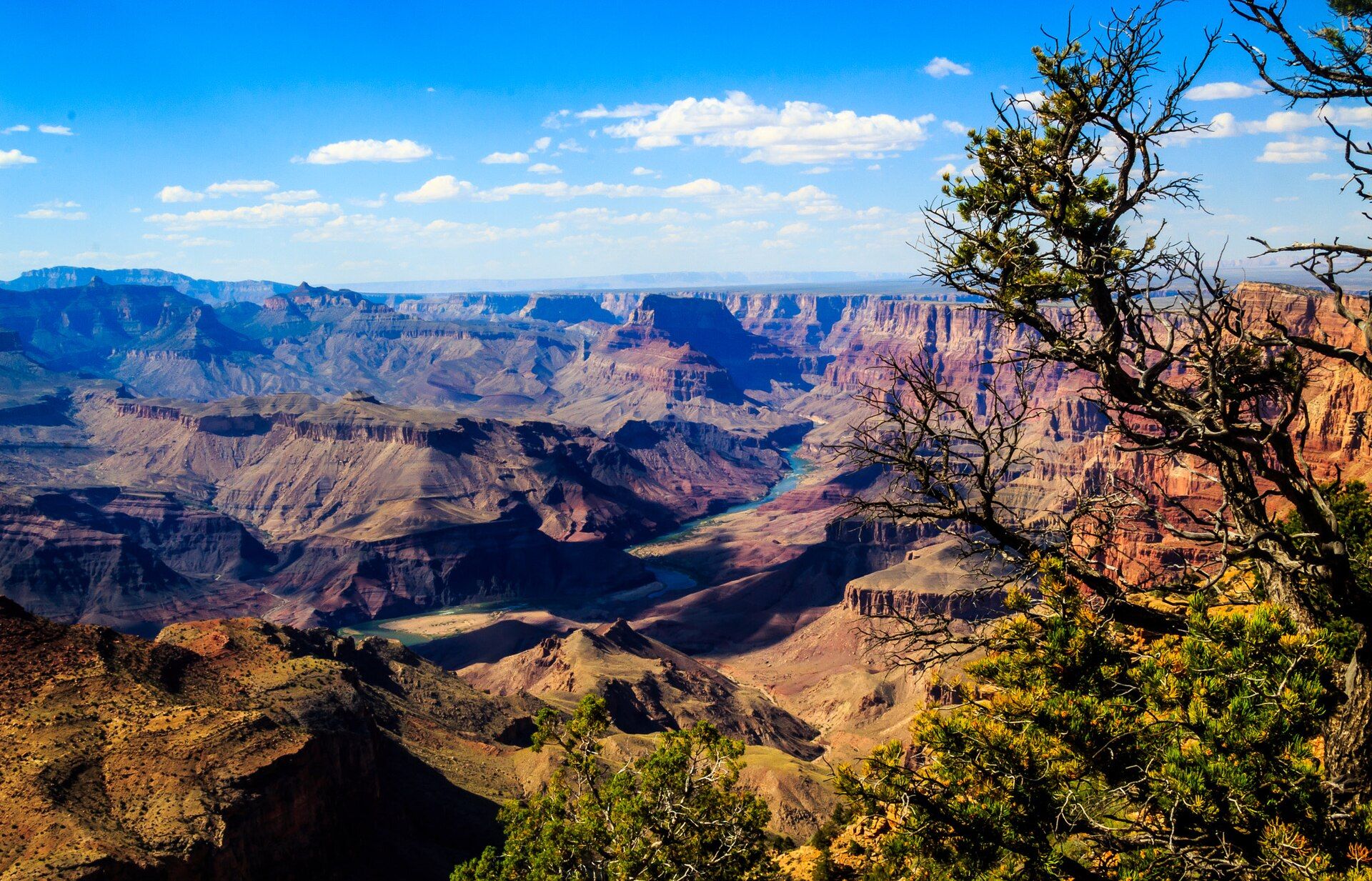
Grand Canyon The great chasm
Arizona, United States
A mile-deep, 446-kilometre gorge in Arizona that lays two billion years of Earth's history bare in bands of rose, ochre, and slate.
-
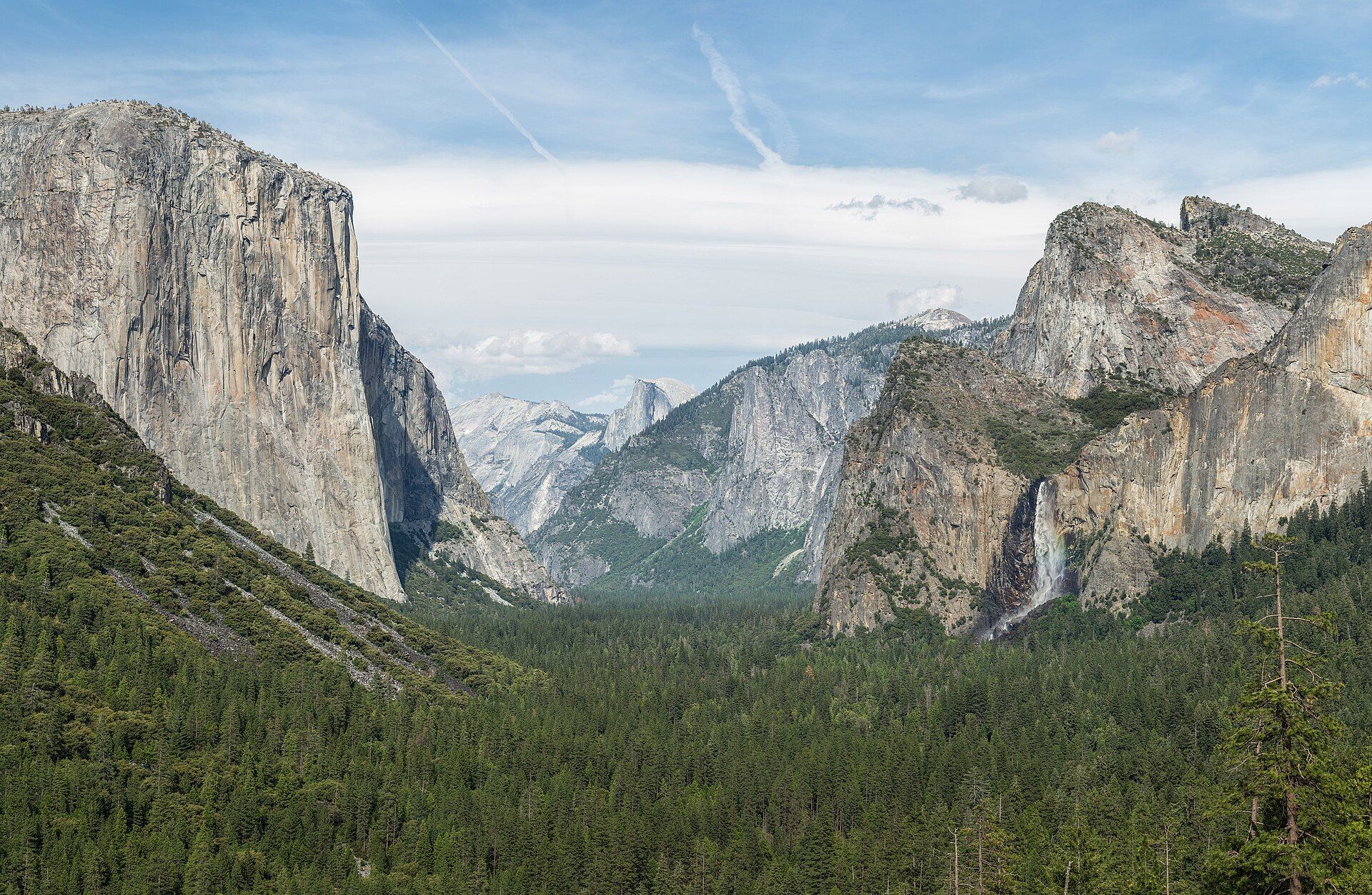
Yosemite Valley
Sierra Nevada, California, United States
Sheer granite walls, waterfalls, and giant sequoias in a glacier-carved valley that helped launch the idea of the national park itself.
-
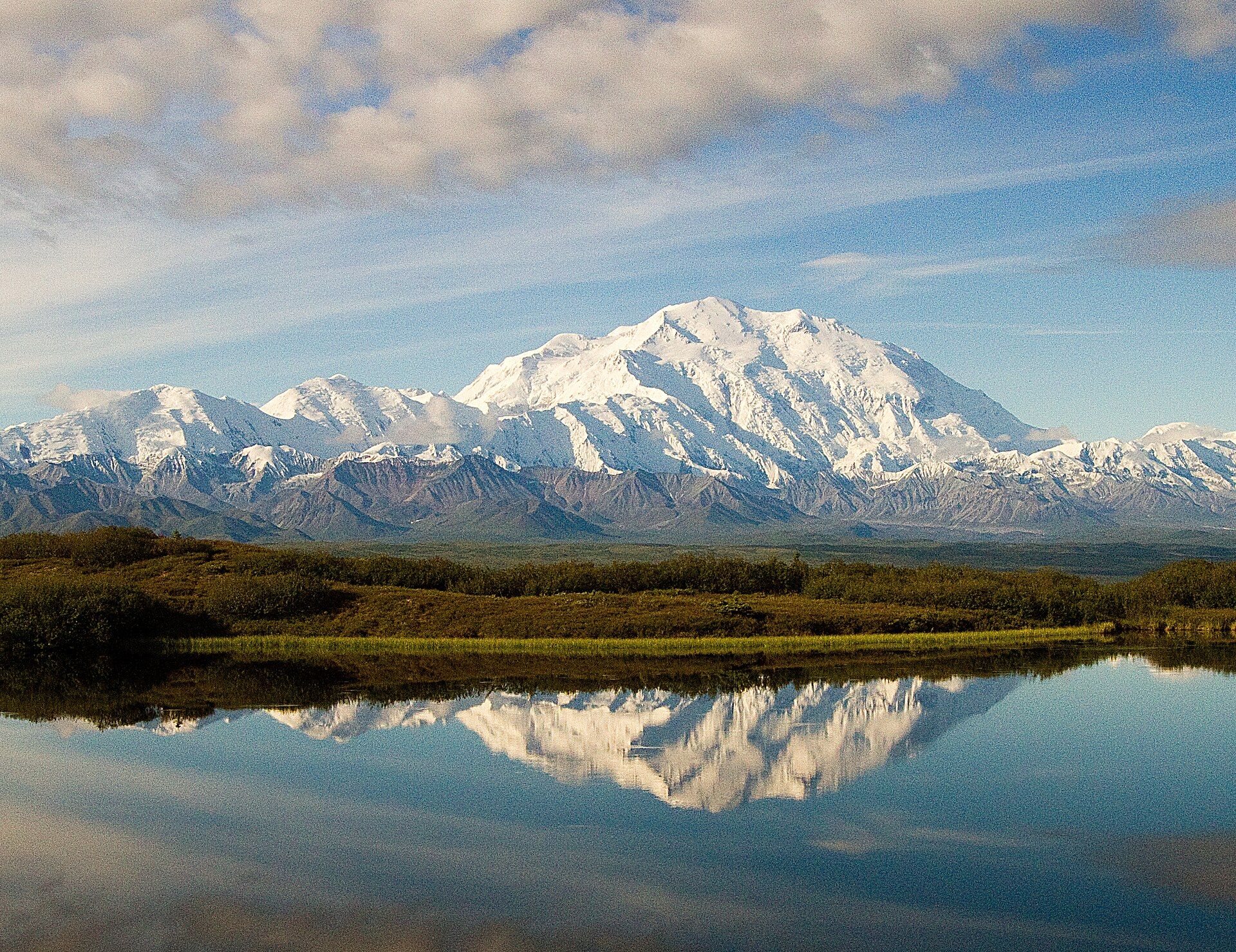
Denali
Alaska, USA
The highest peak in North America, rising in a single vast sweep above the Alaskan tundra and its wildlife-rich wilderness.
-
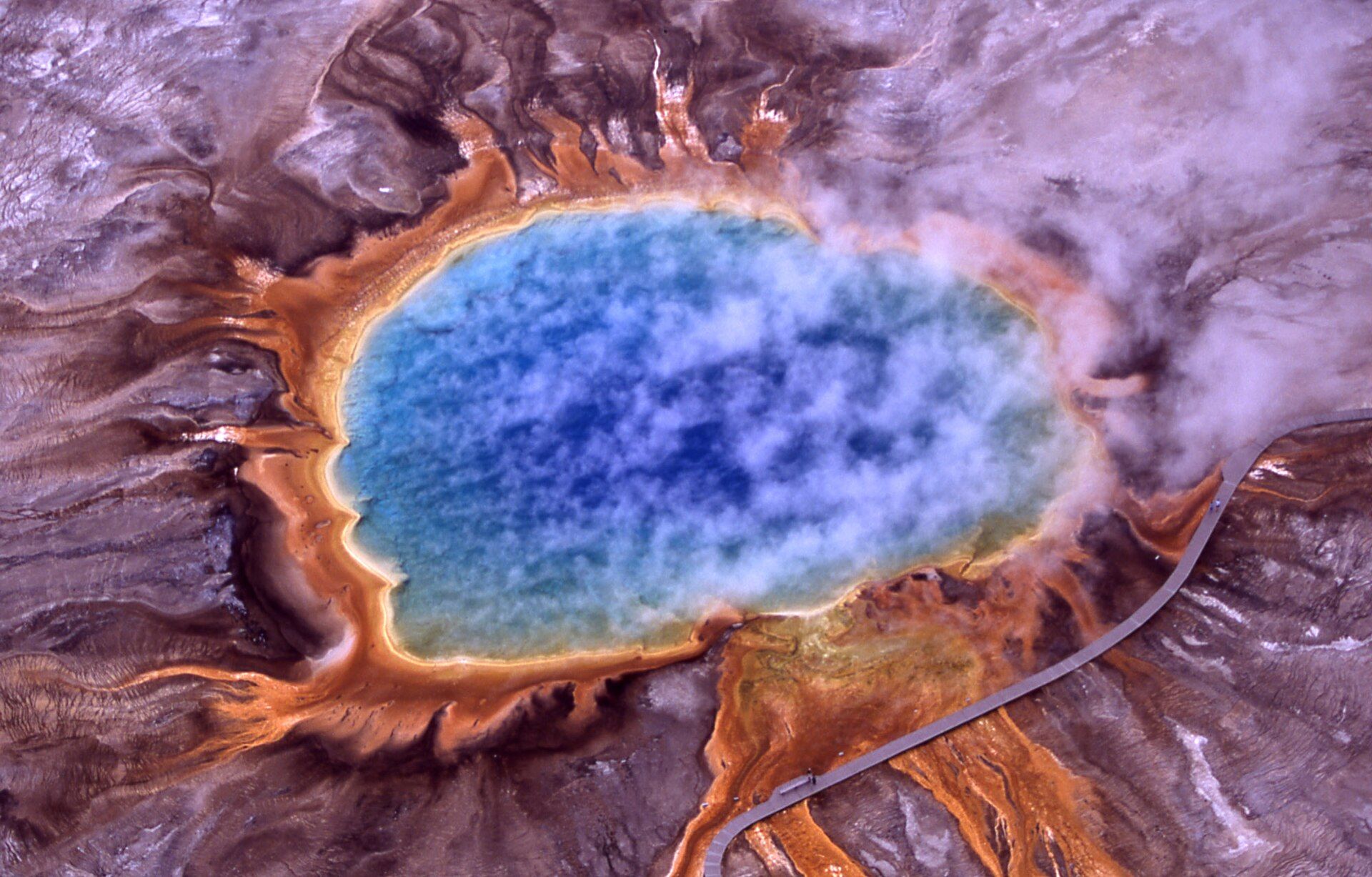
Yellowstone
Wyoming / Montana / Idaho, United States
A supervolcano's caldera of geysers, hot springs, and rainbow-rimmed pools, home to bison, wolves, and grizzlies across its high plateau.
-
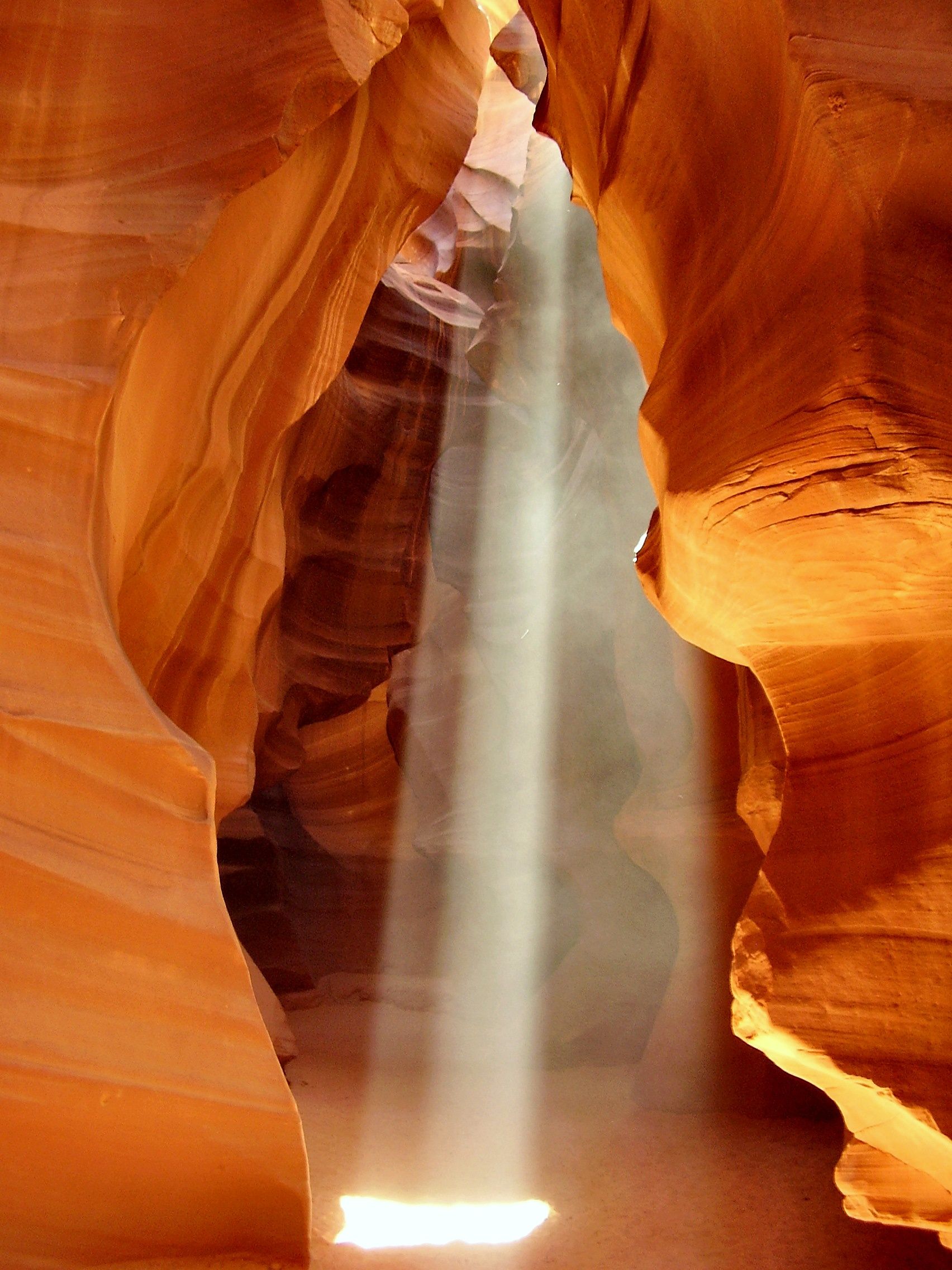
Antelope Canyon
Navajo Nation, near Page, Arizona, United States
A slot canyon on Navajo land where shafts of light pour between sculpted, wave-like sandstone walls glowing orange and violet.
-
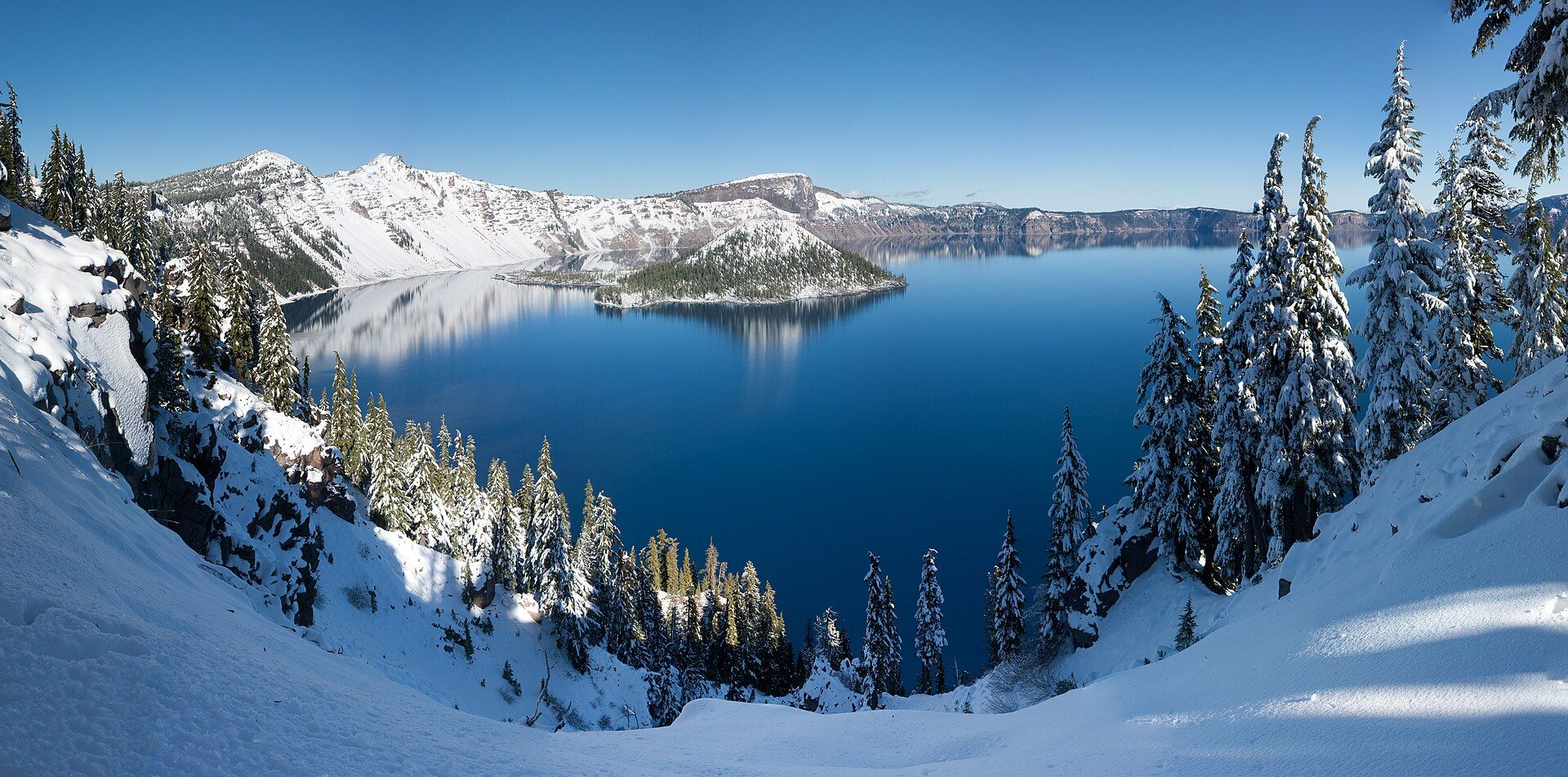
Crater Lake
Oregon, USA
The deepest lake in the United States, an astonishingly blue circle of water filling the caldera of a collapsed Oregon volcano.
-
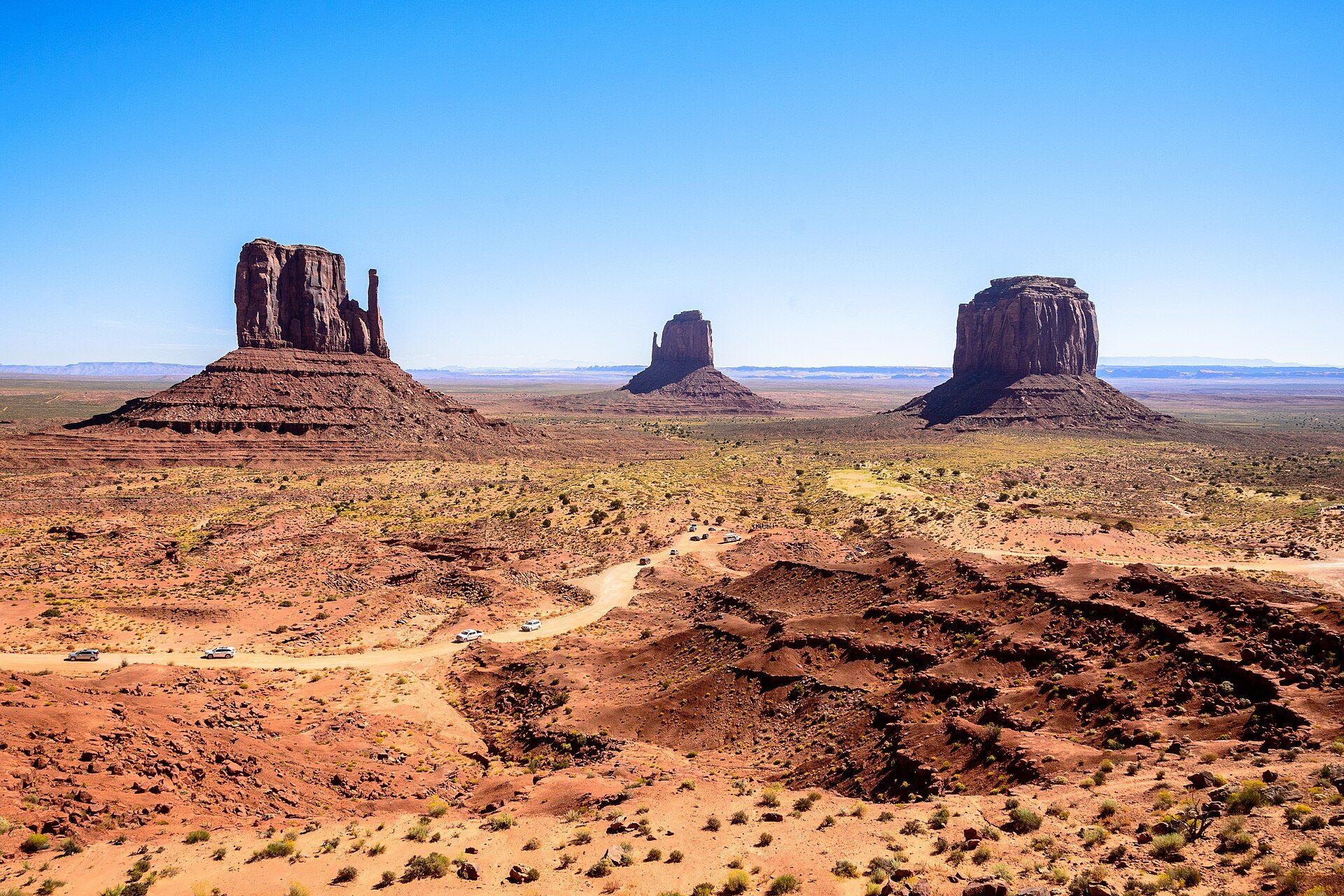
Monument Valley
Arizona–Utah border, Navajo Nation
Red sandstone buttes and mesas rising from the desert floor on the Navajo Nation — the archetypal landscape of the American West.
-
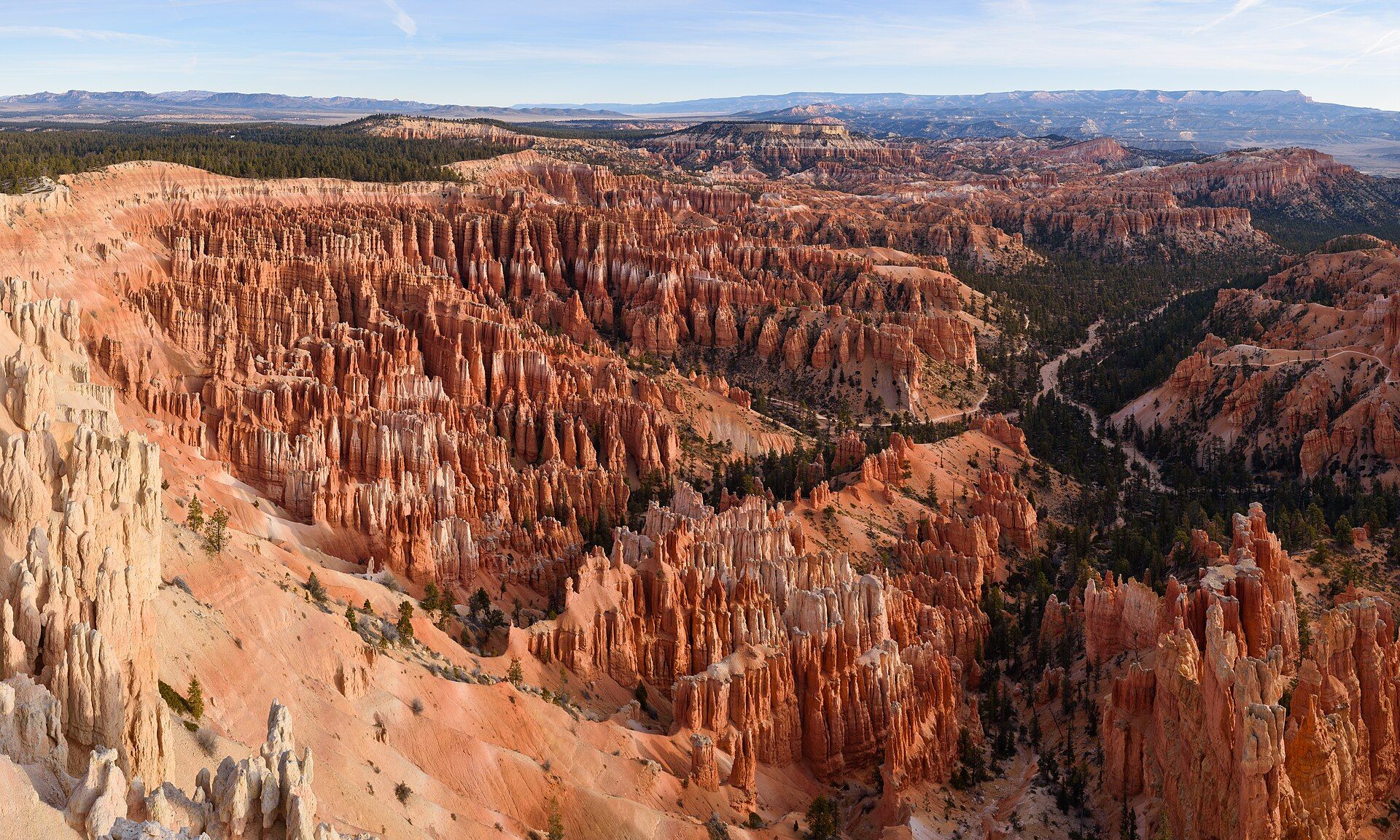
Bryce Canyon
Utah, United States
A vast natural amphitheatre filled with thousands of orange rock spires, or hoodoos, glowing at sunrise across the Utah plateau.
-
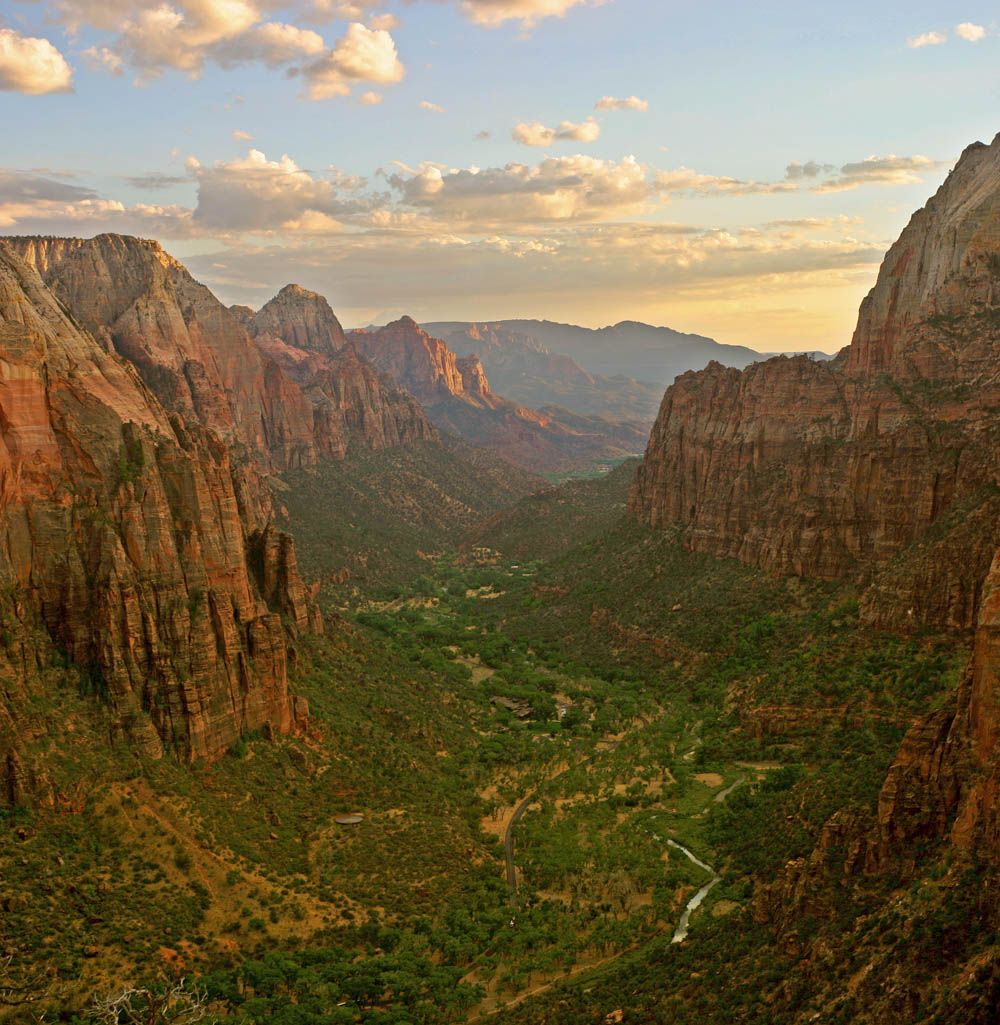
Zion Canyon
Utah, United States
Towering sandstone cliffs above a green river valley, cut by narrow slot canyons you can wade through the heart of.
-
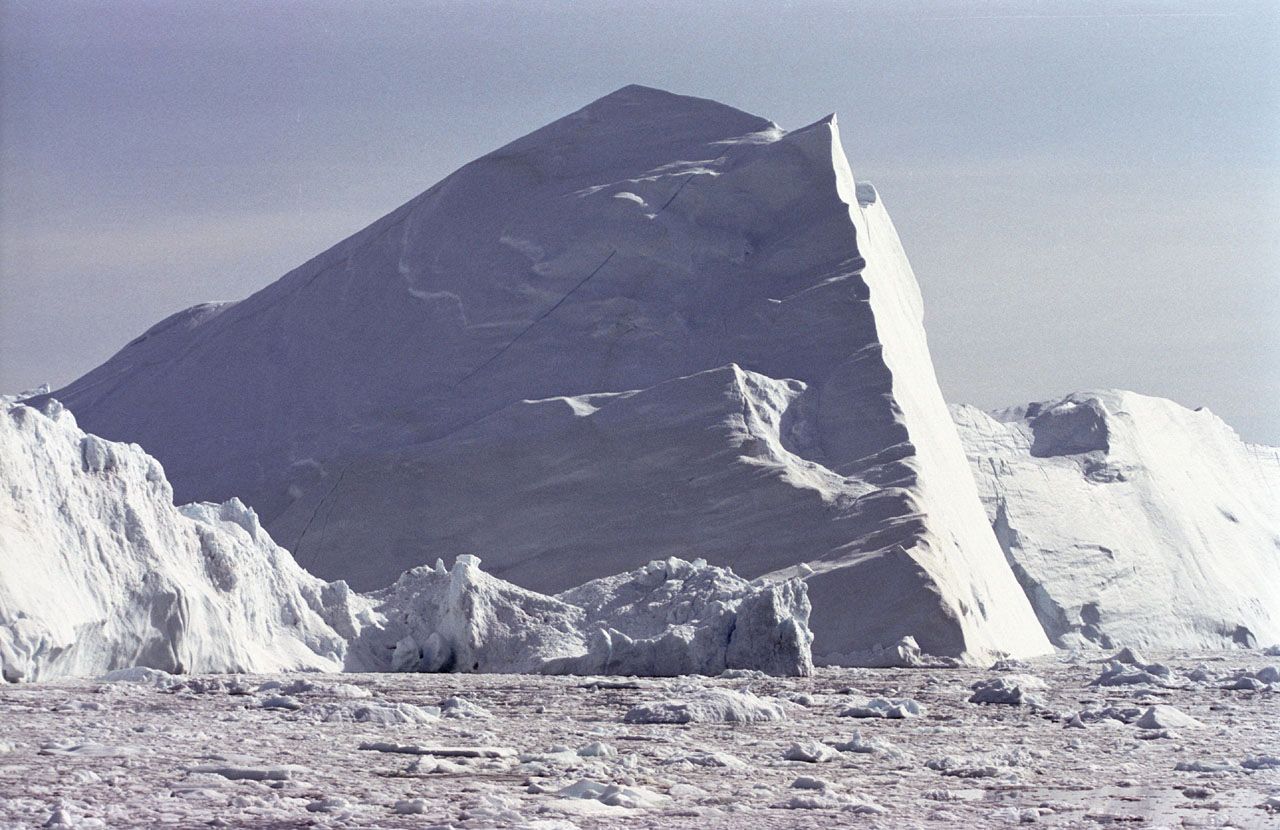
Ilulissat Icefjord
Ilulissat, western Greenland
A UNESCO fjord in Greenland choked with colossal icebergs calved from one of the fastest-moving glaciers on Earth.
-
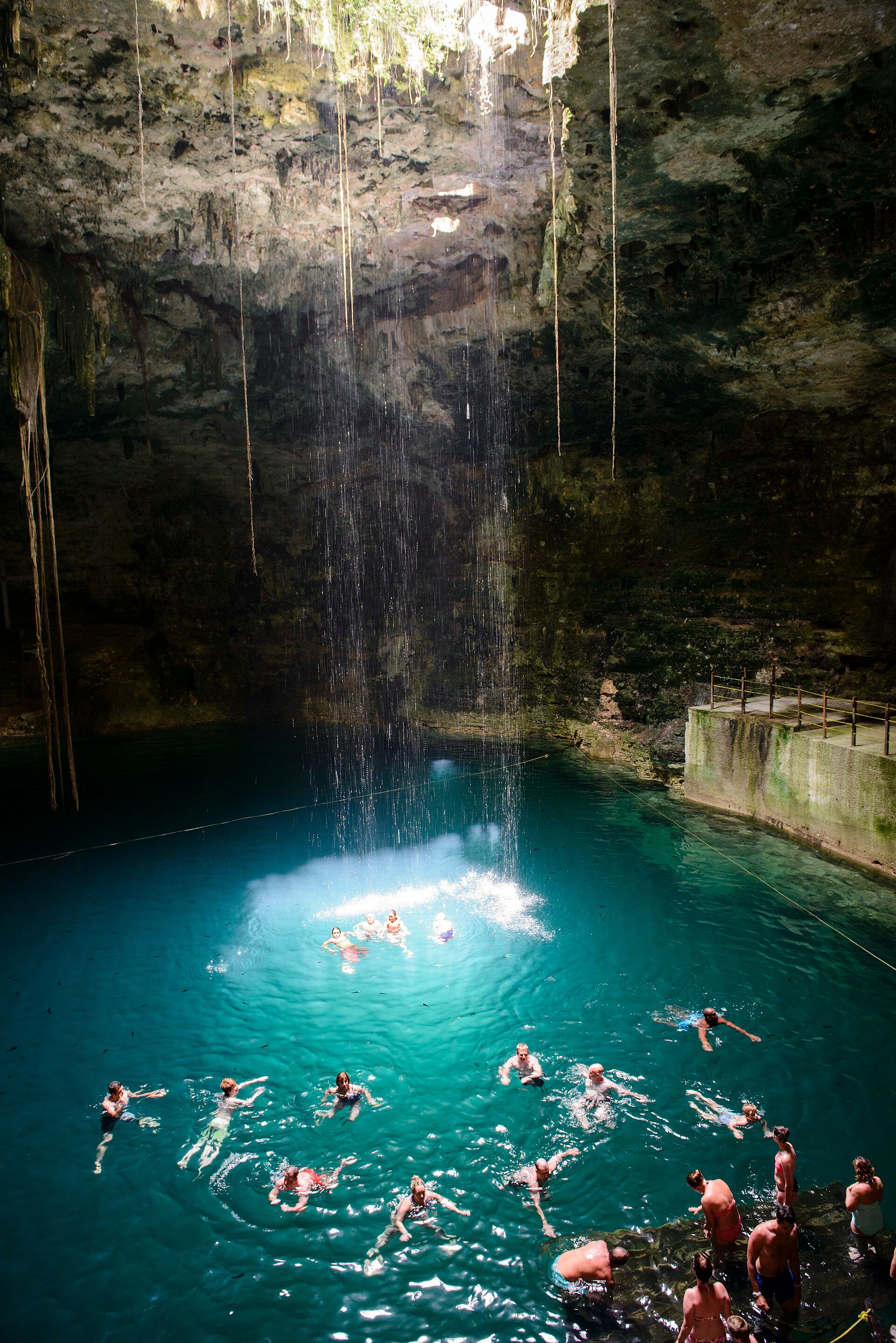
The Yucatán Cenotes
Yucatán Peninsula, Mexico
Flooded limestone sinkholes across the Yucatán, their clear water lit by shafts of light through jungle roots and cave ceilings.
-
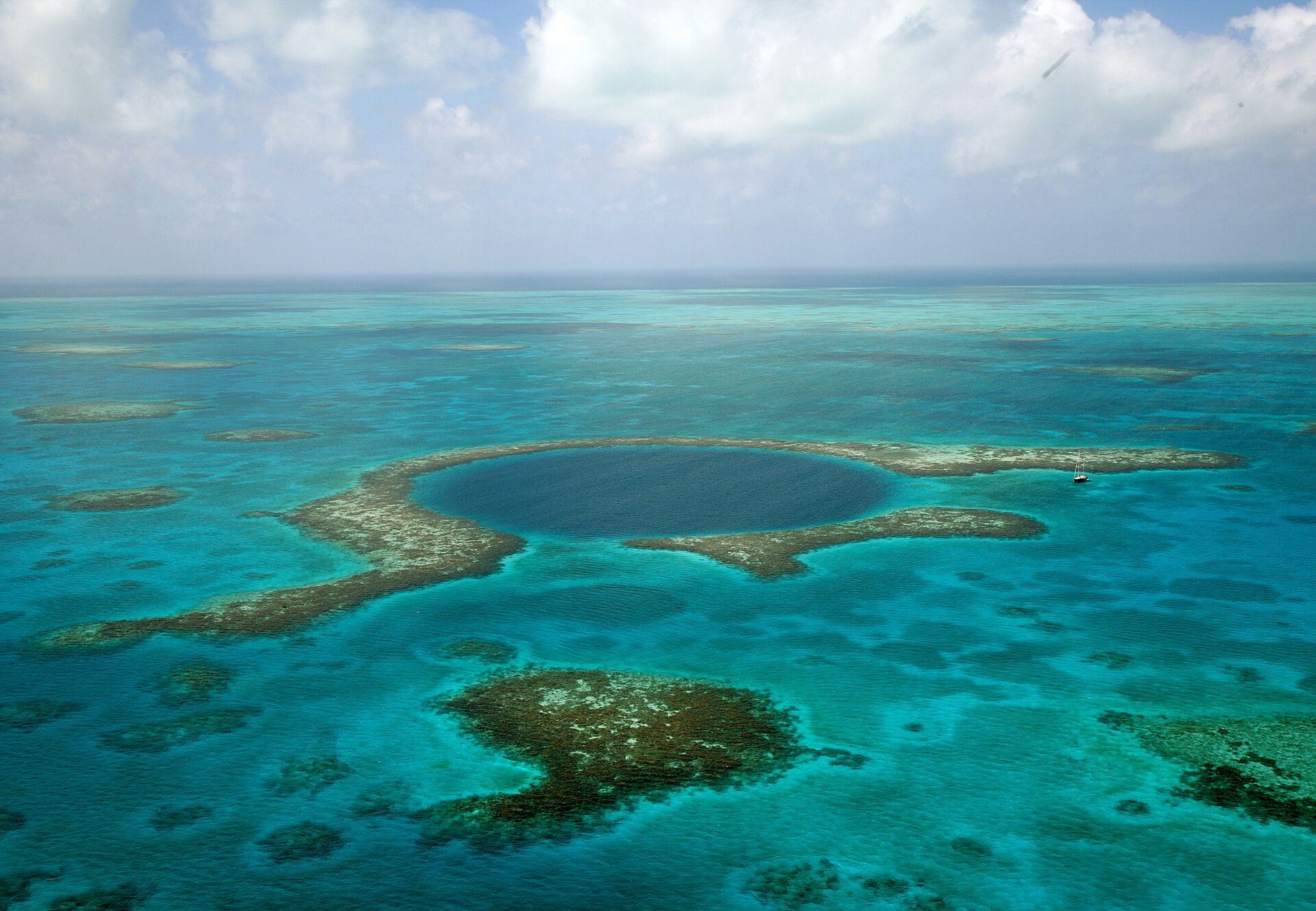
The Great Blue Hole
Lighthouse Reef, off Belize
A perfect dark-blue circle of deep water in a Belizean reef, a collapsed cave system ringed by turquoise shallows.
-
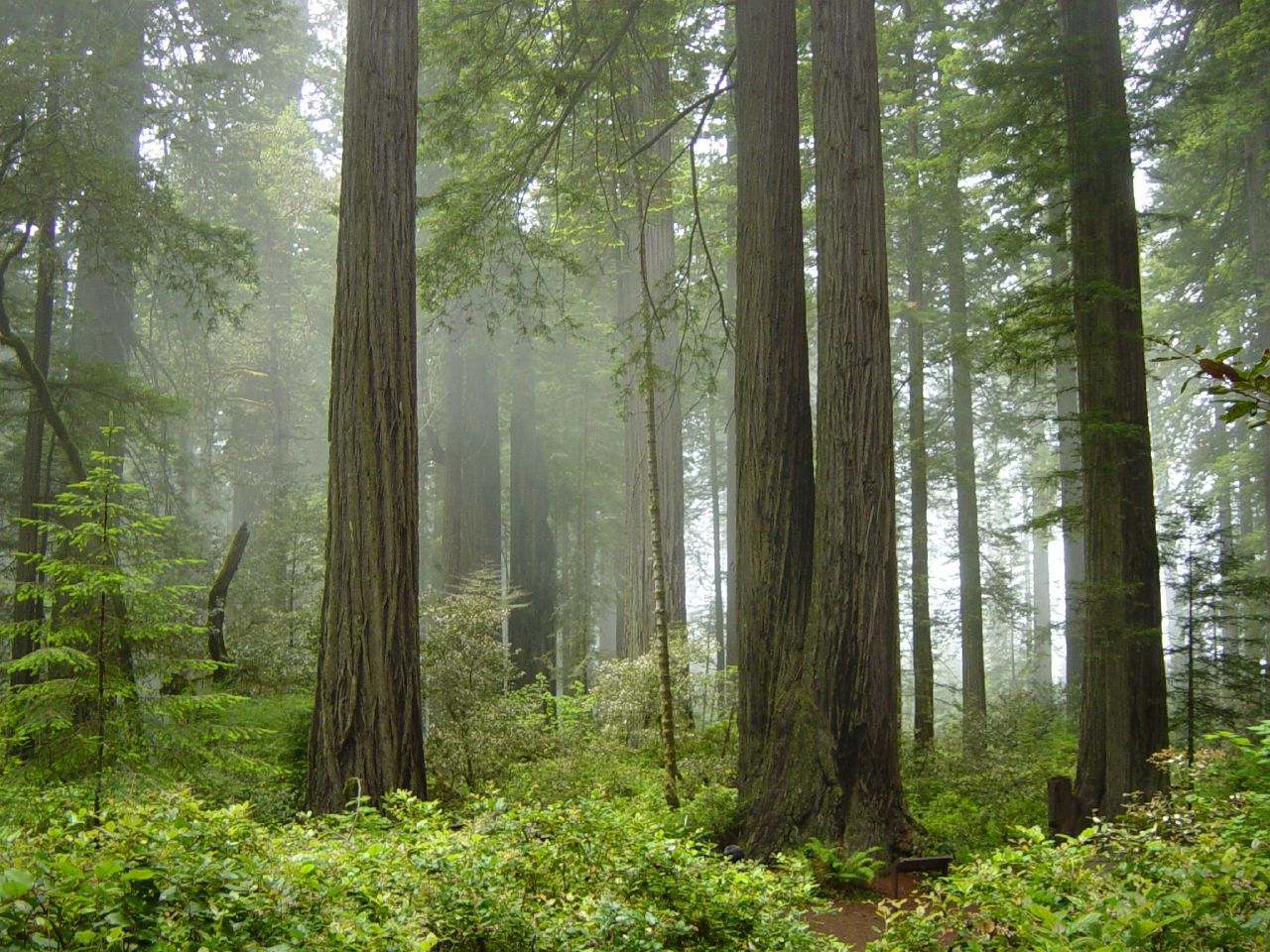
Redwood Forests
Northern California, USA
Groves of the tallest living things on Earth in coastal California, ancient redwoods rising in cathedral silence through the fog.
-
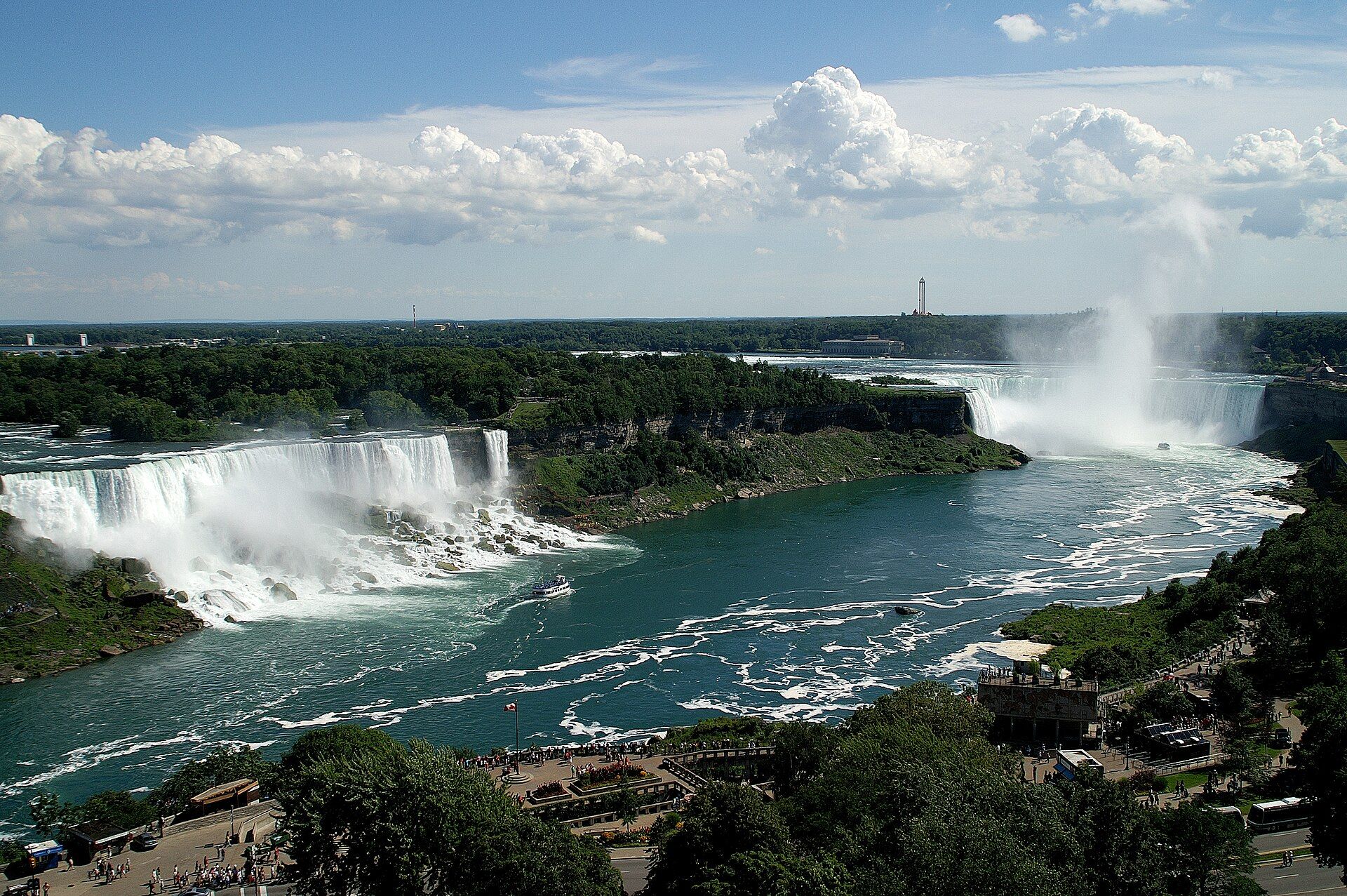
Niagara Falls
Ontario, Canada / New York, United States
Not the tallest but among the most powerful falls on Earth, a thundering horseshoe of water on the US–Canada border.
-
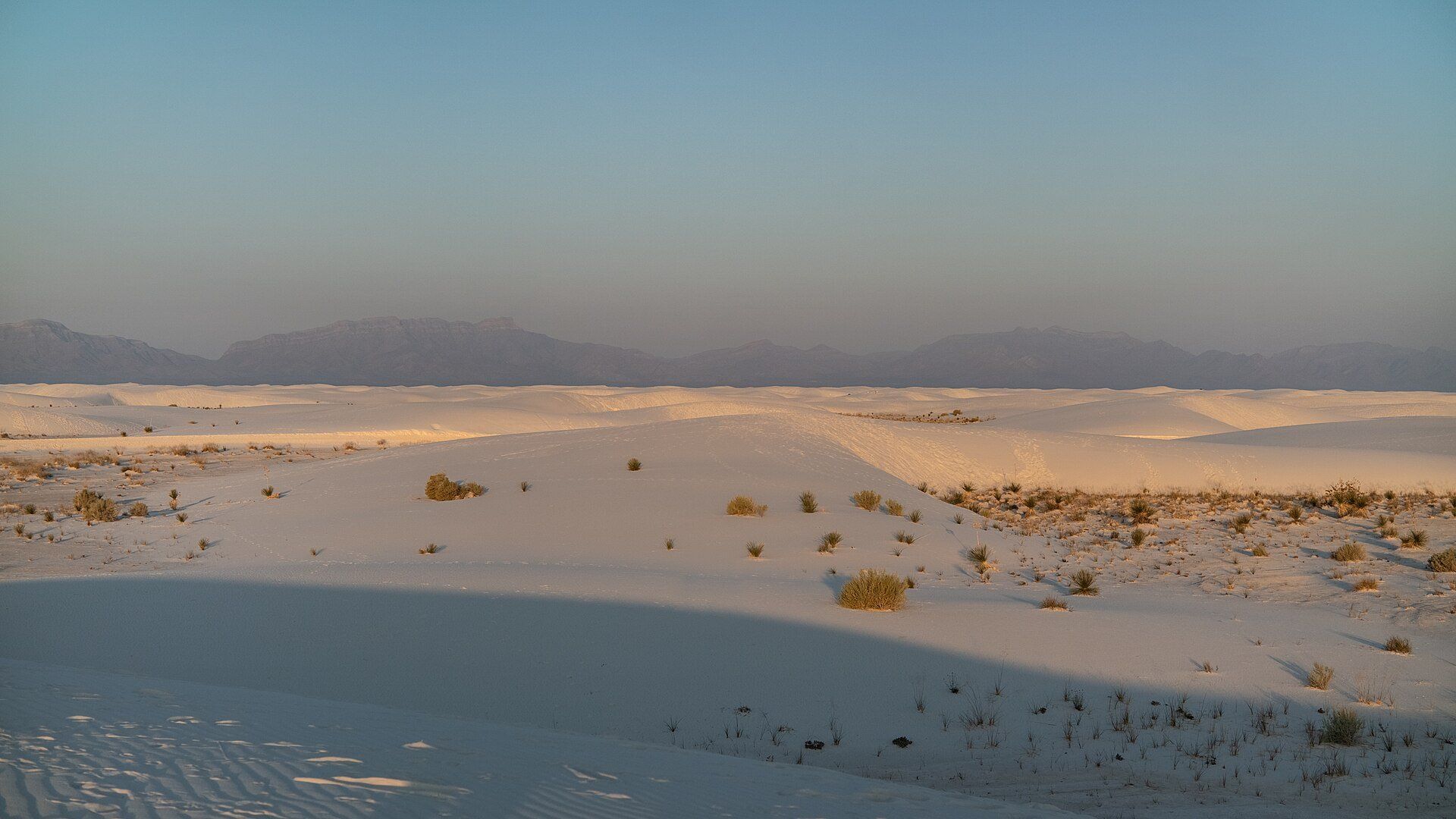
White Sands
Tularosa Basin, near Alamogordo, New Mexico, USA
Dunes as white as snow in New Mexico's Tularosa Basin — sled them by day, then watch them turn pink and blue at sunset.
-
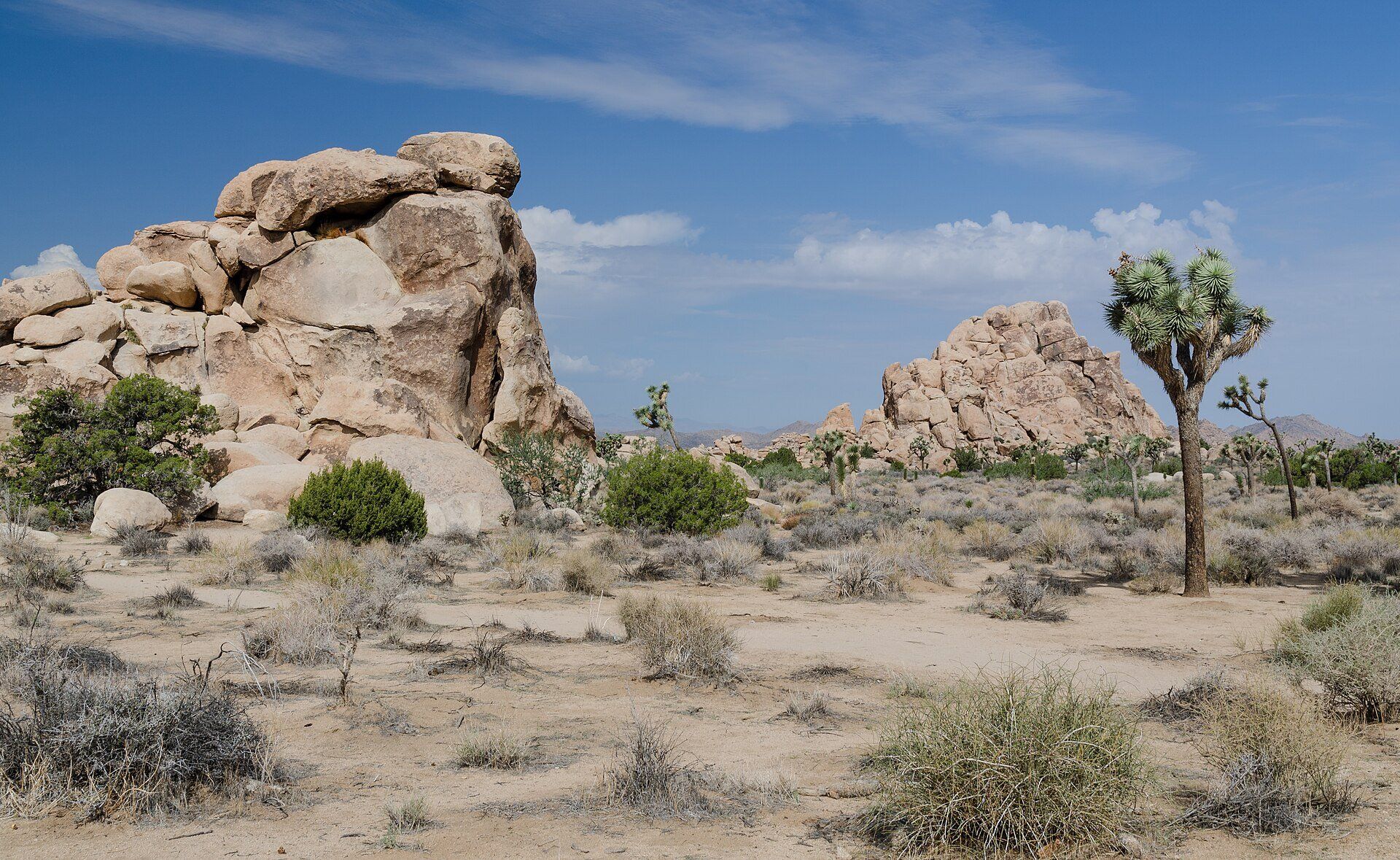
Joshua Tree National Park
Southern California, USA, between Twentynine Palms and Interstate 10, about 140 miles east of Los Angeles
Joshua trees and rounded granite boulders across nearly 800,000 acres of southern California desert, best in spring and autumn.
-
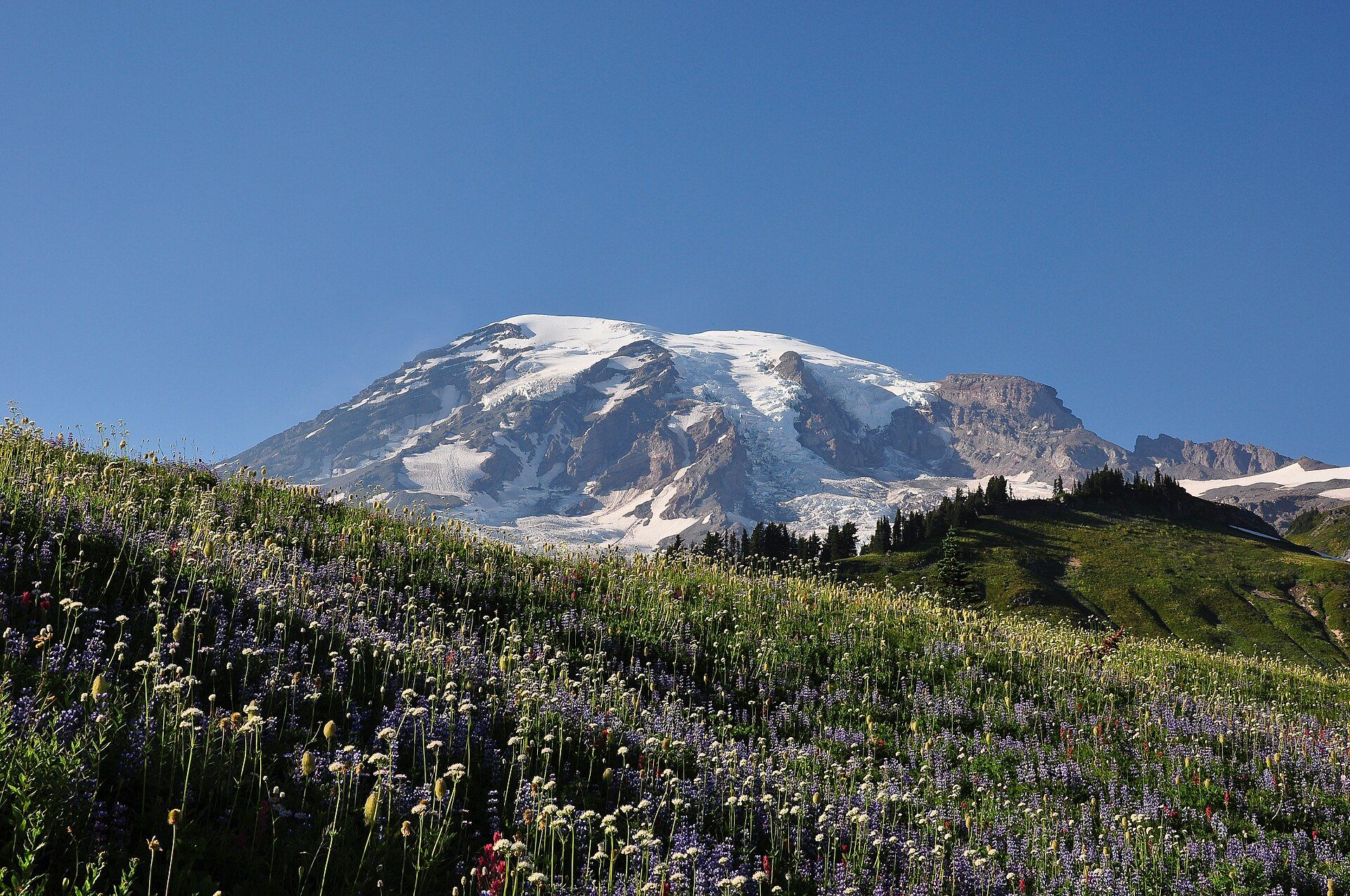
Mount Rainier
Cascade Range, western Washington, USA, about 65 miles southeast of the Seattle–Tacoma area
A 14,410-ft glacier-capped volcano above the wildflower meadows of Paradise, a short drive from Seattle.
-
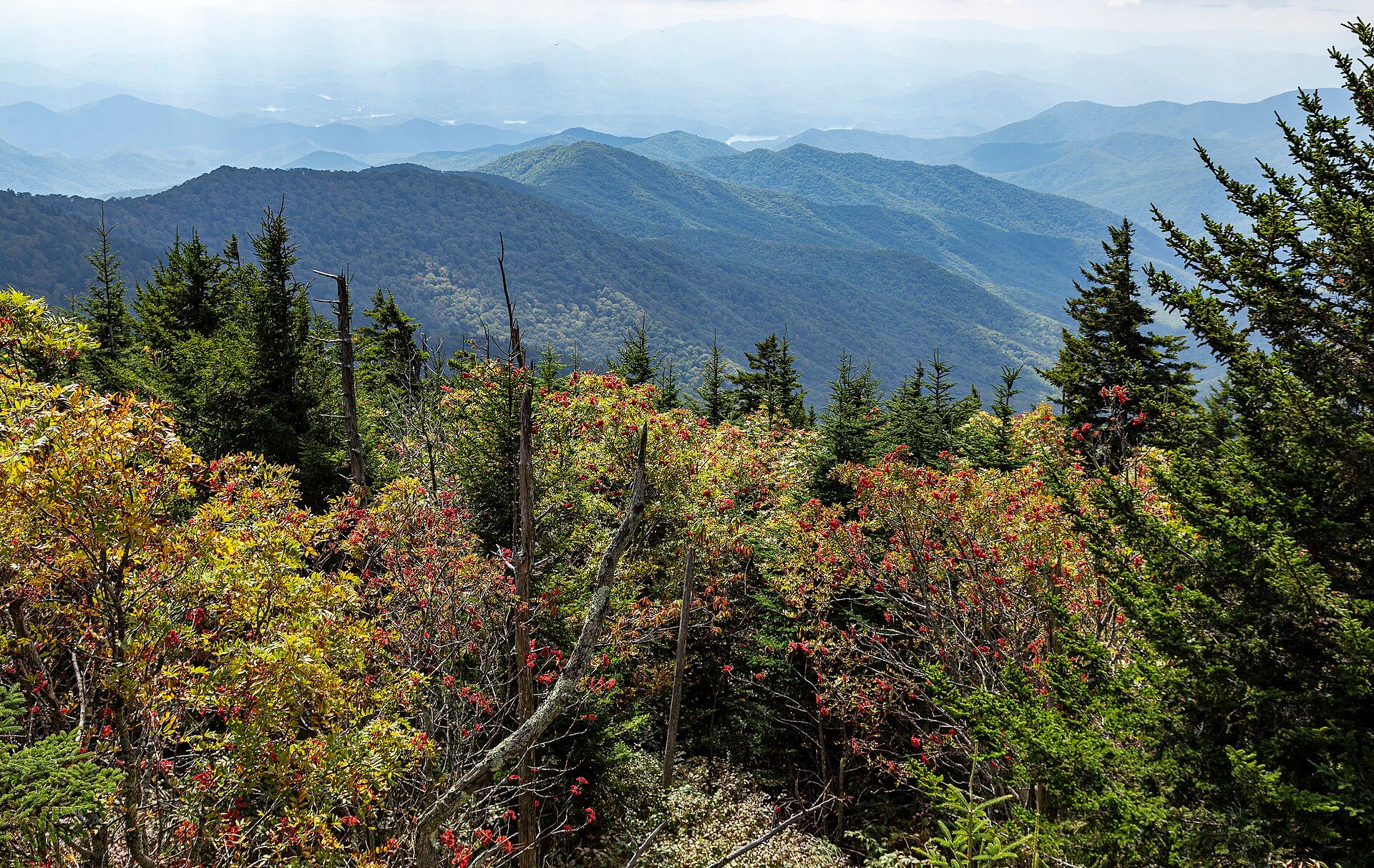
Great Smoky Mountains National Park
Southern Appalachians on the Tennessee–North Carolina border, USA, between Gatlinburg, Tennessee and Cherokee, North Carolina
Ridge after forested Appalachian ridge under a natural blue haze, home to some 1,900 black bears and 31 kinds of salamander.
-
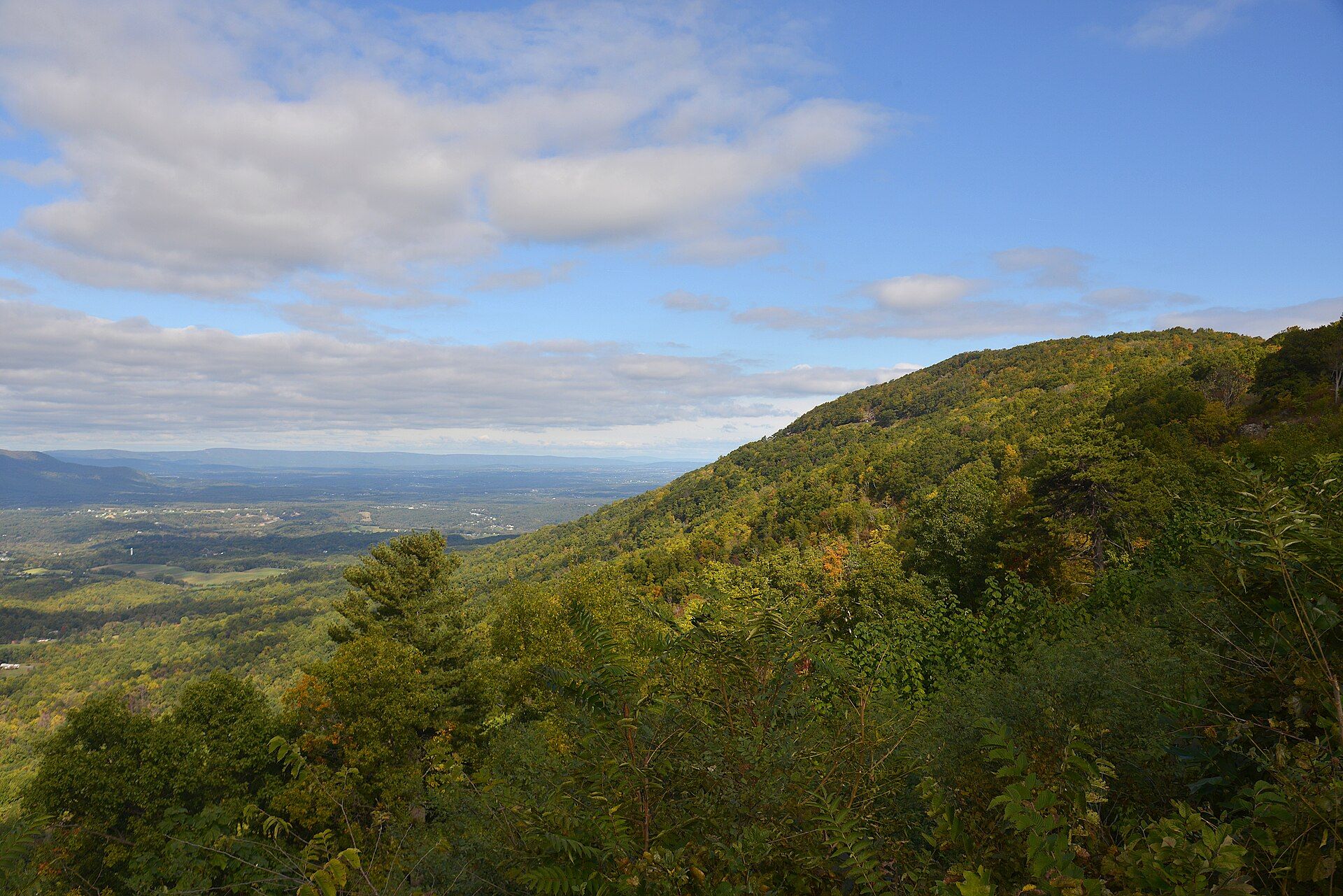
Shenandoah National Park
Blue Ridge Mountains of Virginia, USA, between Front Royal in the north and Waynesboro in the south, just west of Washington, D.C.
Skyline Drive along the crest of Virginia's Blue Ridge: 105 miles and 70 overlooks of forested ridges above the Shenandoah Valley, a short drive from Washington, D.C.
-
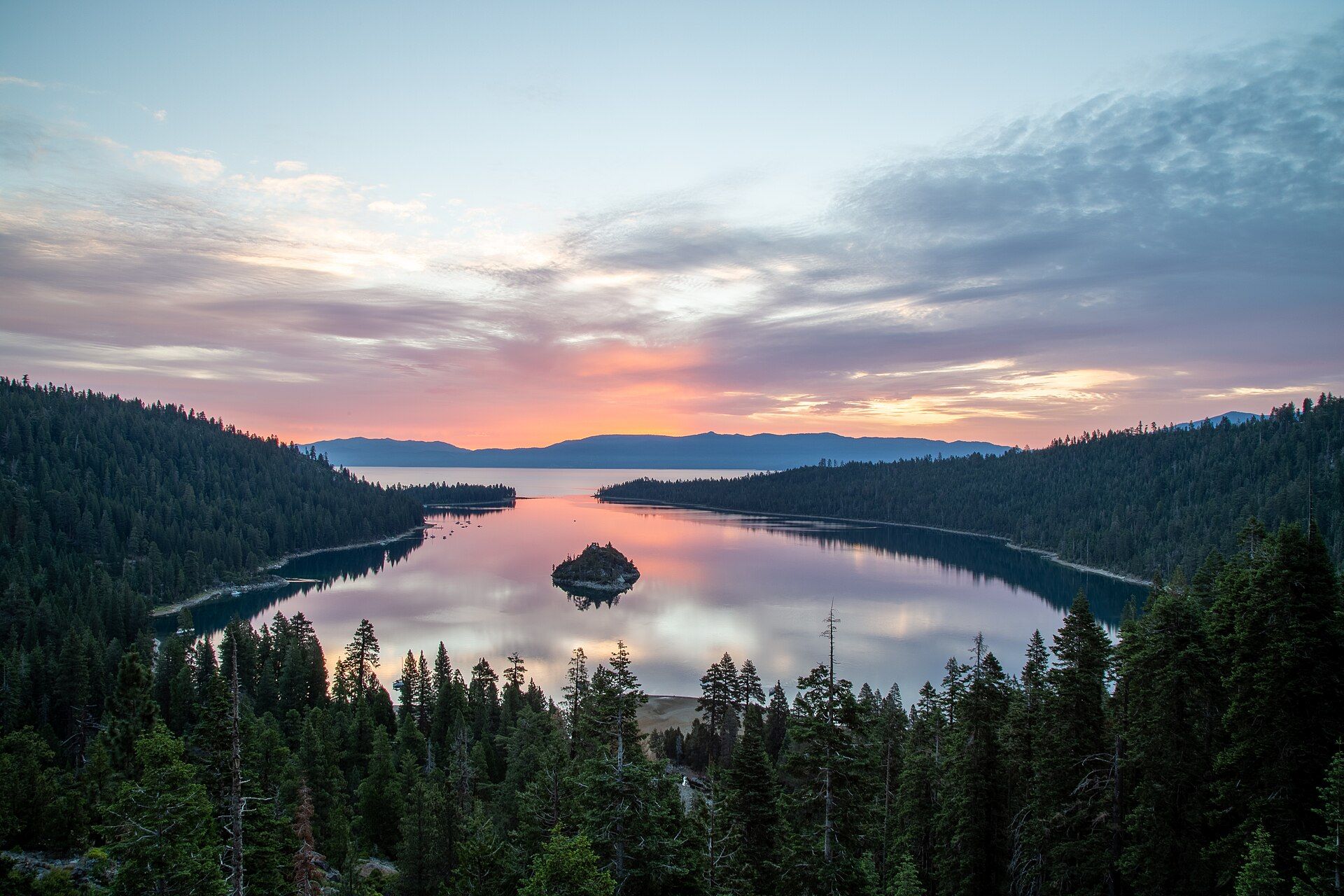
Lake Tahoe
Sierra Nevada on the California–Nevada border, USA; Emerald Bay State Park is on the west shore, 22 miles south of Tahoe City
One of the world's largest, deepest and clearest mountain lakes, 22 miles long on the California–Nevada border, with the classic view over Emerald Bay.
-
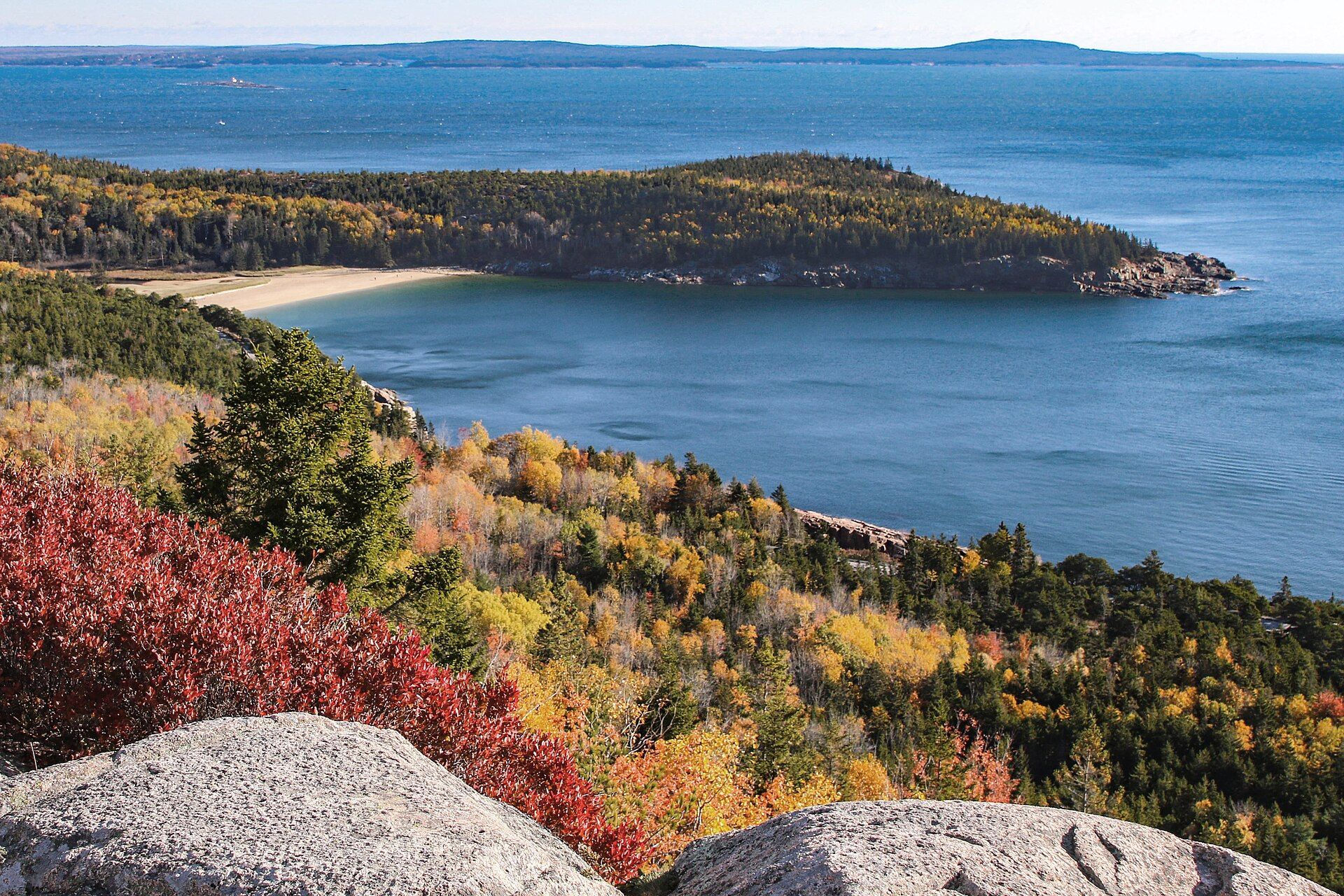
Acadia National Park
Mount Desert Island, the Schoodic Peninsula and Isle au Haut on the coast of Maine, USA, beside Bar Harbor
Glacier-rounded granite mountains meeting the Atlantic in Maine, where Cadillac Mountain catches the first sunrise in the US from October to early March.
-
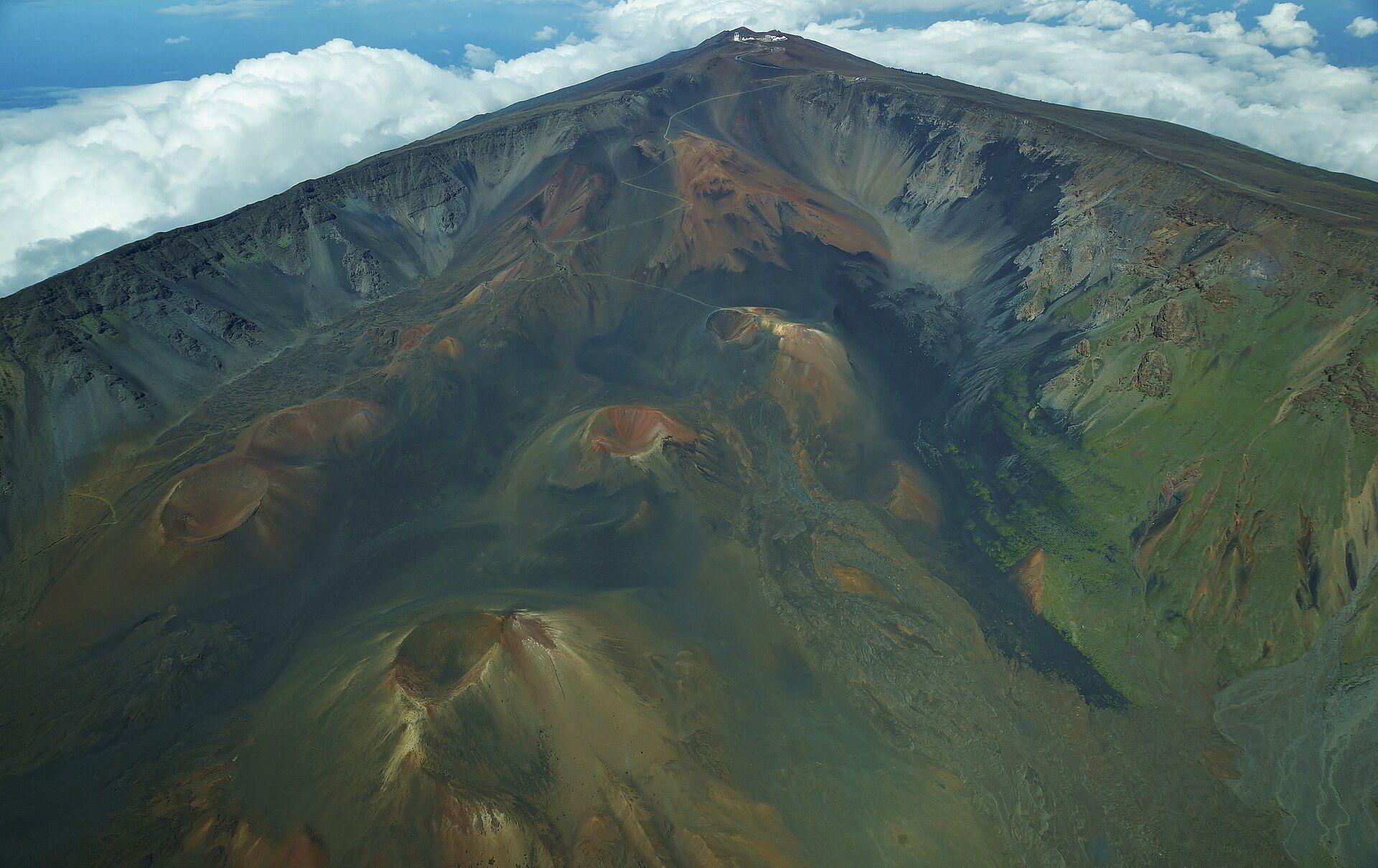
Haleakalā
East Maui, Maui, Hawaiʻi, United States
Sunrise above the clouds at 10,023 ft on Maui, over a summit 'crater' of cinder cones and the silverswords that grow nowhere else.
-
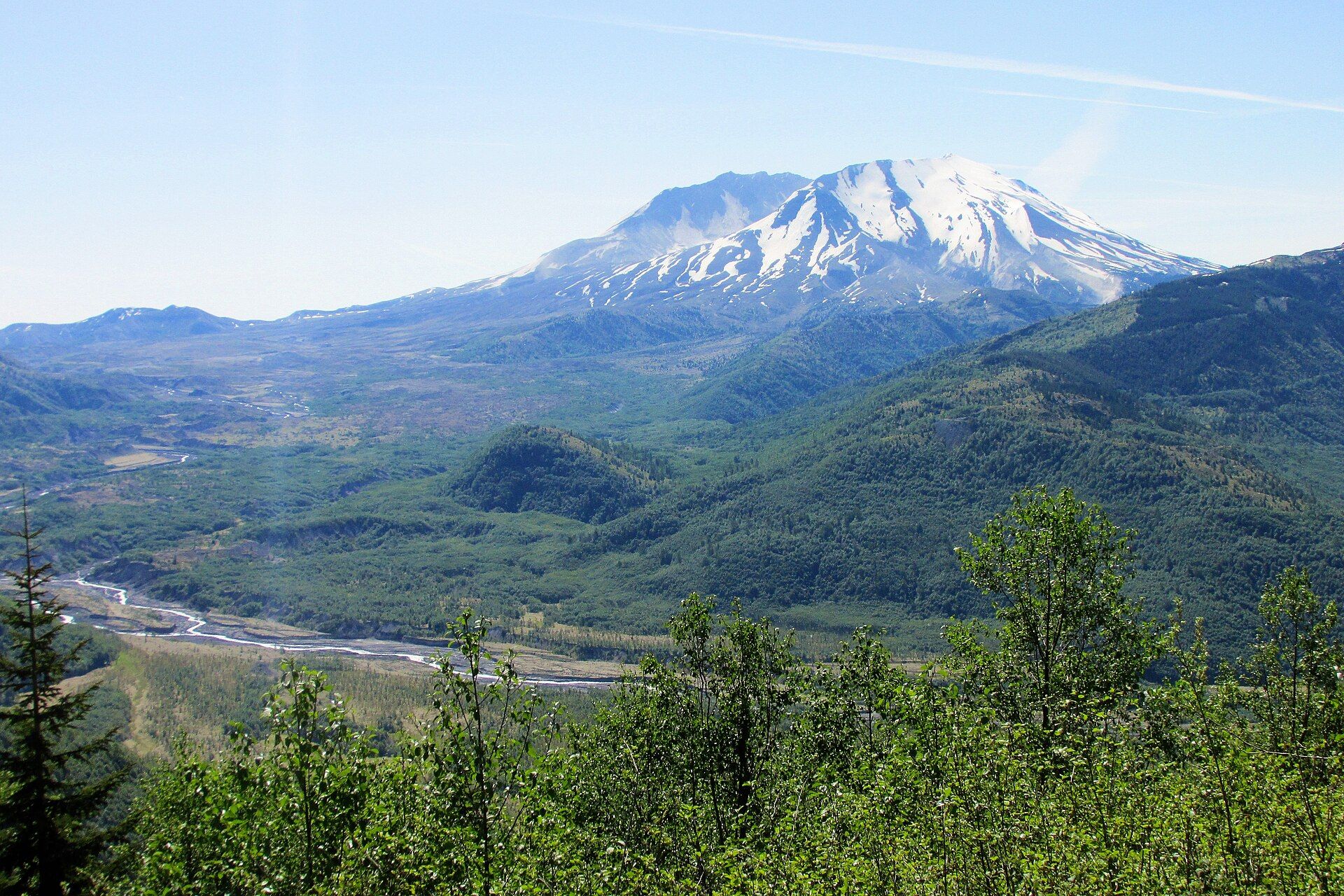
Mount St. Helens
Cascade Range, south-west Washington, USA, about 70 miles north of Portland, Oregon
The Washington volcano that blew open in 1980, its horseshoe crater and recovering blast zone now a national volcanic monument.
-
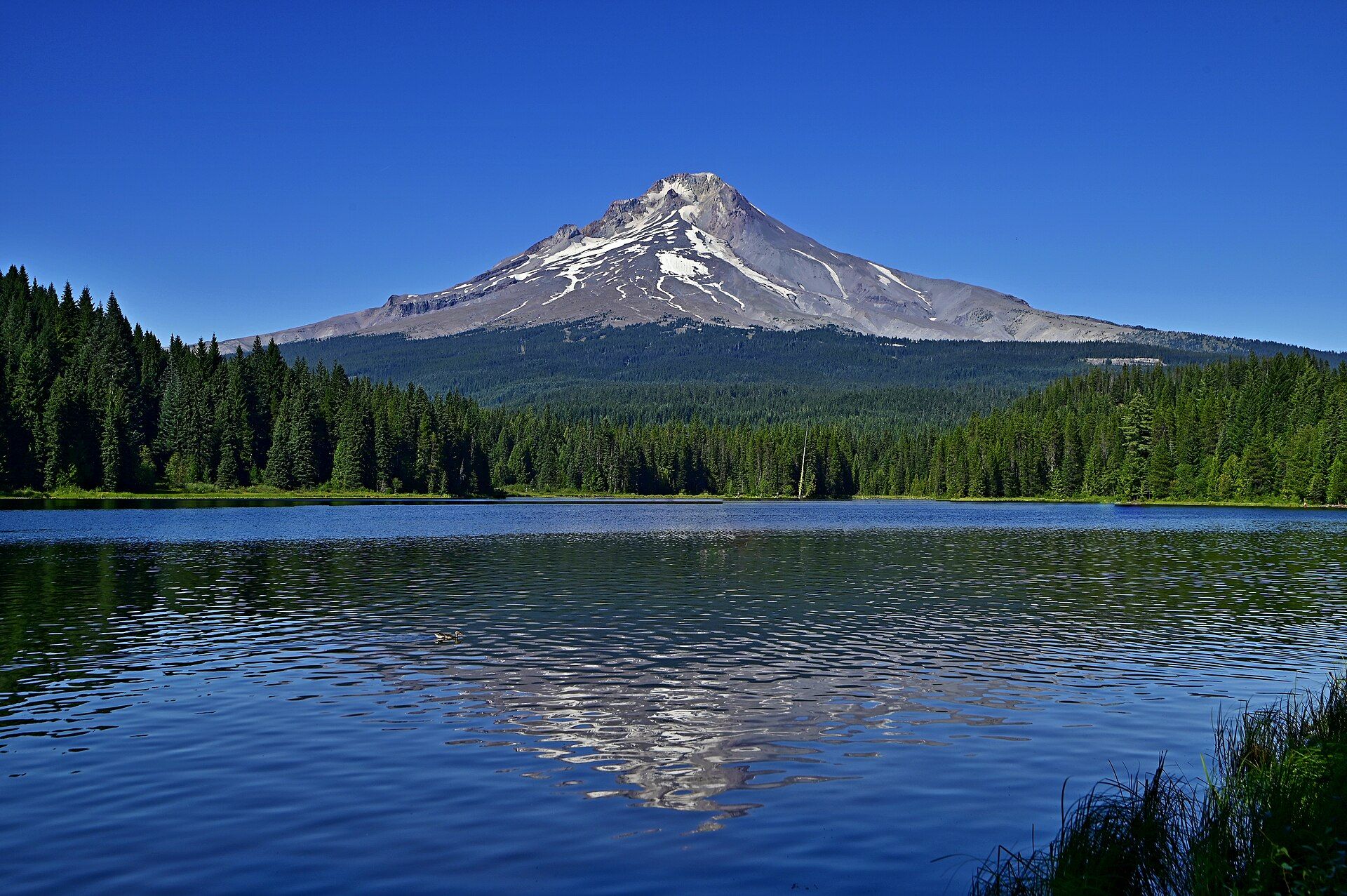
Mount Hood
Northern Oregon Cascades, USA, within Mt. Hood National Forest, east of the Portland metro area
Oregon's highest peak, an 11,239-ft volcano with 11 glaciers close to Portland, circled by the 38-mile Timberline Trail.
-
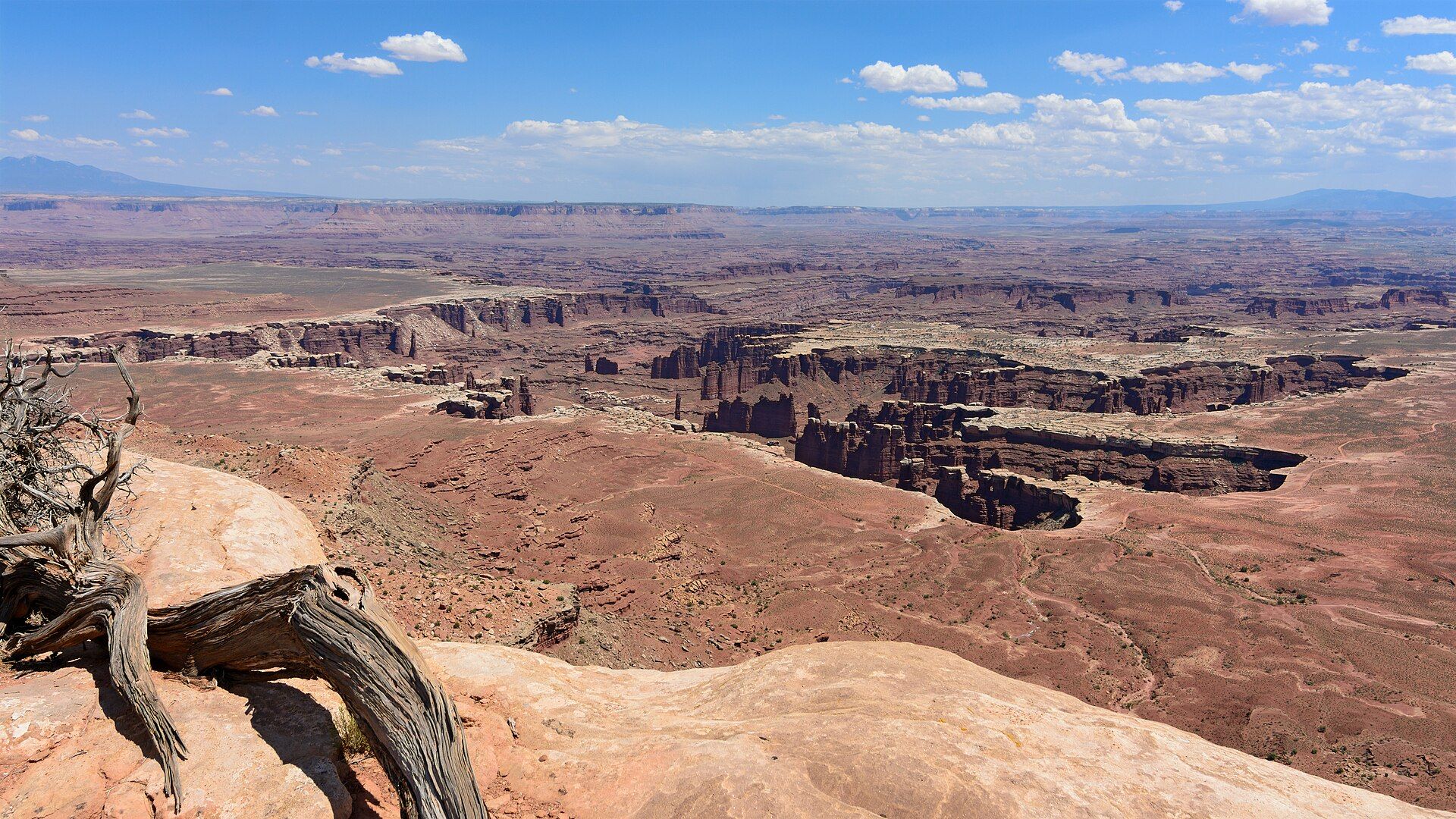
Canyonlands National Park
Southeast Utah, USA, west and southwest of Moab, where the Green and Colorado rivers meet on the Colorado Plateau
Utah's largest national park, where the Green and Colorado rivers meet among red-rock canyons, towers and mesas — Grand View Point looks down on Monument Basin from cliffs over 1,000 ft high.
North America spans Arctic to tropics, so timing matters: the western parks are at their best in late spring and autumn, Greenland and Alaska in the long summer light, and the Yucatán and Belize in the dry winter months. Each guide notes the window that suits it. For the mountains alone, see the most beautiful mountains in North America.
Added Updated