Zion Canyon
📍 Utah, United States
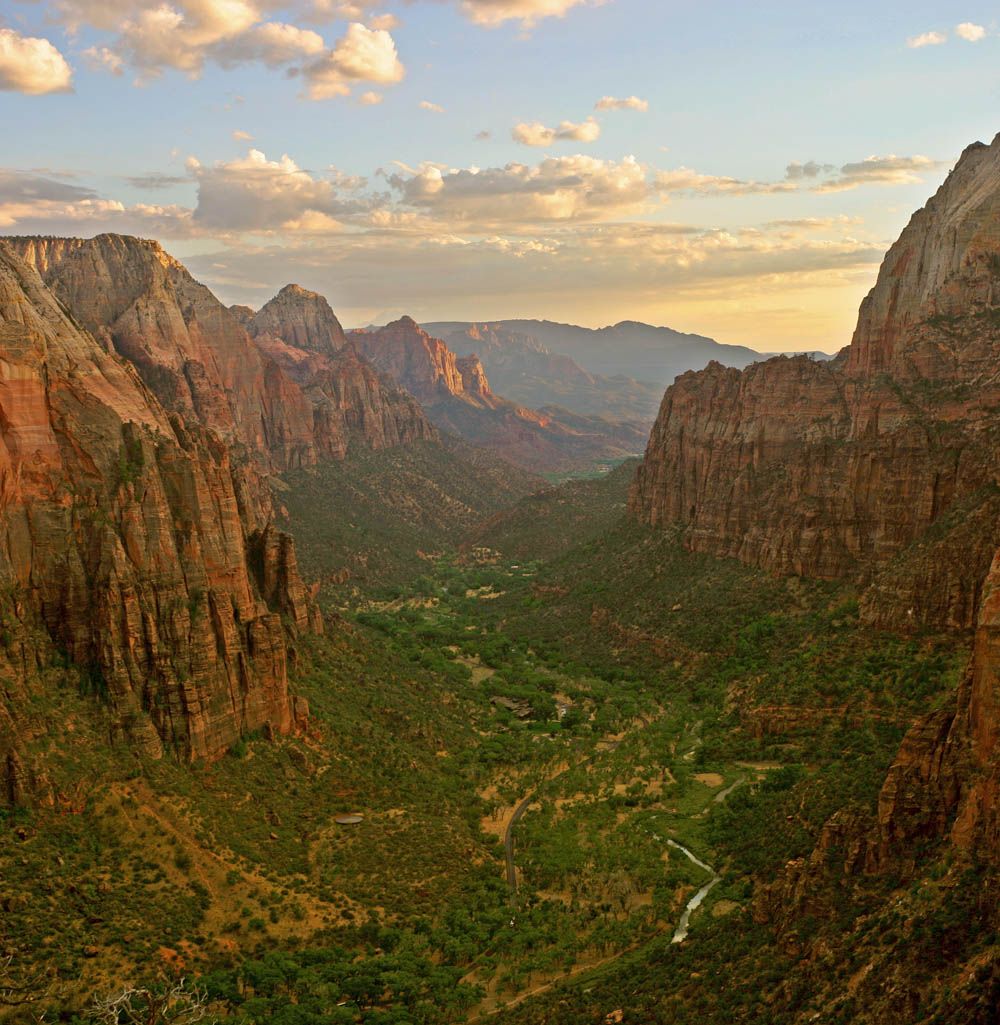
A soaring sandstone canyon in southern Utah where sheer 600-metre cliffs of cream, pink, and red rock rise above a green river valley — carved by the Virgin River and threaded by unforgettable trails.
What makes it marvelous
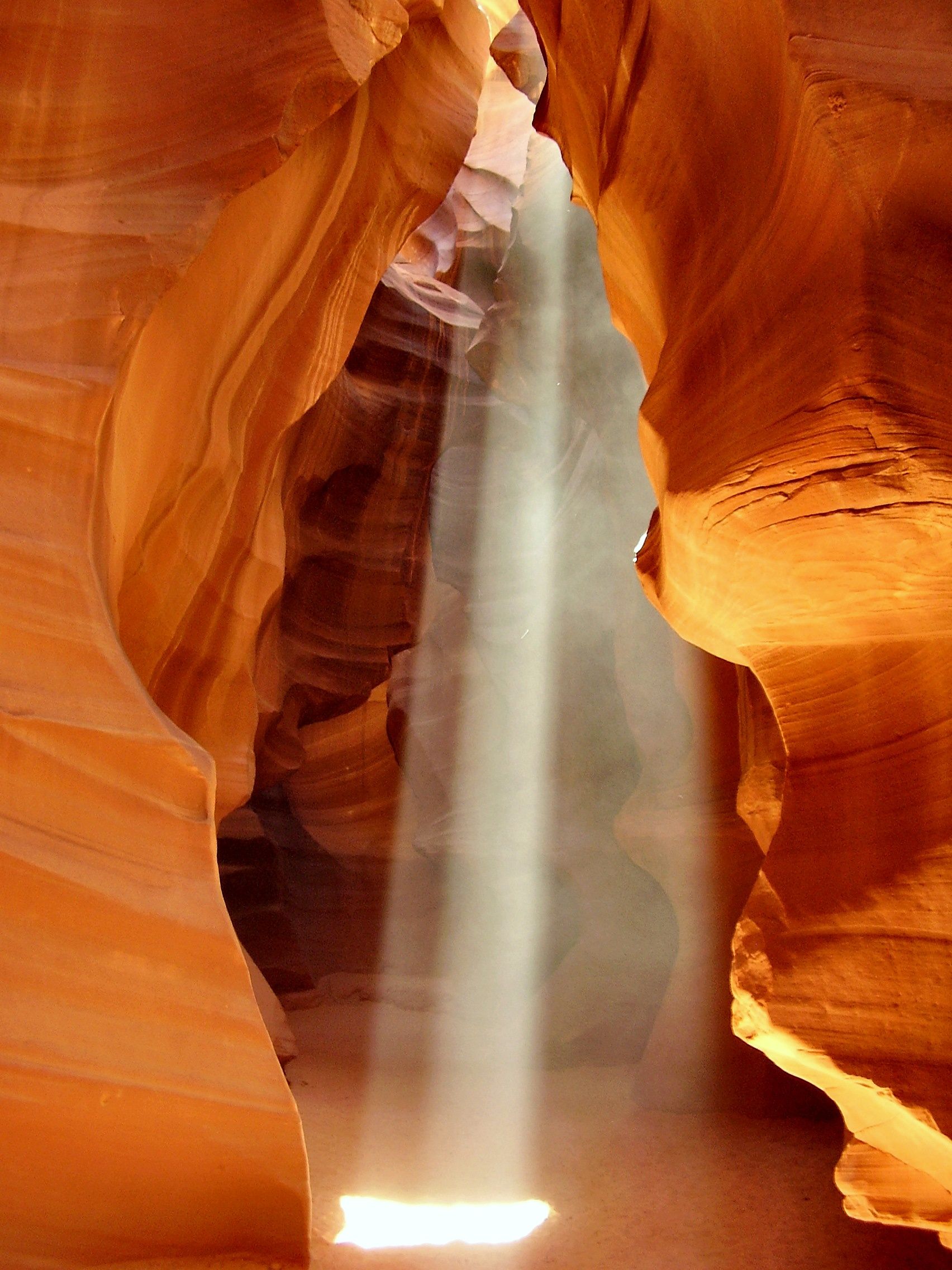
Zion is a deep, narrow canyon cut by the Virgin River through the thick Navajo sandstone of the Colorado Plateau — the same sand-dune-turned-stone found across the Southwest, here stacked over 600 metres high and stained in bands of cream, salmon, and rust by iron and other minerals. Springs seep from the porous rock to feed hanging gardens on the cliffs, and the river still carves the famous slot of The Narrows, where canyon walls close to a few metres apart. It became one of America's early national parks in 1919.
Why visit
Hiking up The Narrows through the river between towering walls, or up the vertiginous chains of Angels Landing to a dizzying viewpoint, are among the most thrilling day hikes anywhere — and simply standing on the canyon floor beneath the glowing cliffs is unforgettable.
Still deciding?
Zion Canyon comes up most often against these — each one weighs cost, effort, season and crowds side by side.
What to know before you go
🗓️ Best time
Spring (April–May) and autumn (September–October) for mild temperatures; summer is hot and crowded, and flash floods make slot canyons dangerous in the July–September monsoon.
🧭 Getting there & access
In southwestern Utah near Springdale, reached from Las Vegas or Salt Lake City. A shuttle serves the canyon in the busy season; The Narrows and Angels Landing require preparation (and Angels Landing a permit).
Good to know
- Never enter The Narrows or side slots when flash floods threaten — check forecasts.
- Angels Landing requires a permit and a head for heights.
- Use the park shuttle and start early to beat heat and crowds.
Plan your visit
Moderate🧭 Getting there
From Springdale, Utah — via Las Vegas or St George
- Fly → Las Vegas (LAS) or St George (SGU)
- Drive Las Vegas → Springdale — roughly 2h30–3h; from St George about 1h
- Walk or shuttle into the park from Springdale
- Park shuttle along the Scenic Drive → the Narrows trailhead at the Temple of Sinawava — about 40 minutes end to end
- Total travel
- Around three hours from Las Vegas
- Time at site
- Two to three days
- Access
- National park entry fee. Private vehicles are excluded from the Scenic Drive during the shuttle season, so the shuttle is the only way up the canyon — plan around its hours. Angels Landing above Scout Lookout requires a permit awarded by lottery, introduced after years of crowding on the chain section. The Narrows and any canyoneering route depend on the day's flash flood potential rating and river flow, both published by the Park Service, and the canyon closes when either is wrong. Check the National Park Service on the morning you go.
🎒 What to bring & consider
- The day's flash flood potential rating checked before entering the Narrows — the canyon has no escape routes for long stretches and storms miles upstream are what kill people here, not the weather over your head
- An Angels Landing permit if you want the chains, applied for in the lottery rather than hoped for on the day
- A walking stick and grippy neoprene footwear for the Narrows, where you are wading a cobbled riverbed for hours
- A drysuit rental from Springdale in the colder months, since the water runs cold enough for hypothermia even on warm days
- Heat discipline in summer, when the canyon walls trap heat and the exposed trails are punishing by mid-morning
👁️ What to expect
- Crowds
- Very heavy from spring through autumn. Shuttle queues in the morning are part of the experience.
- Conditions
- Hot in summer, icy on the upper trails in winter. The Narrows is cold water and slippery rock at any time of year.
- Facilities
- Excellent — visitor centre, shuttle, lodge, and a full town at Springdale with outfitters renting everything you need.
- The view
- The canyon glowing with reflected light from the Narrows, mid-morning when the sun bounces off the upper walls without reaching the water. Direct sun is the enemy here, so the good light is early and late.
Times and requirements are approximate and change with season, weather, and local rules — confirm permits, fares, and schedules with operators before you travel.
Natural riches of the area
- Thick Navajo sandstone (ancient dunes turned to stone)
- The Virgin River and its slot canyons
- Cliff-side hanging gardens fed by springs
- Desert and riparian ecosystems, condors overhead
Local food
- Navajo frybread & tacos
- A Southwest and Native American staple in the region.
- Southwestern chili & cornbread
- Hearty fare suited to the high desert.
- Prickly pear
- Desert cactus fruit used in syrups and candies.
Zion is the Southwest turned vertical. Where much of the region spreads out flat and wide, here the Virgin River has sliced straight down through hundreds of metres of Navajo sandstone — ancient desert dunes compressed into stone — to leave sheer cliffs of cream, salmon, and rust towering above a green river valley. Springs seep from the porous rock, feeding hanging gardens of ferns and wildflowers high on the walls.
The canyon is made for walking into. Upstream, the walls close to just a few metres apart in The Narrows, where the trail simply becomes the river; elsewhere, chains bolted to a knife-edge ridge lead up Angels Landing to a heart-stopping viewpoint over the whole canyon. One of America’s first national parks, protected since 1919, Zion rewards both the casual visitor on its glowing canyon floor and the adventurer on its famous trails — as long as they respect the desert heat and the danger of flash floods.
Zion’s logistics catch people out more often than its geology does. For most of the year — broadly March into November — private vehicles are barred from the Zion Canyon Scenic Drive altogether, and the free shuttle is the only way to reach the trailheads for Angels Landing and The Narrows. Angels Landing has required a permit since 2022, issued through seasonal and day-before lotteries on recreation.gov rather than handed out on arrival. The Narrows is a walk up the riverbed, so it shuts on high flow or flash-flood risk, which can be triggered by rain falling well outside the park. The rock explains the shape: Navajo sandstone is porous, so water sinks into it rather than running off, then emerges where it meets an impermeable layer — which is why hanging gardens grow in bands partway up otherwise sheer walls, and why those walls stay near-vertical instead of weathering back into slopes.
Zion Canyon: common questions
How do you get to Zion Canyon?
From Springdale, Utah — via Las Vegas or St George: Fly → Las Vegas (LAS) or St George (SGU); Drive Las Vegas → Springdale — roughly 2h30–3h; from St George about 1h; Walk or shuttle into the park from Springdale; Park shuttle along the Scenic Drive → the Narrows trailhead at the Temple of Sinawava — about 40 minutes end to end. Total travel time: Around three hours from Las Vegas.
When is the best time to visit Zion Canyon?
Spring (April–May) and autumn (September–October) for mild temperatures; summer is hot and crowded, and flash floods make slot canyons dangerous in the July–September monsoon.
How long should you spend at Zion Canyon?
Two to three days. Total travel time: Around three hours from Las Vegas.
What should you bring to Zion Canyon?
The day's flash flood potential rating checked before entering the Narrows — the canyon has no escape routes for long stretches and storms miles upstream are what kill people here, not the weather over your head An Angels Landing permit if you want the chains, applied for in the lottery rather than hoped for on the day A walking stick and grippy neoprene footwear for the Narrows, where you are wading a cobbled riverbed for hours A drysuit rental from Springdale in the colder months, since the water runs cold enough for hypothermia even on warm days Heat discipline in summer, when the canyon walls trap heat and the exposed trails are punishing by mid-morning
Do you need a permit or guide for Zion Canyon?
National park entry fee. Private vehicles are excluded from the Scenic Drive during the shuttle season, so the shuttle is the only way up the canyon — plan around its hours. Angels Landing above Scout Lookout requires a permit awarded by lottery, introduced after years of crowding on the chain section. The Narrows and any canyoneering route depend on the day's flash flood potential rating and river flow, both published by the Park Service, and the canyon closes when either is wrong. Check the National Park Service on the morning you go.
Is Zion Canyon crowded, and what are conditions like?
Very heavy from spring through autumn. Shuttle queues in the morning are part of the experience. Hot in summer, icy on the upper trails in winter. The Narrows is cold water and slippery rock at any time of year. Facilities: Excellent — visitor centre, shuttle, lodge, and a full town at Springdale with outfitters renting everything you need.
Added Updated
More wonders to explore