Denali
📍 Alaska, USA
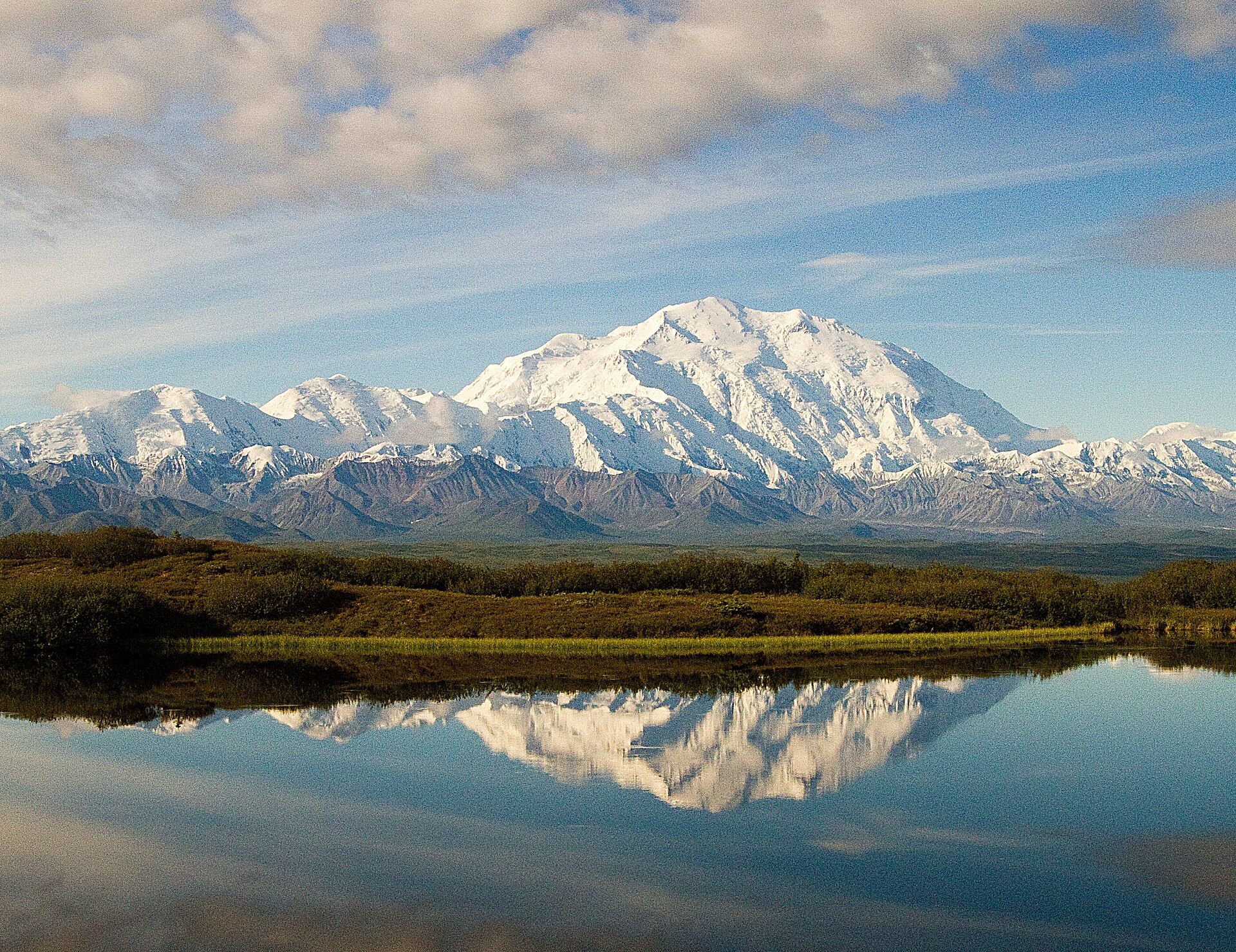
The highest peak in North America — a 6,190-metre wall of rock and ice towering over the Alaskan wilderness, so tall its base-to-summit rise is among the greatest of any mountain on Earth.
What makes it marvelous
Denali — 'the High One' in the Koyukon Athabascan language — rises 6,190 metres, the highest mountain in North America. What makes it staggering is not just its altitude but its bulk: because it lifts almost straight from a low plateau, its rise from base to summit is one of the largest of any mountain on land, even greater than Everest measured that way. It generates its own ferocious weather, its upper slopes among the coldest on the planet outside the poles. Around it spreads six million acres of subarctic wilderness — tundra, glaciers, and braided rivers roamed by grizzlies, wolves, caribou, and moose. On the rare clear day when the whole mountain stands unclouded above the taiga, it is one of the most commanding sights on Earth.
Why visit
Even from a distance, Denali dominates the horizon like nothing else on the continent, and the park around it offers some of the finest, most accessible subarctic wildlife viewing anywhere — grizzlies, wolves, and caribou beneath an immense mountain.
Still deciding?
Denali comes up most often against these — each one weighs cost, effort, season and crowds side by side.
- 🏔️ Denali vs Aconcagua: The Roofs of the Americas
- 🏔️ Denali vs Everest: The Tallest Mountain Is Not the Highest
- 🏔️ Glacier vs Banff: Which Rocky Mountain Park Should You Visit?
- 💦 Lauterbrunnen vs Yosemite Valley: Two Great Glacial Valleys Compared
- ♨️ Yellowstone vs Grand Teton: Which Wyoming Park Should You Visit?
- 🏞️ Yosemite vs Yellowstone: Which National Park Should You Visit?
What to know before you go
🗓️ Best time
Summer (roughly June–early September), when the park road, shuttles, and trails are open and wildlife is active; the mountain is famously shy, often veiled in cloud.
🧭 Getting there & access
In interior Alaska, reached by road or rail from Anchorage or Fairbanks to Denali National Park; a single park road (traveled by shuttle bus) penetrates the wilderness, and flightseeing reveals the peak.
Good to know
- Take the park shuttle deep along the road for the best wildlife and mountain views.
- Allow several days — Denali is often cloud-hidden; patience is rewarded.
- Come prepared for cold, rain, and mosquitoes even in summer.
Plan your visit
Moderate🧭 Getting there
From Anchorage (ANC) or Fairbanks (FAI)
- Fly into Anchorage
- Drive or take the Alaska Railroad to the park entrance — roughly 4h–5h by road, longer and better by train
- From Fairbanks it is about 2h–2h30; beyond the entrance you travel the park road by bus
- Total travel
- Most of a day from Anchorage
- Time at site
- 2–3 days minimum, because so much of the visit is travel along the park road
- Access
- Park entrance fee. Private vehicles may only go a short way in; beyond that the road is served by shuttle and tour buses that must be booked ahead. A major landslide has closed the road partway along while it is rebuilt, which changes how far you can actually travel — check the park service for the current turnaround point before planning. Backcountry units require permits.
🎒 What to bring & consider
- Layers for real cold and wind in any month, plus rain gear — this is not a summer-holiday climate
- Serious repellent and a head net; midsummer mosquitoes here are not an exaggeration
- Bear-aware practice and disciplined food storage
- Food and water for very long bus days with few stops
- The understanding that most of the park has no trails at all — travel off the road corridor is cross-country
👁️ What to expect
- Crowds
- Buses fill and book out in peak summer. Step off the road corridor and you will see almost nobody.
- Conditions
- Long hours on a rough gravel road, trail-less tundra walking, and frequently cold, wet, windy weather.
- Facilities
- Visitor centre and services near the entrance; almost nothing beyond it.
- The view
- The mountain is hidden in cloud most days — visitors who see the full summit are in the minority, and no amount of planning changes those odds. Wildlife along the road corridor is far more dependable.
Times and requirements are approximate and change with season, weather, and local rules — confirm permits, fares, and schedules with operators before you travel.
Natural riches of the area
- The highest peak in North America (6,190 m)
- One of the greatest base-to-summit rises on Earth
- Six million acres of subarctic wilderness and glaciers
- Grizzlies, wolves, caribou, moose, and Dall sheep
Local food
- Wild Alaskan salmon
- A staple of Alaska, caught fresh from its rivers and coast.
- Game & berries
- Caribou, moose, and wild berries in the subsistence tradition of the interior.
- Sourdough
- A hearty Alaskan frontier tradition still going strong.
Denali dominates. Rising 6,190 metres over interior Alaska, it is the highest mountain in North America — but its true drama is its bulk. Because it climbs almost straight up from a low plateau, its rise from base to summit is one of the greatest of any mountain on land, even more than Everest measured that way. Its upper slopes are among the coldest places on Earth outside the poles, and it brews its own violent weather.
Around the mountain spreads six million acres of subarctic wilderness — tundra, glaciers, and braided grey rivers roamed by grizzlies, wolves, caribou, and moose. A single road, traveled by shuttle bus, threads into this vastness, offering some of the most accessible big-wildlife viewing anywhere. The mountain itself, known to the Koyukon people as ‘the High One,’ is famously shy behind cloud — but on the rare clear day when it stands whole above the taiga, there are few more commanding sights on the planet.
It is worth being precise about the claim, because “tallest” and “highest” are different measurements and Denali holds only one of them. Everest’s summit stands far higher above sea level — 8,849 metres against Denali’s 6,190. But Everest starts from the Tibetan Plateau and rises something like 3,600 metres from its own base, whereas Denali lifts off lowland at roughly 600 metres and climbs about 5,500 metres in one continuous sweep. That gives Denali the greatest base-to-summit relief of any mountain on land. It also explains the cold: the summit is far further from the equator than Everest, so the atmosphere itself is thinner at the same altitude, and conditions near the top are among the most severe found on any mountain.
Denali: common questions
How do you get to Denali?
From Anchorage (ANC) or Fairbanks (FAI): Fly into Anchorage; Drive or take the Alaska Railroad to the park entrance — roughly 4h–5h by road, longer and better by train; From Fairbanks it is about 2h–2h30; beyond the entrance you travel the park road by bus. Total travel time: Most of a day from Anchorage.
When is the best time to visit Denali?
Summer (roughly June–early September), when the park road, shuttles, and trails are open and wildlife is active; the mountain is famously shy, often veiled in cloud.
How long should you spend at Denali?
2–3 days minimum, because so much of the visit is travel along the park road. Total travel time: Most of a day from Anchorage.
What should you bring to Denali?
Layers for real cold and wind in any month, plus rain gear — this is not a summer-holiday climate Serious repellent and a head net; midsummer mosquitoes here are not an exaggeration Bear-aware practice and disciplined food storage Food and water for very long bus days with few stops The understanding that most of the park has no trails at all — travel off the road corridor is cross-country
Do you need a permit or guide for Denali?
Park entrance fee. Private vehicles may only go a short way in; beyond that the road is served by shuttle and tour buses that must be booked ahead. A major landslide has closed the road partway along while it is rebuilt, which changes how far you can actually travel — check the park service for the current turnaround point before planning. Backcountry units require permits.
Is Denali crowded, and what are conditions like?
Buses fill and book out in peak summer. Step off the road corridor and you will see almost nobody. Long hours on a rough gravel road, trail-less tundra walking, and frequently cold, wet, windy weather. Facilities: Visitor centre and services near the entrance; almost nothing beyond it.
Added Updated
More wonders to explore
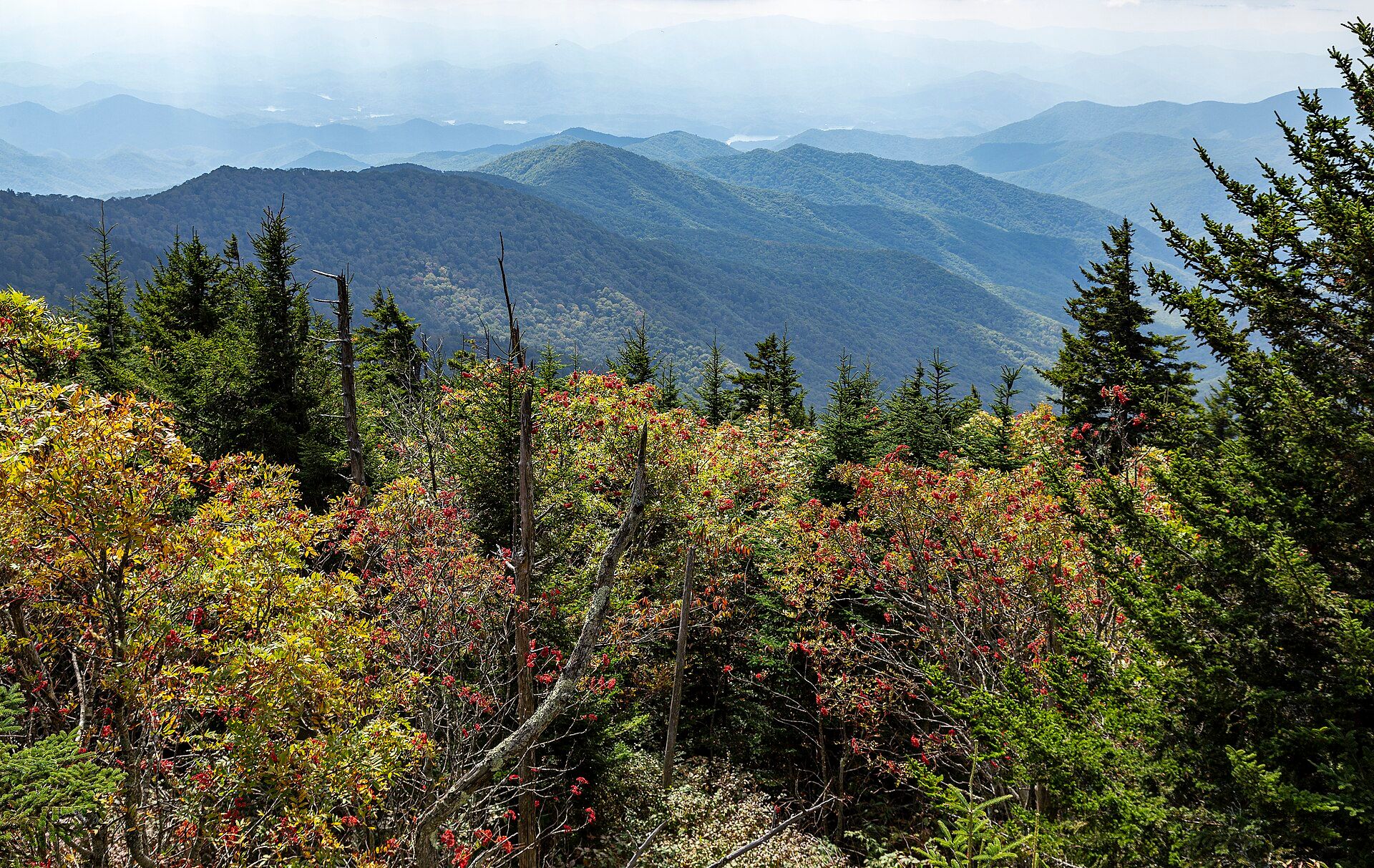
Great Smoky Mountains National Park
Southern Appalachians on the Tennessee–North Carolina border, USA, between Gatlinburg, Tennessee and Cherokee, North Carolina