Ice caves · two kinds, opposite seasons
Where Can You Visit an Ice Cave? 5 Ice Caves in Europe — Summer Caves vs Winter Glacier Caves
5 places · every one real, mapped, and worth the trip
"Ice cave" means two different things, and they have opposite seasons. In the Alps and the Carpathians, cold air sinks into limestone caves and keeps ice there all year — these show caves open roughly May to October and close in winter. In Iceland, the caves are melted into the glacier itself each autumn and are only safe to enter when winter freezes them, roughly November to March.
These are the five ice caves in the atlas you can visit. Every season, height and rule below comes from that wonder's own page; all are guided or ticketed, and the caves are below freezing inside even in summer, so bring warm layers.
-
Eisriesenwelt The world's largest ice cave · 1 May–31 Oct
Werfen, Salzburg, Austria
Above Werfen in Salzburg, about 40 km of passage according to the operator. From the visitor centre, a 20-minute walk, a 3-minute cable car to 1,575 m and another 20-minute walk reach the entrance at 1,641 m; inside, a 70-minute guided tour climbs 700 steps through the ice by lamplight, below 0 °C even in summer. Open daily 1 May–31 October 2026, closed all winter; no photos inside. Allow about three hours and book an early online slot — 10:00 to 14:00 is busiest.
-
Dachstein Giant Ice Cave by cable car from Obertraun
Salzkammergut, Upper Austria / Styria / Salzburg, Austria
The Krippenstein cable car from the Hallstatt–Obertraun side climbs to the Dachstein plateau, where more than two hundred caves riddle the limestone — among them the Giant Ice Cave and the Mammoth Cave — with the 'Five Fingers' viewing platform close by. The ice caves run roughly May to October. Pair it with Hallstatt below.
-
Scărișoara Ice Cave A cave glacier thousands of years old
Apuseni Mountains, western Romania
In Romania's Apuseni Mountains, a wooden stairway descends from the forest into a huge cold chamber holding one of the largest cave glaciers on Earth — tens of thousands of cubic metres of ice built up over thousands of years. A ticketed show cave with a stairway and platforms; a guide accompanies visits. Reached by mountain road from Alba Iulia or Cluj-Napoca, then a short forest walk. Cold all year; late spring to autumn for the roads, though the ice formations are often finest in late winter and spring.
-
Slovenský raj Dobšiná Ice Cave, UNESCO since 2000
Spiš-Gemer Karst, eastern Slovakia
Of the roughly 350 caves beneath Slovenský raj, exactly one is open to the public: the Dobšiná Ice Cave, a UNESCO World Heritage Site since 2000. It is a separate visit from the park's ladder gorges, with its own timed tickets and a short steep walk up to the entrance. The park's season is May to October; Podlesok and Čingov are about an hour from Poprad or Košice.
-
Vatnajökull Ice Caves Glacier caves · guided only, roughly Nov–Mar
Southeast Iceland
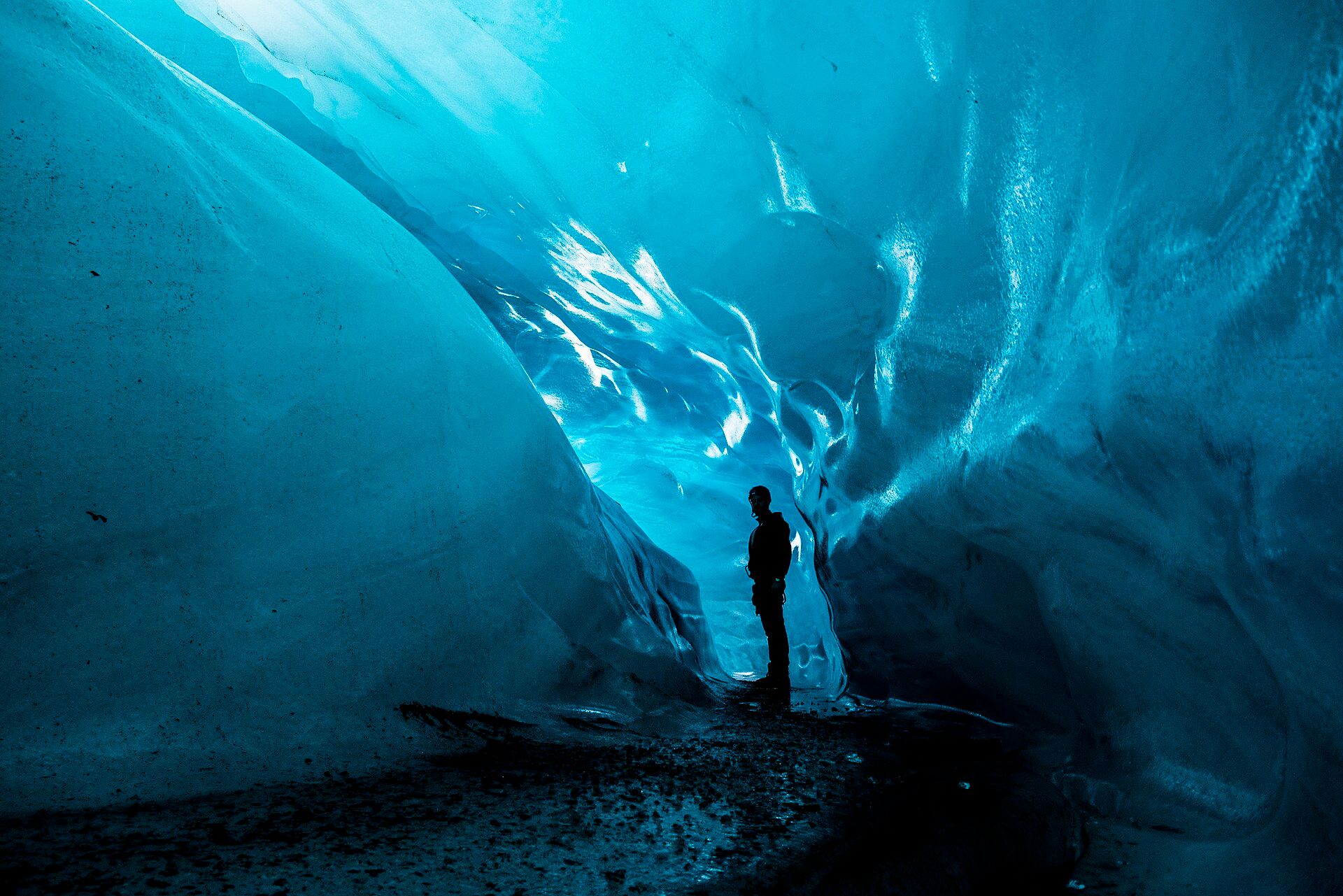
Each autumn meltwater carves tunnels into Europe's largest ice cap, and when winter freezes them they glow blue where daylight filters through metres of compressed ice. No two seasons' caves are alike. They can be entered only on guided tours, which drive onto the glacier margins near Jökulsárlón and Skaftafell on the Ring Road, and only in roughly November–March, when they are safe and stable. Guided glacier hikes run year-round.
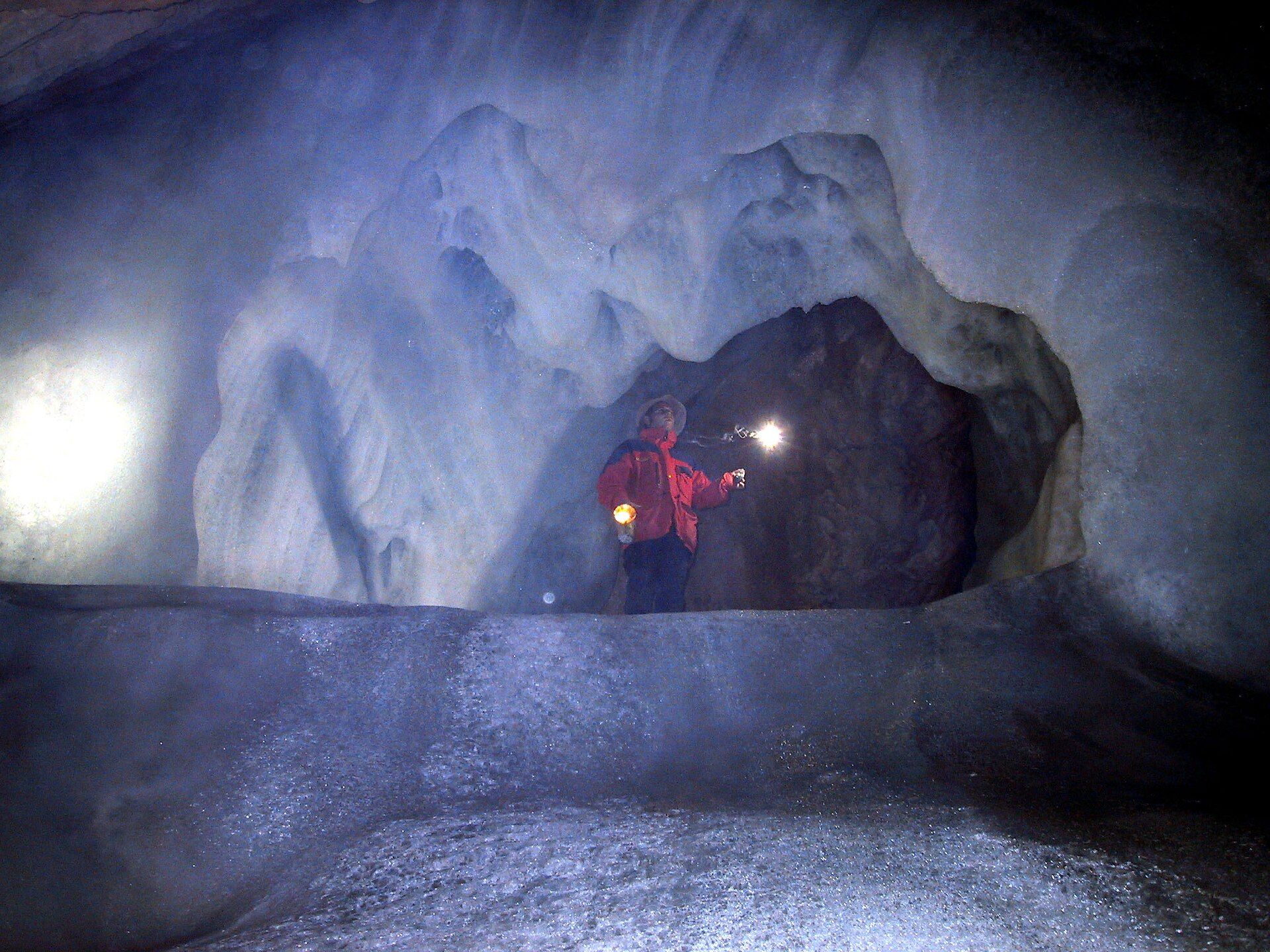
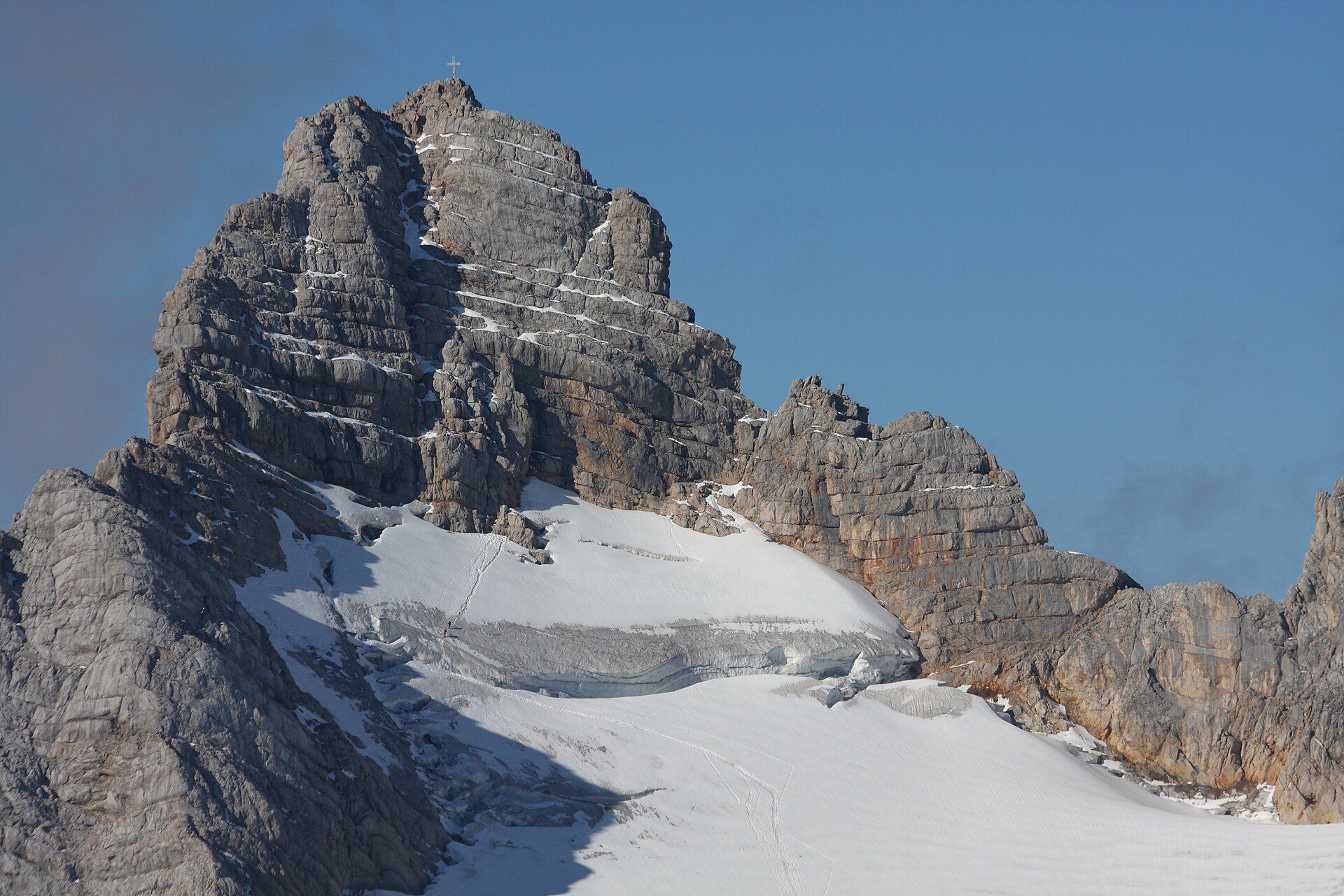
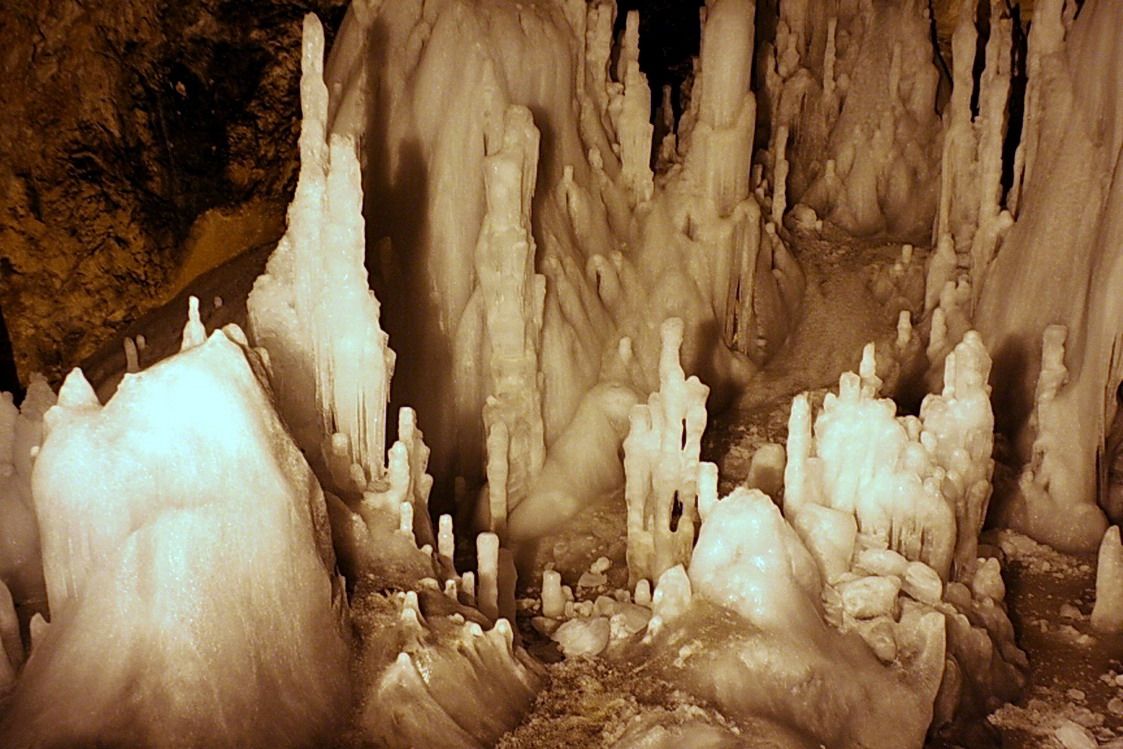
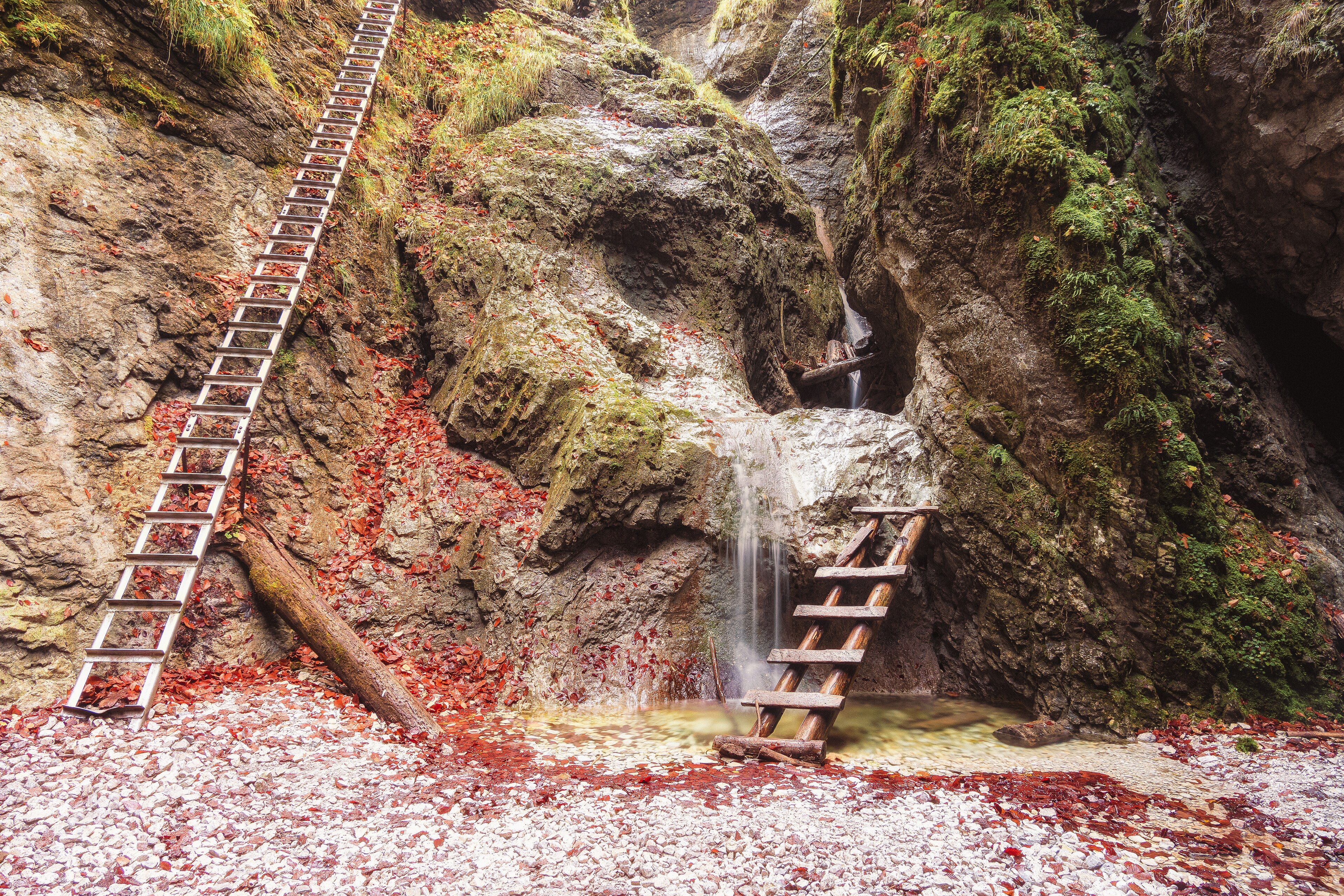
Summer trip: Eisriesenwelt and the Dachstein are both in Austria, with Scărișoara (Romania) and Dobšiná (Slovakia) further east. Winter trip: Iceland's glacier caves, combined with Jökulsárlón the same day. For the lagoon and the caves head to head, see Jökulsárlón vs Vatnajökull ice caves.
Added