Yellowstone
📍 Wyoming / Montana / Idaho, United States
The world's first national park, sitting atop a giant volcanic hotspot — home to half the planet's geysers, rainbow-rimmed hot springs like Grand Prismatic, and vast wildlife-rich valleys of bison, wolves, and bears.
What makes it marvelous
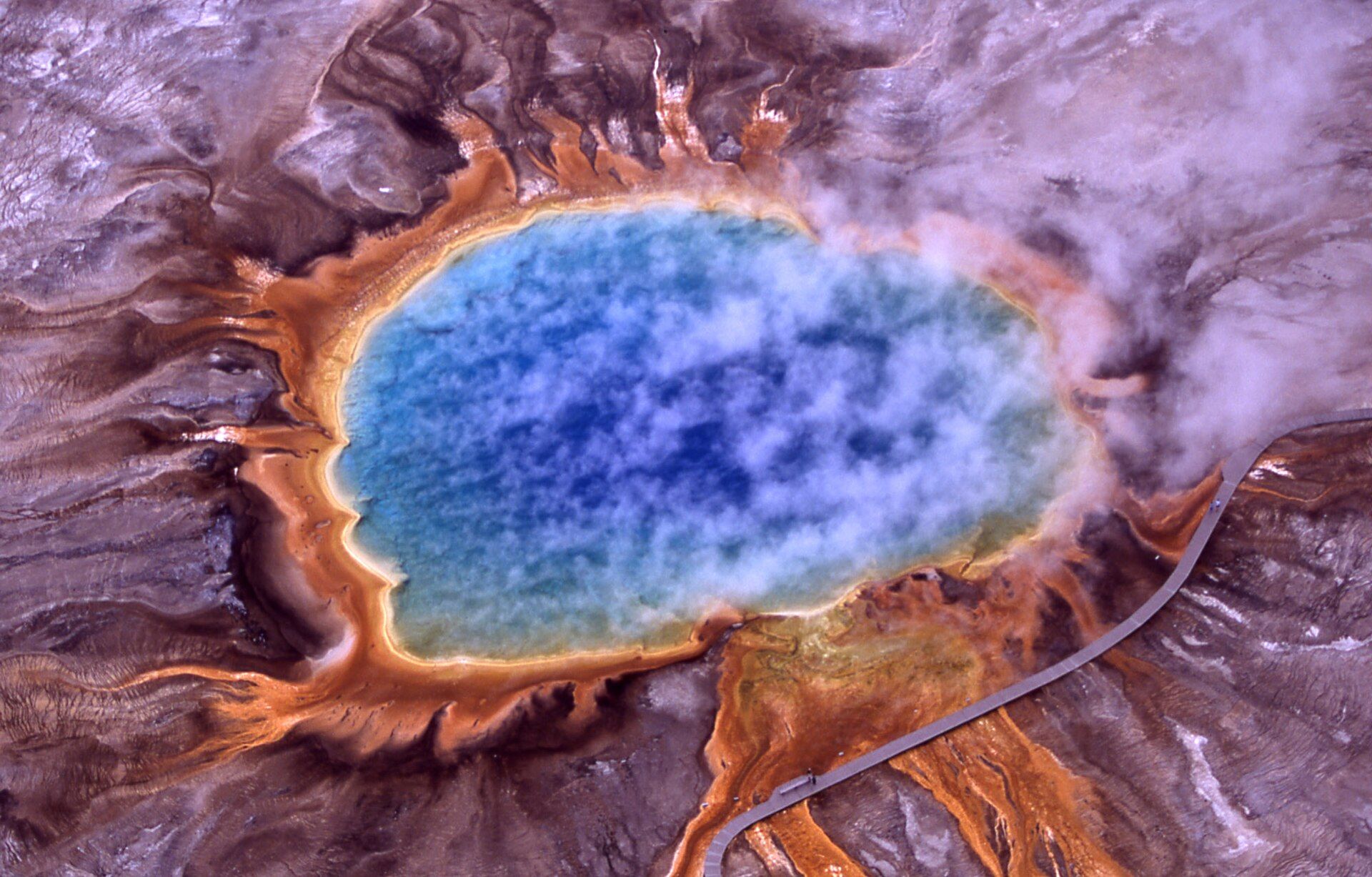
Yellowstone sits over a mantle hotspot that has fuelled enormous eruptions and left a huge caldera. The heat close beneath the surface drives more than 10,000 hydrothermal features — over half of all the geysers on Earth — including the famously punctual Old Faithful and the vast, heat-loving-microbe-coloured Grand Prismatic Spring. Above ground it protects one of the largest nearly intact temperate ecosystems left, with free-roaming bison, grizzly bears, and reintroduced wolves. It became the world's first national park in 1872.
Why visit
It's a landscape unlike anywhere else: geysers erupting on schedule, hot springs ringed in impossible colours, steaming basins, a grand canyon of its own with waterfalls, and some of the best large-mammal watching in North America — all in one park.
Still deciding?
Yellowstone comes up most often against one other place — each one weighs cost, effort, season and crowds side by side.
More views of Yellowstone
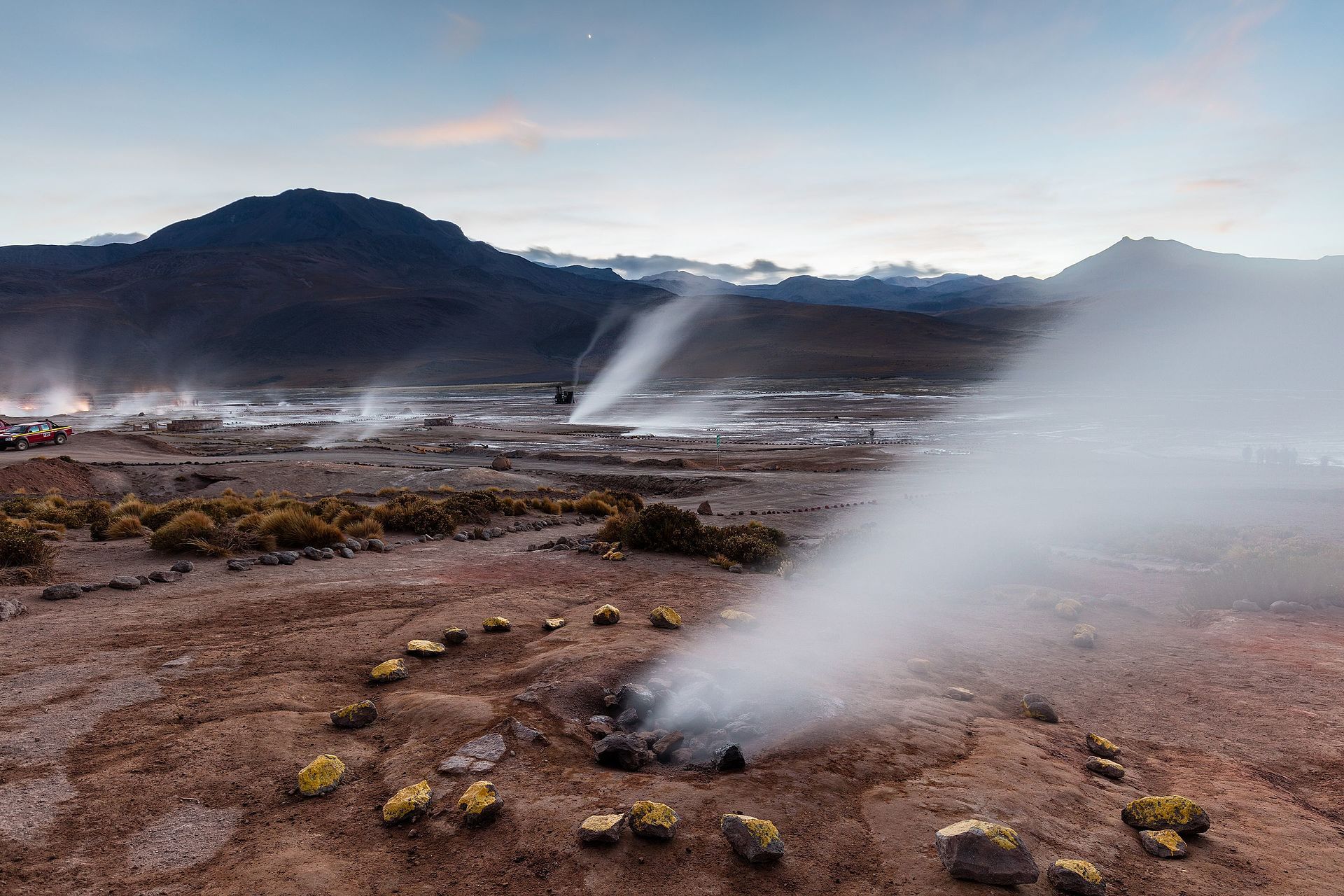
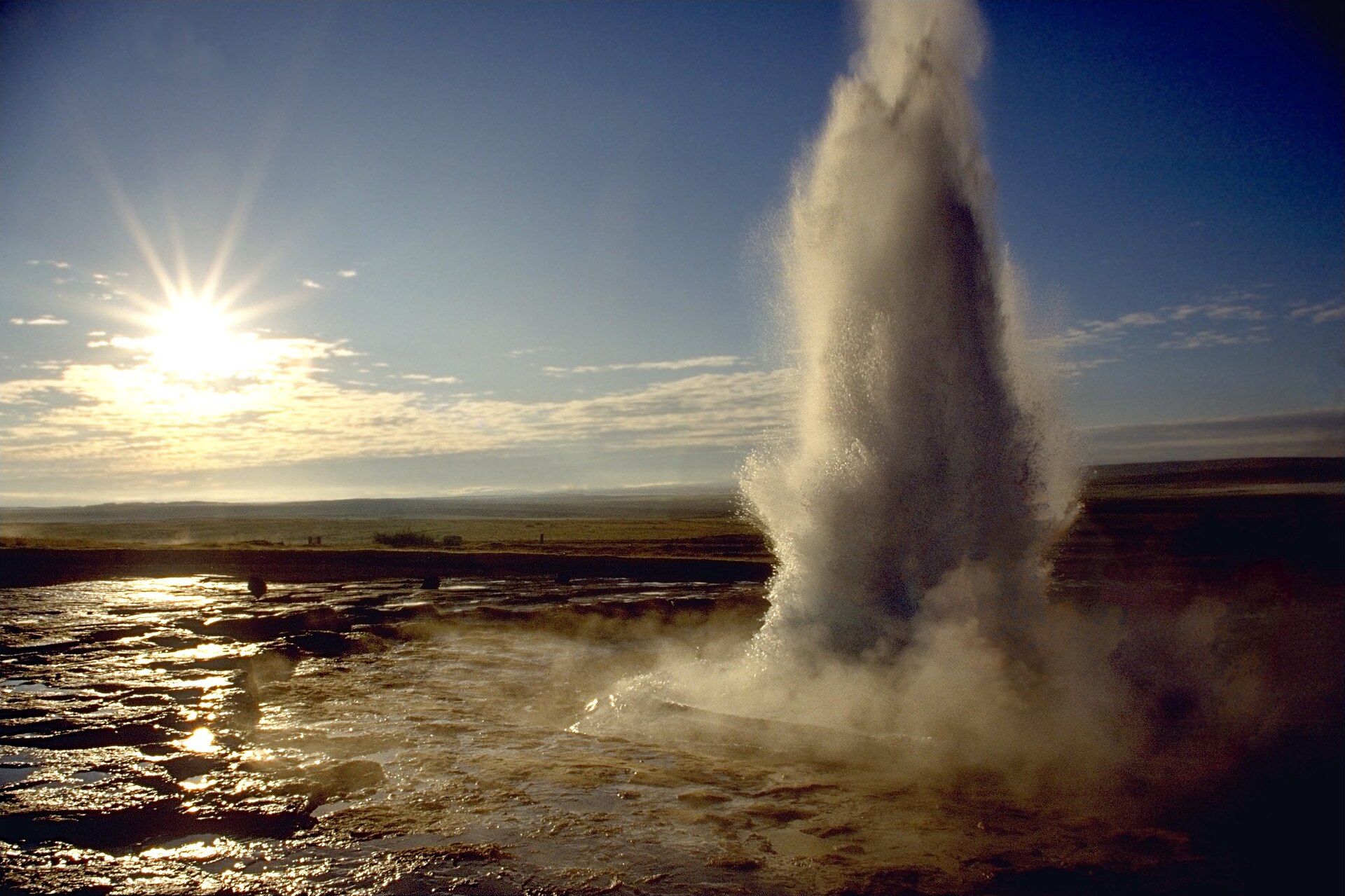
Additional photographs of the actual site — each freely licensed, with its photographer and licence credited.
What to know before you go
🗓️ Best time
Late spring to early autumn (roughly May–September) for open roads, geyser basins, and wildlife; winter offers snowy solitude with limited access.
🧭 Getting there & access
Multiple entrances from Wyoming, Montana, and Idaho (gateway towns like West Yellowstone and Gardiner). A loop road links the major basins; some roads close seasonally in winter.
Good to know
- Stay on the boardwalks — the thin crust over boiling water is genuinely deadly.
- Keep well back from wildlife; bison and bears are dangerous and fast.
- Visit popular basins early to beat midday crowds.
Plan your visit
Easy🧭 Getting there
From Bozeman (BZN), Jackson (JAC), Cody (COD) or Idaho Falls (IDA)
- Fly to Bozeman, then drive to the North or West entrance — roughly 1h30–2h
- From Jackson to the South Entrance — about 1h
- Inside the park, expect 30min–1h+ between the major basins
- Total travel
- Most of a day from either US coast
- Time at site
- 3 days minimum; a week to see it without rushing
- Access
- Park entrance fee, valid several days. Most interior roads close to cars for winter — roughly November to April — leaving only the northern Gardiner–Cooke City route open. Winter access to the interior is by snowcoach or guided snowmobile. Road opening dates move with the snowpack, so check park road status rather than a calendar.
🎒 What to bring & consider
- Bear spray, carried accessibly and with some idea how to use it — this is grizzly country, not a zoo
- Layers for near-freezing mornings; the plateau sits above 2,400m and can snow in any month
- Discipline about staying on the boardwalks — the crust over thermal ground is thin and the burns are severe
- A full fuel tank; stations inside the park are few and far apart
- Offline maps, as coverage drops out across most of the park
👁️ What to expect
- Crowds
- Old Faithful and Grand Prismatic are genuinely congested through midsummer, with lots full by mid-morning. Early and late in the day thin out sharply.
- Conditions
- Long driving distances between sights, and wildlife jams that stop traffic without warning. Boardwalks are flat and mostly easy.
- Facilities
- Good in the developed villages — food, fuel, lodging, visitor centres. Sparse in between.
- The view
- Grand Prismatic reads best from the Fairy Falls overlook with sun overhead; on cold mornings steam hides the colour completely. Geyser eruption times are predicted, not scheduled — check the day's board.
Times and requirements are approximate and change with season, weather, and local rules — confirm permits, fares, and schedules with operators before you travel.
Natural riches of the area
- Over half of Earth's geysers and vast hydrothermal fields
- A near-intact temperate ecosystem (bison, wolves, grizzlies)
- Geothermal heat over a volcanic hotspot
- Rivers, lakes, forests, and alpine meadows
Local food
- Bison burger
- Lean, locally-raised bison, a signature of the northern Rockies.
- Trout
- Fresh mountain trout from the region's rivers and lakes.
- Huckleberries
- Wild mountain berries used in pies, jams, and ice cream.
Yellowstone is where the Earth shows its inner workings. The park sits over a mantle hotspot whose heat rises close to the surface, powering more than 10,000 hydrothermal features — over half of all the geysers on the planet. Old Faithful erupts on its dependable schedule; the Grand Prismatic Spring spreads in bands of blue, green, orange, and red, coloured by heat-loving microbes; and whole basins hiss and steam over ground that is, in geological terms, a sleeping supervolcano.
Set that against one of the last great temperate wildernesses — herds of bison on the Lamar Valley, grizzlies in the meadows, wolves reintroduced to complete the food web — and you have a park that helped invent the very idea of national parks when it was established in 1872. It rewards patience: keep to the boardwalks, keep your distance from the wildlife, and let the geysers keep their own time.
Yellowstone was the world’s first national park, set aside in 1872, and it sits on top of one of the planet’s largest active volcanic systems — the caldera that powers its roughly 10,000 hydrothermal features, more than anywhere else on Earth. Old Faithful is the famous one, but the Grand Prismatic Spring, the largest hot spring in the United States, is the signature image: rings of orange, gold, and green around a deep blue centre, coloured by heat-loving microbes living at different temperatures. Away from the geyser basins, the Lamar and Hayden valleys are among the best places in North America to watch wild bison, elk, grizzlies, and the wolves reintroduced here in 1995.
Yellowstone: common questions
How do you get to Yellowstone?
From Bozeman (BZN), Jackson (JAC), Cody (COD) or Idaho Falls (IDA): Fly to Bozeman, then drive to the North or West entrance — roughly 1h30–2h; From Jackson to the South Entrance — about 1h; Inside the park, expect 30min–1h+ between the major basins. Total travel time: Most of a day from either US coast.
When is the best time to visit Yellowstone?
Late spring to early autumn (roughly May–September) for open roads, geyser basins, and wildlife; winter offers snowy solitude with limited access.
How long should you spend at Yellowstone?
3 days minimum; a week to see it without rushing. Total travel time: Most of a day from either US coast.
What should you bring to Yellowstone?
Bear spray, carried accessibly and with some idea how to use it — this is grizzly country, not a zoo Layers for near-freezing mornings; the plateau sits above 2,400m and can snow in any month Discipline about staying on the boardwalks — the crust over thermal ground is thin and the burns are severe A full fuel tank; stations inside the park are few and far apart Offline maps, as coverage drops out across most of the park
Do you need a permit or guide for Yellowstone?
Park entrance fee, valid several days. Most interior roads close to cars for winter — roughly November to April — leaving only the northern Gardiner–Cooke City route open. Winter access to the interior is by snowcoach or guided snowmobile. Road opening dates move with the snowpack, so check park road status rather than a calendar.
Is Yellowstone crowded, and what are conditions like?
Old Faithful and Grand Prismatic are genuinely congested through midsummer, with lots full by mid-morning. Early and late in the day thin out sharply. Long driving distances between sights, and wildlife jams that stop traffic without warning. Boardwalks are flat and mostly easy. Facilities: Good in the developed villages — food, fuel, lodging, visitor centres. Sparse in between.
Added Updated