Hiking · one-day walks
What Are the Best Day Hikes in the World? 11 Classic Walks You Can Do Without Camping
10 places · every one real, mapped, and worth the trip
Short answer: for an easy classic, walk the Hooker Valley Track under Aoraki/Mount Cook (about three hours, mostly flat); for a big but doable day, Preikestolen (about 8 km and 4 hours return) or the one-way Tongariro Alpine Crossing (about 19.4 km, 6–8 hours); and for the hardest, Trolltunga (about 27–28 km, 8–12 hours).
Every walk below is done in a single day with no tent or hut night. They run roughly from easiest to hardest, and each entry's length, time, season and permit rule come from that place's own page. For routes that need several nights, see the best multi-day treks.
-
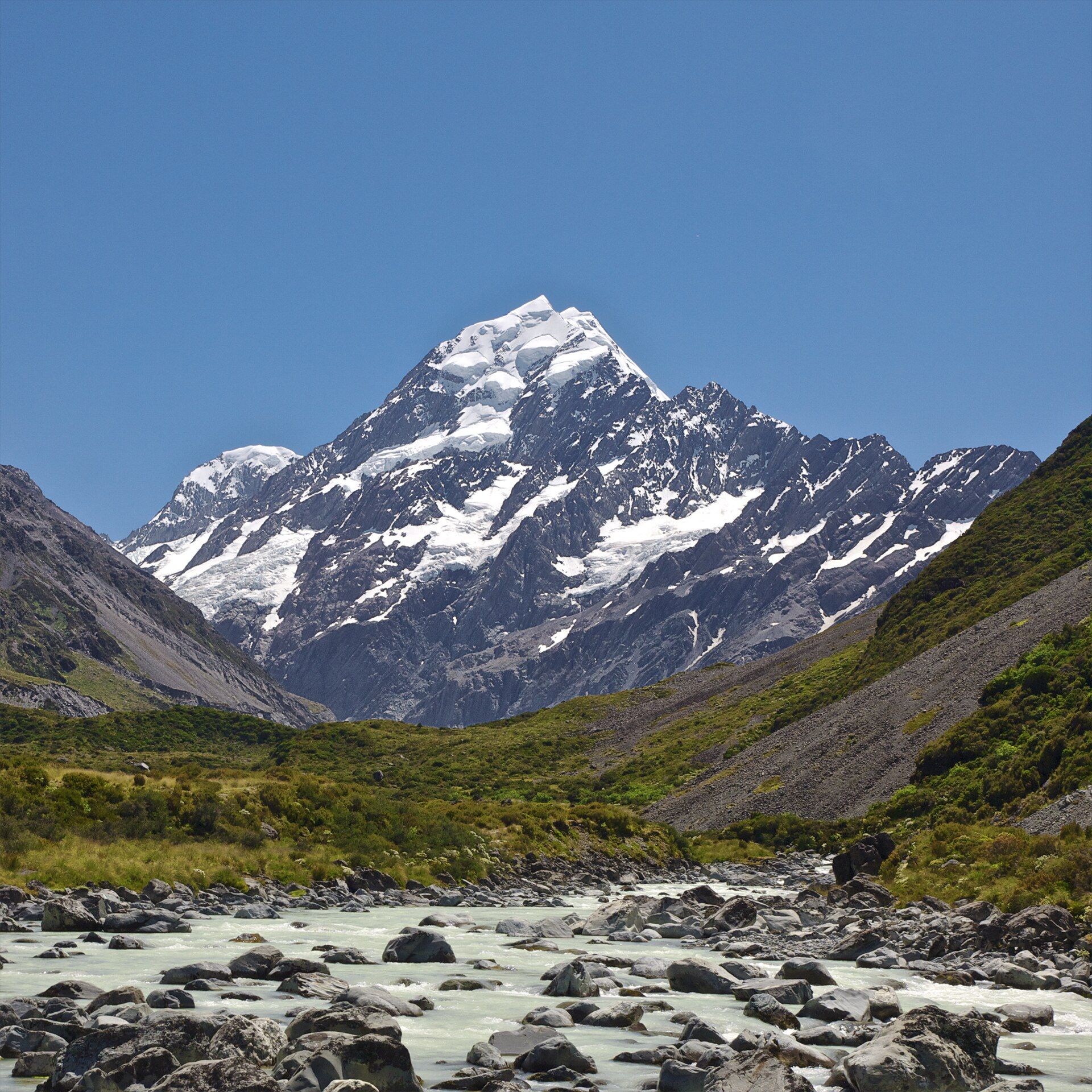
Aoraki / Mount Cook Hooker Valley Track · about 3 h return, mostly flat
Canterbury, South Island, New Zealand
A mostly flat there-and-back of about three hours over swing bridges to a glacial lake dotted with icebergs beneath New Zealand's highest peak. It is accessible to most walkers but fully exposed to wind and cold, so carry layers. Summer and early autumn, roughly December to April, give the best walking weather; the village is around four hours by road from Christchurch or Queenstown.
-
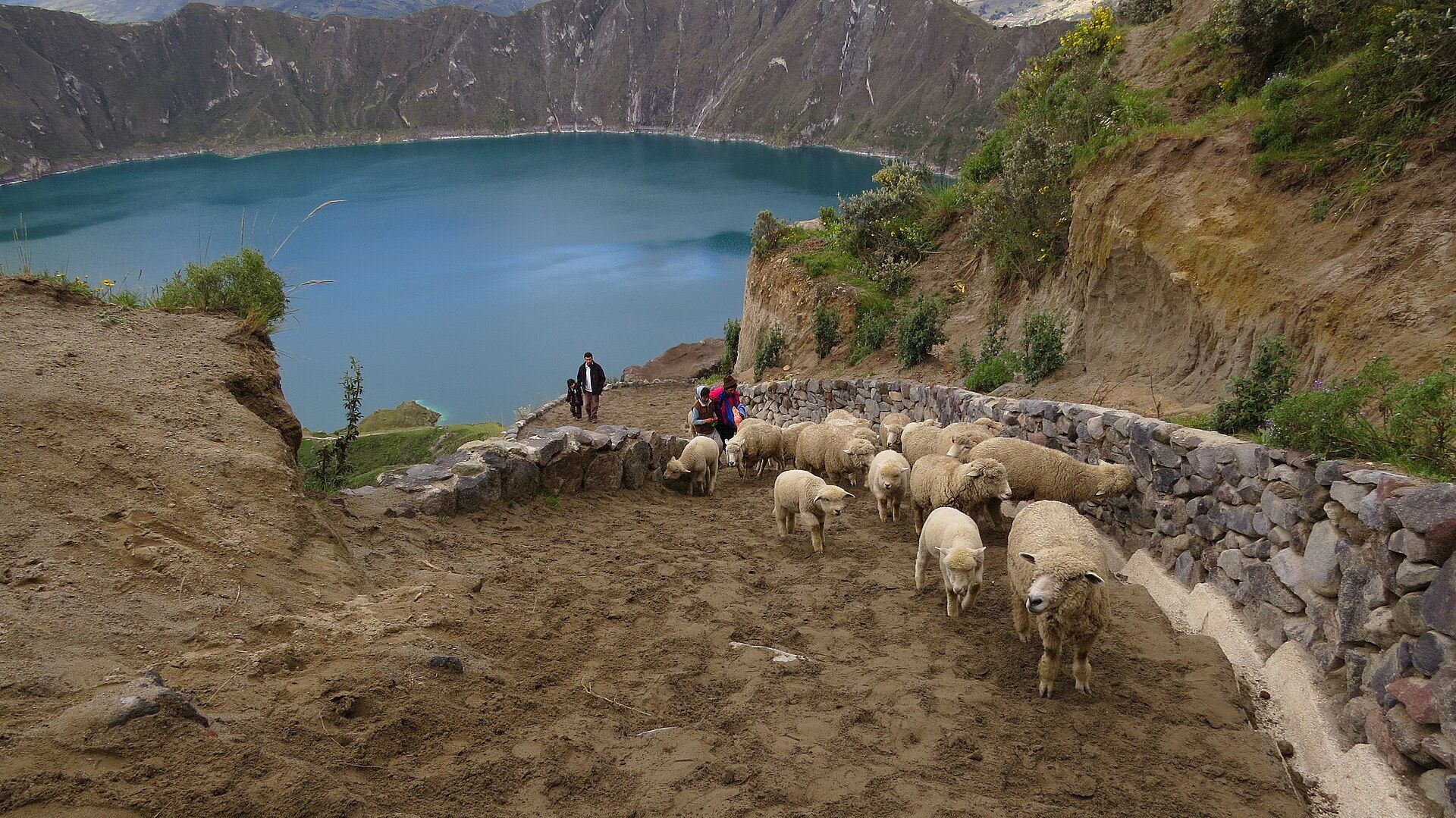
Quilotoa Rim loop · about 10 km, 4–5 h
Cotopaxi Province, Ecuadorian Andes
The rim trail circles a caldera about 3 km across, around a green lake whose surface sits at about 3,500 m. The full rim hike is about 10 km and takes 4–5 hours; the shorter option is the path down to the water, about 30 minutes down and 1–2 hours back up at altitude. Go early — cloud and fog often roll in by afternoon.
-
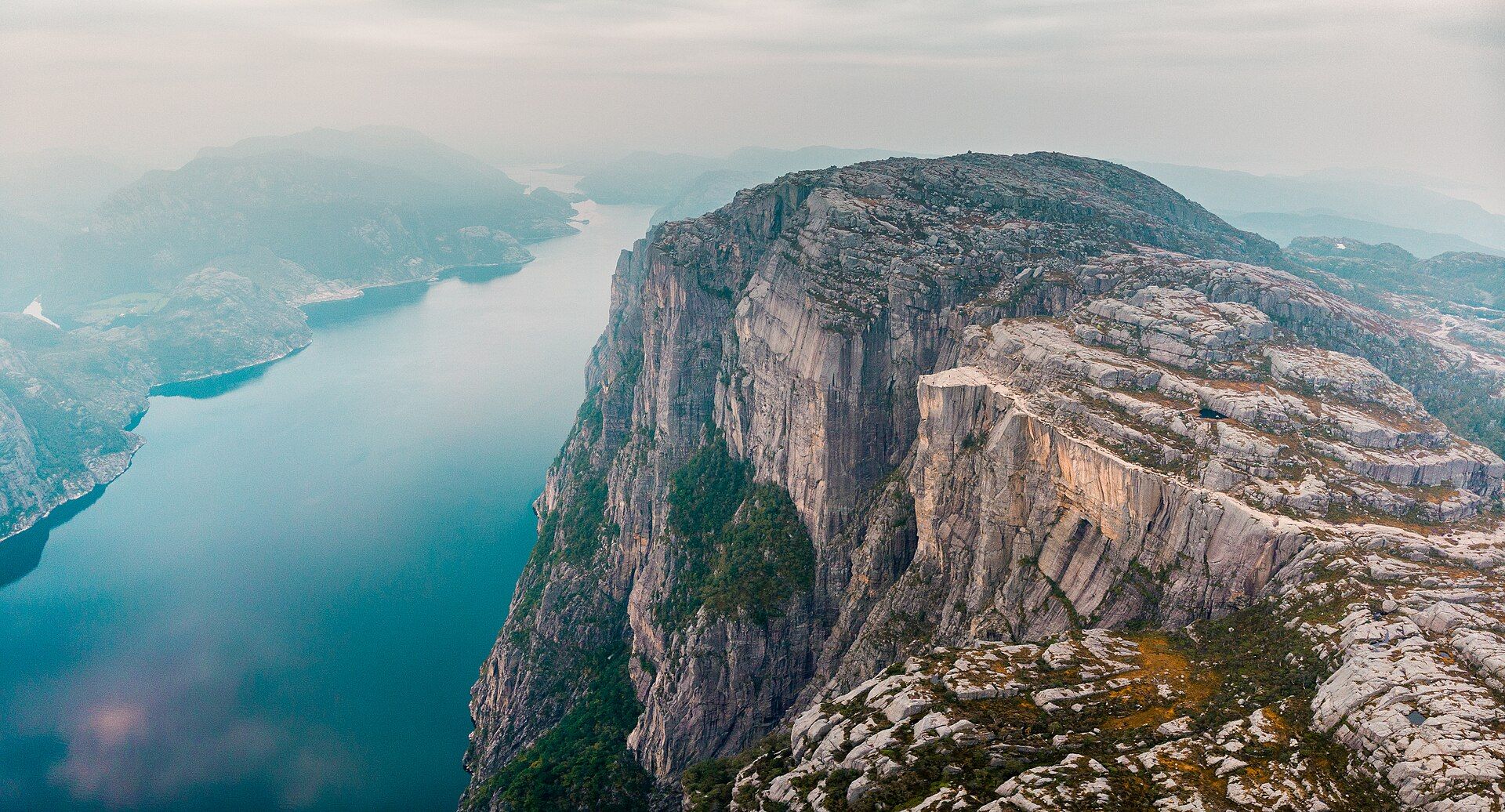
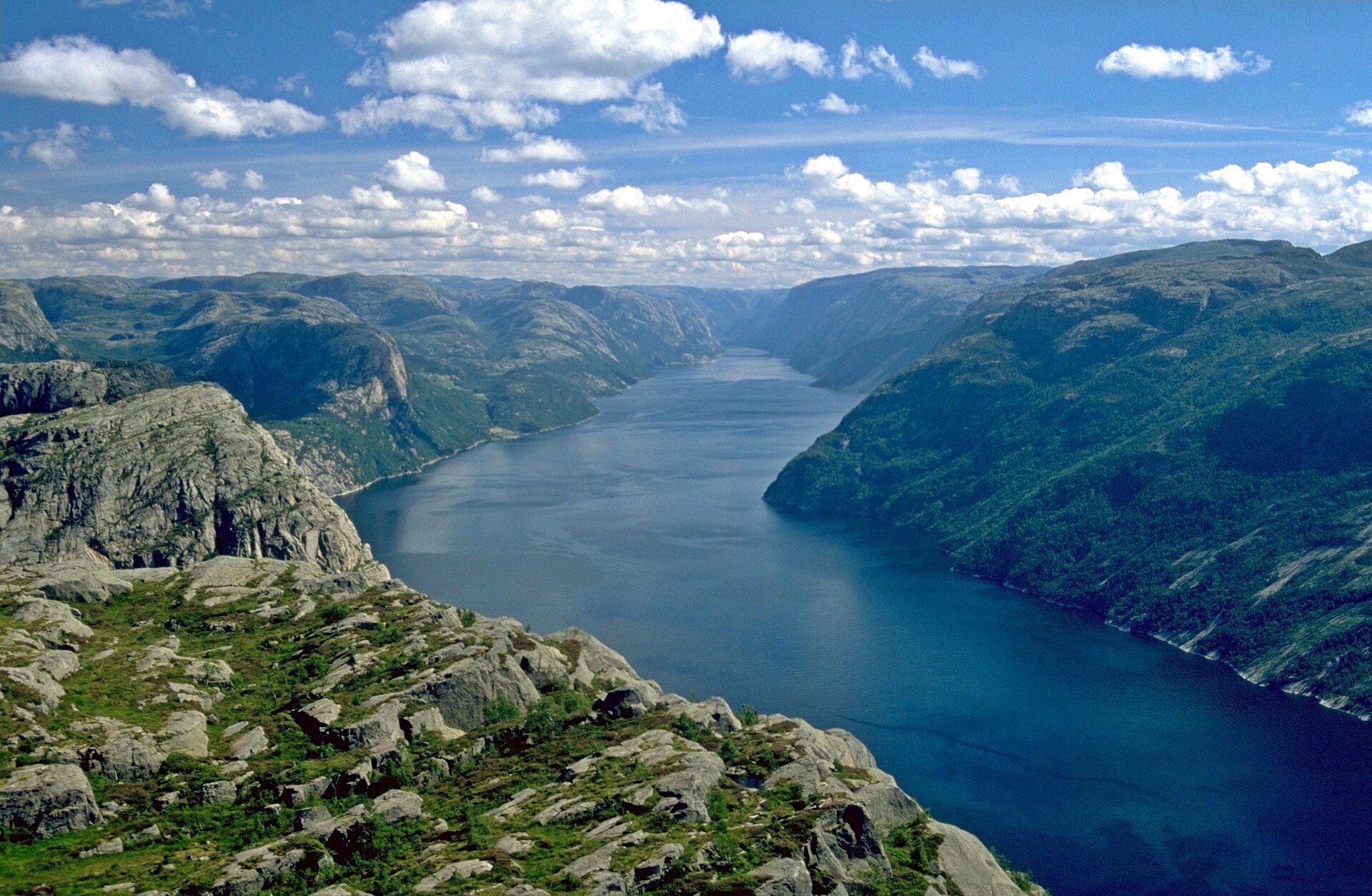
Preikestolen Pulpit Rock · about 8 km, 4 h return, May–Sep
Rogaland, southwestern Norway
A rugged but popular trail climbs through upland heath and lakes to the flat-topped cliff 604 m above the Lysefjord, with no barriers at the edge. The round trip is roughly 8 km and about 4 hours, from a trailhead around 90 minutes from Stavanger. Hike May to September; outside those months the trail can be dangerously icy.
-
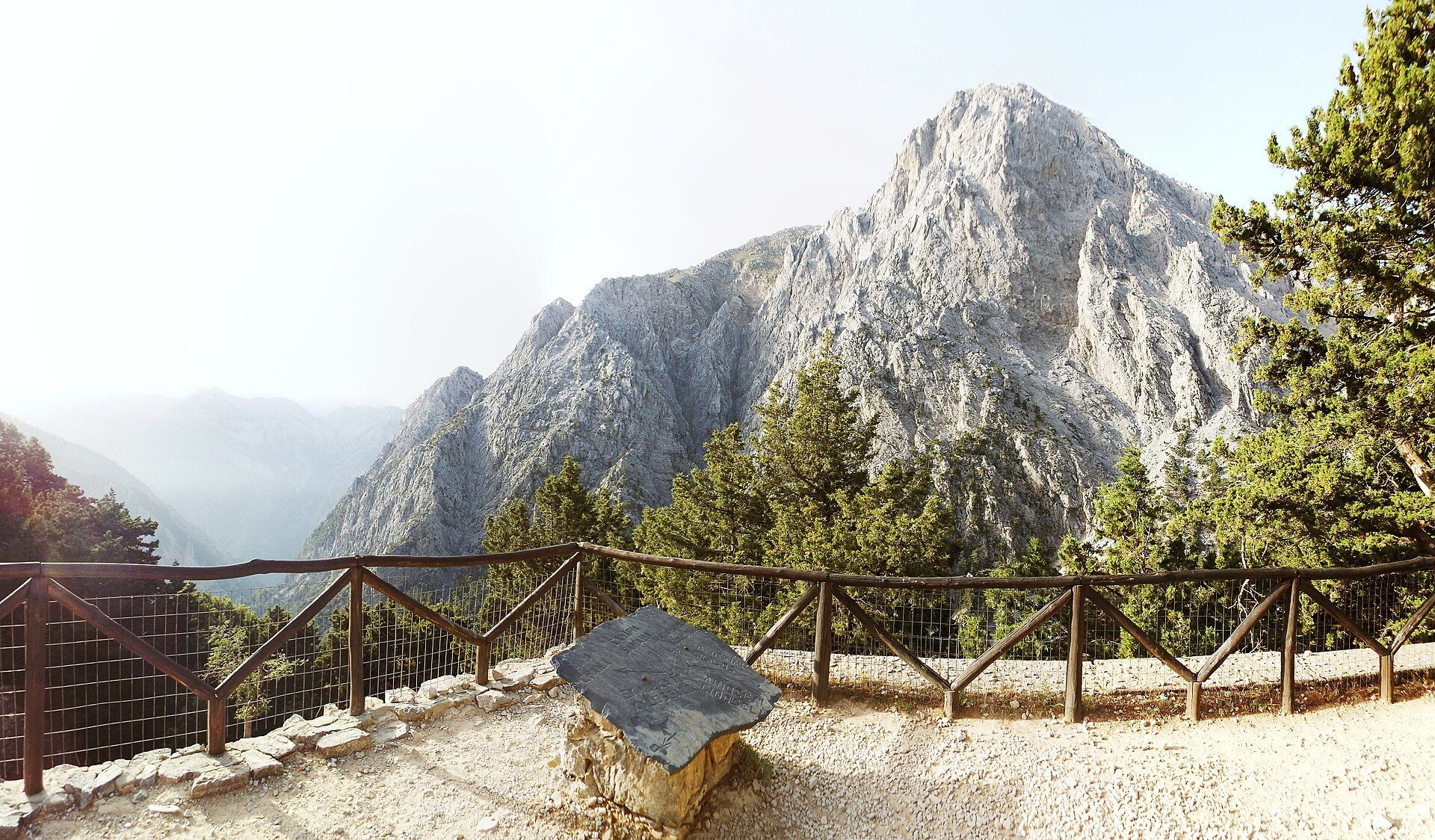
Samaria Gorge 16 km one way, 5–7 h, open 1 May–31 Oct
White Mountains, Chania, Crete, Greece
A long descent from the Omalos plateau to the Libyan Sea through ever-narrowing walls up to 500 m high, past the abandoned village of Samariá to the Iron Gates, about 4 m wide. The route is about 16 km downhill on rough, rocky ground and takes five to seven hours; it ends at Agia Roumeli, where a ferry and bus take you back. The park is open from 1 May to 31 October — take the first bus from Chania for cooler, quieter walking.
-
Tongariro National Park Alpine Crossing · about 19.4 km one way, 6–8 h
Central Plateau, North Island, New Zealand
A one-way crossing past steaming craters and emerald lakes, starting and ending in different places — with a strict car-park time limit at Mangatepopo, so almost everyone uses a booked shuttle. Allow roughly 6–8 hours. November to April gives summer conditions; check the volcanic-activity alerts and the mountain forecast, because this exposed route can turn dangerous within an hour.
-
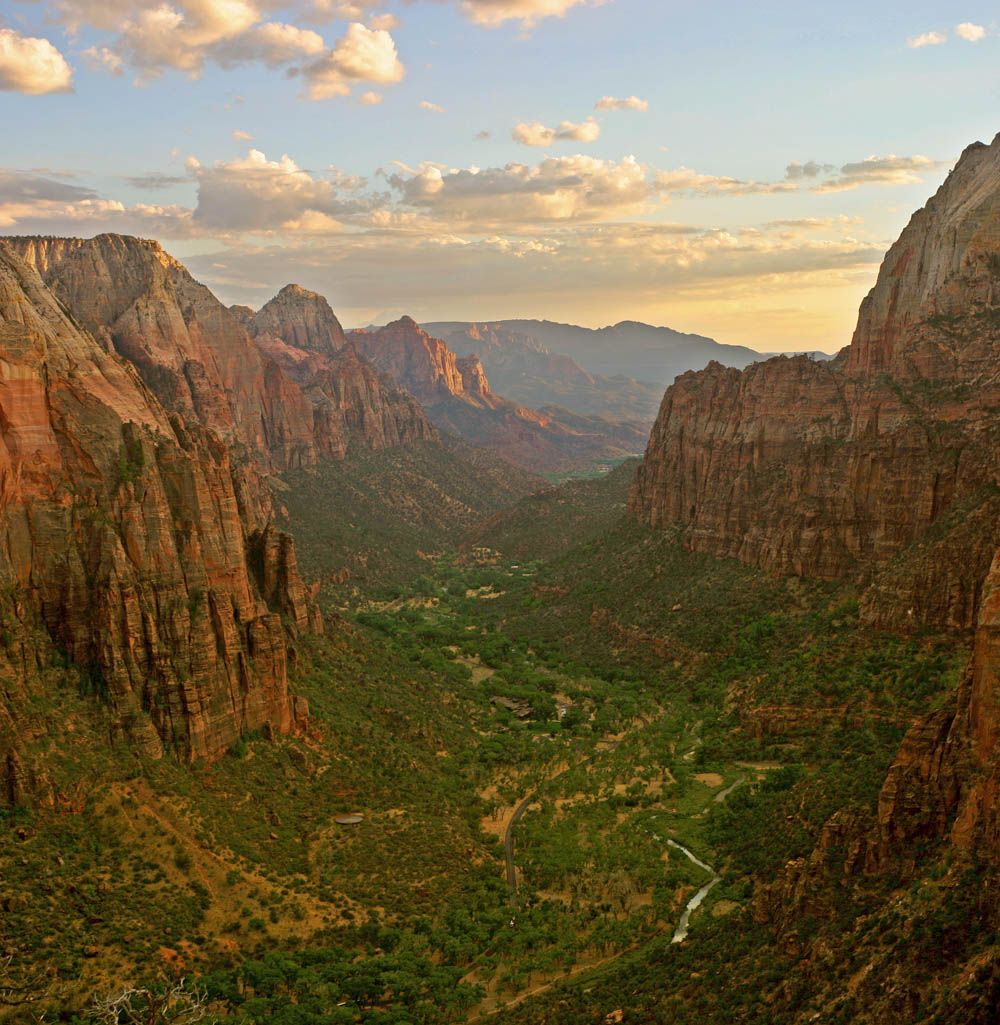
Zion Canyon The Narrows and Angels Landing · permit for Angels Landing
Utah, United States
Two of the most thrilling day hikes anywhere are in the canyon the park shuttle serves in the busy season: wading up The Narrows through the Virgin River between towering walls, and climbing the chains of Angels Landing — the section above Scout Lookout needs a permit awarded by lottery. Spring and autumn are the seasons; never enter The Narrows or side slots when flash floods threaten, a real risk in the July–September monsoon.
-
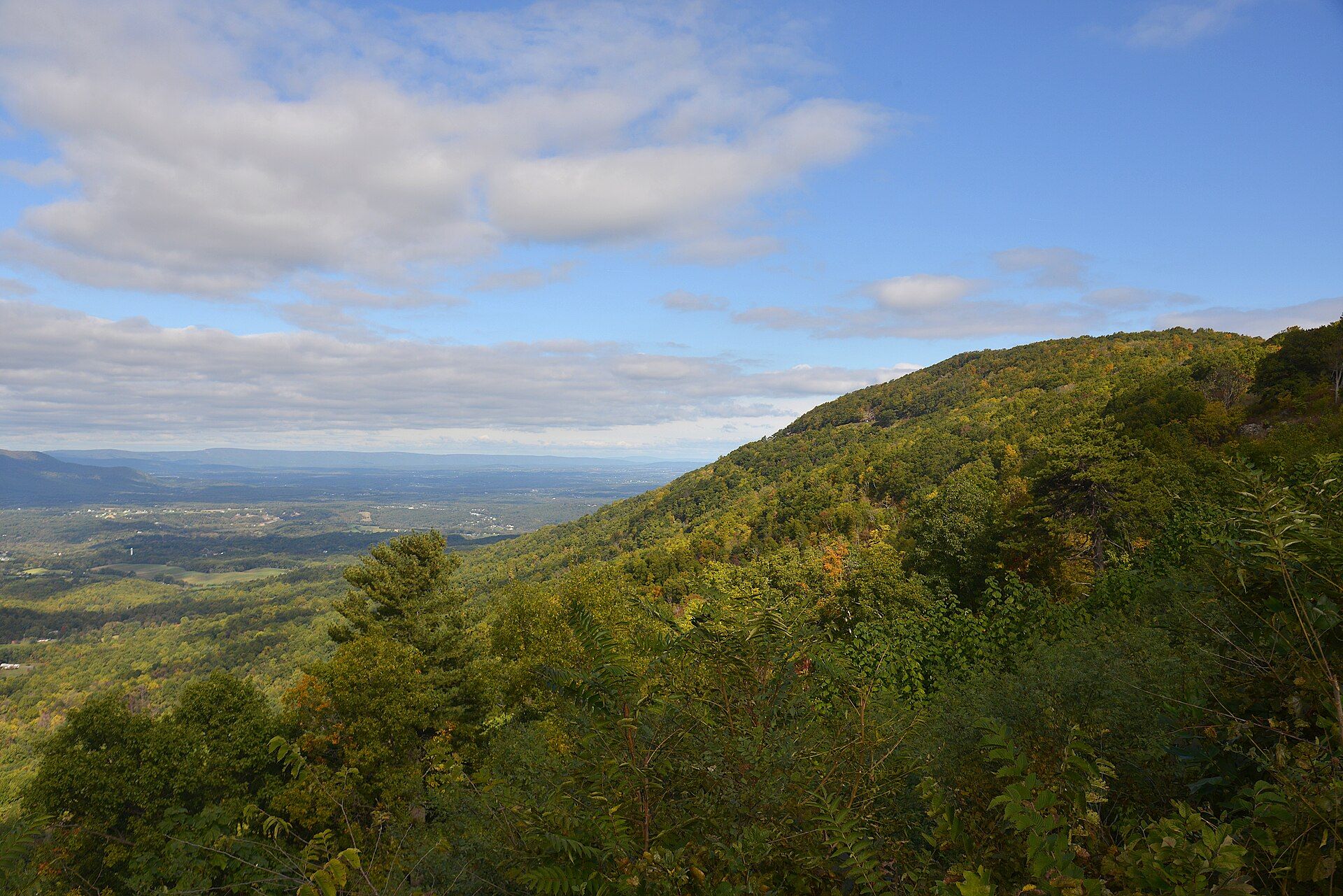
Shenandoah National Park Old Rag scramble · day-use ticket Mar 1–Nov 30
Blue Ridge Mountains of Virginia, USA, between Front Royal in the north and Waynesboro in the south, just west of Washington, D.C.
Old Rag's granite scramble is the hike to book ahead: from March 1 to November 30 it needs an Old Rag day-use ticket booked online in advance, on top of the entrance pass — and the ticket does not guarantee parking. Mid-March to May brings wildflowers; late September to November, the foliage and the busiest weekends.
-
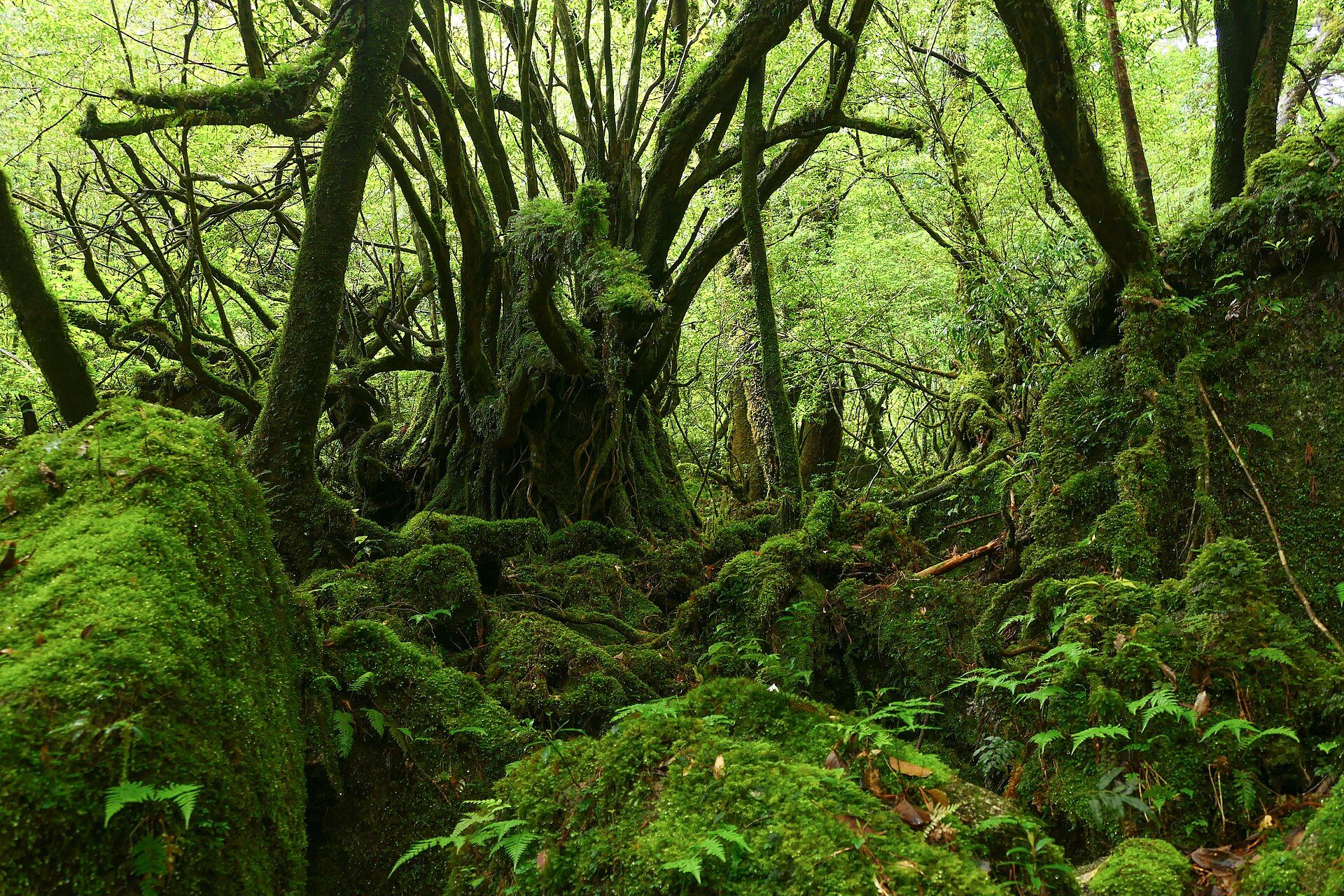
Yakushima Jōmon Sugi · 8–10 h, pre-dawn start
Kagoshima, southern Japan
The long day to the Jōmon Sugi, the island's oldest cedar, often starts before dawn along an old railway track and takes eight to ten hours — real hiking fitness required. The island is rainy all year, so pack quick-dry layers and keep spares dry; spring and autumn are the most comfortable. The moss-draped Shiratani Unsuikyō forest is the gentler alternative.
-
The Lysefjord Kjerag · 6–10 h, the harder Lysefjord hike
Rogaland, Southwestern Norway
The higher, harder of the Lysefjord's two famous walks climbs from the Øygardstøl trailhead deep in the fjord to Kjerag, 984 m above the water — a 6–10 hour day. June to September is when the route is clear of snow; outside the season it needs winter skills and guiding. Check trail and weather conditions before setting out.
-
Trolltunga About 27–28 km, 8–12 h, mid-Jun–mid-Sep
Vestland, western Norway
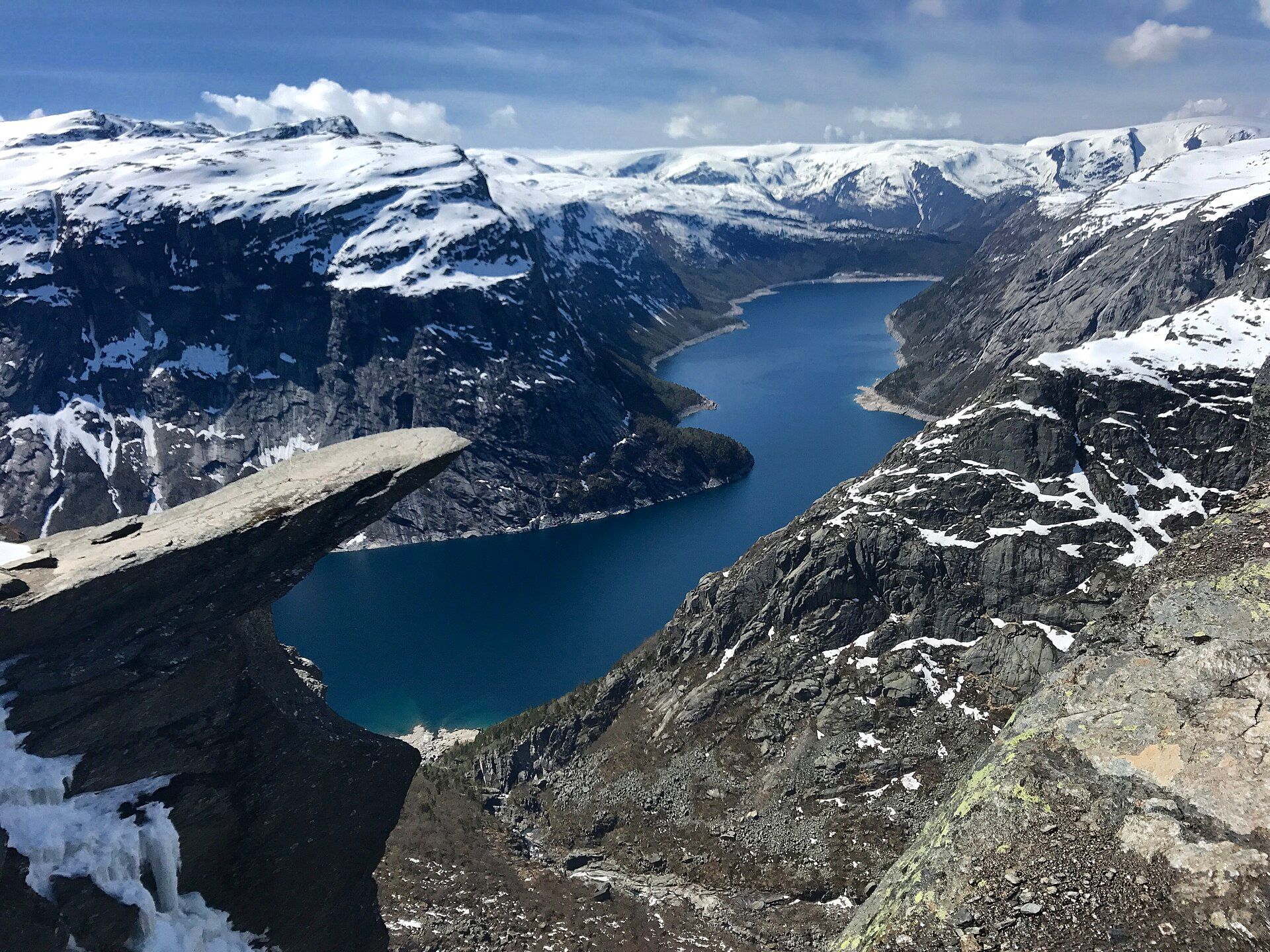
The rock slab jutting out some 700 m above a fjord lake sits at the end of one of Norway's most demanding day hikes: roughly 27–28 km round trip with about 800 m of climbing across high plateau, snow patches and bare rock, taking eight to twelve hours. Go mid-June to mid-September; outside that window it needs winter equipment and a guide and is often closed. Start very early — late starts are a steady source of rescue callouts.

If you have one easy day, the Hooker Valley Track and Quilotoa's walk down to the lake ask the least. If you want one big day, Preikestolen is the shorter Norwegian classic and Trolltunga the long one — the two are compared in Trolltunga vs Preikestolen. Samaria and the Tongariro Alpine Crossing are both one-way walks, so the return transport (ferry or shuttle) is part of the plan.
Added