Redwood Forests
📍 Northern California, USA
Cathedral groves of coast redwoods — the tallest living things on Earth — rising over 100 metres in cool, fog-fed forests along the northern California coast.
What makes it marvelous
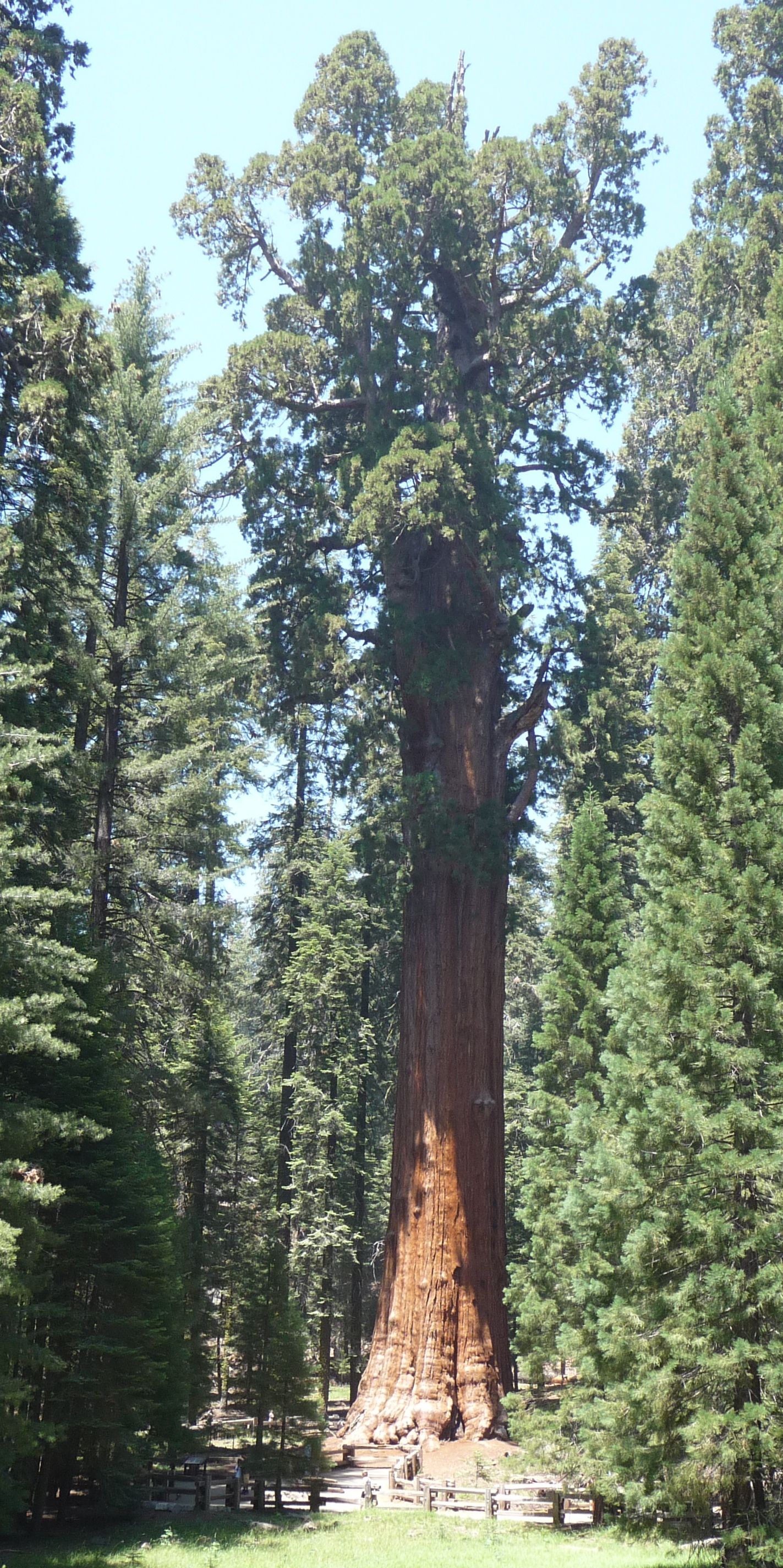
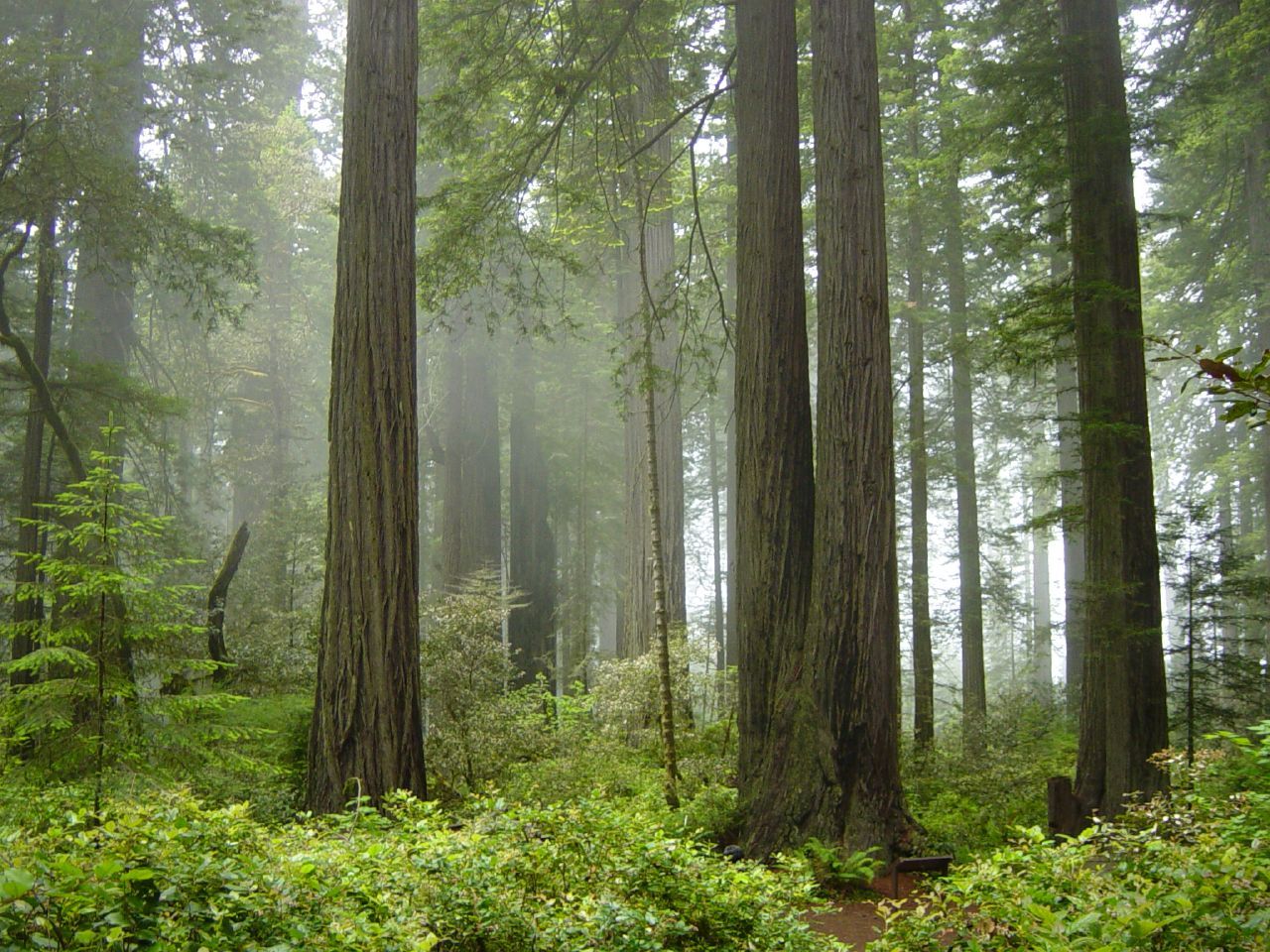
The coast redwood is the tallest tree species on the planet, and the groves of northern California hold the record-holders — living columns rising more than 115 metres, taller than a 35-storey building, some of them close to two thousand years old. These giants thrive in a narrow coastal belt where summer fog rolls in off the Pacific and drips moisture into the forest through the dry season, sustaining an ecosystem of astonishing scale and stillness. Walking beneath them, in the green half-light of a grove where ferns carpet the floor and the trunks vanish upward into mist, is to feel very small in the presence of some of the oldest and largest living things that have ever grown. The forests are protected as a UNESCO World Heritage Site.
Why visit
Standing at the foot of a redwood and craning your neck to a crown lost in the fog is a genuinely humbling experience — the tallest of them pass 110 metres, making these the tallest trees on Earth.
Still deciding?
Redwood Forests comes up most often against these — each one weighs cost, effort, season and crowds side by side.
What to know before you go
🗓️ Best time
Late spring through autumn (roughly May–October) for the driest trails, though the coastal forest is green and atmospheric — often misty — year-round.
🧭 Getting there & access
Along the far northern California coast, reached by road from the San Francisco Bay Area or Oregon; Redwood National and State Parks and groves like Avenue of the Giants have easy trails among the tallest trees.
Good to know
- Walk the flat grove loops to stand among the biggest trees with little effort.
- Expect coastal fog and cool temperatures even in summer — bring layers.
- Stay on trails; the shallow-rooted giants and forest floor are fragile.
Plan your visit
Easy🧭 Getting there
From Eureka or Crescent City, Northern California, USA
- Fly to a regional airport, or drive north from San Francisco — roughly 5h–6h to Humboldt
- Base near Eureka, Arcata or Crescent City along the redwood coast
- Drive the Avenue of the Giants and the park roads to the big groves
- Total travel
- A long drive north from San Francisco
- Time at site
- Two or three days across the parks
- Access
- The tallest trees on Earth grow in a string of national and state parks along the far Northern California coast, most of them free to enter and laced with easy grove trails like those off the Avenue of the Giants. A few special places are protected by a permit or by etiquette: the Tall Trees Grove requires a free permit with a daily cap, and fragile spots like the Grove of Titans are kept on boardwalks to protect the roots — check current rules with the park service. The coastal fog that feeds these forests also means cool, damp, grey conditions much of the year.
🎒 What to bring & consider
- A check of the park service's current permit rules, since a few groves such as Tall Trees are capped and require a free permit
- Warm, layered and waterproof clothing for a cool, foggy, damp coast even in summer
- The discipline to stay on trails and boardwalks, which protect the shallow roots these giants depend on
- A full tank and supplies, as services are spread thin along the redwood coast
- A wide lens or the patience to convey scale, since photographs never quite capture the height
👁️ What to expect
- Crowds
- The famous groves and drive-through novelties draw people; step onto a longer trail and the forest empties.
- Conditions
- Cool, damp and often foggy, on mostly flat, easy trails through towering groves.
- Facilities
- Visitor centres and campgrounds in the parks; full services in the coastal towns.
- The view
- Shafts of fog-filtered light falling between the immense trunks in the early morning, when the mist is still in the canopy. A person at the base of a trunk gives the only honest sense of scale.
Times and requirements are approximate and change with season, weather, and local rules — confirm permits, fares, and schedules with operators before you travel.
Natural riches of the area
- The tallest tree species on Earth (coast redwood, 115+ m)
- Ancient groves up to ~2,000 years old
- Fog-fed temperate rainforest ecosystem
- Rich understorey of ferns, salmon streams, and Roosevelt elk
Local food
- Pacific seafood
- Dungeness crab, salmon, and oysters from the northern California coast.
- Wild berries & mushrooms
- Foraged from the damp coastal forests in season.
- Farm-to-table cooking
- Northern California's celebrated local produce and cuisine.
The coast redwood is the tallest living thing on Earth, and the great groves of northern California hold the champions — trees soaring past 115 metres, taller than a 35-storey tower, some approaching two thousand years old. They grow in a narrow coastal band where Pacific fog rolls in each summer and drips moisture into the forest through the rainless months, sustaining giants on a scale found nowhere else.
To walk among them is to be humbled. In the green half-light of a grove, ferns carpet the floor and the massive trunks rise and vanish into drifting mist, their crowns far out of sight. There is a hush to these places, a sense of standing among some of the oldest and largest beings that have ever lived. Protected as a UNESCO World Heritage Site, the redwood forests are among the most awe-inspiring cathedrals of the natural world.
The most common mix-up in American forestry is worth clearing up here, because it sends people to the wrong end of the state. The tallest trees on Earth are coast redwoods, and they grow only in this narrow fog belt along northern California — the record holder, Hyperion, stands over 115 metres. The largest trees on Earth are a different species entirely, the giant sequoia, and they grow inland on the western slope of the Sierra Nevada, several hours away. General Sherman, the largest, is barely 84 metres tall but so vast in girth that no single-stem tree on the planet matches its volume. Tallest and largest are simply not the same record, they are held by two different trees, and the two forests are not near each other.
Redwood Forests: common questions
How do you get to Redwood Forests?
From Eureka or Crescent City, Northern California, USA: Fly to a regional airport, or drive north from San Francisco — roughly 5h–6h to Humboldt; Base near Eureka, Arcata or Crescent City along the redwood coast; Drive the Avenue of the Giants and the park roads to the big groves. Total travel time: A long drive north from San Francisco.
When is the best time to visit Redwood Forests?
Late spring through autumn (roughly May–October) for the driest trails, though the coastal forest is green and atmospheric — often misty — year-round.
How long should you spend at Redwood Forests?
Two or three days across the parks. Total travel time: A long drive north from San Francisco.
What should you bring to Redwood Forests?
A check of the park service's current permit rules, since a few groves such as Tall Trees are capped and require a free permit Warm, layered and waterproof clothing for a cool, foggy, damp coast even in summer The discipline to stay on trails and boardwalks, which protect the shallow roots these giants depend on A full tank and supplies, as services are spread thin along the redwood coast A wide lens or the patience to convey scale, since photographs never quite capture the height
Do you need a permit or guide for Redwood Forests?
The tallest trees on Earth grow in a string of national and state parks along the far Northern California coast, most of them free to enter and laced with easy grove trails like those off the Avenue of the Giants. A few special places are protected by a permit or by etiquette: the Tall Trees Grove requires a free permit with a daily cap, and fragile spots like the Grove of Titans are kept on boardwalks to protect the roots — check current rules with the park service. The coastal fog that feeds these forests also means cool, damp, grey conditions much of the year.
Is Redwood Forests crowded, and what are conditions like?
The famous groves and drive-through novelties draw people; step onto a longer trail and the forest empties. Cool, damp and often foggy, on mostly flat, easy trails through towering groves. Facilities: Visitor centres and campgrounds in the parks; full services in the coastal towns.
Added Updated