Region · East Asia
The Most Beautiful Places in East Asia
25 places · every one real, mapped, and worth the trip
East Asia's scenery runs from subtropical karst and rice terraces in southern China to granite ridges in Korea, volcanoes and cedar forest in Japan, a marble gorge and the island's highest peak in Taiwan, the Gobi on the Mongolian steppe and, in the far north-east, Siberia's Lake Baikal and the volcanoes of Kamchatka. The atlas files those two Russian places under East Asia, so they are here too.
This is our editors' pick of all 25 East Asian places in the atlas, grouped by country rather than ranked. Each line is drawn from the place's own page, including the season that suits it.
-
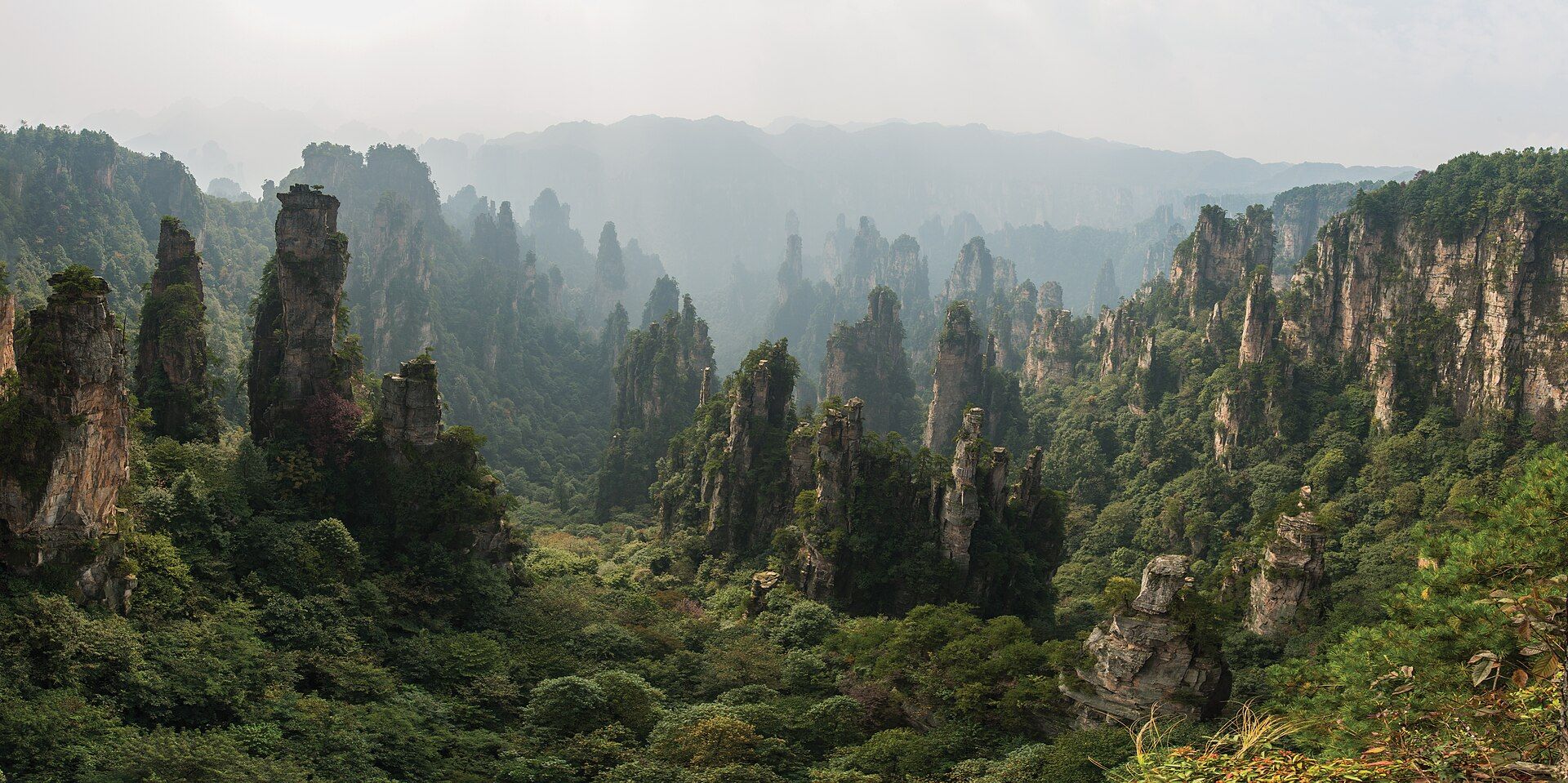
Zhangjiajie (Wulingyuan) Floating pillars
Hunan Province, China
Thousands of quartzite-sandstone pillars rising hundreds of metres from misty subtropical forest; spring and autumn, roughly April–June and September–November, bring mild weather and the mist.
-
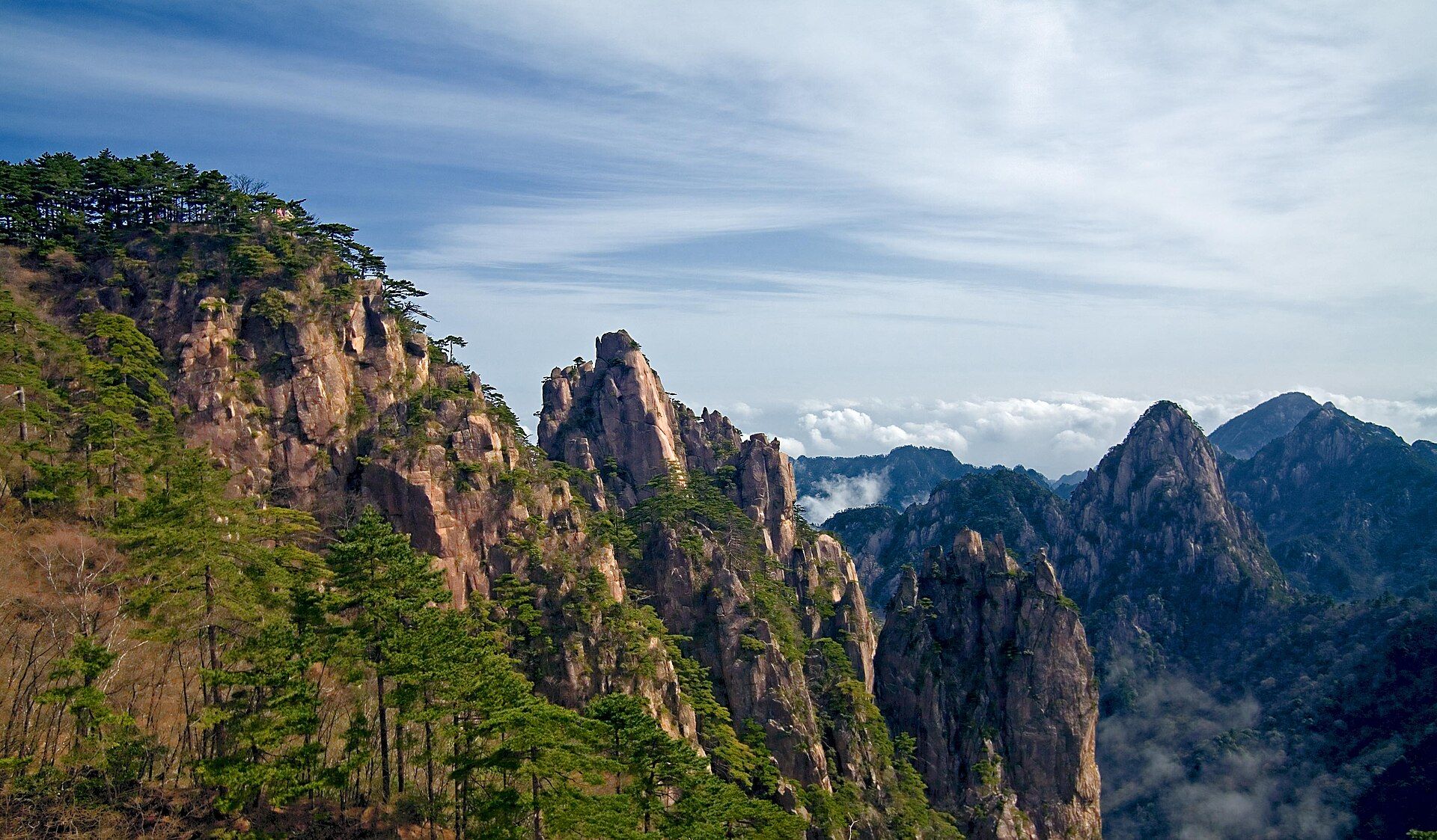
Huangshan Seas of cloud
Anhui Province, China
The Yellow Mountains — granite peaks and wind-sculpted pines rising from seas of cloud, the landscape behind centuries of Chinese painting; best in spring and autumn, with snow-frosted pines in winter.
-
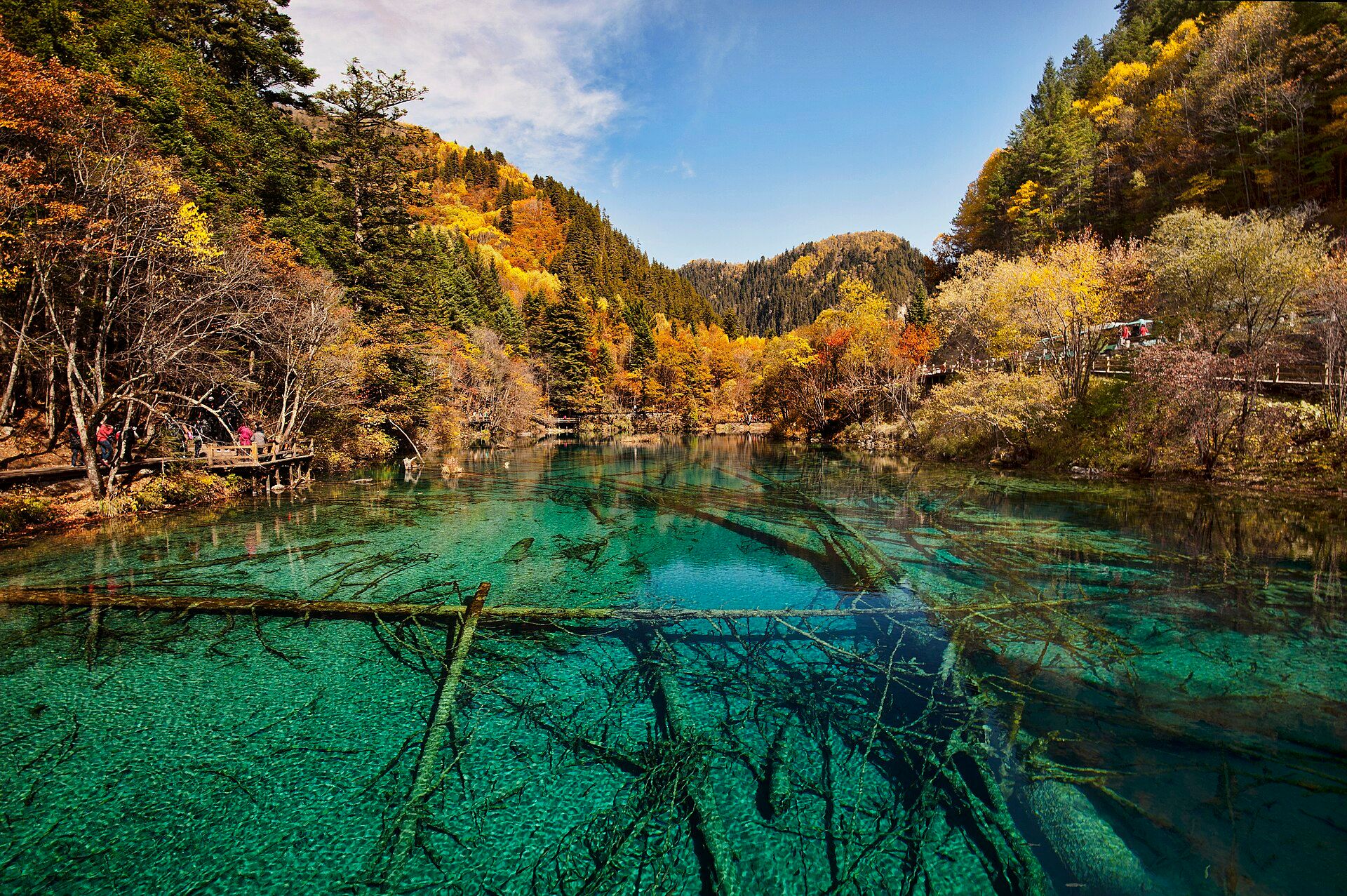
Jiuzhaigou The blue lakes
Sichuan Province, China
A valley of blue and turquoise lakes, terraced waterfalls and travertine pools stepping down from snow peaks on the edge of the Tibetan Plateau, at its most colourful from about September to November.
-
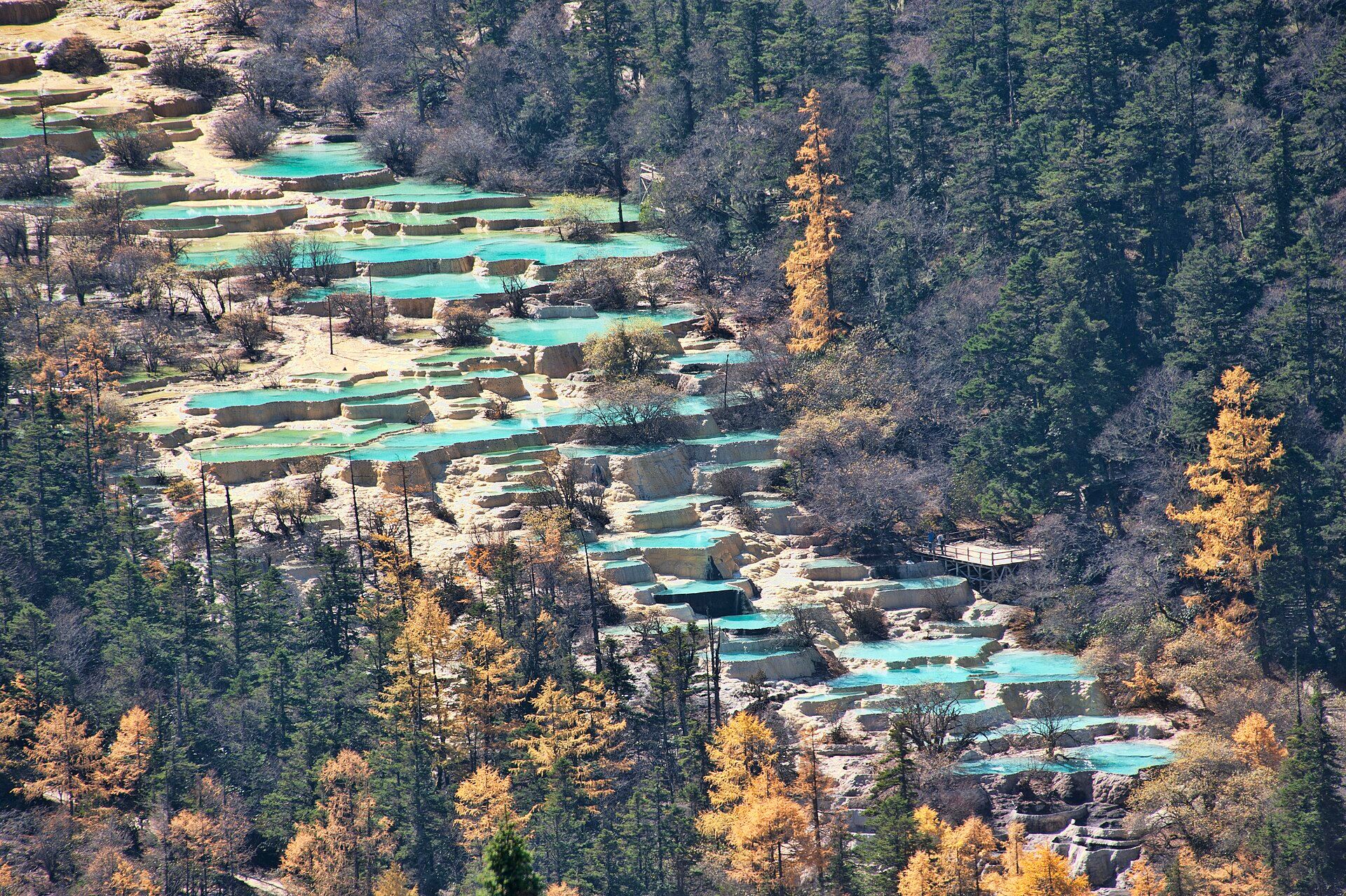
Huanglong Golden pools
Sichuan Province, China
Thousands of terraced travertine pools in gold, turquoise and blue, cascading three kilometres up a valley toward snow peaks; autumn gives the best water colour, and winter is often snowbound.
-
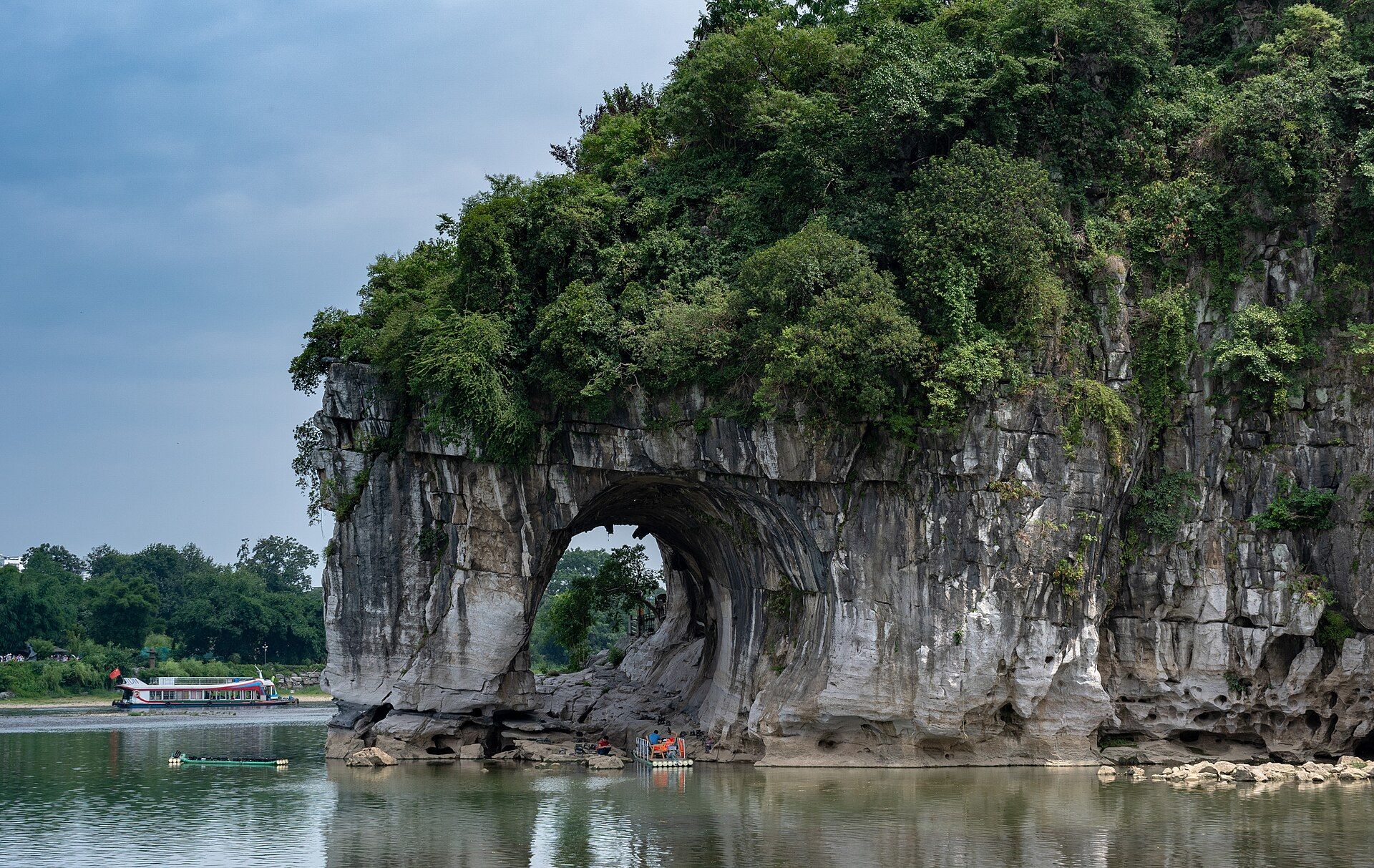
Guilin & the Li River Karst Scroll-painting karst
Guangxi, southern China
Thousands of rounded limestone peaks rising from green plains along the Li River, mirrored in still water; April to October for green landscapes and cruises, with the most mist in spring and autumn.
-
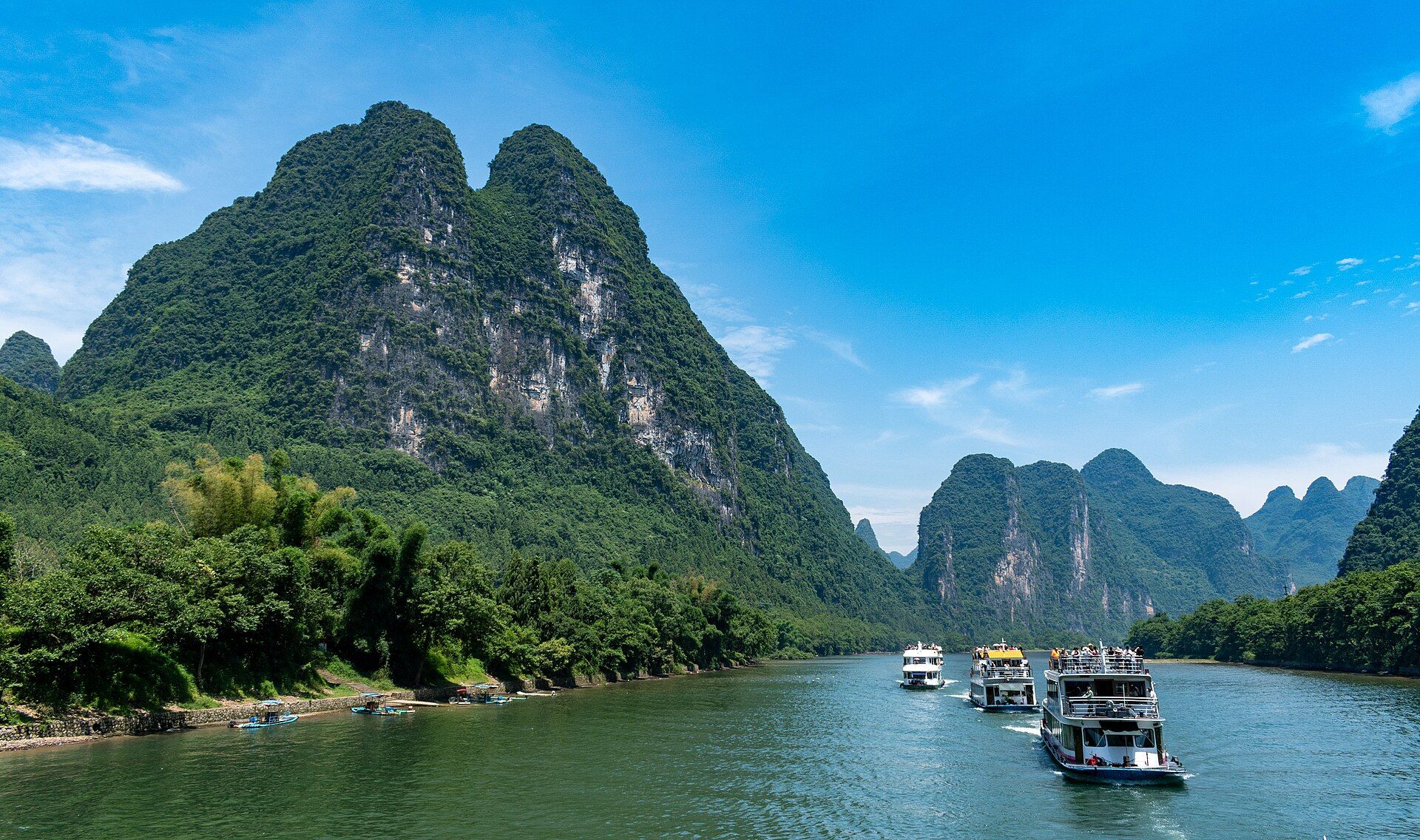
The Li River The 20-yuan view
Guilin to Yangshuo, Guangxi, Southern China
A clear green river winding 83 kilometres from Guilin to Yangshuo through karst peaks and bamboo groves — the scene on the 20-yuan note; April to October, when water is high enough for the full cruise.
-
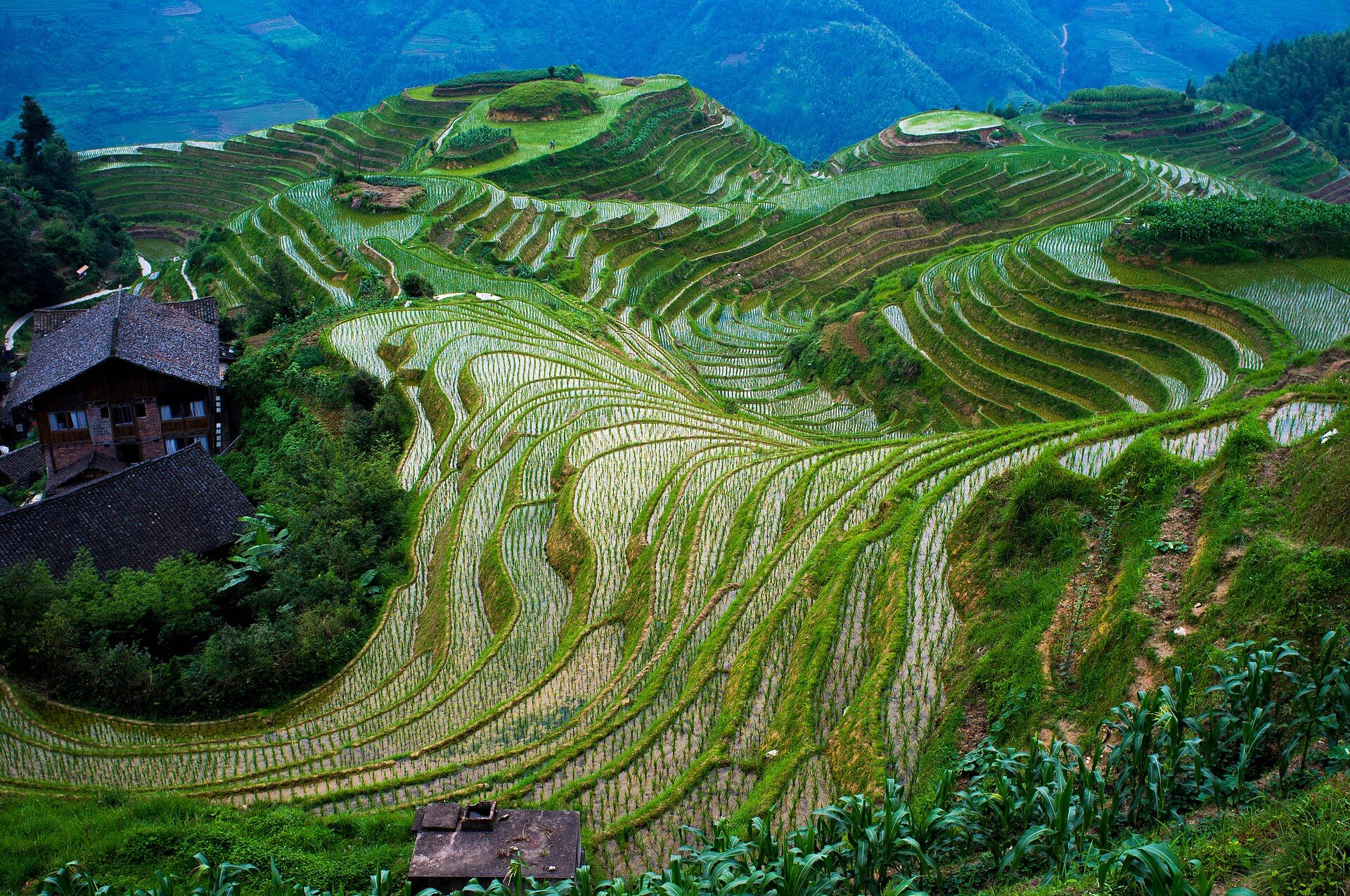
Longji Rice Terraces The Dragon's Backbone
Longsheng County, Guangxi, China
Centuries-old Zhuang and Yao rice terraces coiling up whole mountainsides near Guilin, flooded to mirror the sky from about April to June and gold at harvest from September to early November.
-
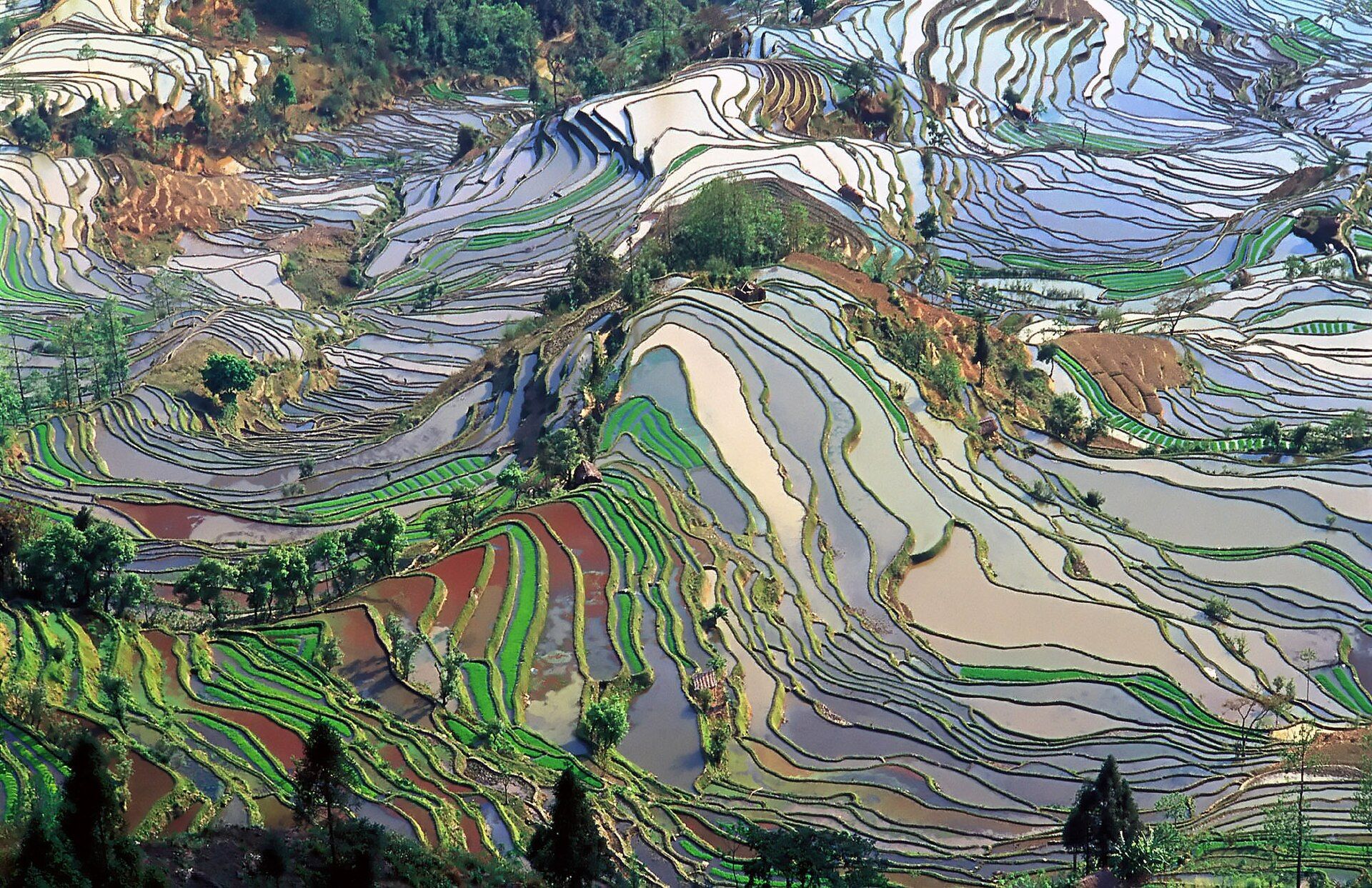
Yuanyang Rice Terraces Winter mirrors
Yuanyang County, Honghe, Yunnan, China
Hand-cut Hani terraces falling down the Ailao Mountains of southern Yunnan, flooded from roughly November to April into a staircase of mirrors that turns pink and gold at sunrise.
-
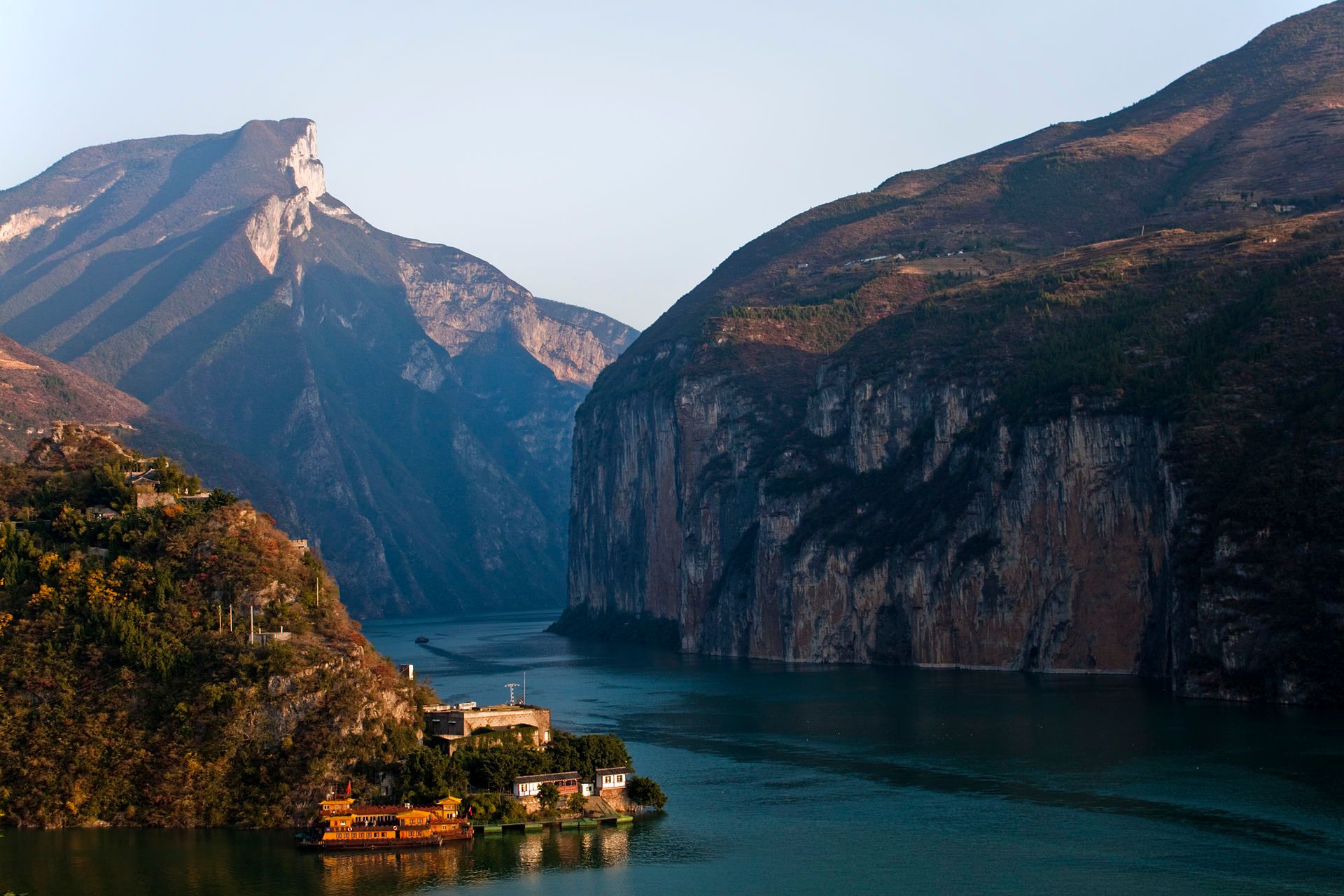
The Three Gorges The Yangtze's gorges
Chongqing & Hubei, China
A 200-kilometre procession of limestone gorges where the Yangtze cuts between cliffs rising a thousand metres; spring and autumn for mild weather and mist.
-
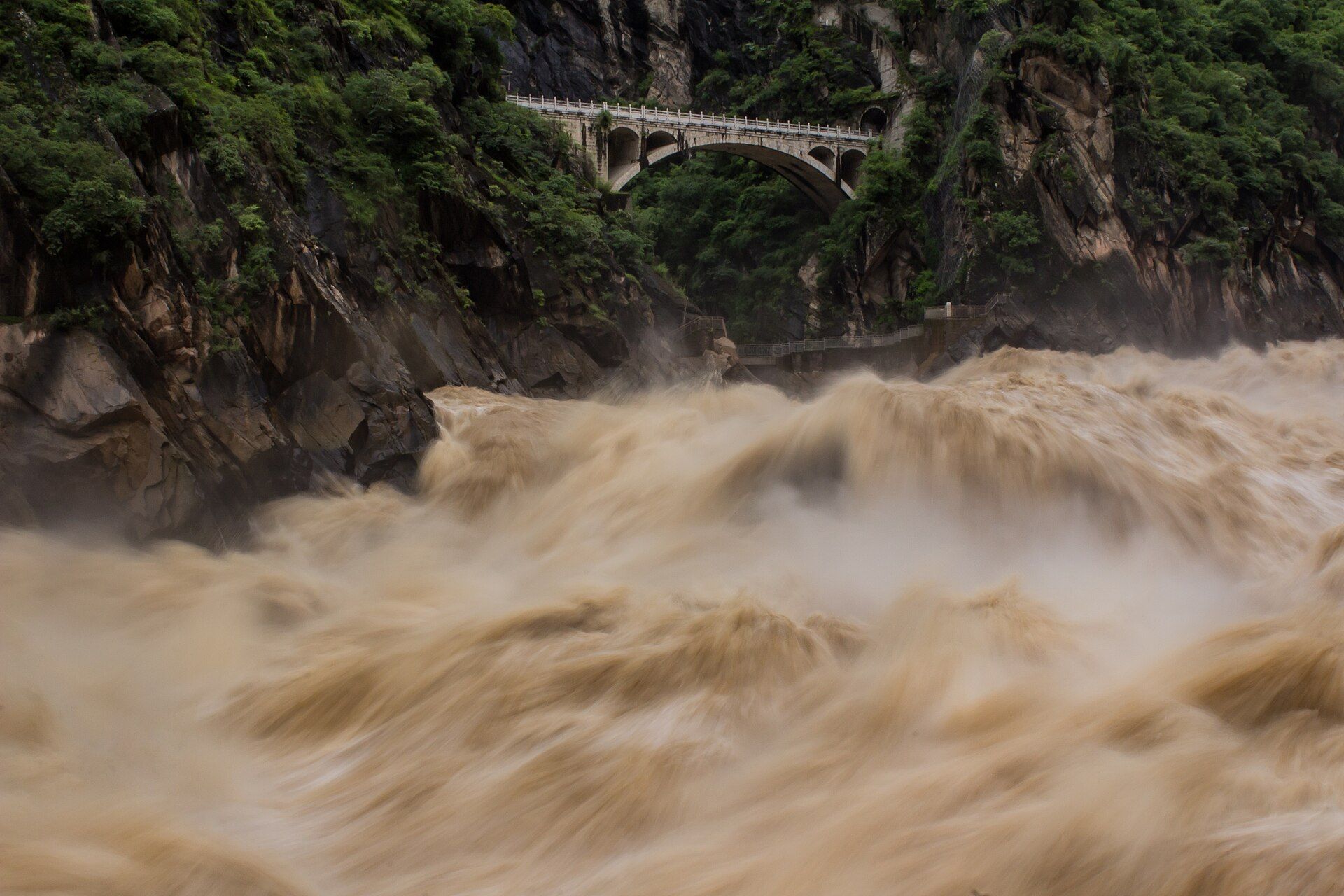
Tiger Leaping Gorge One of the deepest gorges
Yunnan Province, China, about 60 km north of Lijiang
The upper Yangtze roaring through a 15-kilometre slot between two snow mountains, nearly 3,800 metres from river to summit; walk it in spring or autumn and avoid the June–August rains.
-
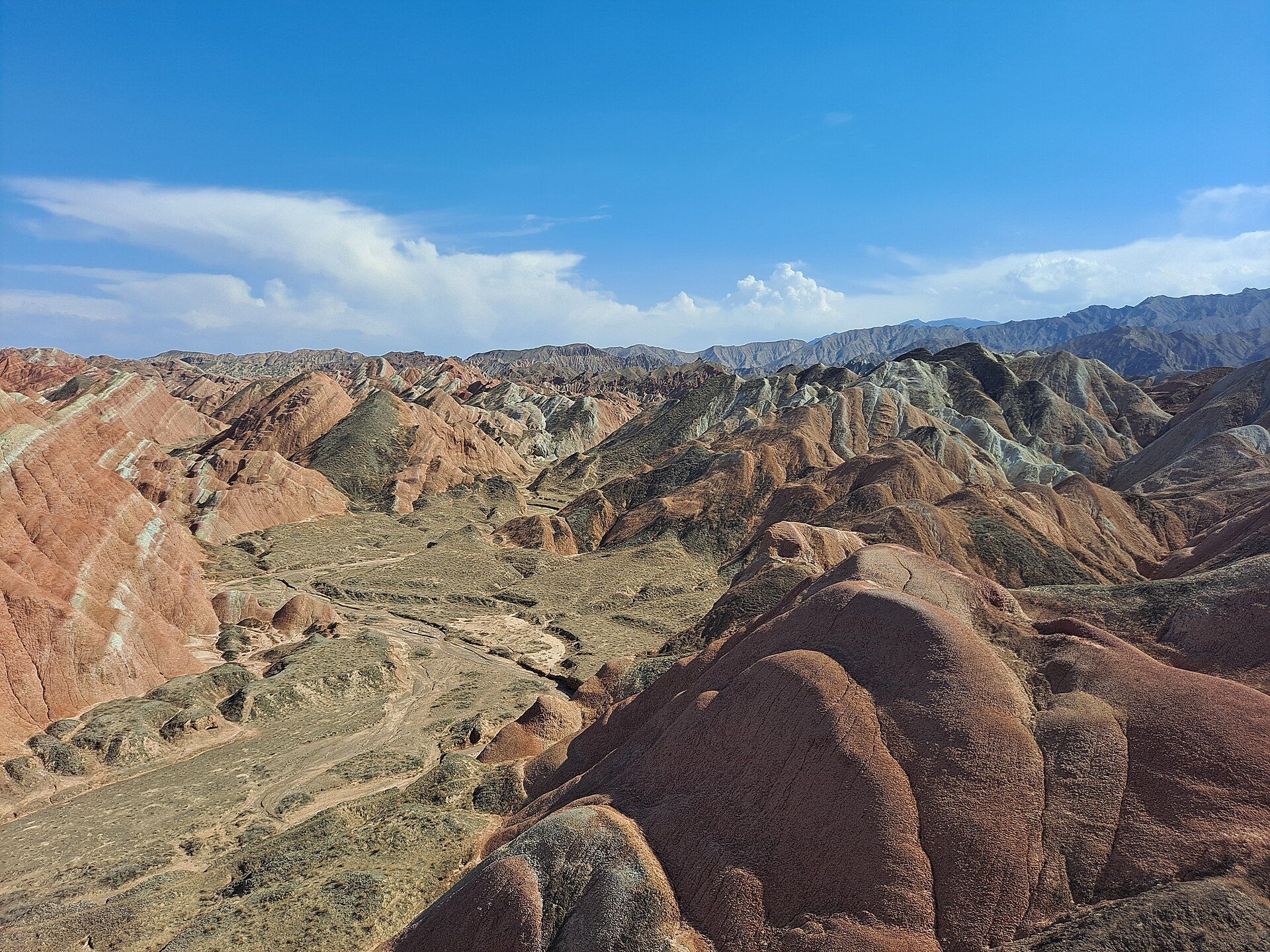
Zhangye Danxia Rainbow hills
Gansu Province, China
Hills banded red, orange, gold and green by layered, folded sediment, richest in colour from about June to September and brightest in low light after rain or near sunrise and sunset.
-
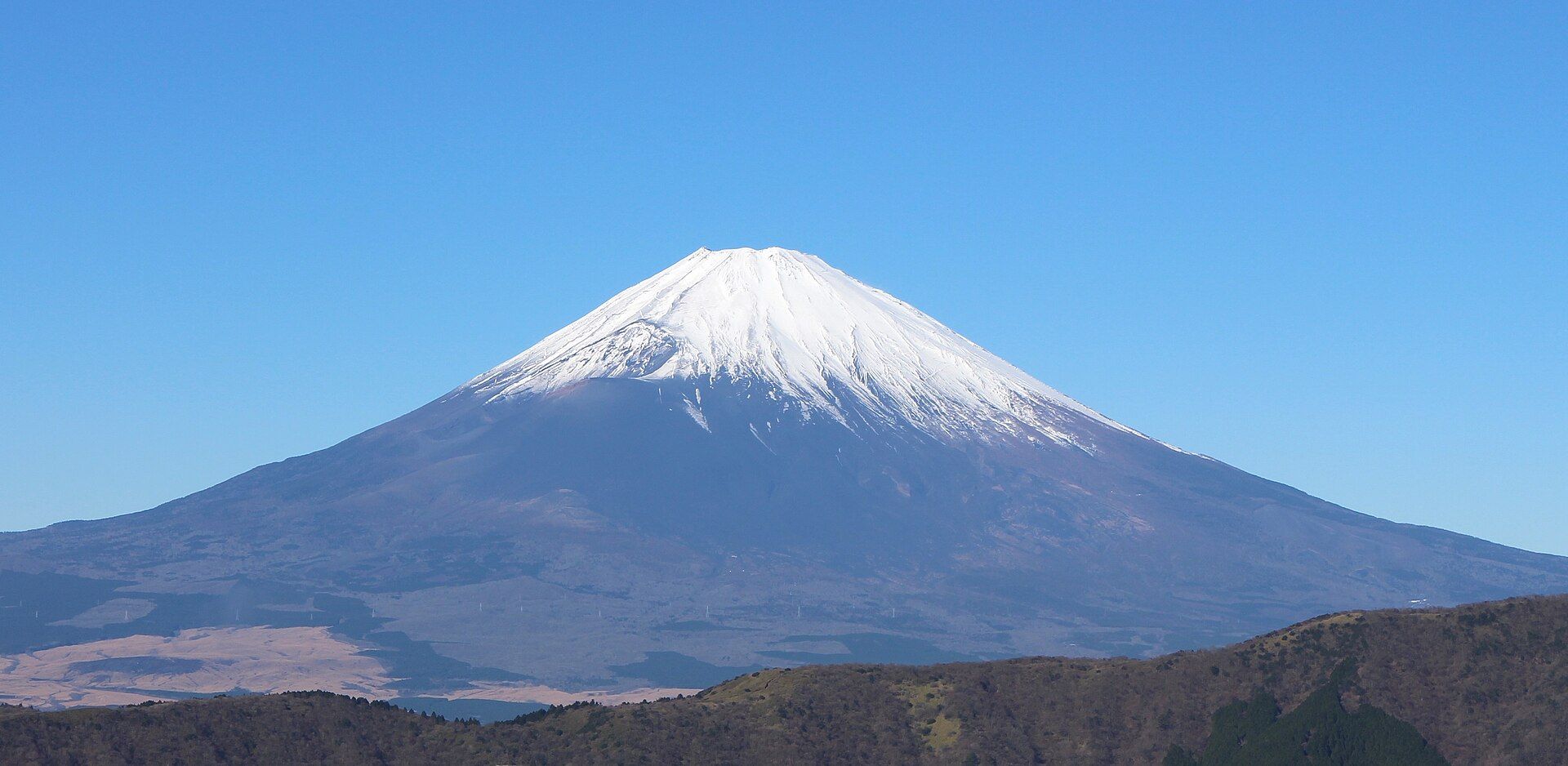
Mount Fuji Japan's highest peak
Honshū, Japan
An almost perfectly symmetrical 3,776-metre stratovolcano visible on clear days from central Tokyo; the climbing season runs roughly early July to early September, while autumn and winter give the clearest views.
-
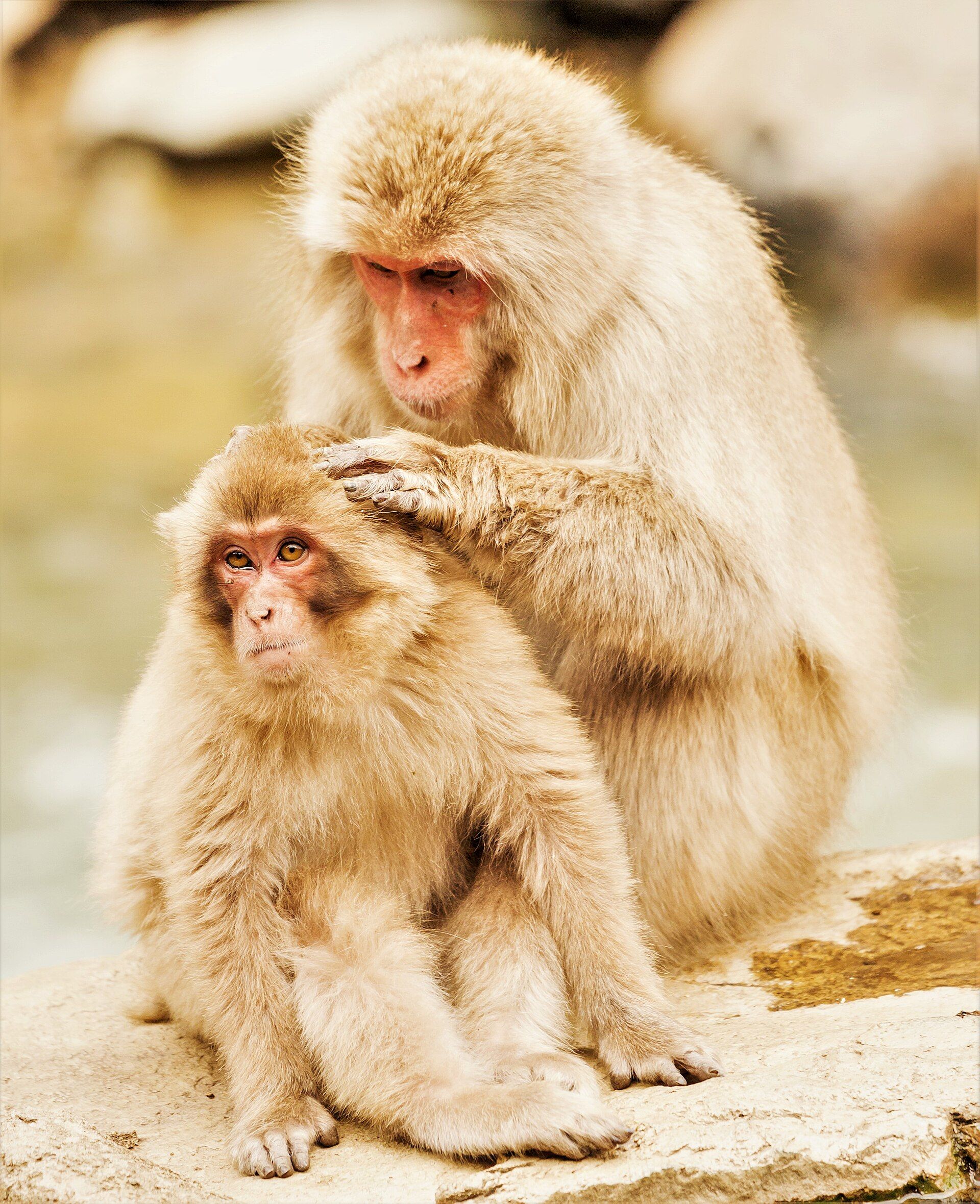
Jigokudani & the Snow Monkeys Snow monkeys
Yamanouchi, Nagano Prefecture, Japan
A steaming hot-spring valley in Nagano where wild Japanese macaques bathe in a thermal pool; the classic snow-framed soak is a winter sight, roughly December to March.
-
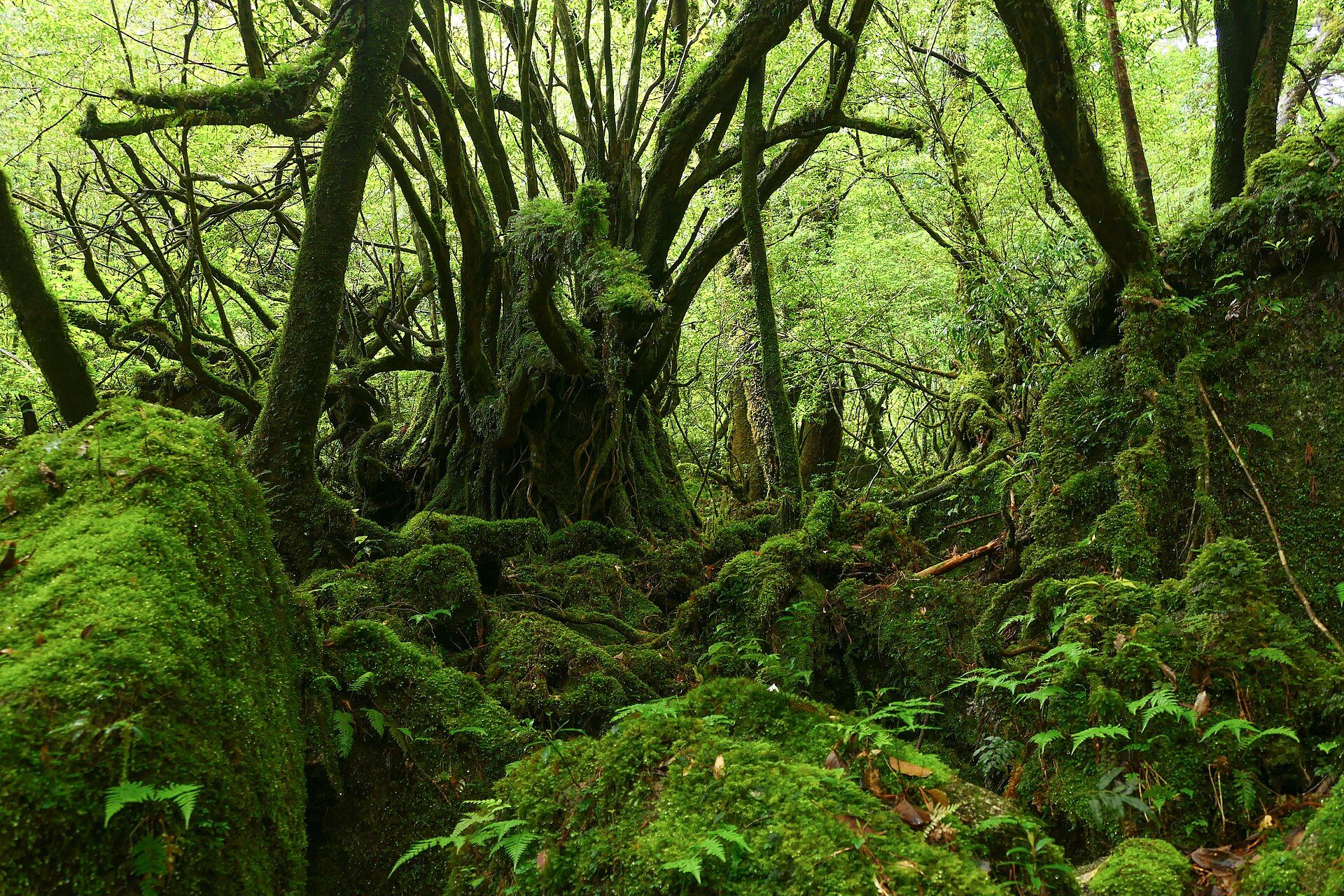
Yakushima Ancient cedars
Kagoshima, southern Japan
A mossy, rain-soaked island of cedar forest with yakusugi trees thousands of years old; spring and autumn are the most comfortable for hiking, and waterproofs are needed whenever you go.
-
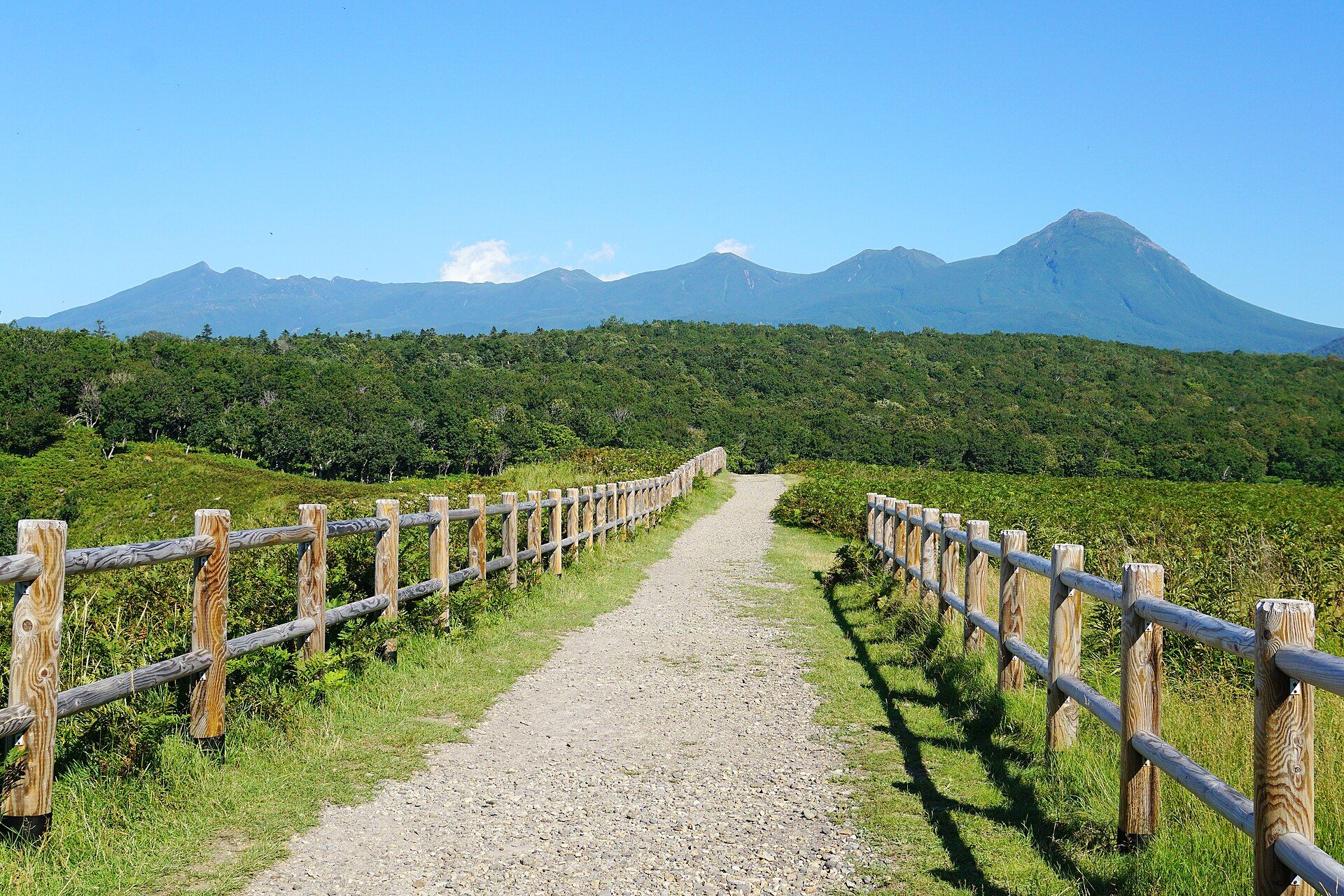
Shiretoko Bears and drift ice
Hokkaido, northern Japan
A wild peninsula at Japan's north-eastern edge where drift ice arrives each winter and brown bears, salmon, sea eagles and whales follow; June–September for hiking and boats, February for the ice.
-
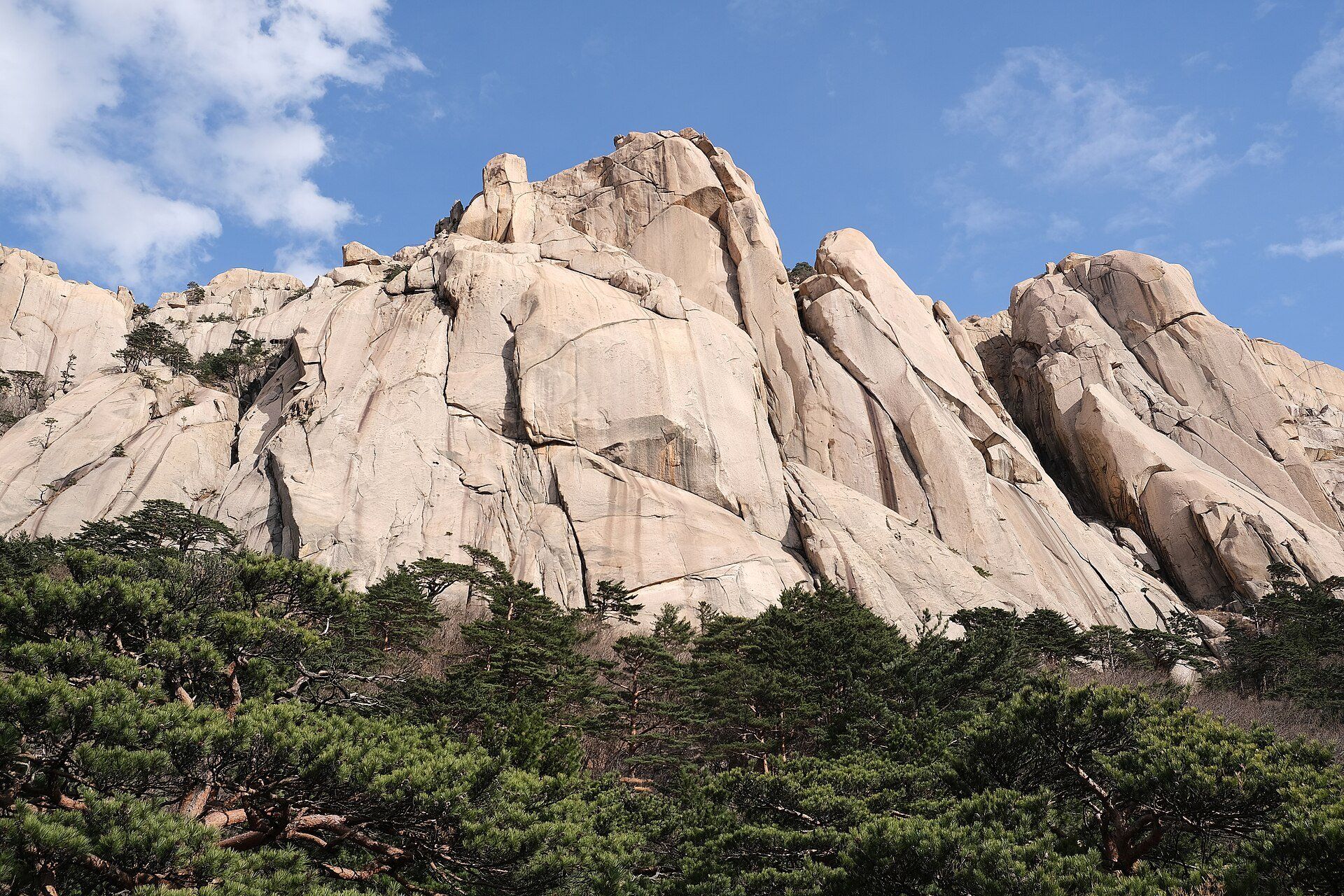
Seoraksan Korea's autumn colour
Taebaek Mountains, Gangwon Province, South Korea, inland from Sokcho
About thirty granite peaks rising to Daecheongbong at 1,708 metres, with the sheer dome of Ulsanbawi; colour usually peaks around mid-October, and late spring is greener and quieter.
-
Jirisan National Park The mainland's highest peak
Sobaek Mountains, spanning South Jeolla, North Jeolla and South Gyeongsang provinces, South Korea, near Gurye, Namwon and Hamyang
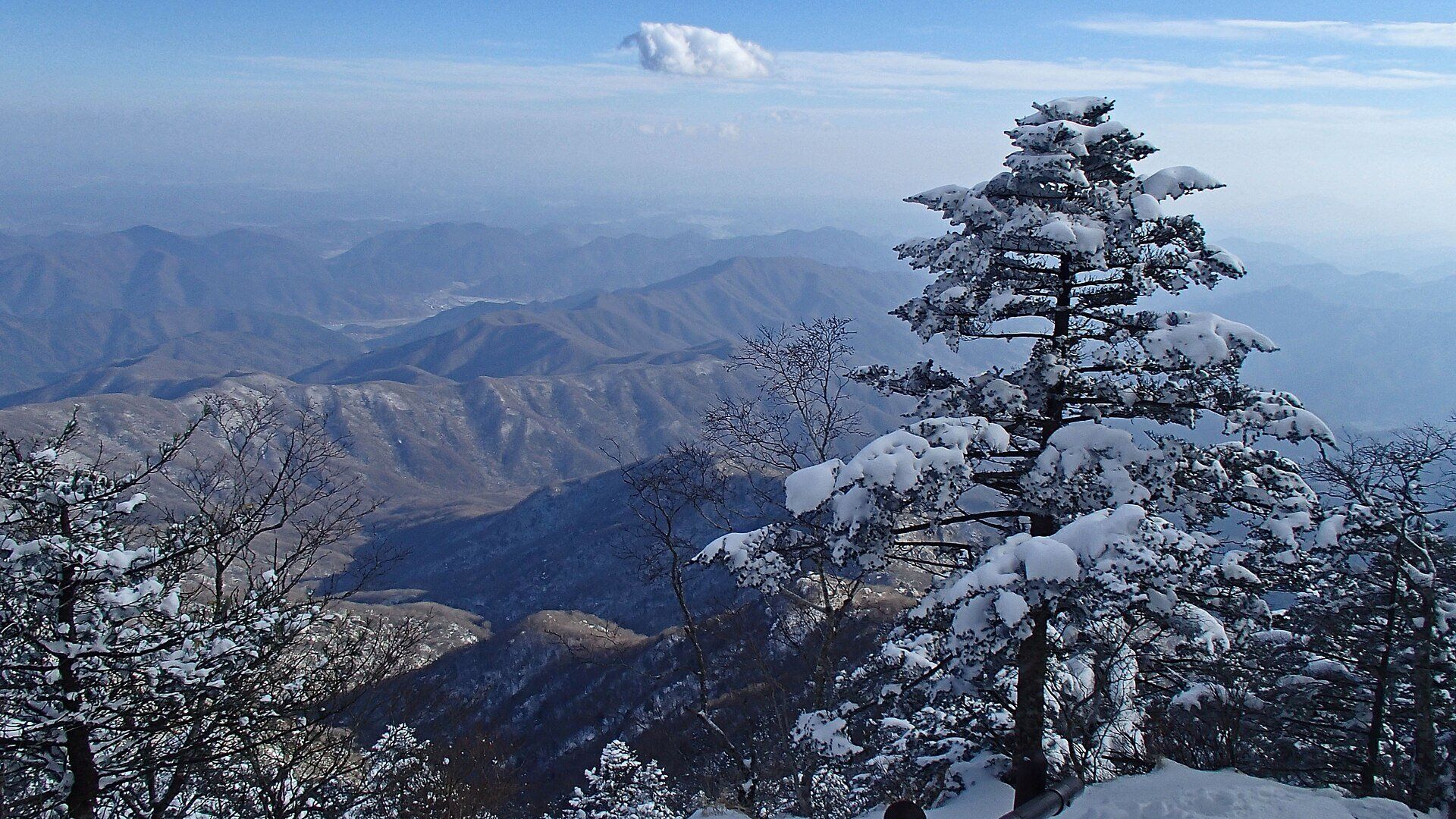
South Korea's first and largest mountain national park, long forested ridges crowned by Cheonwangbong at 1,915 metres; autumn is the season, when shelters book out.
-
Bukhansan National Park A park by subway
Northern edge of Seoul and Gyeonggi Province, South Korea
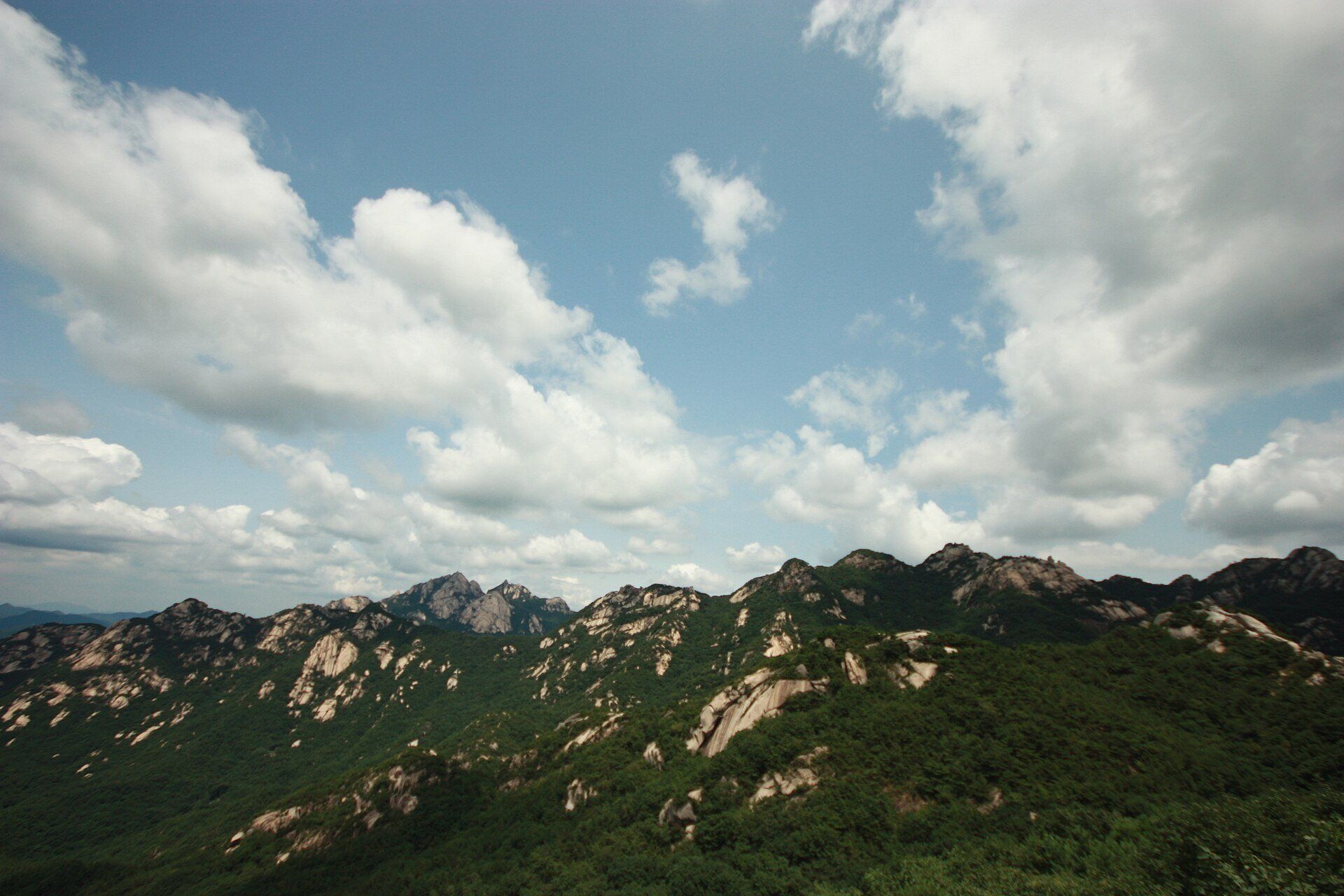
Granite domes and knife-edge peaks above Seoul's northern suburbs, topped by Baegundae at 836.5 metres and reachable by subway; autumn for colour, and weekdays to avoid the summit queues.
-
Jeju Island Volcanic island
Jeju Province, South Korea
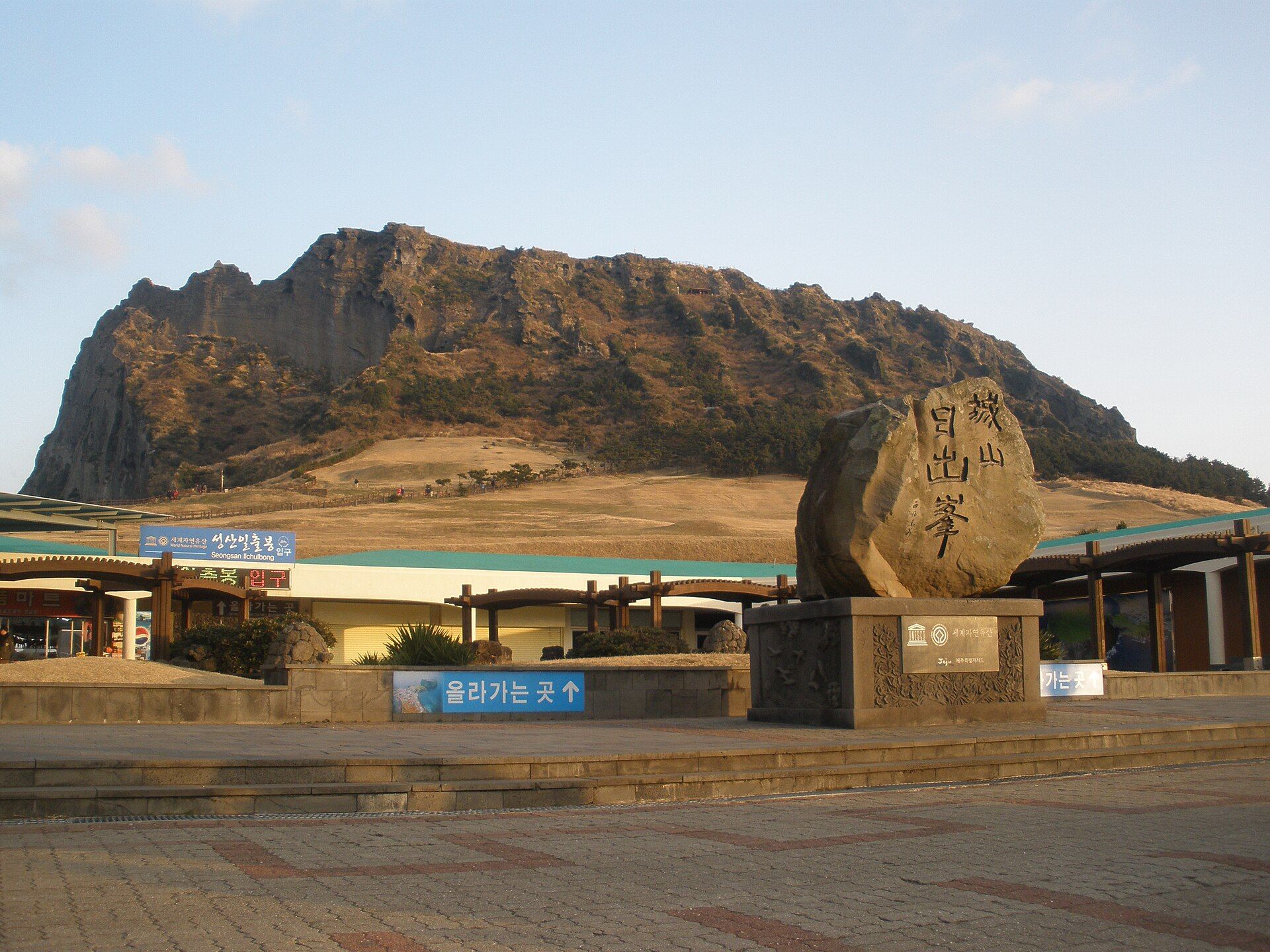
A volcanic island crowned by South Korea's highest peak, with lava-tube caves and a sunrise crater rising from the sea; spring and autumn for mild hiking weather, as summer brings heat and typhoon risk.
-
Taroko Gorge A marble gorge
Taroko National Park, Hualien County, eastern Taiwan
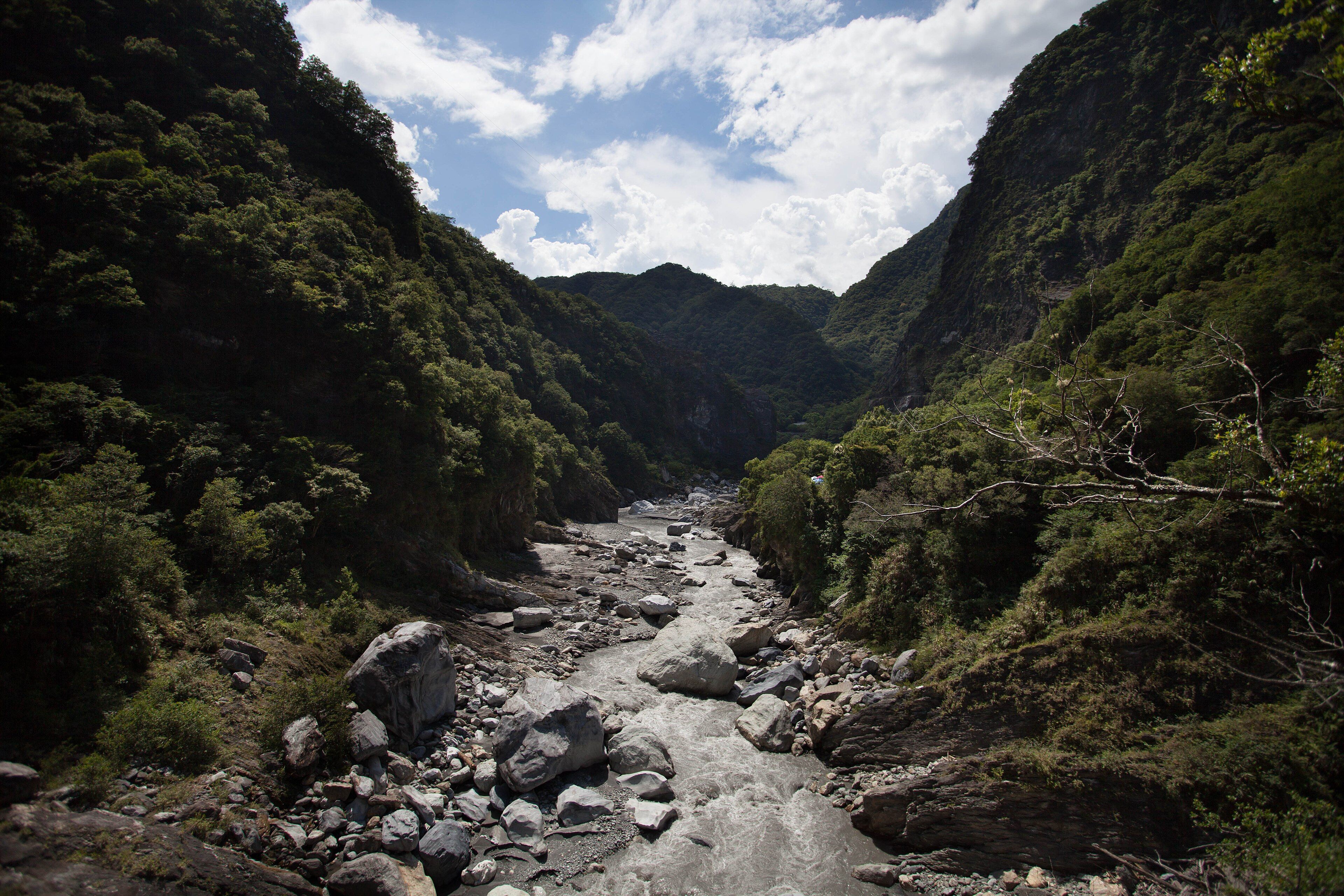
Walls rising as much as a kilometre above the Liwu River, carved through marble on Taiwan's east coast. Since the April 2024 earthquake the park has reopened only in stages — check its current status before you go.
-
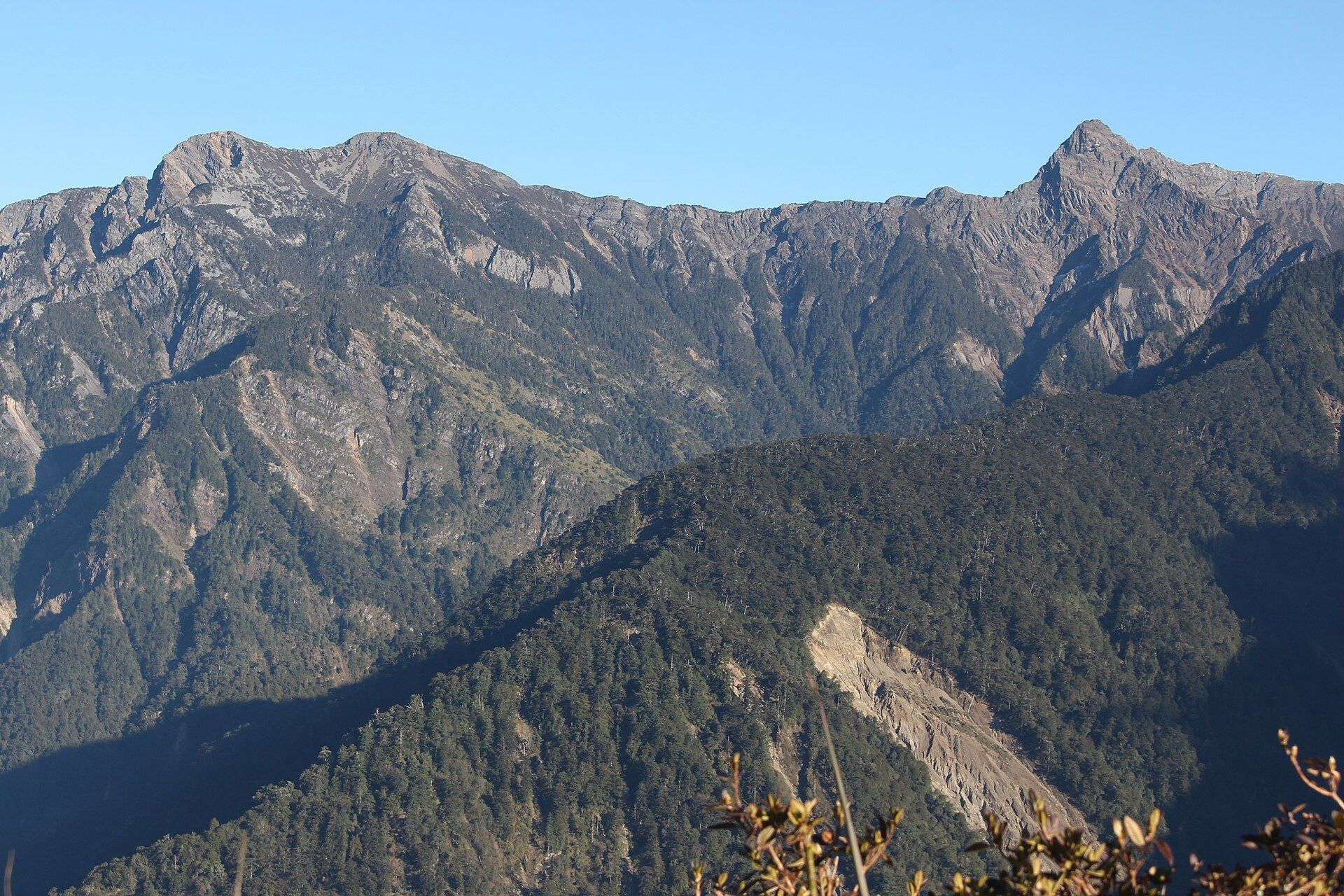
Yushan (Jade Mountain) Taiwan's highest peak
Yushan National Park, on the borders of Nantou, Chiayi and Kaohsiung, central Taiwan
The 3,952 m main peak of Jade Mountain, centre of a cross-shaped massif with 30 summits above 3,000 m around it — a two-day climb from the Tataka trailhead with permits applied for in advance, best from October to December.
-
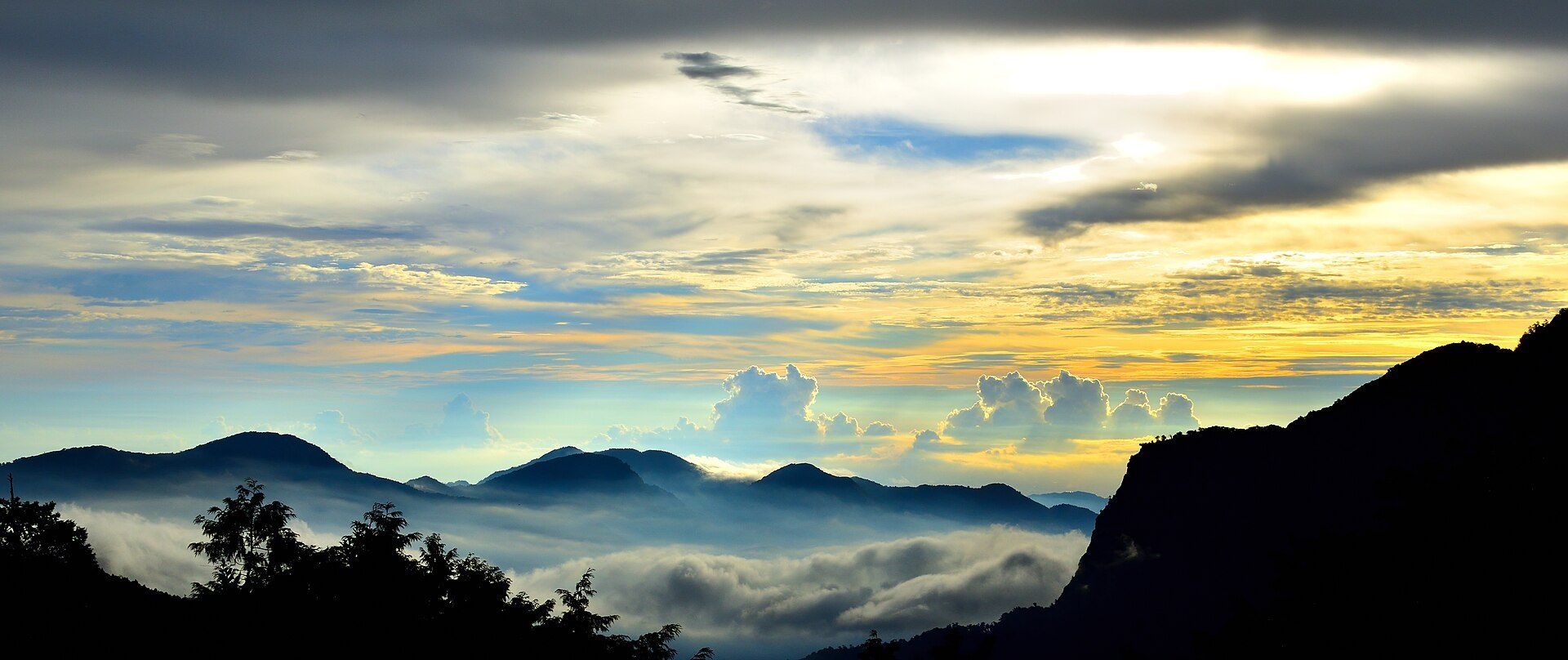
Alishan Cloud forest and a mountain railway
Alishan National Forest Recreation Area, Alishan Township, Chiayi County, central Taiwan
A cloud-forest plateau at 2,000–2,700 m where about 40 giant red cypresses survived the logging era — the tallest 45 m and about 2,300 years old — reached by a narrow-gauge forest railway from Chiayi and known for sunrise over the sea of clouds from Zhushan.
-
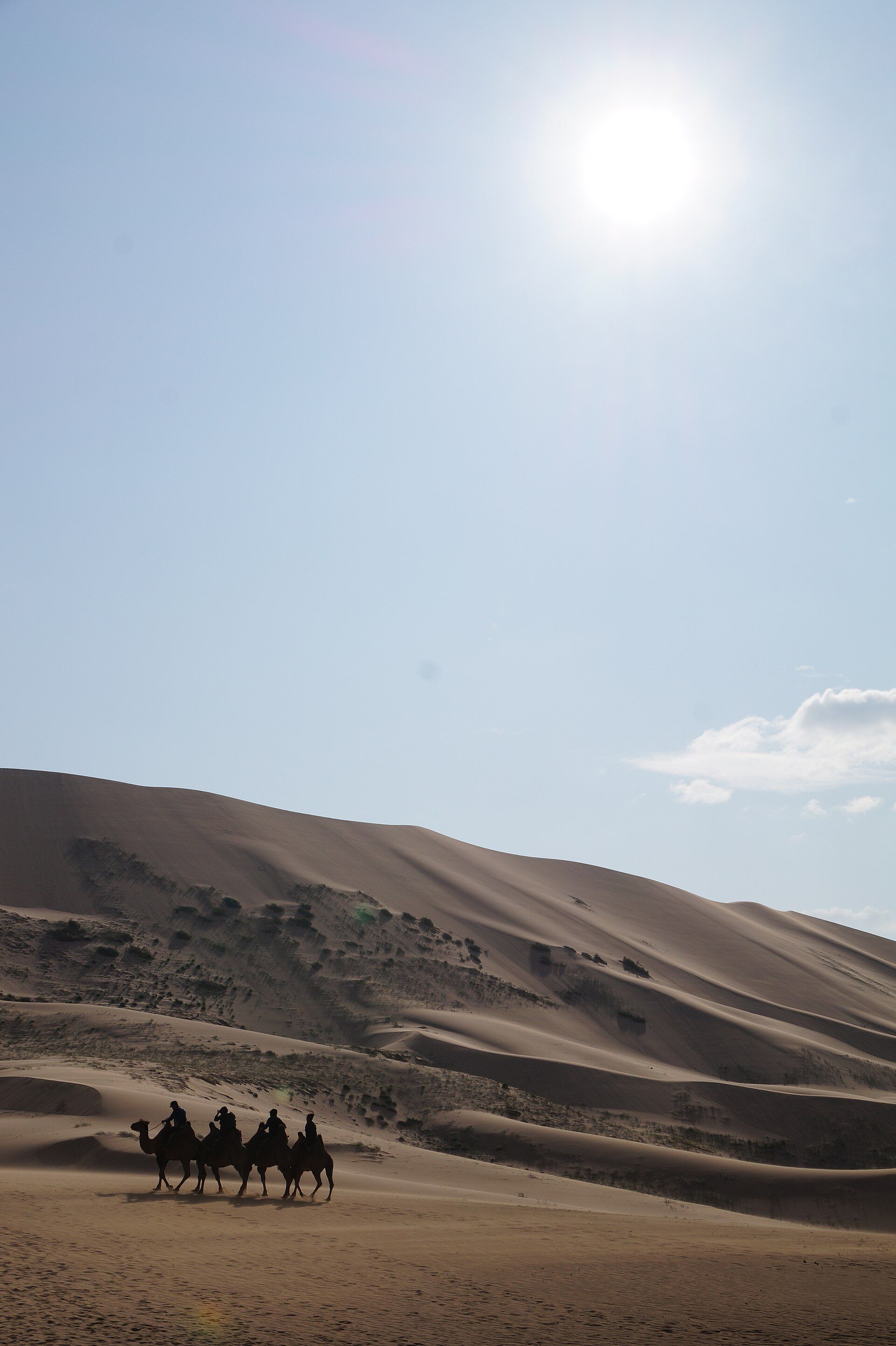
The Gobi Desert The cold desert
Southern Mongolia (and northern China)
Gravel plains, singing dunes and flaming red cliffs where dinosaur fossils weather out of the rock and Bactrian camels cross the steppe; roughly May to September, as winters are extremely cold.
-
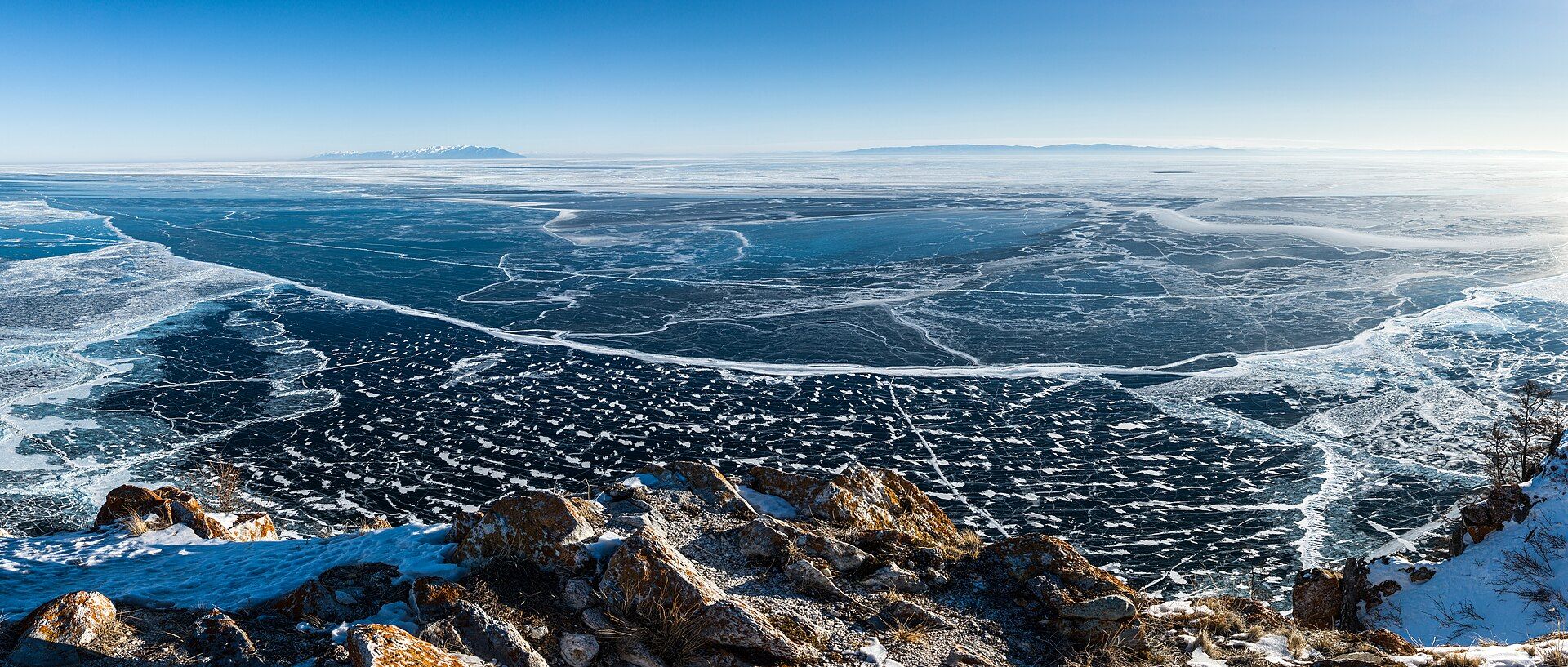
Lake Baikal The deepest lake
Siberia, Russia
The deepest and oldest lake on Earth, so clear you can see 40 metres down; summer for hiking and boats, and February–March for the clear turquoise ice.
-
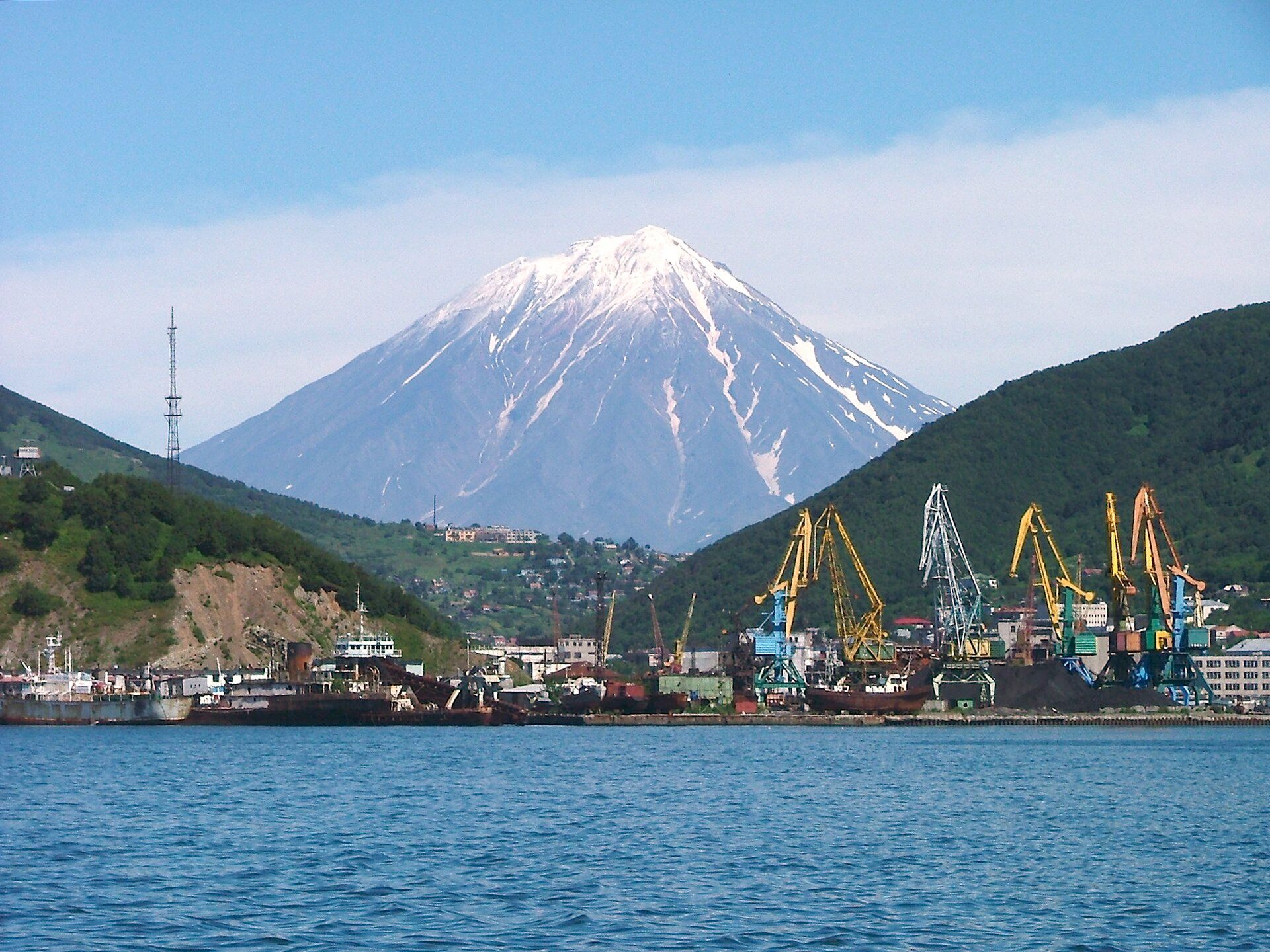
Kamchatka Volcanoes Volcanoes and bears
Kamchatka Peninsula, Russian Far East
A remote peninsula of snow-capped volcanoes, geysers and hot springs roamed by large brown bears, with a short summer window, roughly July to September, for trekking and helicopter tours.
Most of East Asia is a spring-and-autumn destination: April–May and September–November suit Zhangjiajie, Huangshan, the Guilin karst and Korea's mountains, and summer brings heat, haze and typhoon risk to the south and the coasts. The exceptions are worth planning around — Yuanyang's flooded terraces, the snow monkeys and Baikal's ice are winter sights, Shiretoko's drift ice comes in February, and the Gobi, Zhangye Danxia, Kamchatka and the Fuji climb are summer trips. Taroko Gorge is still partly closed after the 2024 earthquake, so check the park's status before building a trip around it.
Added Updated