The Gobi Desert
📍 Southern Mongolia (and northern China)
A vast cold desert of gravel plains, singing sand dunes, and flaming red cliffs — a land of extremes where dinosaur fossils weather out of the rock and Bactrian camels cross the steppe.
What makes it marvelous
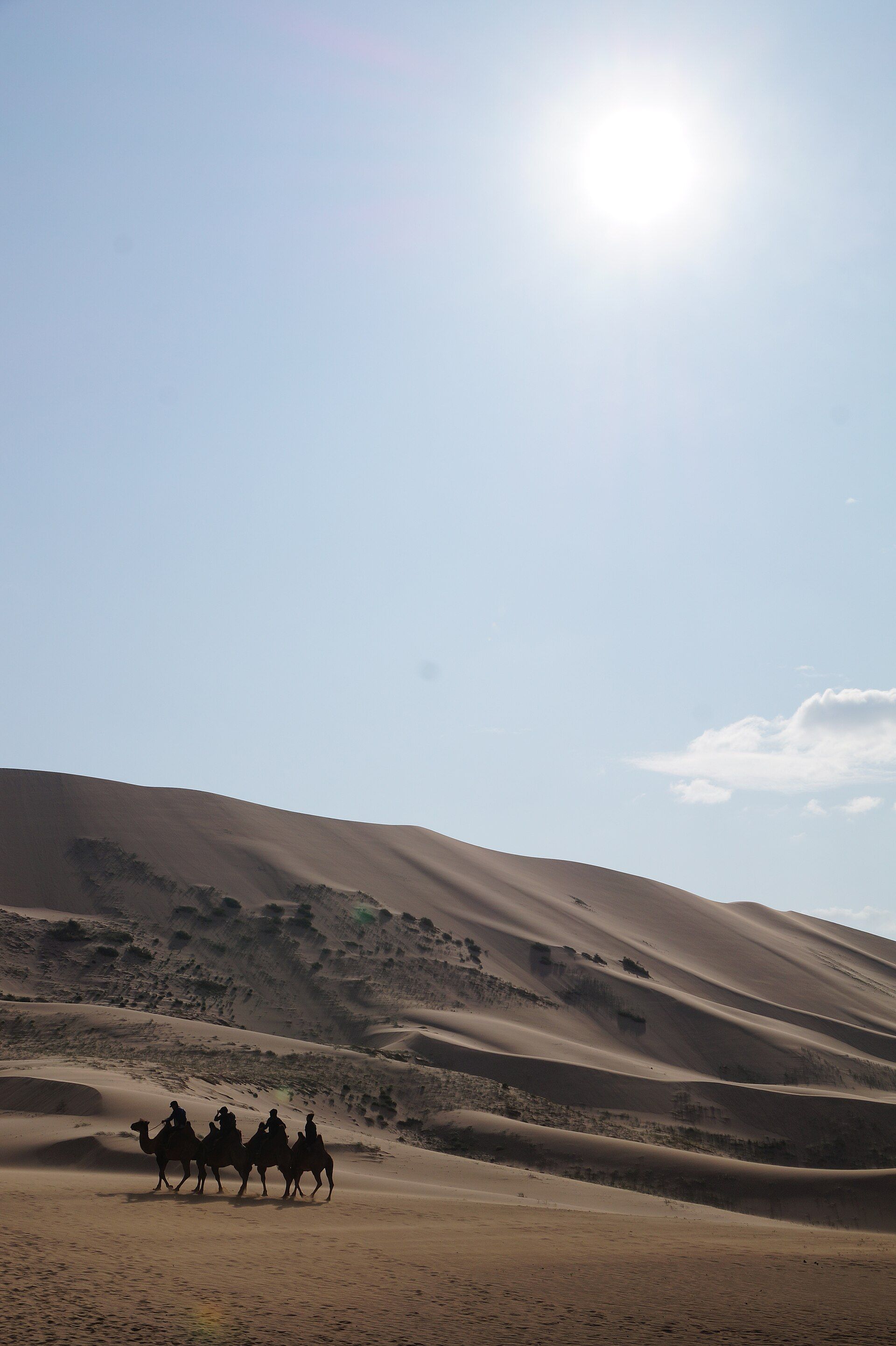
The Gobi is one of the world's great deserts, but an unusual one: high and cold, it swings from scorching summers to bitter winters far below freezing, and much of it is stony plain rather than sand. It is famous in science as one of the richest dinosaur fossil beds on Earth — whole nests of eggs and skeletons erode straight out of the rust-red 'Flaming Cliffs' of Bayanzag. Elsewhere, the wind-sung Khongor dunes rise hundreds of metres, and the desert shelters rare wildlife including wild Bactrian camels and, in its mountains, the elusive snow leopard, alongside the nomadic herders who have crossed it for millennia.
Why visit
Riding a two-humped Bactrian camel over the Khongor dunes, searching for dinosaur fossils weathering from the Flaming Cliffs at sunset, and sleeping in a nomad's ger under a colossal sky make the Gobi one of the world's great desert adventures.
What to know before you go
🗓️ Best time
Late spring to early autumn (roughly May–September) for tolerable temperatures; summers are hot by day, and winters are extremely cold. Nights are chilly year-round at altitude.
🧭 Getting there & access
From Ulaanbaatar, Mongolia, by domestic flight to Dalanzadgad or long overland 4x4 journeys, then guided ger-camp trips to the dunes, cliffs, and canyons. Distances are vast and infrastructure minimal.
Good to know
- Travel with experienced guides; distances between sights are enormous.
- Pack for big day-to-night temperature swings, even in summer.
- Leave fossils in place — collecting them is illegal and destroys the record.
Plan your visit
Moderate🧭 Getting there
From Dalanzadgad, Ömnögovi, Mongolia
- Fly Ulaanbaatar → Dalanzadgad (DLZ) — roughly 1h30 — or drive several days overland
- Transfer by 4x4 to the dunes, the ice canyon and the flaming cliffs — long drives between each
- Stay in ger camps between the sites
- Total travel
- A short flight, or a multi-day overland drive from Ulaanbaatar
- Time at site
- Four or five days to link the main sights
- Access
- The Gobi is done as an organised 4x4 trip, because the distances between its highlights — the Khongoryn Els singing dunes, the Yolyn Am ice canyon, the Bayanzag flaming cliffs where the first dinosaur eggs were found — are enormous and there are no roads, just tracks a local driver reads. You sleep in ger camps arranged by the operator. The temperature range is extreme, hot days and cold nights, and colder still outside the summer. This is not a place to self-drive; a guide and a sound vehicle are the trip.
🎒 What to bring & consider
- An organised 4x4 trip with a driver-guide, since the sites are hundreds of kilometres apart on unmarked desert tracks
- Layers for a huge daily swing — genuinely hot by day and cold at night, even in summer
- Sun and dust protection, plus a scarf for the wind that whips sand off the dunes
- More water than you expect, carried with you, as resupply points are far apart
- Patience for long driving days, which are simply the nature of crossing a desert this size
👁️ What to expect
- Crowds
- Very sparse. Ger camps and the odd tour vehicle; vast emptiness between.
- Conditions
- Hot, dry, windy and huge, with long rough drives and short walks at each site.
- Facilities
- Ger camps with basic comforts. Little else — the tour carries food and water.
- The view
- The Khongoryn Els dunes catching low light with a camel string crossing, or the red Bayanzag cliffs at sunset. Climbing a dune for the sunset panorama is hard work in soft sand but the frame that rewards it.
Times and requirements are approximate and change with season, weather, and local rules — confirm permits, fares, and schedules with operators before you travel.
Natural riches of the area
- A high, cold desert of gravel plains and sand dunes
- World-class dinosaur fossil beds (the Flaming Cliffs)
- Rare wildlife (wild Bactrian camel, snow leopard, ibex)
- Nomadic herding lands and grasslands at the desert's edge
Local food
- Khuushuur & buuz
- Fried and steamed Mongolian meat dumplings, staples of the steppe.
- Aaruul & airag
- Dried curd and fermented mare's milk, traditional herder fare.
- Mutton
- Boiled or grilled mutton, central to nomadic Mongolian cuisine.
The Gobi defies the usual picture of a desert. It is high and cold, sweeping from blistering summer days to winters far below freezing, and much of it is stony plain rather than dune — a stark, immense land under an enormous sky. It is also one of the most important places in the history of science: whole dinosaur nests, eggs, and skeletons weather straight out of the rust-red Flaming Cliffs of Bayanzag, first made famous by fossil expeditions a century ago.
Between the fossil beds, the wind-sung Khongor dunes rise hundreds of metres, and the desert shelters rare life — wild Bactrian camels, ibex, and the shadow of the snow leopard in its mountains — along with the nomadic herders who have crossed it for millennia. To ride a two-humped camel over the dunes, watch fossils emerge from the cliffs at sunset, and sleep in a herder’s ger is to experience one of the last great open spaces on Earth.
The Gobi Desert: common questions
How do you get to The Gobi Desert?
From Dalanzadgad, Ömnögovi, Mongolia: Fly Ulaanbaatar → Dalanzadgad (DLZ) — roughly 1h30 — or drive several days overland; Transfer by 4x4 to the dunes, the ice canyon and the flaming cliffs — long drives between each; Stay in ger camps between the sites. Total travel time: A short flight, or a multi-day overland drive from Ulaanbaatar.
When is the best time to visit The Gobi Desert?
Late spring to early autumn (roughly May–September) for tolerable temperatures; summers are hot by day, and winters are extremely cold. Nights are chilly year-round at altitude.
How long should you spend at The Gobi Desert?
Four or five days to link the main sights. Total travel time: A short flight, or a multi-day overland drive from Ulaanbaatar.
What should you bring to The Gobi Desert?
An organised 4x4 trip with a driver-guide, since the sites are hundreds of kilometres apart on unmarked desert tracks Layers for a huge daily swing — genuinely hot by day and cold at night, even in summer Sun and dust protection, plus a scarf for the wind that whips sand off the dunes More water than you expect, carried with you, as resupply points are far apart Patience for long driving days, which are simply the nature of crossing a desert this size
Do you need a permit or guide for The Gobi Desert?
The Gobi is done as an organised 4x4 trip, because the distances between its highlights — the Khongoryn Els singing dunes, the Yolyn Am ice canyon, the Bayanzag flaming cliffs where the first dinosaur eggs were found — are enormous and there are no roads, just tracks a local driver reads. You sleep in ger camps arranged by the operator. The temperature range is extreme, hot days and cold nights, and colder still outside the summer. This is not a place to self-drive; a guide and a sound vehicle are the trip.
Is The Gobi Desert crowded, and what are conditions like?
Very sparse. Ger camps and the odd tour vehicle; vast emptiness between. Hot, dry, windy and huge, with long rough drives and short walks at each site. Facilities: Ger camps with basic comforts. Little else — the tour carries food and water.
Added Updated
More wonders to explore
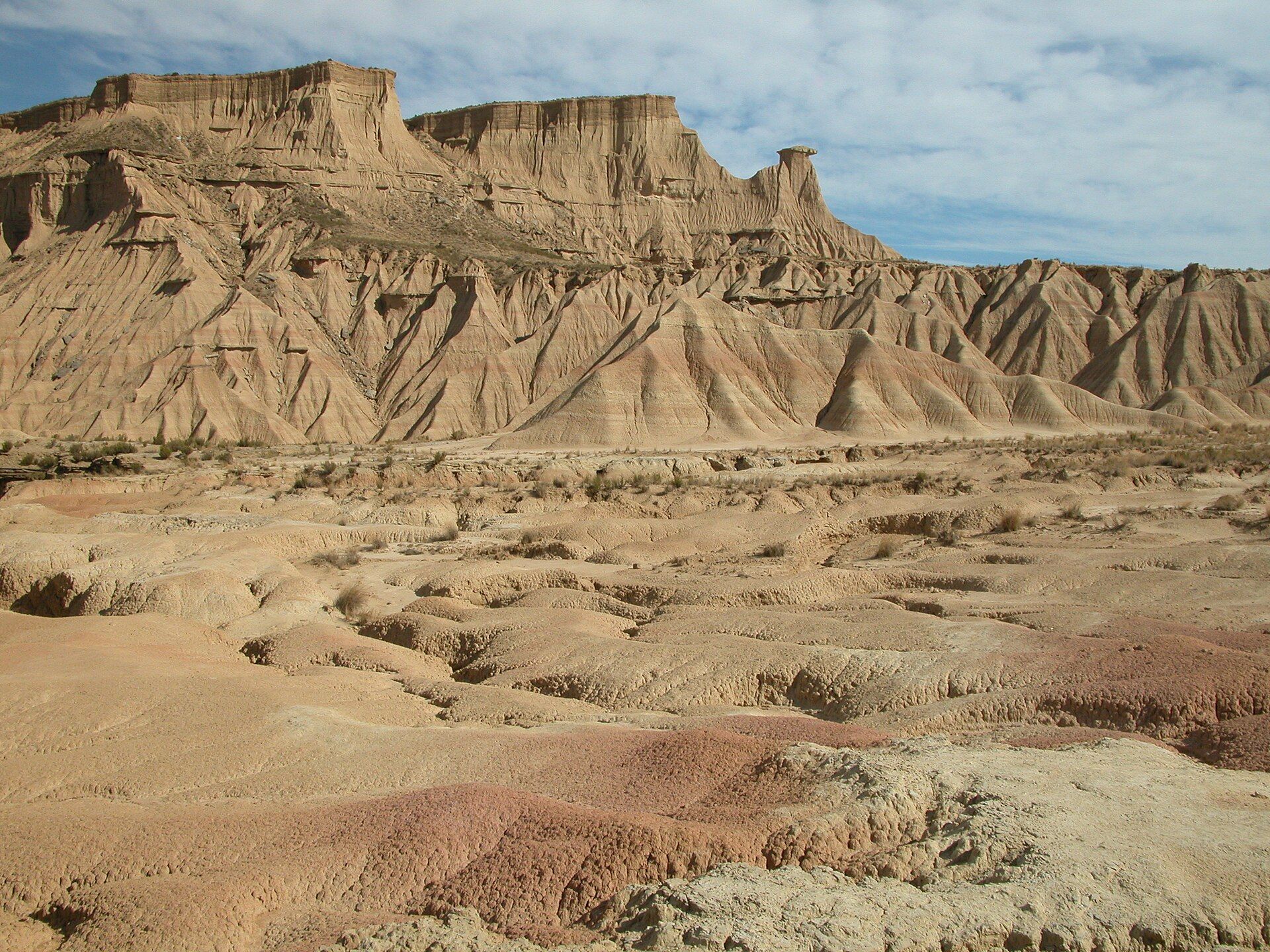
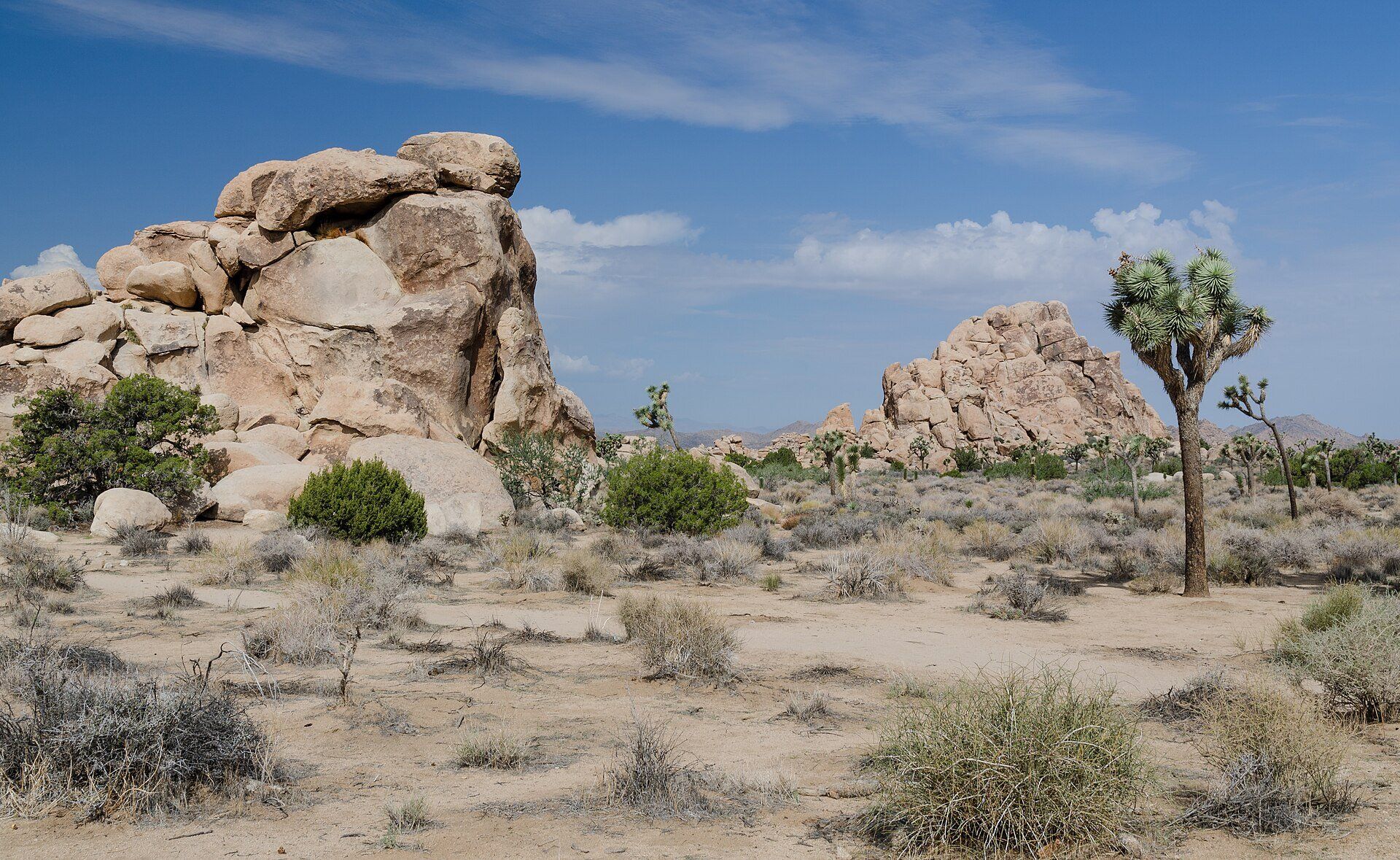
Joshua Tree National Park
Southern California, USA, between Twentynine Palms and Interstate 10, about 140 miles east of Los Angeles