Tiger Leaping Gorge
📍 Yunnan Province, China, about 60 km north of Lijiang
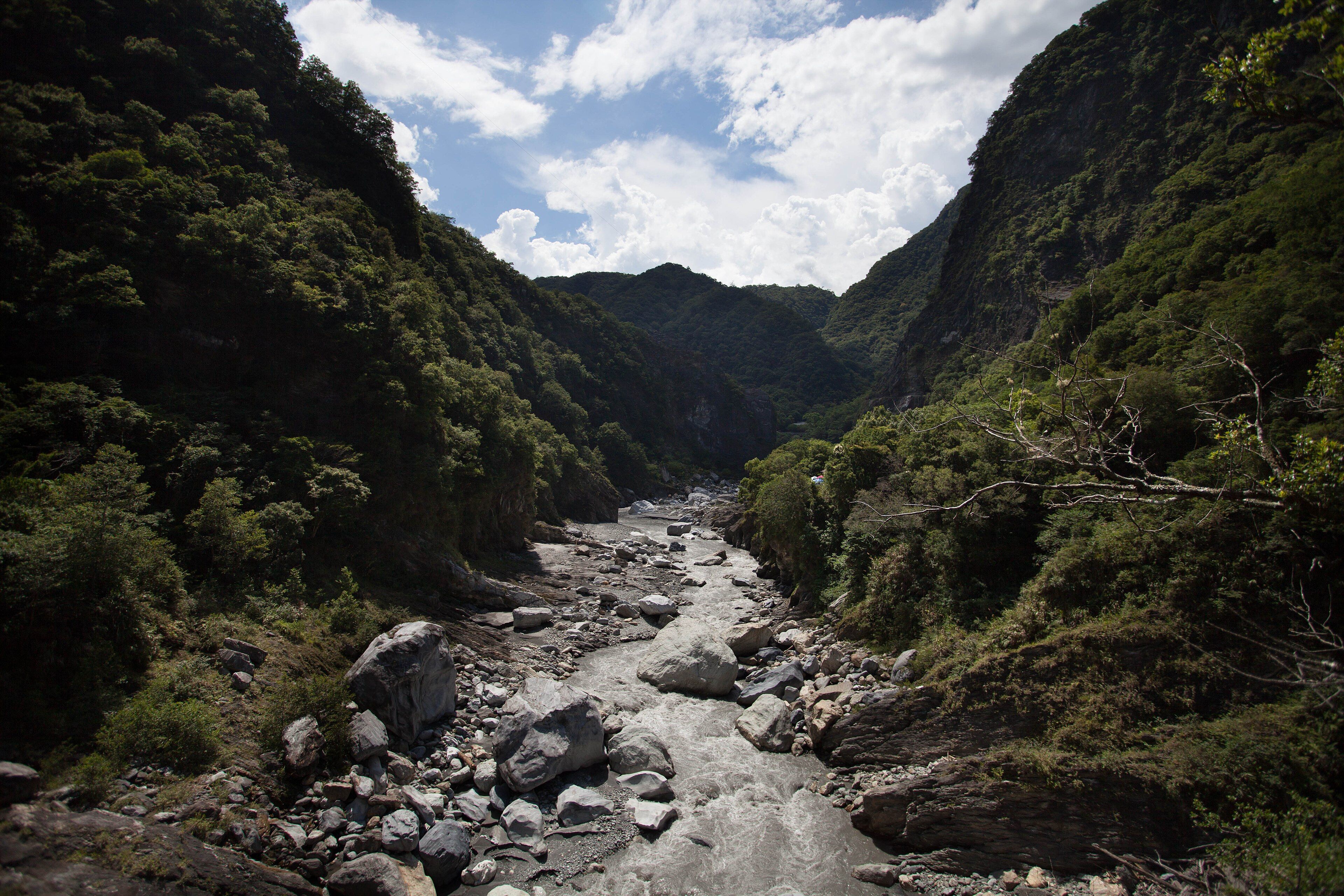
One of the deepest river gorges on Earth — the Jinsha (upper Yangtze) roaring through a 15 km slot between two snow mountains, with nearly 3,800 m from river to summit.
What makes it marvelous
Between Jade Dragon Snow Mountain (5,596 m) and Haba Snow Mountain (5,396 m), the Jinsha River — the upper course of the Yangtze — has cut a gorge about 15 km long. From the water to the peaks above it is around 3,790 m, one of the greatest depths of any river canyon, with cliffs of about 2,000 m. At its narrowest point, beside a large boulder in mid-stream that gives the gorge its name, the river is still about 25 m wide.
Why visit
It is one of the world's great canyon treks. The high trail runs about 22 km along the north side, through villages, terraced fields and waterfalls, with the snow peaks facing you across the abyss, while the river below throws up some of the wildest rapids anywhere.
What to know before you go
🗓️ Best time
Spring (April–May) and autumn (September–November). Avoid the summer rains: June–August is the wettest period, when the high trail can be impassable and rockfalls hit the lower road.
🧭 Getting there & access
Most trekkers start at Qiaotou, about 2 hours by road from Lijiang; buses also link the gorge to Shangri-La. An entrance fee is charged at the trailhead.
Good to know
- Check conditions after rain — landslides close the lower road and make the high trail dangerous.
- Guesthouses along the high trail let you split the trek over two days.
- Carry cash for the entry fee and village stops.
Plan your visit
Strenuous🧭 Getting there
From Lijiang (LJG), Yunnan
- Fly to Lijiang
- Bus or car north to Qiaotou, the western trailhead — about 2 hours
- Walk the high trail east over 1–2 days, or drive the lower road to the Tiger Leaping Stone
- Total travel
- Half a day from Lijiang to the trailhead
- Time at site
- 2 days for the high trail; a few hours for the lower-road viewpoints
- Access
- An entrance fee is charged. The high trail is marked but narrow in places and can be blocked after heavy rain; the lower road is frequently affected by rockfalls. Guesthouses along the trail are basic and poorly heated.
🎒 What to bring & consider
- Sturdy hiking boots and trekking poles
- Layers for big temperature swings with altitude
- Cash for fees and guesthouses
- A weather check before setting out
👁️ What to expect
- Crowds
- The high trail is busy in spring and autumn holidays but rarely crowded; the lower-road viewpoints draw tour groups.
- Conditions
- Steep, exposed paths; rain brings landslides and rockfall.
- Facilities
- Simple family guesthouses and cafés spaced along the high trail.
- The view
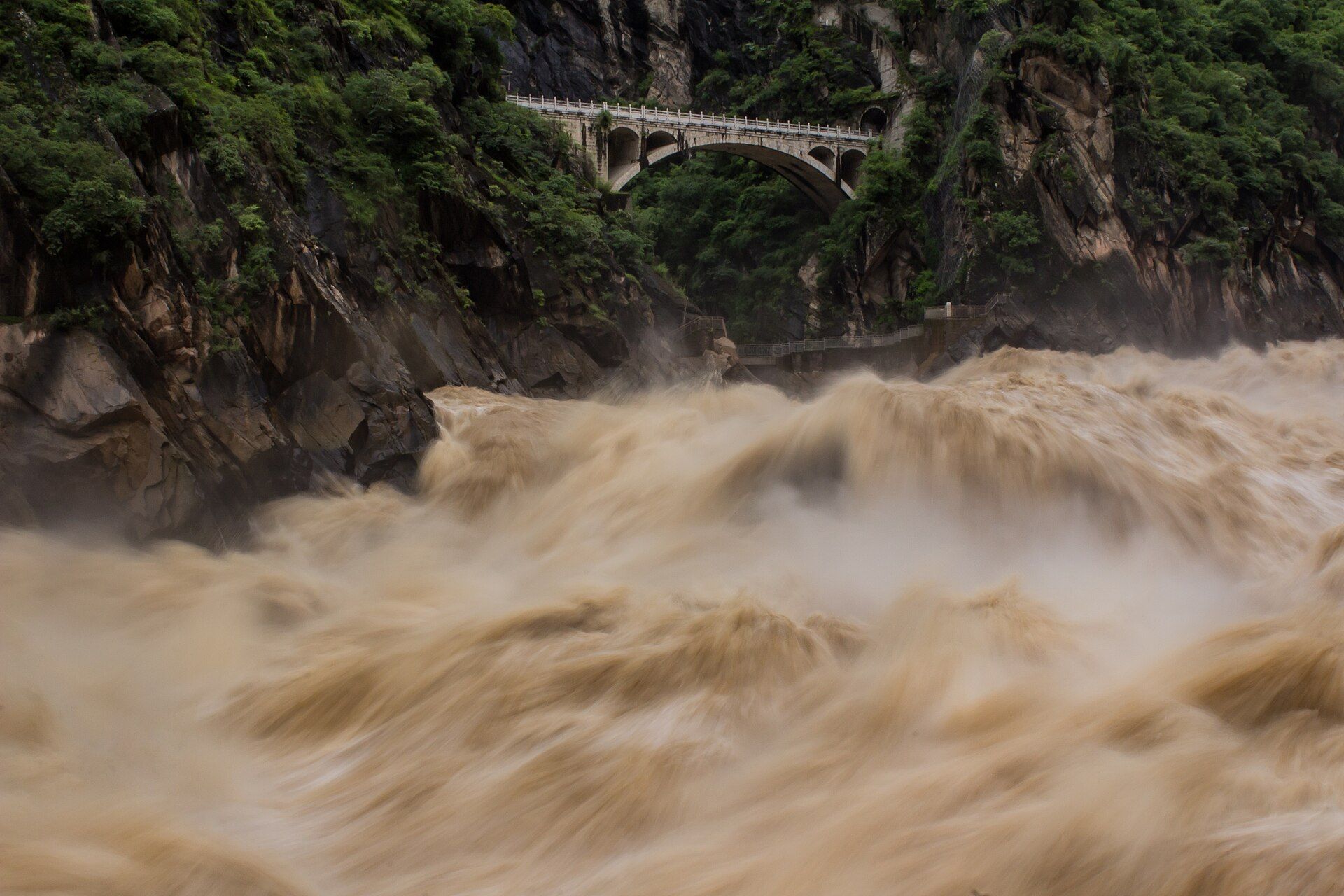
- The rapids at the Tiger Leaping Stone in full flood, or Jade Dragon Snow Mountain across the gorge from the high trail.
Times and requirements are approximate and change with season, weather, and local rules — confirm permits, fares, and schedules with operators before you travel.
Natural riches of the area
- A gorge about 3,790 m deep between two snow mountains
- The Jinsha River, upper course of the Yangtze, at full force
- Waterfalls and changing mountain ecosystems along the high trail
Local food
- Naxi baba
- A layered flatbread of the Naxi people around Lijiang, a trekker's breakfast.
- Yunnan mountain mushrooms
- Wild mushrooms are a celebrated part of Yunnan cooking in the rainy season.
Tiger Leaping Gorge is where the Yangtze, still called the Jinsha here in the mountains of Yunnan, forces its way between two snow giants. Jade Dragon Snow Mountain rises to 5,596 m on one side and Haba Snow Mountain to 5,396 m on the other, and the river runs through the slot between them for about 15 km. Measured from the water to the summits, the gorge is around 3,790 m deep — among the deepest river canyons on the planet.
The gorge takes its name from the Tiger Leaping Stone, a boulder in mid-stream at the narrowest point. Even there the river is about 25 m across, and in the summer flood it explodes over the rocks in a brown, deafening rush.
Most visitors come to walk the high trail, a route of about 22 km along the northern wall that passes Naxi villages, terraces and waterfalls, with the white wall of Jade Dragon Snow Mountain across the void. It is a demanding but non-technical trek, best in spring and autumn; in the summer rains, landslides can close both the trail and the road below.
Tiger Leaping Gorge: common questions
How do you get to Tiger Leaping Gorge?
From Lijiang (LJG), Yunnan: Fly to Lijiang; Bus or car north to Qiaotou, the western trailhead — about 2 hours; Walk the high trail east over 1–2 days, or drive the lower road to the Tiger Leaping Stone. Total travel time: Half a day from Lijiang to the trailhead.
When is the best time to visit Tiger Leaping Gorge?
Spring (April–May) and autumn (September–November). Avoid the summer rains: June–August is the wettest period, when the high trail can be impassable and rockfalls hit the lower road.
How long should you spend at Tiger Leaping Gorge?
2 days for the high trail; a few hours for the lower-road viewpoints. Total travel time: Half a day from Lijiang to the trailhead.
What should you bring to Tiger Leaping Gorge?
Sturdy hiking boots and trekking poles Layers for big temperature swings with altitude Cash for fees and guesthouses A weather check before setting out
Do you need a permit or guide for Tiger Leaping Gorge?
An entrance fee is charged. The high trail is marked but narrow in places and can be blocked after heavy rain; the lower road is frequently affected by rockfalls. Guesthouses along the trail are basic and poorly heated.
Is Tiger Leaping Gorge crowded, and what are conditions like?
The high trail is busy in spring and autumn holidays but rarely crowded; the lower-road viewpoints draw tour groups. Steep, exposed paths; rain brings landslides and rockfall. Facilities: Simple family guesthouses and cafés spaced along the high trail.
Added
More wonders to explore