Jigokudani & the Snow Monkeys
📍 Yamanouchi, Nagano Prefecture, Japan
A steaming hot-spring valley in the mountains of Nagano — 'Hell Valley' — where wild Japanese macaques, the famous snow monkeys, come down through the winter forest to bathe in a natural thermal pool, the only place on Earth where monkeys soak in an onsen in the wild.
What makes it marvelous
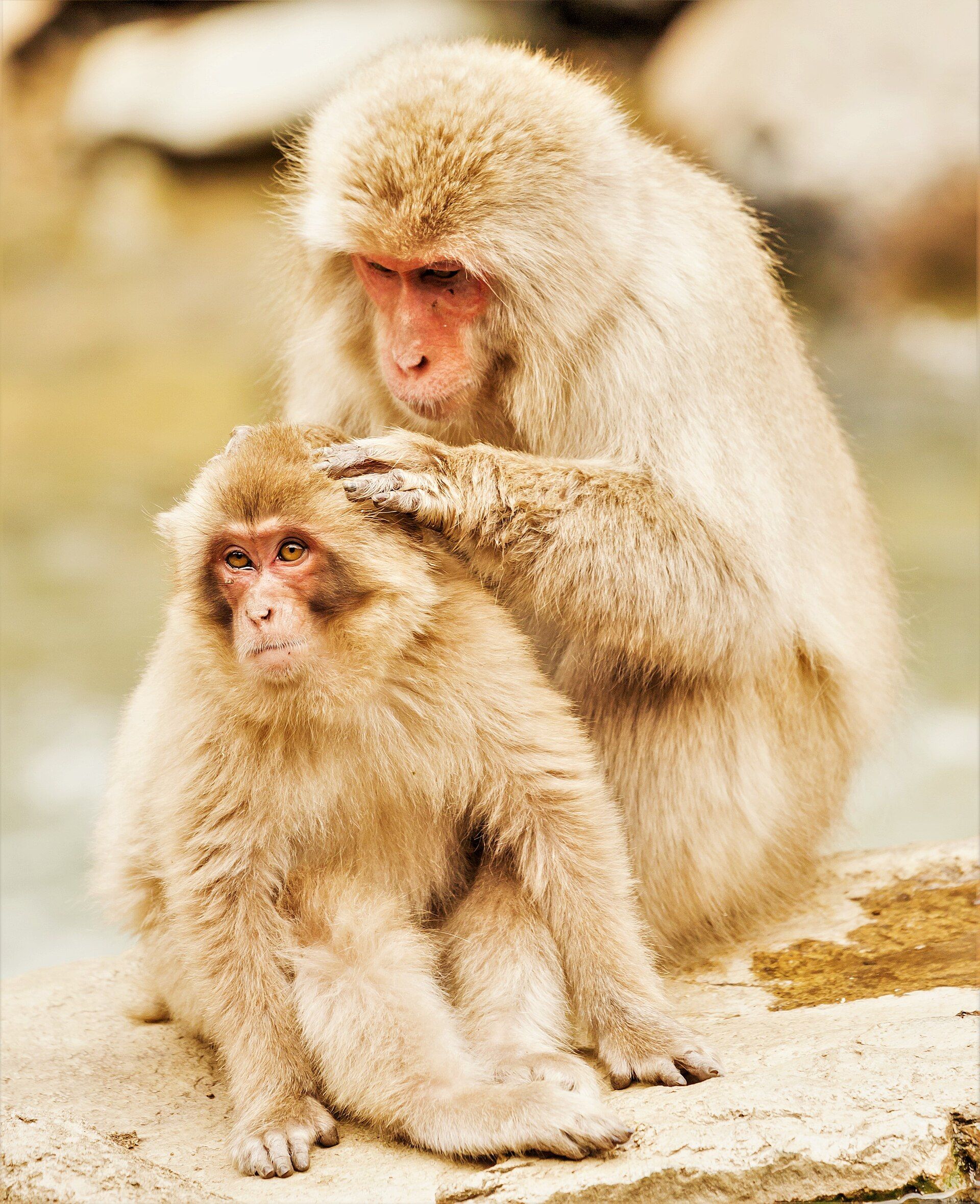
Jigokudani — the name means 'Hell Valley', a common Japanese term for places where volcanic steam and hot water rise from the ground — lies in the forested mountains of Yamanouchi in Nagano Prefecture. Its floor is cut by a river and vented with hot springs, so that even when deep snow lies over the valley the water steams and stays warm. Here lives a troop of more than two hundred wild Japanese macaques, the northernmost non-human primates on Earth, thick-furred against the cold. Decades ago the monkeys learned to escape the winter chill by climbing into a hot-spring pool, and today the park built around them, opened in 1964, is the only place in the world where you can watch wild monkeys bathe in an onsen. In the cold months they gather in the steaming water with snow on their heads and faces, dozing, grooming, and squabbling, while the young play at the edges. It is not a zoo — the monkeys come and go freely from the surrounding forest — and the sight of them red-faced in the steam, framed by snow and pine, has become one of the most recognisable images of wild Japan.
Why visit
Jigokudani offers a wildlife encounter found nowhere else: wild snow monkeys soaking contentedly in a natural hot spring, close enough to watch every expression. Set in a snowy mountain valley near the onsen towns of Shibu and Yudanaka, it pairs a short forest walk with an unforgettable, deeply photogenic scene, best of all under falling winter snow.
What to know before you go
🗓️ Best time
Best in winter, roughly December to March, when snow blankets the valley and the monkeys bathe most often to keep warm; the park is open year-round and the monkeys visit in every season, but the classic snow-framed soak is a cold-weather sight.
🧭 Getting there & access
The park is in the Jigokudani valley above Yamanouchi in Nagano. Trains reach Yudanaka Station from Nagano city (itself on the bullet-train line from Tokyo); from Yudanaka or Shibu Onsen a short bus ride reaches Kanbayashi, from where a roughly 1.6-kilometre forest trail leads in to the monkey pool.
Good to know
- Visit in winter for the snow-framed bathing, and go in the morning when the monkeys are most active.
- Wear proper winter boots with grip — the forest trail in is often snowy and icy.
- Stay overnight in Shibu or Yudanaka Onsen to enjoy the human hot springs after the monkeys.
Plan your visit
Moderate🧭 Getting there
From Nagano, via Tokyo, Japan
- Take the bullet train from Tokyo to Nagano
- Continue by train to Yudanaka Station
- Ride a short bus to the Kanbayashi trailhead
- Walk about 1.6 km through the forest to the monkey park
- Total travel
- A long day trip from Tokyo, or an overnight from a Nagano onsen town
- Time at site
- Roughly 1–2 hours at the pool, plus the walk in and out
- Access
- The park is reached only on foot by a forest trail of about 1.6 km from the Kanbayashi bus stop; there is no road to the pool. The trail is snowy and icy in winter. A small entry fee applies, and the park is open year-round in daylight.
🎒 What to bring & consider
- Waterproof winter boots with good grip for the icy forest trail
- Warm layers, gloves, and a hat for the cold, snowy valley
- A camera that copes with steam and cold; keep spare batteries warm
- Respect for the wild animals — do not touch or feed them, and keep food out of sight
👁️ What to expect
- Crowds
- Busy on winter weekends and around midday; earlier mornings are calmer and the monkeys more active.
- Conditions
- A snowy, sometimes icy 1.6 km forest walk each way; the pool area is open-air and cold.
- Facilities
- A small entrance building and toilets at the park; onsen inns, cafes, and shops in Shibu and Yudanaka.
- The view
- A red-faced macaque half-asleep in the steaming pool with snow on its head, framed by winter forest.
Times and requirements are approximate and change with season, weather, and local rules — confirm permits, fares, and schedules with operators before you travel.
Natural riches of the area
- Natural volcanic hot springs steaming even under deep snow
- A wild troop of more than 200 Japanese macaques — the world's northernmost monkeys
- Snow-covered mountain forest of the Jigokudani valley
- The wider Shiga Kogen highlands and onsen towns around it
Local food
- Shinshu soba
- Nagano (Shinshu) is famous for buckwheat soba noodles, served hot or cold near the onsen towns.
- Oyaki
- Grilled or steamed wheat dumplings stuffed with vegetables or sweet bean, a Nagano speciality.
- Onsen tamago and local apples
- Eggs slow-cooked in hot-spring water, and the crisp apples Nagano's orchards are known for.
High in the mountains of Nagano lies a valley the Japanese call Jigokudani — Hell Valley — for the hot springs and volcanic steam that rise from its floor even when it is buried in snow. It is home to a troop of more than two hundred wild Japanese macaques, the snow monkeys: the northernmost monkeys in the world, thick-coated against a winter that would defeat most primates. Generations ago they discovered that the valley’s steaming water was a way to stay warm, and they have been bathing in it ever since.
The park built around them, opened in 1964, is the only place on Earth where wild monkeys can be watched soaking in a natural onsen. On a cold day the scene is unforgettable: macaques up to their necks in the steaming pool, snow settling on their heads, some dozing, some grooming, the young chasing each other around the rim, all of it just an arm’s length away yet entirely wild — the animals come and go from the surrounding forest as they please. Reached by a short walk through snowy woods from the onsen towns of Shibu and Yudanaka, Jigokudani turns a simple hot spring into one of the most beloved wildlife encounters in Japan.
Jigokudani & the Snow Monkeys: common questions
How do you get to Jigokudani & the Snow Monkeys?
From Nagano, via Tokyo, Japan: Take the bullet train from Tokyo to Nagano; Continue by train to Yudanaka Station; Ride a short bus to the Kanbayashi trailhead; Walk about 1.6 km through the forest to the monkey park. Total travel time: A long day trip from Tokyo, or an overnight from a Nagano onsen town.
When is the best time to visit Jigokudani & the Snow Monkeys?
Best in winter, roughly December to March, when snow blankets the valley and the monkeys bathe most often to keep warm; the park is open year-round and the monkeys visit in every season, but the classic snow-framed soak is a cold-weather sight.
How long should you spend at Jigokudani & the Snow Monkeys?
Roughly 1–2 hours at the pool, plus the walk in and out. Total travel time: A long day trip from Tokyo, or an overnight from a Nagano onsen town.
What should you bring to Jigokudani & the Snow Monkeys?
Waterproof winter boots with good grip for the icy forest trail Warm layers, gloves, and a hat for the cold, snowy valley A camera that copes with steam and cold; keep spare batteries warm Respect for the wild animals — do not touch or feed them, and keep food out of sight
Do you need a permit or guide for Jigokudani & the Snow Monkeys?
The park is reached only on foot by a forest trail of about 1.6 km from the Kanbayashi bus stop; there is no road to the pool. The trail is snowy and icy in winter. A small entry fee applies, and the park is open year-round in daylight.
Is Jigokudani & the Snow Monkeys crowded, and what are conditions like?
Busy on winter weekends and around midday; earlier mornings are calmer and the monkeys more active. A snowy, sometimes icy 1.6 km forest walk each way; the pool area is open-air and cold. Facilities: A small entrance building and toilets at the park; onsen inns, cafes, and shops in Shibu and Yudanaka.
Added