Yakushima
📍 Kagoshima, southern Japan
A mossy, rain-soaked island of ancient cedar forest — home to yakusugi trees thousands of years old, whose primeval green world helped inspire the landscapes of Studio Ghibli.
What makes it marvelous
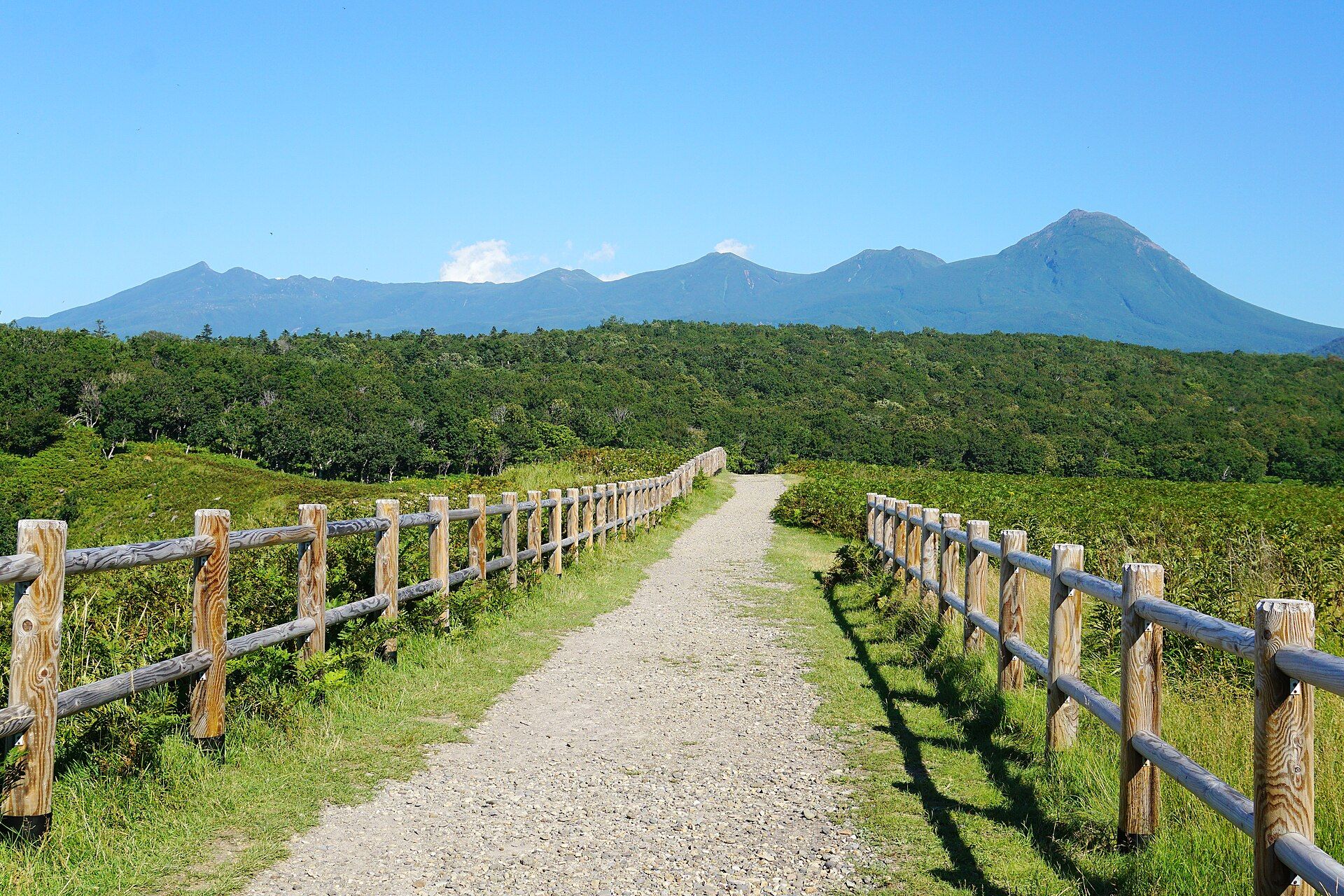
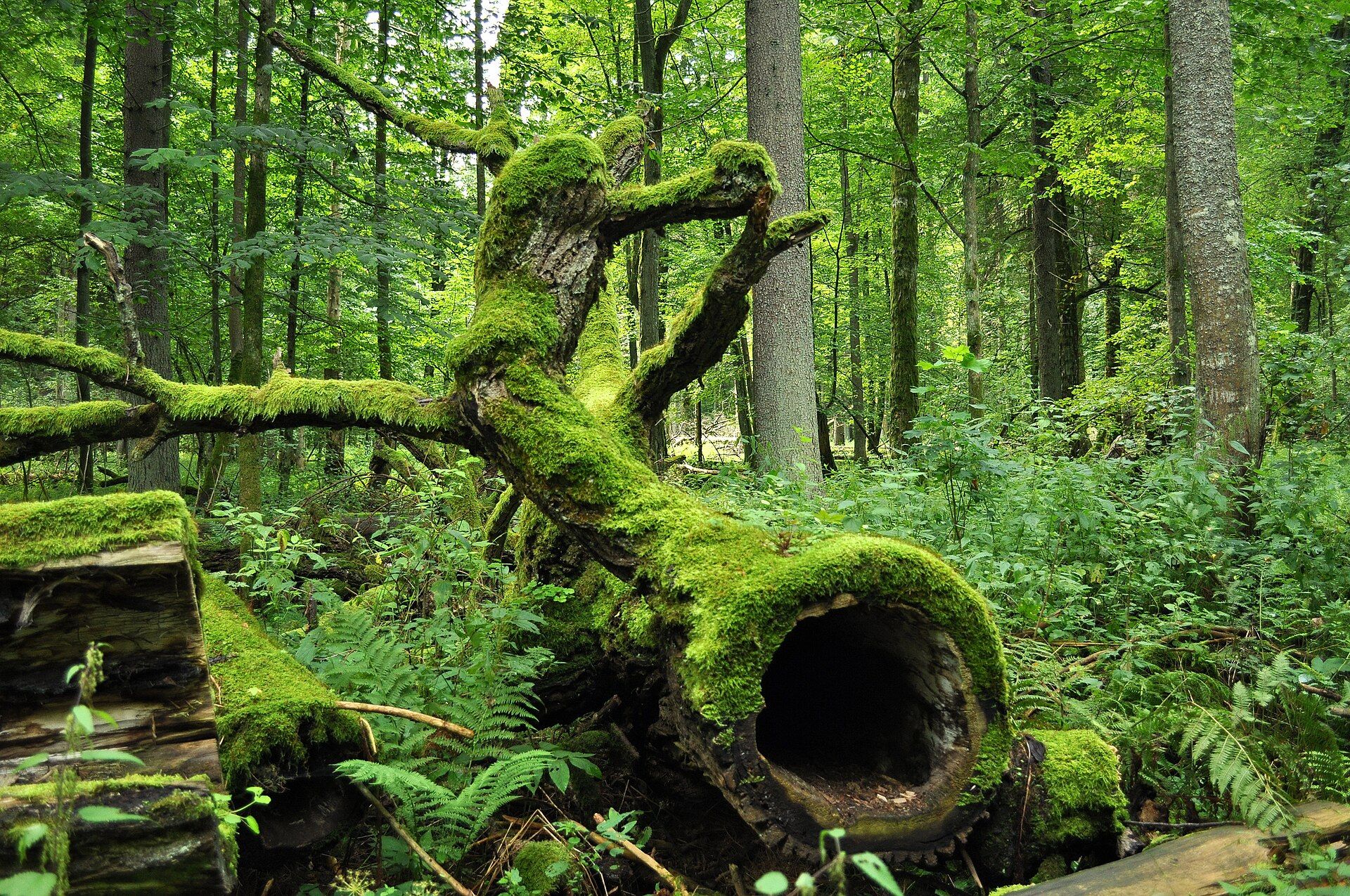
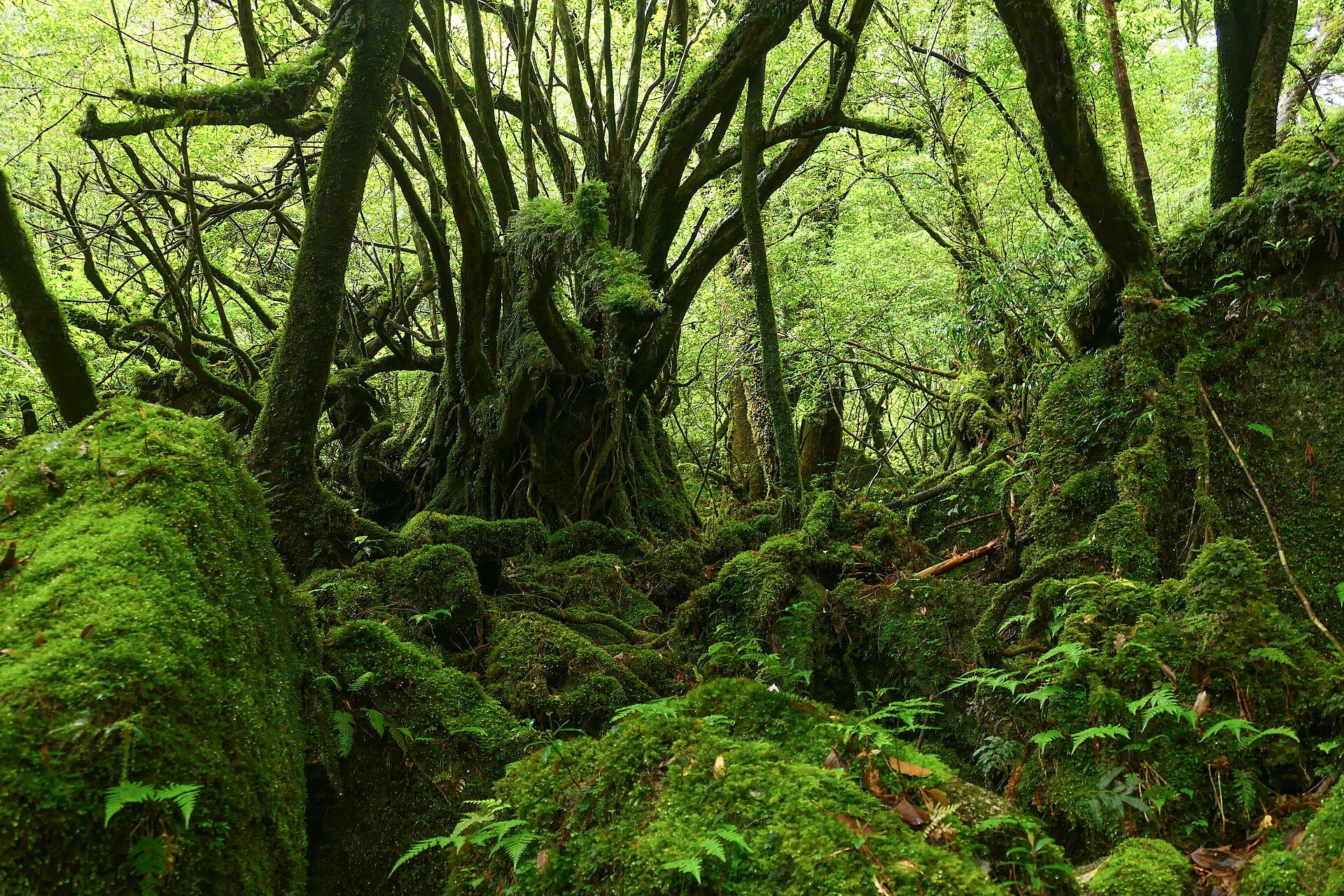
Yakushima is a small, mountainous island off southern Japan, so drenched by rain — among the wettest places in the country — that it is cloaked in one of the most luxuriant temperate forests on Earth. Its glory is the yakusugi: ancient Japanese cedars, some over a thousand years old, the most venerable of them, Jōmon Sugi, estimated at several thousand years, making it among the oldest living trees in the world. Beneath their vast trunks lies a hushed, primeval world of moss-carpeted rock, clear streams, and mist drifting through the canopy — scenery so atmospheric it helped inspire the forest of the film 'Princess Mononoke'. The island rises from subtropical coast to snow-dusted peaks near 2,000 metres, packing an astonishing range of life into a small space. It is a UNESCO World Heritage Site.
Why visit
Walking among thousand-year-old cedars through a silent, moss-draped forest wrapped in mist is deeply atmospheric — and the moss depends on the weather, because this is one of the wettest places in Japan.
What to know before you go
🗓️ Best time
Spring and autumn (roughly March–May and October–November) for the most comfortable hiking; the island is rainy year-round, so waterproofs are essential whenever you go.
🧭 Getting there & access
One of the Ōsumi Islands off Kagoshima in southern Japan, reached by ferry or short flight from Kagoshima; forest trails, including the long hike to Jōmon Sugi, start from trailheads reached by island road or bus.
Good to know
- Come prepared for rain any time — Yakushima is one of Japan's wettest places.
- The Jōmon Sugi hike is long and strenuous; start very early.
- Stay on marked trails to protect the fragile moss and ancient roots.
Plan your visit
Strenuous🧭 Getting there
From Kagoshima, Kyushu, Japan
- Fly or take the shinkansen to Kagoshima
- Take the jetfoil ferry Kagoshima → Yakushima — roughly 2h–3h — or a short flight
- Reach the trailheads by bus or hire car, then hike into the cedar forest
- Total travel
- A ferry or short flight from Kagoshima
- Time at site
- Two or three days, given the weather and the long hikes
- Access
- Yakushima is a mountainous, forested island famous for its ancient yakusugi cedars and its rain — it is one of the wettest places in Japan, and the local saying that it rains thirty-five days a month is barely an exaggeration. The great hike to the Jomon Sugi, the oldest cedar, is a long day of eight to ten hours, often starting before dawn along an old railway track; the moss-draped Shiratani Unsuikyo forest is a gentler alternative. A forest conservation donation is collected on the main routes. Plan for rain as the default, not the exception.
🎒 What to bring & consider
- Genuinely good rain gear — full waterproofs, not a token jacket — because heavy rain is the normal condition here, not the bad-luck one
- An early, pre-dawn start and real hiking fitness for the Jomon Sugi, a ten-hour round trip few people expect
- Boots with grip for wet roots, rock and the old railway sleepers that stay slick even between showers
- A hiking-fee donation and, in the peak season, awareness of the bus-only access to some trailheads
- Quick-dry layers and spares kept dry in a bag, since you will get wet and stay out for hours
👁️ What to expect
- Crowds
- The Jomon Sugi trail is busy in the summer peak despite its length. Rain and the shoulder seasons thin it.
- Conditions
- Wet, green and mountainous, with everything from a gentle moss-forest stroll to a hard all-day climb.
- Facilities
- Towns on the coast have lodging and food; the trailheads have little. Carry the day's supplies.
- The view
- The green, moss-carpeted forest of Shiratani Unsuikyo in soft rain-light — the landscape that inspired the film Princess Mononoke — or the vast trunk of the Jomon Sugi itself at the end of the long trail.
Times and requirements are approximate and change with season, weather, and local rules — confirm permits, fares, and schedules with operators before you travel.
Natural riches of the area
- Ancient yakusugi cedars, some thousands of years old
- Lush, moss-carpeted temperate rainforest
- A range from subtropical coast to ~2,000 m peaks
- Endemic and rich wildlife, including Yakushima macaques and deer
Local food
- Fresh island seafood
- Flying fish (tobiuo) and other catch from the surrounding sea, a local specialty.
- Yakushima tea & tangerines
- Green tea and ponkan citrus grown in the island's mild climate.
- Saba & local sea salt
- Mackerel dishes and prized sea salt made on the island.
Yakushima is an island lost in green. So drenched by rain that it counts among the wettest places in Japan, this small, mountainous island off the country’s southern tip is wrapped in one of the most luxuriant temperate forests on Earth — a hushed, primeval world of moss-carpeted rock, clear streams, and mist drifting through the canopy.
Its treasures are the yakusugi: ancient Japanese cedars, some over a thousand years old, the greatest of them — Jōmon Sugi — estimated at several thousand years, among the oldest living trees anywhere. To walk beneath their vast trunks through the silent, moss-draped woods is deeply atmospheric; the forest was an inspiration for Studio Ghibli’s ‘Princess Mononoke.’ Rising from subtropical shore to near-2,000-metre peaks, this UNESCO World Heritage island stacks a startling range of habitats into a small and famously rainy space.
Yakushima: common questions
How do you get to Yakushima?
From Kagoshima, Kyushu, Japan: Fly or take the shinkansen to Kagoshima; Take the jetfoil ferry Kagoshima → Yakushima — roughly 2h–3h — or a short flight; Reach the trailheads by bus or hire car, then hike into the cedar forest. Total travel time: A ferry or short flight from Kagoshima.
When is the best time to visit Yakushima?
Spring and autumn (roughly March–May and October–November) for the most comfortable hiking; the island is rainy year-round, so waterproofs are essential whenever you go.
How long should you spend at Yakushima?
Two or three days, given the weather and the long hikes. Total travel time: A ferry or short flight from Kagoshima.
What should you bring to Yakushima?
Genuinely good rain gear — full waterproofs, not a token jacket — because heavy rain is the normal condition here, not the bad-luck one An early, pre-dawn start and real hiking fitness for the Jomon Sugi, a ten-hour round trip few people expect Boots with grip for wet roots, rock and the old railway sleepers that stay slick even between showers A hiking-fee donation and, in the peak season, awareness of the bus-only access to some trailheads Quick-dry layers and spares kept dry in a bag, since you will get wet and stay out for hours
Do you need a permit or guide for Yakushima?
Yakushima is a mountainous, forested island famous for its ancient yakusugi cedars and its rain — it is one of the wettest places in Japan, and the local saying that it rains thirty-five days a month is barely an exaggeration. The great hike to the Jomon Sugi, the oldest cedar, is a long day of eight to ten hours, often starting before dawn along an old railway track; the moss-draped Shiratani Unsuikyo forest is a gentler alternative. A forest conservation donation is collected on the main routes. Plan for rain as the default, not the exception.
Is Yakushima crowded, and what are conditions like?
The Jomon Sugi trail is busy in the summer peak despite its length. Rain and the shoulder seasons thin it. Wet, green and mountainous, with everything from a gentle moss-forest stroll to a hard all-day climb. Facilities: Towns on the coast have lodging and food; the trailheads have little. Carry the day's supplies.
Added Updated
More wonders to explore