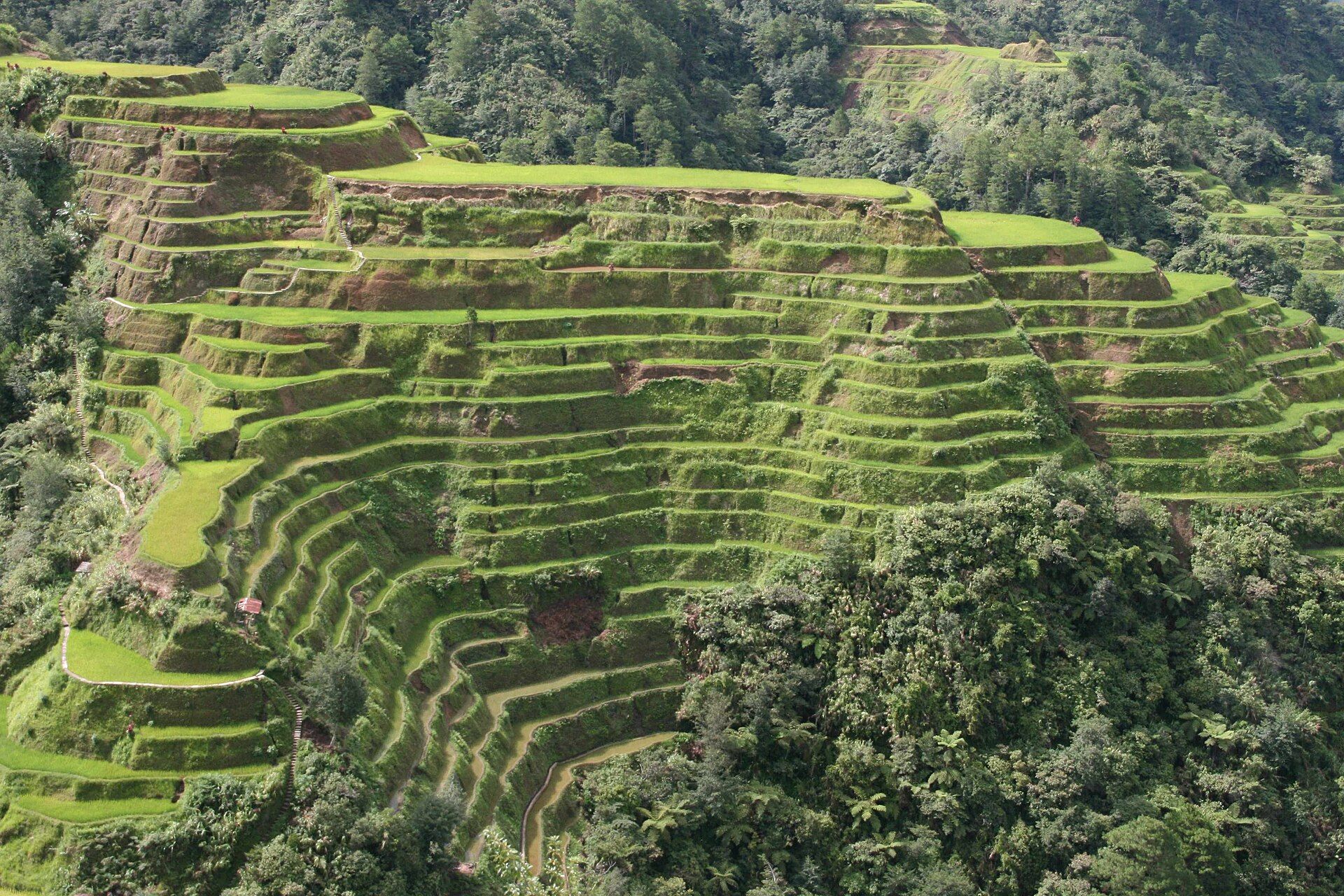
Two thousand years of hand-built rice terraces climbing the Cordillera mountainsides — a living landscape of stone-and-mud paddies, fed by an intricate forest-and-irrigation system, often called the 'Eighth Wonder of the World'.
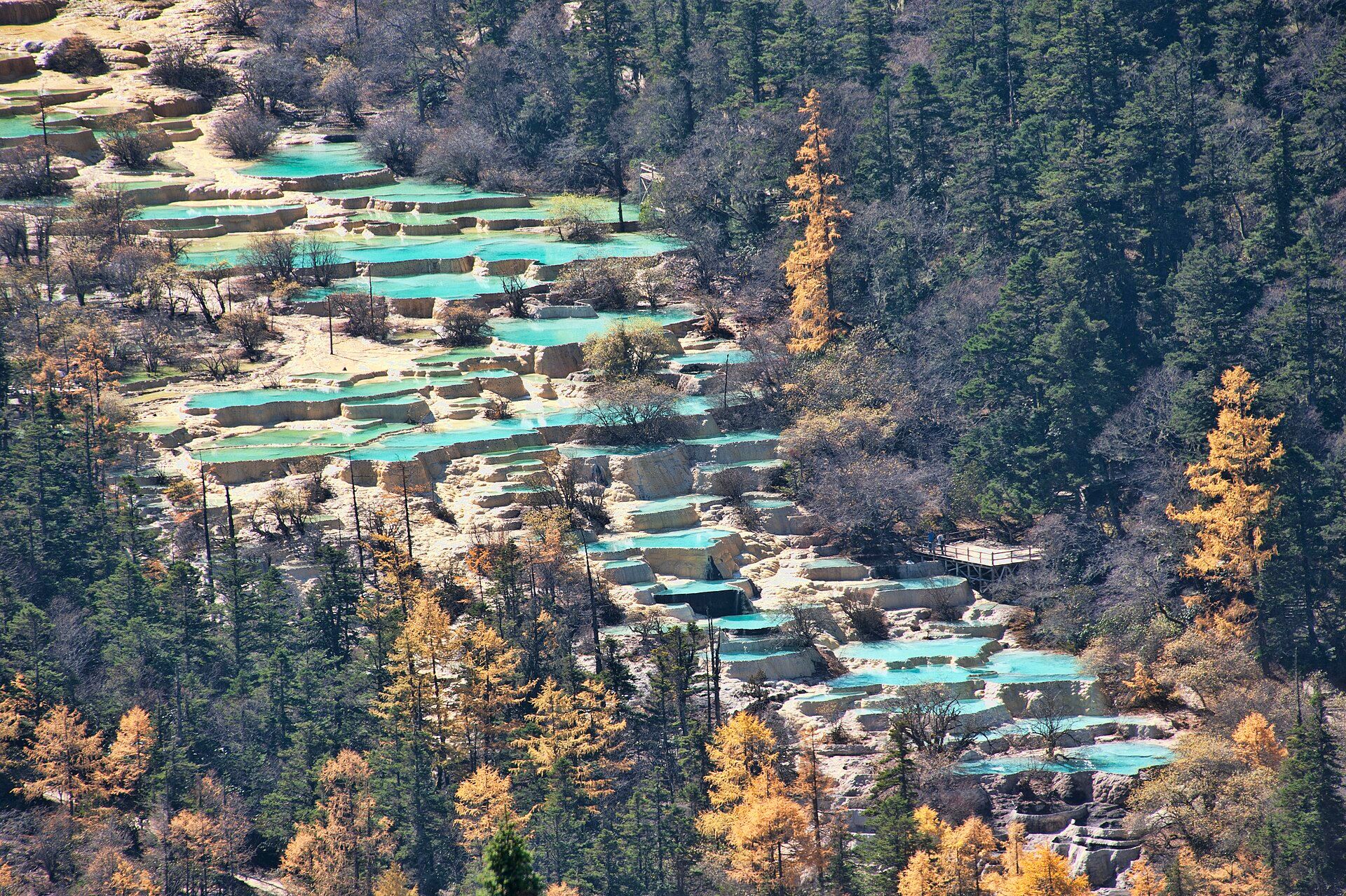
A valley paved with thousands of terraced travertine pools in gold, turquoise, and blue — a three-kilometre cascade of mineral basins climbing toward snow peaks.
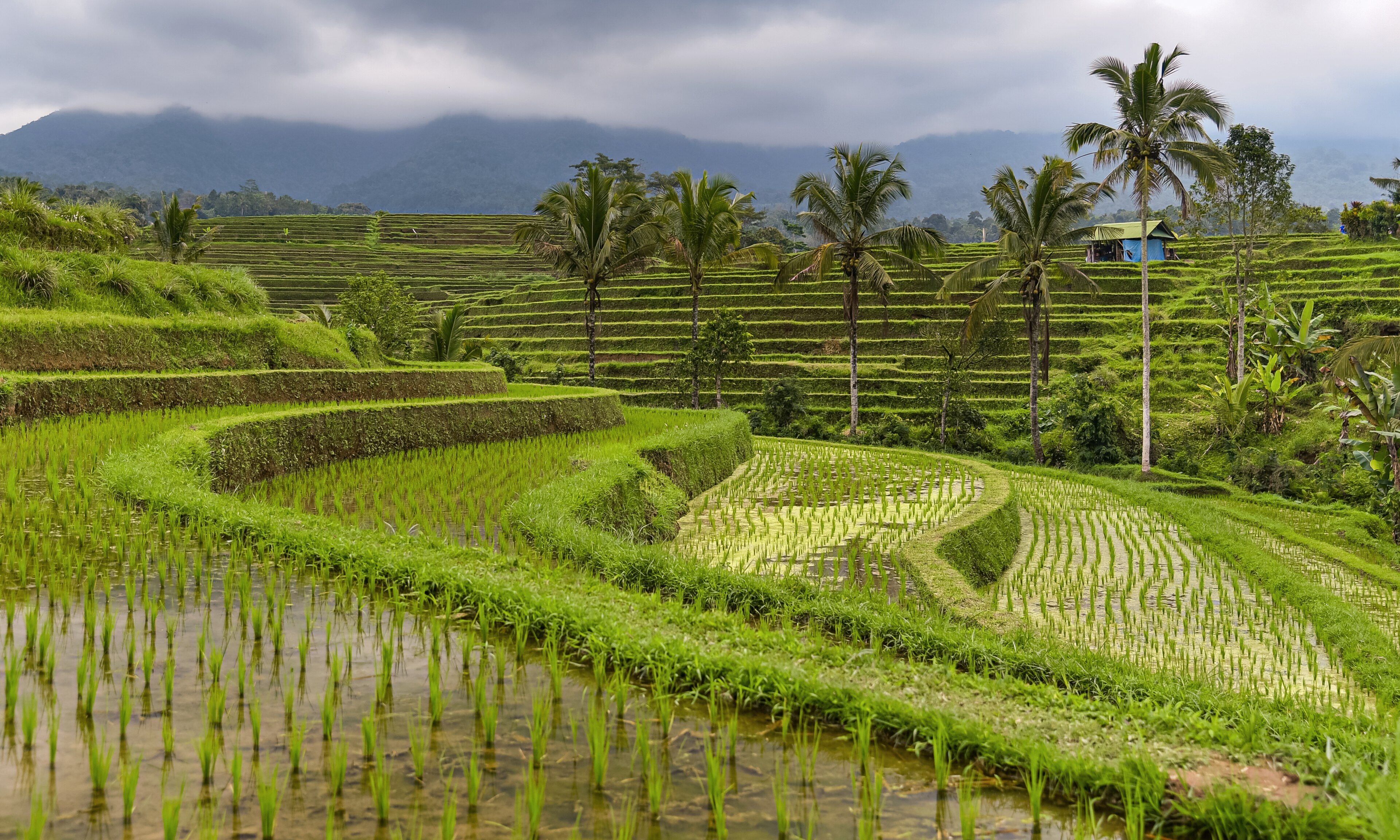
Bali's largest surviving expanse of traditional rice terraces, spread over some 600 hectares beneath Mount Batukaru and irrigated by subak — a thousand-year-old system in which farmers themselves allocate every litre of water down the slope.
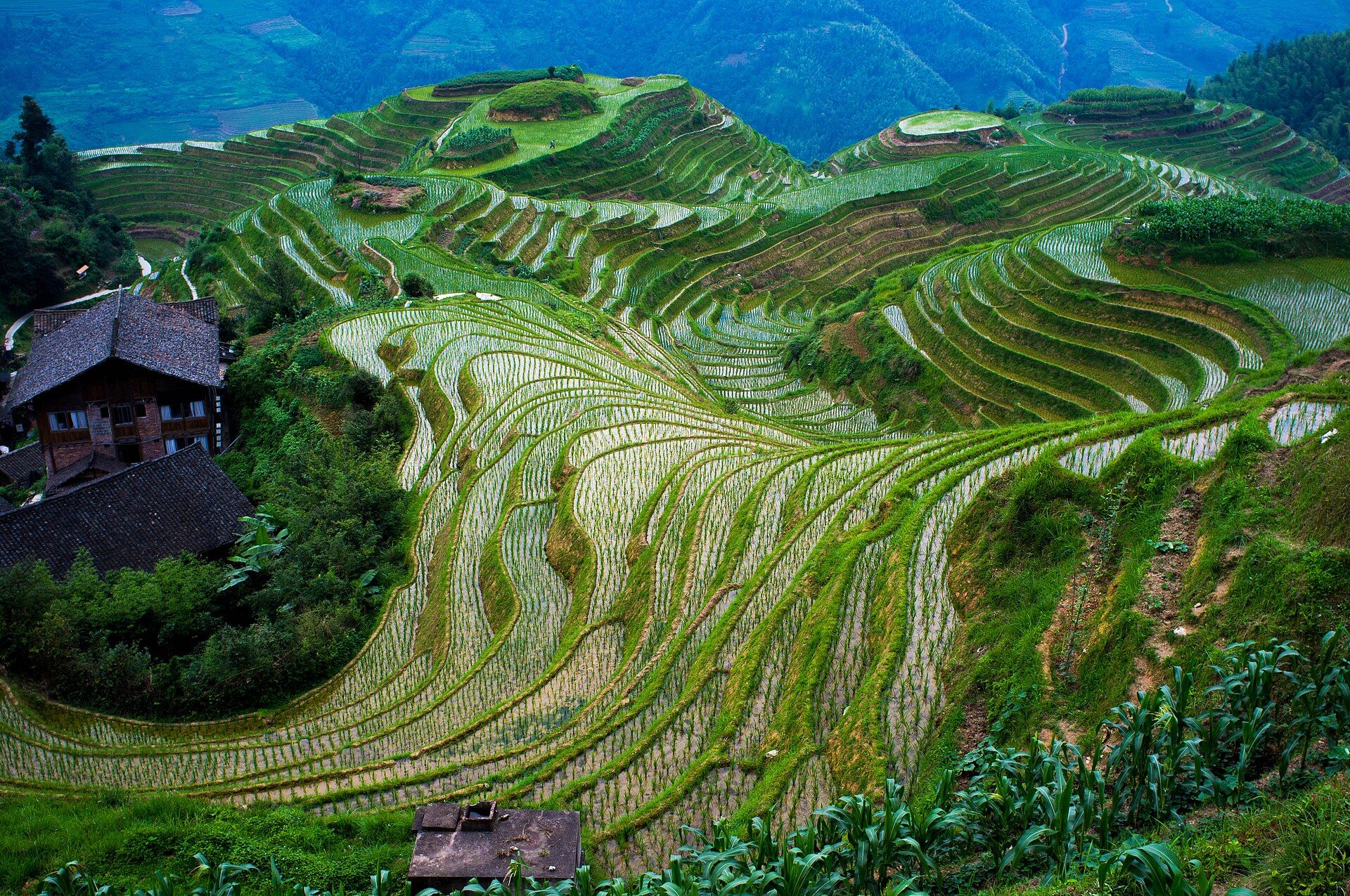
The Dragon's Backbone — centuries-old rice terraces climbing whole mountainsides in coils and ribbons above the villages of the Zhuang and Yao people, near Guilin in southern China, flooded to mirror the sky in spring and turning gold at harvest.
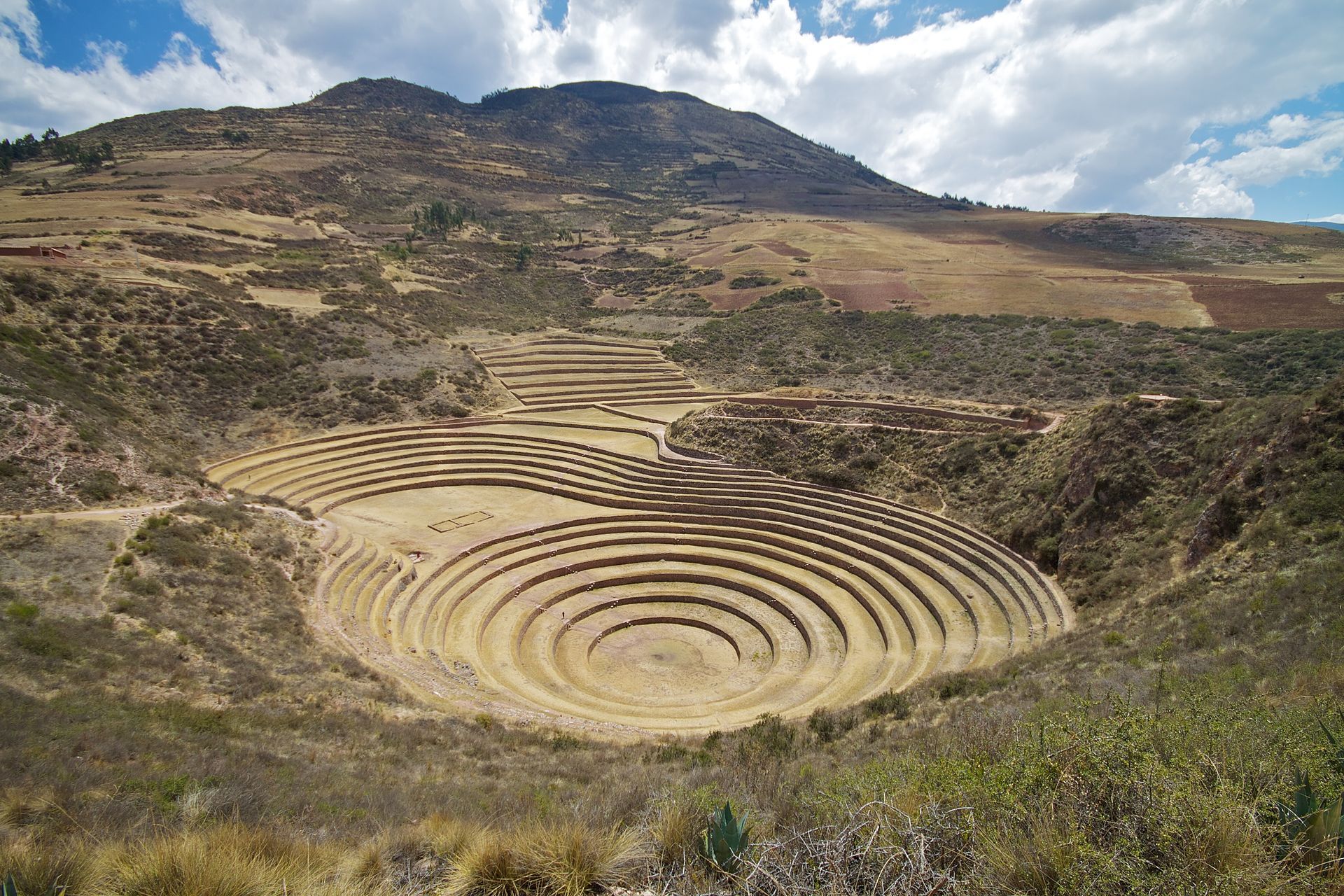
A set of vast concentric terraces sunk into the Andean plateau above the Sacred Valley — engineered bowls in which the temperature drops measurably from the top ring to the floor, giving Inca farmers a whole ladder of climates in one field.
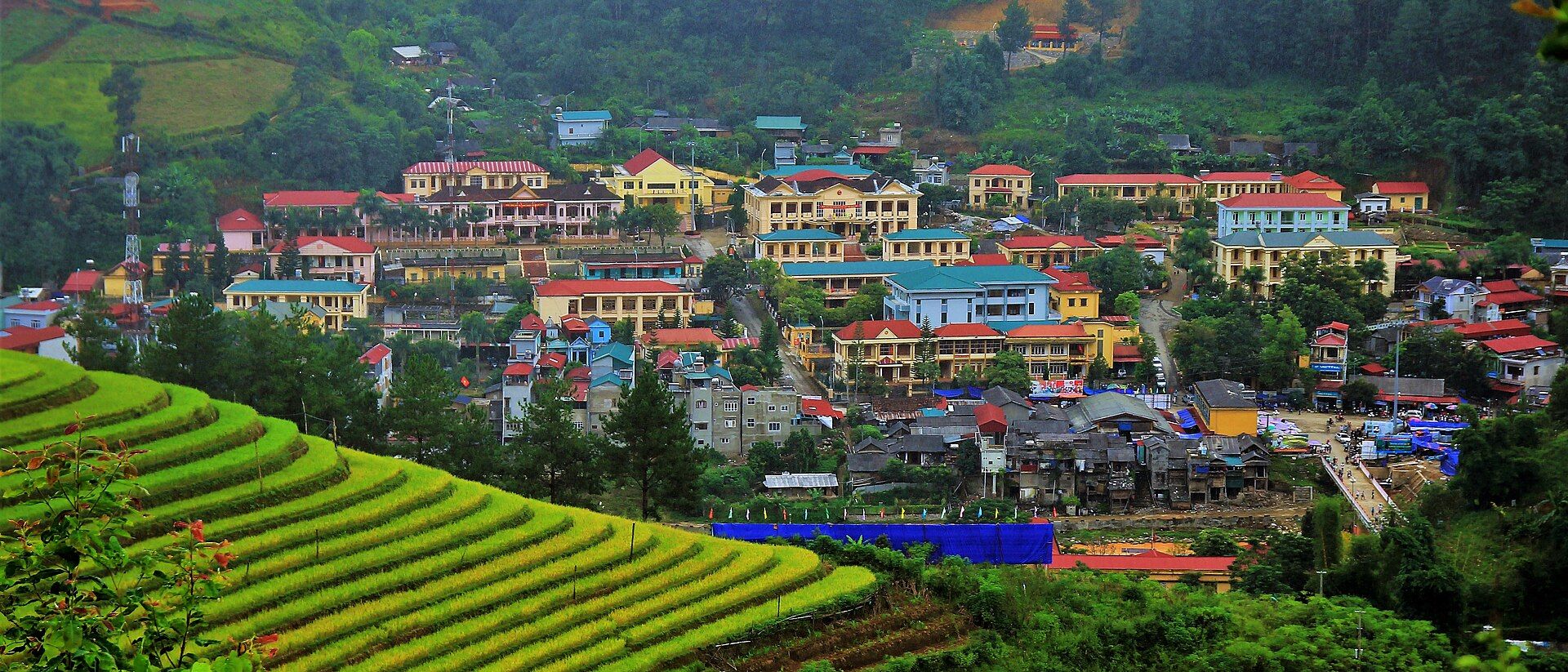
Mountainsides sculpted into thousands of curving rice terraces by the Hmong people — a living landscape that turns mirror-silver in planting season and molten gold at harvest.
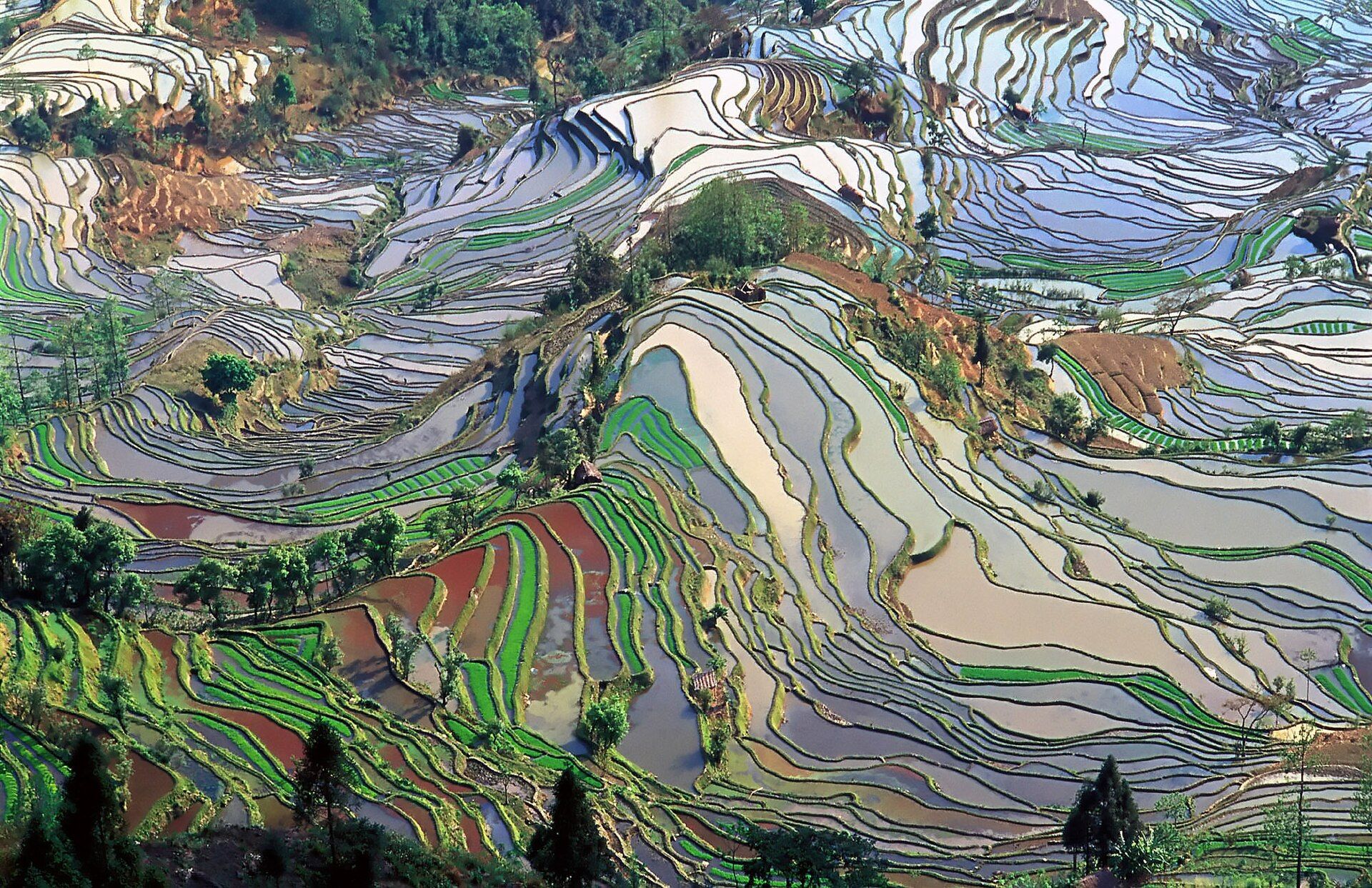
Thousands of hand-cut paddy terraces falling three thousand steps down the Ailao Mountains in southern Yunnan — flooded through the winter months into a vast staircase of mirrors that turns pink and gold at sunrise.