Alishan
📍 Alishan National Forest Recreation Area, Alishan Township, Chiayi County, central Taiwan
A cloud-forest plateau at 2,000–2,700 metres in central Taiwan where about 40 giant red cypresses survived a century of logging — the tallest, the Sianglin Sacred Tree, is 45 metres high and about 2,300 years old — reached by a 762 mm forest railway that climbs 2,186 metres from Chiayi.
What makes it marvelous
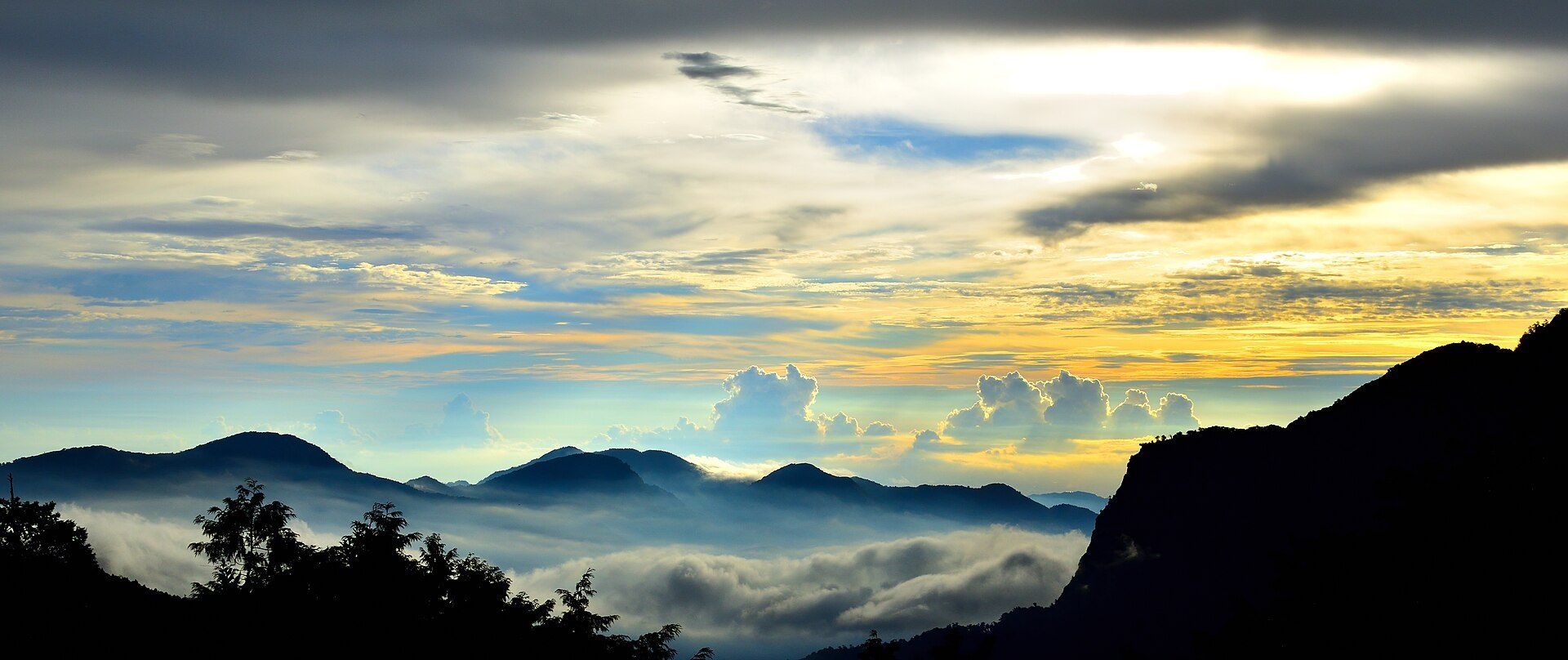
Alishan is not one peak but the name for a whole mountain area, and its fame rests on trees that are no longer there. From 1912 to the end of the 1960s it was Taiwan's largest logging forest, and the old-growth stands of Taiwan red cypress and Taiwan yellow cypress were cut almost to nothing. About 40 giant red cypresses survive beside the two Giant Tree Plank Walks; the tallest, the Sianglin Sacred Tree, stands 45 metres high with a 12.3-metre girth and is about 2,300 years old. The railway built to haul the timber out now carries visitors up: from Chiayi at 30 metres to Alishan Station at 2,216 metres in 71.6 km of 762 mm track, and on to Zhushan at 2,451 metres, the highest point on Taiwan's railways, where crowds gather before dawn to watch the sun come up over a sea of clouds.
Why visit
Few places let you ride a narrow-gauge mountain railway from the subtropical plains into a cool cloud forest in a single morning, and then walk among trees that have stood for more than two thousand years. Alishan is the classic version of Taiwan's mountain scenery: a pre-dawn train to Zhushan, cloud filling the valleys below the Yushan range, and plank walks through cypress groves where the stumps of the logging era still stand among the survivors.
What to know before you go
🗓️ Best time
Spring is the season the forestry agency singles out, for the cherry blossoms and rhododendrons around the recreation area. The sunrise and the sea of clouds depend on a clear morning above low cloud, so watch the forecast rather than the calendar and plan more than one dawn if the sunrise is the point.
🧭 Getting there & access
Alishan Station (2,216 m) is the terminus of the Alishan Forest Railway's main line from Chiayi Station, where the narrow-gauge line meets Taiwan Railway. By road, Provincial Highway 18 reaches the recreation area at its 88.2 km marker. Entry to the recreation area is ticketed (NT$300 full fare when checked in November 2026). The Zhushan branch line runs sunrise trains from Alishan Station; departure times change with the season, and sections of the main line can be suspended, so check the railway office's operation notice and book trains in advance.
Good to know
- Book the forest railway ahead, and check the railway office's operation notice for which sections are running.
- The Zhushan sunrise train leaves well before dawn and its time changes through the year — confirm the next morning's departure the evening before.
- Bring warm layers: the recreation area sits at 2,000–2,700 metres and early mornings are cold even when Chiayi is hot.
- Walk both Giant Tree Plank Walks — that is where the surviving red cypresses, including the Sianglin Sacred Tree, stand.
- Stay overnight in the recreation area if you want the sunrise; it is not realistic as a day trip from the plains.
Plan your visit
Easy🧭 Getting there
From Chiayi, central Taiwan (on the high-speed rail and Taiwan Railway lines)
- Fly into Taipei
- Take the train south to Chiayi
- Ride the Alishan Forest Railway, or go by road on Provincial Highway 18, up to Alishan Station
- Take the Zhushan sunrise train the next morning
- Total travel
- A day from Taipei, including the forest railway climb
- Time at site
- One night for the sunrise and the plank walks; two to allow for a cloudy dawn
- Access
- Entry to the recreation area is ticketed. The forest railway and the Zhushan sunrise train run to timetables that change with the season and can be suspended after storms — check the Alishan Forest Railway and Cultural Heritage Office before you travel.
🎒 What to bring & consider
- Forest railway tickets booked in advance
- Warm layers for the pre-dawn sunrise train
- A headtorch for the walk to the station in the dark
- Rain gear in any season
- Cash in New Taiwan dollars
👁️ What to expect
- Crowds
- The sunrise train and the Zhushan viewing platform are busy every clear morning, and weekends and the spring blossom season are the busiest times.
- Conditions
- Cool, damp mountain air at over 2,000 metres; cloud can roll in within minutes.
- Facilities
- A passenger service centre, museums, lodging and food inside the recreation area.
- The view
- Dawn from Zhushan, with the valleys filled by cloud and the Yushan range catching the first light.
Times and requirements are approximate and change with season, weather, and local rules — confirm permits, fares, and schedules with operators before you travel.
Natural riches of the area
- About 40 surviving giant Taiwan red cypresses, the tallest 45 m and about 2,300 years old
- Cloud forest at 2,000–2,700 m across 1,388 hectares
- Sea of clouds and sunrise from Zhushan (2,451 m)
- Taiwan red cypress and Taiwan yellow cypress, plus rare plants such as Alishan mahonia and Taiwan pleione
- Mikado pheasant, Taiwan macaque, Steere's liocichla, collared bush robin and Alishan salamander
Local food
- Alishan high-mountain oolong
- Tea grown on the misty slopes of the Alishan range.
- Chiayi turkey rice
- The best-known dish of the city where the forest railway starts.
Alishan — Ali Mountain — is not a single summit but the name for a whole mountain area in central Taiwan, west of Yushan. The national forest recreation area at its heart covers 1,388 hectares between 2,000 and 2,700 metres, in the cloud-forest belt that wraps the island’s high mountains.
Its story is a logging story. From 1912 to the end of the 1960s Alishan was Taiwan’s largest forest operation, and the old-growth Taiwan red cypress and Taiwan yellow cypress that made it valuable were cut almost entirely. About 40 giant red cypresses survive beside the two Giant Tree Plank Walks. The tallest, the Sianglin Sacred Tree, is 45 metres high with a girth of 12.3 metres and is about 2,300 years old. The older Shenmu tree by the railway, a red cypress some 3,000 years old, was damaged by lightning and heavy rain and was laid down as a heritage monument on 1 July 1997.
The railway built to carry the timber out is now the way in. The Alishan Forest Railway runs on 762 mm track from Chiayi Station, 30 metres above sea level, to Alishan Station at 2,216 metres — 71.6 km of climbing from the plains into the mountains. From Alishan Station the 6.25 km Zhushan branch line, opened on 13 January 1986, continues to Zhushan at 2,451 metres, the highest point on Taiwan’s railways and the place to watch the sun rise over the sea of clouds. If you want to compare it with other dawn viewpoints, this is one of the few you reach by train.
The forest is also home to Mikado pheasants, Taiwan macaques, Steere’s liocichla, collared bush robins and the Alishan salamander, and to rare plants such as Alishan mahonia and Taiwan pleione. In spring, cherry blossoms and rhododendrons bloom around the recreation area.
Sources: Alishan Forest Recreation Area (Forestry and Nature Conservation Agency) and Alishan Forest Railway stations (Alishan Forest Railway and Cultural Heritage Office), both checked 15 November 2026.
Alishan: common questions
How do you get to Alishan?
From Chiayi, central Taiwan (on the high-speed rail and Taiwan Railway lines): Fly into Taipei; Take the train south to Chiayi; Ride the Alishan Forest Railway, or go by road on Provincial Highway 18, up to Alishan Station; Take the Zhushan sunrise train the next morning. Total travel time: A day from Taipei, including the forest railway climb.
When is the best time to visit Alishan?
Spring is the season the forestry agency singles out, for the cherry blossoms and rhododendrons around the recreation area. The sunrise and the sea of clouds depend on a clear morning above low cloud, so watch the forecast rather than the calendar and plan more than one dawn if the sunrise is the point.
How long should you spend at Alishan?
One night for the sunrise and the plank walks; two to allow for a cloudy dawn. Total travel time: A day from Taipei, including the forest railway climb.
What should you bring to Alishan?
Forest railway tickets booked in advance Warm layers for the pre-dawn sunrise train A headtorch for the walk to the station in the dark Rain gear in any season Cash in New Taiwan dollars
Do you need a permit or guide for Alishan?
Entry to the recreation area is ticketed. The forest railway and the Zhushan sunrise train run to timetables that change with the season and can be suspended after storms — check the Alishan Forest Railway and Cultural Heritage Office before you travel.
Is Alishan crowded, and what are conditions like?
The sunrise train and the Zhushan viewing platform are busy every clear morning, and weekends and the spring blossom season are the busiest times. Cool, damp mountain air at over 2,000 metres; cloud can roll in within minutes. Facilities: A passenger service centre, museums, lodging and food inside the recreation area.
Added
More wonders to explore