Bukhansan National Park
📍 Northern edge of Seoul and Gyeonggi Province, South Korea
A national park inside a capital city: bare Jurassic granite domes and knife-edge peaks rising above Seoul's northern suburbs, topped by Baegundae at 836.5 m and the sheer climbing dome of Insubong, all reachable by subway.
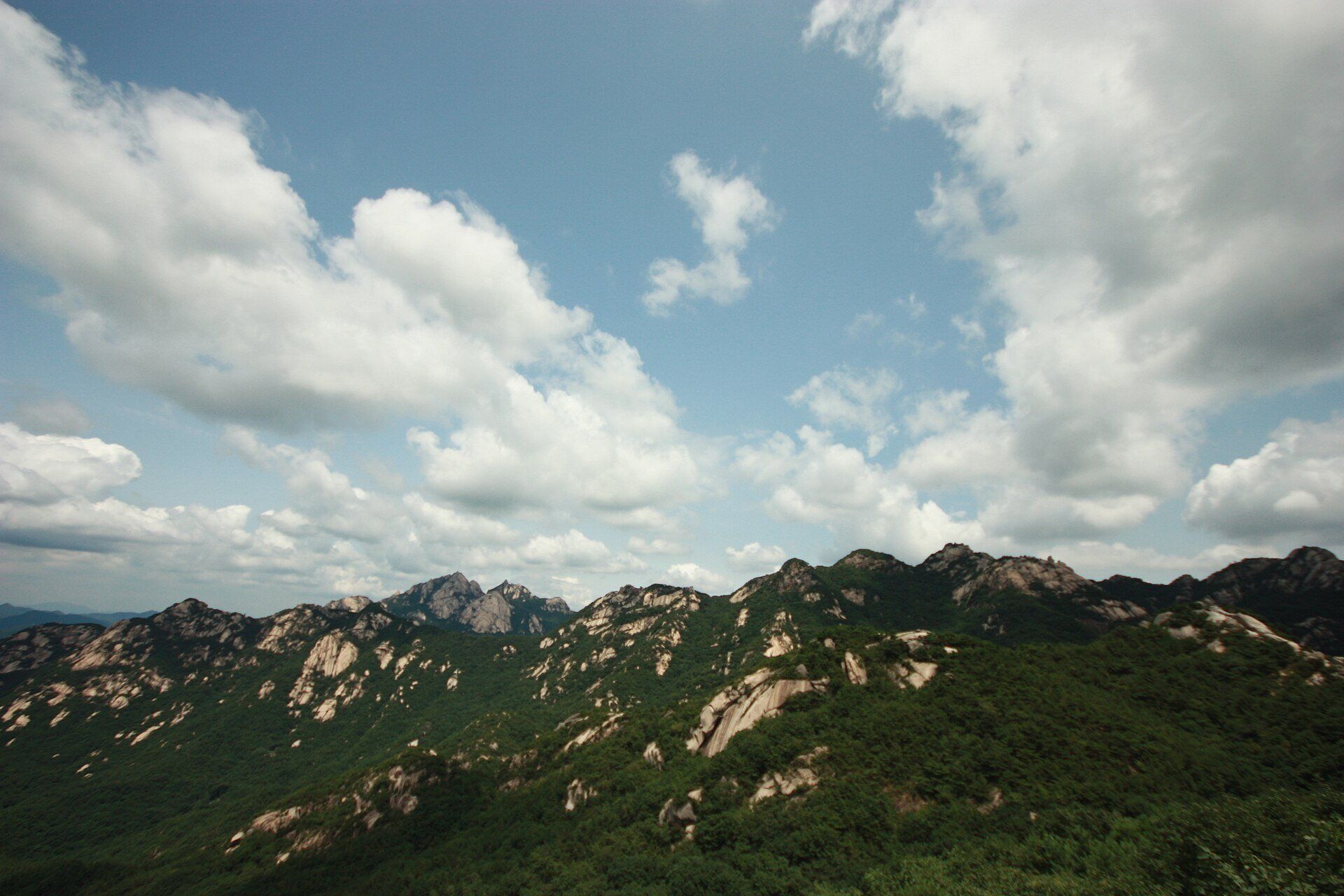
What makes it marvelous
Bukhansan National Park, established on 2 April 1983, wraps the northern edge of Seoul and spills into Gyeonggi Province. The mountain is built mainly of Jurassic granite, and uneven erosion has stripped it into bare domes, slabs and jagged crests that stand out pale against the forest. Its three highest summits cluster together: Baegundae at 836.5 m, Insubong at about 810 m — a smooth granite dome that has made Bukhansan a renowned rock-climbing destination — and Mangyeongdae. With around five million hikers a year, it is one of the most visited urban national parks in the world.
Why visit
Real granite summits and exposed scrambling, an hour's subway ride from downtown Seoul — with the whole city spread out below the top.
Still deciding?
Bukhansan National Park comes up most often against one other place — each one weighs cost, effort, season and crowds side by side.
What to know before you go
🗓️ Best time
Autumn, for colour on the slopes and crisp air for city views — though weekend queues on the summit can be long — and spring for fresh green. Weekdays are far quieter year-round.
🧭 Getting there & access
Two main trailheads are on Seoul's metro network. For the Bukhansanseong entrance, take Line 3 to Gupabal Station (exit 1), then bus 34 or 704 to the Bukhansanseong stop. For the Ui side, take the Ui-Sinseol Line to its terminus at Bukhansan Ui Station. The Dobongsan section of the park is a walk from Dobongsan Station on Lines 1 and 7.
Good to know
- The final pitch to Baegundae is a granite scramble with fixed ropes; granite is slippery when wet, so avoid it in rain.
- On autumn weekends expect long queues on the summit section — go on a weekday or start early.
- The summit is noticeably colder and windier than the city; carry a layer.
- Insubong's faces are for equipped, experienced climbers only — hikers should stick to marked trails.
Plan your visit
Moderate🧭 Getting there
From Seoul, by subway and city bus
- Subway to Gupabal Station (Line 3) or Bukhansan Ui Station (Ui-Sinseol Line)
- From Gupabal, bus 34 or 704 to the Bukhansanseong trailhead
- Hike to Baegundae and back
- Total travel
- About 1–1.5 hours from central Seoul to a trailhead by subway and bus
- Time at site
- Around 5–6 hours for the Baegundae round trip from Bukhansanseong; shorter walks along the lower valleys
- Access
- The park is open to walkers from several trailheads around northern Seoul. The last stretch to Baegundae is an exposed granite scramble with fixed ropes.
🎒 What to bring & consider
- Shoes with good grip for bare granite
- Water, snacks and a windproof layer
- Gloves help on the fixed ropes
👁️ What to expect
- Crowds
- One of the busiest urban national parks in the world, with around five million hikers a year; summit queues on autumn weekends.
- Conditions
- Forest paths and stone steps, then steep granite slabs and an exposed final scramble.
- Facilities
- Shops and eateries at the trailhead villages; little on the upper mountain.
- The view
- Insubong's bare granite dome beside Baegundae, with Seoul spread out below.
Times and requirements are approximate and change with season, weather, and local rules — confirm permits, fares, and schedules with operators before you travel.
Natural riches of the area
- Baegundae, 836.5 m, the park's highest peak
- Insubong, a bare granite dome of about 810 m famous among rock climbers
- Jurassic granite domes, slabs and crests shaped by differential erosion
- Forested slopes and the peaks of the Dobongsan section
Local food
- Pajeon and makgeolli
- Scallion pancake with milky rice wine — Korea's classic pairing, easy to find in Seoul after a day on the trail.
Few capital cities have a mountain like this on the doorstep. Bukhansan rises straight out of Seoul’s northern suburbs, its pale granite domes and serrated crests rising above the rooftops, and it was protected as a national park in 1983.
The rock is Jurassic granite, eroded unevenly into bare domes and slabs that break through the forest. The three highest summits stand close together: Baegundae, the top at 836.5 metres, the sheer dome of Insubong at about 810 metres — a magnet for rock climbers — and Mangyeongdae. The classic hike climbs from the Bukhansanseong entrance to Baegundae and back in around five to six hours, finishing with a scramble up granite slabs on fixed ropes to a summit that looks down over the whole city.
The catch is popularity. Around five million hikers come each year, and on autumn weekends the final stretch can back up for an hour or more. Come on a weekday, start early, and Bukhansan is a genuine mountain day reached by subway.
Bukhansan National Park: common questions
How do you get to Bukhansan National Park?
From Seoul, by subway and city bus: Subway to Gupabal Station (Line 3) or Bukhansan Ui Station (Ui-Sinseol Line); From Gupabal, bus 34 or 704 to the Bukhansanseong trailhead; Hike to Baegundae and back. Total travel time: About 1–1.5 hours from central Seoul to a trailhead by subway and bus.
When is the best time to visit Bukhansan National Park?
Autumn, for colour on the slopes and crisp air for city views — though weekend queues on the summit can be long — and spring for fresh green. Weekdays are far quieter year-round.
How long should you spend at Bukhansan National Park?
Around 5–6 hours for the Baegundae round trip from Bukhansanseong; shorter walks along the lower valleys. Total travel time: About 1–1.5 hours from central Seoul to a trailhead by subway and bus.
What should you bring to Bukhansan National Park?
Shoes with good grip for bare granite Water, snacks and a windproof layer Gloves help on the fixed ropes
Do you need a permit or guide for Bukhansan National Park?
The park is open to walkers from several trailheads around northern Seoul. The last stretch to Baegundae is an exposed granite scramble with fixed ropes.
Is Bukhansan National Park crowded, and what are conditions like?
One of the busiest urban national parks in the world, with around five million hikers a year; summit queues on autumn weekends. Forest paths and stone steps, then steep granite slabs and an exposed final scramble. Facilities: Shops and eateries at the trailhead villages; little on the upper mountain.
Added
More wonders to explore
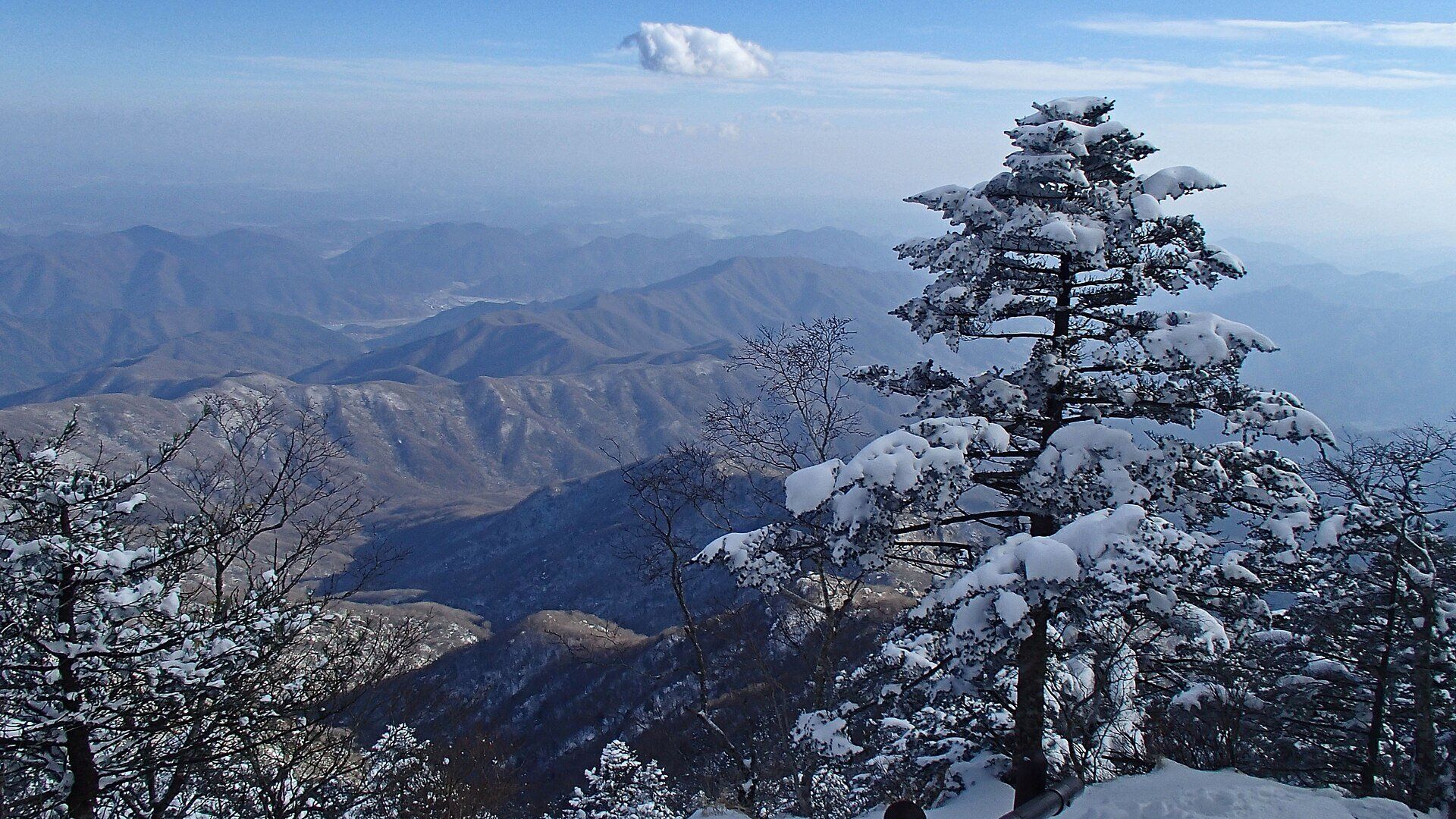
Jirisan National Park
Sobaek Mountains, spanning South Jeolla, North Jeolla and South Gyeongsang provinces, South Korea, near Gurye, Namwon and Hamyang
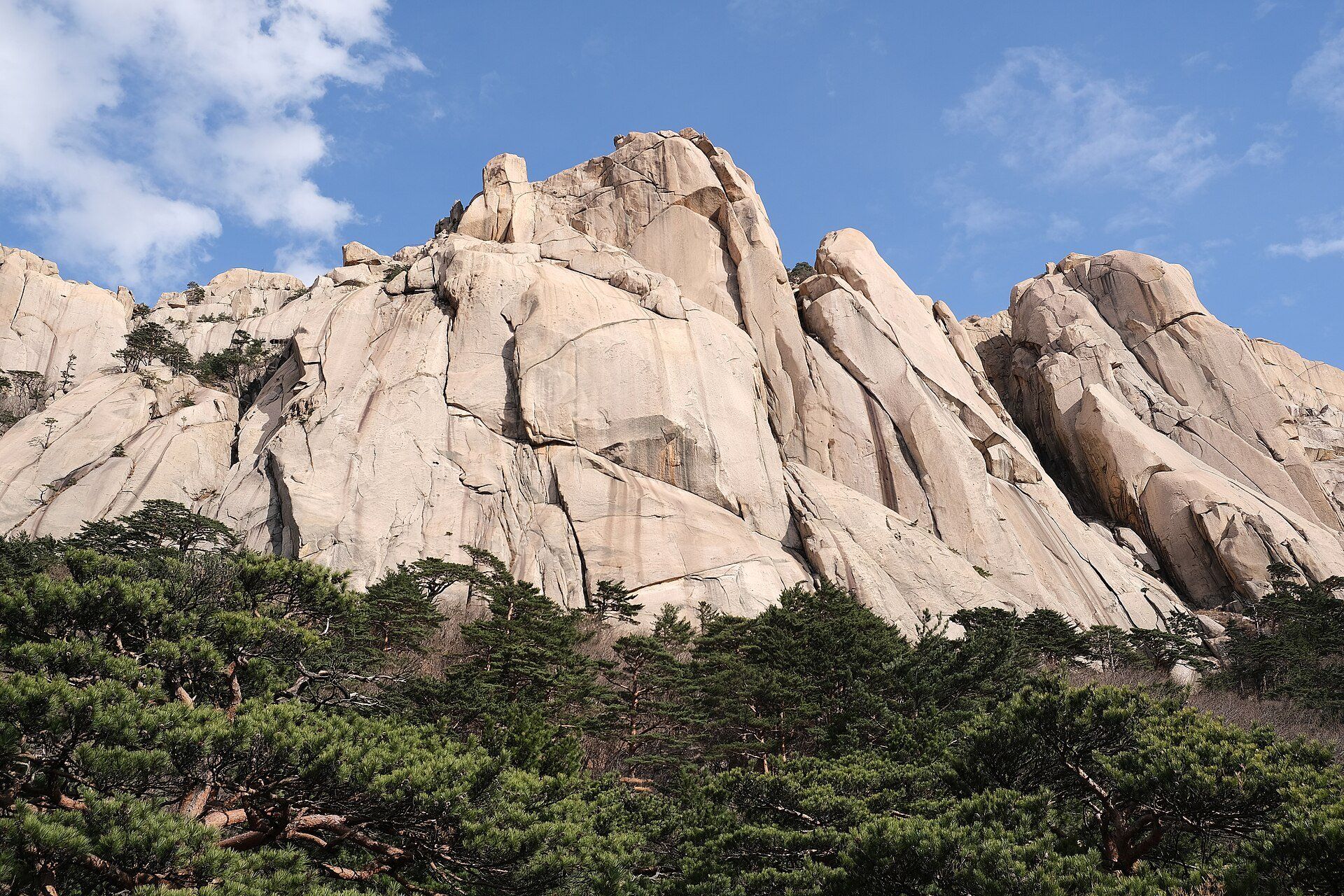
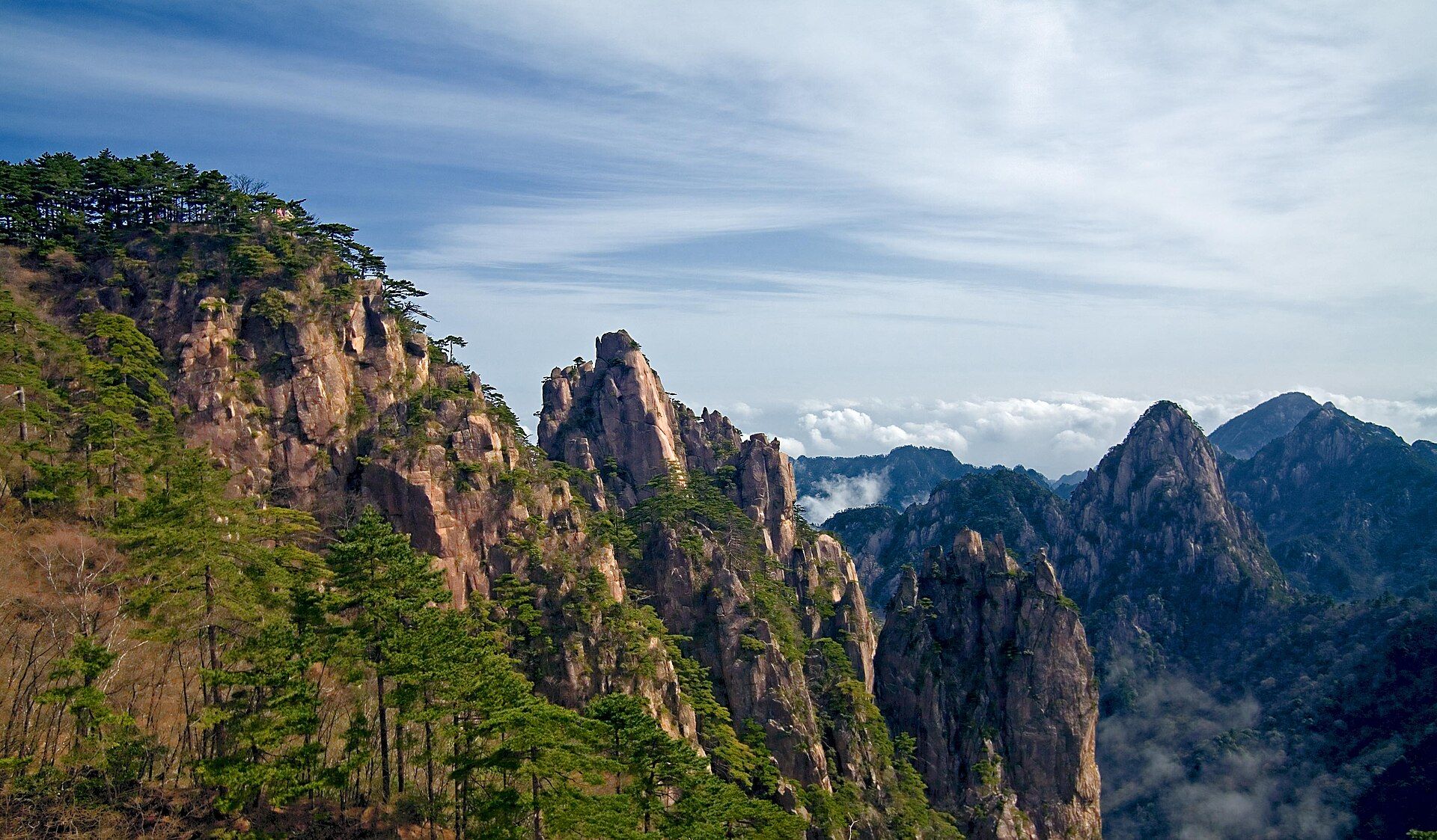
Ala Archa National Park
Kyrgyz Ala-Too range, about 35 km south of Bishkek, Kyrgyzstan