The Three Gorges
📍 Chongqing & Hubei, China
A 200-kilometre procession of sheer limestone gorges where the Yangtze — Asia's greatest river — cuts between cliffs rising a thousand metres, long celebrated in Chinese poetry and painting.
What makes it marvelous
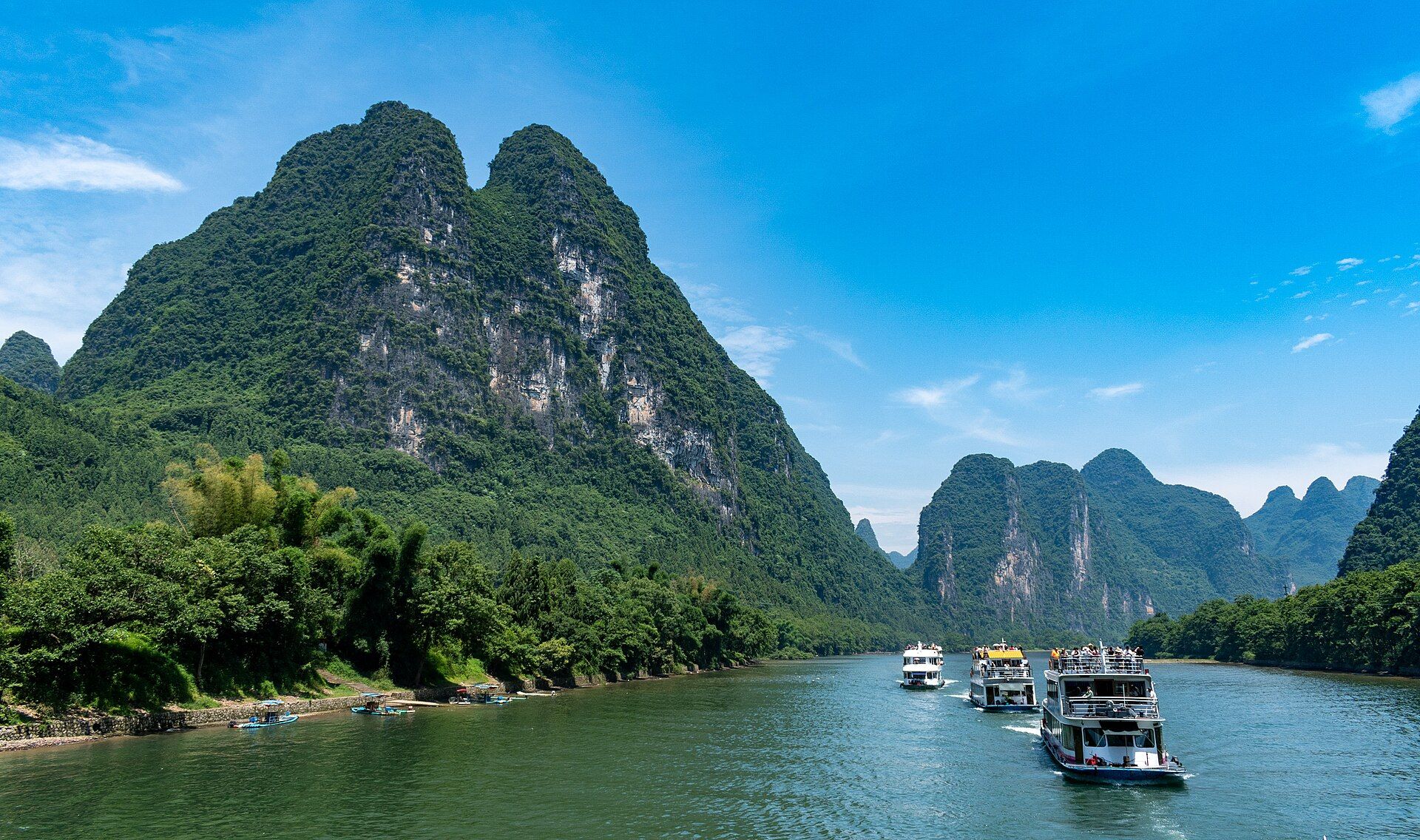
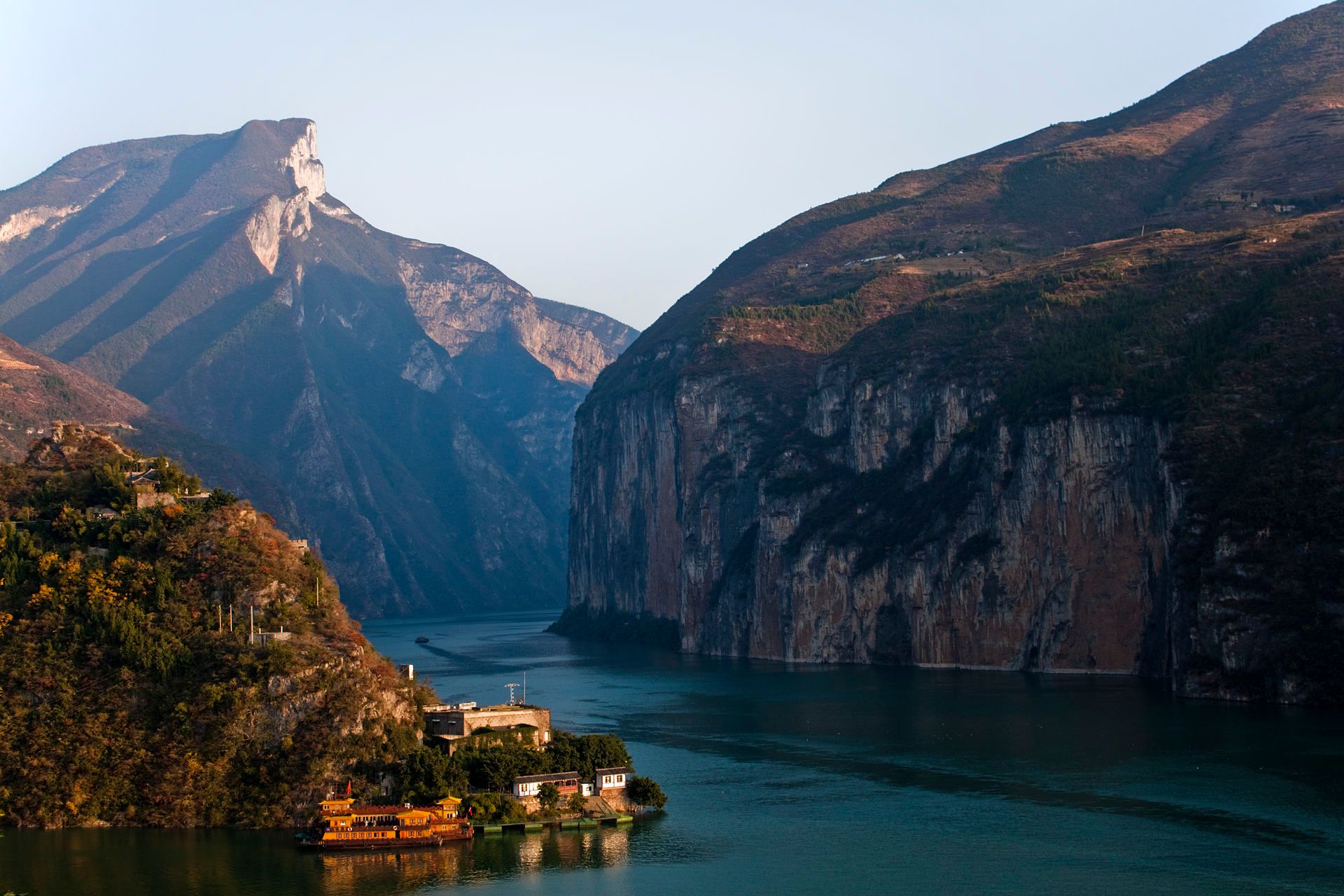
Where the Yangtze leaves the Sichuan Basin it slices through a great limestone barrier, carving the Three Gorges — Qutang, Wu, and Xiling — across roughly 200 kilometres of dramatic river country. Cliffs climb as much as a thousand metres straight from the water; the Qutang is the shortest and most abrupt, its entrance framed by towering rock walls, while the Wu Gorge winds beneath twelve mist-wrapped peaks that have been painted and versed for well over a millennium. The Yangtze is the longest river in Asia and the third longest on Earth, and this stretch has been its most storied and most feared, a corridor of rapids that boatmen once hauled through by rope. The gorges remain among the most celebrated landscapes in Chinese culture, best seen from the deck of a river boat as the walls close in.
Why visit
Sailing between cliffs that rise a thousand metres from the water — through landscapes that shaped a thousand years of Chinese poetry and painting — is one of the world's great river journeys, at once scenic and steeped in culture.
What to know before you go
🗓️ Best time
Spring and autumn (roughly April–May and September–October) for mild weather and atmospheric mist; summer is hot and hazy, winter cool but clear.
🧭 Getting there & access
Along the Yangtze between Chongqing and Yichang in central China; the standard way to see the gorges is a multi-day river cruise, with side trips into narrower tributary gorges by smaller boat.
Good to know
- Take a multi-day cruise between Chongqing and Yichang for the full run.
- Come in spring or autumn for the clearest air and classic mist.
- Add a small-boat trip into the narrow tributary gorges for intimacy and scale.
Plan your visit
Easy🧭 Getting there
From Chongqing or Yichang, China
- Fly or take the high-speed train to Chongqing to start downstream, or Yichang to go upstream
- Board a multi-day Yangtze cruise through the Qutang, Wu and Xiling gorges
- Side-trip by smaller boat into the Lesser Three Gorges, and visit the Three Gorges Dam
- Total travel
- A multi-day river cruise between Chongqing and Yichang
- Time at site
- Three to four nights on the river
- Access
- The gorges are seen from a Yangtze cruise, booked end to end between Chongqing and Yichang — the ships range from basic domestic boats to international-standard vessels, and which you pick shapes the trip more than anything. The great dam downstream raised the river level decades ago, which drowned some old scenery and made the gorges gentler and the shipping locks and ship-lift a sight in themselves. Excursions off the main boat — into the Lesser Three Gorges, to Shibaozhai — are usually included or offered onboard. Winter is low, misty and cold; spring and autumn are the popular windows.
🎒 What to bring & consider
- A cruise booked to suit you, since the standard of ship — domestic to international — makes or breaks a multi-day trip like this
- Layers for the river, which is cool, damp and misty in the gorges even when the cities are warm
- A relaxed acceptance that this is a cruise, with fixed schedules and group excursions rather than independent wandering
- Motion-sickness precautions if you are sensitive, though the river is far gentler than open sea
- A little cash for onboard extras and the optional side-trips ashore
👁️ What to expect
- Crowds
- You travel with your ship's complement; the shore stops and the dam viewing areas can be busy.
- Conditions
- Calm river cruising through steep gorges, often hazy or misty, cooler than the surrounding land.
- Facilities
- Full onboard — cabins, dining, guides. Shore excursions are organised for you.
- The view
- The sheer walls of the Qutang Gorge — the stretch on the back of the 10-yuan note — closing in over the river at dawn, when mist still hangs between the cliffs before the day's haze thickens.
Times and requirements are approximate and change with season, weather, and local rules — confirm permits, fares, and schedules with operators before you travel.
Natural riches of the area
- Roughly 200 km of limestone gorges on the Yangtze
- Cliffs rising up to ~1,000 m above the river
- Asia's longest river and its immense drainage basin
- A landscape central to Chinese art and poetry for over a millennium
Local food
- Chongqing hotpot
- The fiery, numbing hotpot of the upper Yangtze, thick with Sichuan pepper.
- Yangtze river fish
- Freshwater fish, steamed or braised, a staple along the river.
- Hubei & Sichuan cooking
- Bold regional flavours from the provinces the gorges divide.
Where the Yangtze escapes the Sichuan Basin, it saws straight through a wall of limestone, carving the Three Gorges — Qutang, Wu, and Xiling — across roughly 200 kilometres of spectacular river country. In places the cliffs rise a thousand metres directly from the water. The Qutang is the shortest and most abrupt, its entrance framed by sheer rock gates; the Wu Gorge winds beneath twelve mist-shrouded peaks that Chinese poets and painters have celebrated for well over a thousand years.
This is the greatest river in Asia — the third longest on Earth — at its most storied and, historically, most feared, a corridor of rapids that boatmen once hauled their vessels through by rope from the banks. Today the classic way to experience it is from the deck of a river boat, watching the walls close in and the mist drift across the peaks, on one of the world’s most culturally resonant river journeys.
The Three Gorges: common questions
How do you get to The Three Gorges?
From Chongqing or Yichang, China: Fly or take the high-speed train to Chongqing to start downstream, or Yichang to go upstream; Board a multi-day Yangtze cruise through the Qutang, Wu and Xiling gorges; Side-trip by smaller boat into the Lesser Three Gorges, and visit the Three Gorges Dam. Total travel time: A multi-day river cruise between Chongqing and Yichang.
When is the best time to visit The Three Gorges?
Spring and autumn (roughly April–May and September–October) for mild weather and atmospheric mist; summer is hot and hazy, winter cool but clear.
How long should you spend at The Three Gorges?
Three to four nights on the river. Total travel time: A multi-day river cruise between Chongqing and Yichang.
What should you bring to The Three Gorges?
A cruise booked to suit you, since the standard of ship — domestic to international — makes or breaks a multi-day trip like this Layers for the river, which is cool, damp and misty in the gorges even when the cities are warm A relaxed acceptance that this is a cruise, with fixed schedules and group excursions rather than independent wandering Motion-sickness precautions if you are sensitive, though the river is far gentler than open sea A little cash for onboard extras and the optional side-trips ashore
Do you need a permit or guide for The Three Gorges?
The gorges are seen from a Yangtze cruise, booked end to end between Chongqing and Yichang — the ships range from basic domestic boats to international-standard vessels, and which you pick shapes the trip more than anything. The great dam downstream raised the river level decades ago, which drowned some old scenery and made the gorges gentler and the shipping locks and ship-lift a sight in themselves. Excursions off the main boat — into the Lesser Three Gorges, to Shibaozhai — are usually included or offered onboard. Winter is low, misty and cold; spring and autumn are the popular windows.
Is The Three Gorges crowded, and what are conditions like?
You travel with your ship's complement; the shore stops and the dam viewing areas can be busy. Calm river cruising through steep gorges, often hazy or misty, cooler than the surrounding land. Facilities: Full onboard — cabins, dining, guides. Shore excursions are organised for you.
Added Updated
More wonders to explore