Best of · volcanoes
The 23 Most Beautiful Volcanoes in the World to Visit
23 places · every one real, mapped, and worth the trip
A volcano is the Earth showing its work — a mountain that builds itself, sometimes while you watch. The best to visit range from serene, perfectly formed cones to craters that glow red at night, and from a lava lake you can peer into to a caldera you sail across. This is our editors' pick, loosely ordered by the strength of the spectacle.
Volcanic conditions change fast, so treat every alert level as live: each guide points at the monitoring authority rather than a frozen snapshot, and none of this is a substitute for official access and safety information on the day.
-
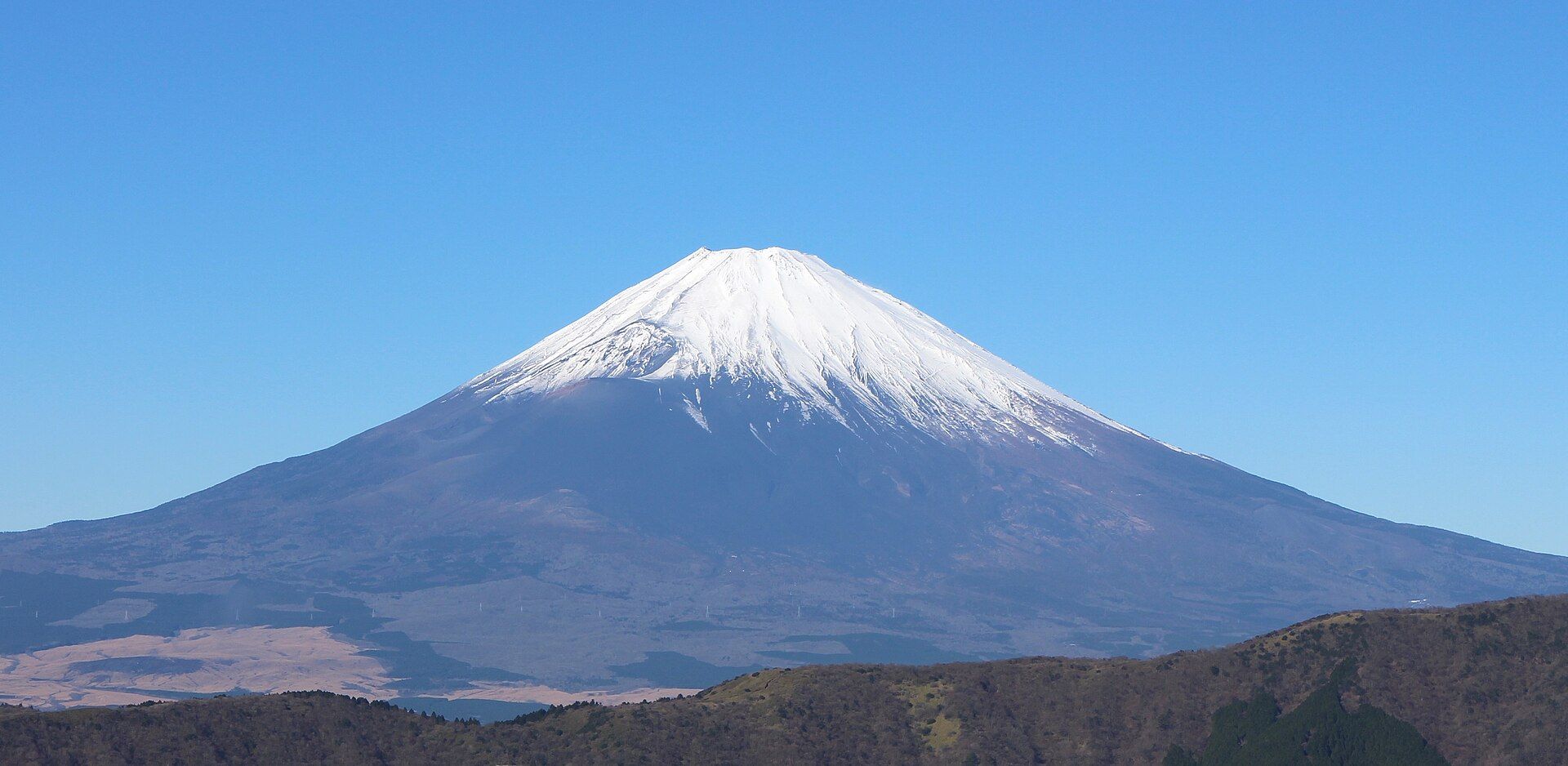
Mount Fuji The perfect cone
Honshū, Japan
Japan's snow-capped symbol — a near-flawless volcanic cone rising alone above the plains, climbed in summer and admired year-round from the lakes at its foot.
-
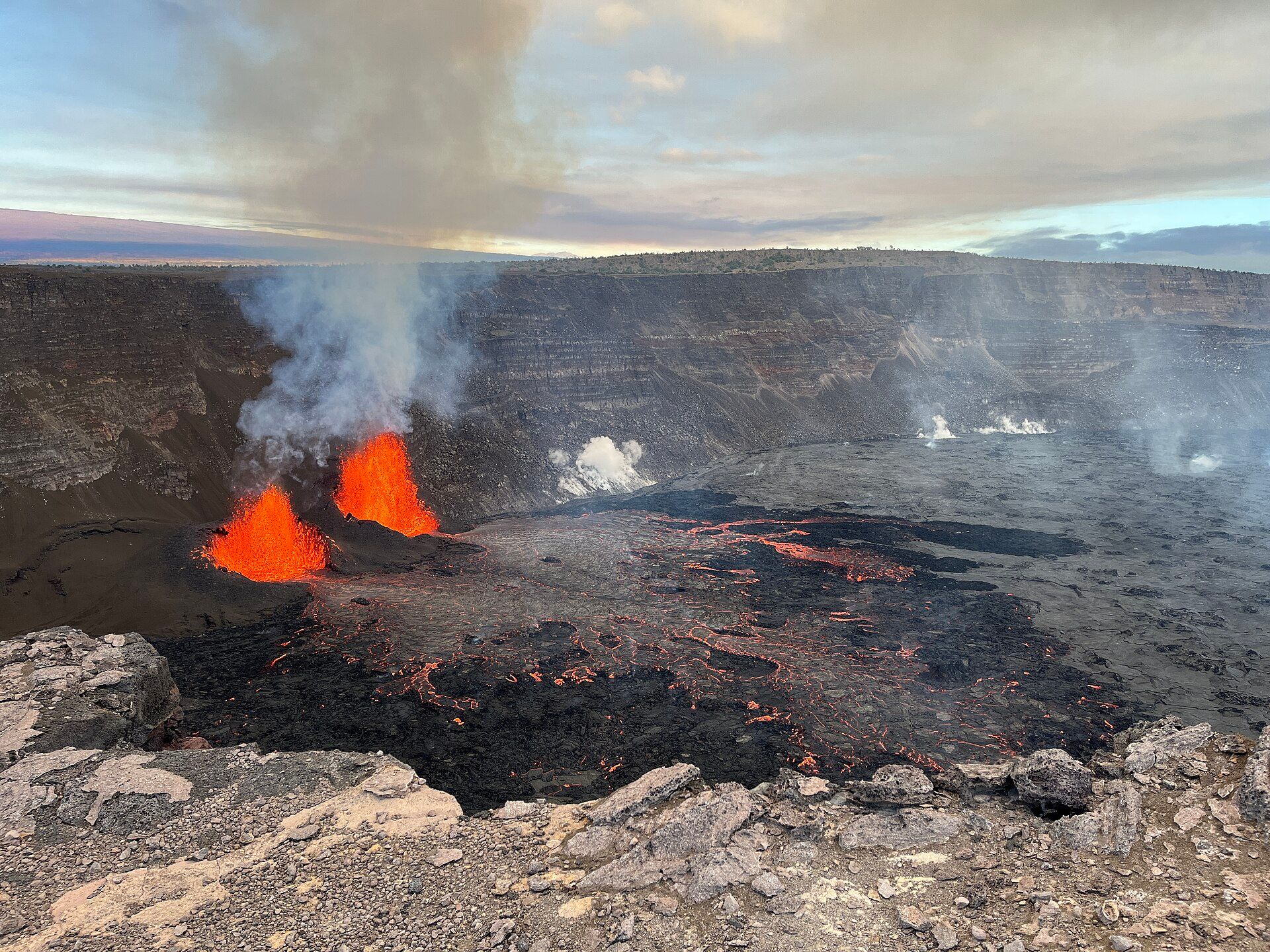
Kīlauea Among the most active
Island of Hawaiʻi, United States
One of the most active volcanoes on Earth, where fresh lava has repeatedly reshaped Hawai'i — its glowing crater visible from safe viewpoints in the national park during eruptions.
-
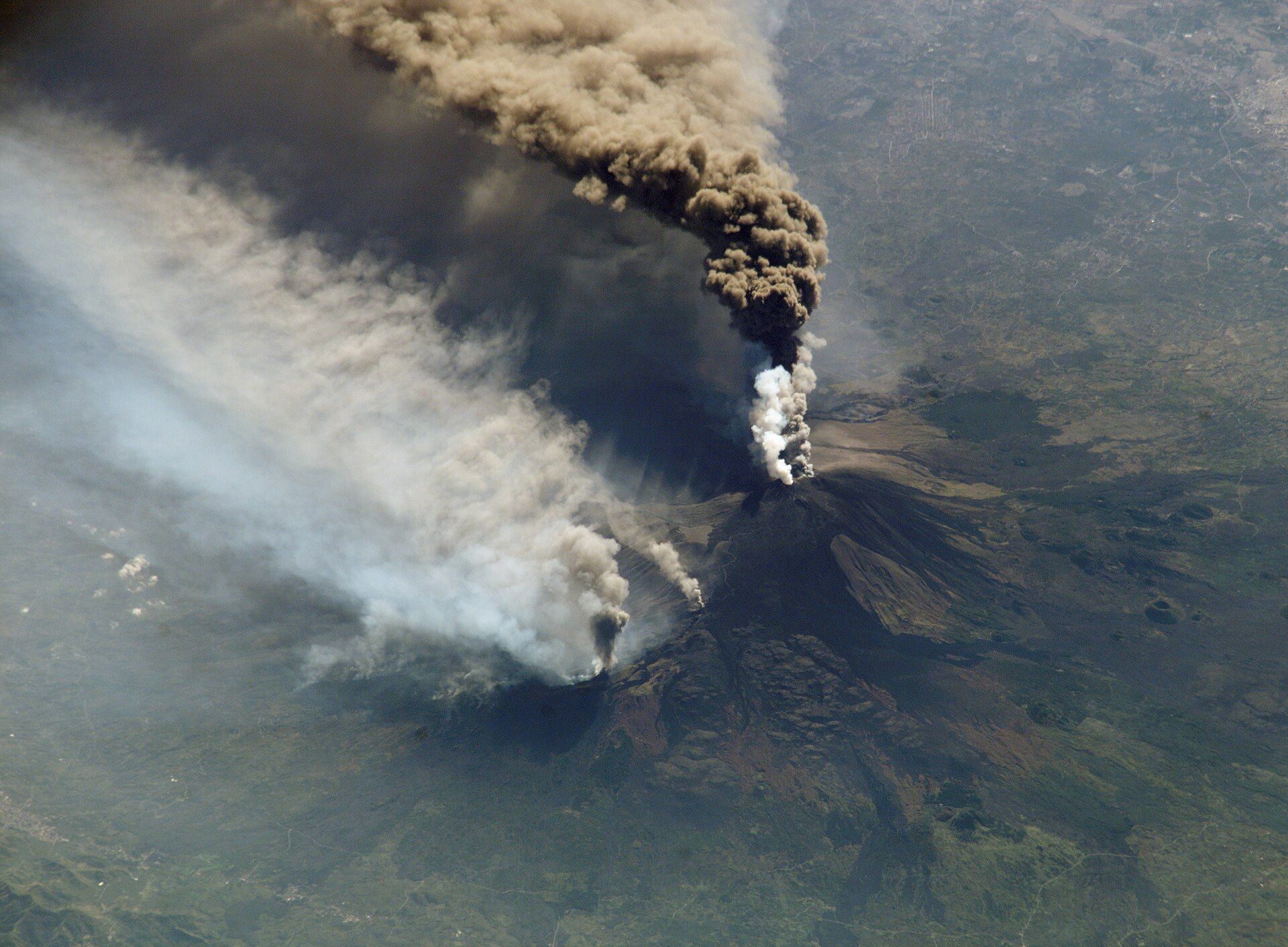
Mount Etna Europe's giant
Sicily, Southern Italy
The largest and most active volcano in Europe, looming over eastern Sicily with near-constant summit activity, lava fields, and cable-car access up its flanks.
-
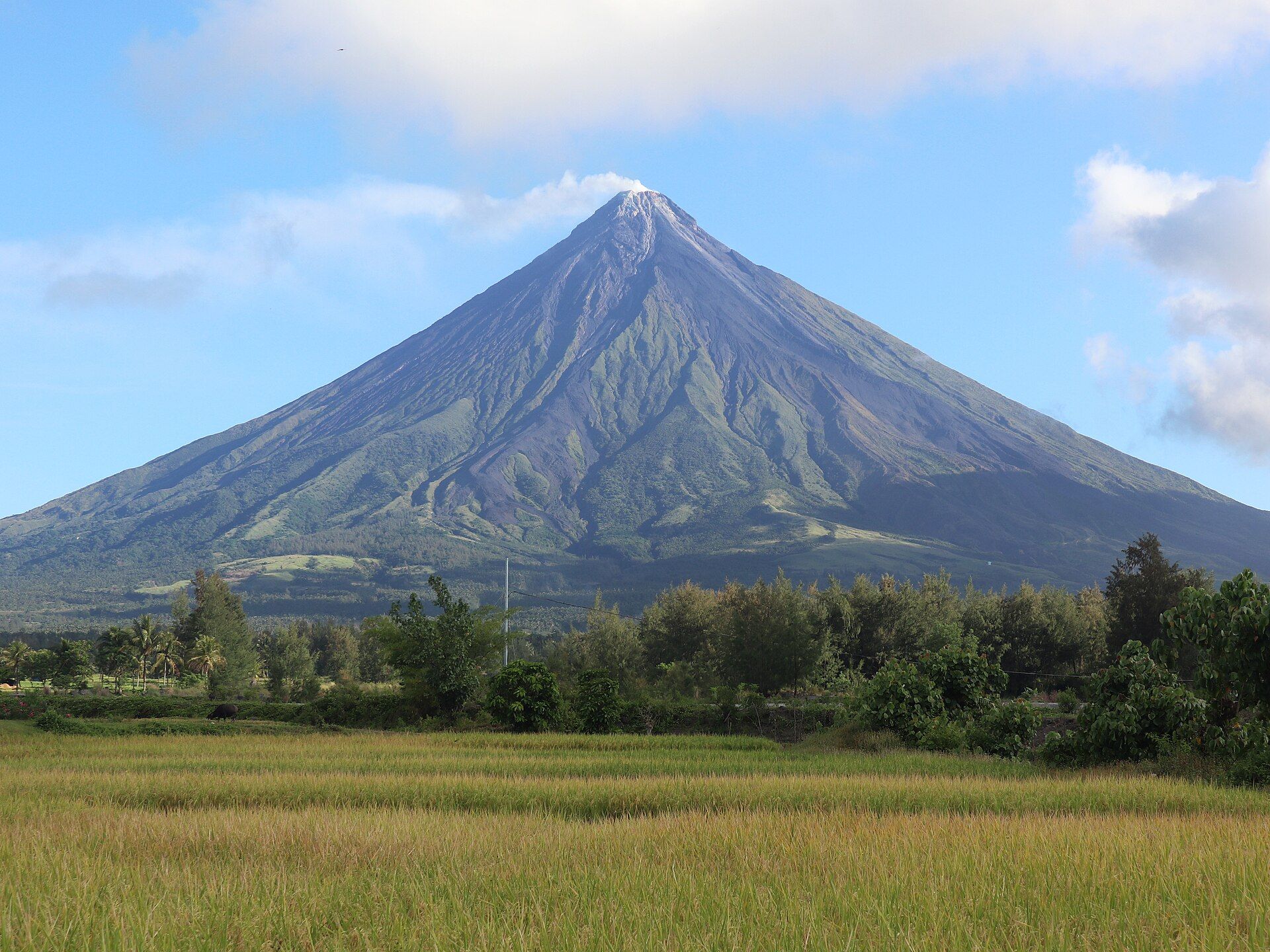
Mayon Volcano Near-perfect symmetry
Albay, Bicol Region, Philippines
Famed for one of the most symmetrical cones in the world, this Philippine stratovolcano rises in a flawless sweep above Albay — beautiful, and one of the country's most active.
-
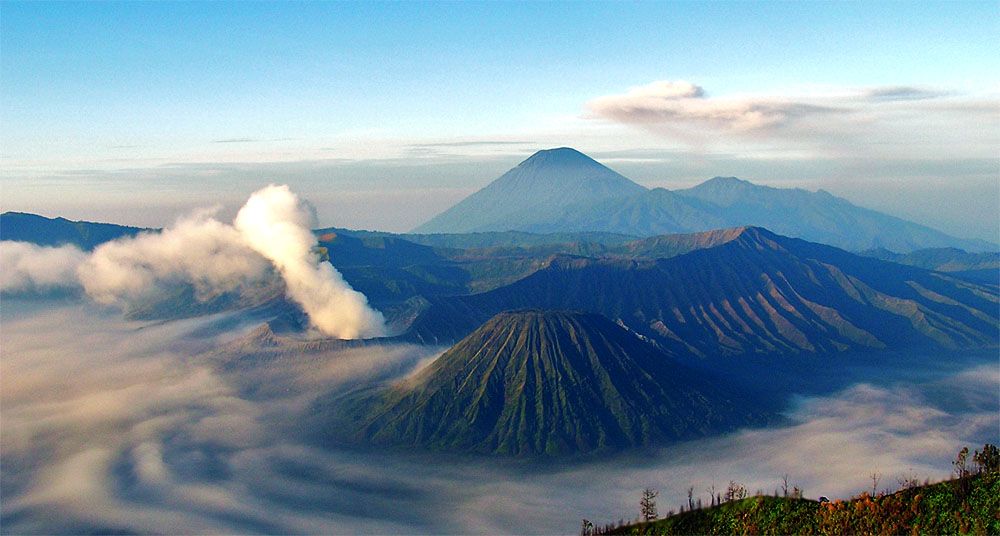
Mount Bromo
East Java, Indonesia
A smoking cone rising from a vast 'Sea of Sand' caldera in Java, best at dawn when the whole volcanic massif floats above the mist.
-
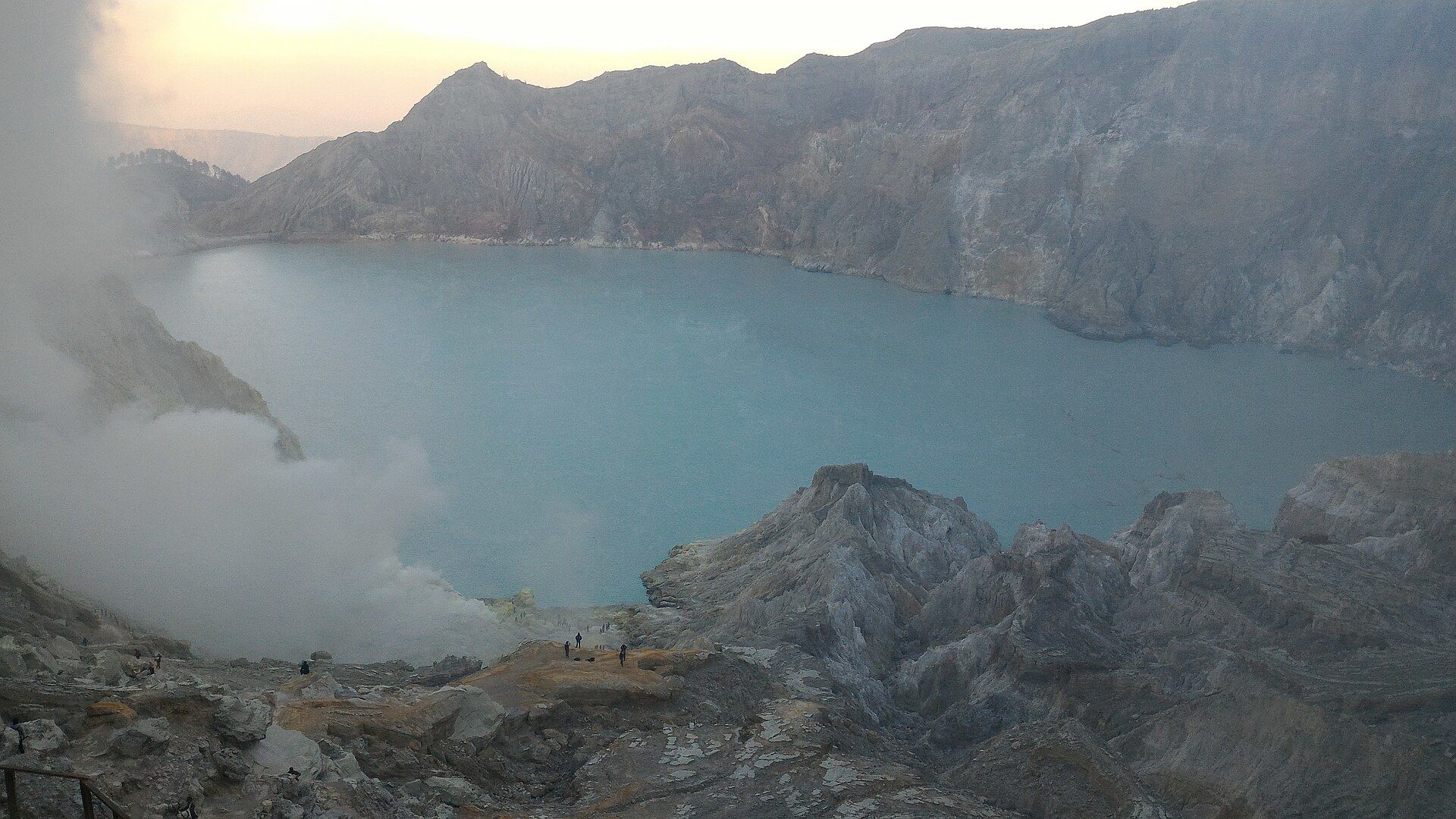
Kawah Ijen
East Java, Indonesia
An Indonesian crater famous for electric-blue flames of burning sulphurous gas at night and a turquoise acid lake by day, worked by sulphur miners.
-
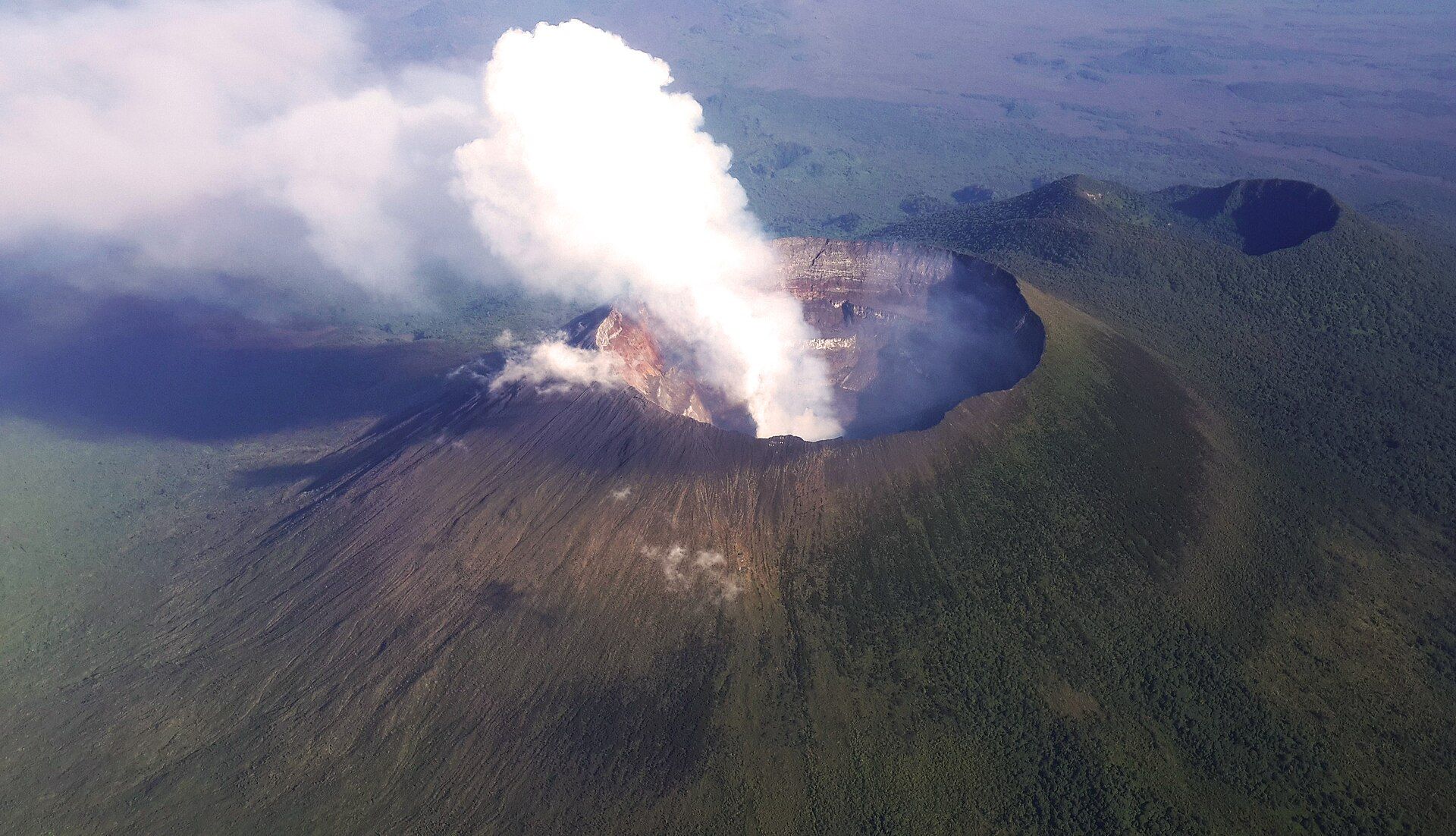
Nyiragongo
Virunga, eastern DR Congo
Home to one of the world's largest lava lakes, churning red in the crater of a Congolese volcano — an overnight climb to a rim glowing against the dark.
-
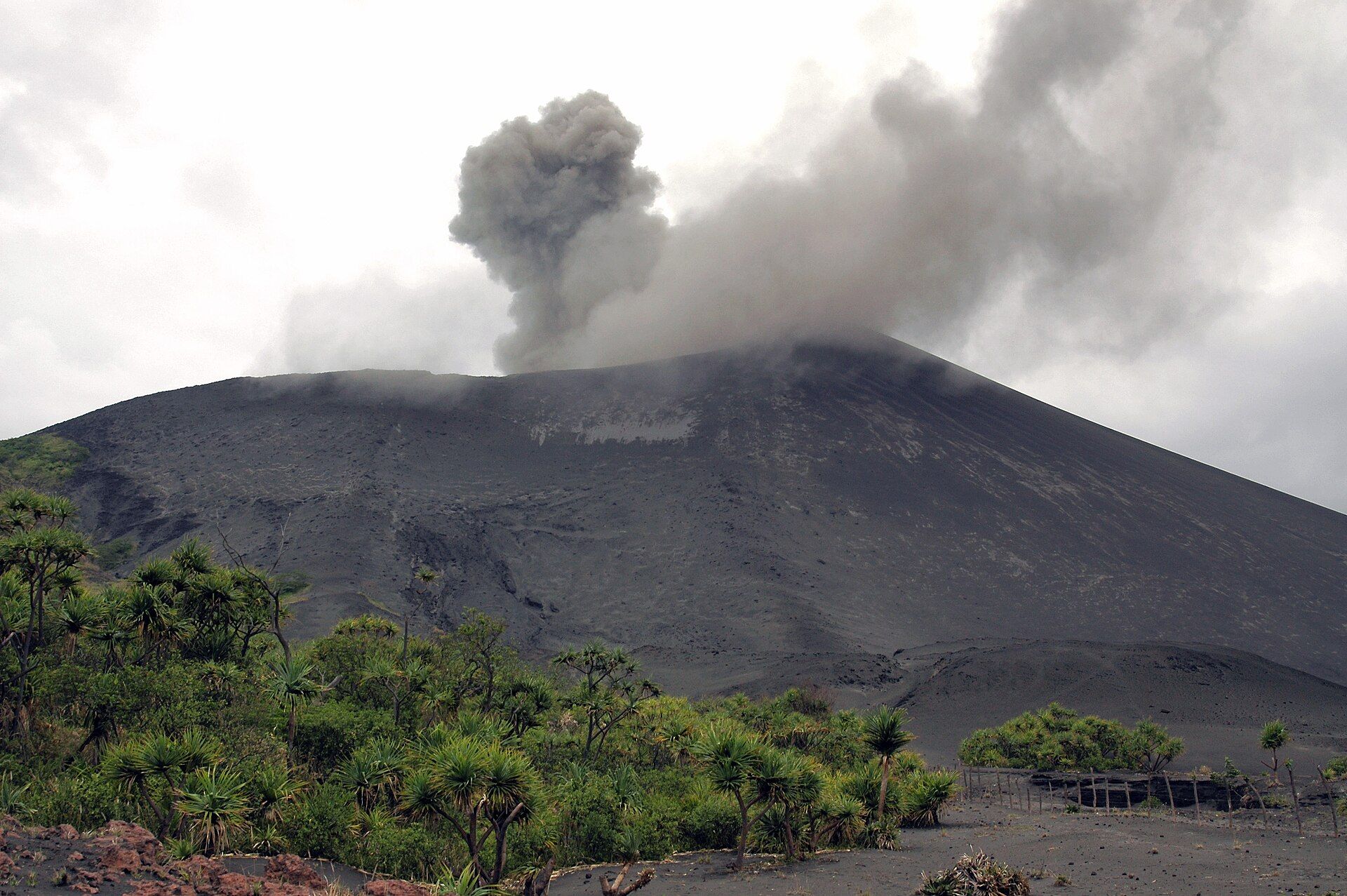
Mount Yasur
Tanna Island, Vanuatu
One of the world's most accessible active volcanoes, on Vanuatu's Tanna Island, where you can stand near the rim and watch it hurl glowing rock into the night sky.
-
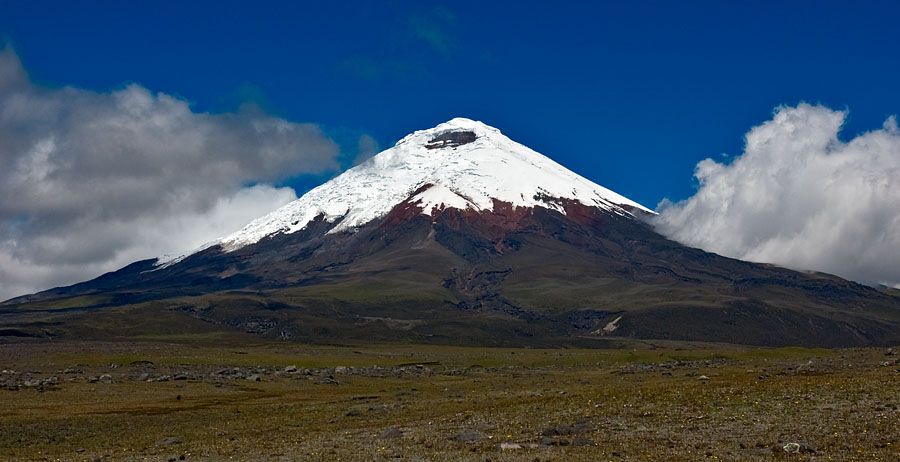
Cotopaxi
Cotopaxi Province, Ecuador
A glacier-clad, near-symmetrical Andean cone soaring above the Ecuadorian páramo — one of the world's highest active volcanoes and the centrepiece of its own national park.
-
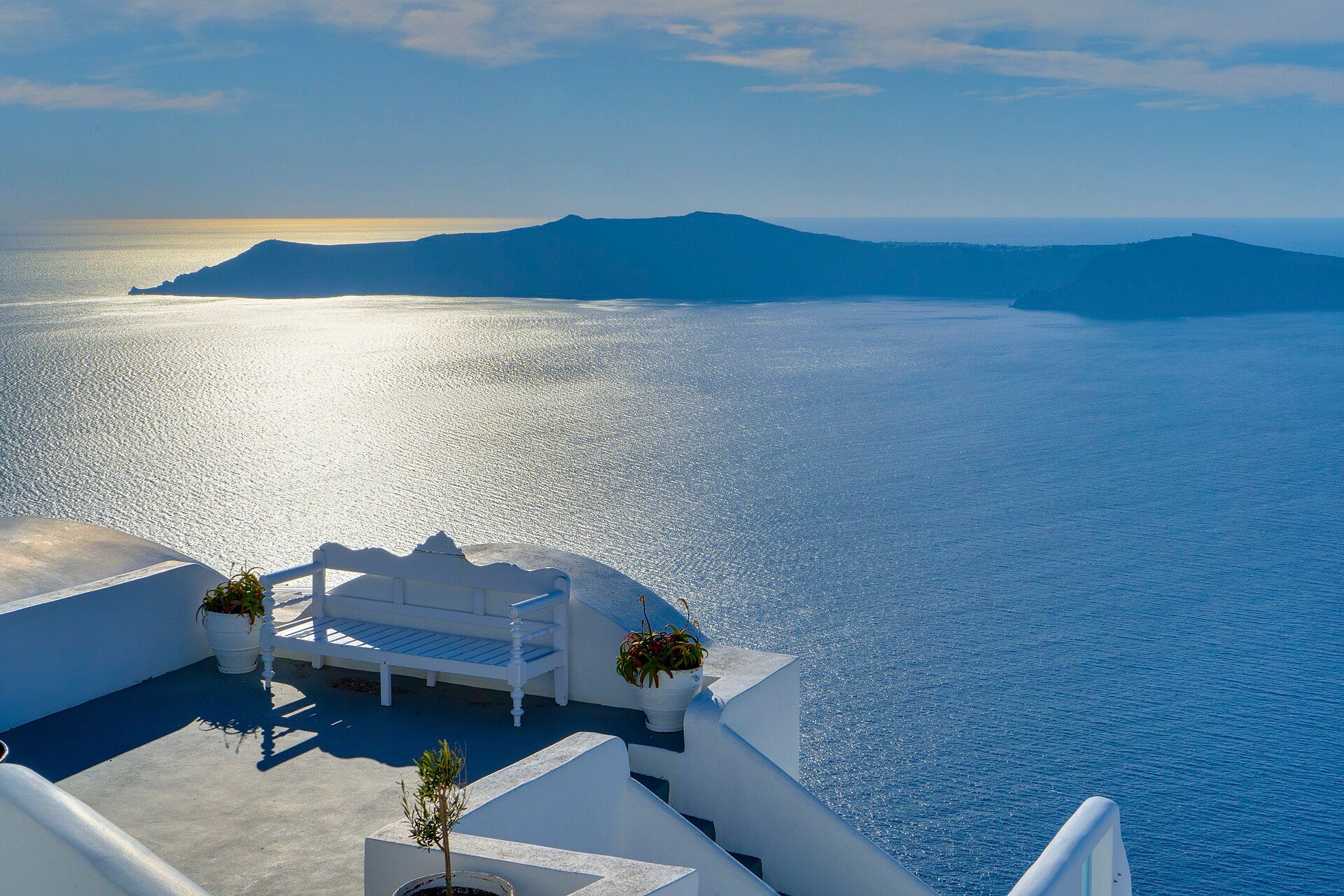
Santorini Caldera
Cyclades, Aegean Sea, Greece
A drowned volcanic caldera in the Aegean whose eruption reshaped the ancient world — today its cliffs are crowned by white villages above the deep-blue crater bay.
-
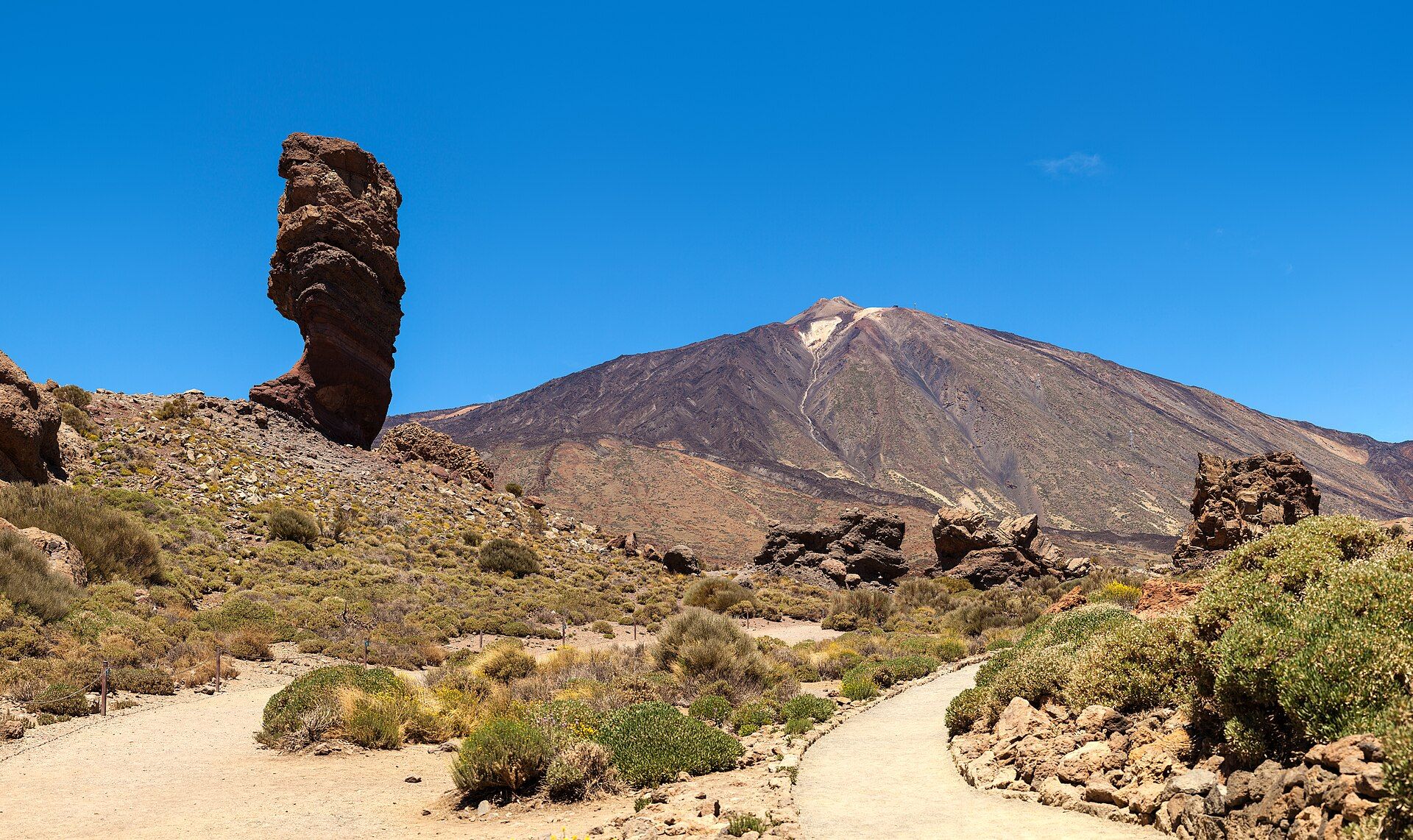
Mount Teide
Tenerife, Canary Islands, Spain
Spain's highest peak, a volcano on Tenerife rising above a surreal high-altitude crater of lava fields and rock towers, reached by cable car.
-
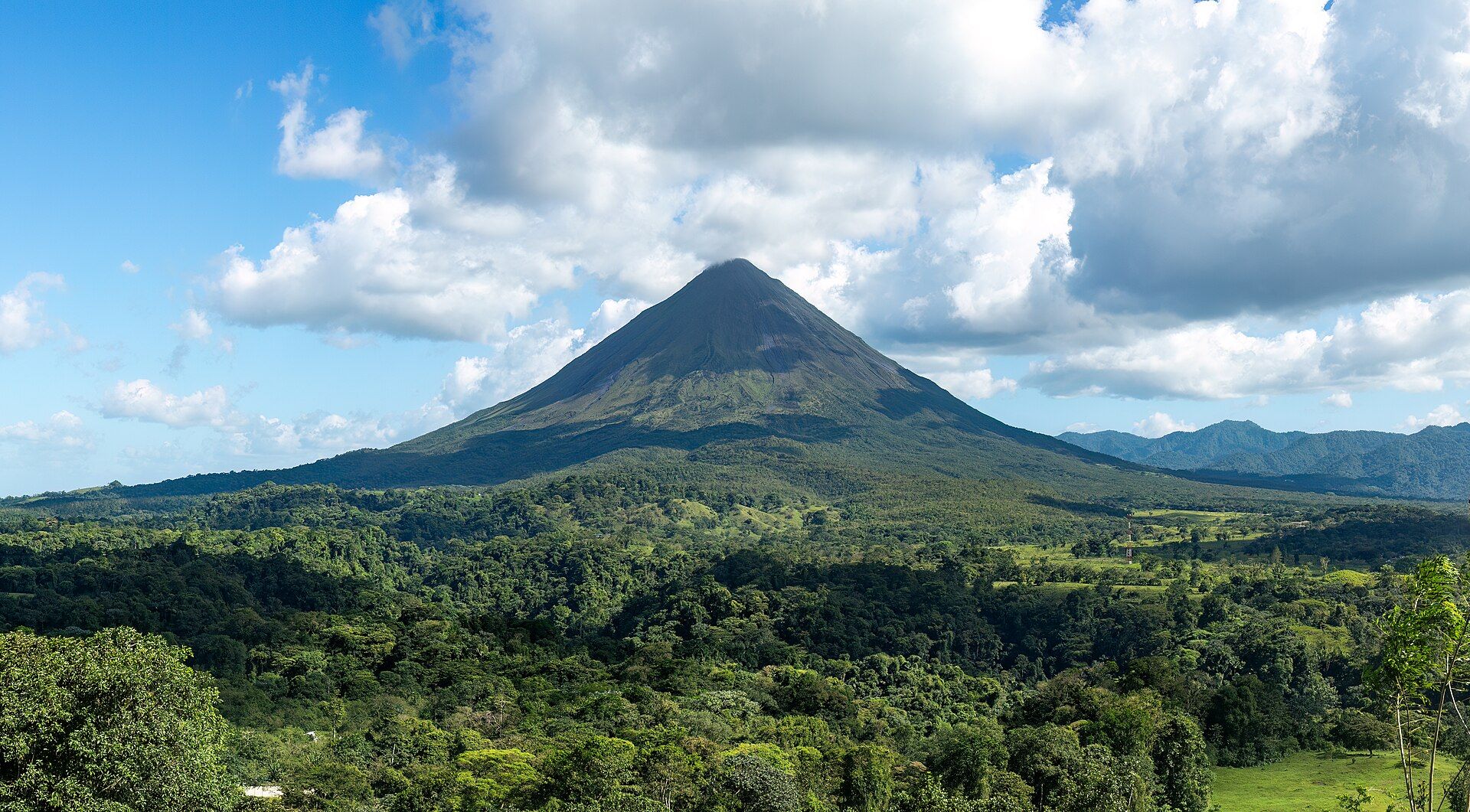
Arenal Volcano
Alajuela, northern Costa Rica
Costa Rica's classic cone, wrapped in rainforest and hot springs — long the country's most active volcano and still its most photogenic silhouette.
-
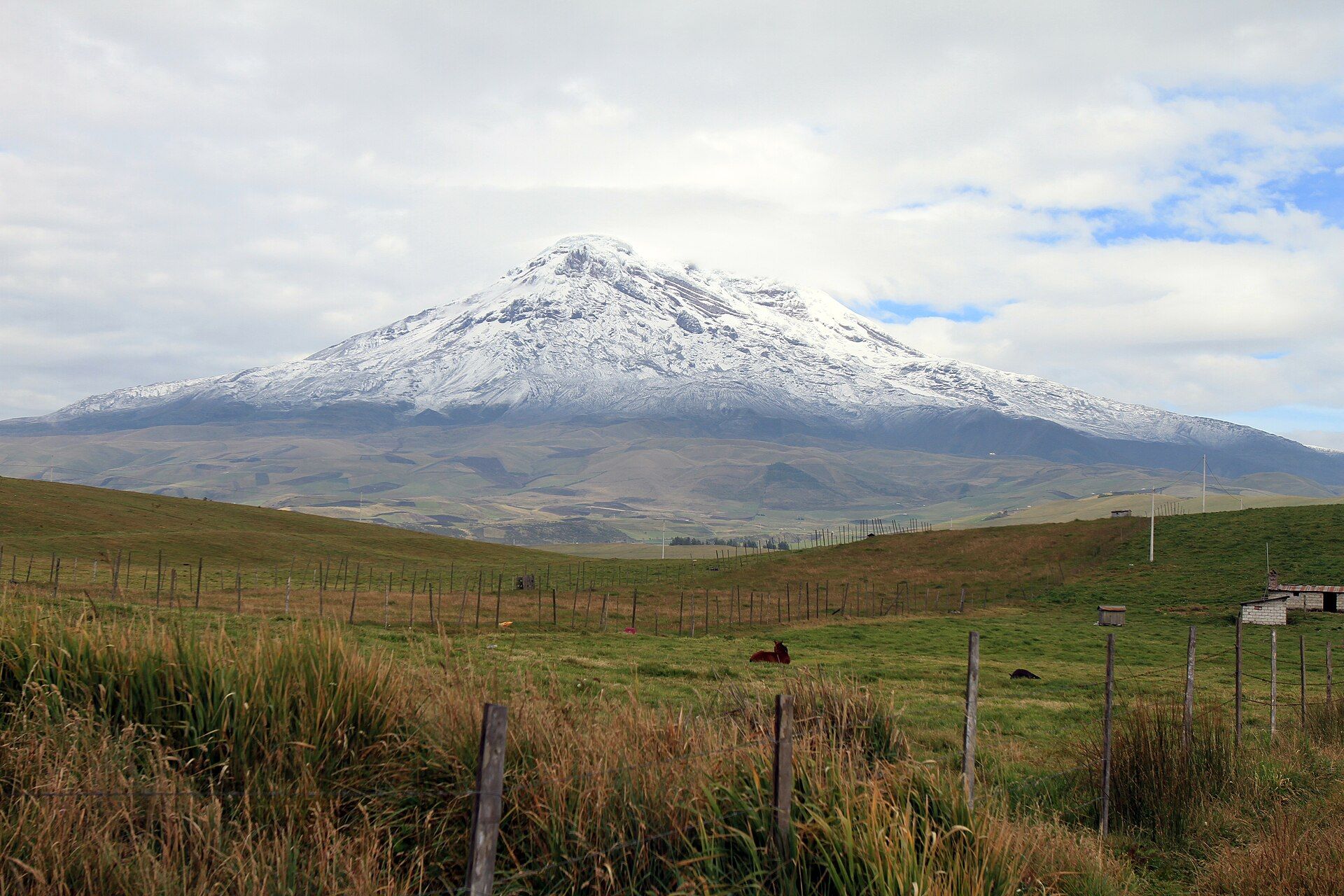
Chimborazo
Chimborazo Province, Ecuador, near Riobamba
An ice-capped volcano where a road climbs to 4,850 m and vicuñas graze the páramo below the summit.
-
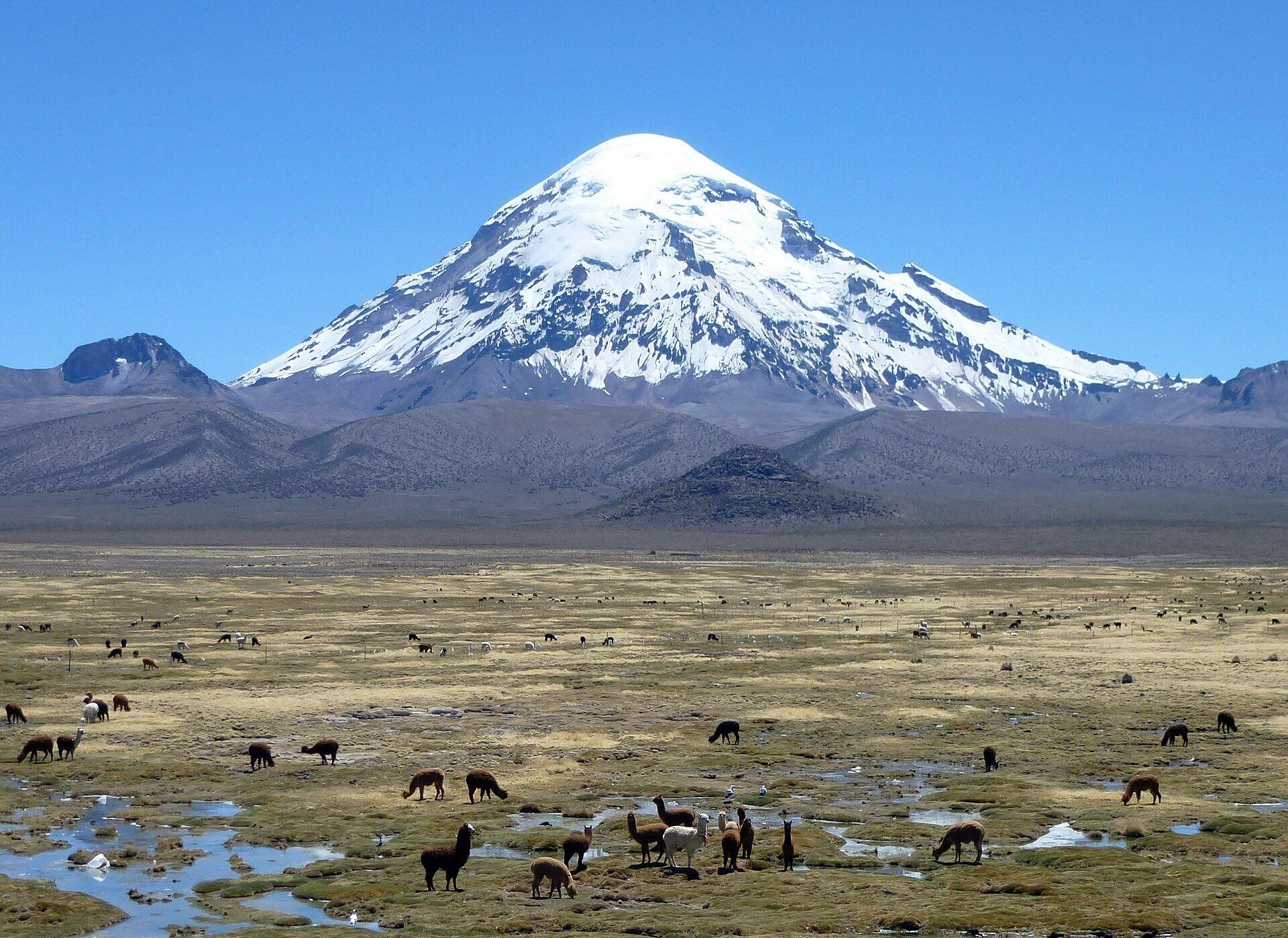
Sajama National Park
Western Altiplano, Oruro Department, Bolivia, on the border with Chile
Nevado Sajama, at 6,542 m Bolivia's highest peak, stands alone above the altiplano with the twin Payachata volcanoes on the Chilean border nearby.
-
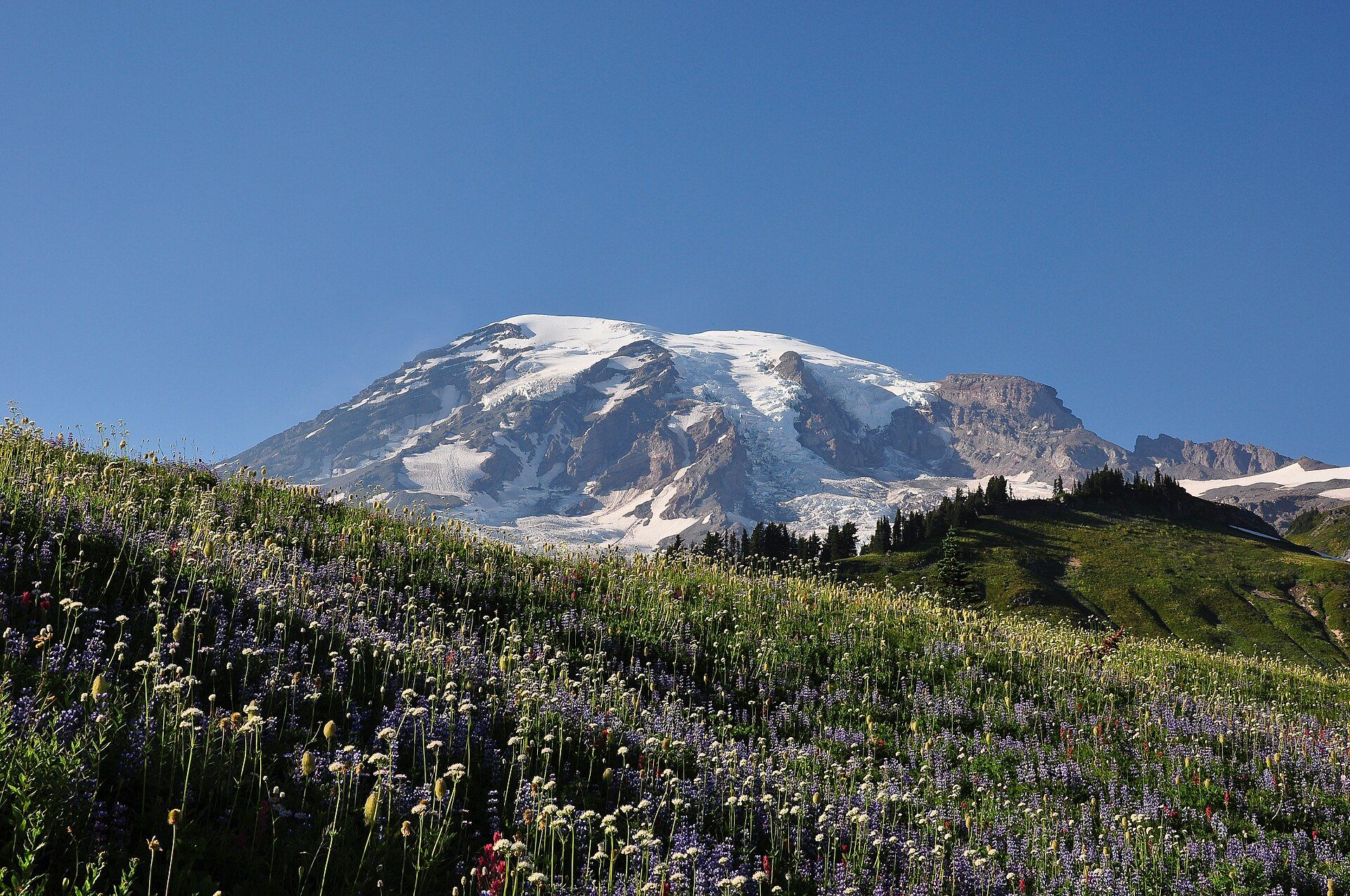
Mount Rainier
Cascade Range, western Washington, USA, about 65 miles southeast of the Seattle–Tacoma area
The most hazardous volcano in the Cascades, its 14,410-ft summit capped by 28 glaciers; a national park since 1899, with meadow trails at Paradise and Sunrise.
-
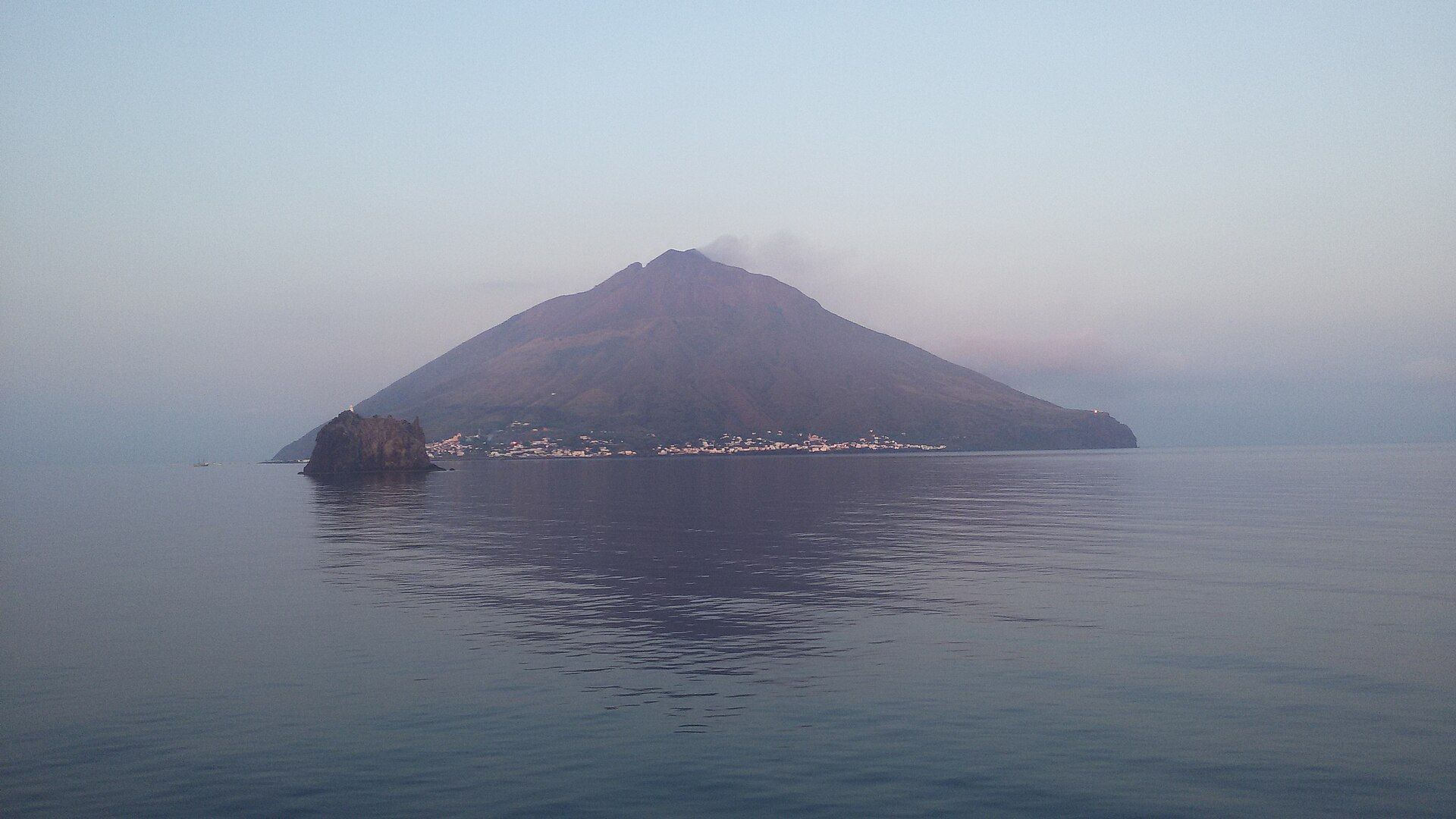
Stromboli
Aeolian Islands, Tyrrhenian Sea, off the north coast of Sicily, Italy
An island volcano that has erupted in small bursts of gas and glowing lava for at least 2,000 years, giving 'Strombolian' eruptions their name; climbs above 400 m are guide-only.
-
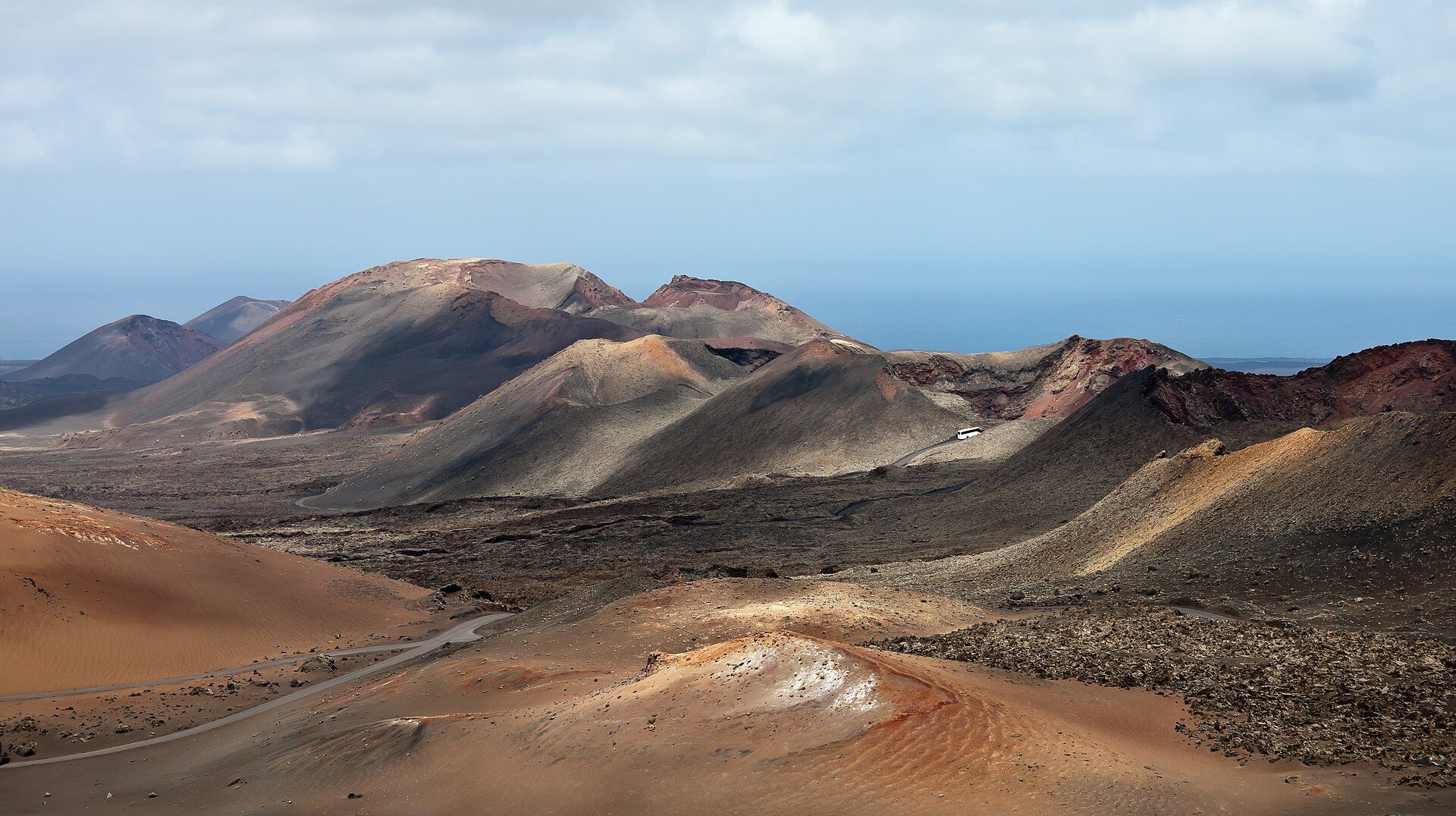
Timanfaya National Park
South-west Lanzarote, Canary Islands, Spain, in the municipalities of Yaiza and Tinajo
Lanzarote's lava fields and cinder cones from the 1730–1736 eruptions, where the ground 13 m down still reaches 610°C; seen by coach on the Ruta de los Volcanes.
-
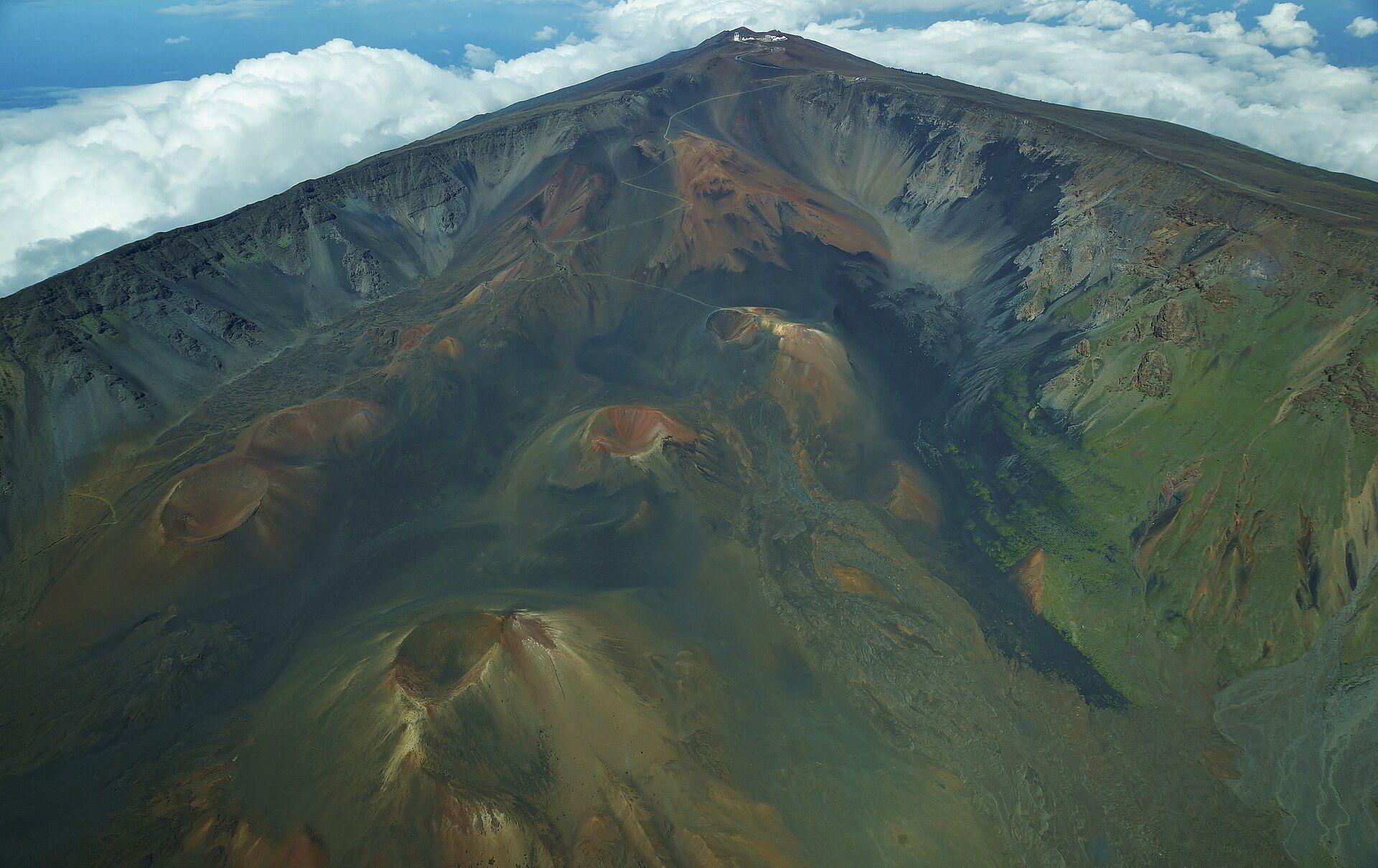
Haleakalā
East Maui, Maui, Hawaiʻi, United States
East Maui's 10,023-ft shield volcano, last erupting between 1480 and 1600, its summit cut by an erosional 'crater' of red and black cinder cones; sunrise entry needs a reservation.
-
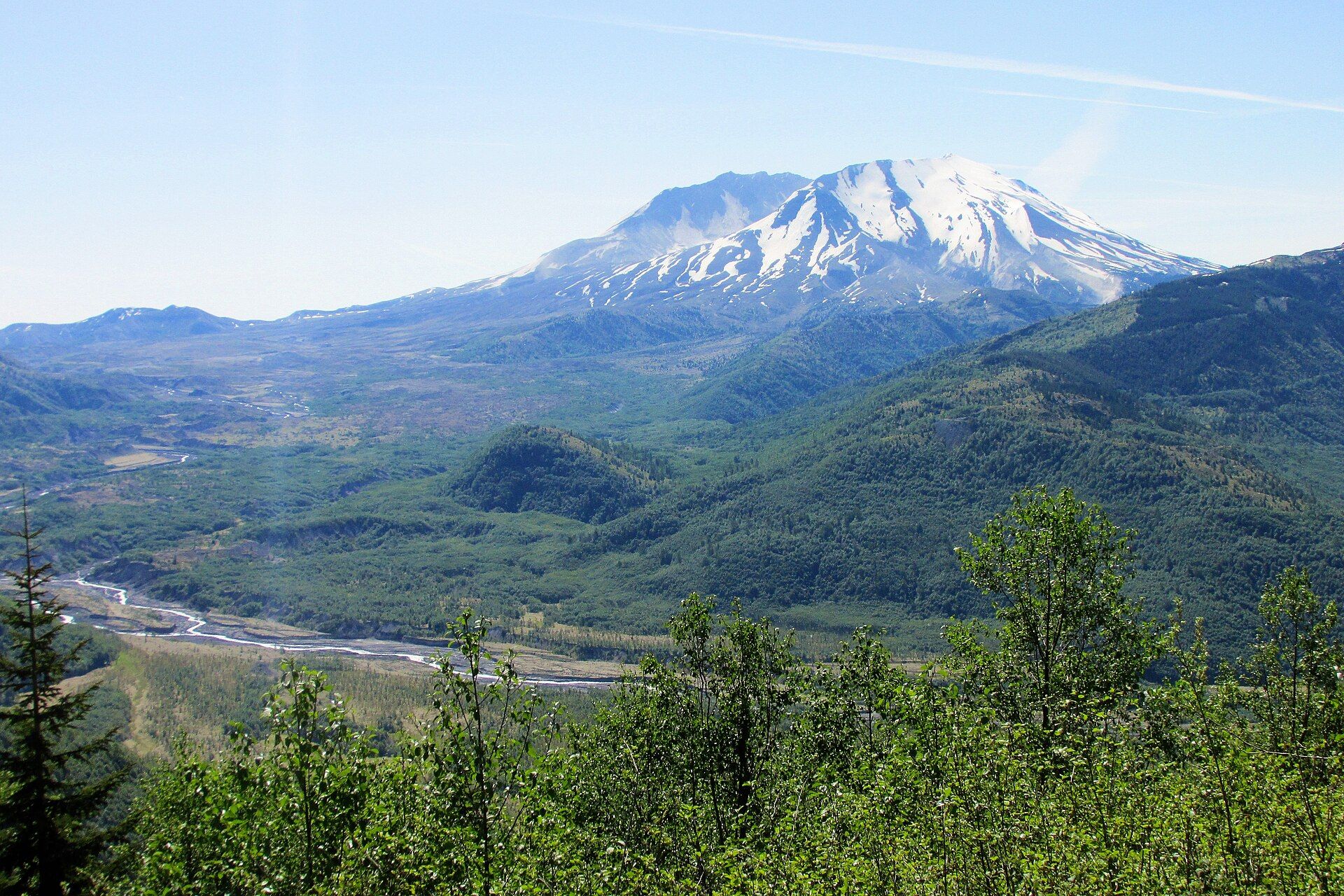
Mount St. Helens
Cascade Range, south-west Washington, USA, about 70 miles north of Portland, Oregon
The Cascade volcano whose north flank collapsed on 18 May 1980 in the largest debris avalanche in recorded history, leaving an open crater with a lava dome that grew again in 2004–2008.
-
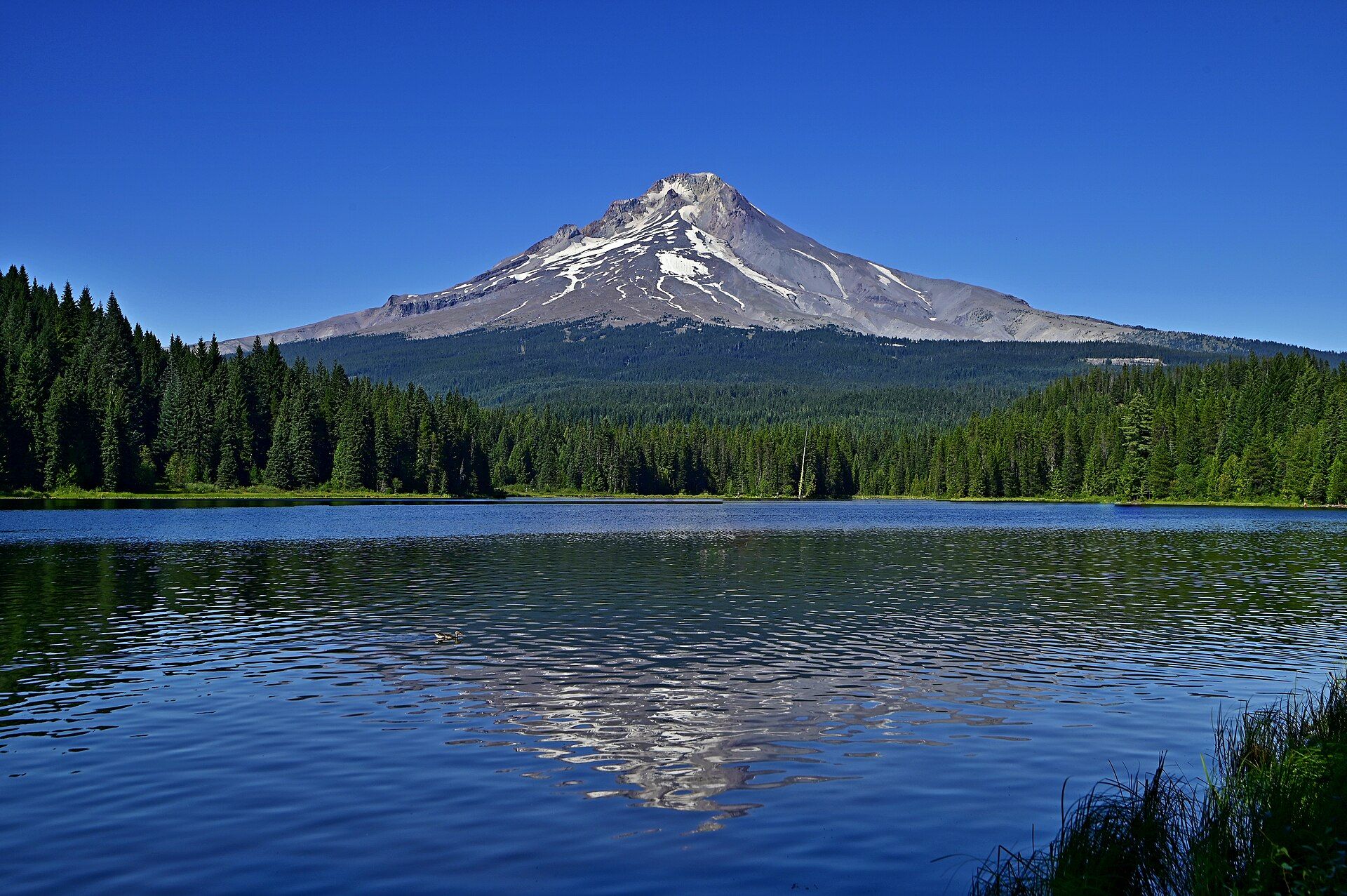
Mount Hood
Northern Oregon Cascades, USA, within Mt. Hood National Forest, east of the Portland metro area
Oregon's highest peak at 11,239 ft, with 11 glaciers and fumaroles still steaming near Crater Rock, the remnant of its 1790s eruption; every summit route is technical and needs a Forest Service permit above 9,500 ft.
-
Tongariro National Park
Central Plateau, North Island, New Zealand
New Zealand's oldest national park, where the Alpine Crossing day hike passes steaming craters and the brilliant Emerald Lakes.
-
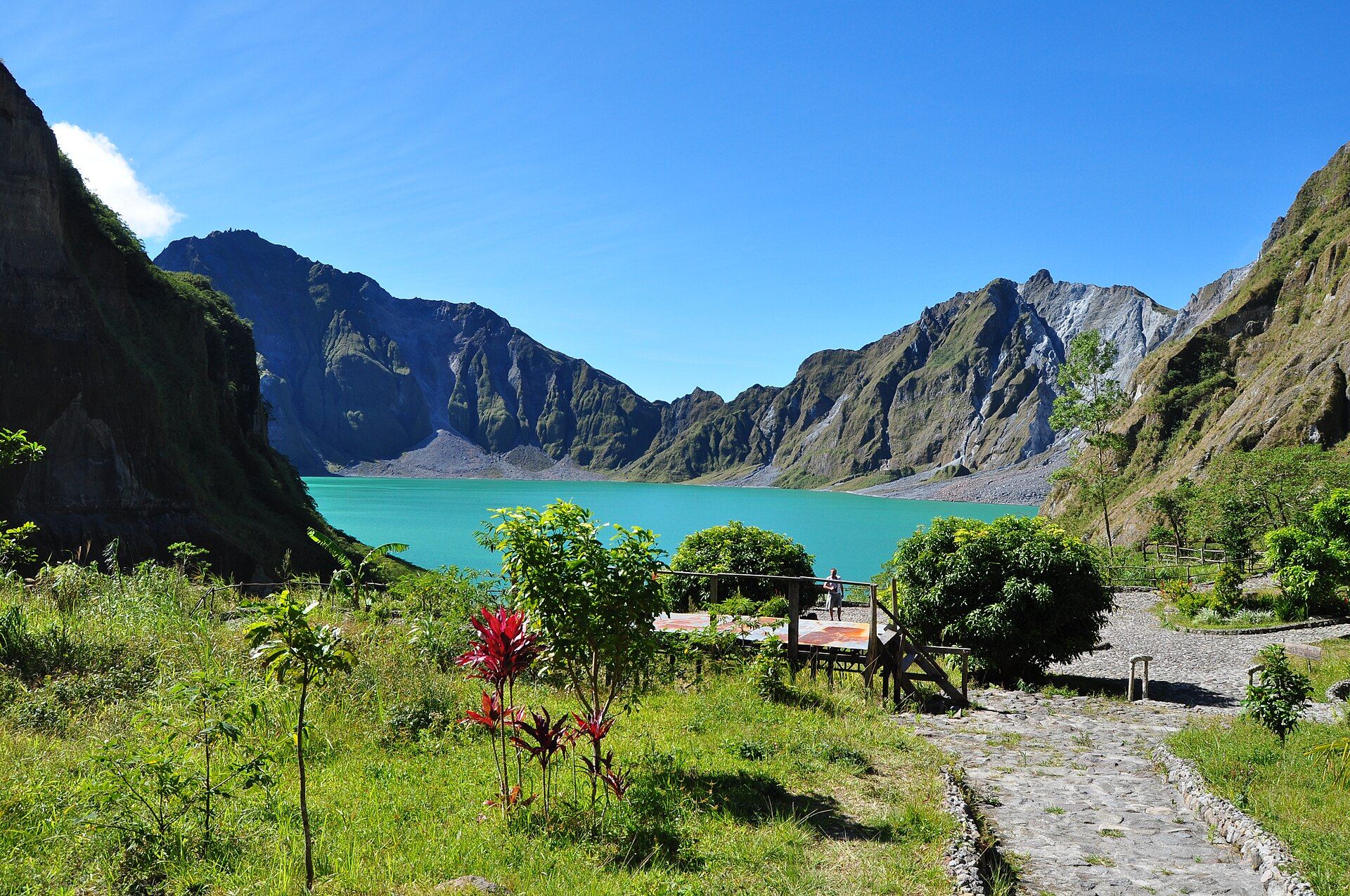
Mount Pinatubo Crater Lake
Zambales / Tarlac / Pampanga, Luzon, Philippines
The volcano behind the second-largest eruption of the 20th century, now cradling a turquoise crater lake reached by 4x4 across lahar canyons and a short hike.
-
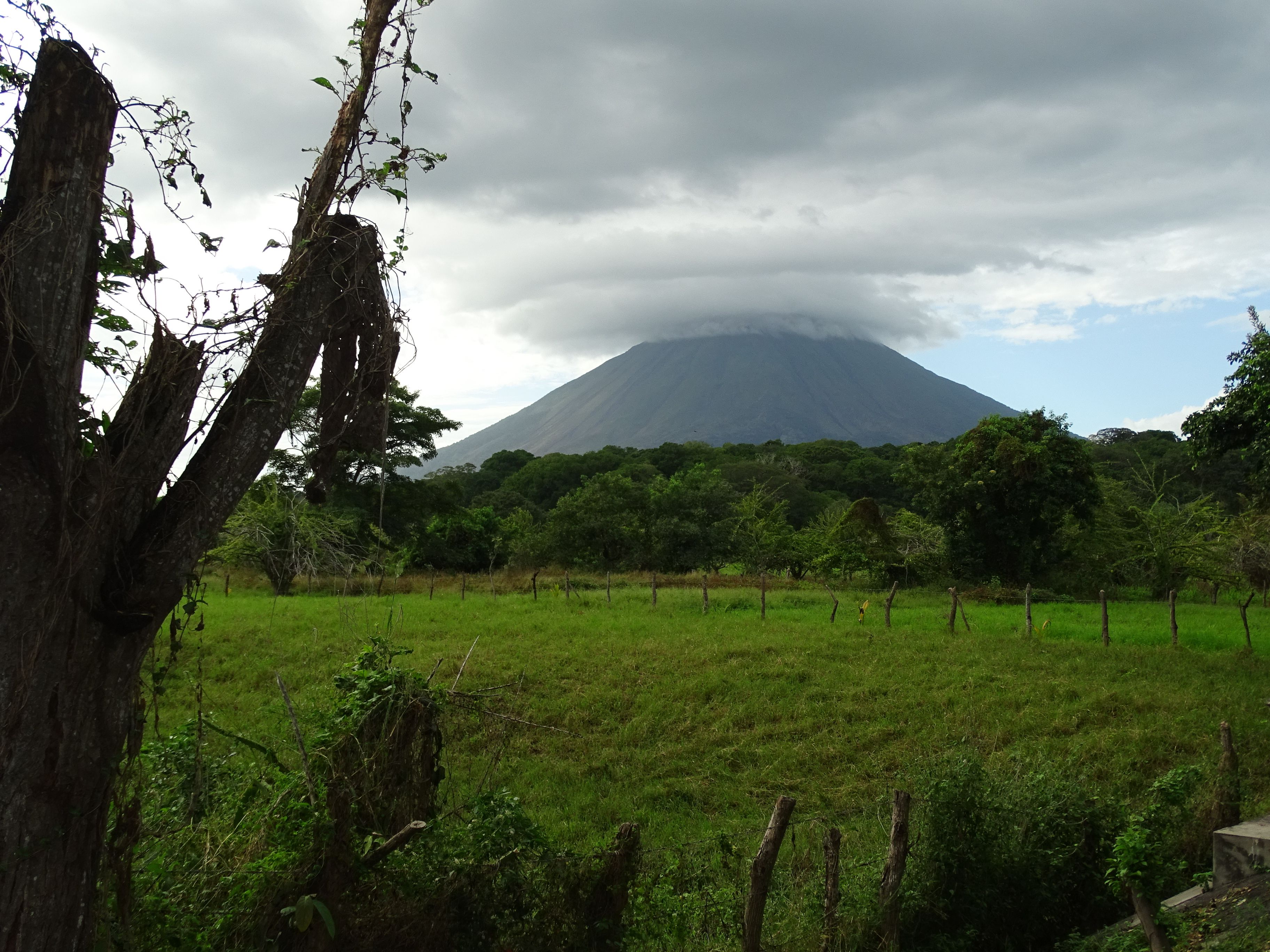
Ometepe
Lake Nicaragua, Rivas Department, southwestern Nicaragua
Two volcanoes rising from Lake Nicaragua and joined into one hourglass island — one active, the other holding a crater lake and cloud forest.

Volcanoes are the most changeable of wonders — alert levels, closures, and eruption access can shift within days. Each guide names the monitoring authority to check, and the best time to go assumes normal conditions; always confirm the current status before you travel.
Added Updated