Volcanoes · climbing and hiking
Which Volcanoes Can You Climb? 15 Volcano Hikes, From a 250-Step Crater Rim to Technical Summits
15 places · every one real, mapped, and worth the trip
Short answer: many volcanoes can be climbed without ropes or crampons — Bromo's crater rim is about 250 steps from the sand sea, Teide has a cable car to about 3,555 m and a free permit path to the top, Mount Fuji is climbed overnight in its early July–early September season, and Kilimanjaro and Damavand are non-technical walk-ups above 5,600 m. Others — Etna's and Stromboli's summit zones, Cotopaxi, Mount Hood and Mount Rainier — need a guide, a permit or real mountaineering.
The list runs from easiest to hardest. Active volcanoes change their rules with their activity, so every entry says what its own page says about access — and always check the current alert level on the day.
-
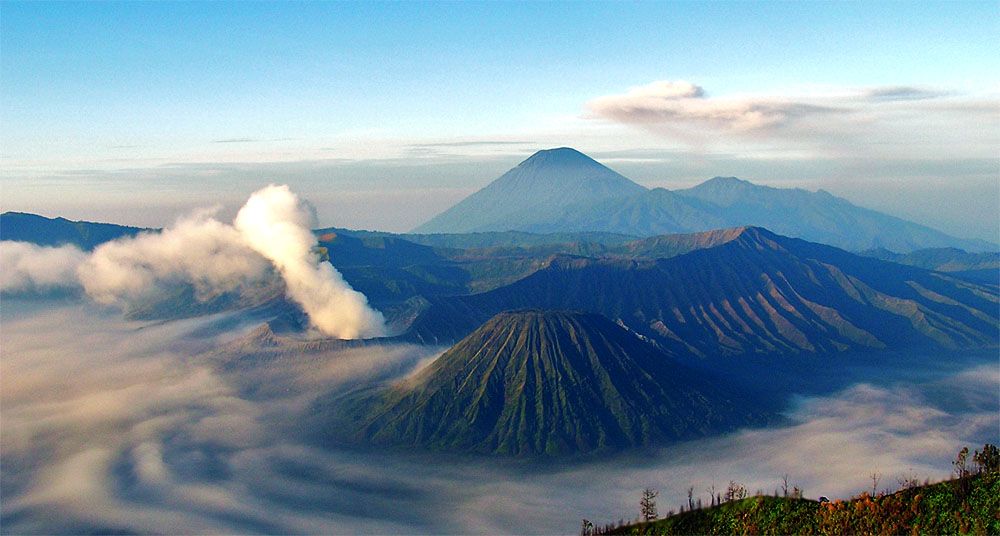
Mount Bromo About 250 steps to the crater rim
East Java, Indonesia
After sunrise over the caldera, you cross the Sea of Sand on foot or horseback and climb around 250 steps to Bromo's steaming crater rim. The dry season, roughly April to October, gives clear sunrises and passable tracks; check the volcanic-activity status before you go.
-
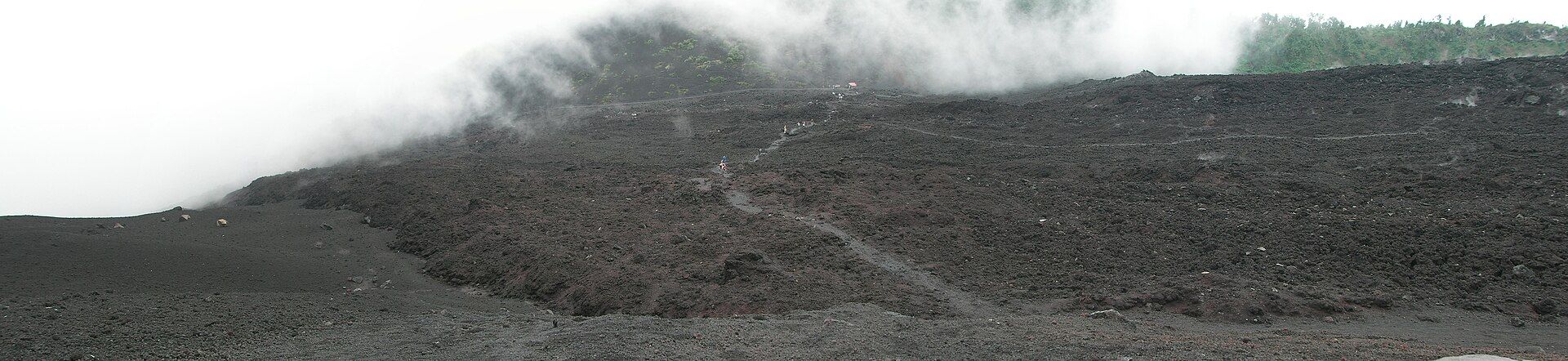
Pacaya Guided walk over lava fields, ~2,550 m
Escuintla, near Antigua, southern Guatemala
Trails climb through forest and onto stark fields of hardened lava toward the smoking cone, and when activity allows, guides lead you close enough to feel the heat of recent flows. The trailhead at San Francisco de Sales is 1.5–2 hours by road from Antigua or Guatemala City; the November–April dry season gives the firmest trails.
-
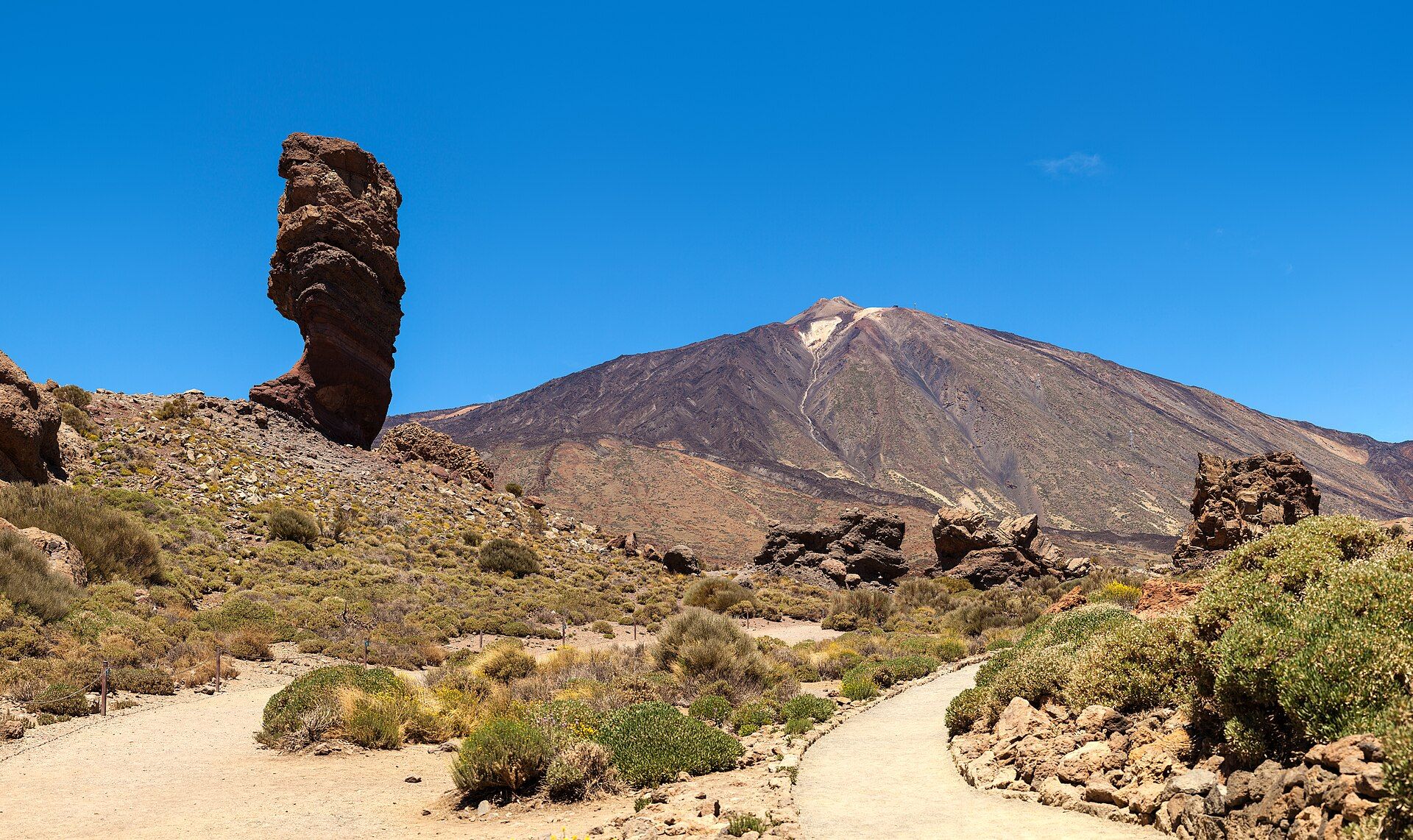
Mount Teide Cable car to ~3,555 m + free summit permit
Tenerife, Canary Islands, Spain
A cable car runs from the roadside to about 3,555 m; the final path to the 3,715 m summit needs a free permit booked well in advance, and numbers are capped — the daily quota fills fast. Spring and autumn are mildest; winter brings snow to the cone.
-
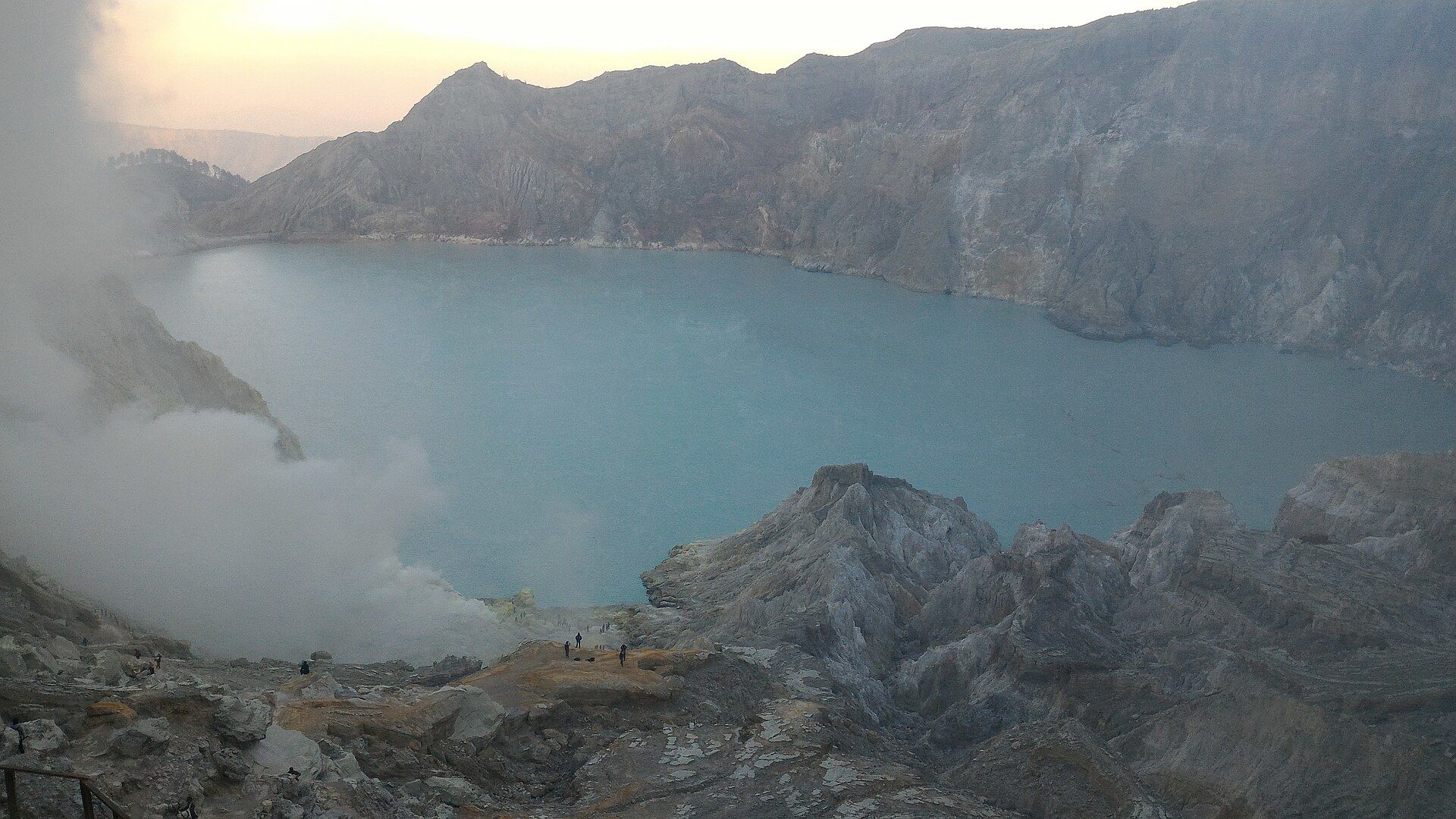
Kawah Ijen Night climb for the blue fire, guide and gas mask
East Java, Indonesia
Climbs start around 1–2 a.m. to reach the crater before first light, when the blue flames are visible. A guide and gas mask are strongly advised for the descent to the vents. The dry season, April to October, gives safer trails and clear views.
-
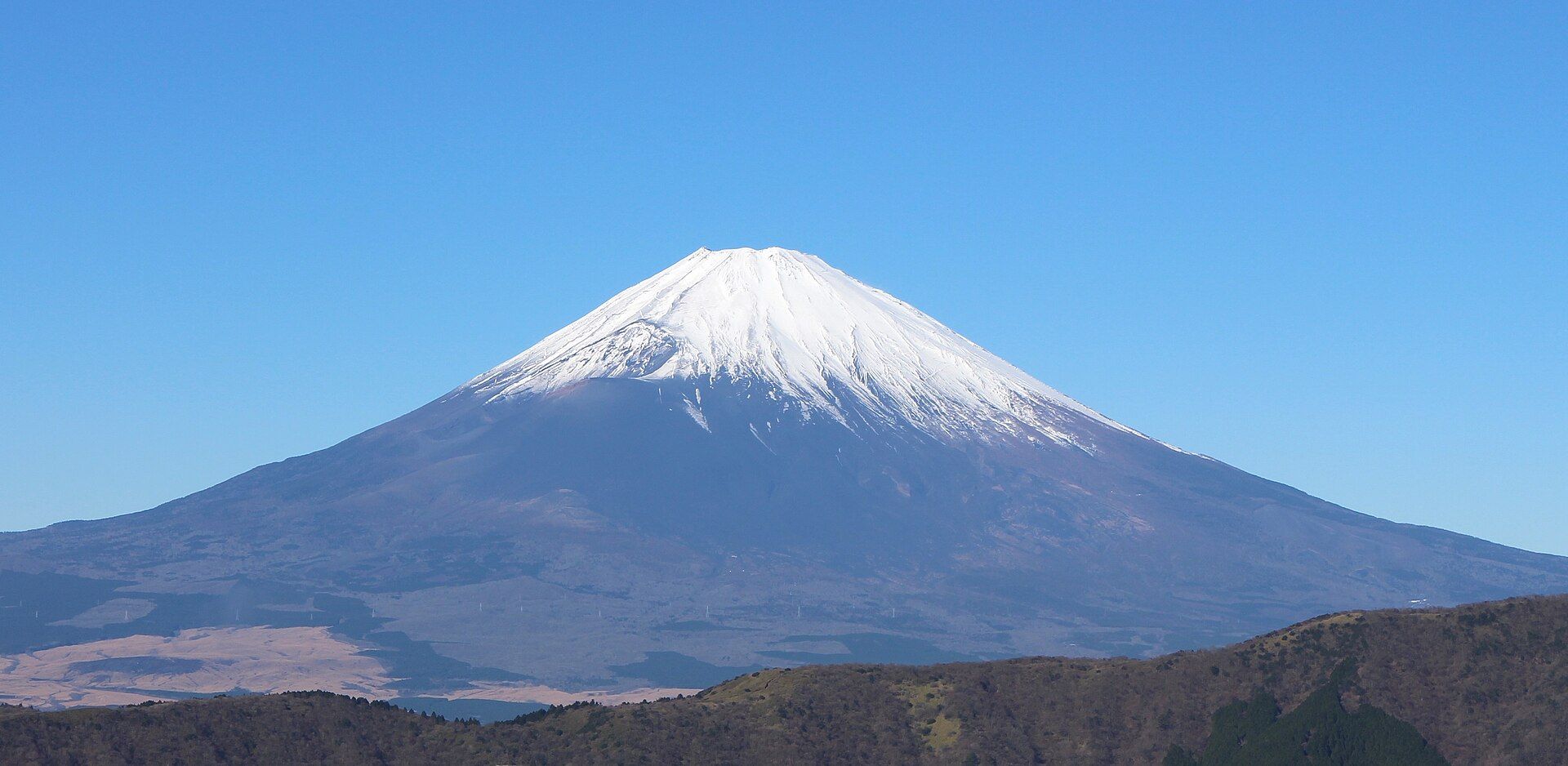
Mount Fuji Overnight climb, early Jul–early Sep
Honshū, Japan
The 3,776 m summit is climbed through the night to watch the sunrise, in an official season of roughly early July to early September, when trails and mountain huts are open — reserve huts ahead. The Yoshida trail now runs an entry system with a daily climber cap, a fee and overnight rules that have changed repeatedly, so check the prefecture's current climbing portal. Outside the season it is a serious alpine proposition.
-
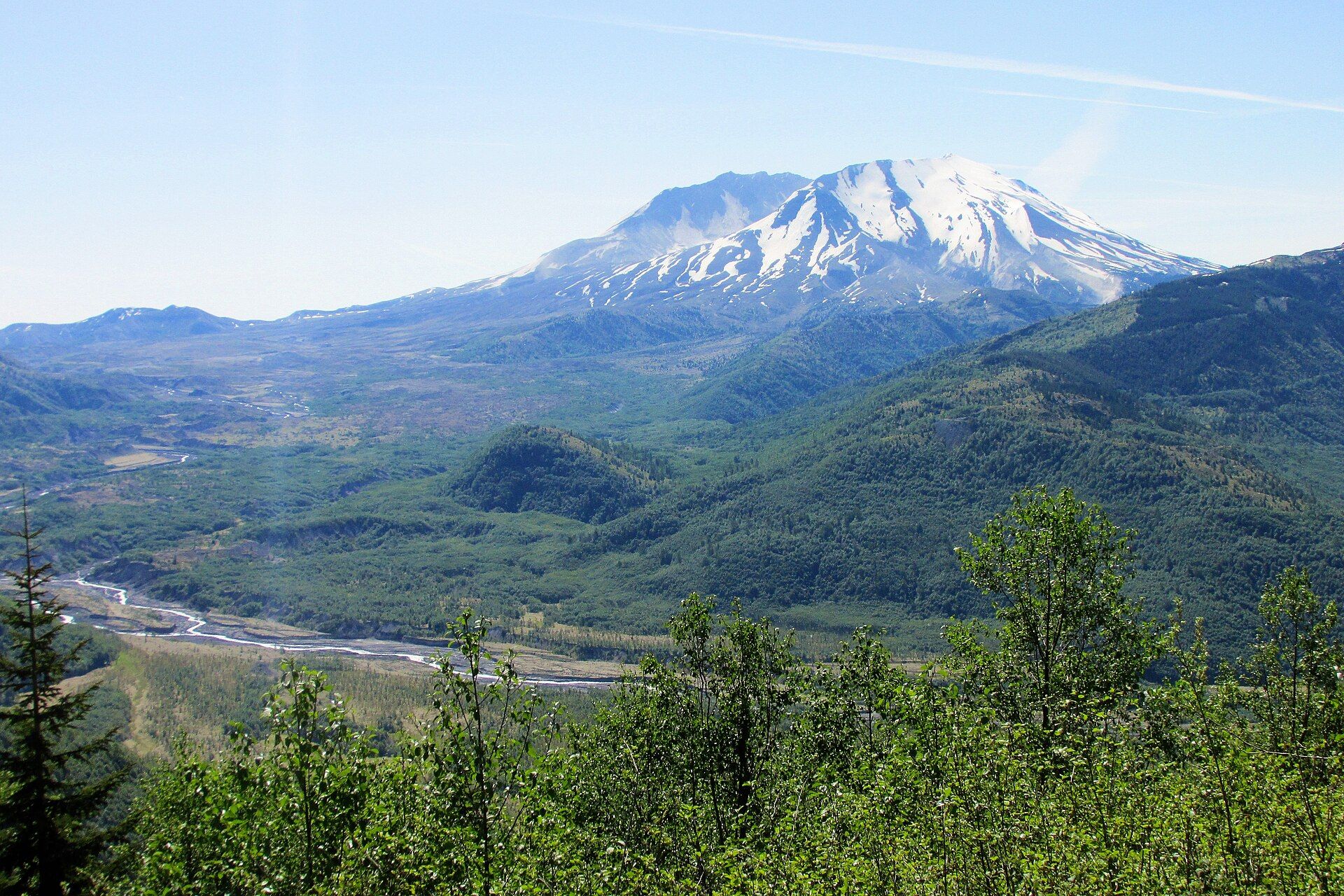
Mount St. Helens Crater-rim climb on a permit, summer
Cascade Range, south-west Washington, USA, about 70 miles north of Portland, Oregon
You can climb to the crater rim of the volcano that blew apart in 1980 — a climbing permit is needed above 4,800 ft — for the view down onto the lava dome. Summer is the main season for the rim climb; most trails are open from June through October, once the snow has gone.
-
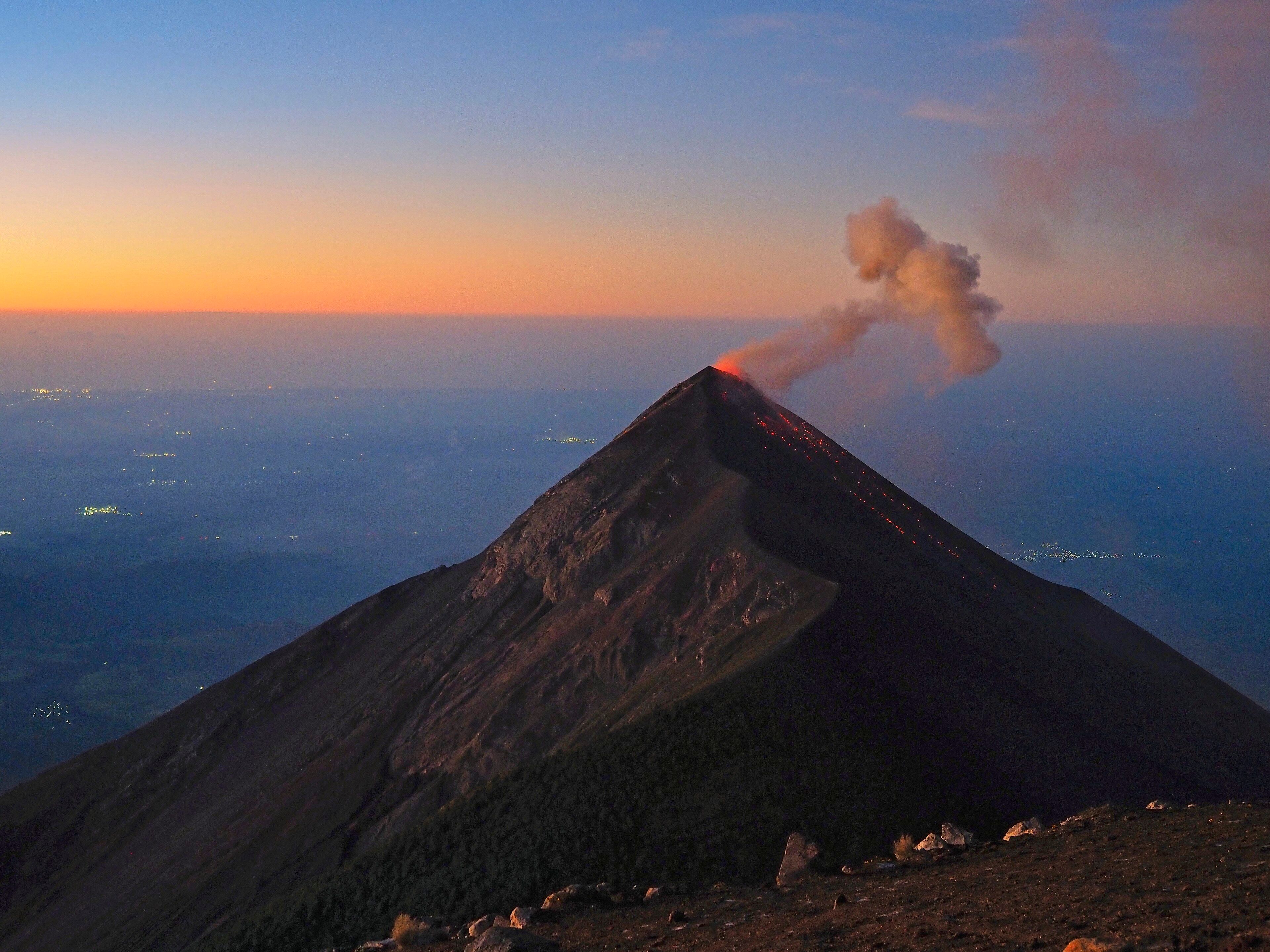
Acatenango Overnight to camps facing Fuego, Nov–Apr
Sacatepéquez and Chimaltenango Departments, near Antigua, Guatemala
A 3,976 m stratovolcano climbed almost entirely for the view of its neighbour: from camps on the upper slopes you sit level with Fuego and watch it erupt through the night, then reach the summit ridge at sunrise. November to April gives the clearest nights; nights are cold at 3,700 m in any month.
-
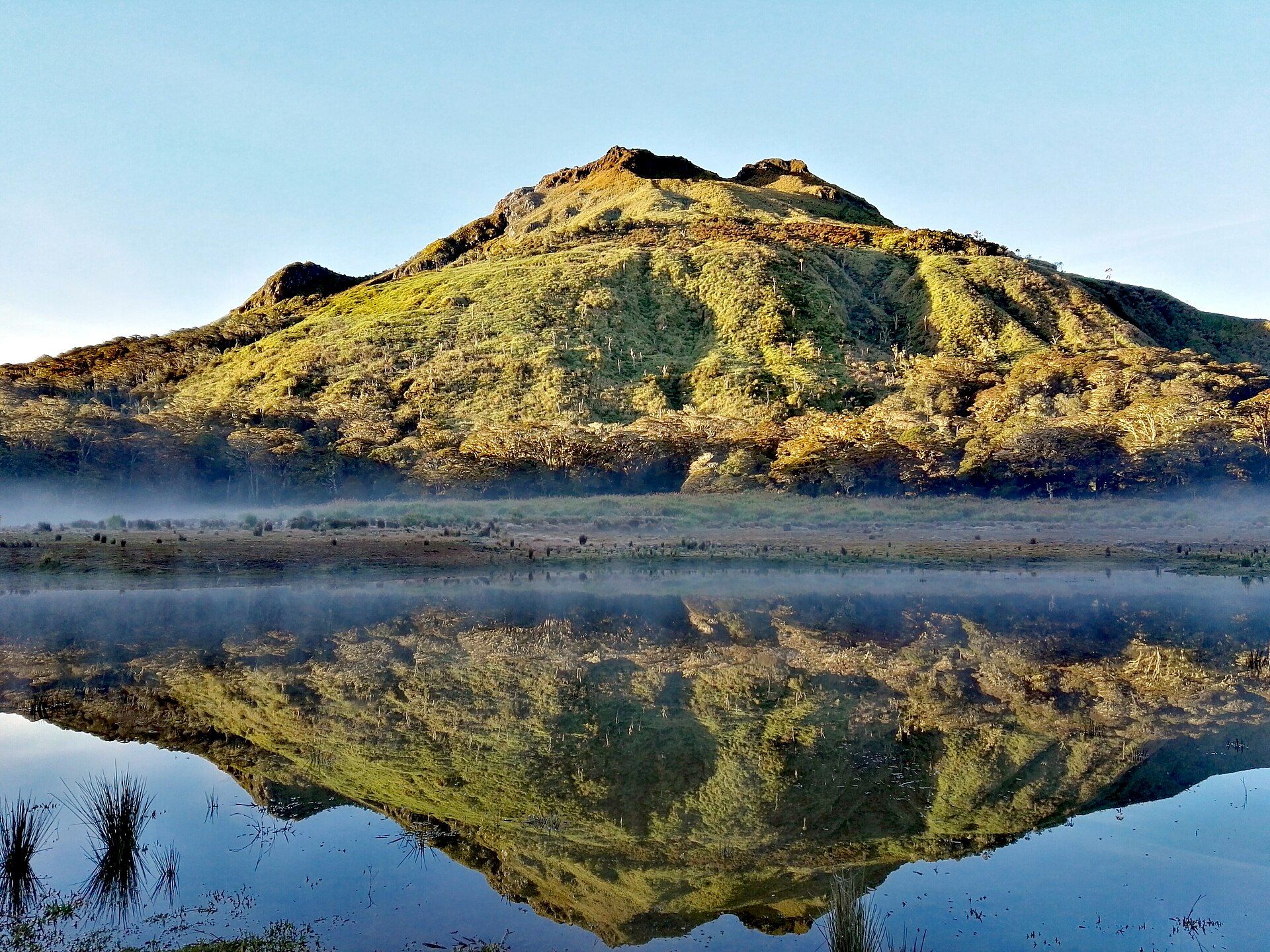
Mount Apo Multi-day trek, permits and quotas
Davao del Sur / Cotabato, Mindanao, Philippines
The Philippines' highest point at 2,954 m is a potentially active volcano, reached on a multi-day trek from lowland rainforest through mossy cloud forest to a summit of boulders and fumaroles. Trekking permits and quotas apply and the mountain periodically closes for rehabilitation; March to May is the drier season.
-
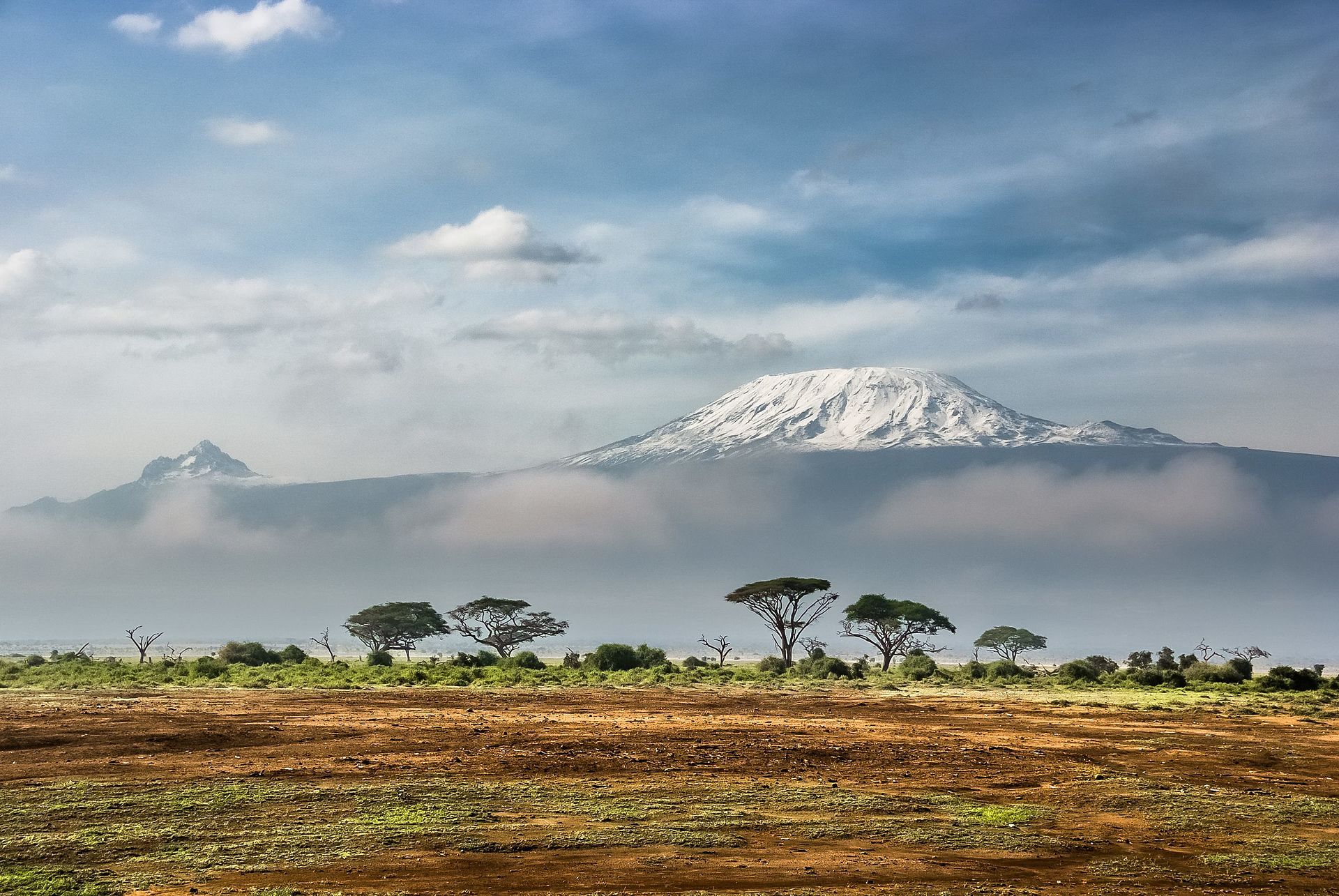
Mount Kilimanjaro 5,895 m walk-up, no technical gear
Northern Tanzania
The great walk-up summit: with time to acclimatise, non-technical trekkers can stand on the roof of Africa, passing through five climate zones in a few days. The drier windows are January–March and June–October; altitude and cold are serious all year.
-
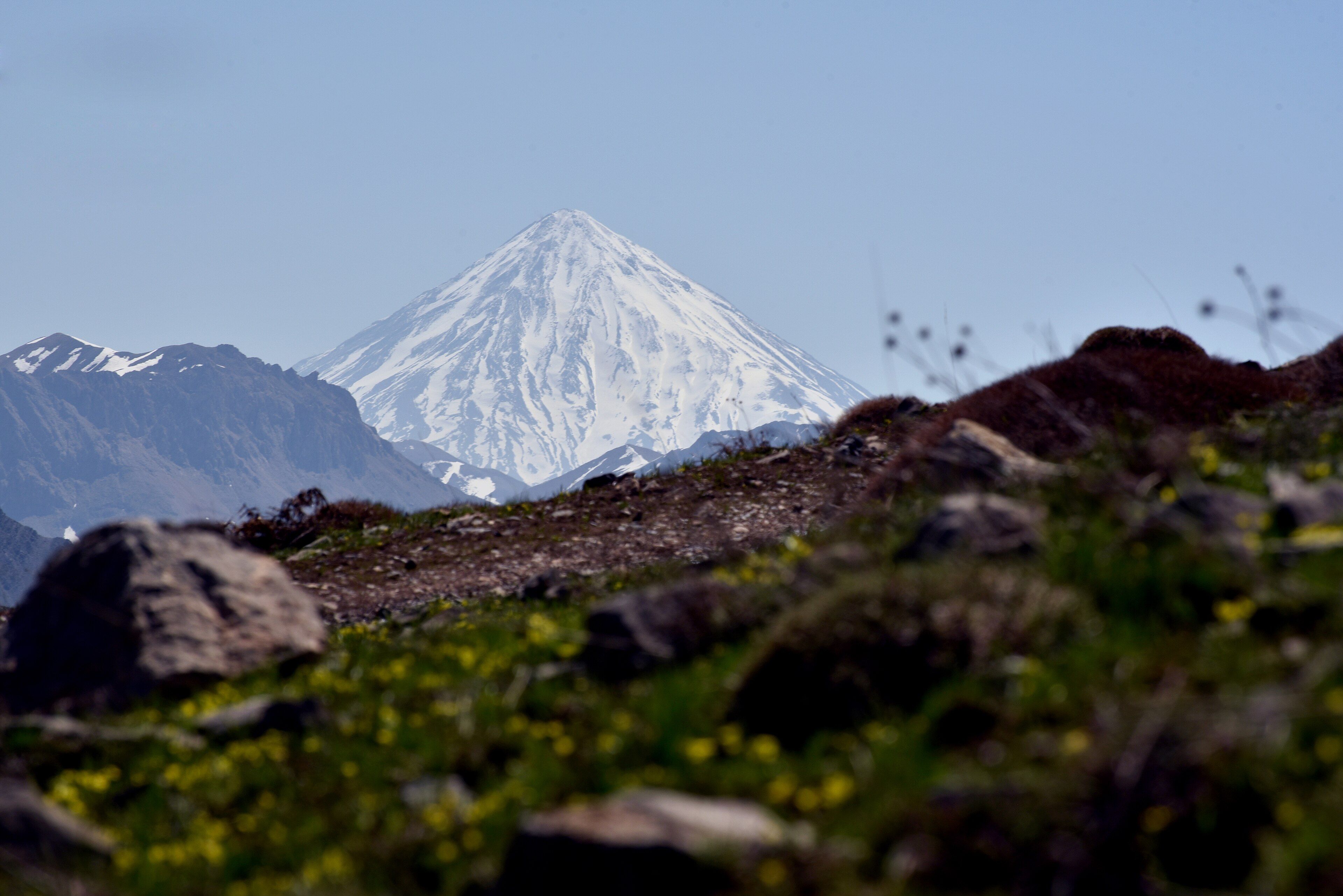
Mount Damavand Non-technical above 5,600 m, mid-Jun–early Sep
Alborz range, Mazandaran Province, northern Iran
A near-symmetrical stratovolcano above the Alborz with sulphur fumaroles still venting at the summit crater — a non-technical walk-up in summer that takes you above 5,600 m. Mid-June to early September is the practical window, when the south route is largely free of snow and the shelters are open; outside it, it is a serious winter climb.
-
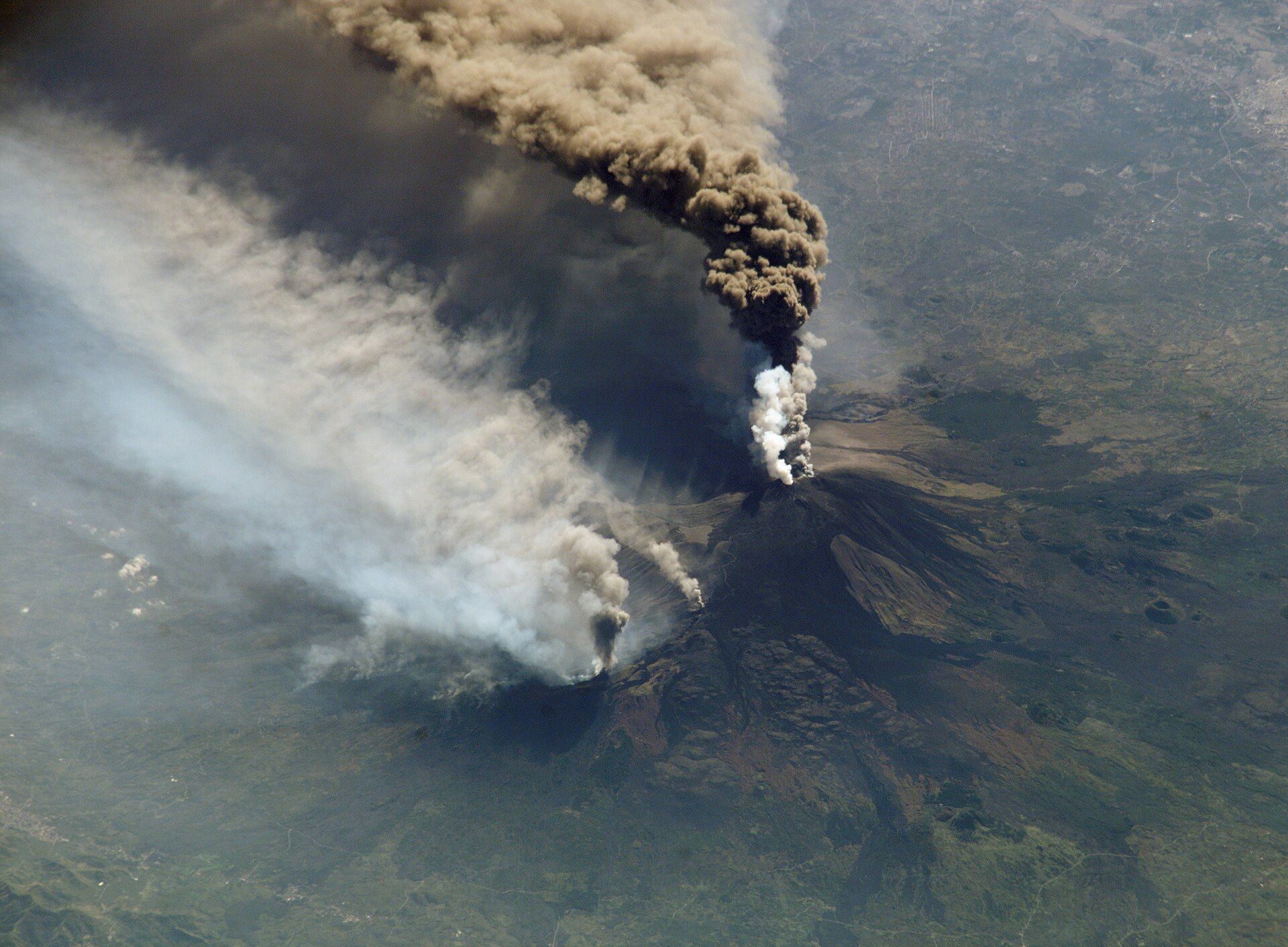
Mount Etna Summit zone guide-only, activity-dependent
Sicily, Southern Italy
Roads reach Rifugio Sapienza (south) or Piano Provenzana (north), then cable car and guided 4x4 or hiking take you toward the summit. Summit-zone access is guide-only and depends on current volcanic activity. April–June and September–October are best for hiking.
-
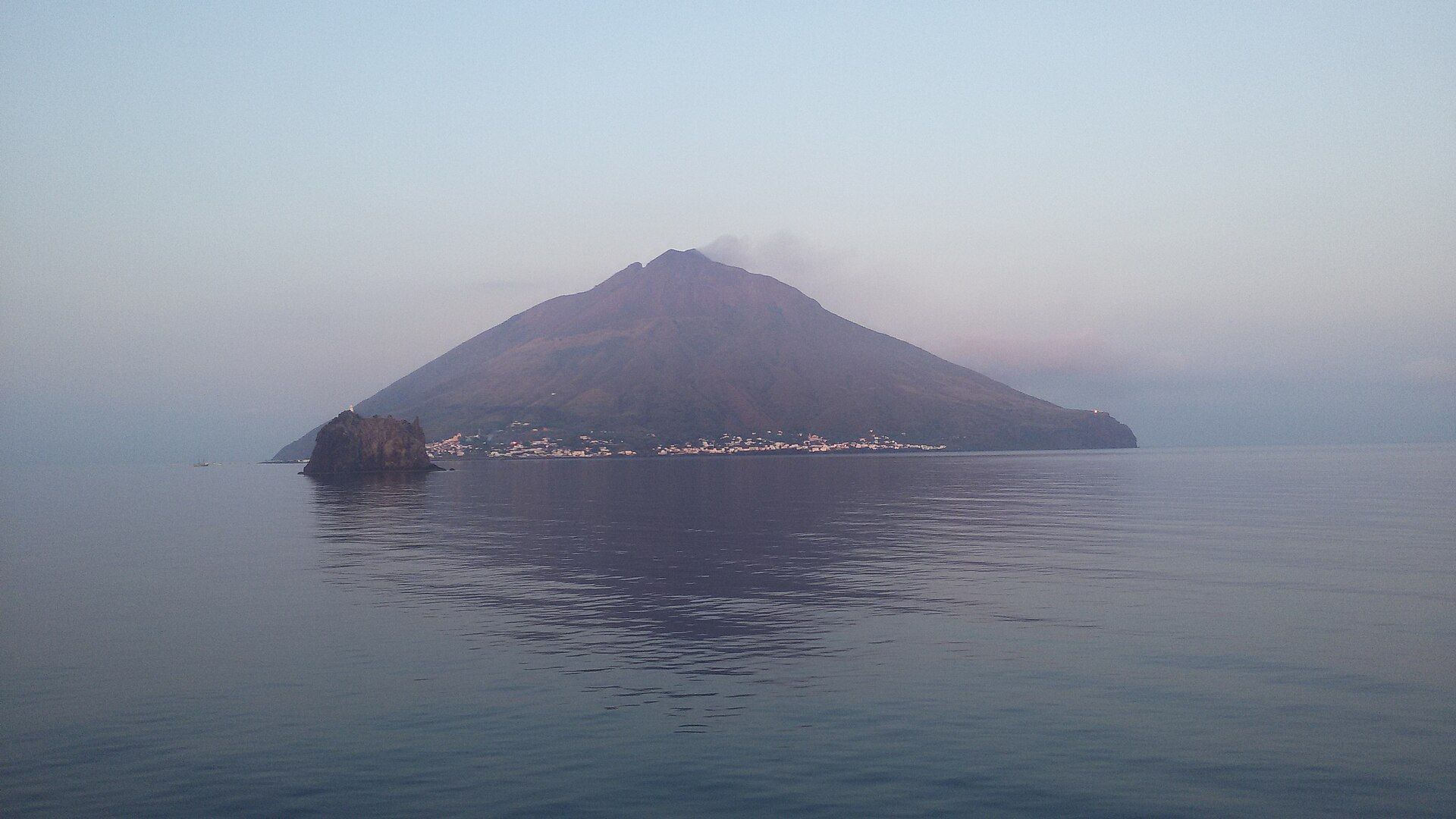
Stromboli Above 400 m only with authorised guides
Aeolian Islands, Tyrrhenian Sea, off the north coast of Sicily, Italy
Climbing is regulated by Comune di Lipari ordinances that change with the alert level. Under the ordinance of May 2025, walkers could climb freely to 290 m on the village side and to 130 m above Ginostra, and up to 400 m only with authorised alpine or volcanological guides. Spring and autumn are cooler for the exposed slopes.
-
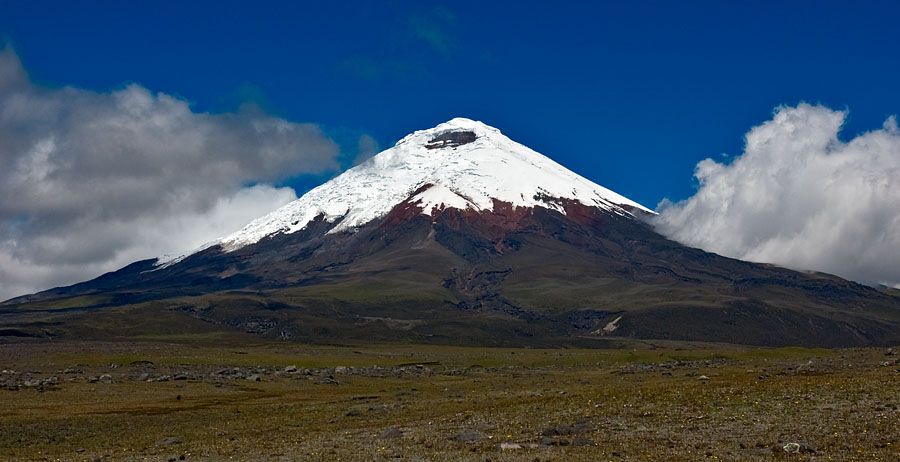
Cotopaxi Refuge walk easy, summit technical
Cotopaxi Province, Ecuador
A park road climbs to a car park at around 4,600 m, from which a steep walk reaches the refuge and the glacier edge. The 5,897 m summit itself is a technical, guided overnight ascent. Go early in the day — the summit usually clouds over by afternoon.
-
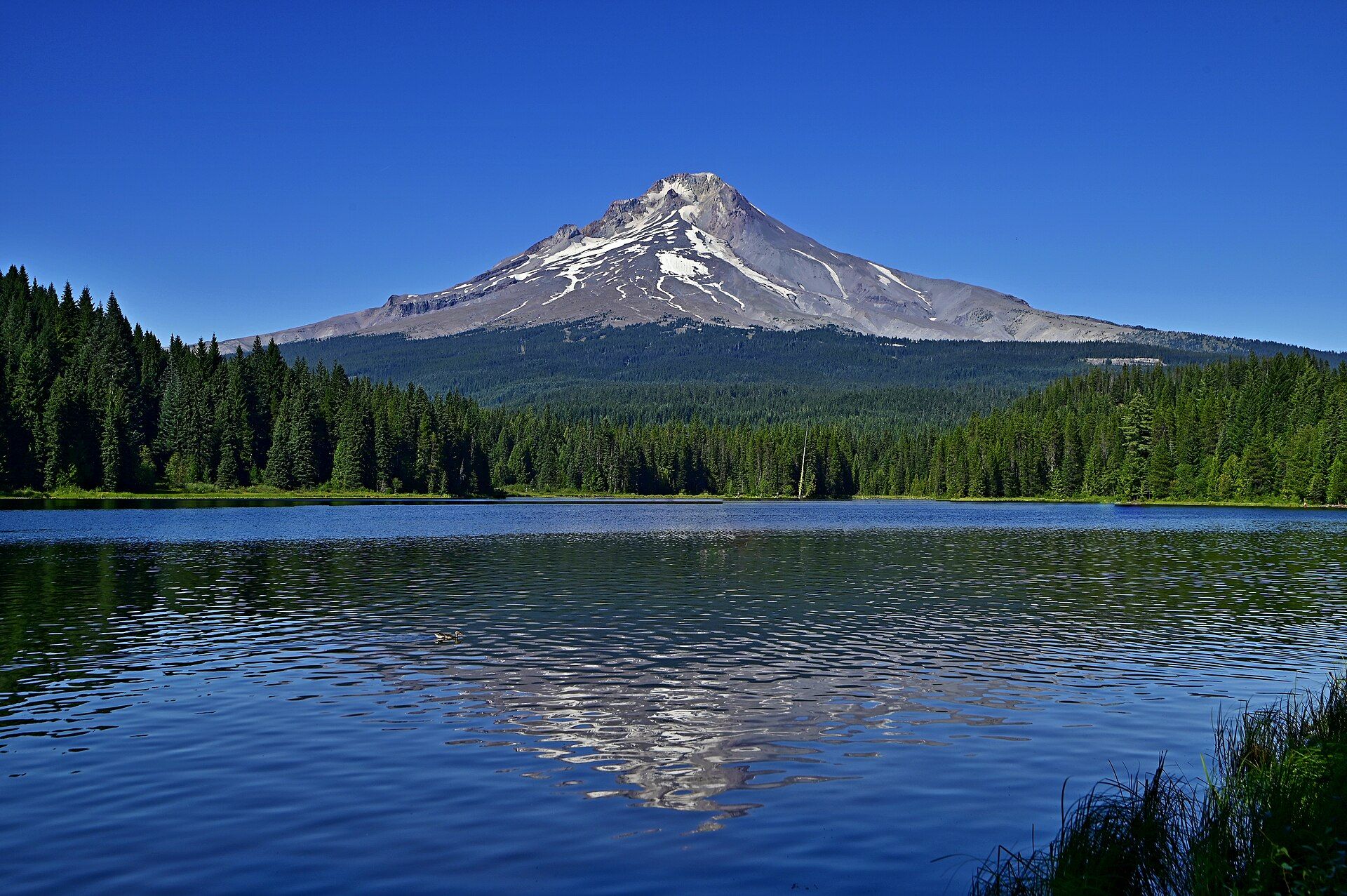
Mount Hood Every summit route technical
Northern Oregon Cascades, USA, within Mt. Hood National Forest, east of the Portland metro area
Oregon's 11,239 ft volcano still vents steam near Crater Rock, and every route to the top is a technical climb; a climbing permit is required above 9,500 ft. The 38-mile Timberline Trail circles it for hikers who don't climb.
-
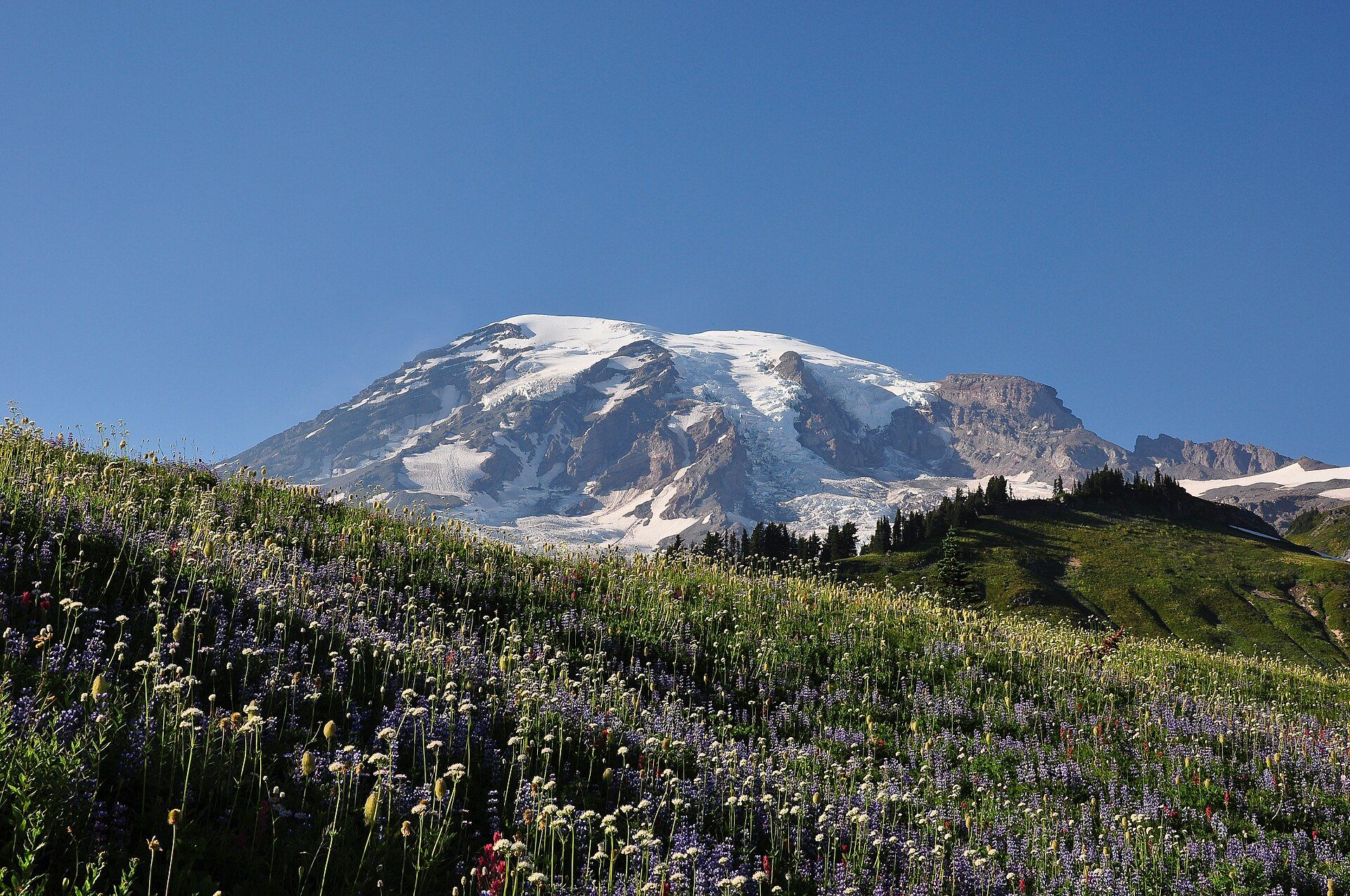
Mount Rainier 14,410 ft, climbing permits
Cascade Range, western Washington, USA, about 65 miles southeast of the Seattle–Tacoma area
The glacier-hung summit at 14,410 ft is a mountaineering objective, and climbing needs permits from the park's wilderness information centers. Most visitors walk the meadows at Paradise instead, best in mid- to late summer when the snow melts off the high trails.
For a first volcano with no gear, Bromo, Pacaya and Teide ask the least; for a big summit without ropes, Kilimanjaro and Damavand. If what you want is to see lava rather than stand on a summit, see where you can see lava; for two of these head to head, Pacaya vs Acatenango and Teide vs Etna.
Added