Mount Kilimanjaro
📍 Northern Tanzania
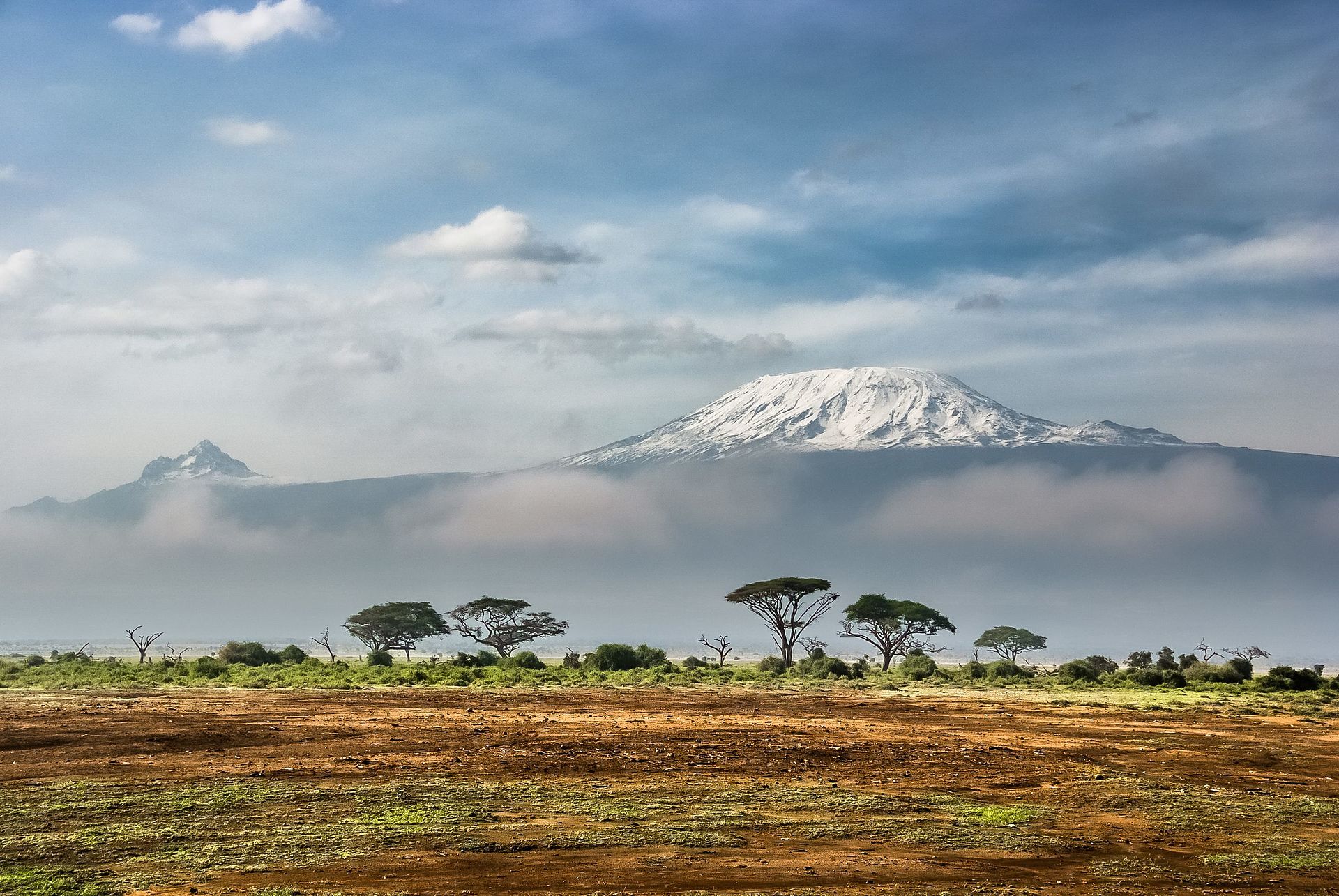
The highest mountain in Africa and the tallest free-standing mountain on Earth — a snow-capped volcanic giant rising alone from the savanna to 5,895 metres, climbable without technical gear yet crowned with vanishing equatorial glaciers.
What makes it marvelous
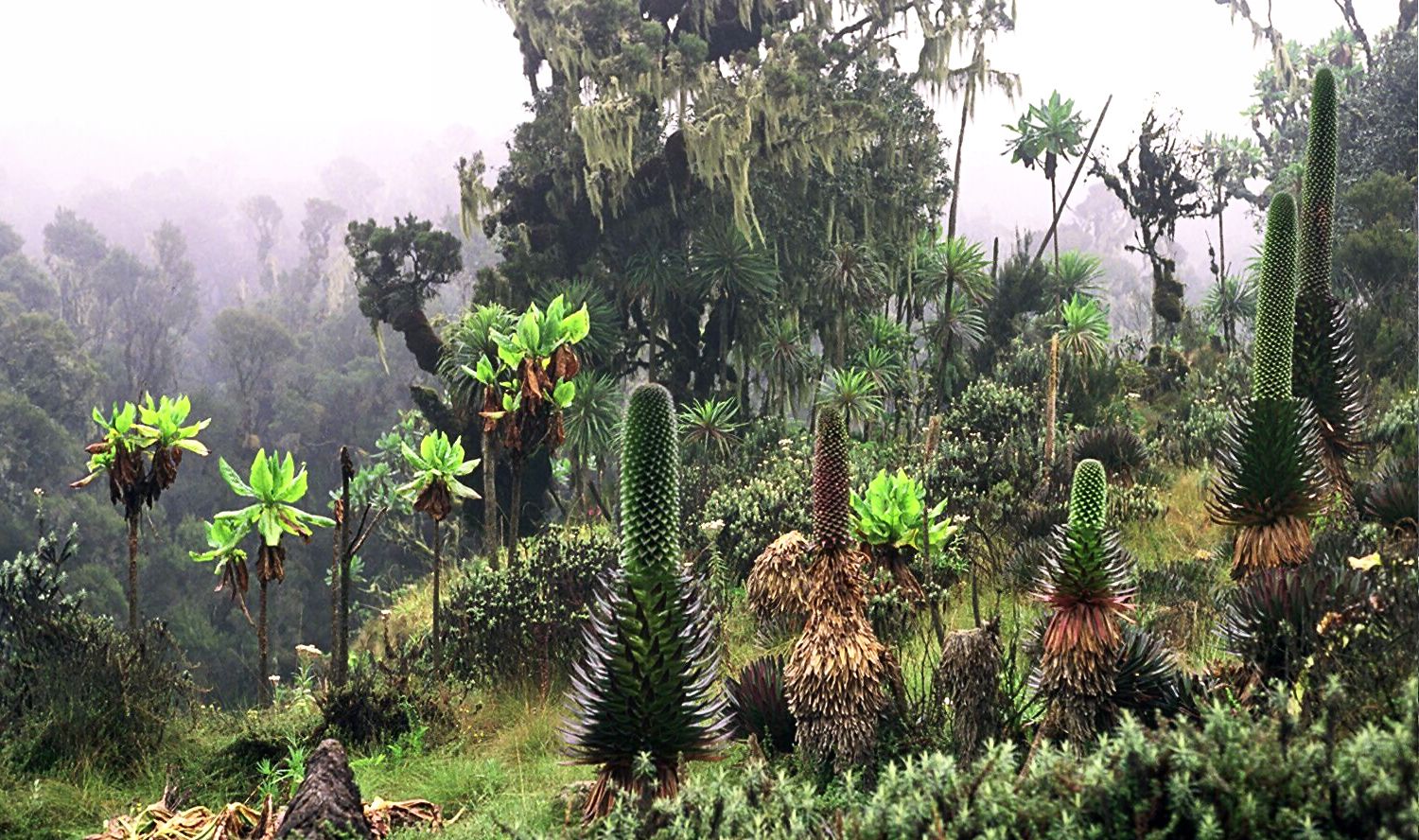
Kilimanjaro is a dormant volcano with three cones, rising in splendid isolation from the plains rather than as part of a range — the tallest free-standing mountain in the world. A climb passes through five distinct climate zones in a few days, from cultivated foothills and rainforest up through heath and alpine desert to an arctic summit. Its famous summit glaciers, remnants of an ice cap tens of thousands of years old, are shrinking fast — a stark marker of a changing climate.
Why visit
It is the great 'walk-up' summit: with time to acclimatise, non-technical trekkers can stand on the Roof of Africa. The journey through wildly changing ecosystems, and the sunrise from the crater rim over the plains far below, make it one of the world's iconic climbs.
Still deciding?
Mount Kilimanjaro comes up most often against these — each one weighs cost, effort, season and crowds side by side.
What to know before you go
🗓️ Best time
The drier windows of January–March and June–October offer the best trekking conditions; altitude and cold are serious year-round.
🧭 Getting there & access
From Moshi or Arusha in northern Tanzania (Kilimanjaro International Airport). Climbs use routes like Machame or Marangu over 5–9 days, with mandatory licensed guides and porters.
Good to know
- Choose a longer route to acclimatise — altitude sickness is the main risk, not technical difficulty.
- Go with licensed operators who treat guides and porters fairly.
- Pack for genuine arctic cold at the summit, even on the equator.
Plan your visit
Strenuous🧭 Getting there
From Moshi or Arusha, Tanzania — Kilimanjaro International (JRO)
- Fly → Kilimanjaro (JRO)
- Road JRO → Moshi — roughly 45 minutes to an hour
- Road Moshi → your route gate (Machame, Lemosho, Marangu, Rongai) — about 45 minutes to 4h depending on the gate
- Climb and descend — typically 5–9 days
- Total travel
- An hour or so from the airport to Moshi
- Time at site
- 6–9 days on the mountain; the longer itineraries succeed far more often
- Access
- Independent climbing is not permitted. Every ascent goes through a licensed operator with registered guides and porters, and park fees are collected through them — those fees are substantial and are revised by the authorities, so take the current figure from your operator rather than from an old blog. Route choice is the one decision that matters most: the short Marangu and six-day Machame itineraries have markedly lower summit success than the eight or nine-day Lemosho and Northern Circuit routes, purely because of acclimatisation. Confirm details with Kilimanjaro National Park through your operator.
🎒 What to bring & consider
- An itinerary with enough days in it — paying for two extra nights is the single most effective thing you can do for your chances, and altitude sickness, not fitness, is what turns people back
- Genuine cold-weather kit including a bag rated well below freezing: the summit night runs from around midnight in temperatures far below what equatorial Africa suggests
- Broken-in boots and gaiters for scree, dust and the long descent that wrecks toenails
- A headtorch with spare batteries for the summit push, which is done in the dark on purpose
- A clear position on porter welfare and tipping, agreed with your operator before you start — the KPAP guidelines exist because this has been a real problem
👁️ What to expect
- Crowds
- Busy in the two dry windows, roughly January to March and June to October, with Machame and Marangu carrying the most traffic. Northern Circuit is far quieter.
- Conditions
- Five climate zones from rainforest to arctic desert in under a week. Camps are cold, dusty and increasingly breathless.
- Facilities
- Huts on Marangu; tents, cooks and camp crew everywhere else. Nothing you carry yourself except a daypack.
- The view
- Sunrise at Stella Point with the glaciers and the curve of the earth beyond. You will be exhausted, cold and probably not thinking about photographs, which is worth knowing in advance.
Times and requirements are approximate and change with season, weather, and local rules — confirm permits, fares, and schedules with operators before you travel.
Natural riches of the area
- A dormant volcano rising through five climate zones
- Montane rainforest and alpine ecosystems
- Shrinking equatorial summit glaciers
- Watershed feeding the surrounding farmland and savanna
Local food
- Ugali & nyama choma
- Maize porridge and grilled meat, Tanzanian staples.
- Chapati & mandazi
- Flatbread and lightly sweet fried dough from the Swahili coast's influence.
- Arabica coffee
- Grown on Kilimanjaro's fertile lower slopes.
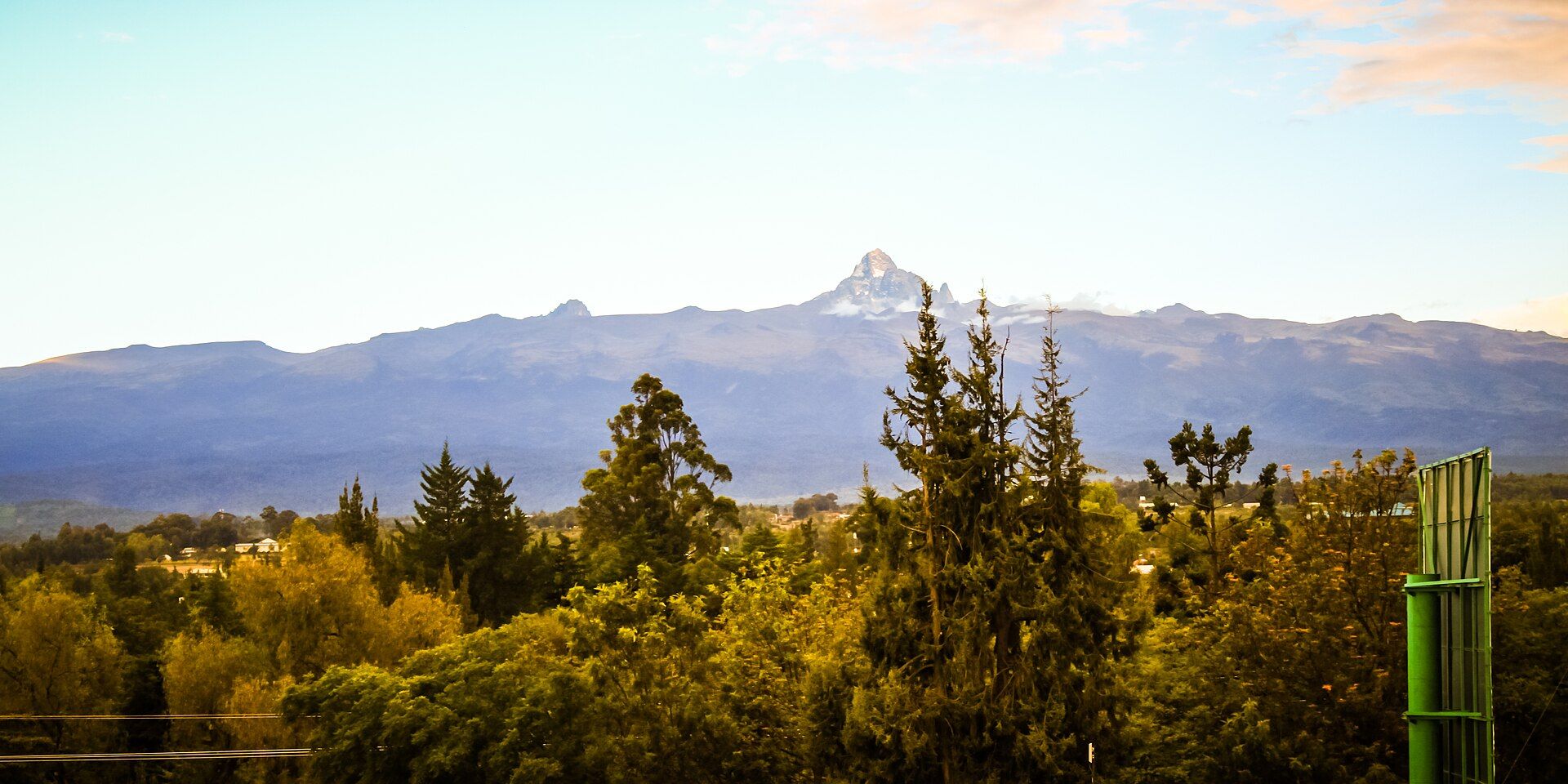
Kilimanjaro rises alone. Unlike most great peaks, it is not part of a range but a single dormant volcano lifting straight out of the East African plains to 5,895 metres — the tallest free-standing mountain on Earth and the highest point in Africa. From the savanna, its snow-capped summit floating above the heat haze is one of the continent’s defining images.
Climbing it is a journey through the world’s climate zones compressed into a few days: farmland, then rainforest, then heath, then a cold alpine desert, and finally an arctic summit where glaciers tens of thousands of years old still cling on — though they are melting fast, a visible measure of a warming planet. Non-technical but demanding, with altitude the real challenge, it lets ordinary trekkers stand on the Roof of Africa and watch the sun rise over a continent.
Which route you choose matters more than how fit you are. Altitude, not terrain, is what turns people back, and summit success tracks the number of days spent acclimatising: the five-day Marangu ascent — still the cheapest and busiest — reports rates commonly in the half to two-thirds range, while eight-day Lemosho itineraries, which climb high and sleep low, run near ninety per cent. The mountain is really three volcanic centres — Kibo, Mawenzi and Shira — of which only Kibo carries the summit and the remaining ice. That ice is the clearest measurement here of a warming climate: the glaciers covered around 11.4 square kilometres in 1912 and roughly 1.5 by 2019, a loss of about 85 per cent, and the surviving fields are still shrinking fast enough that projections put their disappearance near the middle of this century.
Mount Kilimanjaro: common questions
How do you get to Mount Kilimanjaro?
From Moshi or Arusha, Tanzania — Kilimanjaro International (JRO): Fly → Kilimanjaro (JRO); Road JRO → Moshi — roughly 45 minutes to an hour; Road Moshi → your route gate (Machame, Lemosho, Marangu, Rongai) — about 45 minutes to 4h depending on the gate; Climb and descend — typically 5–9 days. Total travel time: An hour or so from the airport to Moshi.
When is the best time to visit Mount Kilimanjaro?
The drier windows of January–March and June–October offer the best trekking conditions; altitude and cold are serious year-round.
How long should you spend at Mount Kilimanjaro?
6–9 days on the mountain; the longer itineraries succeed far more often. Total travel time: An hour or so from the airport to Moshi.
What should you bring to Mount Kilimanjaro?
An itinerary with enough days in it — paying for two extra nights is the single most effective thing you can do for your chances, and altitude sickness, not fitness, is what turns people back Genuine cold-weather kit including a bag rated well below freezing: the summit night runs from around midnight in temperatures far below what equatorial Africa suggests Broken-in boots and gaiters for scree, dust and the long descent that wrecks toenails A headtorch with spare batteries for the summit push, which is done in the dark on purpose A clear position on porter welfare and tipping, agreed with your operator before you start — the KPAP guidelines exist because this has been a real problem
Do you need a permit or guide for Mount Kilimanjaro?
Independent climbing is not permitted. Every ascent goes through a licensed operator with registered guides and porters, and park fees are collected through them — those fees are substantial and are revised by the authorities, so take the current figure from your operator rather than from an old blog. Route choice is the one decision that matters most: the short Marangu and six-day Machame itineraries have markedly lower summit success than the eight or nine-day Lemosho and Northern Circuit routes, purely because of acclimatisation. Confirm details with Kilimanjaro National Park through your operator.
Is Mount Kilimanjaro crowded, and what are conditions like?
Busy in the two dry windows, roughly January to March and June to October, with Machame and Marangu carrying the most traffic. Northern Circuit is far quieter. Five climate zones from rainforest to arctic desert in under a week. Camps are cold, dusty and increasingly breathless. Facilities: Huts on Marangu; tents, cooks and camp crew everywhere else. Nothing you carry yourself except a daypack.
Added Updated
More wonders to explore