Volcanoes · watching lava
Where Can You See Lava? 8 Active Volcanoes Where You Can Watch Glowing Lava
8 places · every one real, mapped, and worth the trip
Most volcanoes worth visiting are quiet: you come for the cone, the crater lake or the lava fields, not for fire. These eight are the ones in the atlas where glowing lava is part of the visit — a crater that throws lava bombs every few minutes, a summit that erupts several times an hour, a lava lake in a crater rim.
The list is unranked and runs from the easiest to reach to the most committing. None of it is guaranteed: activity rises and falls, and access opens and closes with the alert level. Every entry names what to check before you go, taken from that volcano's own page.
-
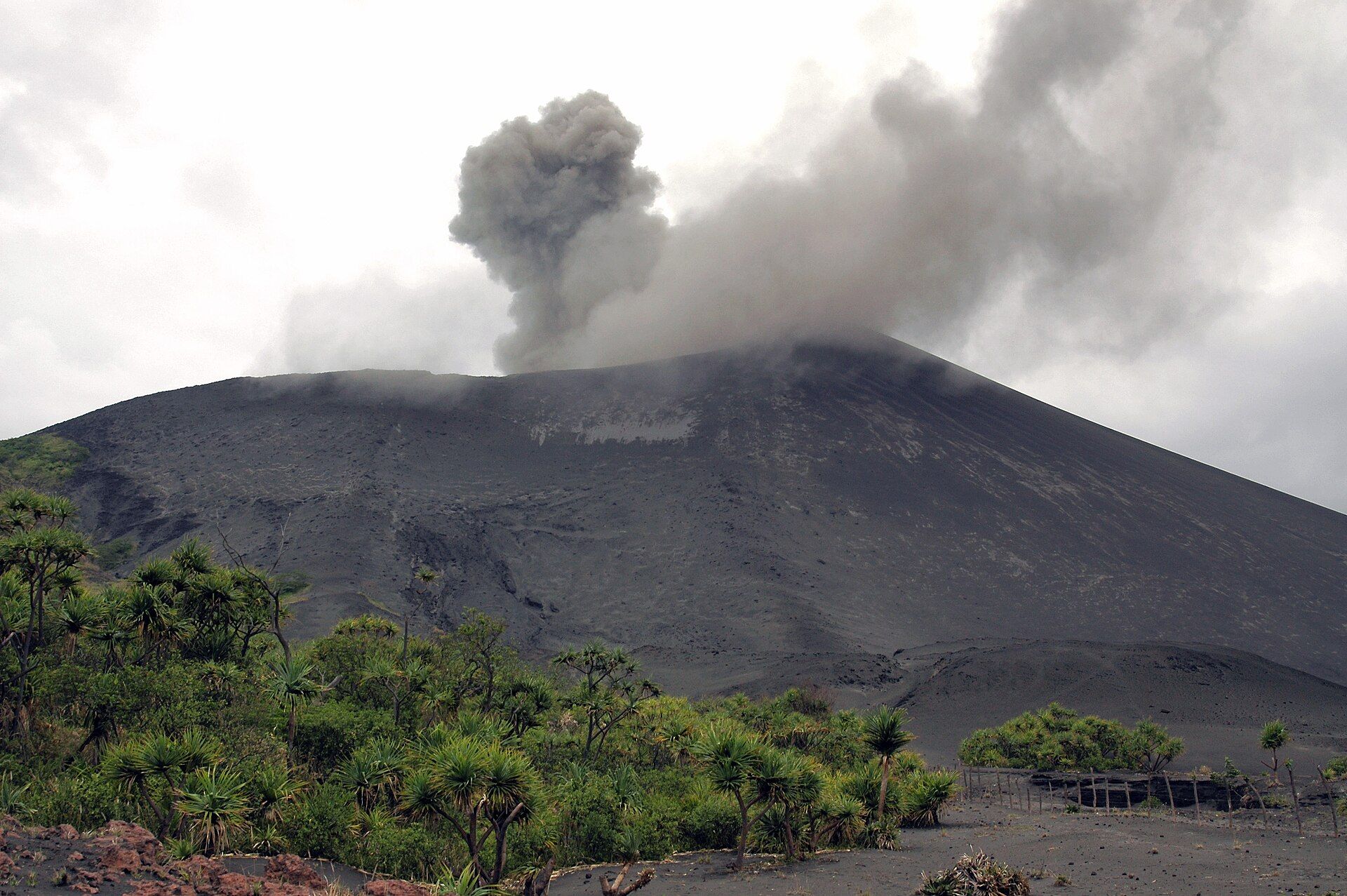
Mount Yasur Lava bombs every few minutes, from the rim
Tanna Island, Vanuatu
Yasur has erupted almost continuously for hundreds of years in the strombolian style, hurling incandescent lava bombs skyward every few minutes. A short flight from Port Vila to Tanna, then 4x4s climb the ash plain to a car park near the summit and guided visits walk a short way to the rim, timed to dusk when the glow shows best. The volcano stands on customary land managed by the people of Tanna. Check the alert level — access closes when activity is too high. Drier season roughly May–October.
-
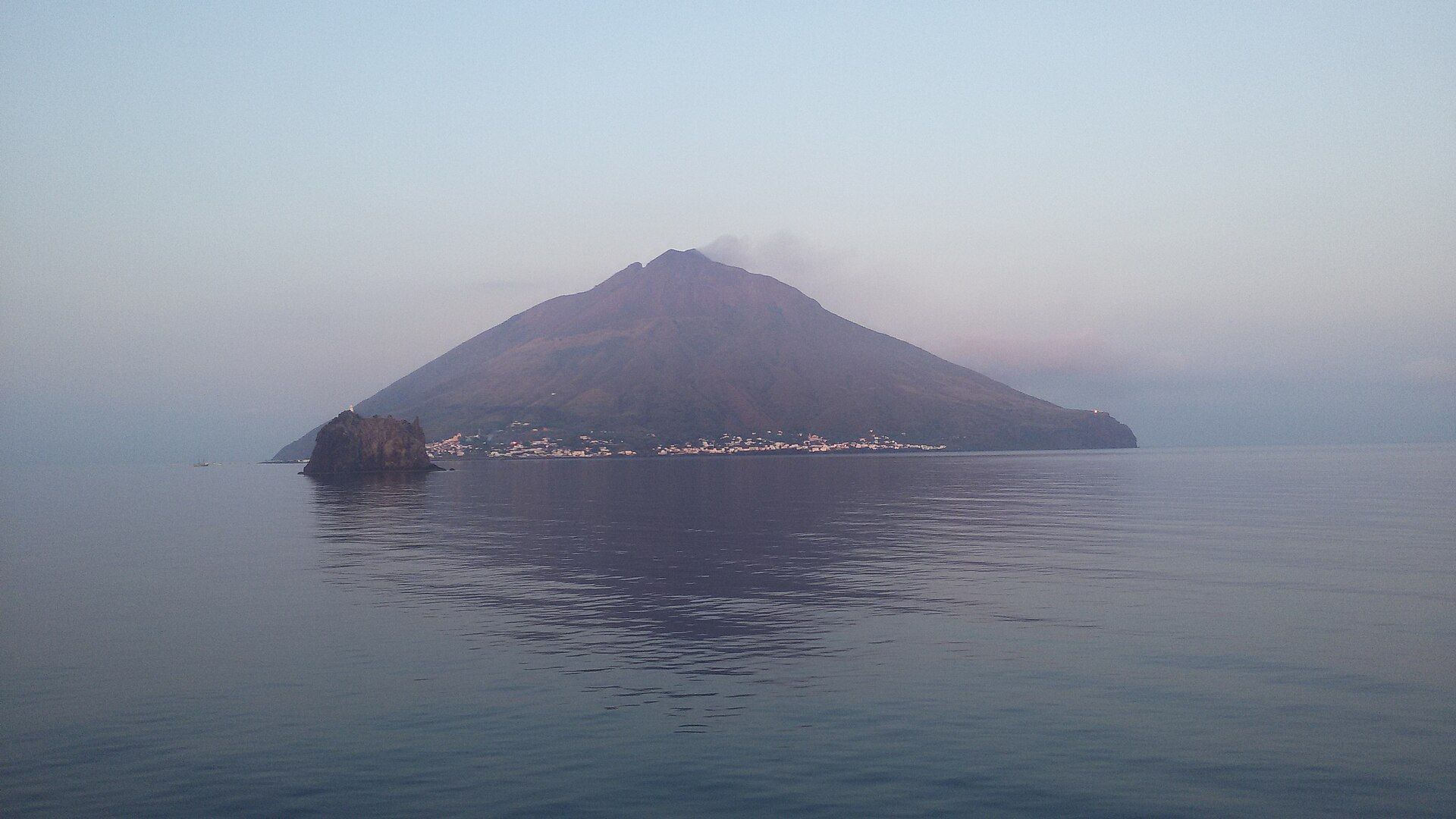
Stromboli Erupting for 2,000 years, seen from shore or boat
Aeolian Islands, Tyrrhenian Sea, off the north coast of Sicily, Italy
An open-conduit volcano that throws out gas and glowing lava three to seven times an hour on average; after dark the explosions and the Sciara del Fuoco can be seen from the slopes, the shore or a boat offshore. Reached by hydrofoil or ferry from Milazzo. Climbing is set by Comune di Lipari ordinances that change with the alert level — above 400 m only with authorised guides, and the crater area has been closed — so check the current ordinance and the INGV bulletins first.
-
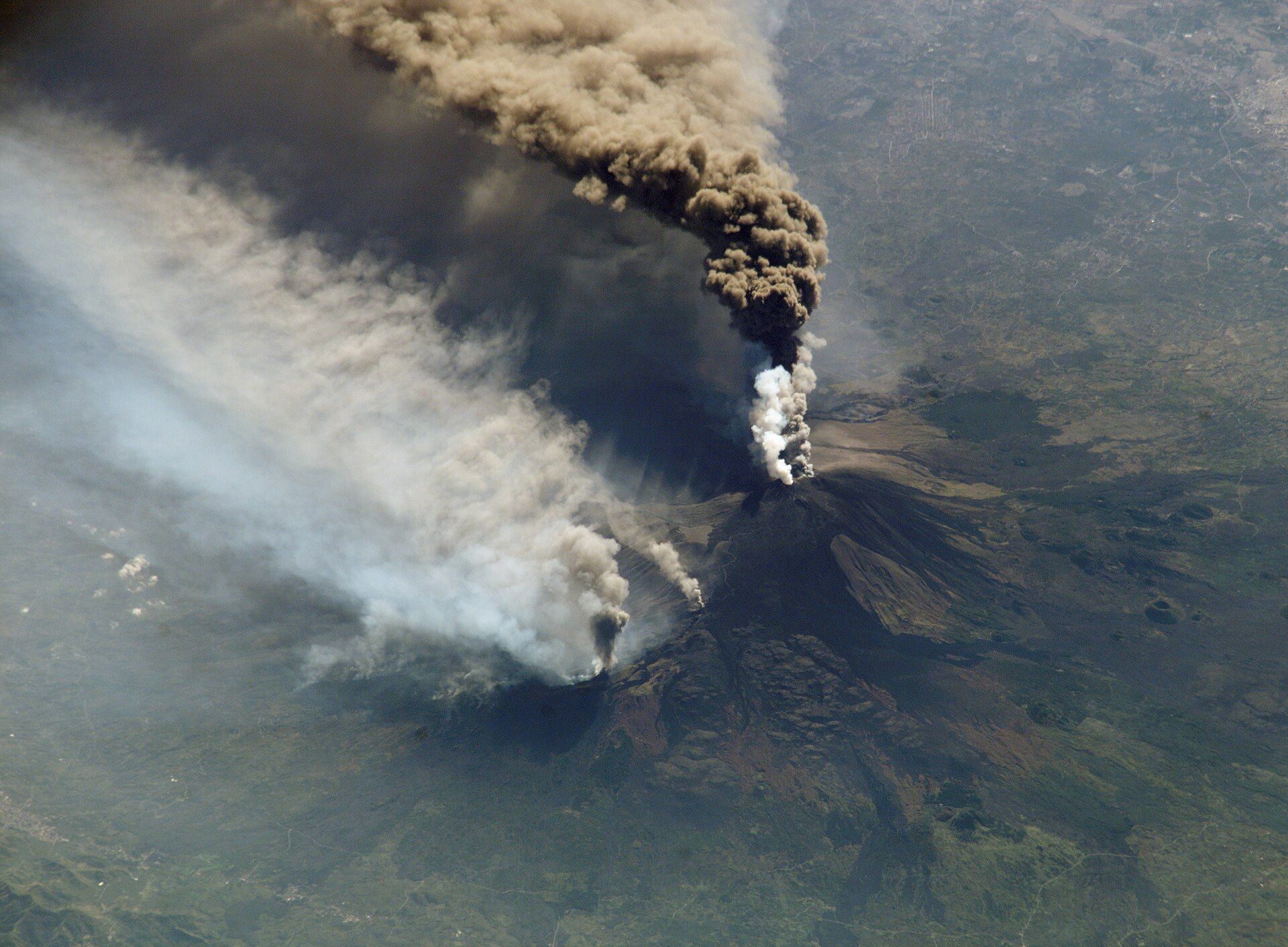
Mount Etna Glowing eruptions from a safe distance
Sicily, Southern Italy
Europe's largest and most active volcano, where you can often watch glowing eruptions at night from a safe distance. From Catania, roads climb to Rifugio Sapienza or Piano Provenzana; the lower slopes are free to walk, but above roughly 2,900 m you must be with an authorised alpine or volcanological guide, and the boundary moves with the volcano. Paroxysms close sections and halt the cable car. April–June and September–October are the best months.
-
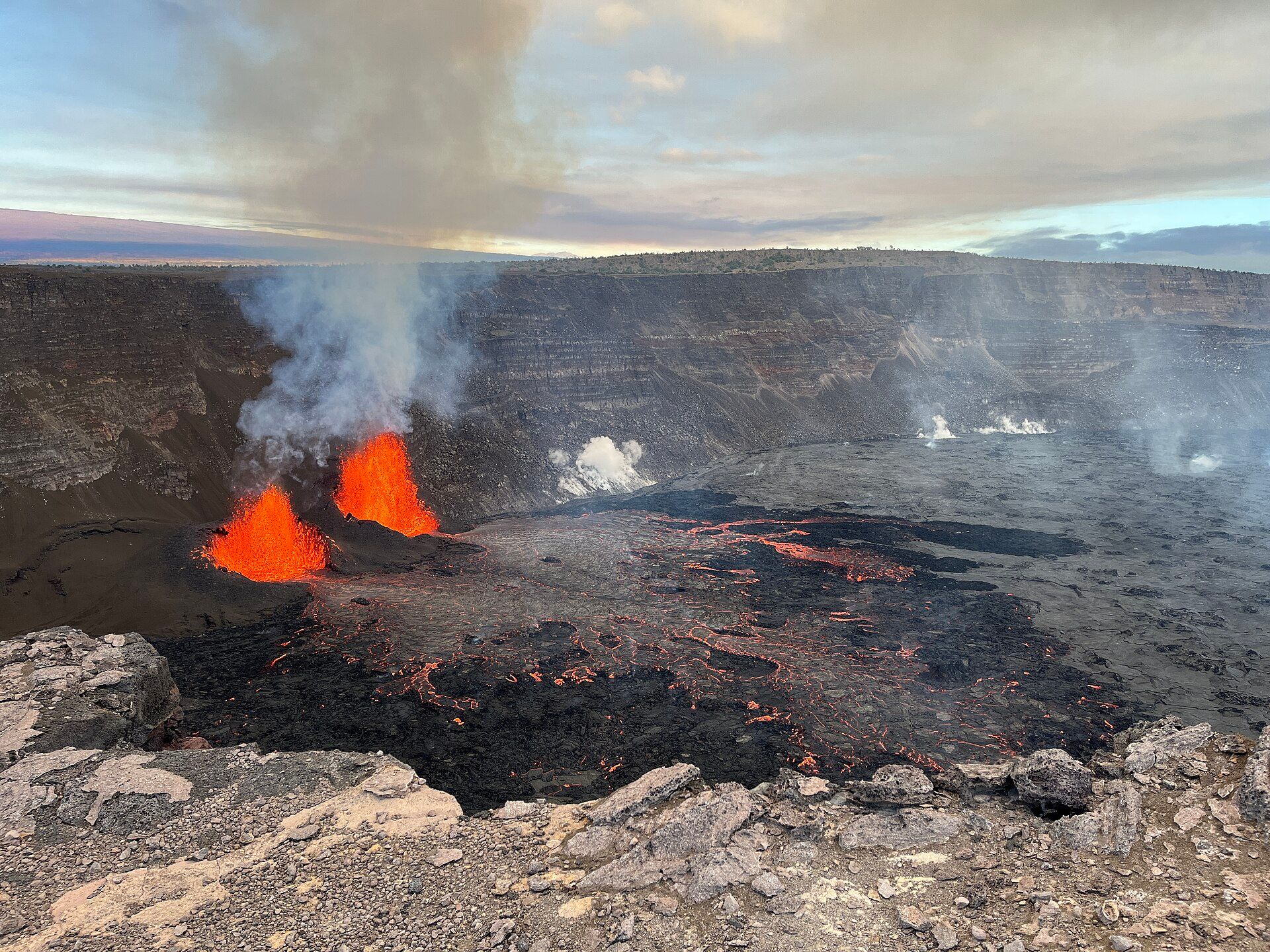
Kīlauea A lava lake — when it's erupting
Island of Hawaiʻi, United States
Kīlauea erupts often, sometimes filling Halemaʻumaʻu crater with a glowing lava lake, sometimes sending flows across the land or into the sea. When an eruption is visible, the overlooks are packed after dark; the glow reads far better at dusk or at night. Check the USGS Hawaiian Volcano Observatory status and park alerts on the day you go, not weeks ahead. In Hawaiʻi Volcanoes National Park, from Hilo or Kona.
-
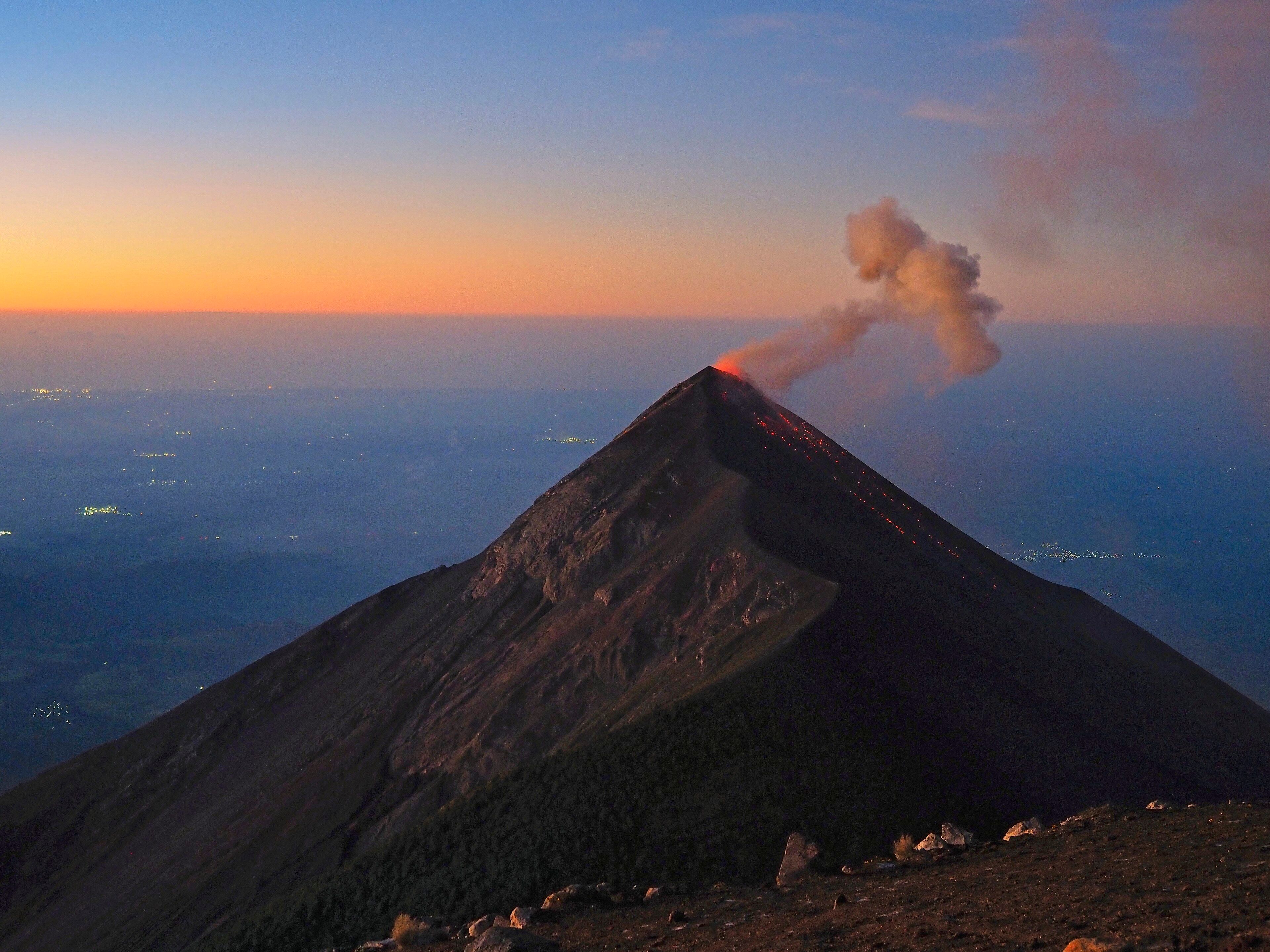
Acatenango Watch Fuego erupt all night
Sacatepéquez and Chimaltenango Departments, near Antigua, Guatemala
You climb Acatenango for the view of its neighbour: overnight camps on the southern flank face Fuego, which erupts more or less continuously, and after dark its ash plumes turn incandescent and lava is visible running down the cone. Check INSIVUMEH's current bulletin on Fuego before you go and follow your guide on the boundary. November to April is the season.
-
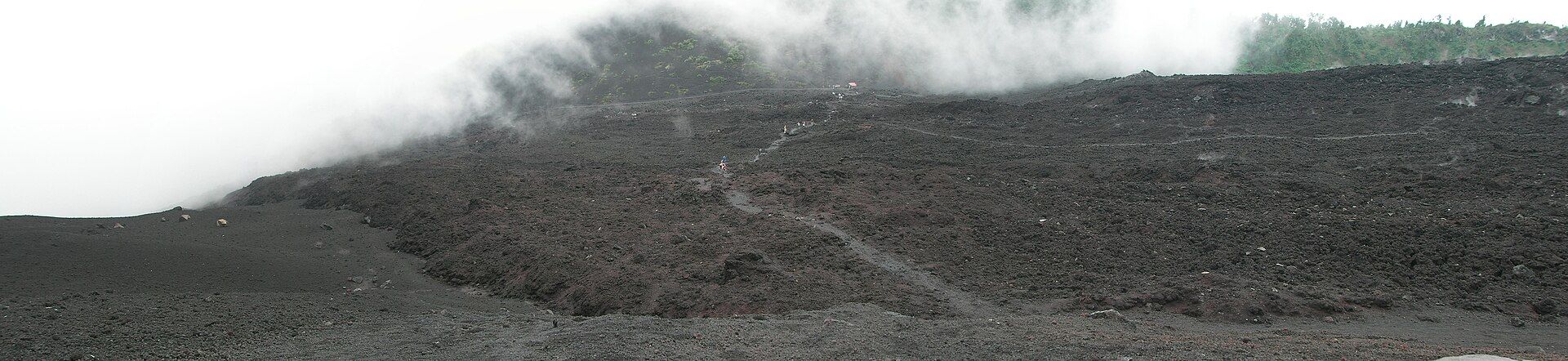
Pacaya Half-day lava-field hike near Antigua
Escuintla, near Antigua, southern Guatemala
Trails climb from forest onto fields of hardened black lava toward a summit whose vents often glow or spatter, sometimes sending lava down the flanks; when activity allows, guides lead visitors close enough to feel the heat of recent flows. Entry needs a ticket and, in practice, a local guide. November to April.
-
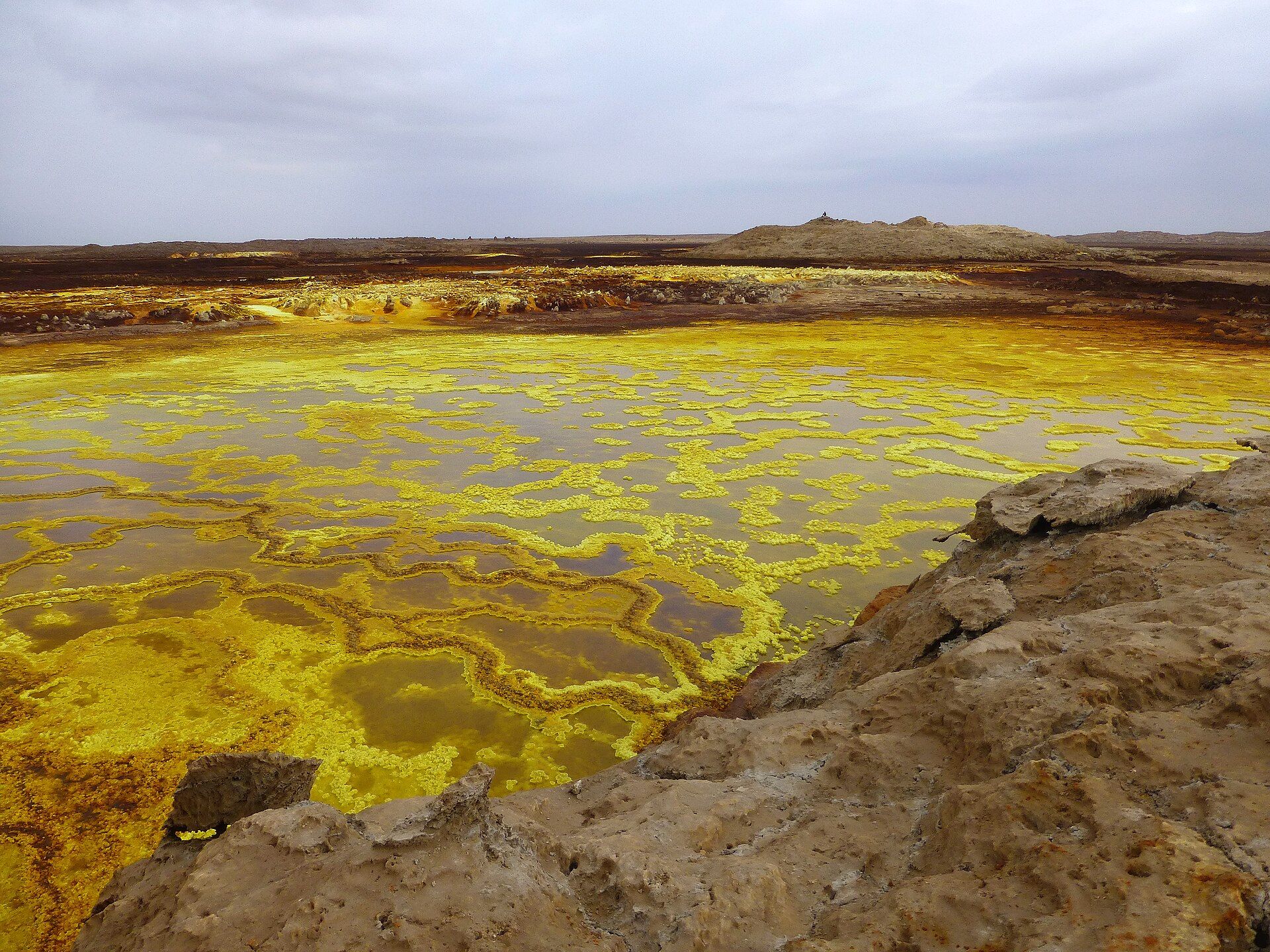
Danakil Depression Erta Ale's lava lake, by expedition
Afar Region, northeastern Ethiopia
Erta Ale holds one of the world's few persistent lava lakes, glowing red at night. Only on multi-day guided 4x4 expeditions from Mekele, through licensed operators who arrange permits, local Afar guides and, on routes near the Eritrean border, an armed escort. Conditions are harsh and the area can be volatile — check current advisories. November to February.
-
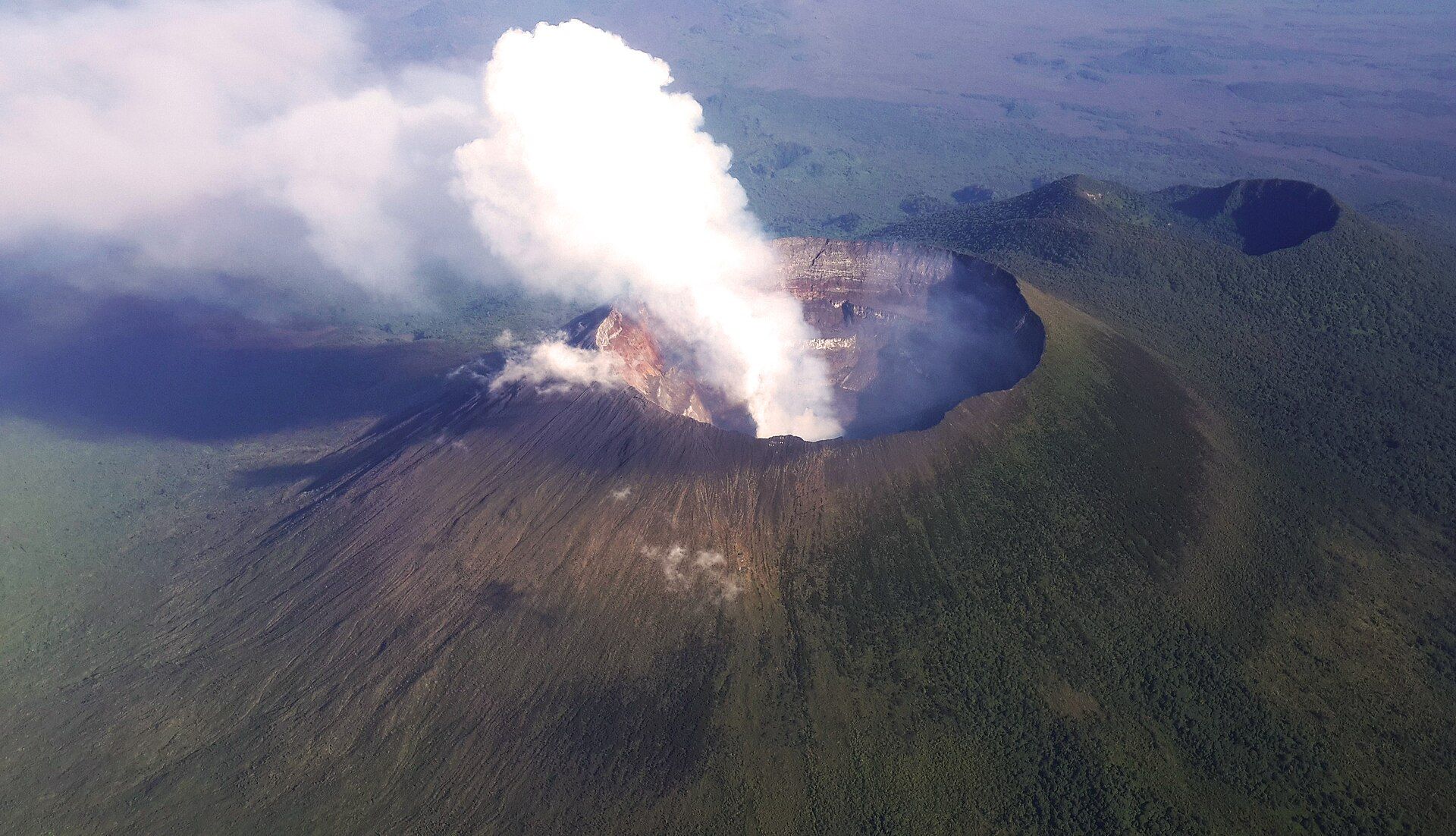
Nyiragongo One of the largest lava lakes on Earth
Virunga, eastern DR Congo
A demanding day trek from near Goma ends at overnight shelters on the rim at 3,470 m, looking down into one of the largest persistent lava lakes on Earth — in the years when security and volcanic activity allow. Only with official Virunga National Park guides, permits and an armed ranger escort; access opens and closes with security and volcanic conditions, so check both before planning anything.
For the most reliable glow with the least effort, Mount Yasur and Stromboli are the two that have been erupting for centuries; for a lava lake, Kīlauea when it is active, or Erta Ale and Nyiragongo for those prepared for an expedition and their security caveats. Two famous volcanoes are not on the list on purpose: Arenal ended its lava phase around 2010 and is now for its cone, forest and hot springs, and Mayon is watched only from authority-approved viewpoints around Legazpi — check PHIVOLCS before travelling.
Added