Region · Southern Africa
The Most Beautiful Places in Southern Africa
21 places · every one real, mapped, and worth the trip
Southern Africa's beauty comes in two kinds: desert and wild water. Namibia's Namib holds some of the tallest dunes on Earth and a coast of fog and shipwrecks; Botswana's Kalahari is broken by a river that floods into the desert and salt pans that fill in the rains; and the Zambezi drops over Victoria Falls before running on past some of the continent's great game parks. South Africa adds a basalt escarpment, a forested canyon and a flat-topped mountain over Cape Town.
This is our editors' pick of all 21 places in the atlas across Namibia, Botswana, South Africa, Zimbabwe, Zambia and Malawi, grouped by country rather than ranked. Madagascar sits in its own section of the atlas and is not included here.
-
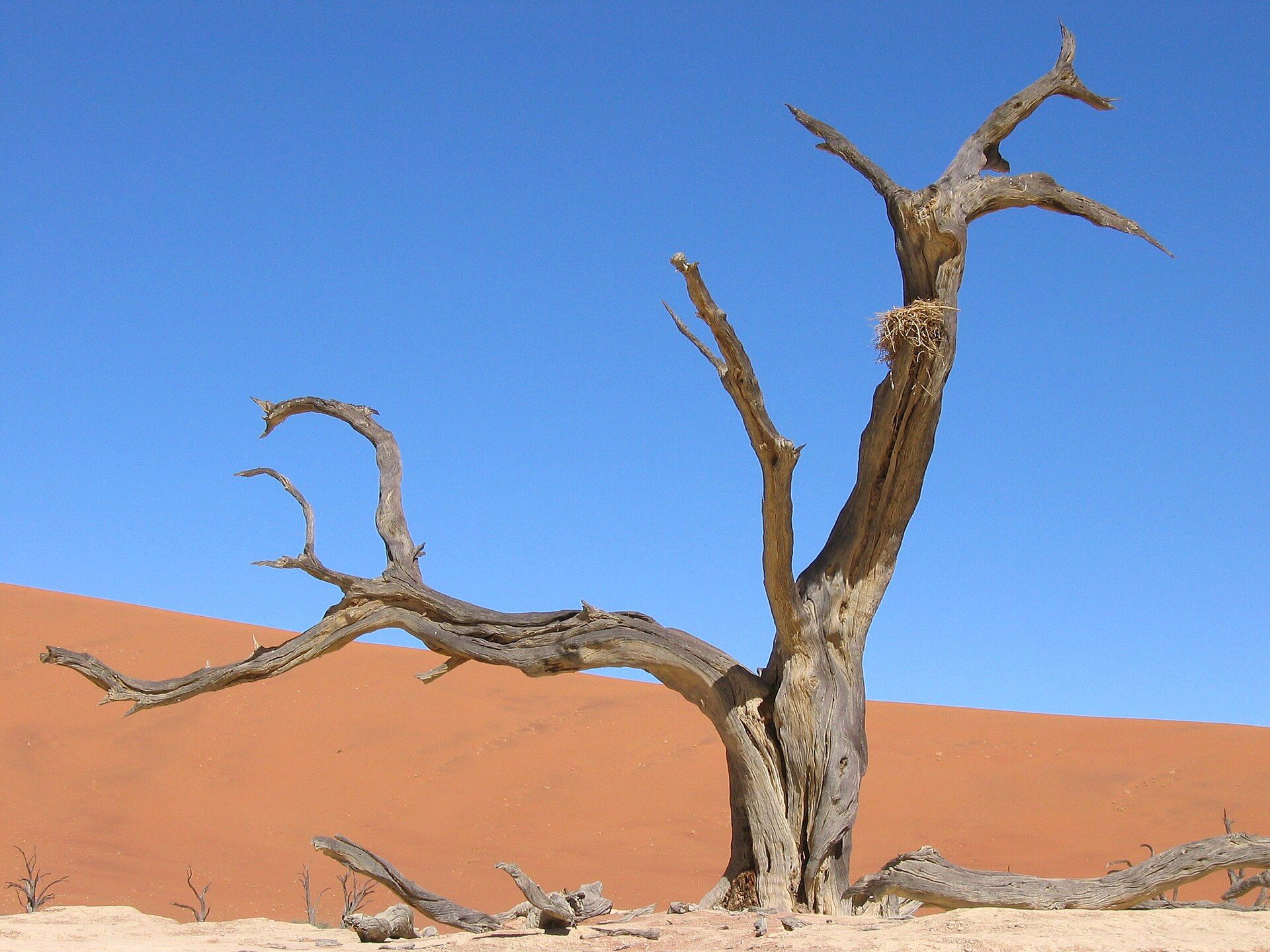
Sossusvlei & Deadvlei Red dunes, white pan
Namib-Naukluft National Park, Namibia
Soaring red dunes of the Namib around the white clay pan of Deadvlei, where 900-year-old blackened trees stand against orange sand; climb in the cooler months, roughly April to October, at dawn.
-
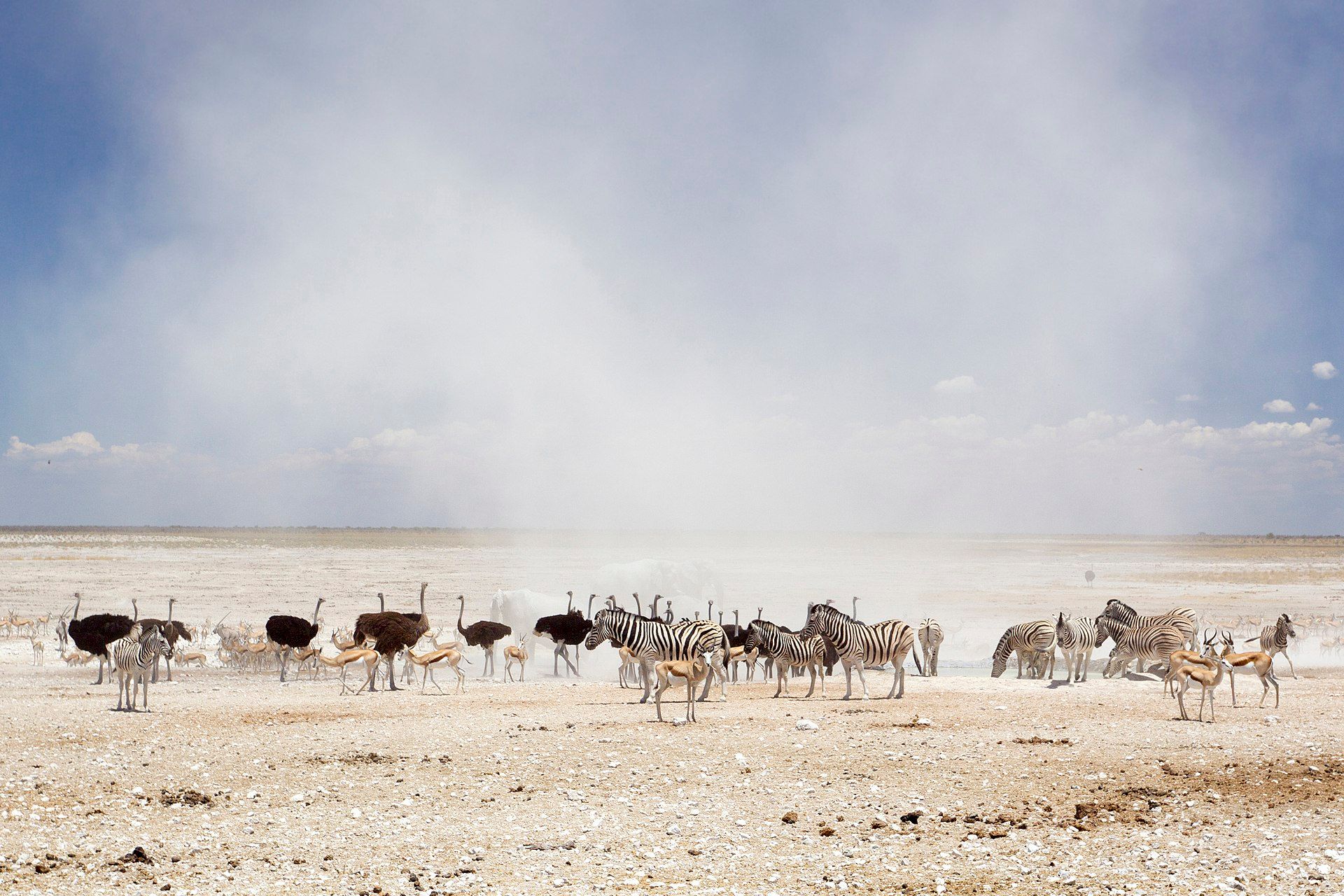
Etosha Pan Waterhole safari
Northern Namibia
A white salt pan visible from space, ringed by waterholes where elephants, rhinos and lions gather in the dry season, roughly June to October.
-
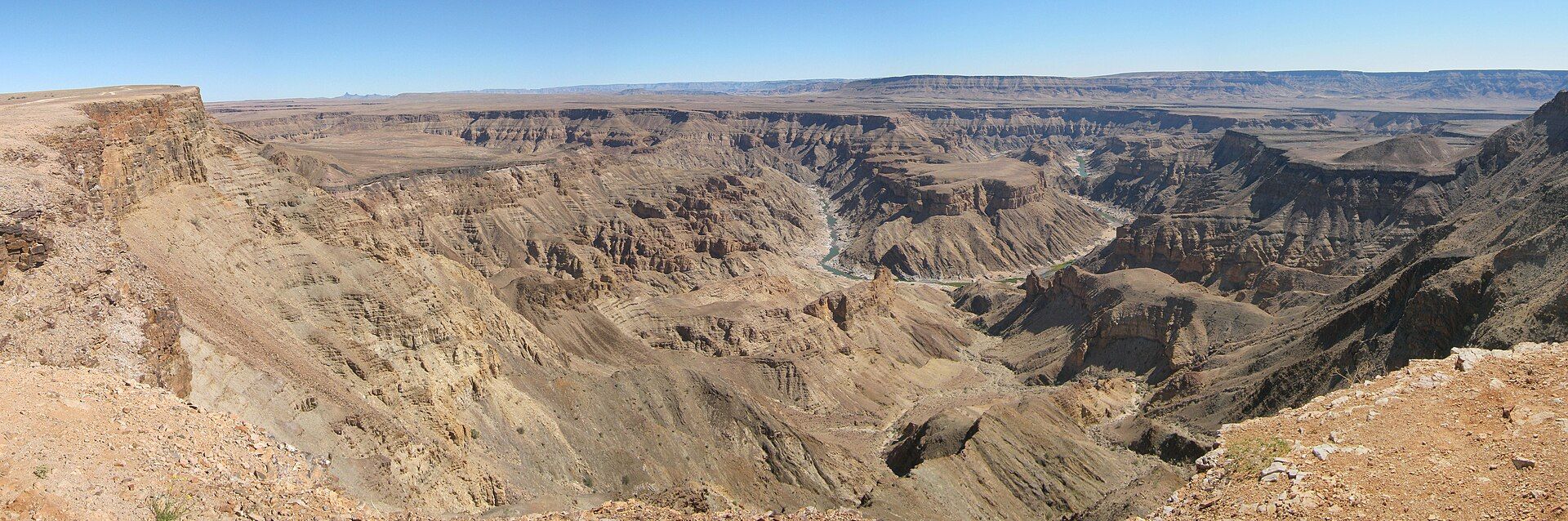
Fish River Canyon Africa's largest canyon
ǁKaras, southern Namibia
A 160-kilometre gash up to 550 metres deep and 27 kilometres wide; the multi-day hiking trail is open only in the cooler months, roughly May to September.
-
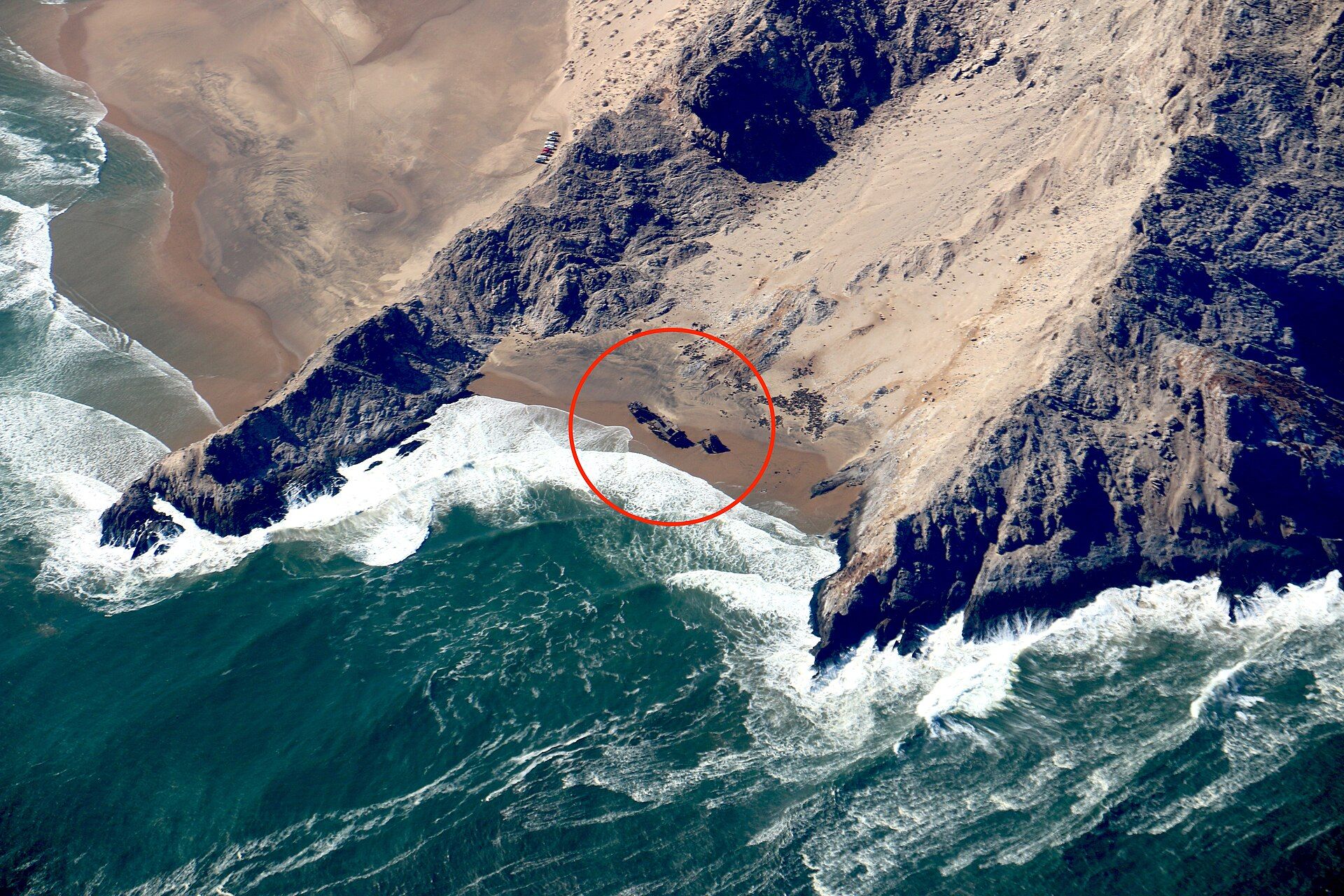
Skeleton Coast Fog and shipwrecks
Northwestern Namibia
Where the Namib meets the cold Atlantic — a fog-shrouded shore of shipwrecks, dunes and seal colonies, kept alive by mist off the Benguela Current.
-
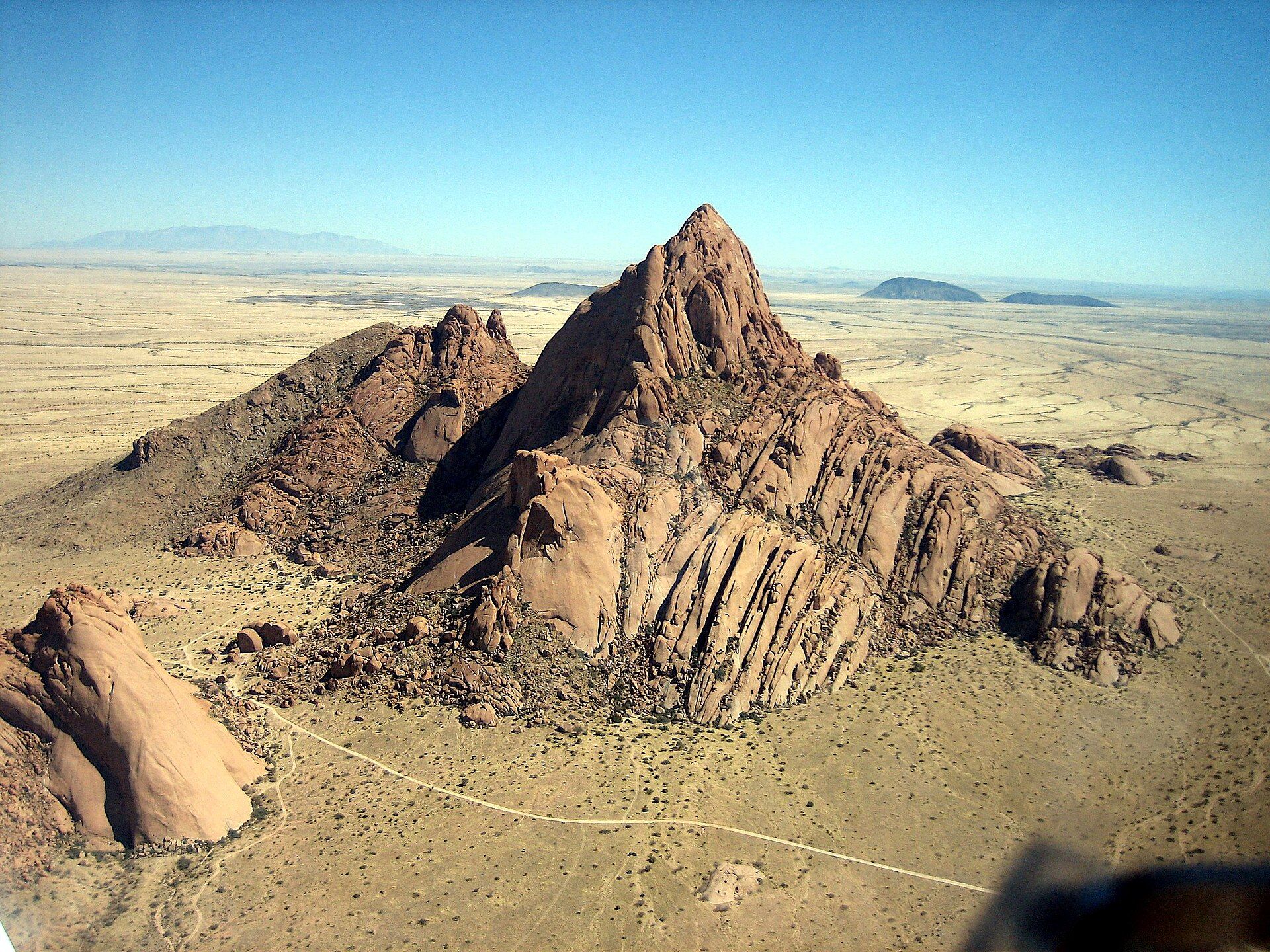
Spitzkoppe Granite under dark skies
Erongo Region, Western Namibia
Bald granite peaks rising abruptly from the flat Namib plains, glowing orange at dawn and dusk, with a natural rock arch and very dark night skies; May to September for cool days and clear nights.
-
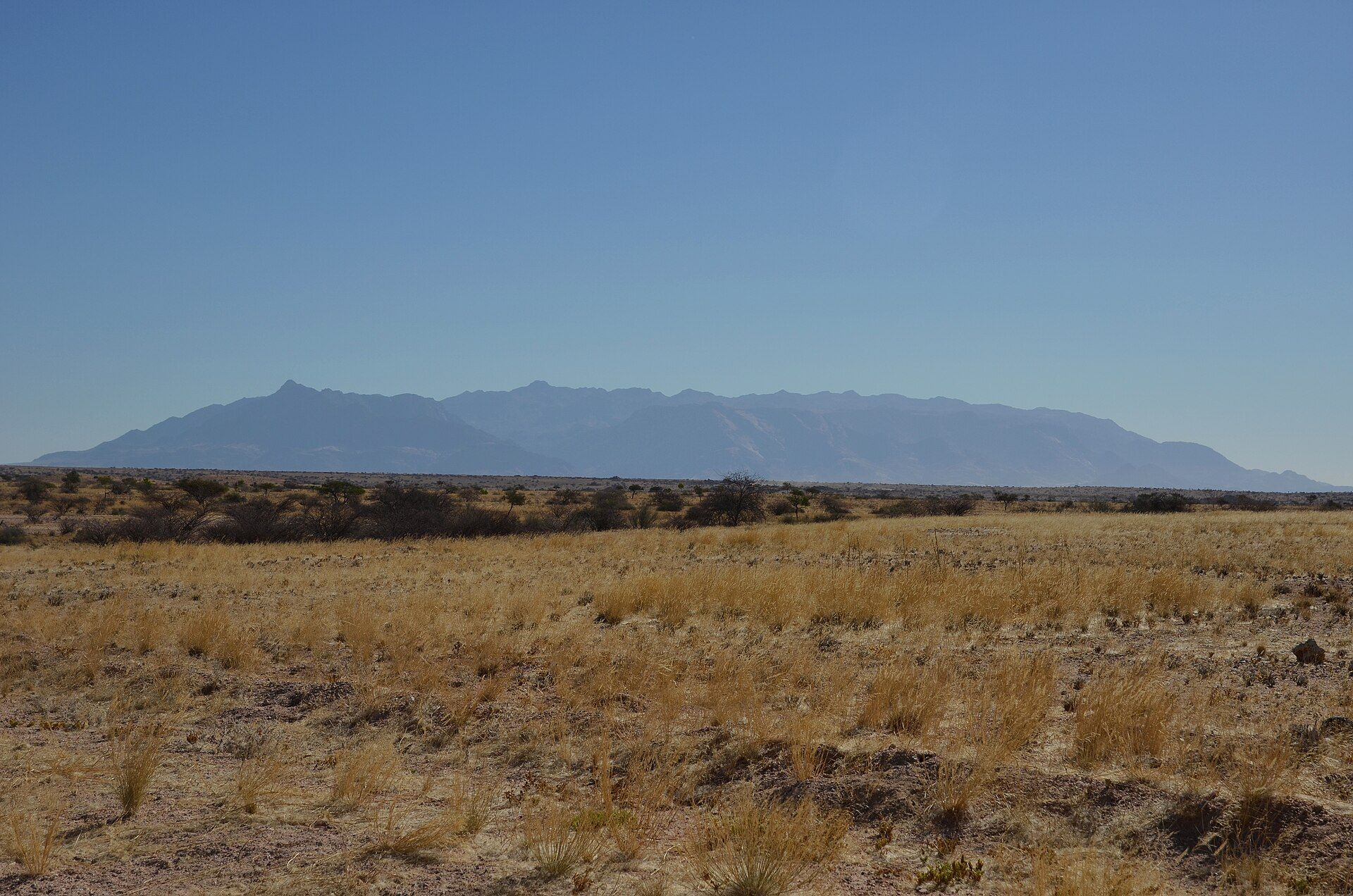
Brandberg Mountain Namibia's highest mountain
Damaraland, Erongo Region, Northwest Namibia
A granite massif rising more than 1,800 metres above the desert to Königstein at 2,573 metres, with over 43,000 rock paintings; the guided walk to the White Lady is best from May to September.
-
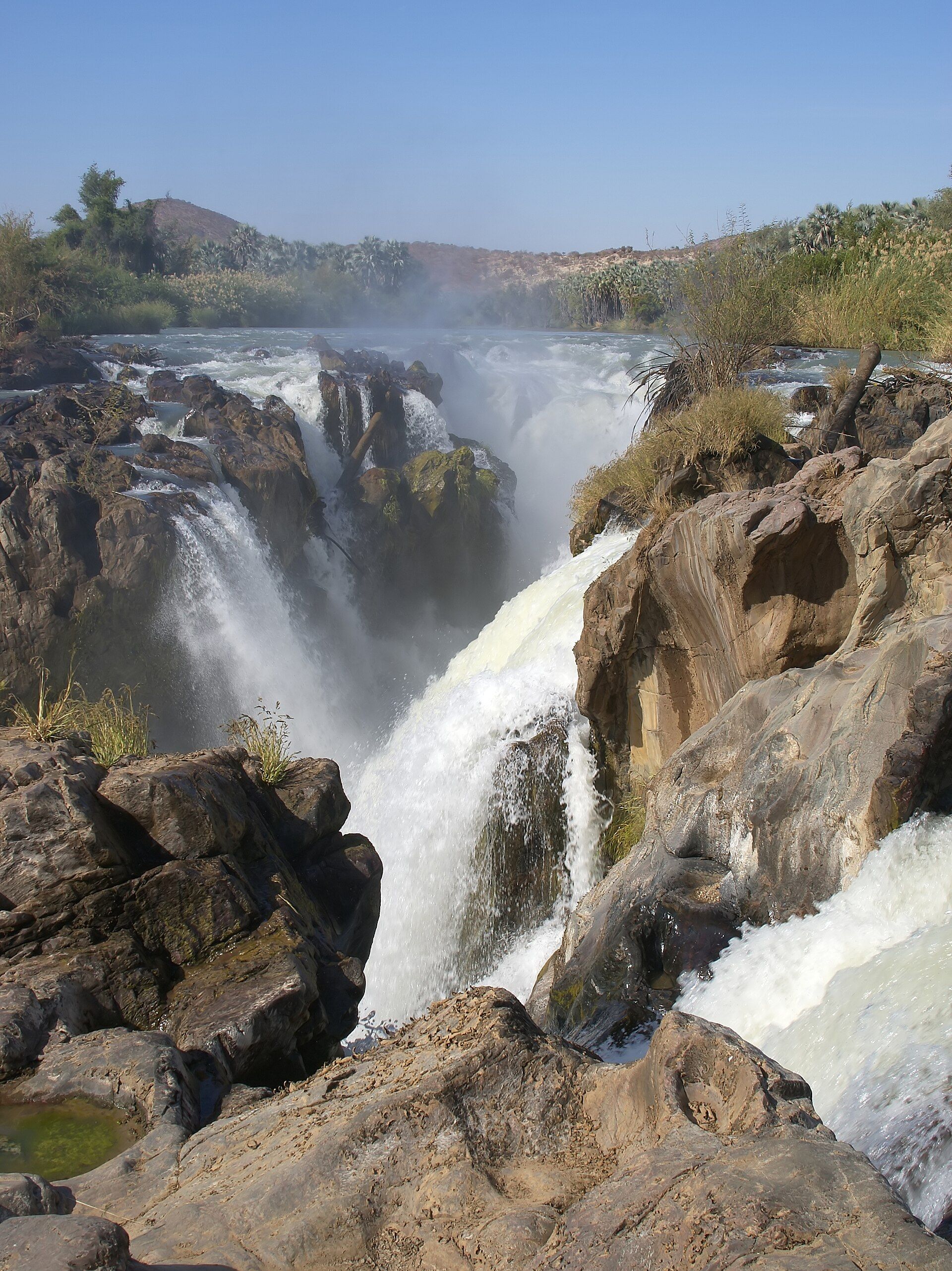
Epupa Falls Falls among baobabs
Kunene Region (Kaokoland), Namibia–Angola border
A wide scatter of waterfalls where the Kunene breaks over rock on the remote Angolan border, among baobabs and palms in Himba country; fullest from about March to June.
-
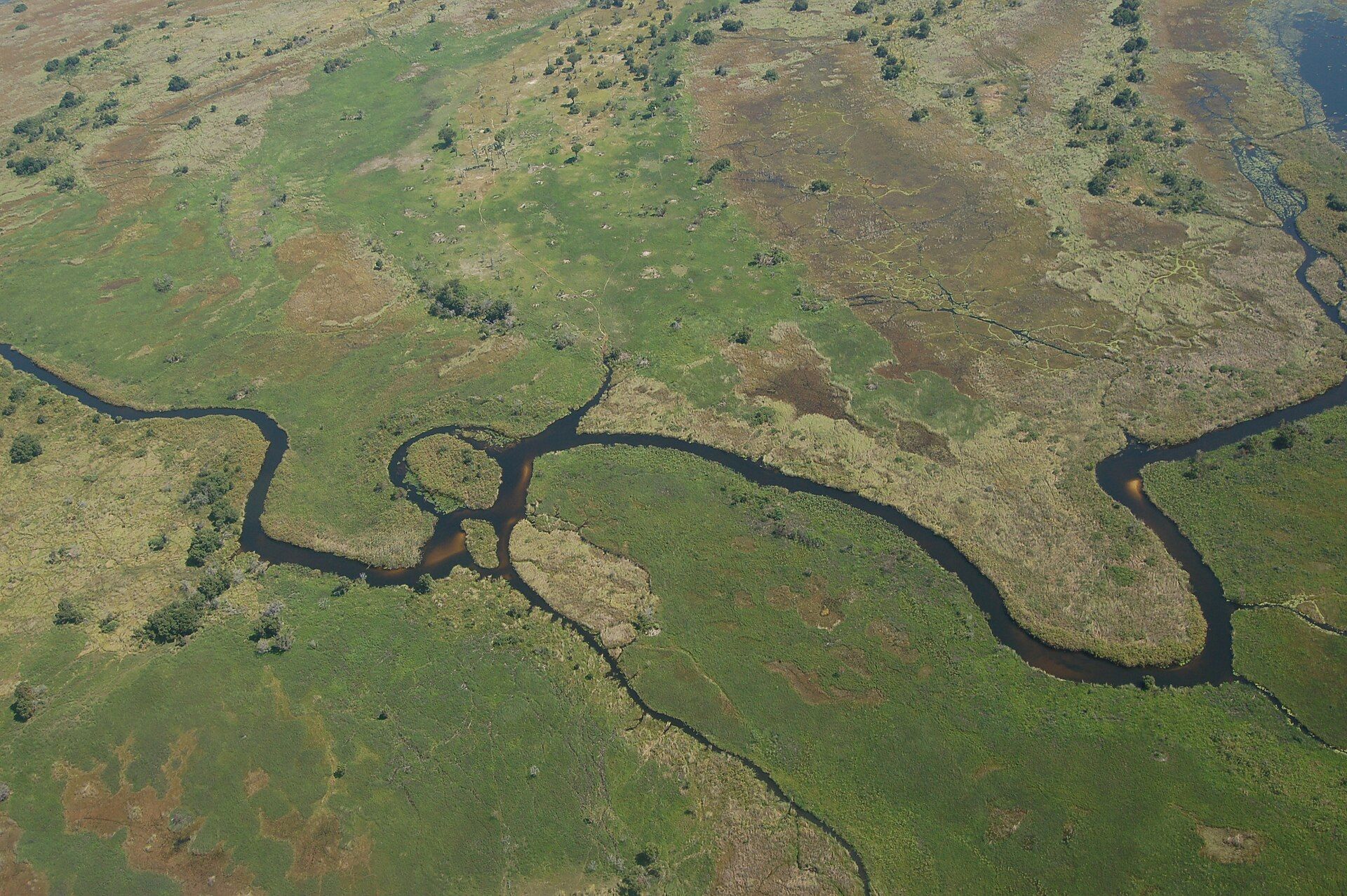
Okavango Delta A river that never reaches the sea
Northern Botswana
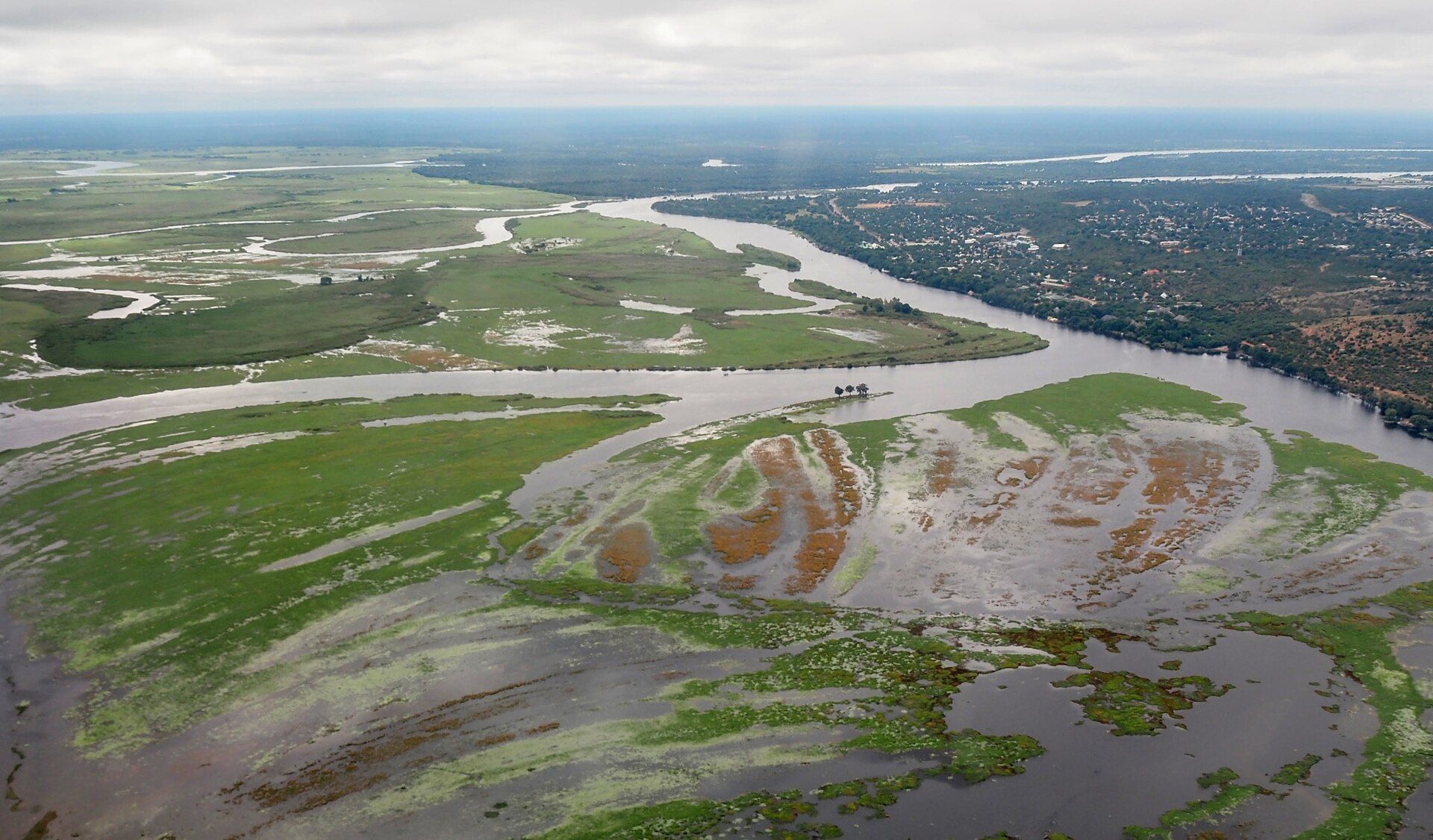
The Okavango spills into the Kalahari as a shifting inland delta of channels, islands and lagoons; the flood peaks in the dry season, roughly May to September, concentrating the wildlife.
-
Chobe National Park Elephant river
Northern Botswana, beside Kasane and the Chobe River
Floodplains, marsh and woodland along the Chobe River, where some of the largest elephant herds on Earth gather in the dry season, roughly May to October.
-
Makgadikgadi Pans Salt pans that flood
Northeastern Botswana, between Nata and Maun
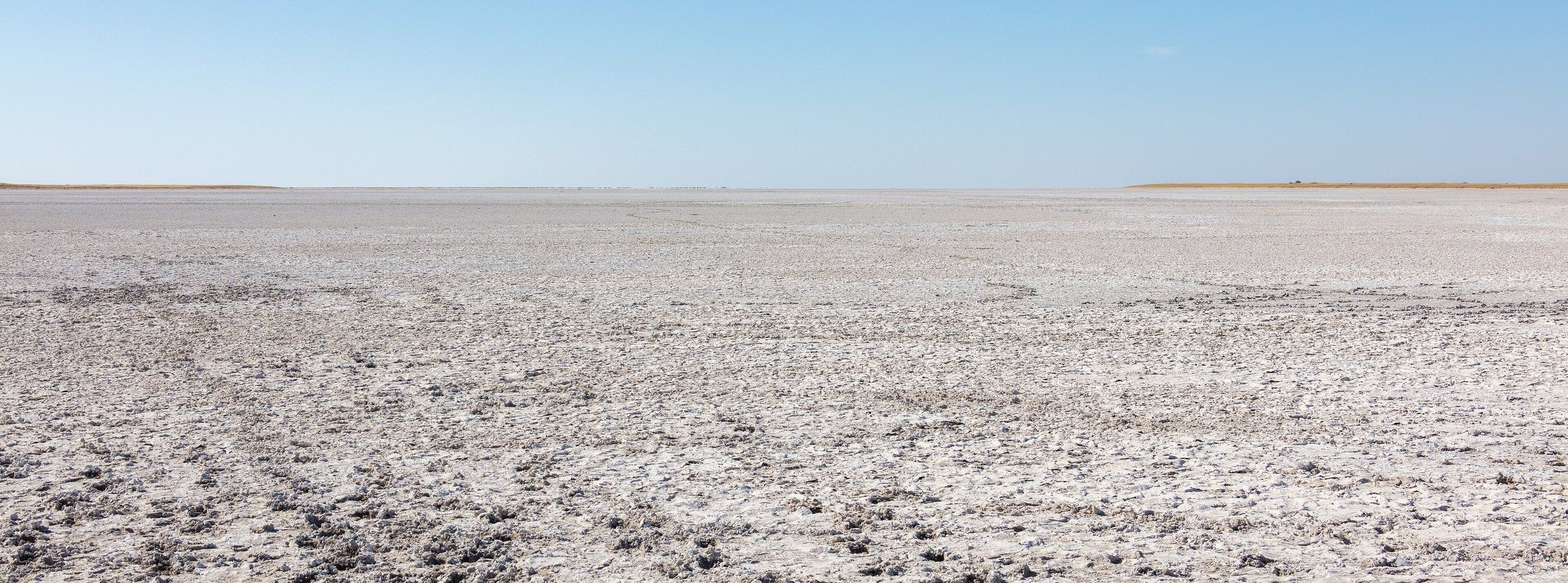
The dried floor of an ancient Kalahari lake: flooded and full of zebra, wildebeest and flamingos from about November to April, a blinding white plain from May to October.
-
Nxai Pan & Baines' Baobabs Baines' Baobabs
Nxai Pan National Park, northeastern Botswana, north of the Maun–Nata road
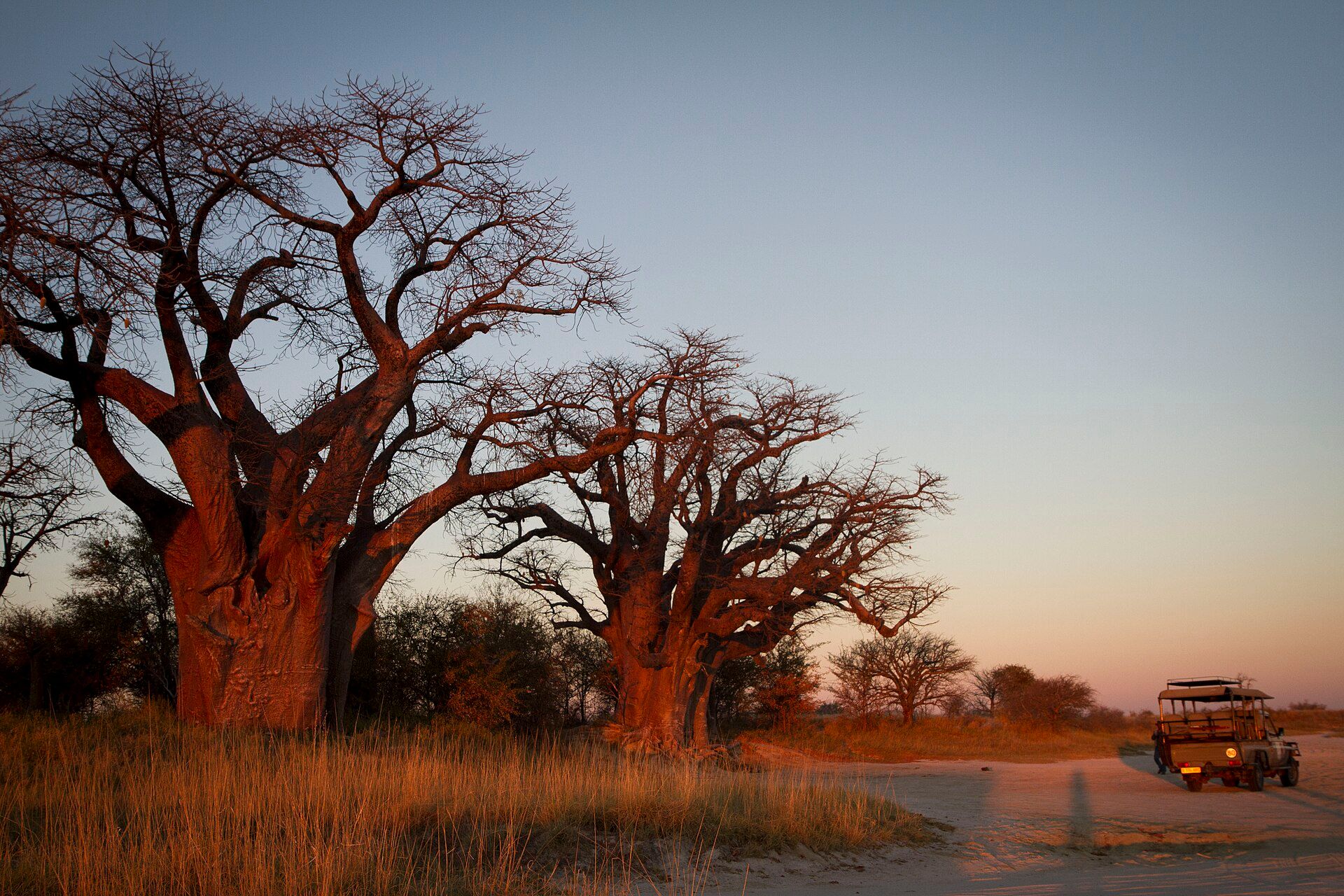
A fossil lake bed that fills with game in the rains, with a cluster of ancient baobabs on the edge of a salt pan; best from November to April, though heavy rain can make roads difficult.
-
Victoria Falls The smoke that thunders
Zambezi River, Zimbabwe / Zambia border
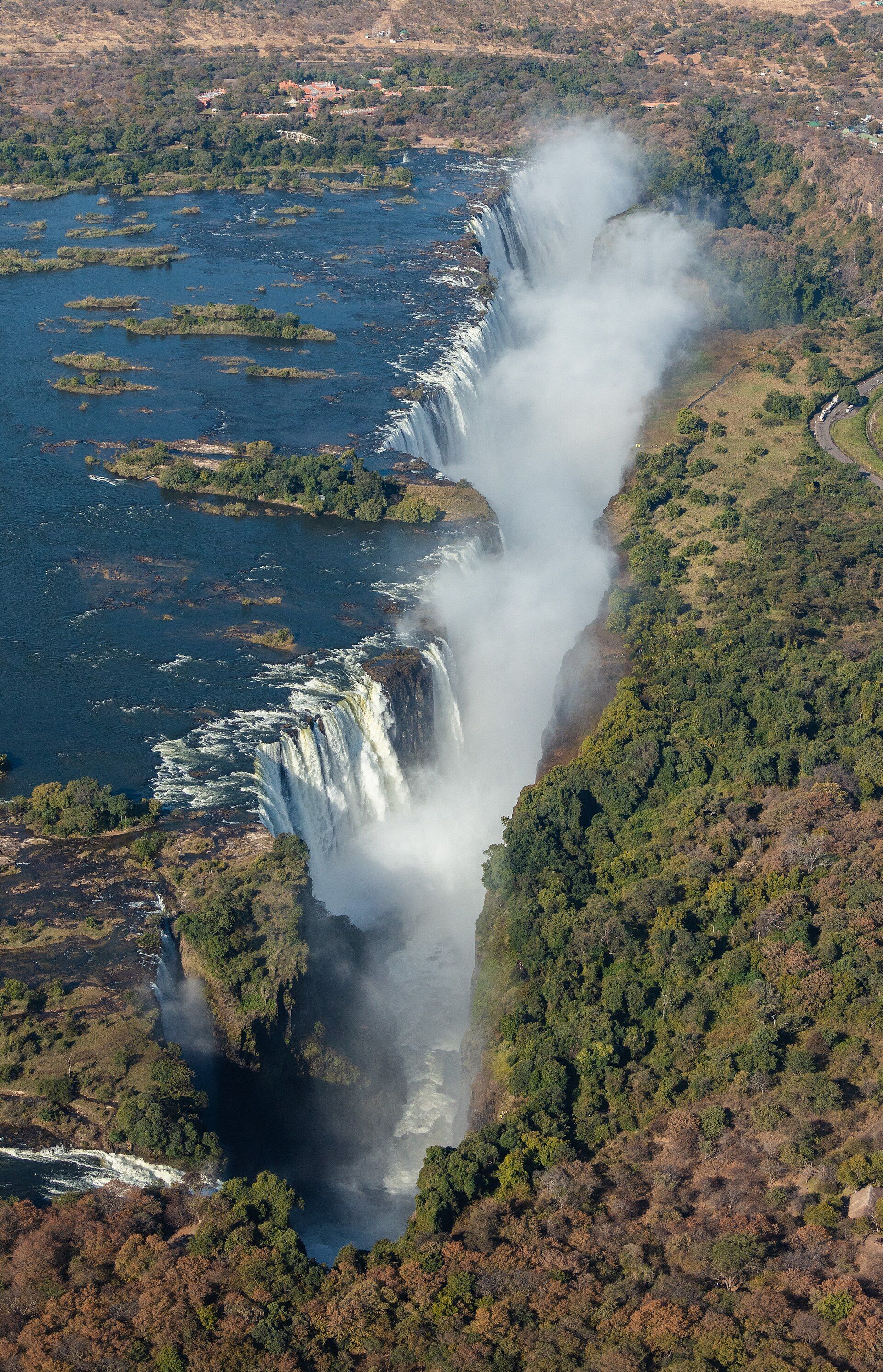
The Zambezi dropping over a 1.7-kilometre-wide precipice; February to May for maximum flow and spray, August to December for clearer views and Devil's Pool.
-
Hwange National Park Zimbabwe's largest park
Matabeleland North, north-western Zimbabwe, off the Bulawayo–Victoria Falls highway
About 14,650 km² of grassland, teak and mopane woodland, home to Zimbabwe's biggest elephant population and painted dogs; the dry season, roughly July to October, is easiest for game.
-
Matobo Hills Balancing boulders
Matabeleland South, Zimbabwe, about 30 km south of Bulawayo
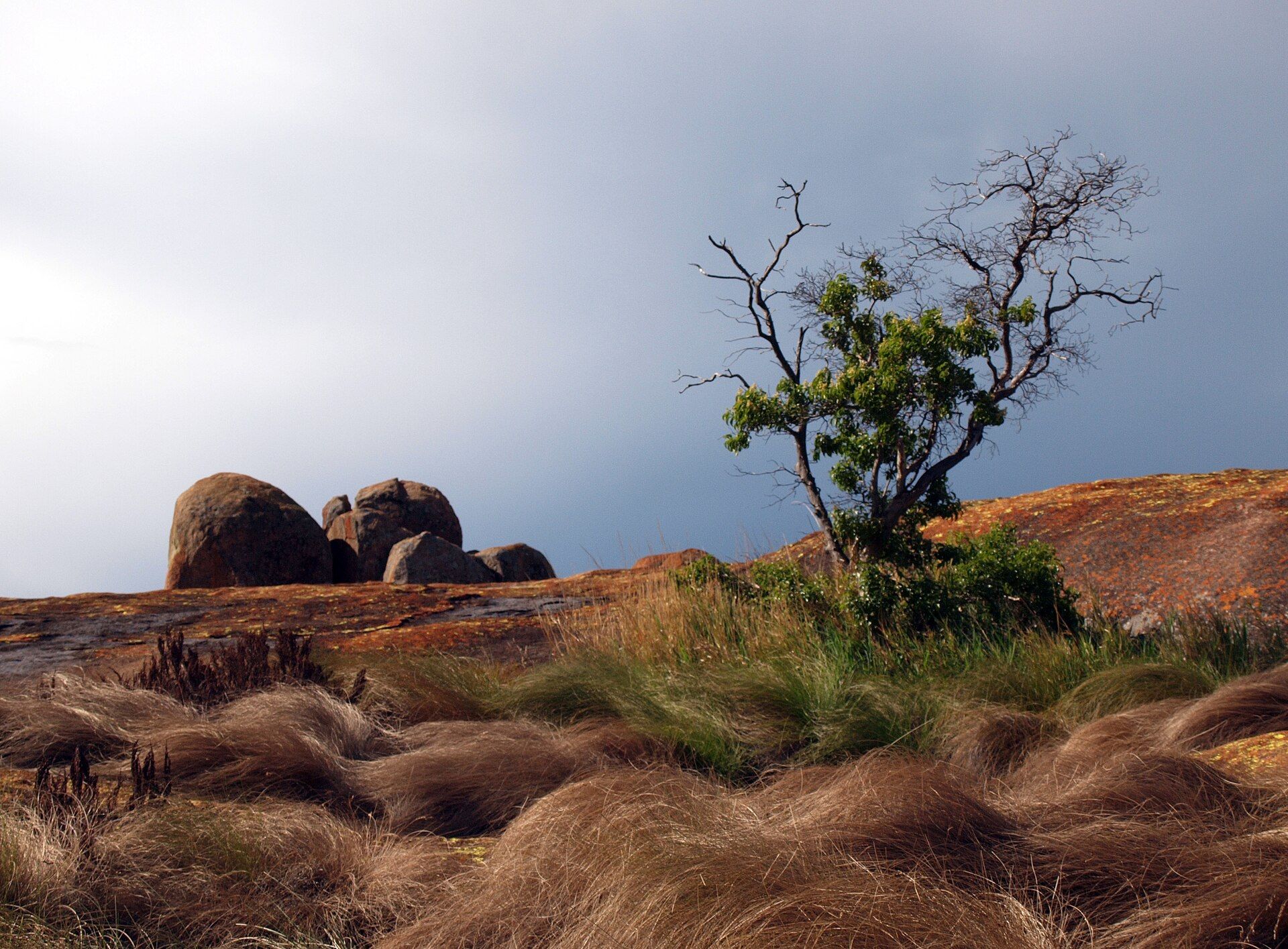
A maze of granite domes, kopjes and balancing boulders south of Bulawayo, whose rock shelters hold one of the richest concentrations of rock art in southern Africa; April to October for walking.
-
South Luangwa National Park Home of the walking safari
Luangwa Valley, Eastern Province, Zambia
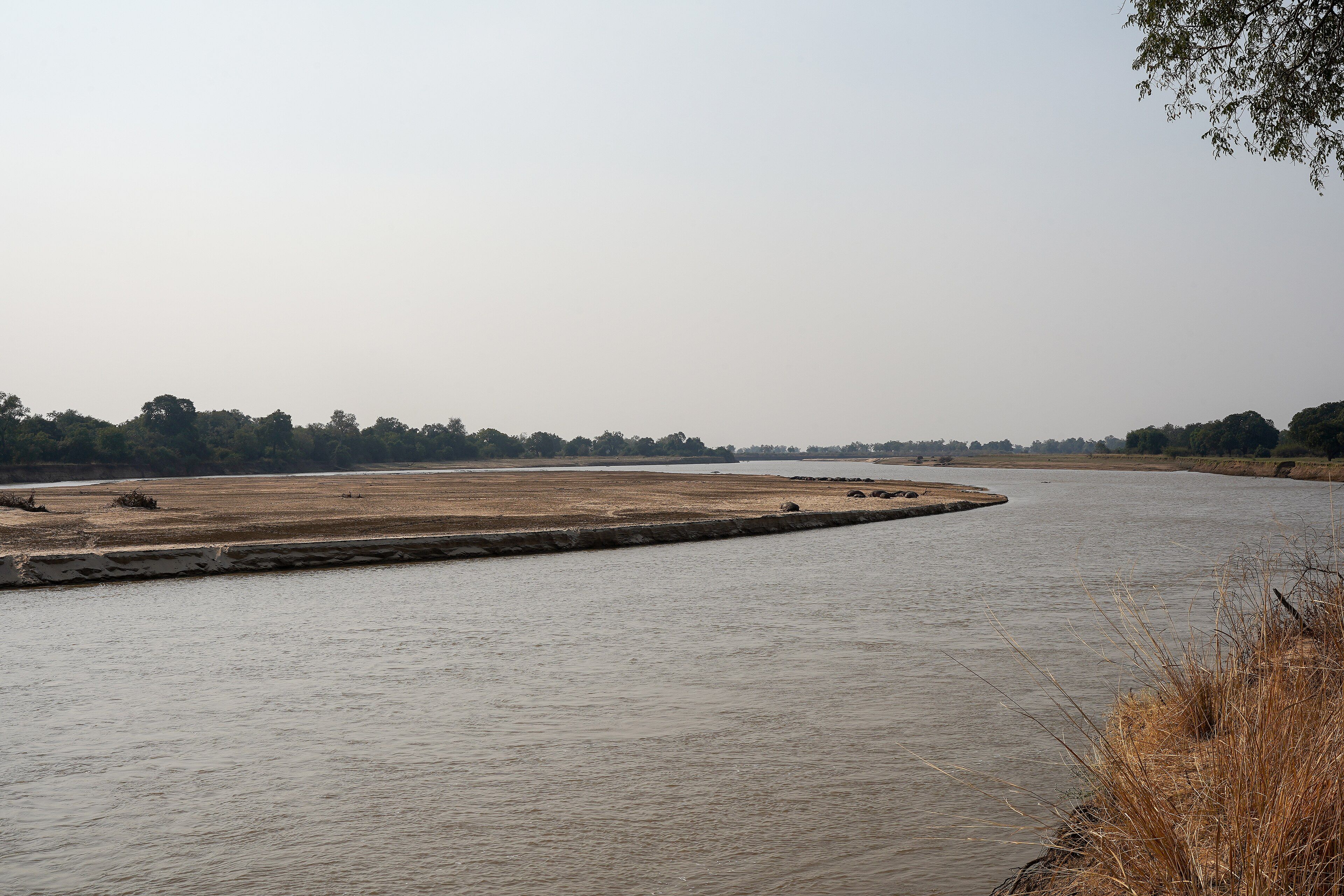
Nine thousand square kilometres around a river that moves every year, where the walking safari began; June to October is the classic window, and many camps close from December to March.
-
Kruger National Park Big Five bushveld
Mpumalanga & Limpopo, South Africa
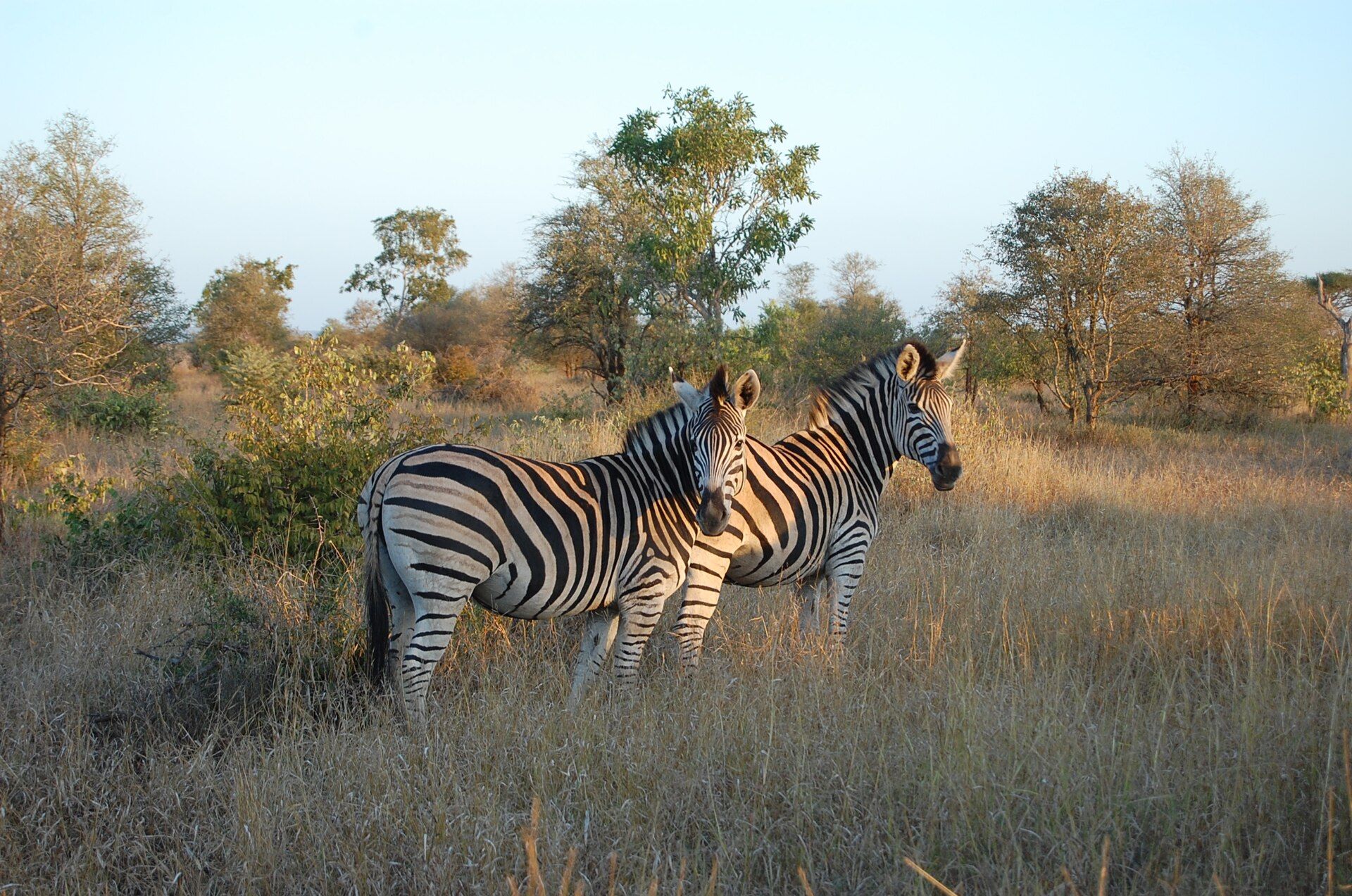
A vast bushveld reserve with the Big Five and one of Africa's most accessible safaris; the dry winter, roughly May to September, makes wildlife easiest to spot.
-
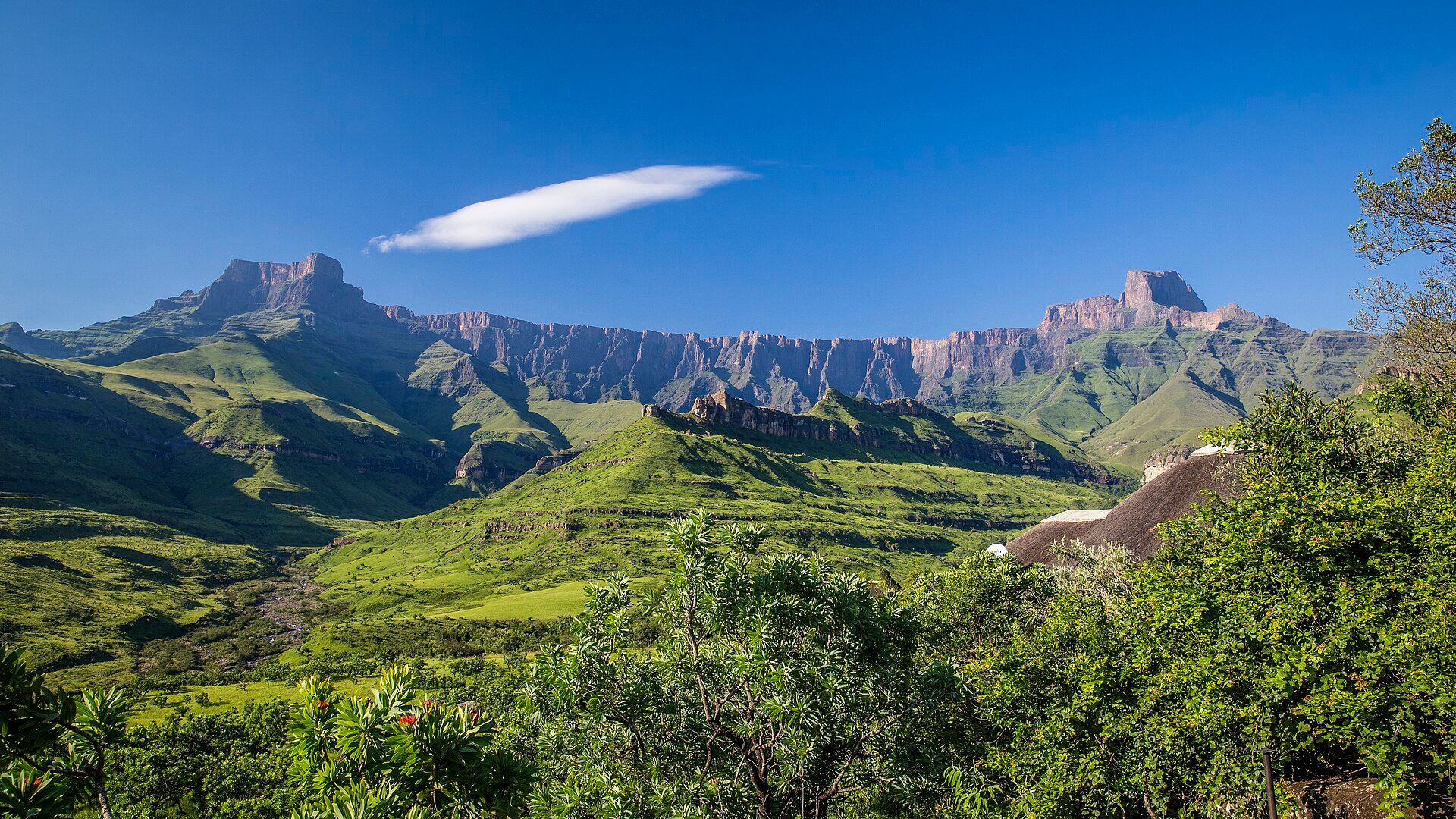
The Drakensberg Basalt rampart
KwaZulu-Natal, South Africa (bordering Lesotho)
A World Heritage range of escarpment walls, waterfalls and the richest gallery of San rock art, along the border with Lesotho; May to September for clear skies, as summer brings storms and mist.
-
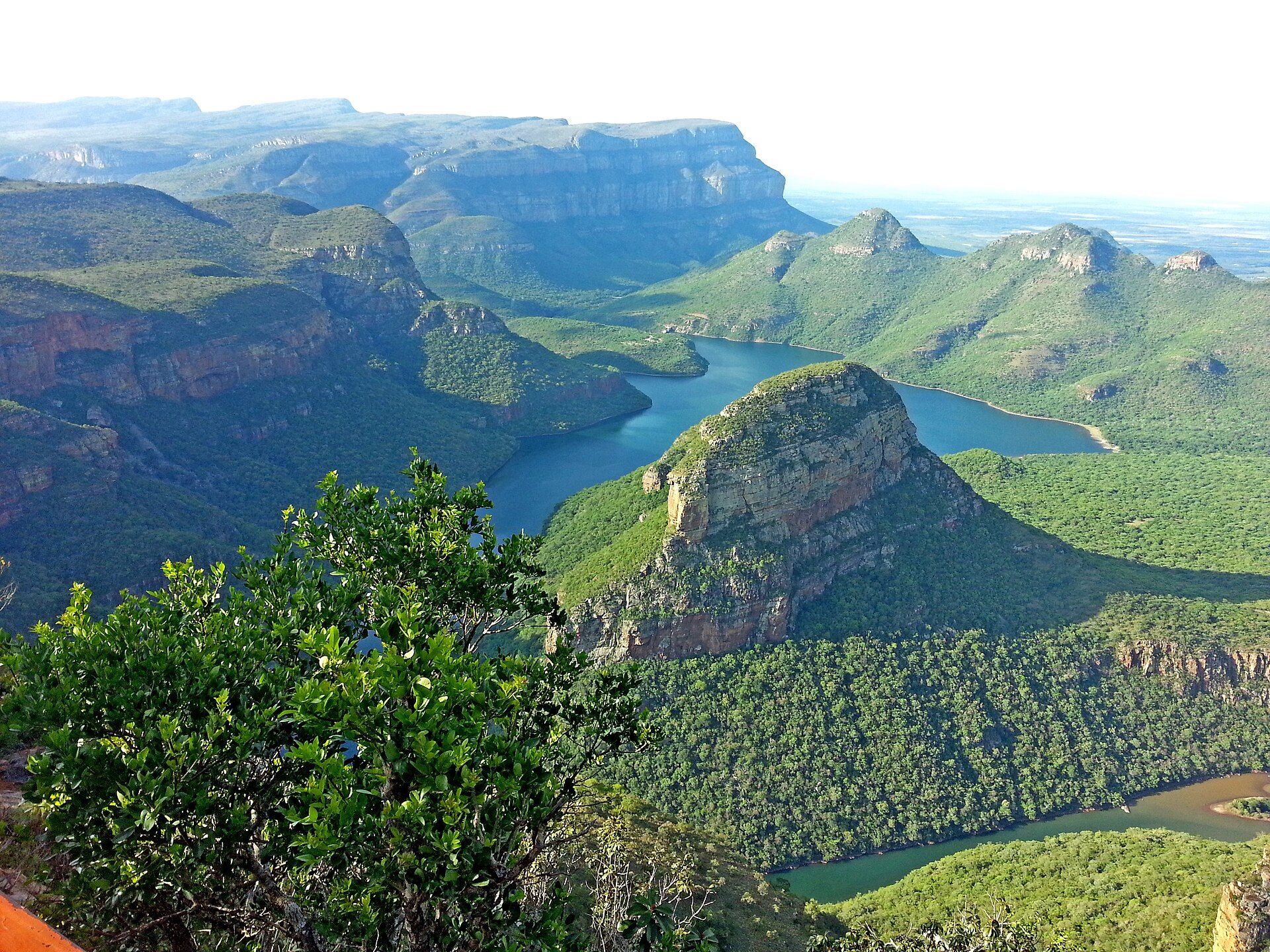
Blyde River Canyon The green canyon
Mpumalanga, South Africa
A subtropical gorge of red-rock buttresses, cliffs and rock pools on Mpumalanga's Panorama Route; the drier winter, May to August, gives the clearest views.
-
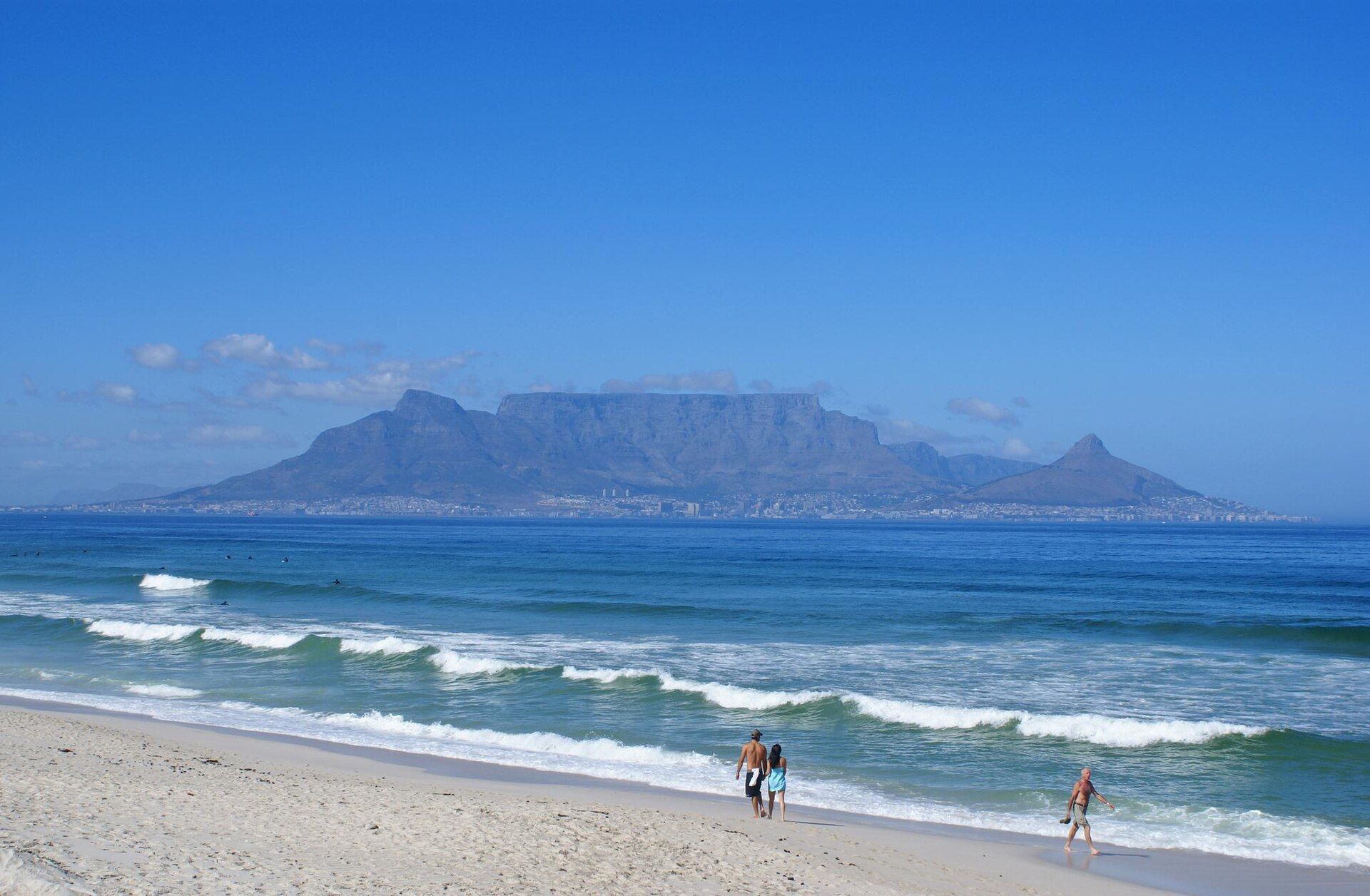
Table Mountain Over Cape Town
Cape Town, Western Cape, South Africa
A flat-topped sandstone massif above Cape Town, often under its tablecloth of cloud, at the heart of a unique plant kingdom; February–May and September–November for clear summits.
-
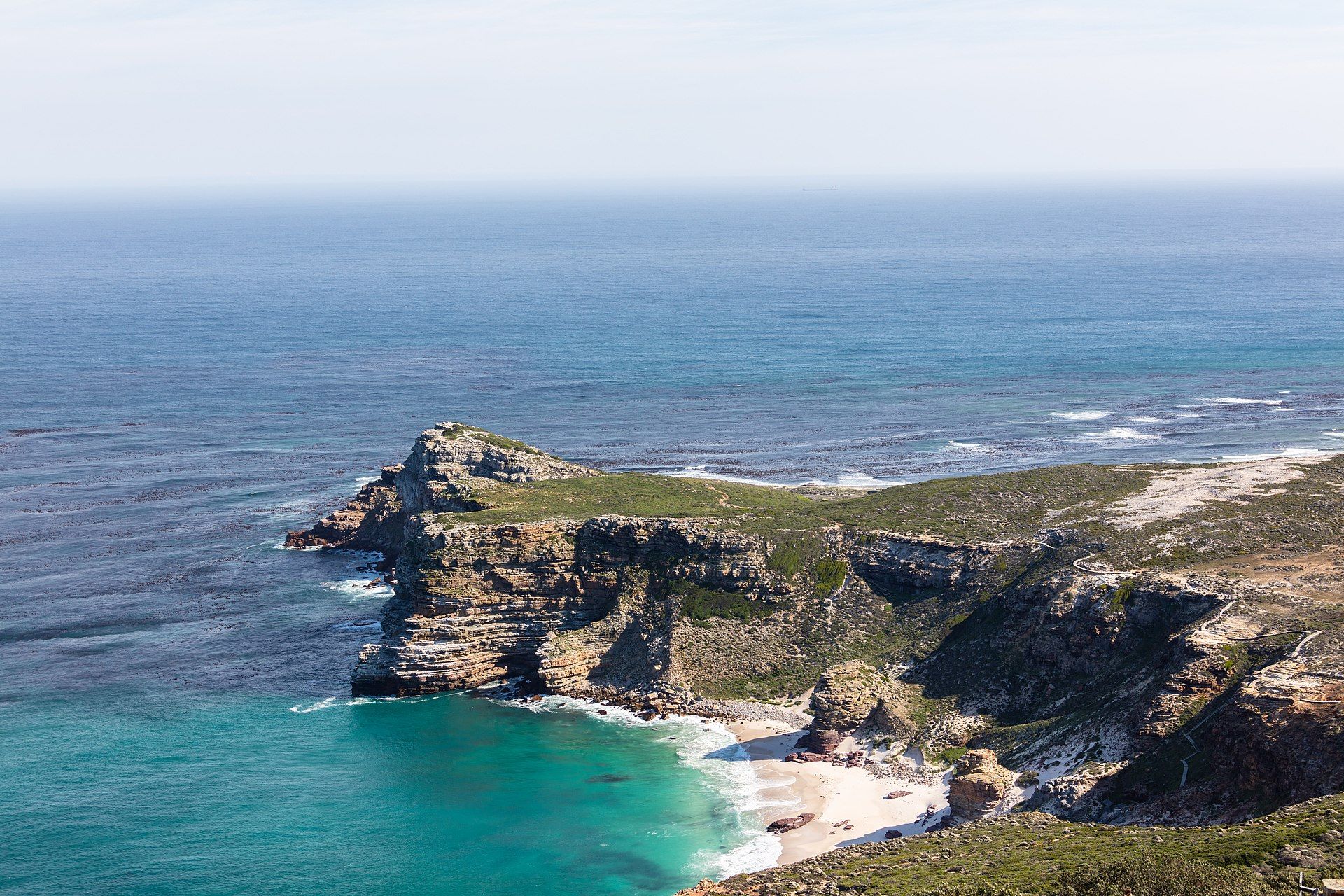
Cape of Good Hope Wild headland
Cape Peninsula, Western Cape, South Africa
Sea cliffs, wind-blasted fynbos and surf at the tip of the Cape Peninsula; spring brings wildflowers and calmer winds, and whales pass offshore from roughly June to November.
-
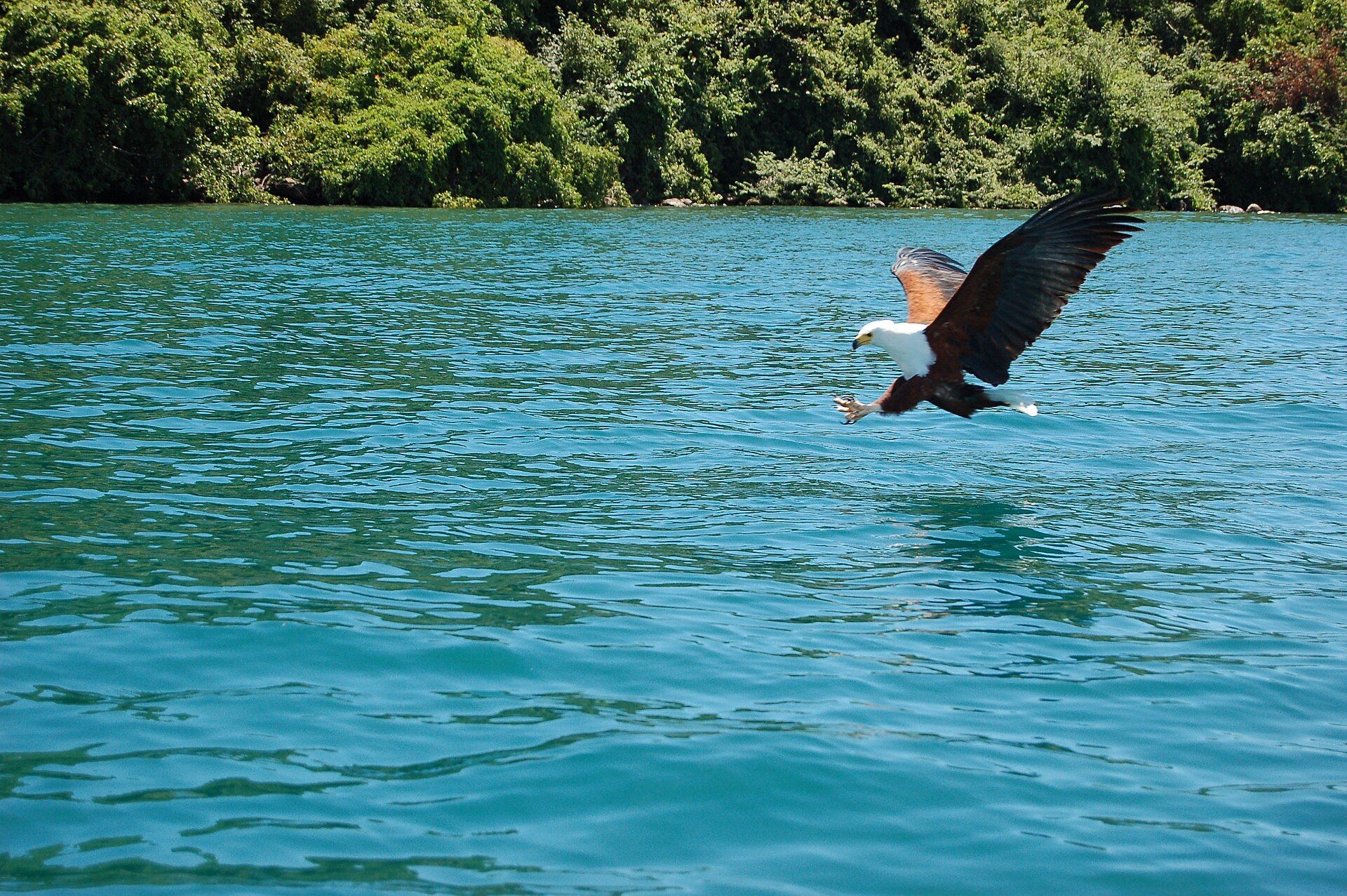
Lake Malawi A lake of cichlids
Malawi, Mozambique & Tanzania
A Rift Valley lake with more fish species than any other lake on Earth, hundreds of brightly coloured cichlids in clear water; the dry season, roughly May to October, has the best visibility.
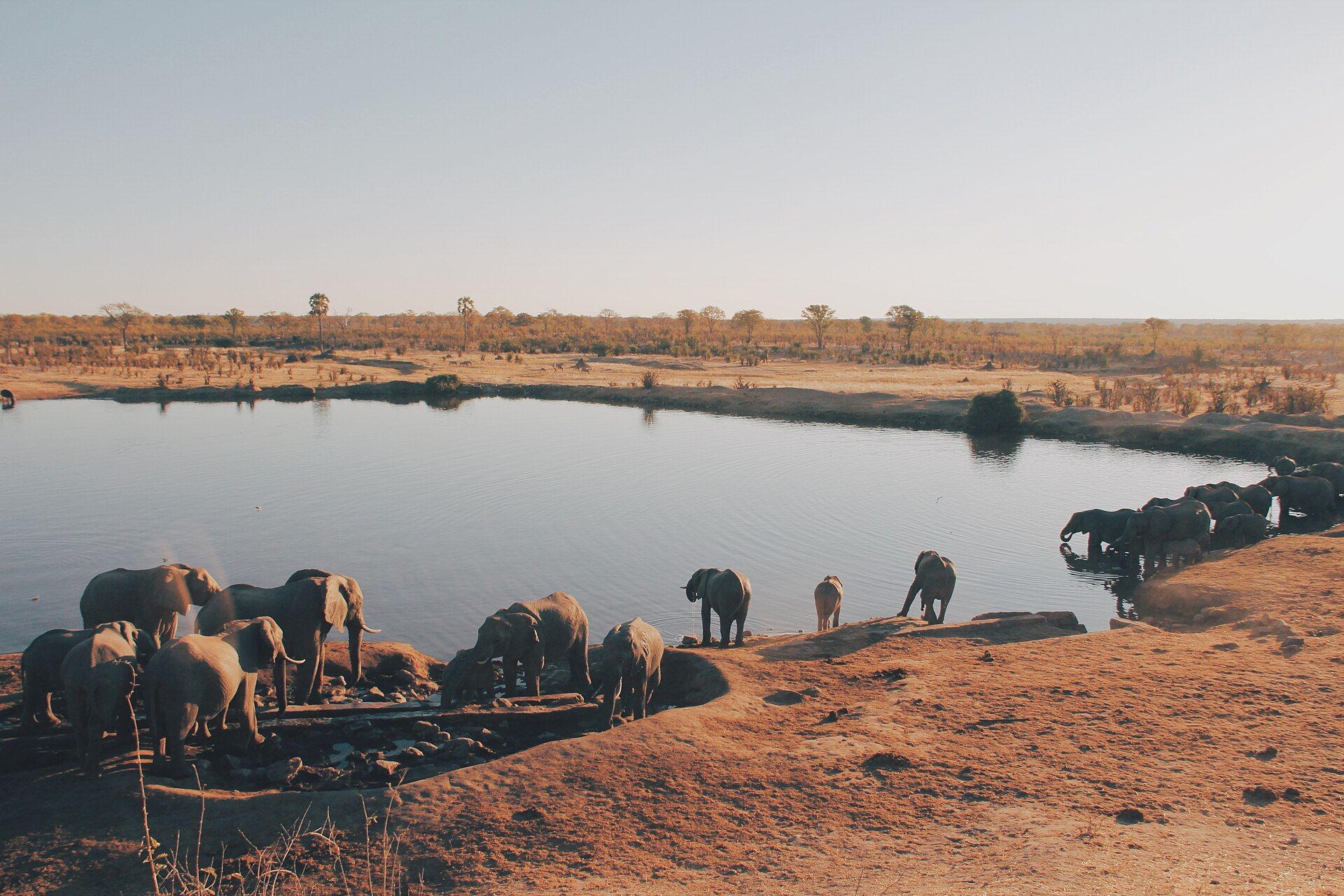
For most of these places the season to aim for is the dry southern winter, roughly May to October: game gathers at water in Etosha, Chobe, Hwange, Kruger and South Luangwa, the Okavango floods, and the Namib and Fish River Canyon are cool enough to walk. The exceptions run the other way — the Makgadikgadi and Nxai pans are at their best in the rains from about November to April, Victoria Falls is fullest from February to May, and the Cape is best in spring and autumn. Many South Luangwa camps close in the wet season, and heavy rain can cut roads in the Kalahari parks.
Added