Blyde River Canyon
📍 Mpumalanga, South Africa
One of the world's largest canyons and the greatest of its green, forested kind — a subtropical gorge of red-rock buttresses, plunging cliffs and swirling rock pools along Mpumalanga's Panorama Route.
What makes it marvelous
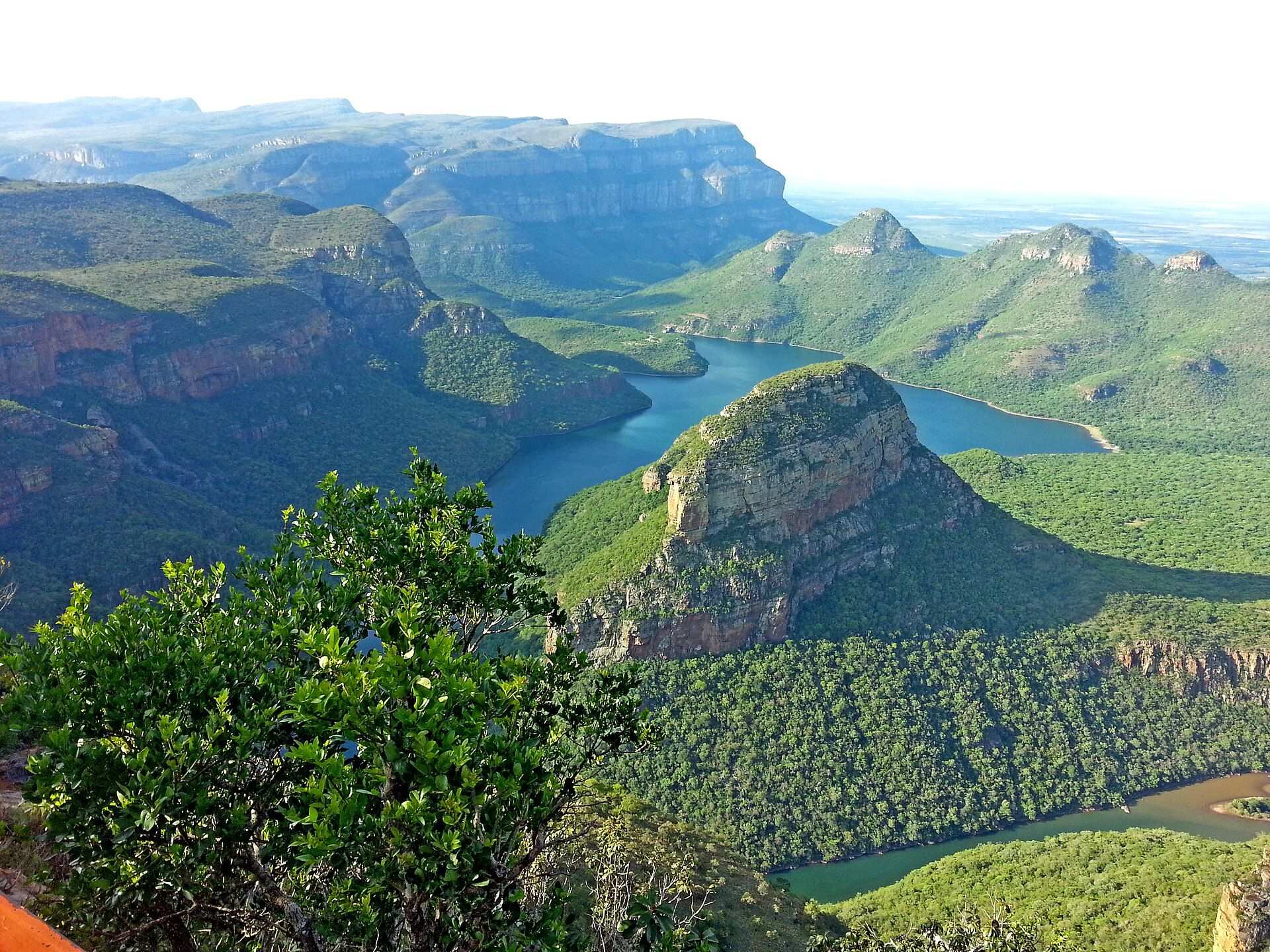
The Blyde River Canyon cuts some 25 km through the northern Drakensberg escarpment where the highveld plunges to the lowveld, carving cliffs that fall around 700 m to the river below. Unlike the bare rock of most great canyons, its walls are cloaked in subtropical forest and grassland fed by mist and summer rain, which earns it a reputation as the largest 'green canyon' on Earth. Its landmarks are geological set-pieces: the Three Rondavels, three huge dolomite domes rising like thatched huts from the far wall; Bourke's Luck Potholes, a maze of smooth cylindrical shafts drilled into the rock where the Treur and Blyde rivers meet; and God's Window, a viewpoint where the escarpment drops a thousand metres to the plains.
Why visit
The Panorama Route strings these wonders along an easy drive above the canyon rim, delivering some of Africa's most spectacular viewpoints without a hard hike. It pairs naturally with a Kruger safari a short distance east, making it a scenic highlight on the classic Mpumalanga circuit.
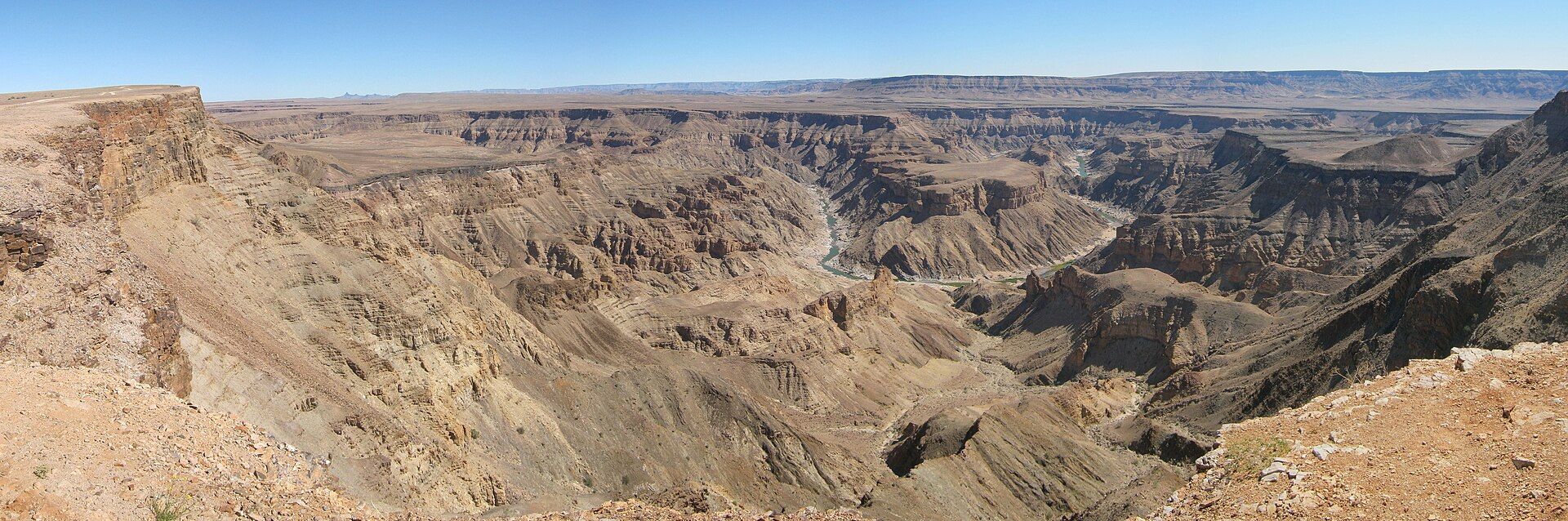
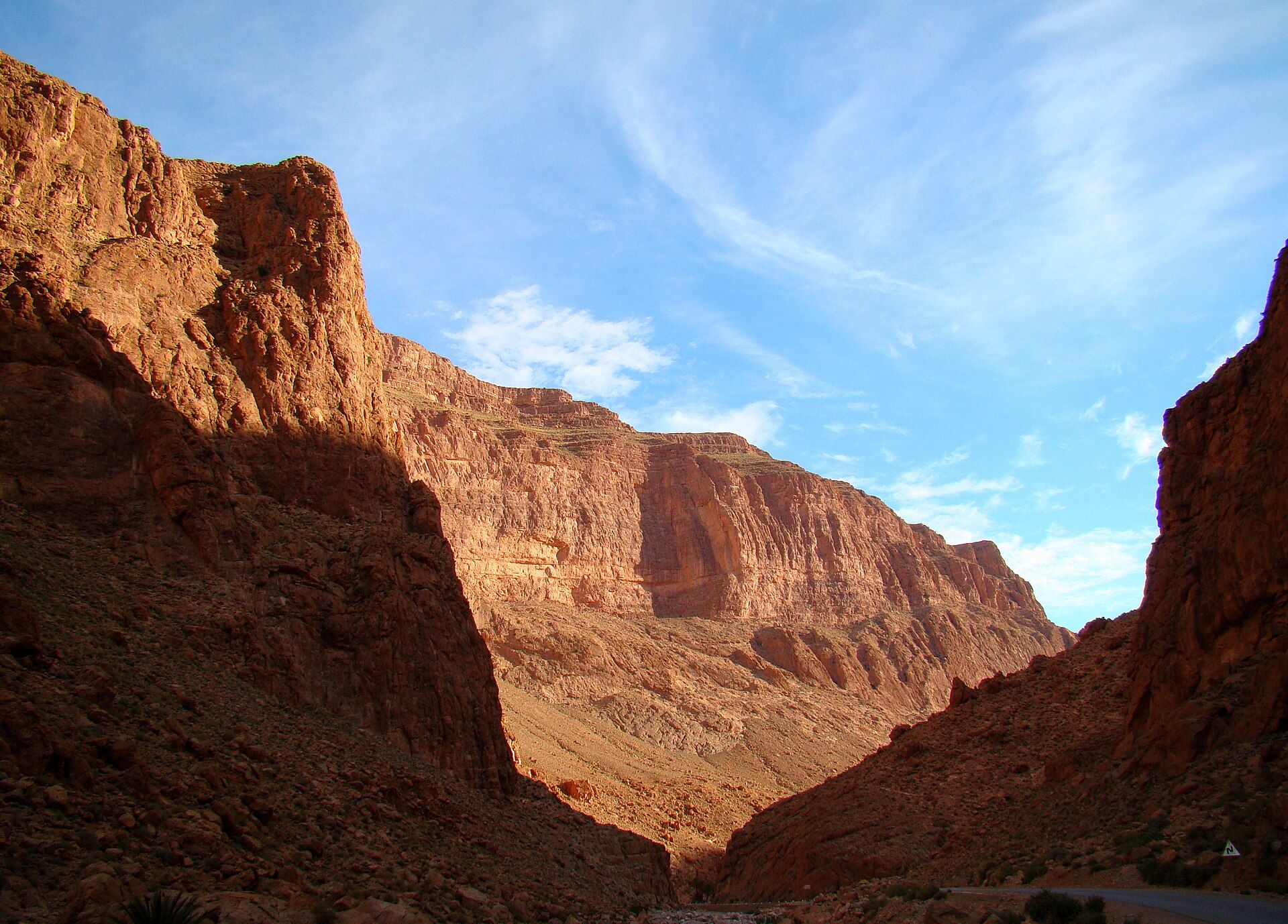
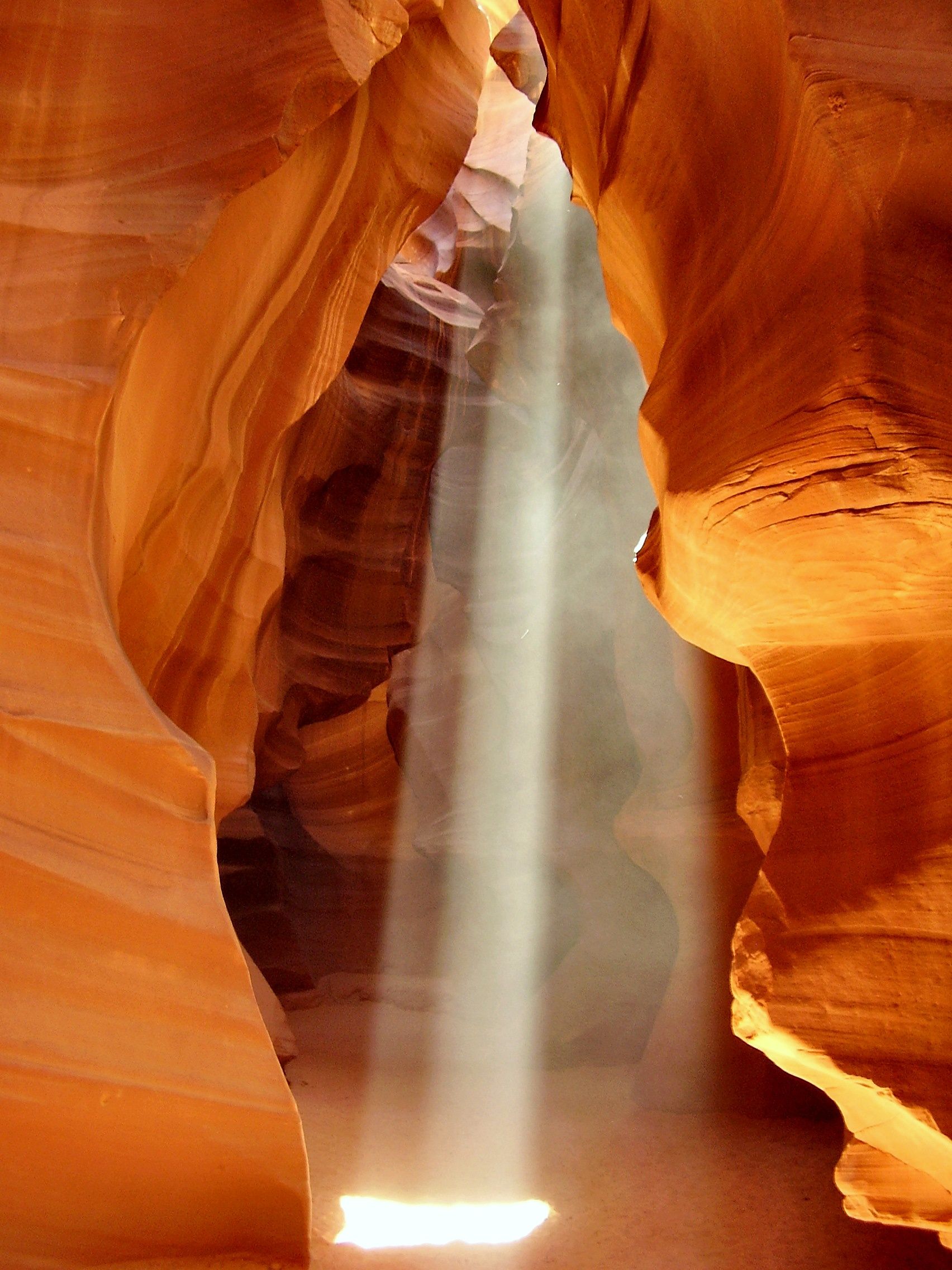
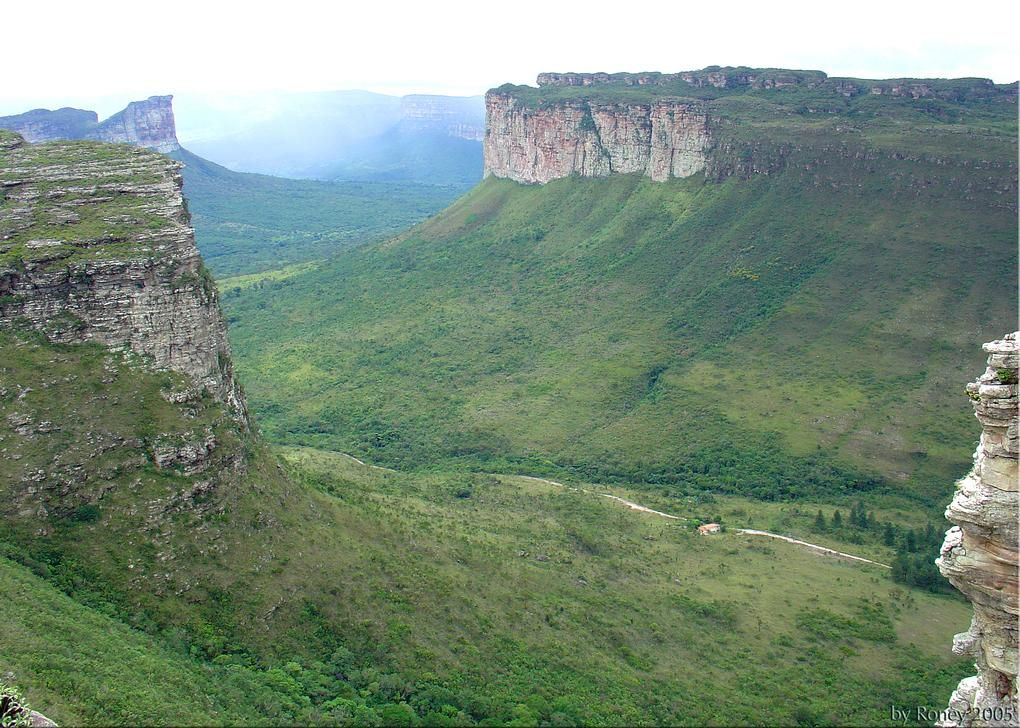
More views of Blyde River Canyon
Additional photographs of the actual site — each freely licensed, with its photographer and licence credited.
What to know before you go
🗓️ Best time
The drier winter (May–August) offers the clearest air and sharpest views, though God's Window can cloud over any time; the summer rains (November–March) green the canyon but bring mist and afternoon storms.
🧭 Getting there & access
The canyon lies along the R532 Panorama Route in Mpumalanga, reached from Graskop or Hoedspruit and about 4.5–5 hours by road from Johannesburg; the same loop links God's Window, Bourke's Luck Potholes and the Three Rondavels viewpoints.
Good to know
- Viewpoints like God's Window cloud over fast — go early and be ready to wait for a clear window.
- Keep valuables secure and use official paid viewpoints; do not leave belongings in parked cars.
- Combine the route with a Kruger visit to the east rather than rushing it in a single day.
Plan your visit
Easy🧭 Getting there
From Johannesburg (JNB) or Hoedspruit (HDS) by road
- Fly to Johannesburg, then drive to Graskop via the N4 and R532 — about 4.5–5 hours
- From Hoedspruit or Kruger's central gates, drive up the escarpment — roughly 1.5–2 hours
- Total travel
- A half-day drive from Johannesburg; much closer from Kruger
- Time at site
- A full day for the Panorama Route viewpoints; longer to hike or raft
- Access
- The reserve and viewpoints charge small entry fees at each site along the route. Most are short walks from car parks; longer canyon trails require booking and, in places, a guide.
🎒 What to bring & consider
- Layers for cool, misty escarpment mornings that warm through the day
- A full tank and cash for the small per-site entry fees
- Sun protection and water for open viewpoints and short trails
- Patience for cloud to clear at God's Window
👁️ What to expect
- Crowds
- Viewpoints are busy midday and in holidays; early mornings are calmer and clearer.
- Conditions
- An easy scenic drive with short walks; higher rim is cool, the lowveld hot.
- Facilities
- Good — car parks, kiosks, curio stalls and paid viewpoints along the route.
- The view
- The Three Rondavels lit by morning sun from the northern viewpoint.
Times and requirements are approximate and change with season, weather, and local rules — confirm permits, fares, and schedules with operators before you travel.
Natural riches of the area
- A ~25 km canyon with cliffs dropping around 700 m to the Blyde River
- The Three Rondavels — massive dolomite domes on the canyon's far wall
- Bourke's Luck Potholes, cylindrical shafts scoured at the rivers' confluence
- Subtropical afromontane forest, grassland and rich birdlife along the rim
Local food
- Pap and wors
- Maize porridge served with grilled boerewors sausage, a highveld staple.
- Macadamia nuts
- Grown across the surrounding Mpumalanga lowveld farms.
- Bunny chow
- A hollowed loaf filled with curry, a South African favourite eaten on the go.
Blyde River Canyon is one of the largest canyons on Earth, and almost certainly the greenest. Where South Africa’s highveld pitches down to the lowveld, the Blyde River has carved a gorge some 25 kilometres long and around 700 metres deep through the northern Drakensberg escarpment — but instead of the bare rock of Arizona or the Andes, its walls are draped in subtropical forest and grassland, fed by mist and summer rain. That lush cover has earned it a name as the world’s largest “green canyon.”
Its landmarks read like a geology field guide. The Three Rondavels rise from the far wall as three enormous dolomite domes, named for the round thatched huts they resemble. At Bourke’s Luck Potholes, the meeting of the Treur and Blyde rivers has drilled a surreal maze of smooth cylindrical shafts into the bedrock. And at God’s Window, the escarpment simply falls away, a thousand metres straight down to the plains.
Best of all, the Panorama Route threads these wonders along an easy rim-top drive, making the canyon one of the most rewarding scenic circuits in Africa — and a natural companion to a safari in nearby Kruger.
Blyde River Canyon: common questions
How do you get to Blyde River Canyon?
From Johannesburg (JNB) or Hoedspruit (HDS) by road: Fly to Johannesburg, then drive to Graskop via the N4 and R532 — about 4.5–5 hours; From Hoedspruit or Kruger's central gates, drive up the escarpment — roughly 1.5–2 hours. Total travel time: A half-day drive from Johannesburg; much closer from Kruger.
When is the best time to visit Blyde River Canyon?
The drier winter (May–August) offers the clearest air and sharpest views, though God's Window can cloud over any time; the summer rains (November–March) green the canyon but bring mist and afternoon storms.
How long should you spend at Blyde River Canyon?
A full day for the Panorama Route viewpoints; longer to hike or raft. Total travel time: A half-day drive from Johannesburg; much closer from Kruger.
What should you bring to Blyde River Canyon?
Layers for cool, misty escarpment mornings that warm through the day A full tank and cash for the small per-site entry fees Sun protection and water for open viewpoints and short trails Patience for cloud to clear at God's Window
Do you need a permit or guide for Blyde River Canyon?
The reserve and viewpoints charge small entry fees at each site along the route. Most are short walks from car parks; longer canyon trails require booking and, in places, a guide.
Is Blyde River Canyon crowded, and what are conditions like?
Viewpoints are busy midday and in holidays; early mornings are calmer and clearer. An easy scenic drive with short walks; higher rim is cool, the lowveld hot. Facilities: Good — car parks, kiosks, curio stalls and paid viewpoints along the route.
Added
More wonders to explore