Kruger National Park
📍 Mpumalanga & Limpopo, South Africa
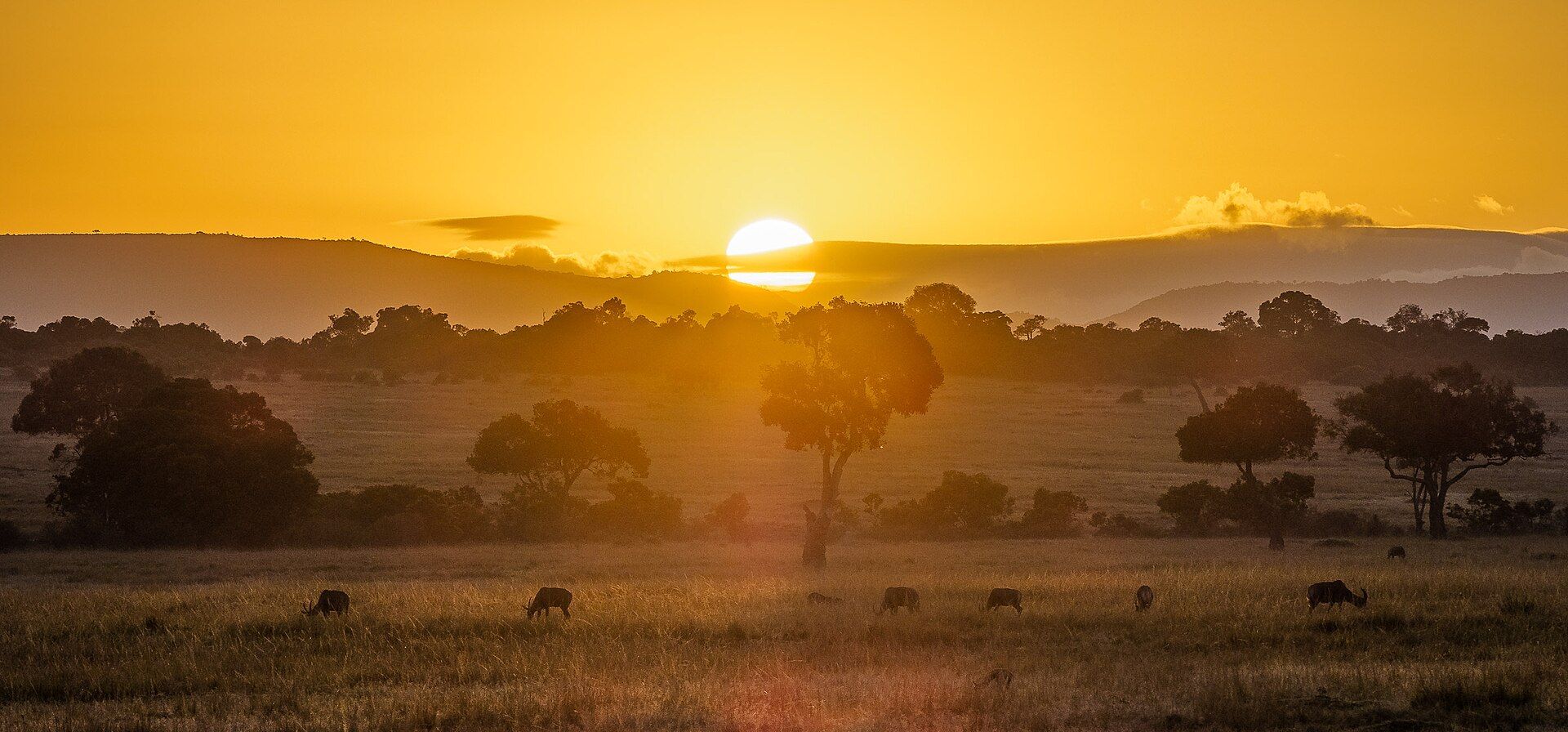
One of Africa's greatest and most accessible game reserves — a vast bushveld wilderness the size of a small country, home to the Big Five and an extraordinary abundance of wildlife.
What makes it marvelous
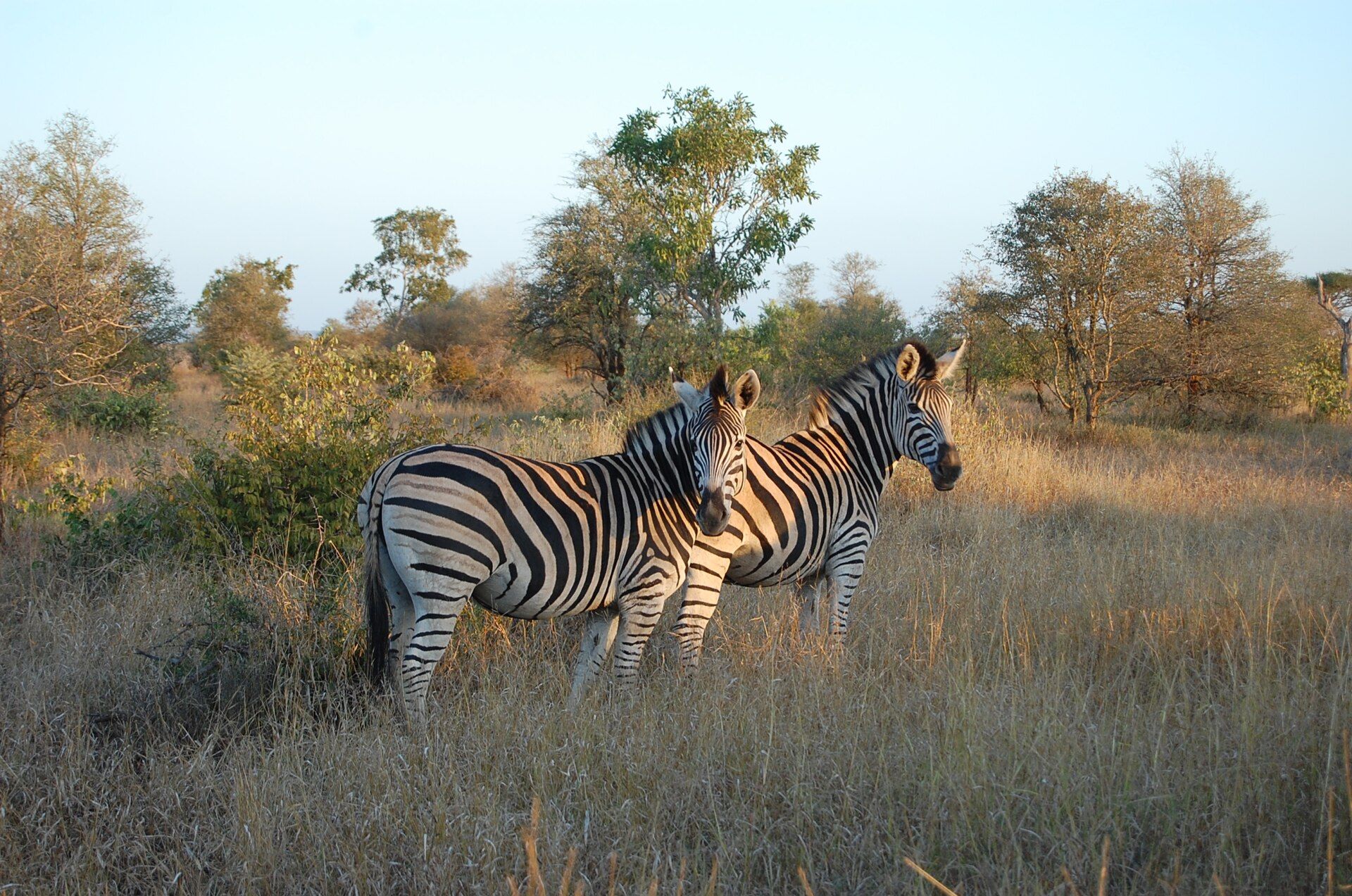
Kruger is one of the largest and most celebrated national parks in Africa, sprawling across nearly 20,000 square kilometres of South African bushveld — an area the size of a small country. It shelters an astonishing diversity of wildlife: the Big Five (lion, leopard, elephant, rhino, and buffalo) roam here alongside cheetahs, wild dogs, giraffes, hippos, and more than 500 bird species, across savanna, riverine forest, and granite koppies. Its dense network of roads and rest camps makes it one of the most accessible great safari destinations on Earth — you can self-drive among the animals — while it remains a vital stronghold for endangered species, including a significant share of the world's remaining wild rhinos. Together with adjoining reserves it forms part of a huge transfrontier conservation area.
Why visit
Few places offer such reliable, abundant, and accessible big-game viewing — the thrill of rounding a bend to find elephants, lions, or a leopard in a tree makes Kruger one of the finest and easiest safaris in Africa.
Still deciding?
Kruger National Park comes up most often against these — each one weighs cost, effort, season and crowds side by side.
What to know before you go
🗓️ Best time
The dry winter season (roughly May–September), when thinning vegetation and animals gathering at water make wildlife easiest to spot; summer is green, lush, and good for birds and newborns.
🧭 Getting there & access
In northeastern South Africa, reached by road from Johannesburg or via nearby airports; the park allows self-drive safaris on good roads as well as guided drives and walks from numerous rest camps and lodges.
Good to know
- Come in the dry season (May–September) for the best wildlife sightings.
- Self-drive is easy, but a guided dawn or night drive boosts your chances.
- Keep to the rules — stay in your vehicle and never feed wildlife.
Plan your visit
Easy🧭 Getting there
From Kruger Mpumalanga (MQP) near Nelspruit, or Skukuza (SZK) inside the park
- Fly Johannesburg → Kruger Mpumalanga — about 1h, then 1h–1h30 to the nearest gate
- Or drive Johannesburg → Malelane or Numbi gate — roughly 5h–6h
- Skukuza airport puts you inside the park directly
- Total travel
- Half a day flying; most of a day by road
- Time at site
- 3–4 days minimum; a week to work between the southern and northern sections
- Access
- A conservation fee per person per day, paid at the gate or covered by a Wild Card. Kruger is unusual among major African parks in that you can self-drive without a guide — but gate opening and closing times are strict and being out after closing carries a fine. Night drives and guided walks must be booked with SANParks. Rest camps fill months ahead in South African school holidays.
🎒 What to bring & consider
- Binoculars, which matter far more than a long lens for finding anything at all
- The discipline to stay inside your vehicle everywhere except designated points — this is the rule that keeps self-drive visitors alive
- Malaria prophylaxis on travel-clinic advice; the northern half carries higher risk
- A full tank, food and water, because camps are far apart and the speed limits are deliberately low
- A car with reasonable clearance if you want the gravel roads; the tarred routes suit anything
👁️ What to expect
- Crowds
- The southern section around Skukuza is genuinely busy with self-drivers. North of Olifants the park empties out dramatically.
- Conditions
- Long, slow driving in heat, with a heavy dependence on patience and luck.
- Facilities
- Excellent — rest camps with shops, fuel, restaurants and accommodation spread across the park.
- The view
- Sightings concentrate at waterholes through the dry months, roughly May to September, when the bush thins out. The wet season is greener and far prettier, and hides almost everything.
Times and requirements are approximate and change with season, weather, and local rules — confirm permits, fares, and schedules with operators before you travel.
Natural riches of the area
- Nearly 20,000 km² of protected bushveld savanna
- The Big Five and exceptional mammal diversity
- 500+ bird species across varied habitats
- A key stronghold for endangered rhinos and wild dogs
Local food
- Braai
- South Africa's beloved barbecue, from boerewors sausage to grilled meats.
- Potjiekos & pap
- A slow-cooked stew and maize porridge, staples of the region.
- Biltong
- Air-dried, spiced cured meat — the classic South African snack.
Kruger is one of Africa’s greatest wildlife stages — and one of its most accessible. Sprawling across nearly 20,000 square kilometres of South African bushveld, an area the size of a small country, it shelters an extraordinary abundance of animals: the Big Five — lion, leopard, elephant, rhino, and buffalo — roam here alongside cheetahs, wild dogs, giraffes, hippos, and more than 500 species of birds, across savanna, riverine forest, and granite hills.
What sets Kruger apart is how open it is to travellers. A dense network of good roads and rest camps means you can self-drive among the wildlife, making it one of the easiest great safaris on the planet, while guided dawn and night drives raise the odds of the rarest sightings. It remains a vital refuge for endangered species, holding a significant share of the world’s remaining wild rhinos, and forms part of a vast transfrontier conservation area — a place where Africa’s wild abundance is both protected and within everyone’s reach.
Kruger National Park: common questions
How do you get to Kruger National Park?
From Kruger Mpumalanga (MQP) near Nelspruit, or Skukuza (SZK) inside the park: Fly Johannesburg → Kruger Mpumalanga — about 1h, then 1h–1h30 to the nearest gate; Or drive Johannesburg → Malelane or Numbi gate — roughly 5h–6h; Skukuza airport puts you inside the park directly. Total travel time: Half a day flying; most of a day by road.
When is the best time to visit Kruger National Park?
The dry winter season (roughly May–September), when thinning vegetation and animals gathering at water make wildlife easiest to spot; summer is green, lush, and good for birds and newborns.
How long should you spend at Kruger National Park?
3–4 days minimum; a week to work between the southern and northern sections. Total travel time: Half a day flying; most of a day by road.
What should you bring to Kruger National Park?
Binoculars, which matter far more than a long lens for finding anything at all The discipline to stay inside your vehicle everywhere except designated points — this is the rule that keeps self-drive visitors alive Malaria prophylaxis on travel-clinic advice; the northern half carries higher risk A full tank, food and water, because camps are far apart and the speed limits are deliberately low A car with reasonable clearance if you want the gravel roads; the tarred routes suit anything
Do you need a permit or guide for Kruger National Park?
A conservation fee per person per day, paid at the gate or covered by a Wild Card. Kruger is unusual among major African parks in that you can self-drive without a guide — but gate opening and closing times are strict and being out after closing carries a fine. Night drives and guided walks must be booked with SANParks. Rest camps fill months ahead in South African school holidays.
Is Kruger National Park crowded, and what are conditions like?
The southern section around Skukuza is genuinely busy with self-drivers. North of Olifants the park empties out dramatically. Long, slow driving in heat, with a heavy dependence on patience and luck. Facilities: Excellent — rest camps with shops, fuel, restaurants and accommodation spread across the park.
Added
More wonders to explore
Amboseli National Park
Kajiado County, southern Kenya, on the Tanzanian border
Hwange National Park
Matabeleland North, north-western Zimbabwe, off the Bulawayo–Victoria Falls highway