Chobe National Park
📍 Northern Botswana, beside Kasane and the Chobe River
Botswana's great elephant park — floodplains, marsh and woodland along the Chobe River, where some of the largest elephant herds on Earth gather in the dry season.
What makes it marvelous
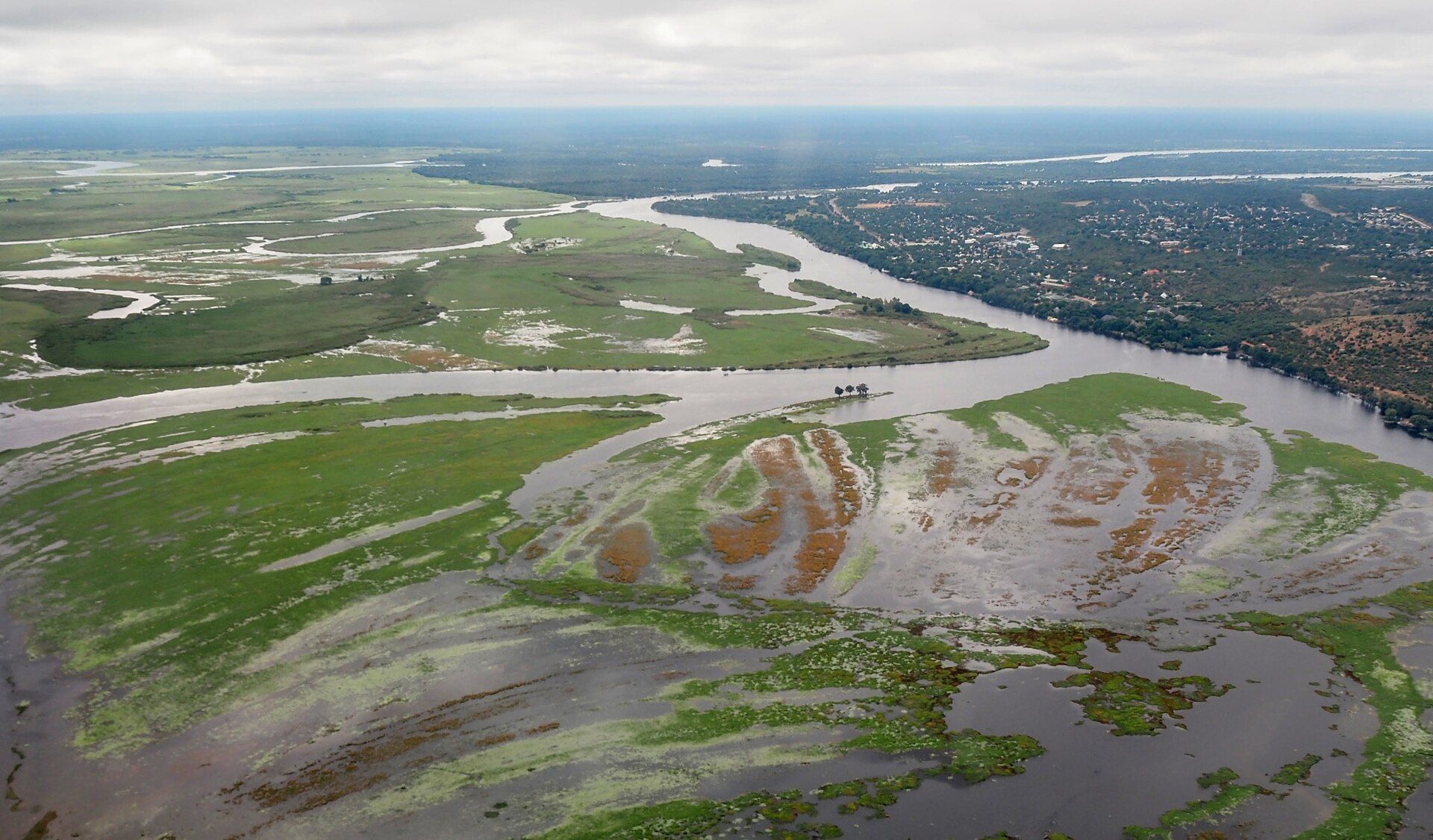
Chobe covers about 11,700 km² of northern Botswana, from the Chobe River floodplains in the northeast to the Savuti and Linyanti marshes in the west. It is famous for its elephants: estimates run to around 50,000 Kalahari elephants, among the largest herds of any known population. In the dry months, from about May to October, they converge on the Chobe and Linyanti rivers to drink, and in the rains they spread out across the interior.
Why visit
Few places put you among so many elephants. Along the riverfront near Kasane you can watch herds crossing and bathing, while Savuti is known for its predators and Linyanti for lion, leopard and wild dog. The riverfront section is also the only place in Botswana to see the puku antelope.
What to know before you go
🗓️ Best time
The dry season, roughly May to October, when elephants gather at the rivers. The rains bring green landscapes and birdlife but muddy, sometimes impassable roads.
🧭 Getting there & access
Kasane, at the park's northern entrance, is the gateway for the riverfront. The interior — Savuti, Linyanti and Nogatsaa — needs a capable 4x4 and preparation: deep sand in the dry months, mud in the rains.
Good to know
- The riverfront near Kasane is the easiest part of the park to visit, by game drive or by boat.
- Self-drivers heading to Savuti or Linyanti need a properly equipped 4x4 and good sand-driving skills.
- Book lodges and campsites well ahead for the dry season.
Plan your visit
Moderate🧭 Getting there
From Kasane, Botswana
- Fly or drive to Kasane in northern Botswana
- Enter the riverfront section from the town's edge
- Continue by 4x4 to Savuti and Linyanti only if equipped for deep sand
- Total travel
- The riverfront section begins at Kasane
- Time at site
- 2–3 days for the riverfront; a week to add Savuti and Linyanti
- Access
- Park entry fees apply. The riverfront can be seen on guided drives and boat trips from Kasane; the interior routes are 4x4-only and can be impassable after rain.
🎒 What to bring & consider
- A 4x4 with recovery gear for the interior, or a guided safari
- Sun protection and plenty of water
- Binoculars
- Advance bookings in the dry season
👁️ What to expect
- Crowds
- The riverfront near Kasane is the busiest section; the interior is far quieter.
- Conditions
- Hot, dry and dusty in the dry season; heavy rain and mud in the wet season.
- Facilities
- Lodges and campsites in and around Kasane; remote campsites in the interior.
- The view
- Elephant herds crossing or bathing in the Chobe River in late-afternoon light.
Times and requirements are approximate and change with season, weather, and local rules — confirm permits, fares, and schedules with operators before you travel.
Natural riches of the area
- Some of the largest elephant herds on Earth
- The Chobe River floodplains and the Savuti and Linyanti marshes
- Lion, leopard, wild dog and the puku, found nowhere else in Botswana
- Rich birdlife, especially in the rains
Local food
- Seswaa
- Botswana's national dish of slow-cooked, pounded beef, usually served with maize porridge.
- Bream from the river
- Freshwater fish from the Chobe is a staple around Kasane.
Chobe is the elephant capital of Africa. The park stretches for about 11,700 km² across the north of the country, and its herds are among the largest of any known elephant population — estimates run to around 50,000 animals. In the dry season, when water elsewhere disappears, they come down to the Chobe and Linyanti rivers in their thousands.
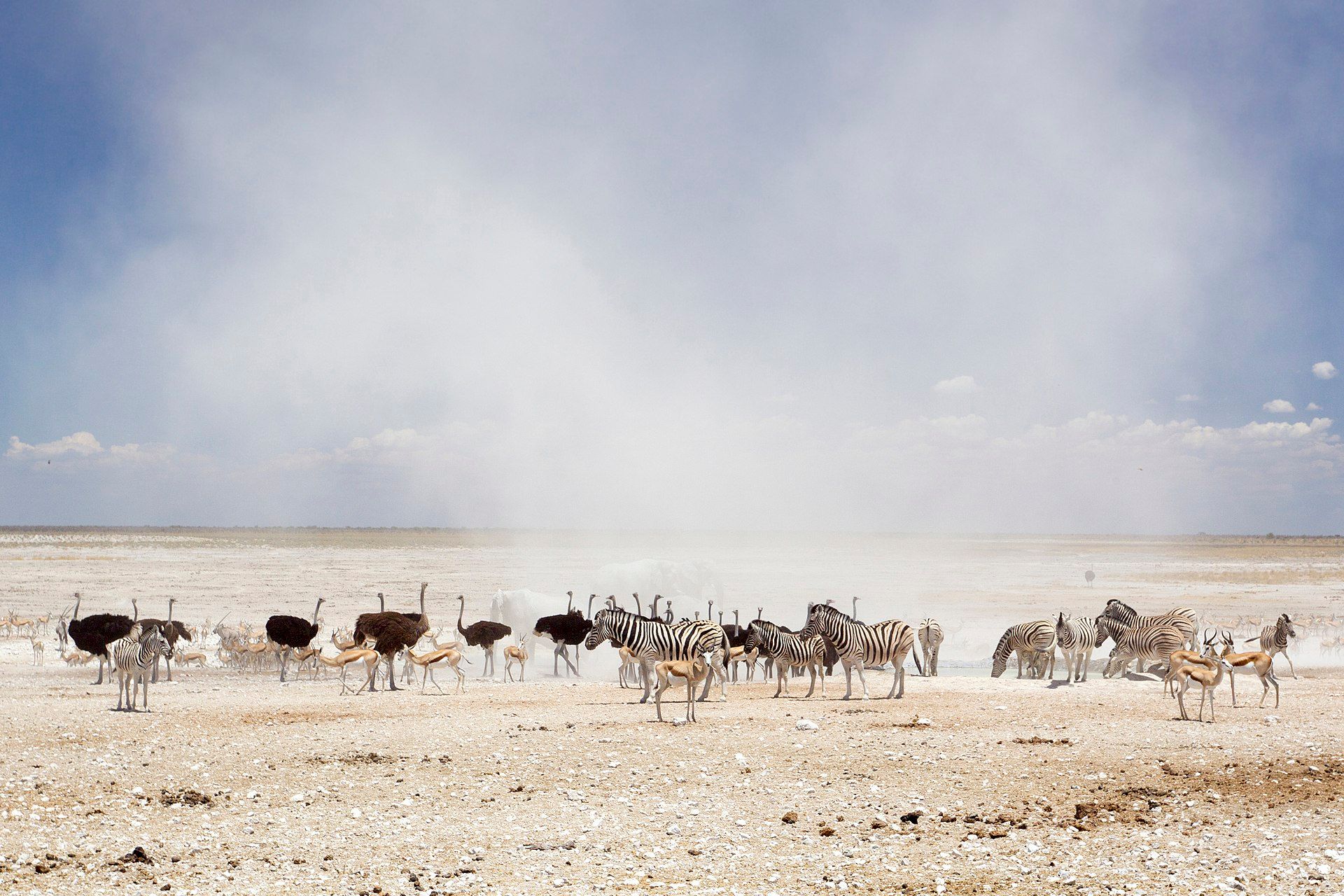
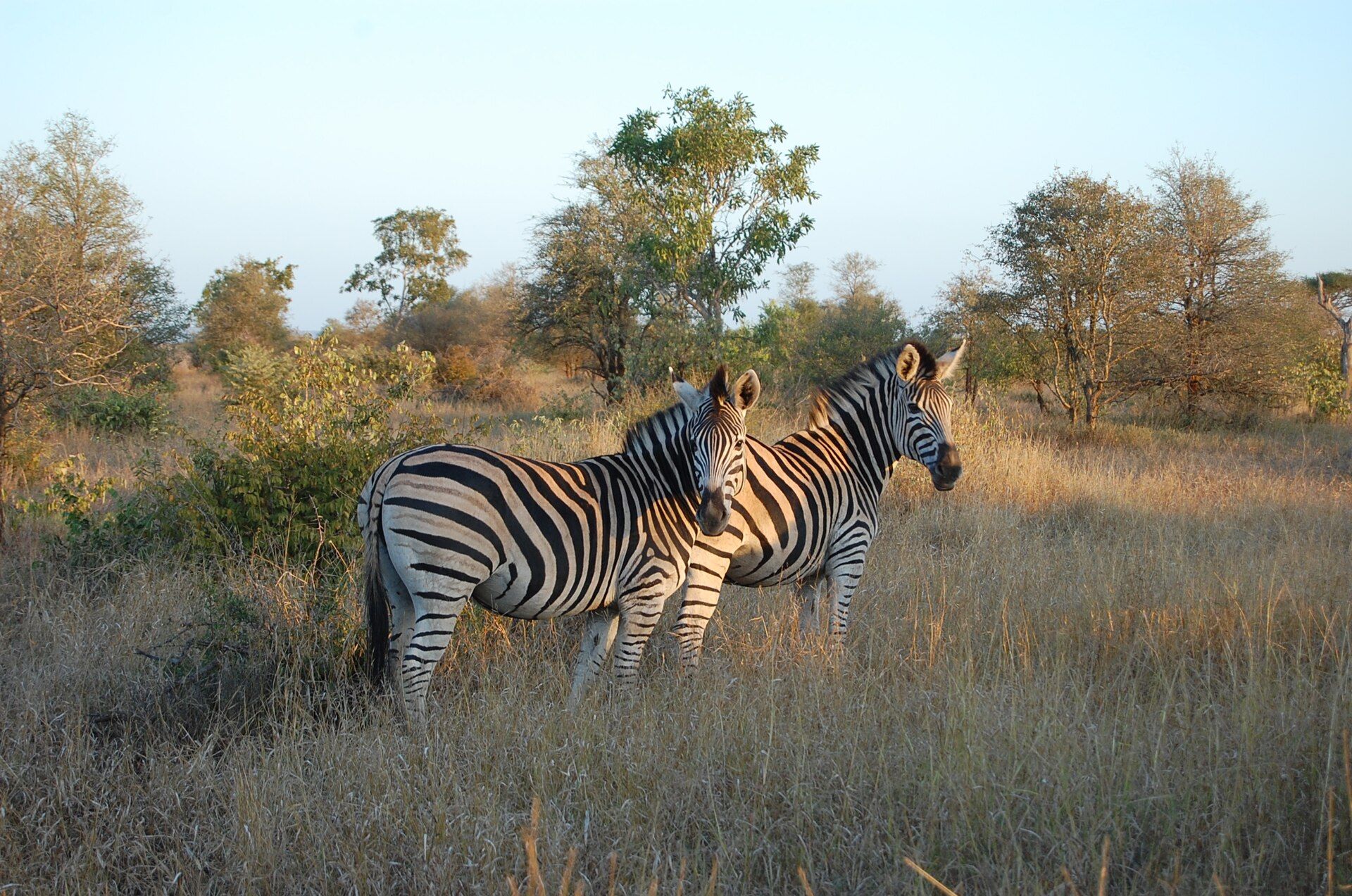
The park has four distinct faces. The riverfront in the northeast, beside the town of Kasane, is floodplain and woodland and the most visited part of the park. Savuti, to the west, is a marsh fed by a channel that can run dry for years, known for zebra and predators. Linyanti, in the far northwest, is lush marshland with lion, leopard and wild dog, and Nogatsaa is a hot, dry grassland where eland roam.
Most visitors start at the river, where game drives and boat trips bring you close to the elephant herds and the river’s wildlife. To go deeper you need a properly equipped 4x4 or a guided safari — the sand is deep in the dry months and the roads turn to mud in the rains.
Chobe National Park: common questions
How do you get to Chobe National Park?
From Kasane, Botswana: Fly or drive to Kasane in northern Botswana; Enter the riverfront section from the town's edge; Continue by 4x4 to Savuti and Linyanti only if equipped for deep sand. Total travel time: The riverfront section begins at Kasane.
When is the best time to visit Chobe National Park?
The dry season, roughly May to October, when elephants gather at the rivers. The rains bring green landscapes and birdlife but muddy, sometimes impassable roads.
How long should you spend at Chobe National Park?
2–3 days for the riverfront; a week to add Savuti and Linyanti. Total travel time: The riverfront section begins at Kasane.
What should you bring to Chobe National Park?
A 4x4 with recovery gear for the interior, or a guided safari Sun protection and plenty of water Binoculars Advance bookings in the dry season
Do you need a permit or guide for Chobe National Park?
Park entry fees apply. The riverfront can be seen on guided drives and boat trips from Kasane; the interior routes are 4x4-only and can be impassable after rain.
Is Chobe National Park crowded, and what are conditions like?
The riverfront near Kasane is the busiest section; the interior is far quieter. Hot, dry and dusty in the dry season; heavy rain and mud in the wet season. Facilities: Lodges and campsites in and around Kasane; remote campsites in the interior.
Added
More wonders to explore
Nxai Pan & Baines' Baobabs
Nxai Pan National Park, northeastern Botswana, north of the Maun–Nata road
Amboseli National Park
Kajiado County, southern Kenya, on the Tanzanian border