Etosha Pan
📍 Northern Namibia
A vast white salt pan the size of a small country, so large it is visible from space — ringed by waterholes where elephants, rhinos, and lions gather in the dry season.
What makes it marvelous
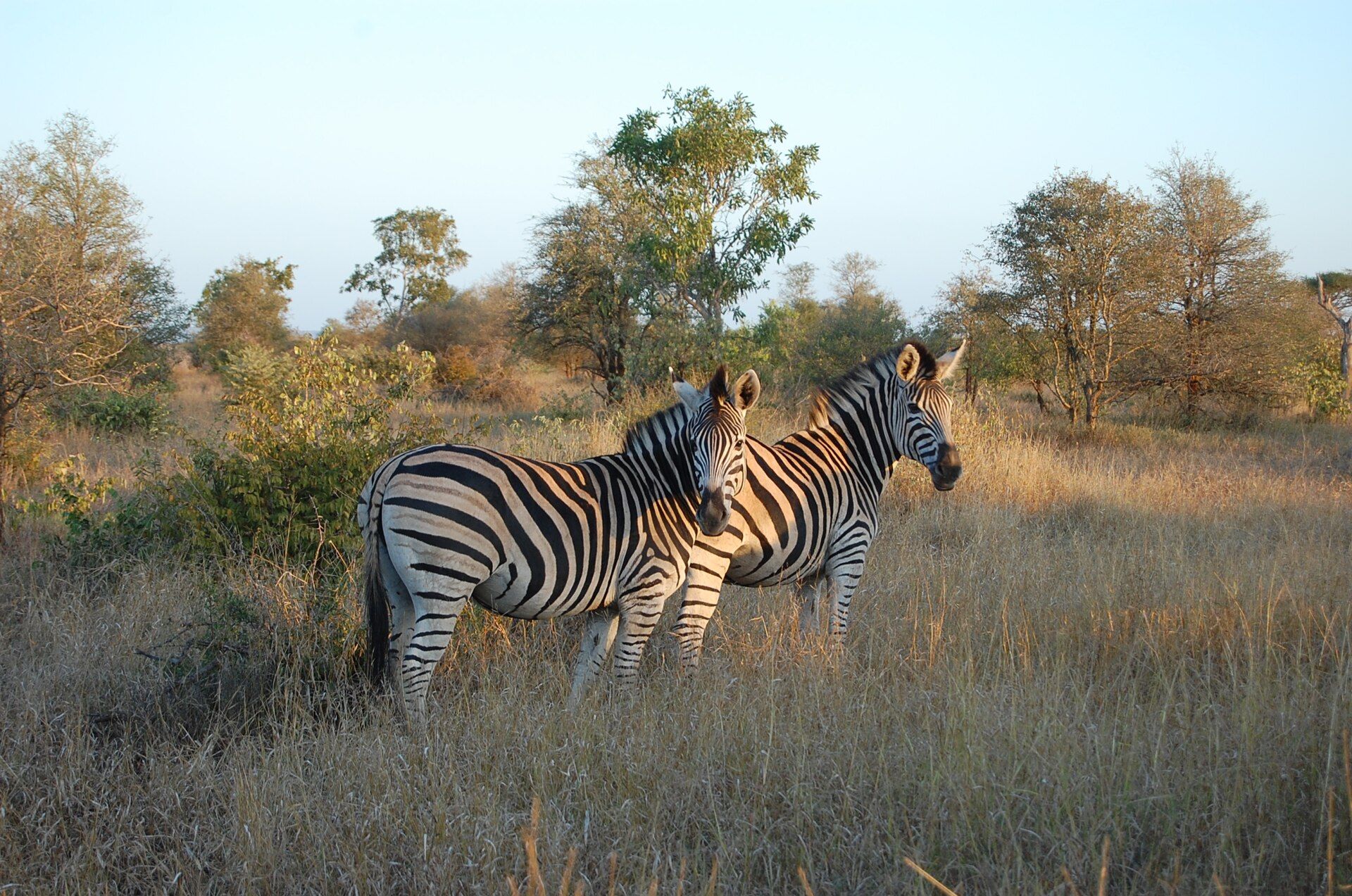
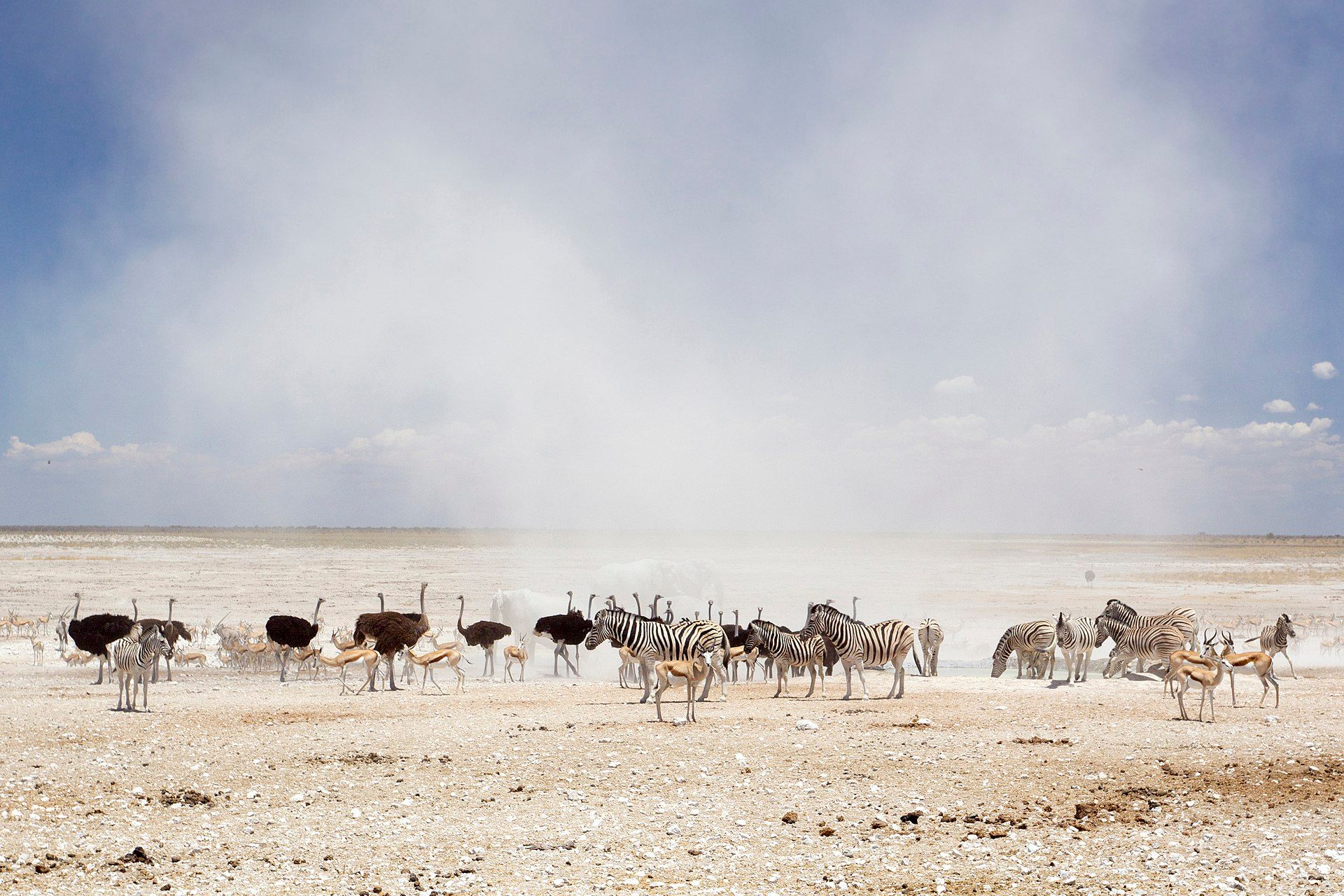
Etosha Pan is the bed of an ancient lake that dried up thousands of years ago when the river feeding it shifted course. What remains is a salt flat roughly 4,800 square kilometres in extent — large enough to be clearly visible from space — a blinding white expanse that shimmers with mirages for most of the year and holds almost no vegetation. Only in exceptionally wet years does a shallow film of water return, drawing thousands of flamingos to breed on the pan. The real wildlife drama plays out around its rim, where natural springs and artificial waterholes become the only reliable water for miles in the dry season. Elephants, endangered black rhinos, lions, giraffe, and vast herds of zebra and springbok converge on them, often several species at once — making Etosha one of the easiest and most reliable places in Africa to watch big game.
Why visit
Parking at a waterhole and simply waiting while elephants, rhinos, and lions arrive in turn — with a blinding white salt pan stretching to the horizon behind — makes Etosha one of Africa's most rewarding and accessible safaris.
What to know before you go
🗓️ Best time
The dry season (roughly June–October), when wildlife concentrates at the waterholes and vegetation thins; the green season brings birds and newborns but disperses the game.
🧭 Getting there & access
In northern Namibia, an easy drive from Windhoek on good roads; the park is well set up for self-drive safaris, with rest camps whose floodlit waterholes allow wildlife viewing after dark.
Good to know
- Come in the dry season and simply wait at a waterhole — don't chase sightings.
- Stay at a camp with a floodlit waterhole for exceptional night viewing.
- Self-driving is easy here; roads are good and distances manageable.
Plan your visit
Easy🧭 Getting there
From Windhoek (WDH); Ondangwa for the northern gates
- Fly into Windhoek
- Drive to the Andersson gate and Okaukuejo — roughly 5h–6h
- The eastern Von Lindequist gate near Namutoni is a similar 5h; camps inside are 1–2h apart
- Total travel
- Most of a day from Windhoek
- Time at site
- 3–4 days
- Access
- Park entry per person per day plus a vehicle fee. Self-drive is the norm and genuinely easy — the roads are gravel but well graded and a 2WD copes in the dry season. Gate times are strict and you must be inside a camp by sunset. The main camps are state-run and book out in peak season.
🎒 What to bring & consider
- Far more water than you expect; the waterhole waits are long, hot and entirely stationary
- Sun protection, because you spend hours sitting still in a car in the open
- Binoculars — animals are frequently far out across the pan and unreachable without them
- A full tank between camps, since fuel exists only at the main ones
- Dust protection for camera gear; the pan's fine white dust gets into everything you own
👁️ What to expect
- Crowds
- Concentrated at the floodlit camp waterholes and around Okaukuejo. The western section is far quieter.
- Conditions
- Hot, dry and dusty, with long stationary waits. The driving itself is easy.
- Facilities
- Good at the main camps — fuel, shops, restaurants, pools.
- The view
- The dry months, roughly June to October, force animals onto the waterholes and make sightings far more reliable. The wet season scatters them, and the pan itself fills with water and flamingos instead — a different trip, not a worse one.
Times and requirements are approximate and change with season, weather, and local rules — confirm permits, fares, and schedules with operators before you travel.
Natural riches of the area
- A ~4,800 km² salt pan, visible from space
- The dried bed of an ancient lake left by a shifted river
- Rim waterholes that concentrate wildlife in the dry season
- Black rhino, elephant, lion, and vast plains-game herds
Local food
- Namibian game
- Oryx, kudu, and springbok, usually grilled — staples of the country.
- Potjiekos
- A slow-cooked stew prepared over coals in a cast-iron pot.
- Biltong
- Spiced air-dried meat, the classic southern African snack.
Etosha Pan is the bed of a lake that died. Thousands of years ago the river feeding it shifted course, and what remains is a salt flat some 4,800 square kilometres across — large enough to be clearly visible from space — a blinding white expanse that shimmers with mirages and grows almost nothing. Only in exceptionally wet years does a shallow film of water return, and when it does, thousands of flamingos arrive to breed on it.
The real drama unfolds around the rim. In the dry season, the springs and waterholes fringing the pan become the only reliable water for many kilometres, and the wildlife has no choice but to come. Elephants, endangered black rhinos, lions, giraffe, and huge herds of zebra and springbok converge — frequently several species at the same waterhole at once. Park, switch off the engine, and wait: Etosha rewards patience like few places in Africa.
Etosha Pan: common questions
How do you get to Etosha Pan?
From Windhoek (WDH); Ondangwa for the northern gates: Fly into Windhoek; Drive to the Andersson gate and Okaukuejo — roughly 5h–6h; The eastern Von Lindequist gate near Namutoni is a similar 5h; camps inside are 1–2h apart. Total travel time: Most of a day from Windhoek.
When is the best time to visit Etosha Pan?
The dry season (roughly June–October), when wildlife concentrates at the waterholes and vegetation thins; the green season brings birds and newborns but disperses the game.
How long should you spend at Etosha Pan?
3–4 days. Total travel time: Most of a day from Windhoek.
What should you bring to Etosha Pan?
Far more water than you expect; the waterhole waits are long, hot and entirely stationary Sun protection, because you spend hours sitting still in a car in the open Binoculars — animals are frequently far out across the pan and unreachable without them A full tank between camps, since fuel exists only at the main ones Dust protection for camera gear; the pan's fine white dust gets into everything you own
Do you need a permit or guide for Etosha Pan?
Park entry per person per day plus a vehicle fee. Self-drive is the norm and genuinely easy — the roads are gravel but well graded and a 2WD copes in the dry season. Gate times are strict and you must be inside a camp by sunset. The main camps are state-run and book out in peak season.
Is Etosha Pan crowded, and what are conditions like?
Concentrated at the floodlit camp waterholes and around Okaukuejo. The western section is far quieter. Hot, dry and dusty, with long stationary waits. The driving itself is easy. Facilities: Good at the main camps — fuel, shops, restaurants, pools.
Added
More wonders to explore
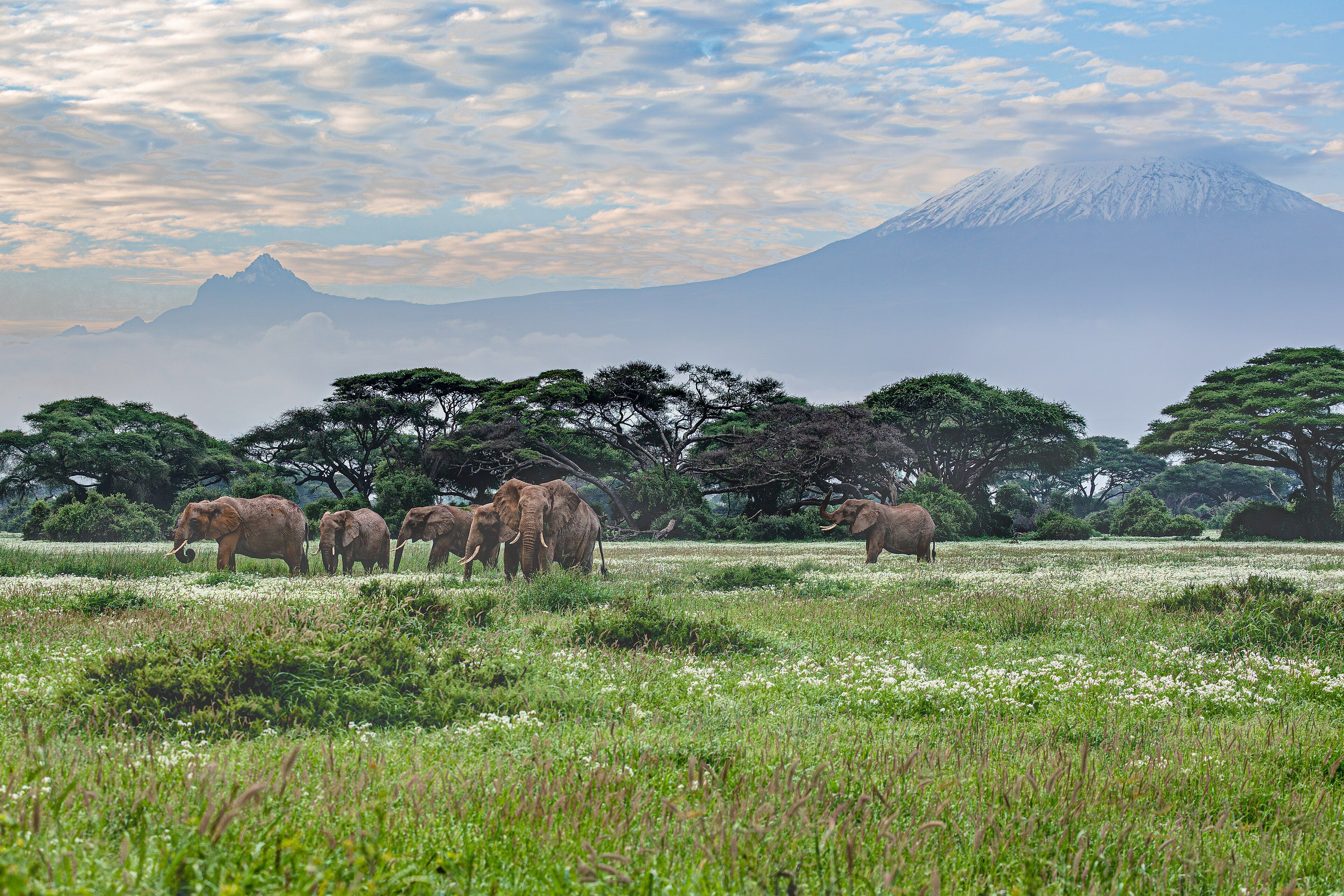
Amboseli National Park
Kajiado County, southern Kenya, on the Tanzanian border
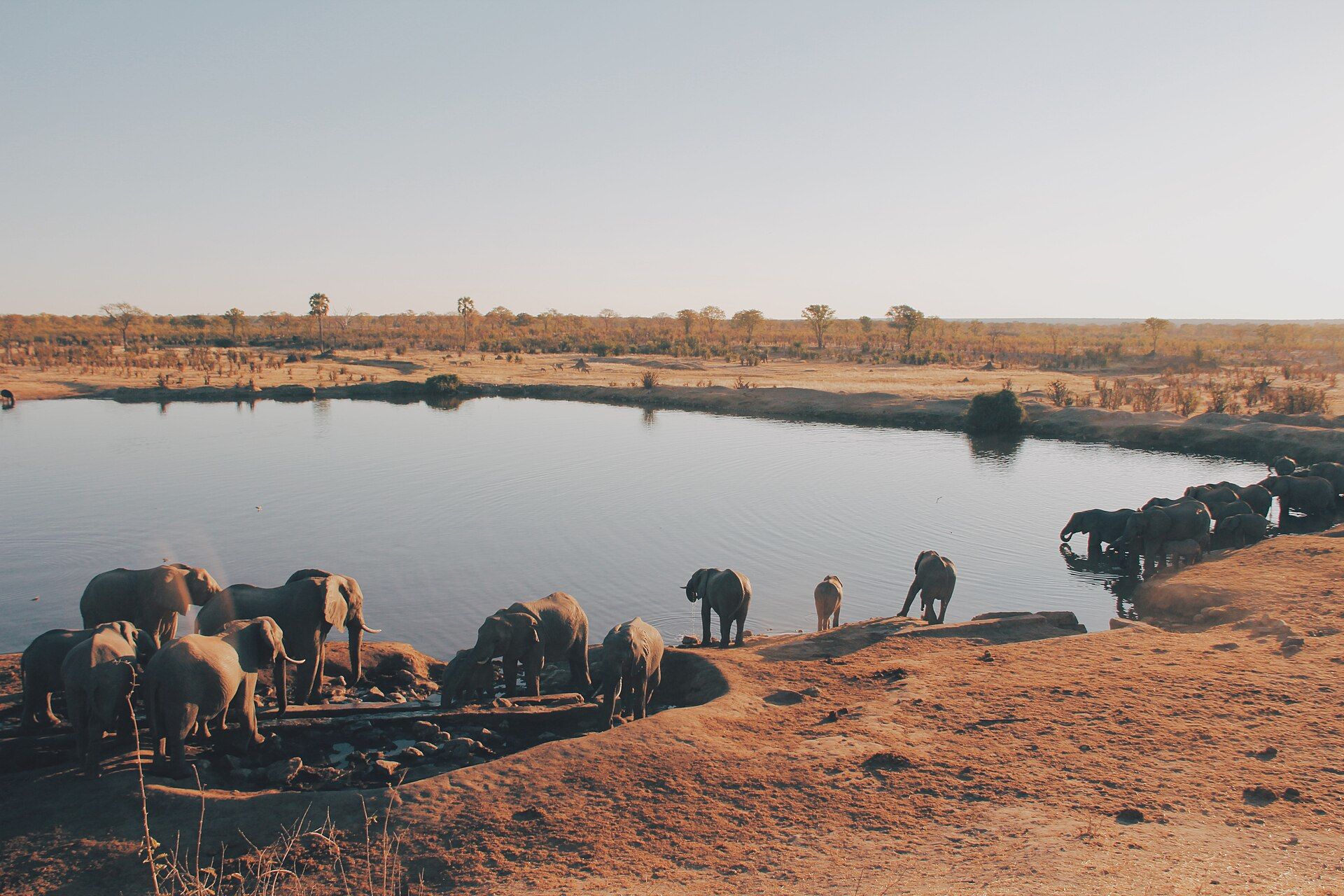
Hwange National Park
Matabeleland North, north-western Zimbabwe, off the Bulawayo–Victoria Falls highway