Okavango Delta
📍 Northern Botswana
A river that never reaches the sea — the Okavango spills into the Kalahari to form a vast, ever-shifting inland delta of channels, islands, and lagoons that draws Africa's great wildlife into the heart of a desert.
What makes it marvelous
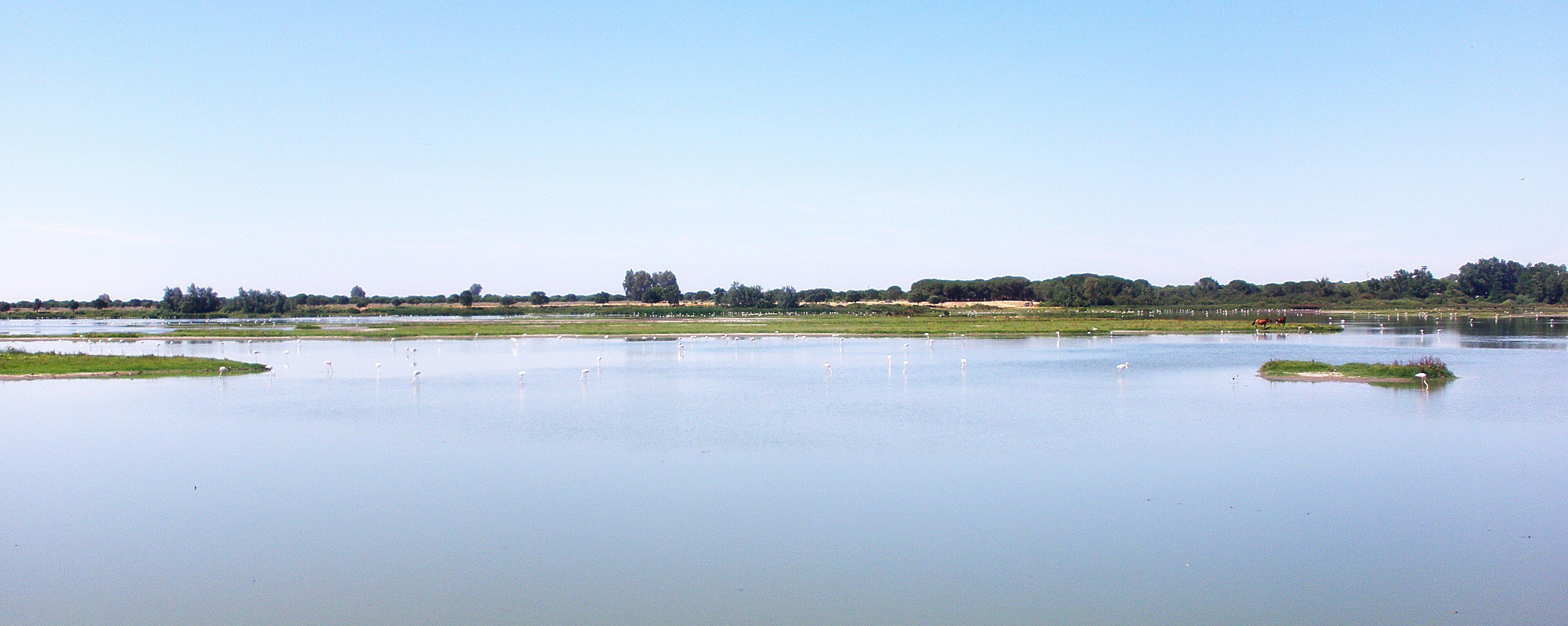
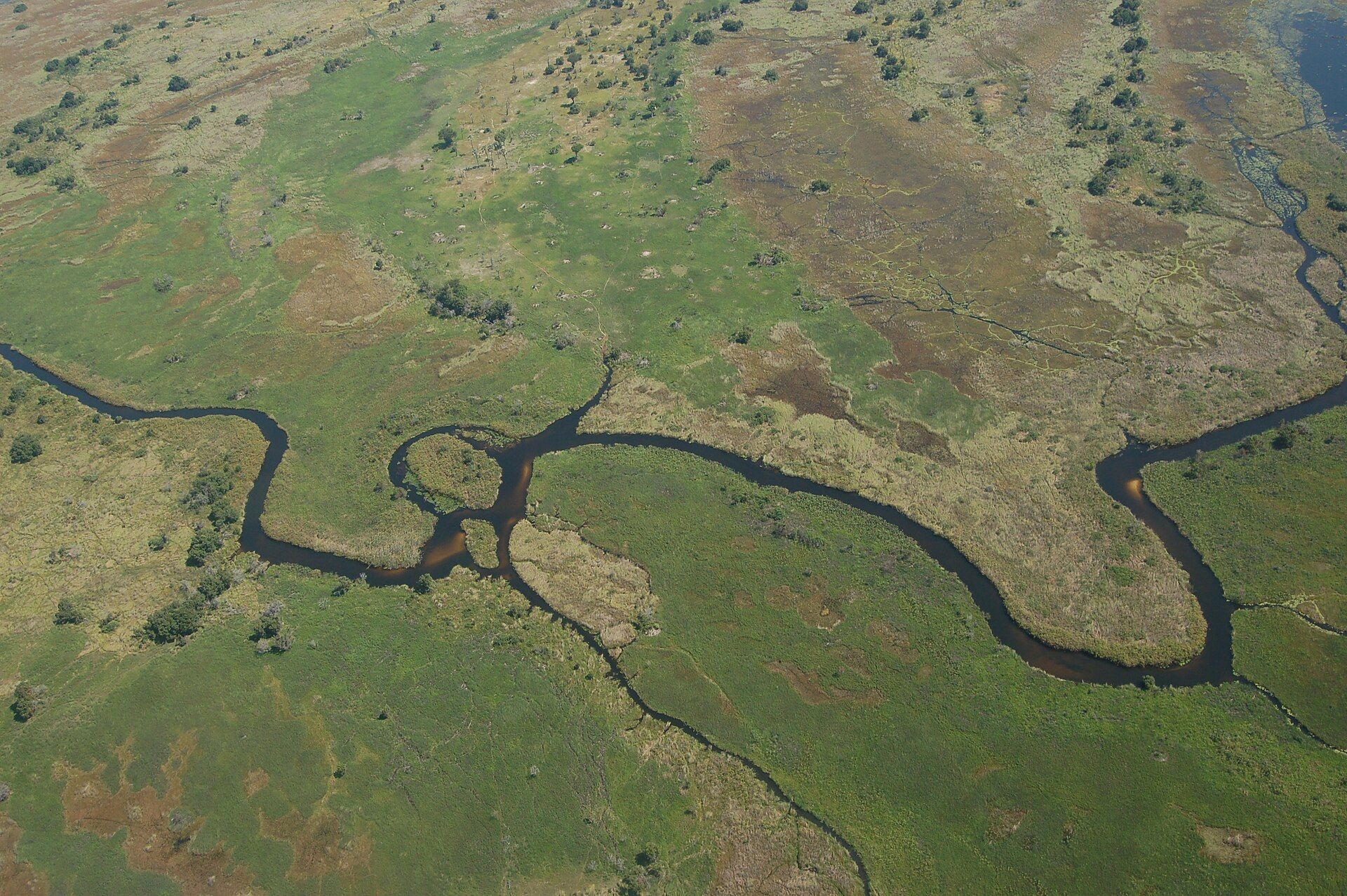
Most rivers end at an ocean; the Okavango ends in the sand. Each year floodwaters from the Angolan highlands arrive months later in the dry Kalahari, spreading across a delta of up to 15,000 square kilometres of reed-lined channels, papyrus swamps, and thousands of islands. This pulse of water in the dry season concentrates one of Africa's richest gatherings of wildlife — elephants, hippos, lions, wild dogs, and hundreds of bird species. It is a UNESCO World Heritage Site and one of the planet's last great wetland wildernesses.
Why visit
You explore it not by 4x4 but by mokoro (a traditional dugout canoe), gliding silently through papyrus past elephants and red lechwe, or by light aircraft that reveals the delta's astonishing tapestry of water and land. The intimacy and the wildlife make it one of Africa's most magical safaris.
Still deciding?
Okavango Delta comes up most often against these — each one weighs cost, effort, season and crowds side by side.
What to know before you go
🗓️ Best time
The dry season flood peak (roughly May–September) is paradoxically the best time — floodwaters arrive as the land dries, concentrating wildlife around the water.
🧭 Getting there & access
From Maun in northern Botswana, mostly by light aircraft to remote camps within the delta. Mokoro and walking safaris are led by local guides; the delta is largely a fly-in wilderness.
Good to know
- Take a mokoro trip for a silent, water-level view of the wildlife.
- A scenic flight reveals the delta's scale and beauty from above.
- Botswana favours low-impact, higher-value tourism — book quality camps early.
Plan your visit
Moderate🧭 Getting there
From Maun, Botswana
- Fly → Maun (MUB), the gateway town at the edge of the delta
- Transfer by light aircraft from Maun to your camp airstrip — roughly 15–45 minutes
- Move within the delta by mokoro, motorboat or 4x4 depending on the water level
- Total travel
- A short flight from Maun into the delta
- Time at site
- Three nights or more at a camp
- Access
- Botswana runs the delta on a deliberate high-value, low-volume model, so almost all of it is reached by fly-in camps booked well in advance rather than by self-drive. The great counterintuitive fact is the water: the flood that fills the delta arrives in the dry winter months, fed by rains that fell in the Angolan highlands months earlier, so the best water levels for mokoro trips land around the middle of the year. How far the flood reaches varies year to year — your camp will know what this season is doing.
🎒 What to bring & consider
- Camps and flights booked months ahead, because the fly-in model means there is no turning up and sorting it out in Maun
- Malaria prophylaxis discussed with a travel clinic — this is a wet, low-lying region where the risk is real
- Neutral, quiet clothing and a warm layer for genuinely cold mokoro mornings in the June-to-August winter
- A strict luggage limit in soft bags, since the light aircraft into the camps enforce low weight allowances
- Respect for the water and its wildlife — hippo and crocodile are why you stay in the poler's line and do not swim
👁️ What to expect
- Crowds
- Very low by design. Camps are small and you may see no other party all day.
- Conditions
- Glassy waterways poled in a mokoro, or 4x4 tracks when the water is low. Hot days, cold winter mornings.
- Facilities
- Self-contained camps with everything laid on. Nothing outside them — this is deep wilderness.
- The view
- The mirror-still channels at dawn from the low seat of a mokoro, reeds parting ahead of the pole. It depends entirely on the water having reached your camp, which is why the flood timing governs the trip.
Times and requirements are approximate and change with season, weather, and local rules — confirm permits, fares, and schedules with operators before you travel.
Natural riches of the area
- A rare inland river delta in the Kalahari (endorheic basin)
- Seasonal floodwaters supporting immense biodiversity
- Elephants, hippos, wild dogs, big cats, and 400+ bird species
- Papyrus swamps, reed channels, and thousands of islands
Local food
- Seswaa
- Botswana's national dish — slow-pounded, salted beef or goat, with pap.
- Pap (bogobe)
- Maize or sorghum porridge, the staple across Southern Africa.
- Freshwater bream
- Fish from the delta's channels, grilled fresh.
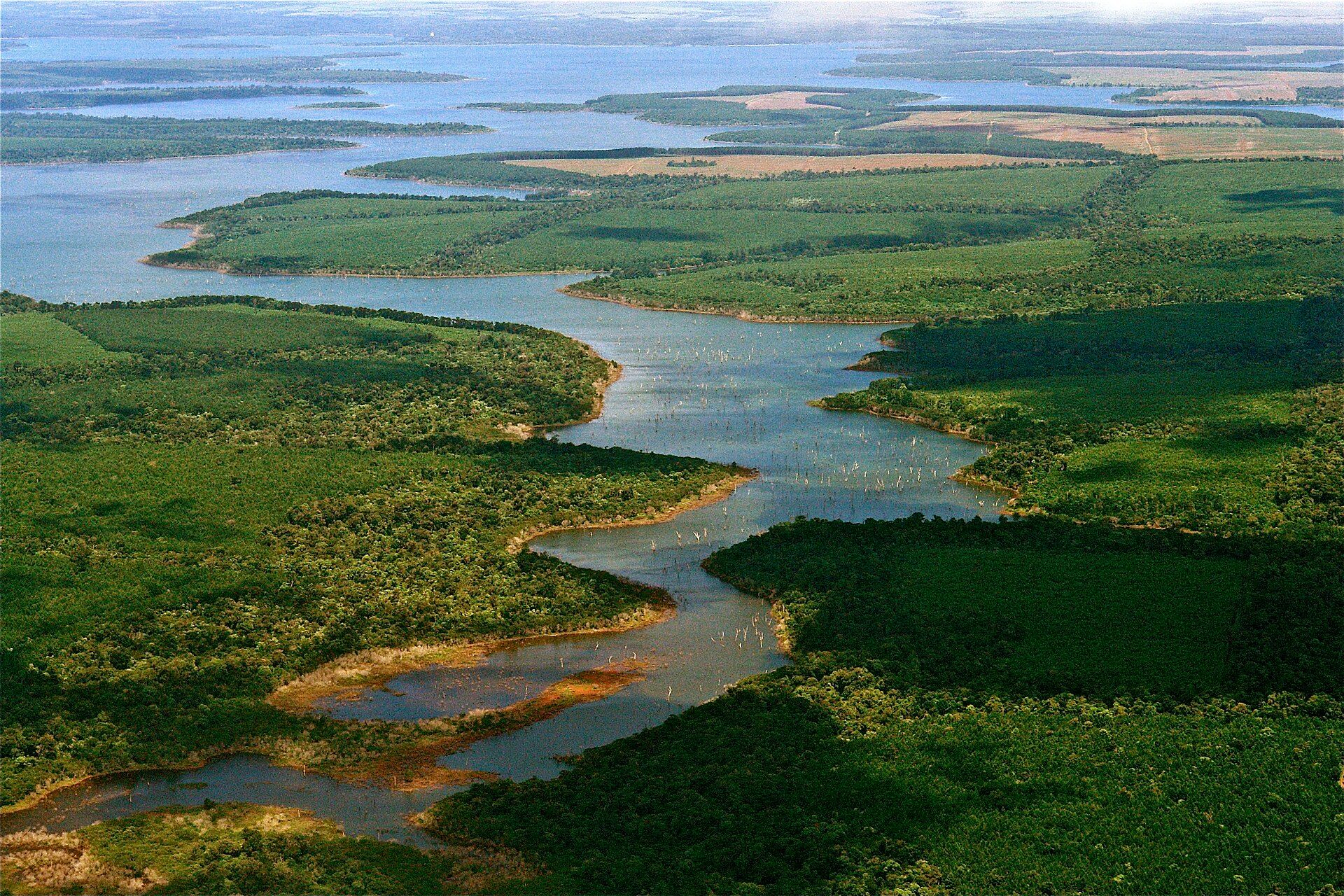
The Okavango does something almost no other great river does: it never reaches the sea. Instead it flows south into the Kalahari and simply spreads out and vanishes into the sand, creating a vast inland delta of channels, papyrus swamps, and thousands of islands — up to 15,000 square kilometres of water in the middle of a desert.
The magic is in the timing. Floodwaters from the Angolan highlands take months to arrive, so the delta swells just as the surrounding land dries out, and Africa’s wildlife converges on this moving oasis — elephants wading the channels, hippos in the lagoons, lions and wild dogs on the islands, and clouds of birds. You explore it by mokoro, a dugout canoe poled silently through the reeds, or from a light aircraft that lays the whole shining maze out below. It is one of the last truly wild wetlands on Earth.
Okavango Delta: common questions
How do you get to Okavango Delta?
From Maun, Botswana: Fly → Maun (MUB), the gateway town at the edge of the delta; Transfer by light aircraft from Maun to your camp airstrip — roughly 15–45 minutes; Move within the delta by mokoro, motorboat or 4x4 depending on the water level. Total travel time: A short flight from Maun into the delta.
When is the best time to visit Okavango Delta?
The dry season flood peak (roughly May–September) is paradoxically the best time — floodwaters arrive as the land dries, concentrating wildlife around the water.
How long should you spend at Okavango Delta?
Three nights or more at a camp. Total travel time: A short flight from Maun into the delta.
What should you bring to Okavango Delta?
Camps and flights booked months ahead, because the fly-in model means there is no turning up and sorting it out in Maun Malaria prophylaxis discussed with a travel clinic — this is a wet, low-lying region where the risk is real Neutral, quiet clothing and a warm layer for genuinely cold mokoro mornings in the June-to-August winter A strict luggage limit in soft bags, since the light aircraft into the camps enforce low weight allowances Respect for the water and its wildlife — hippo and crocodile are why you stay in the poler's line and do not swim
Do you need a permit or guide for Okavango Delta?
Botswana runs the delta on a deliberate high-value, low-volume model, so almost all of it is reached by fly-in camps booked well in advance rather than by self-drive. The great counterintuitive fact is the water: the flood that fills the delta arrives in the dry winter months, fed by rains that fell in the Angolan highlands months earlier, so the best water levels for mokoro trips land around the middle of the year. How far the flood reaches varies year to year — your camp will know what this season is doing.
Is Okavango Delta crowded, and what are conditions like?
Very low by design. Camps are small and you may see no other party all day. Glassy waterways poled in a mokoro, or 4x4 tracks when the water is low. Hot days, cold winter mornings. Facilities: Self-contained camps with everything laid on. Nothing outside them — this is deep wilderness.
Added
More wonders to explore