Spitzkoppe
📍 Erongo Region, Western Namibia
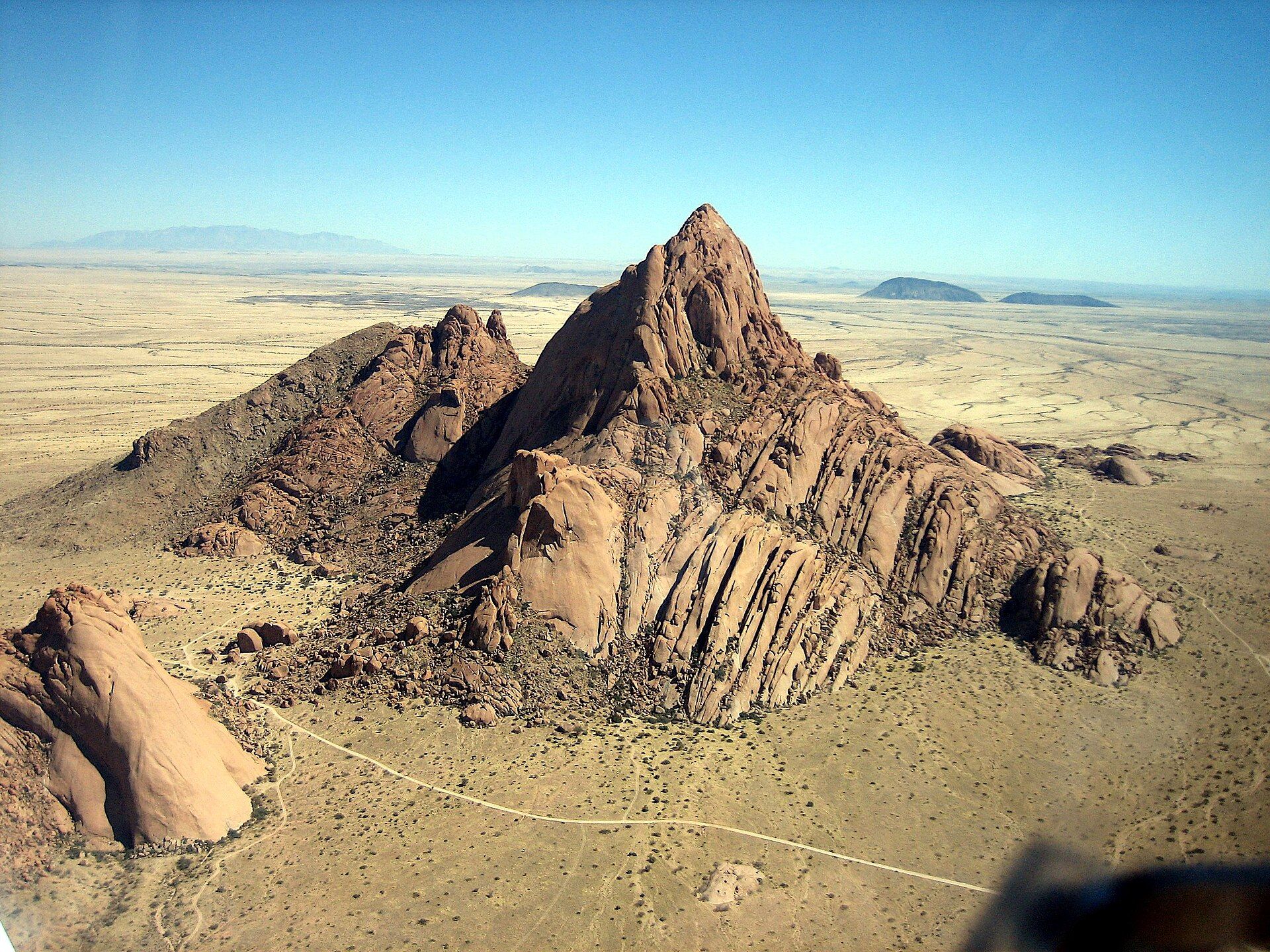
The 'Matterhorn of Namibia' — a group of bald granite peaks rising abruptly from the flat Namib plains, glowing orange at dawn and dusk, hung with a natural rock arch and some of the darkest night skies on Earth.
What makes it marvelous
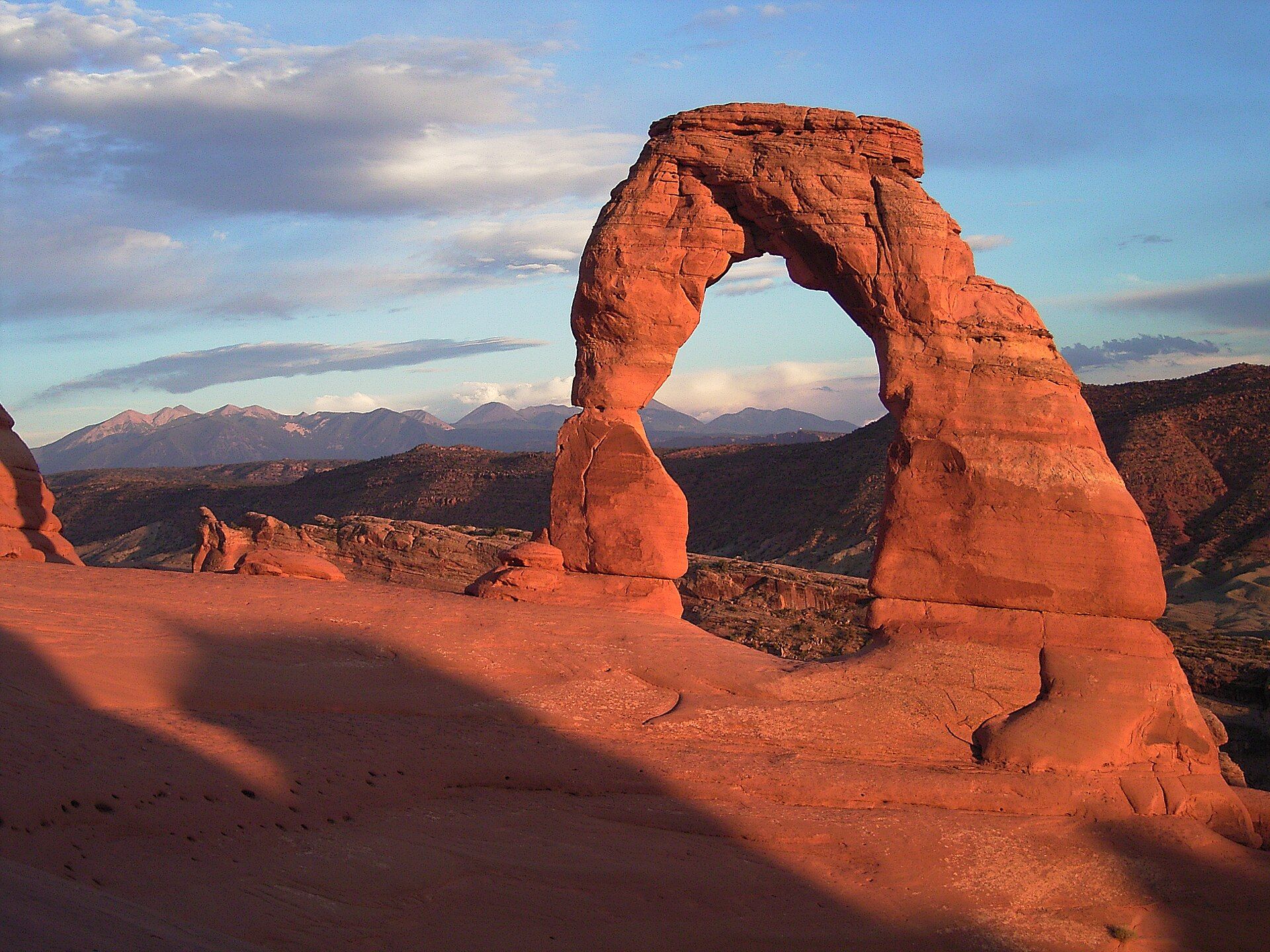
Spitzkoppe is a bornhardt: a dome of ancient granite, formed deep underground more than a hundred million years ago and left standing as the softer rock around it eroded away. The bare, rounded stone catches low sun and blazes copper-orange against the plains and, often, a hard blue sky. Wind and temperature have sculpted the granite into arches, boulders and smooth sweeps, and San communities left rock paintings in its shelters long ago.
Why visit
The light is the draw — sunrise and sunset set the whole massif alight — along with the famous rock arch, the near-total silence, and a night sky so free of light pollution that the Milky Way throws shadows. It is one of the most photogenic and peaceful places to camp in southern Africa.
Still deciding?
Spitzkoppe comes up most often against one other place — each one weighs cost, effort, season and crowds side by side.
More views of Spitzkoppe
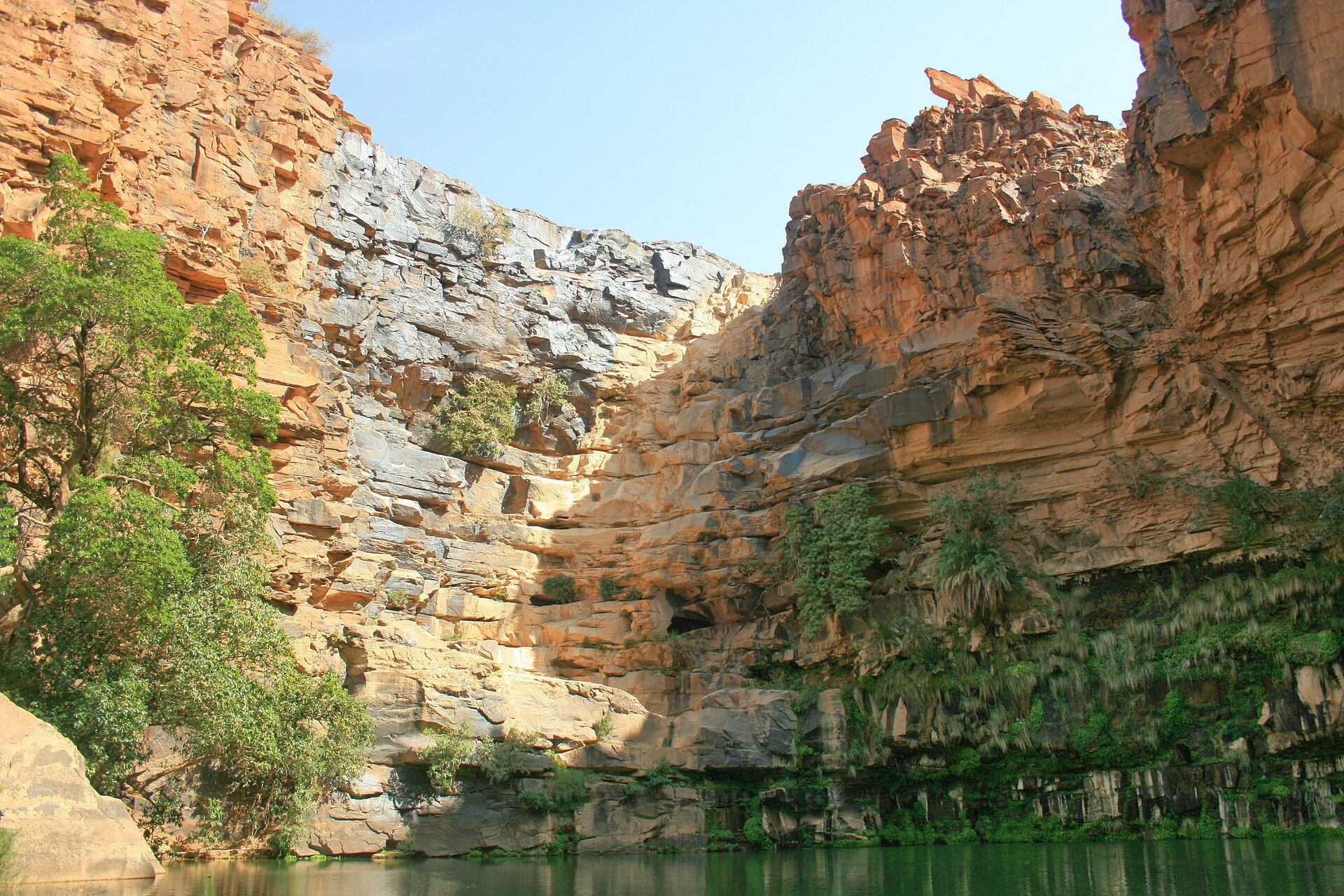
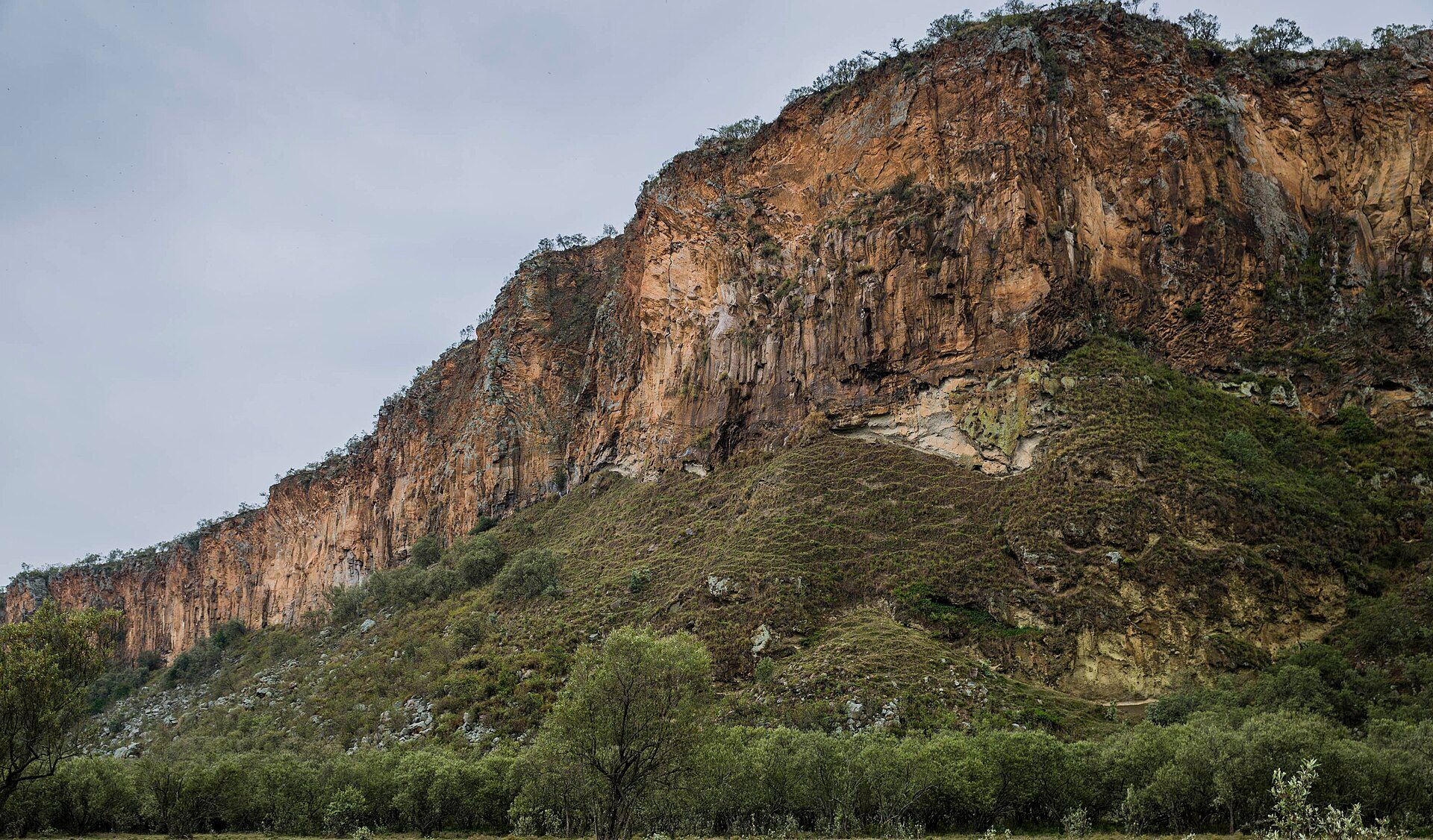
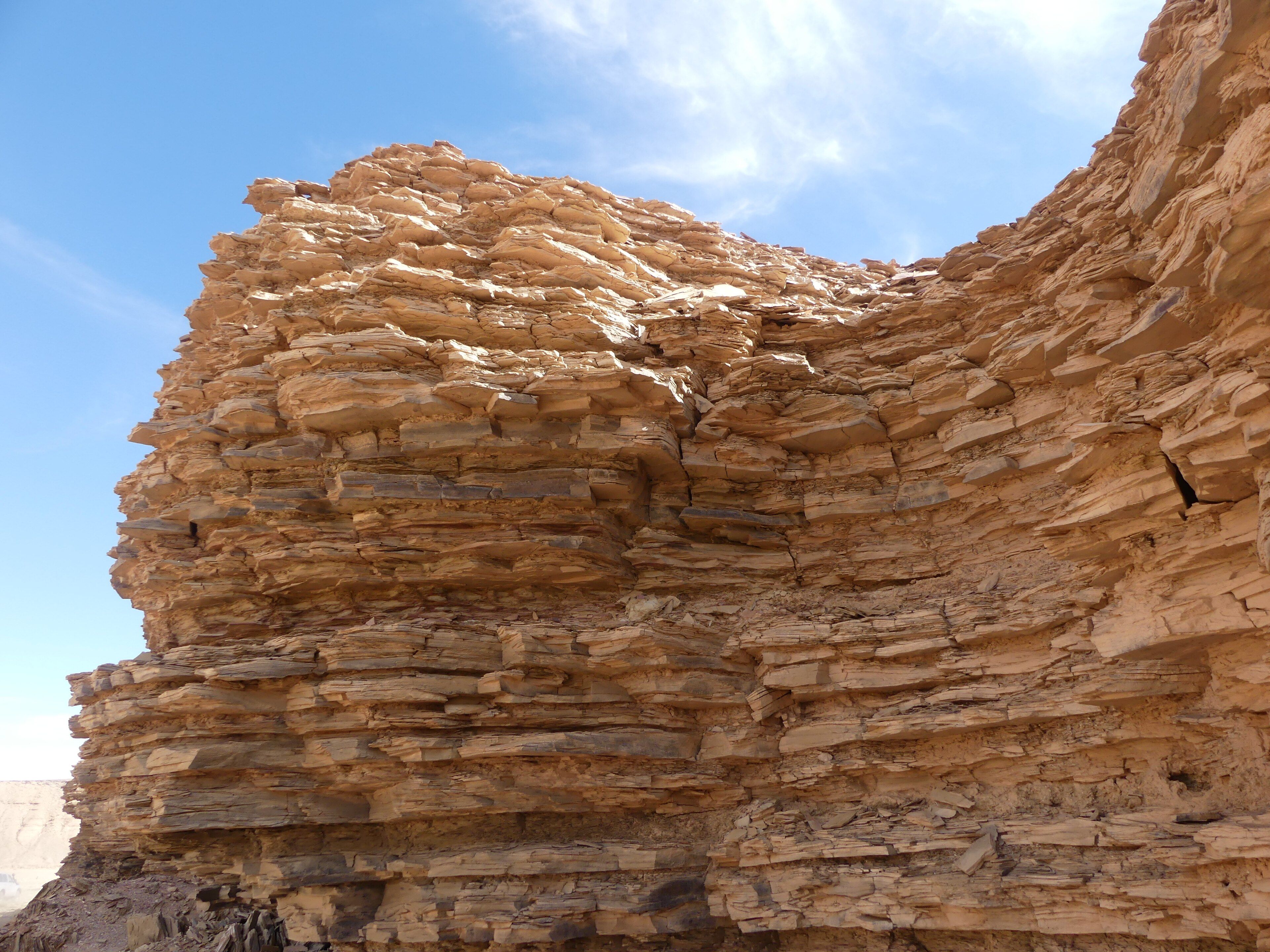
Additional photographs of the actual site — each freely licensed, with its photographer and licence credited.
What to know before you go
🗓️ Best time
May to September (the cool dry season) for comfortable days, cold clear nights and the best stargazing; the summer months are very hot and can bring sudden heat.
🧭 Getting there & access
Reached by gravel road in the Erongo Region, between Usakos and Henties Bay. The area is a community-run conservancy with an entry fee and simple campsites among the rocks.
Good to know
- Camp overnight — the massif at first and last light, and the stars between, are the whole point.
- Hire a local guide to find the rock art and the best arch viewpoints.
- Carry all your own water; there is no supply at the campsites.
Plan your visit
Easy🧭 Getting there
From Swakopmund or Windhoek (WDH), Namibia
- Fly to Windhoek, then drive west toward the coast
- From Swakopmund it is roughly 2h30–3h inland on tar then gravel
- The final approach is signed gravel road into the conservancy
- Total travel
- A half-day drive from Windhoek; less from the coast
- Time at site
- An overnight stay to catch both dawn and the night sky
- Access
- A community conservancy manages access with a modest entry and camping fee paid at the gate. There is no fuel, water or shop on site and the last stretch is gravel, so arrive fully self-sufficient and with enough fuel for the return.
🎒 What to bring & consider
- All your drinking water — there is none at the site
- Sun protection, a hat and plenty of shade for the heat of the day
- Warm layers for the cold desert nights, especially in winter
- A head torch, and a red light to keep the stars dark for everyone
👁️ What to expect
- Crowds
- Never crowded; a handful of campsites are spread among the rocks.
- Conditions
- Easy walking on sand and slabs; scrambling only if you seek it out.
- Facilities
- Basic — pit toilets and bush campsites, no power or water.
- The view
- The rock arch framing the main peak at sunrise, or the Milky Way arching over the granite once it is fully dark.
Times and requirements are approximate and change with season, weather, and local rules — confirm permits, fares, and schedules with operators before you travel.
Natural riches of the area
- Ancient granite inselbergs (bornhardts) rising from the plains
- A natural rock arch and wind-sculpted boulders
- Exceptionally dark, clear night skies
- Desert-adapted plants and San rock-art sites
Local food
- Game meat (oryx, springbok)
- Desert-adapted antelope, often dried into biltong for the road.
- Mahangu (pearl millet)
- A drought-hardy grain grown widely in Namibia and cooked as a stiff porridge.
- Braai-grilled meat
- Open-fire grilling is the default way to cook out here under the stars.
Spitzkoppe rises so cleanly from the surrounding flatness that its nickname, the Matterhorn of Namibia, feels almost inevitable. It is a bornhardt — a mass of granite that formed deep underground more than a hundred million years ago and now stands exposed, the softer surrounding rock long since worn away. The stone is bald and rounded, and at dawn and dusk it catches the low sun and burns a deep copper-orange above the pale plains.
Time and weather have shaped the granite into smooth domes, tumbled boulders and a celebrated natural arch, while San communities left paintings in its rock shelters. But what fixes Spitzkoppe in memory is often the night: far from any town, the sky here is about as dark as skies get, and the Milky Way stands out with a clarity that city dwellers rarely see. Camping among the rocks to watch the massif change colour and the stars come out is one of the quiet great experiences of southern Africa.
Spitzkoppe: common questions
How do you get to Spitzkoppe?
From Swakopmund or Windhoek (WDH), Namibia: Fly to Windhoek, then drive west toward the coast; From Swakopmund it is roughly 2h30–3h inland on tar then gravel; The final approach is signed gravel road into the conservancy. Total travel time: A half-day drive from Windhoek; less from the coast.
When is the best time to visit Spitzkoppe?
May to September (the cool dry season) for comfortable days, cold clear nights and the best stargazing; the summer months are very hot and can bring sudden heat.
How long should you spend at Spitzkoppe?
An overnight stay to catch both dawn and the night sky. Total travel time: A half-day drive from Windhoek; less from the coast.
What should you bring to Spitzkoppe?
All your drinking water — there is none at the site Sun protection, a hat and plenty of shade for the heat of the day Warm layers for the cold desert nights, especially in winter A head torch, and a red light to keep the stars dark for everyone
Do you need a permit or guide for Spitzkoppe?
A community conservancy manages access with a modest entry and camping fee paid at the gate. There is no fuel, water or shop on site and the last stretch is gravel, so arrive fully self-sufficient and with enough fuel for the return.
Is Spitzkoppe crowded, and what are conditions like?
Never crowded; a handful of campsites are spread among the rocks. Easy walking on sand and slabs; scrambling only if you seek it out. Facilities: Basic — pit toilets and bush campsites, no power or water.
Added