Bungle Bungle Range
📍 Purnululu, Kimberley, Western Australia
Hundreds of orange-and-black striped sandstone domes rising from the Kimberley outback — a beehive landscape unknown to the wider world until the 1980s.
What makes it marvelous
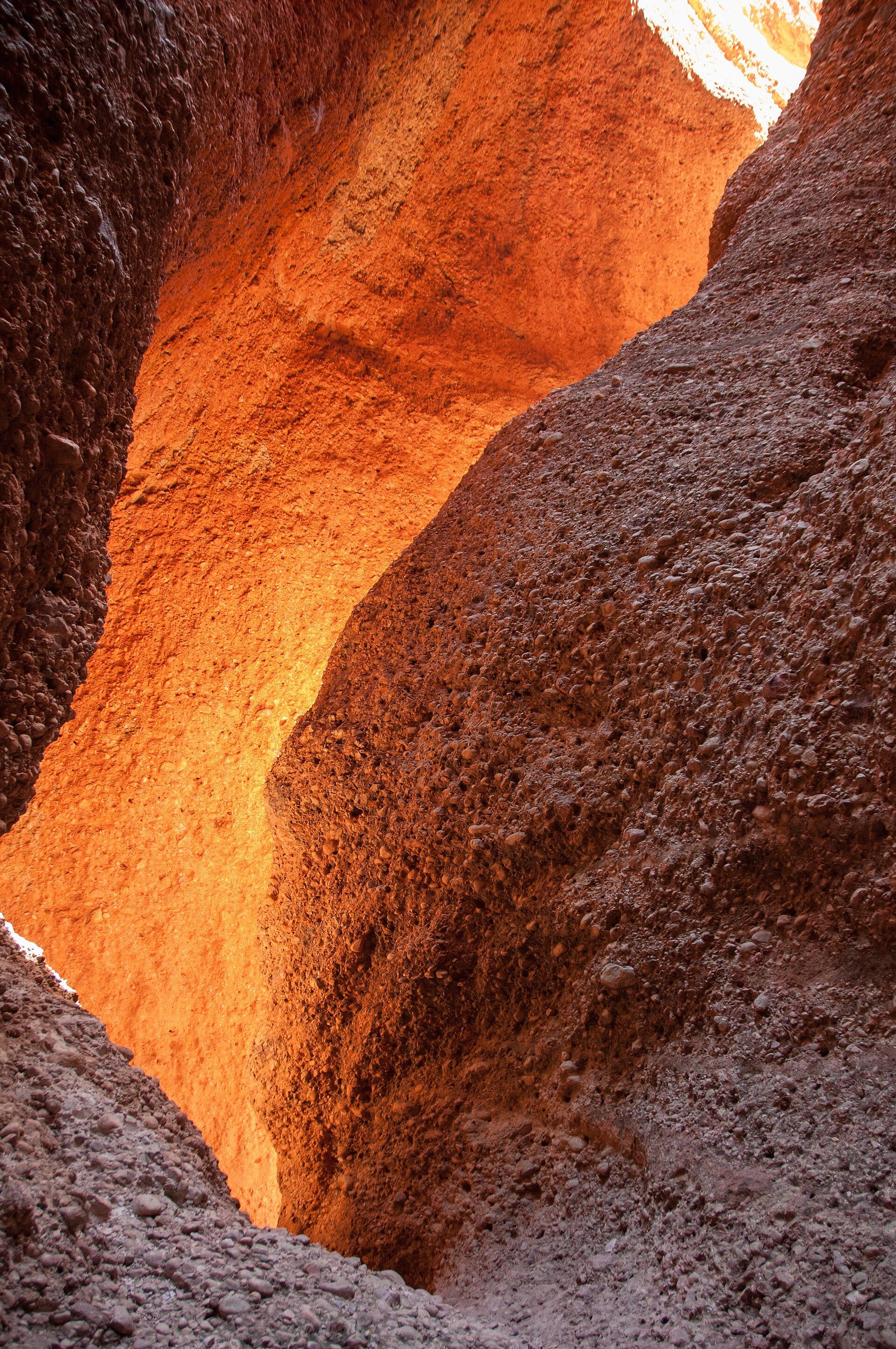
The Bungle Bungle Range is one of the strangest rock landscapes on Earth: a maze of sandstone domes shaped like great beehives, banded in alternating stripes of orange and charcoal-black. The stripes tell a story of porosity — orange layers are more permeable and stained by iron oxide, while the darker bands hold enough moisture to support a thin skin of cyanobacteria, and it is this fragile living crust that helps hold the soft sandstone together. The range was laid down some 350 million years ago and sculpted by monsoon rains into domes, gorges, and hidden chasms like Cathedral Gorge with its natural amphitheatre. Long known to the Kija and Jaru peoples, it remained essentially unknown to the outside world until a documentary crew filmed it in the 1980s. It is a UNESCO World Heritage Site.
Why visit
Walking among hundreds of striped beehive domes and into echoing gorges — in a range so remote it stayed off the world's maps until the 1980s — is one of Australia's most extraordinary and otherworldly outback experiences.
Still deciding?
Bungle Bungle Range comes up most often against one other place — each one weighs cost, effort, season and crowds side by side.
What to know before you go
🗓️ Best time
The dry season (roughly April–October), the only period the park is open and its access track passable; the wet season floods the Kimberley and closes the range entirely.
🧭 Getting there & access
In Purnululu National Park in Western Australia's remote Kimberley; reached by a rough 4x4-only track off the Great Northern Highway, or by scenic flight from Kununurra for an aerial view of the domes.
Good to know
- Visit April–October only; the park closes in the wet season.
- The access track is genuinely 4x4-only — check conditions before setting out.
- Never climb on the domes; the living crust that binds them is fragile.
Plan your visit
Strenuous🧭 Getting there
From Kununurra (KNX), Western Australia
- Fly Perth or Darwin → Kununurra
- Road Kununurra → the Purnululu turnoff — roughly 2h30–3h
- Then the park access track: a rough 4x4 route with creek crossings, about 2h–3h for only 53km
- Scenic flights from Kununurra skip the drive entirely
- Total travel
- Most of a day from Kununurra by road
- Time at site
- 2–3 days on the ground; a scenic flight is about an hour
- Access
- Purnululu National Park entry, and the park opens only in the dry season, roughly April to November — it closes completely in the wet, when the access track floods out. High-clearance 4x4 is a genuine requirement rather than a recommendation, and 2WD vehicles are turned back at the gate. Check the state parks service for current opening and track condition.
🎒 What to bring & consider
- Very large quantities of water — remote tropical savannah, extreme heat, and no shade at all in the gorges
- A high-clearance 4x4 with recovery gear and a spare tyre, because help is hours away
- A satellite communicator or beacon; there is no mobile coverage
- All your food and fuel, since nothing is sold inside the park
- Sturdy shoes for loose rock and dry creek beds
👁️ What to expect
- Crowds
- Low. The access track filters out most visitors and the campgrounds are small.
- Conditions
- A rough 4x4 track, then walking on sand, loose rock and creek beds in serious heat.
- Facilities
- Two basic campgrounds with limited water. Nothing else.
- The view
- The banded beehive domes read best in low sun, and Cathedral Gorge glows from reflected light in the middle of the day. From the air the striping is far more legible than it ever is from the ground.
Times and requirements are approximate and change with season, weather, and local rules — confirm permits, fares, and schedules with operators before you travel.
Natural riches of the area
- Beehive sandstone domes banded orange and black
- Stripes formed by iron oxide and living cyanobacteria crusts
- ~350-million-year-old sandstone carved by monsoon rains
- Gorges and natural amphitheatres such as Cathedral Gorge
Local food
- Bush tucker
- Native foods of the Kimberley, including bush fruits and gathered plants.
- Barramundi
- The prized fish of northern Australia's rivers and coast.
- Outback beef
- Cattle raised on the vast stations of the Kimberley.
The Bungle Bungle Range looks like nothing else on Earth: hundreds of sandstone domes shaped like great beehives, banded in alternating stripes of burnt orange and charcoal black, rising from the remote Kimberley outback. The stripes come down to porosity — the orange layers are more permeable and stained by iron oxide, while the darker bands retain enough moisture to support a thin living skin of cyanobacteria. That fragile crust is what holds the soft sandstone together, which is why climbing on the domes is forbidden.
Laid down some 350 million years ago and carved by monsoon rains into domes, gorges, and hidden chasms — among them Cathedral Gorge and its natural amphitheatre — the range was long known to the Kija and Jaru peoples but remained essentially unknown to the wider world until a documentary crew filmed it in the 1980s. Reached today by a rough 4x4 track or by scenic flight, this UNESCO World Heritage landscape is one of Australia’s most surreal.
Bungle Bungle Range: common questions
How do you get to Bungle Bungle Range?
From Kununurra (KNX), Western Australia: Fly Perth or Darwin → Kununurra; Road Kununurra → the Purnululu turnoff — roughly 2h30–3h; Then the park access track: a rough 4x4 route with creek crossings, about 2h–3h for only 53km; Scenic flights from Kununurra skip the drive entirely. Total travel time: Most of a day from Kununurra by road.
When is the best time to visit Bungle Bungle Range?
The dry season (roughly April–October), the only period the park is open and its access track passable; the wet season floods the Kimberley and closes the range entirely.
How long should you spend at Bungle Bungle Range?
2–3 days on the ground; a scenic flight is about an hour. Total travel time: Most of a day from Kununurra by road.
What should you bring to Bungle Bungle Range?
Very large quantities of water — remote tropical savannah, extreme heat, and no shade at all in the gorges A high-clearance 4x4 with recovery gear and a spare tyre, because help is hours away A satellite communicator or beacon; there is no mobile coverage All your food and fuel, since nothing is sold inside the park Sturdy shoes for loose rock and dry creek beds
Do you need a permit or guide for Bungle Bungle Range?
Purnululu National Park entry, and the park opens only in the dry season, roughly April to November — it closes completely in the wet, when the access track floods out. High-clearance 4x4 is a genuine requirement rather than a recommendation, and 2WD vehicles are turned back at the gate. Check the state parks service for current opening and track condition.
Is Bungle Bungle Range crowded, and what are conditions like?
Low. The access track filters out most visitors and the campgrounds are small. A rough 4x4 track, then walking on sand, loose rock and creek beds in serious heat. Facilities: Two basic campgrounds with limited water. Nothing else.
Added
More wonders to explore