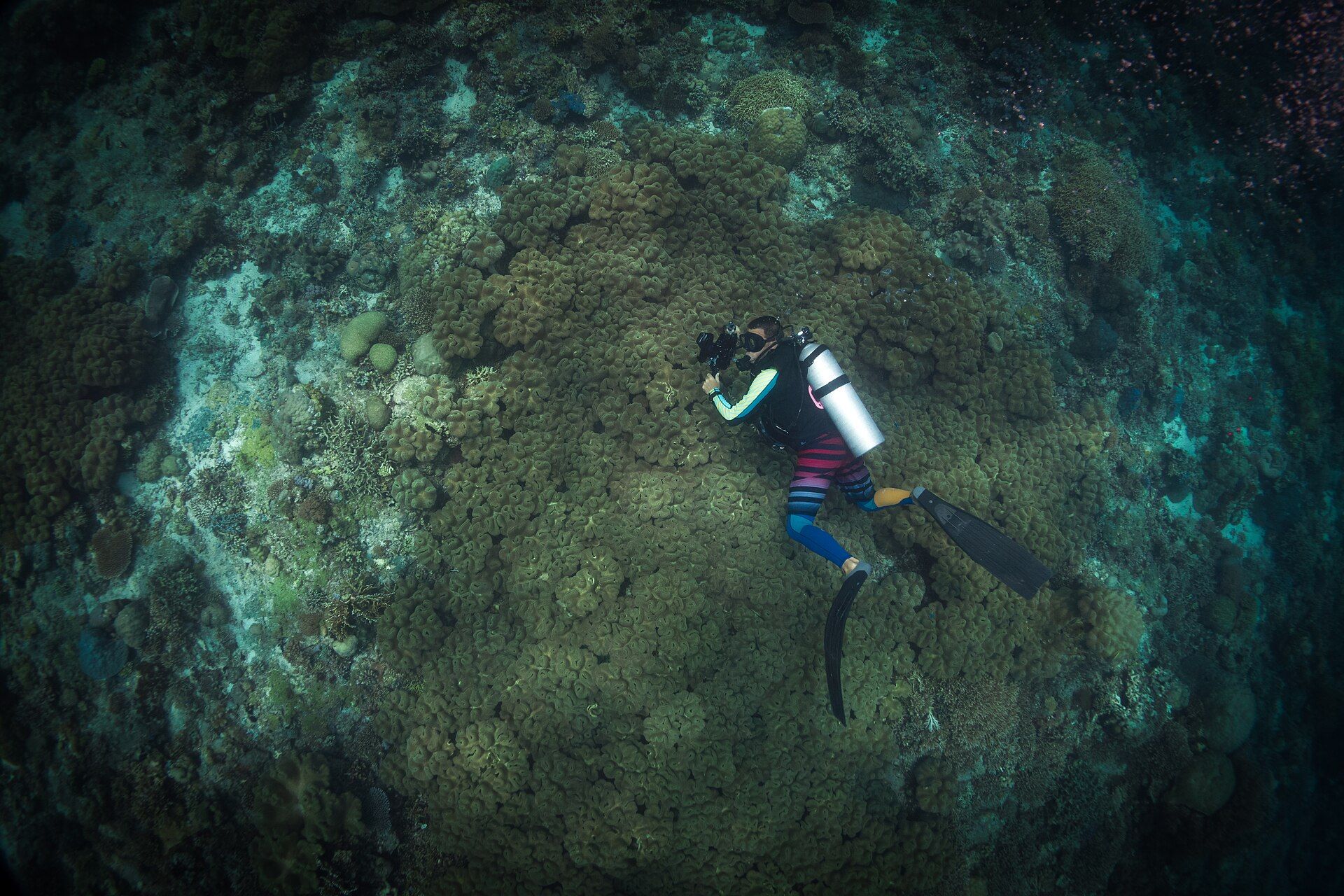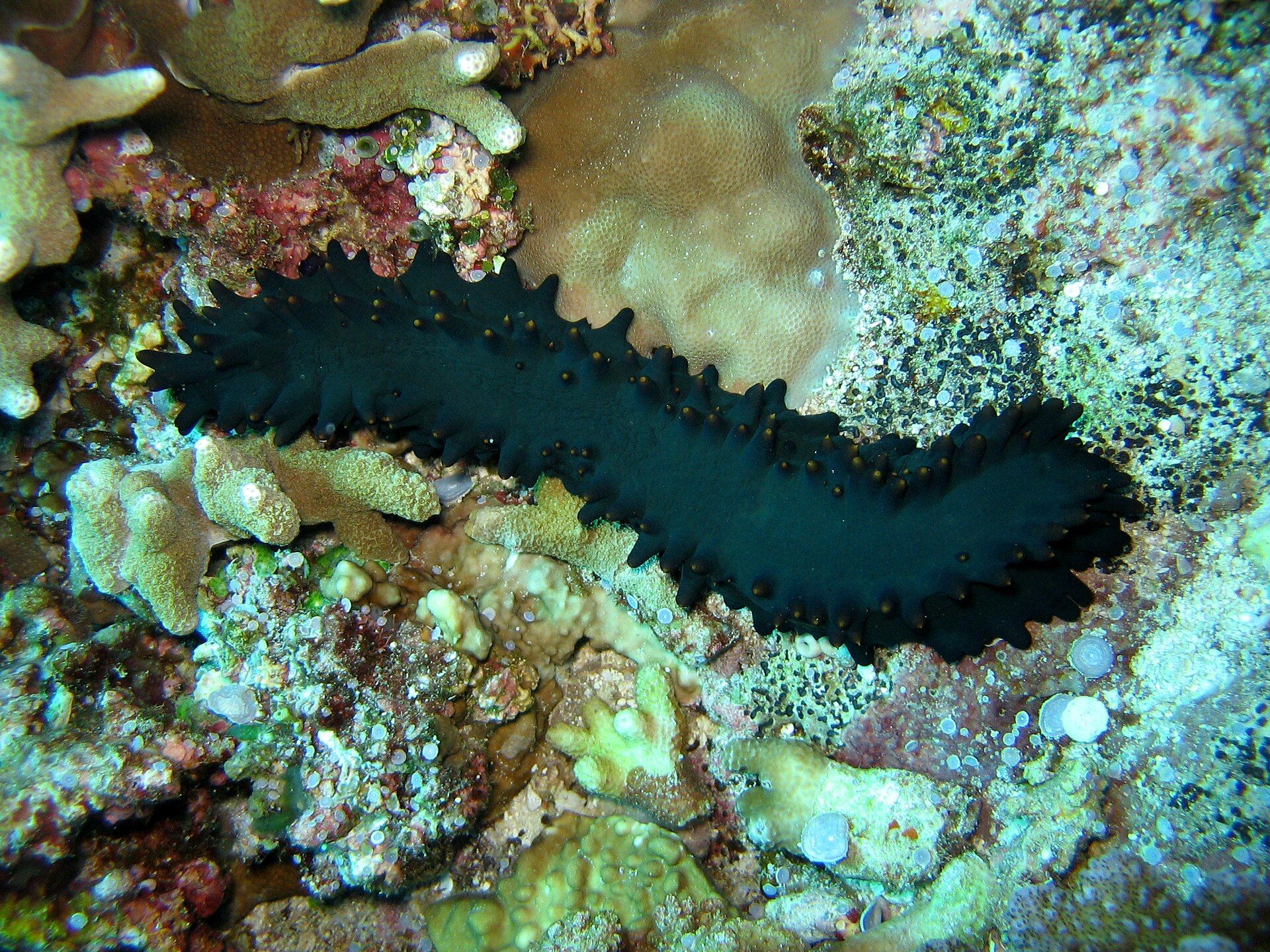
The largest contiguous coral reef in the Philippines and the second-largest in the world — an isolated 34-square-kilometre atoll of coral, lagoon, and mangrove in the Mindoro Strait, teeming with sharks, turtles, and rays.
The largest barrier reef in the northern hemisphere — some 300 kilometres of coral running the length of Belize, with three of the Atlantic's four true atolls behind it and the Great Blue Hole at its centre.
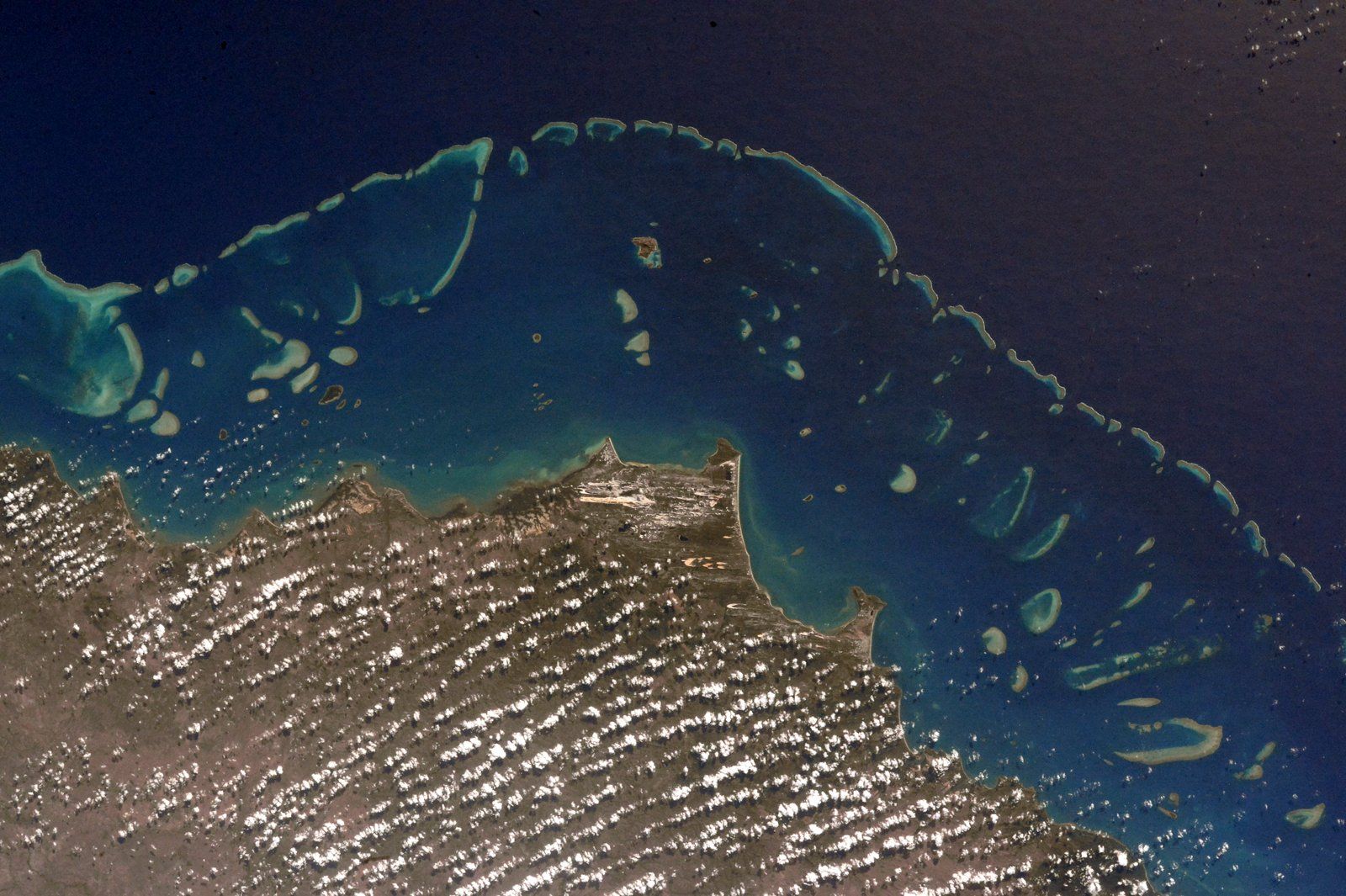
The largest living structure on Earth — a 2,300-kilometre system of nearly 3,000 individual reefs and hundreds of islands off Queensland, so vast it can be seen from space, and among the most biodiverse places in the ocean.
One of the world's largest fringing reefs — a coral wonderland that hugs the shore of Western Australia, where you can wade off the beach to snorkel with turtles, manta rays, and the giant whale shark.
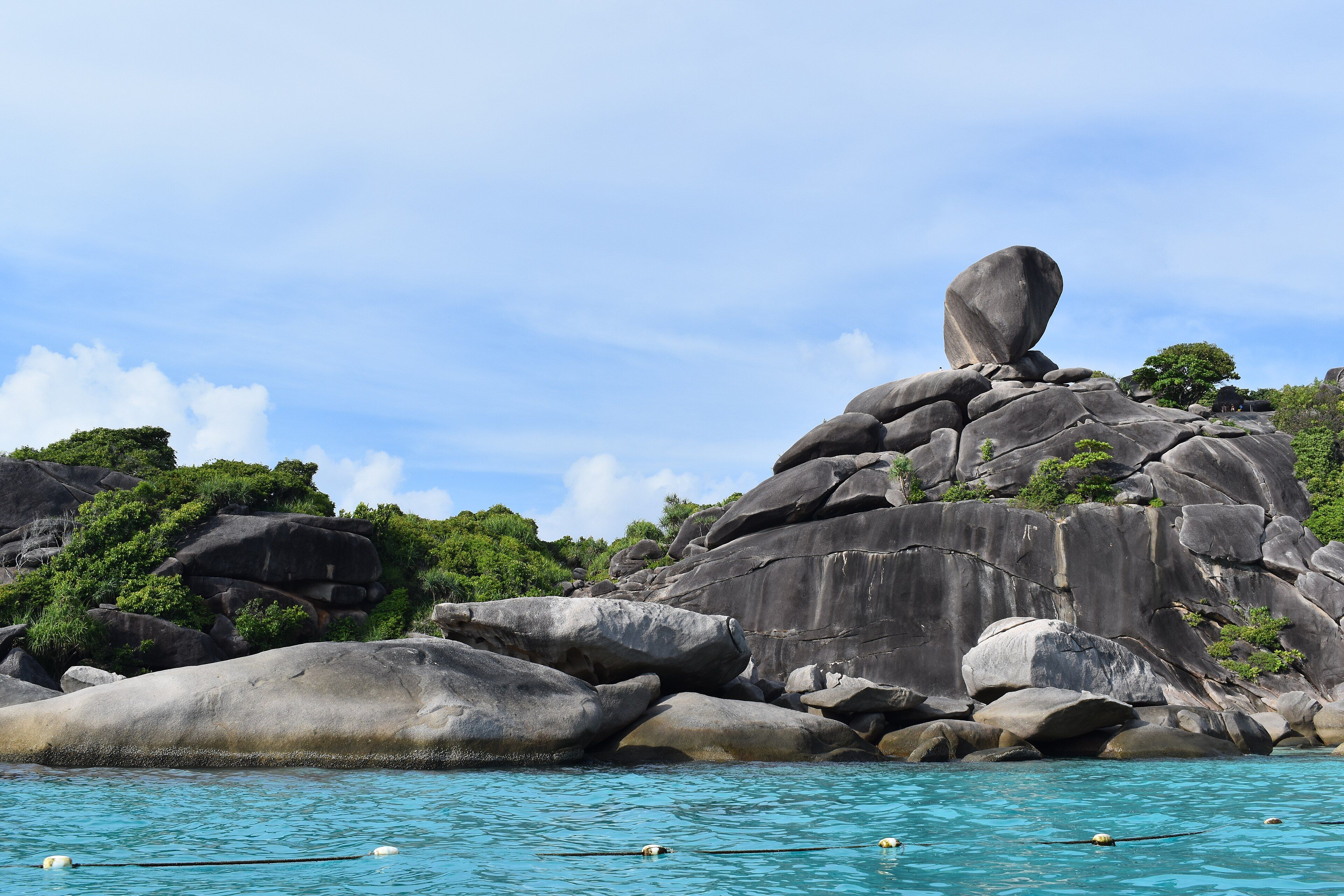
Mu Ko Similan National Park, Phang Nga Province, Andaman Sea, Thailand
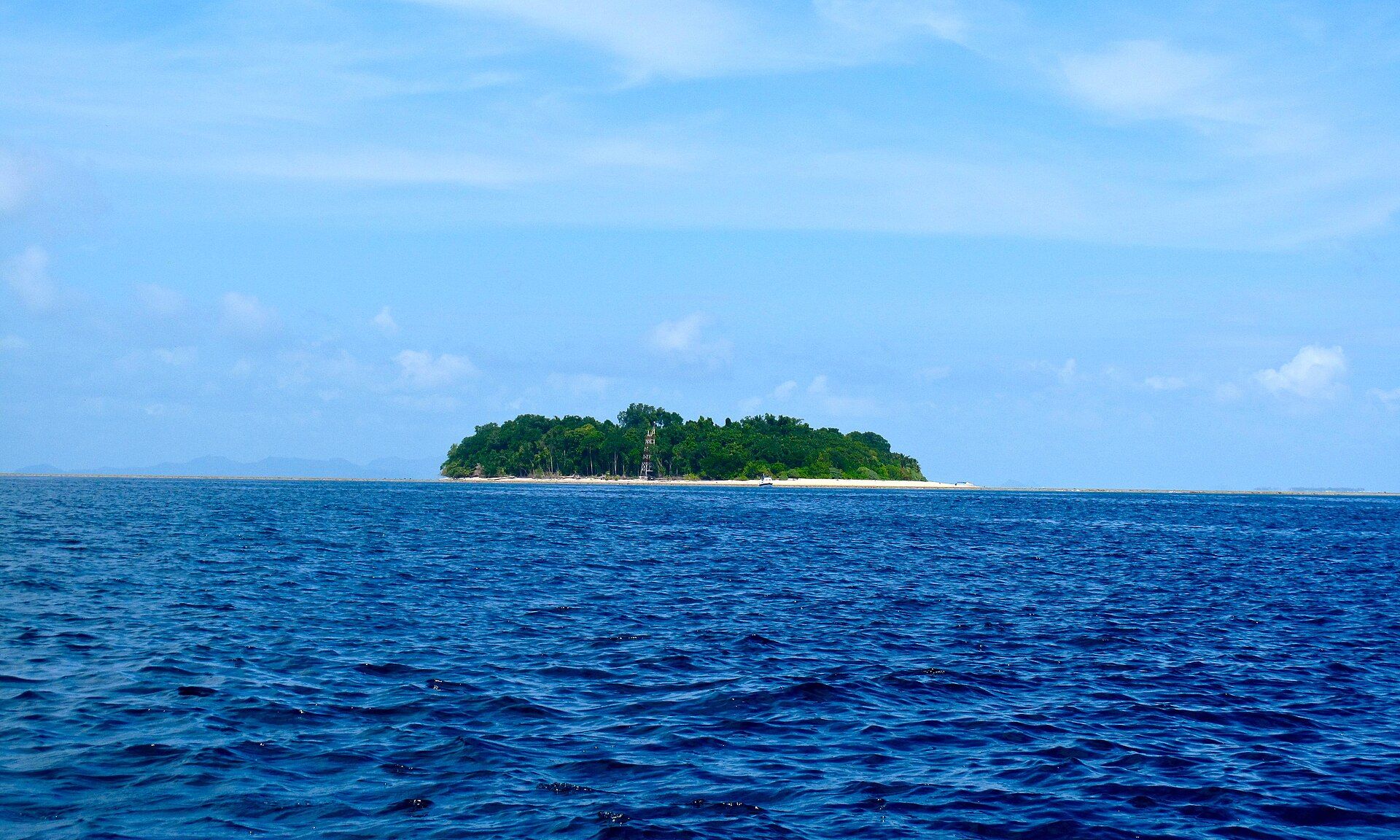
An eleven-island granite archipelago in the Andaman Sea whose west sides are stacked with room-sized boulders underwater — widely rated the best diving in Thailand, and closed for five months a year to let the reef recover.
Malaysia's only oceanic island — a coral pinnacle rising 600 metres from the floor of the Celebes Sea off Borneo, ringed by walls of reef alive with turtles, barracuda tornadoes and reef sharks.
A pristine, remote atoll system in the middle of the Sulu Sea — nearly 100,000 hectares of coral reef, sheer walls, and open ocean that rank among the healthiest marine ecosystems on the planet.