Palau's Rock Islands
📍 Rock Islands Southern Lagoon, Palau, Micronesia
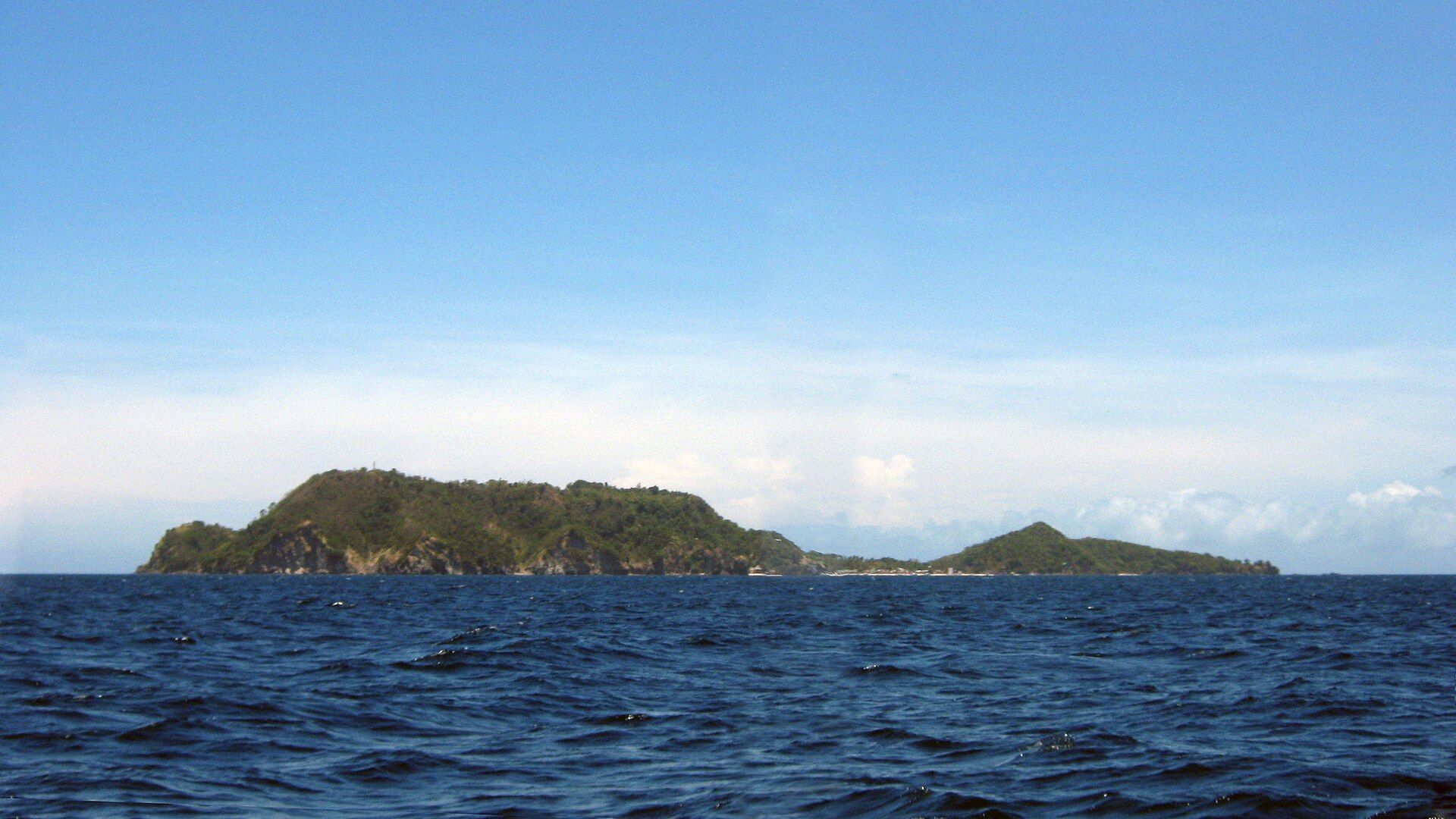
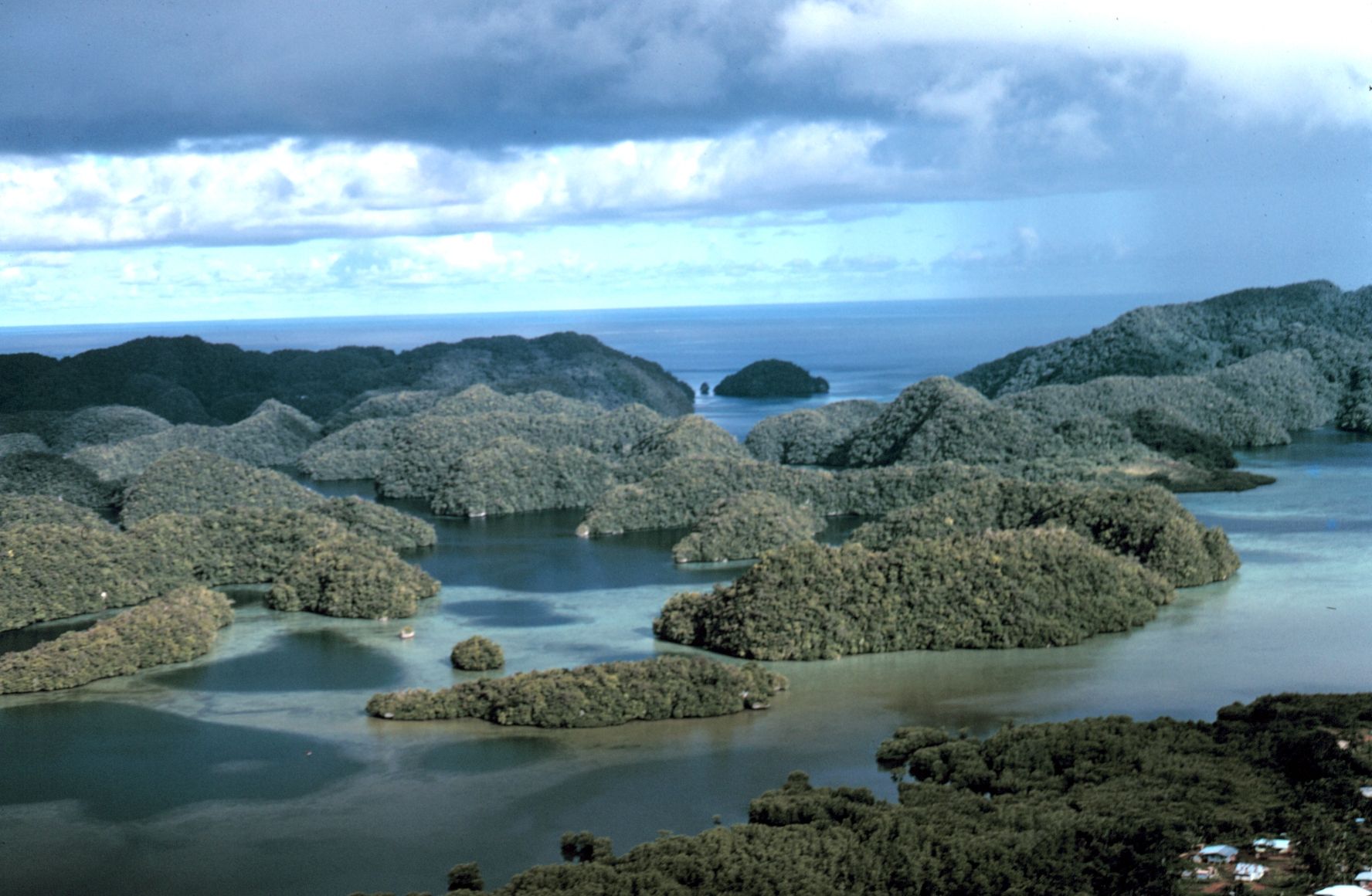
Hundreds of emerald mushroom-shaped limestone islands scattered across a turquoise lagoon — a marine wonderland of hidden lakes, world-class reefs, and a lake full of harmless golden jellyfish.
What makes it marvelous
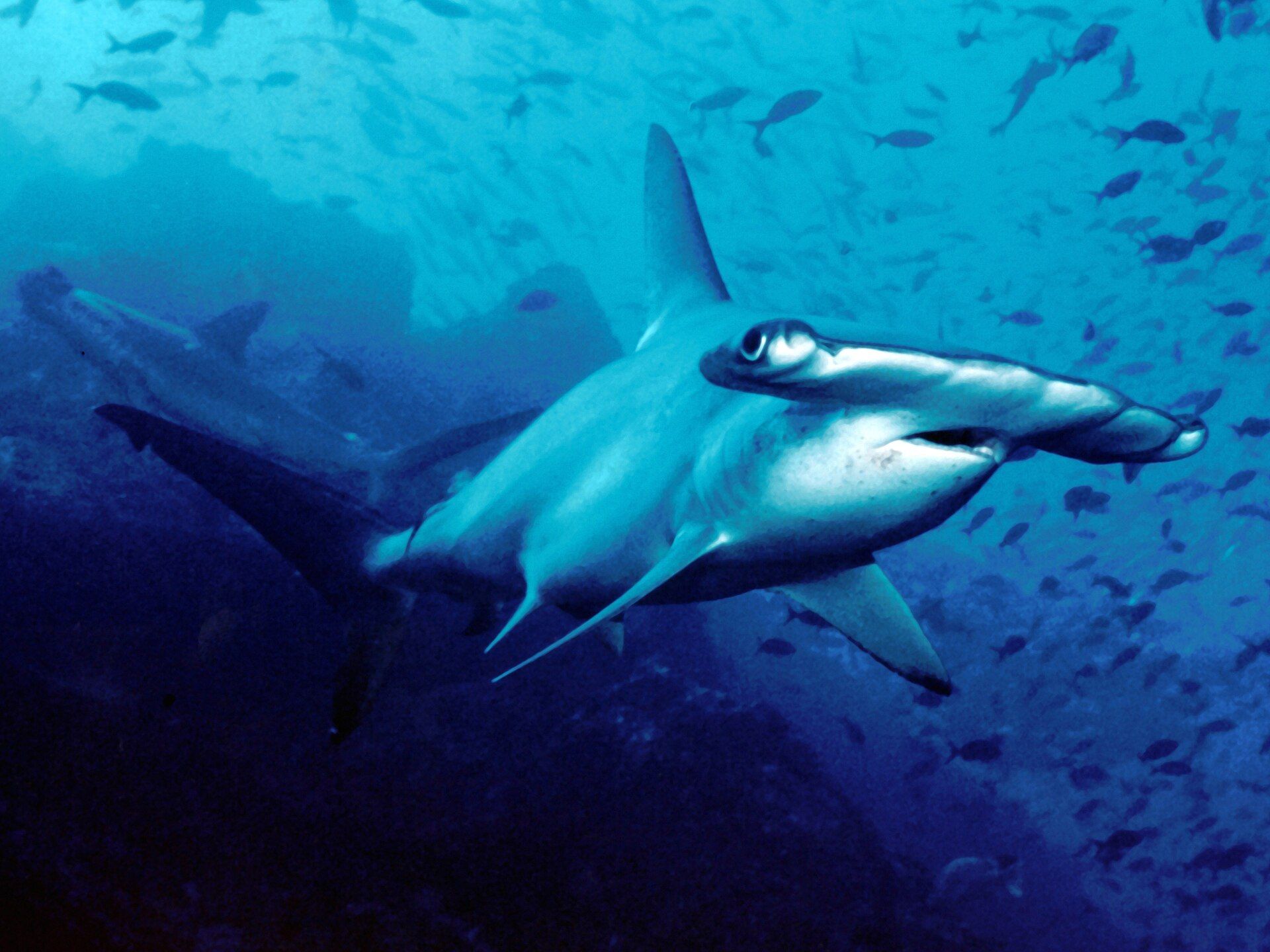
Palau's Rock Islands are ancient uplifted coral limestone, dissolved and undercut by the sea into rounded, forest-topped 'mushroom' islands rising from a jade lagoon. The waters here are among the richest on the planet, with hundreds of coral species and abundant sharks, rays, and fish — Palau created the world's first shark sanctuary and protects a huge share of its seas. Tucked inside one island lies Jellyfish Lake, where millions of golden jellyfish, cut off from ocean predators, have lost their sting and drift in daily migrations across the water. It is a UNESCO World Heritage Site.
Why visit
Snorkelling among stingless jellyfish, kayaking between the mushroom islands to hidden lakes and beaches, and diving reefs alive with sharks and rays make Palau one of the finest and most pristine marine destinations anywhere.
What to know before you go
🗓️ Best time
The drier months (roughly November–April) for the calmest seas and best visibility; diving and snorkelling are good year-round in the warm tropical water.
🧭 Getting there & access
By air to Koror, Palau (in Micronesia), then boat trips into the Rock Islands Southern Lagoon. A conservation 'Palau Pledge' and permit system protect the area; jellyfish-lake access is regulated.
Good to know
- Use only reef-safe sunscreen — regular sunscreen is restricted to protect the reefs and jellyfish.
- Snorkel gently in Jellyfish Lake and never touch the delicate jellyfish.
- Follow Palau's strict conservation rules and permit system.
Plan your visit
Easy🧭 Getting there
From Koror, Palau
- Fly to Palau (ROR), via a regional hub such as Manila, Taipei or Guam
- Base in Koror and book a boat tour of the Rock Islands Southern Lagoon
- Reach Jellyfish Lake and the dive and snorkel sites by boat
- Total travel
- A boat ride from Koror into the lagoon
- Time at site
- Several days to dive and tour the islands
- Access
- The Rock Islands are toured by boat from Koror, and a couple of Palauan rules shape the trip. Visitors buy a Rock Islands / Jellyfish Lake permit that funds conservation — confirm the current cost and what it covers locally. Palau enforces a ban on sunscreens containing reef-harming chemicals, so bring a genuinely reef-safe one or you will have it confiscated. Jellyfish Lake, with its famous stingless jellyfish, is snorkel-only — scuba is forbidden because bubbles harm the animals — and it has closed to visitors before when the jellyfish numbers crashed, so check it is open before building a day around it.
🎒 What to bring & consider
- A genuinely reef-safe sunscreen, because Palau bans the harmful kind and enforces it
- The Rock Islands permit sorted in Koror, and a check that Jellyfish Lake is currently open, since it has closed in the past
- Snorkel gear and the understanding that Jellyfish Lake is snorkel-only — no scuba, no fins that stir the bottom
- Dive certification and logged experience if you want the famous drift dives like Blue Corner, which have strong current
- A hat, rash top and plenty of water for long, hot hours on an open boat
👁️ What to expect
- Crowds
- Moderate. Several tour boats work the lagoon; the popular spots have company but rarely feel packed.
- Conditions
- Hot and humid, with calm lagoon water and some strong currents at the outer dive sites.
- Facilities
- Full in Koror. Out in the lagoon, only what your boat carries — pack for the day.
- The view
- The mushroom-shaped Rock Islands scattered across turquoise water from the air or a high viewpoint, and underwater, the golden swarm of Jellyfish Lake with light shafting down through them.
Times and requirements are approximate and change with season, weather, and local rules — confirm permits, fares, and schedules with operators before you travel.
Natural riches of the area
- Uplifted-limestone 'mushroom' islands and marine lakes
- Exceptionally rich reefs (a pioneering shark sanctuary)
- Jellyfish Lake and its stingless golden jellyfish
- Vast protected seas and high marine biodiversity
Local food
- Fresh reef fish & mangrove crab
- Abundant seafood from Palau's rich waters.
- Taro & tapioca
- Root-crop staples of Palauan cuisine.
- Coconut & tropical fruit
- Fresh coconut and island fruit throughout.
Palau’s Rock Islands look like a scatter of green mushrooms floating on jade water. They are ancient coral limestone, lifted above the sea and then undercut by waves into rounded, forest-topped islands, threaded by channels and hiding secret lakes and beaches. Kayaking or boating between them, it’s easy to see why this maze of islands and lagoon is a UNESCO World Heritage Site.
The real riches, though, are underwater. Palau’s reefs are among the healthiest and most diverse on Earth — the country created the world’s first shark sanctuary and protects a huge share of its ocean. And inside one island lies Jellyfish Lake, where millions of golden jellyfish, sealed off from the sea and its predators, have lost their sting and drift back and forth across the water in daily migrations. Snorkelling gently among them, or diving reefs patrolled by sharks and rays, Palau is a marine wonderland with conservation woven into its very identity.
Palau's Rock Islands: common questions
How do you get to Palau's Rock Islands?
From Koror, Palau: Fly to Palau (ROR), via a regional hub such as Manila, Taipei or Guam; Base in Koror and book a boat tour of the Rock Islands Southern Lagoon; Reach Jellyfish Lake and the dive and snorkel sites by boat. Total travel time: A boat ride from Koror into the lagoon.
When is the best time to visit Palau's Rock Islands?
The drier months (roughly November–April) for the calmest seas and best visibility; diving and snorkelling are good year-round in the warm tropical water.
How long should you spend at Palau's Rock Islands?
Several days to dive and tour the islands. Total travel time: A boat ride from Koror into the lagoon.
What should you bring to Palau's Rock Islands?
A genuinely reef-safe sunscreen, because Palau bans the harmful kind and enforces it The Rock Islands permit sorted in Koror, and a check that Jellyfish Lake is currently open, since it has closed in the past Snorkel gear and the understanding that Jellyfish Lake is snorkel-only — no scuba, no fins that stir the bottom Dive certification and logged experience if you want the famous drift dives like Blue Corner, which have strong current A hat, rash top and plenty of water for long, hot hours on an open boat
Do you need a permit or guide for Palau's Rock Islands?
The Rock Islands are toured by boat from Koror, and a couple of Palauan rules shape the trip. Visitors buy a Rock Islands / Jellyfish Lake permit that funds conservation — confirm the current cost and what it covers locally. Palau enforces a ban on sunscreens containing reef-harming chemicals, so bring a genuinely reef-safe one or you will have it confiscated. Jellyfish Lake, with its famous stingless jellyfish, is snorkel-only — scuba is forbidden because bubbles harm the animals — and it has closed to visitors before when the jellyfish numbers crashed, so check it is open before building a day around it.
Is Palau's Rock Islands crowded, and what are conditions like?
Moderate. Several tour boats work the lagoon; the popular spots have company but rarely feel packed. Hot and humid, with calm lagoon water and some strong currents at the outer dive sites. Facilities: Full in Koror. Out in the lagoon, only what your boat carries — pack for the day.
Added Updated
More wonders to explore