Kakadu
📍 Northern Territory, Australia
Australia's largest national park — a vast monsoonal landscape of floodplains, waterfalls, and stone country, alive with crocodiles and millions of birds, and holding some of the world's oldest rock art.
What makes it marvelous
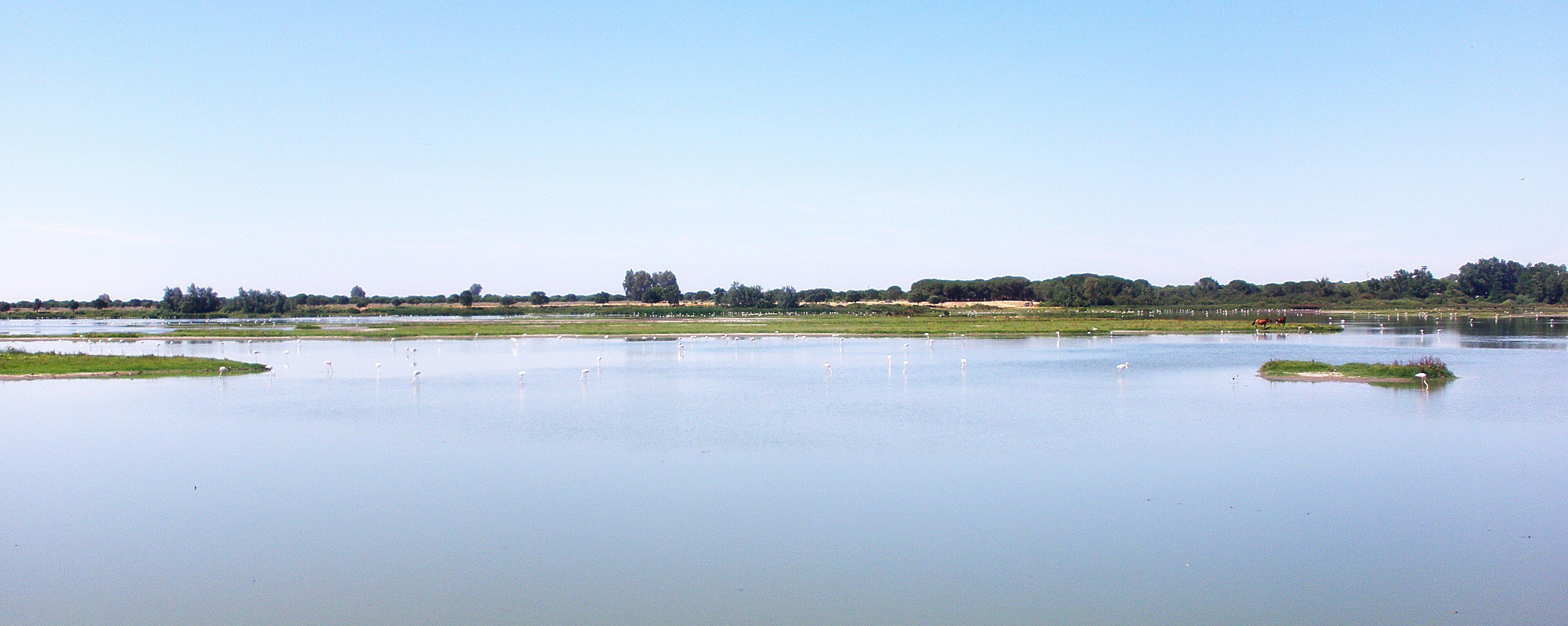
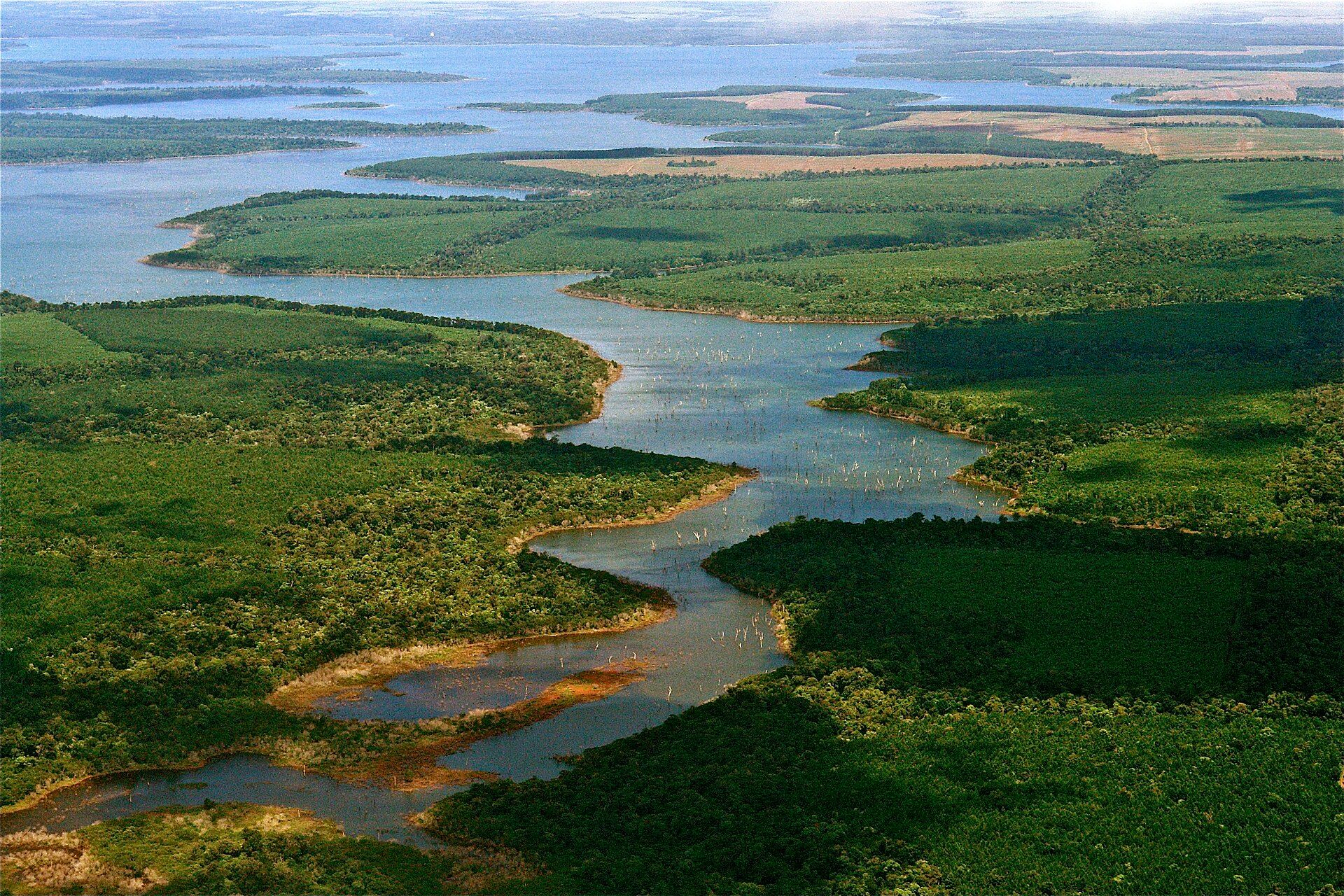
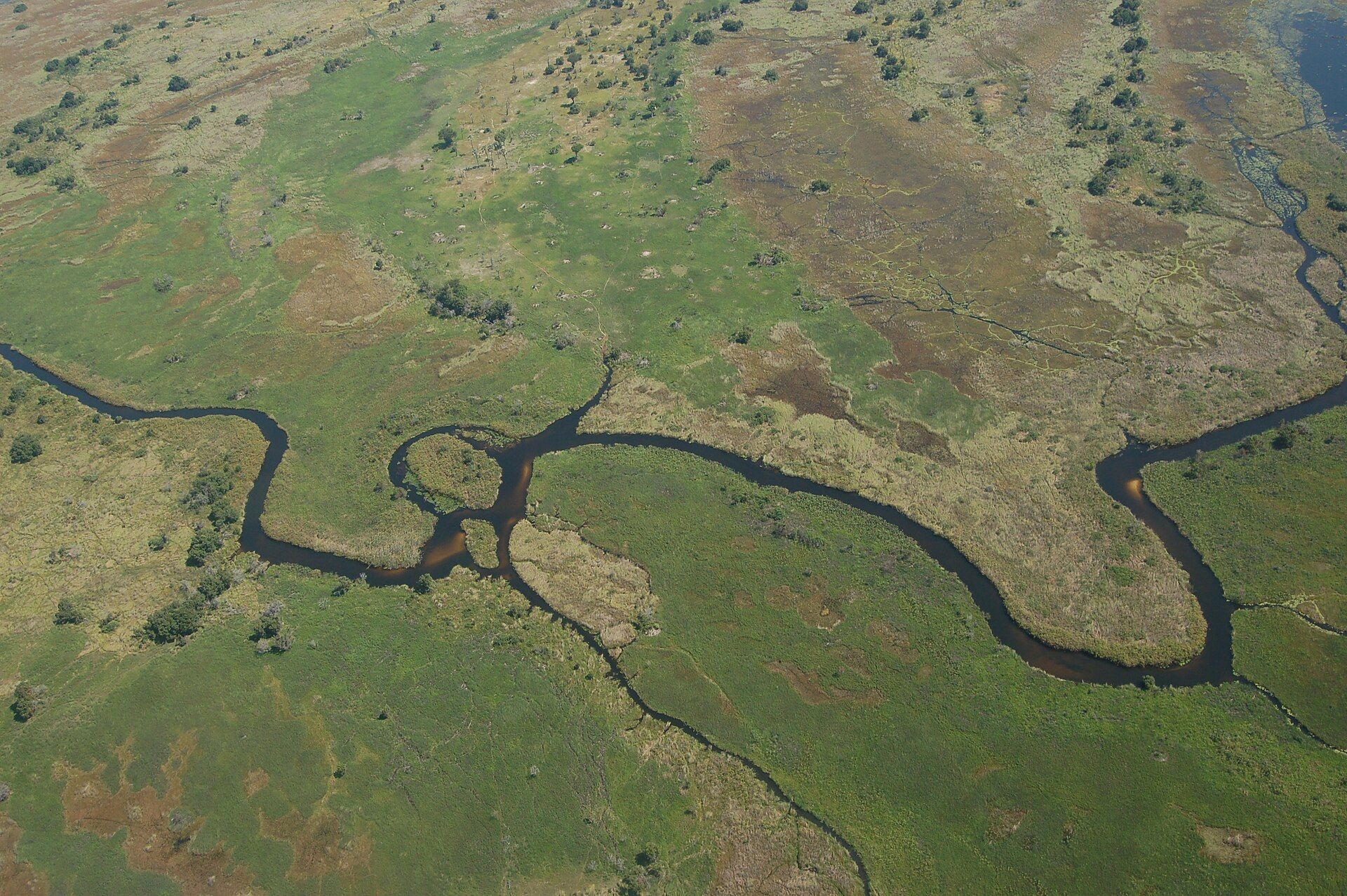
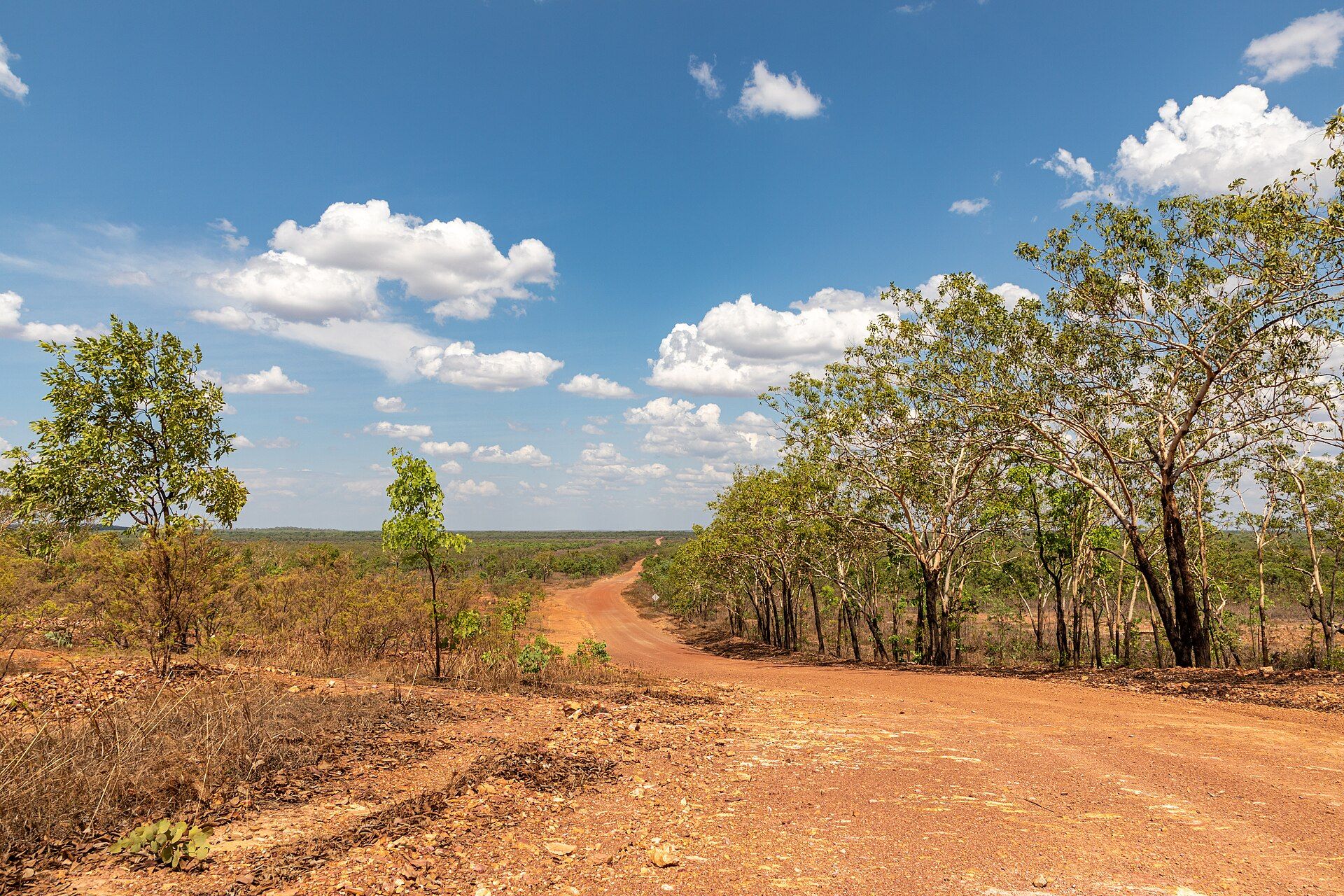
Kakadu spans nearly 20,000 square kilometres and pulses to the rhythm of the tropical monsoon, flooding into shimmering wetlands in the wet season and drawing down to teeming billabongs in the dry. It shelters extraordinary biodiversity — saltwater crocodiles, a third of Australia's bird species, and rare wildlife — across floodplains, savanna woodland, and the dramatic sandstone Arnhem Land escarpment, over which waterfalls like Jim Jim and Twin Falls pour in the wet. It is also one of the oldest living cultural landscapes on Earth: its rock-art galleries record more than 20,000 years of continuous Aboriginal culture, and it is jointly managed by its Traditional Owners. Kakadu is a rare dual UNESCO World Heritage Site, for both nature and culture.
Why visit
Cruising the Yellow Water billabong past crocodiles and clouds of birds at dawn, standing beneath escarpment waterfalls, and studying ancient rock-art galleries with Aboriginal guides make Kakadu one of the richest natural-and-cultural experiences in Australia.
What to know before you go
🗓️ Best time
The dry season (roughly May–September), when roads and billabong cruises are open and wildlife concentrates at water; the wet season floods access but fills the waterfalls.
🧭 Getting there & access
A few hours' drive east of Darwin in the Northern Territory. Sealed roads reach the main sites; some waterfalls need 4x4 and are seasonal. Aboriginal-guided tours enrich the visit.
Good to know
- Visit in the dry season for open roads and prime wildlife viewing.
- Never swim where crocodiles may be present — heed all warnings.
- See the rock art with Aboriginal guides to understand its meaning.
Plan your visit
Moderate🧭 Getting there
From Darwin, Northern Territory, Australia
- Fly → Darwin (DRW)
- Drive Darwin → the Kakadu National Park gateway at Jabiru — roughly 3h
- Drive on to Ubirr, Nourlangie and, in the dry, the 4WD tracks to Jim Jim and Twin Falls
- Total travel
- About three hours from Darwin to the park
- Time at site
- Three or four days to do it justice
- Access
- Kakadu is vast, is Aboriginal land jointly managed with its Traditional Owners, and requires a park pass. The single biggest planning fact is the season: in the wet, roughly November to April, monsoon flooding closes many roads and the 4WD-only tracks to Jim Jim and Twin Falls, while the dry opens them up and concentrates wildlife. The second is crocodiles — saltwater crocodiles inhabit these waters and they kill; swim only where signs and rangers explicitly permit it, and never assume a waterhole is safe. Waterfall access and swimming spots open and close on ranger advice; check current status at the visitor centre.
🎒 What to bring & consider
- Absolute discipline about crocodiles — swim only in spots the rangers currently sign as safe, and treat every other body of water as deadly, because it can be
- A trip timed to the dry season if you want the famous 4WD waterfalls, which flooding closes for months
- A high-clearance 4WD for the Jim Jim and Twin Falls tracks, which ordinary hire cars cannot legally or safely attempt
- Serious heat and sun protection, plus far more water than you think, for a hot tropical park
- Insect repellent and a respectful approach to the rock-art sites, which the Traditional Owners ask visitors not to touch
👁️ What to expect
- Crowds
- Spread across a huge park. Ubirr and Nourlangie draw people at sunset; the back tracks are empty.
- Conditions
- Hot and humid year-round, flooded in the wet, dusty in the dry. Everything from paved lookouts to rough 4WD.
- Facilities
- A visitor centre and services at Jabiru, campgrounds and a few lodges. Little on the remote tracks.
- The view
- The floodplain stretching to the horizon from the top of Ubirr at sunset, or the ancient rock art beneath it. Sunset at Ubirr is the classic, and it is genuinely worth timing the day around.
Times and requirements are approximate and change with season, weather, and local rules — confirm permits, fares, and schedules with operators before you travel.
Natural riches of the area
- Vast monsoonal wetlands and floodplains
- The Arnhem Land sandstone escarpment and its waterfalls
- Saltwater crocodiles and a third of Australia's birds
- A 20,000+ year living Aboriginal cultural landscape
Local food
- Barramundi
- A prized fish of the northern rivers and billabongs, often grilled.
- Bush tucker
- Native foods such as bush fruit, yams, and magpie goose in Aboriginal tradition.
- Tropical fruit
- Mangoes and other fruit from Australia's Top End.
Kakadu breathes with the monsoon. Australia’s largest national park — nearly 20,000 square kilometres of the tropical Top End — swings each year between a wet season that floods it into shimmering wetlands and a dry season that draws it down to billabongs teeming with life. Saltwater crocodiles cruise the waterways, a third of the continent’s bird species gather here, and in the wet, waterfalls like Jim Jim pour off the dramatic Arnhem Land sandstone escarpment.
But Kakadu is as much a cultural wonder as a natural one. Its rock-art galleries record more than twenty thousand years of continuous Aboriginal culture — one of the oldest living traditions on Earth — and the park is jointly managed by its Traditional Owners. A rare dual UNESCO World Heritage Site honoured for both its nature and its culture, Kakadu offers dawn cruises past crocodiles and birds, waterfalls off ancient escarpments, and rock art read with the people whose ancestors painted it.
Kakadu: common questions
How do you get to Kakadu?
From Darwin, Northern Territory, Australia: Fly → Darwin (DRW); Drive Darwin → the Kakadu National Park gateway at Jabiru — roughly 3h; Drive on to Ubirr, Nourlangie and, in the dry, the 4WD tracks to Jim Jim and Twin Falls. Total travel time: About three hours from Darwin to the park.
When is the best time to visit Kakadu?
The dry season (roughly May–September), when roads and billabong cruises are open and wildlife concentrates at water; the wet season floods access but fills the waterfalls.
How long should you spend at Kakadu?
Three or four days to do it justice. Total travel time: About three hours from Darwin to the park.
What should you bring to Kakadu?
Absolute discipline about crocodiles — swim only in spots the rangers currently sign as safe, and treat every other body of water as deadly, because it can be A trip timed to the dry season if you want the famous 4WD waterfalls, which flooding closes for months A high-clearance 4WD for the Jim Jim and Twin Falls tracks, which ordinary hire cars cannot legally or safely attempt Serious heat and sun protection, plus far more water than you think, for a hot tropical park Insect repellent and a respectful approach to the rock-art sites, which the Traditional Owners ask visitors not to touch
Do you need a permit or guide for Kakadu?
Kakadu is vast, is Aboriginal land jointly managed with its Traditional Owners, and requires a park pass. The single biggest planning fact is the season: in the wet, roughly November to April, monsoon flooding closes many roads and the 4WD-only tracks to Jim Jim and Twin Falls, while the dry opens them up and concentrates wildlife. The second is crocodiles — saltwater crocodiles inhabit these waters and they kill; swim only where signs and rangers explicitly permit it, and never assume a waterhole is safe. Waterfall access and swimming spots open and close on ranger advice; check current status at the visitor centre.
Is Kakadu crowded, and what are conditions like?
Spread across a huge park. Ubirr and Nourlangie draw people at sunset; the back tracks are empty. Hot and humid year-round, flooded in the wet, dusty in the dry. Everything from paved lookouts to rough 4WD. Facilities: A visitor centre and services at Jabiru, campgrounds and a few lodges. Little on the remote tracks.
Added Updated
More wonders to explore