Daintree Rainforest
📍 Far North Queensland, Australia, north of Port Douglas
Australia's largest continuous block of tropical rainforest, often called the oldest on Earth, running down to the Coral Sea where the forest meets the Great Barrier Reef.
What makes it marvelous
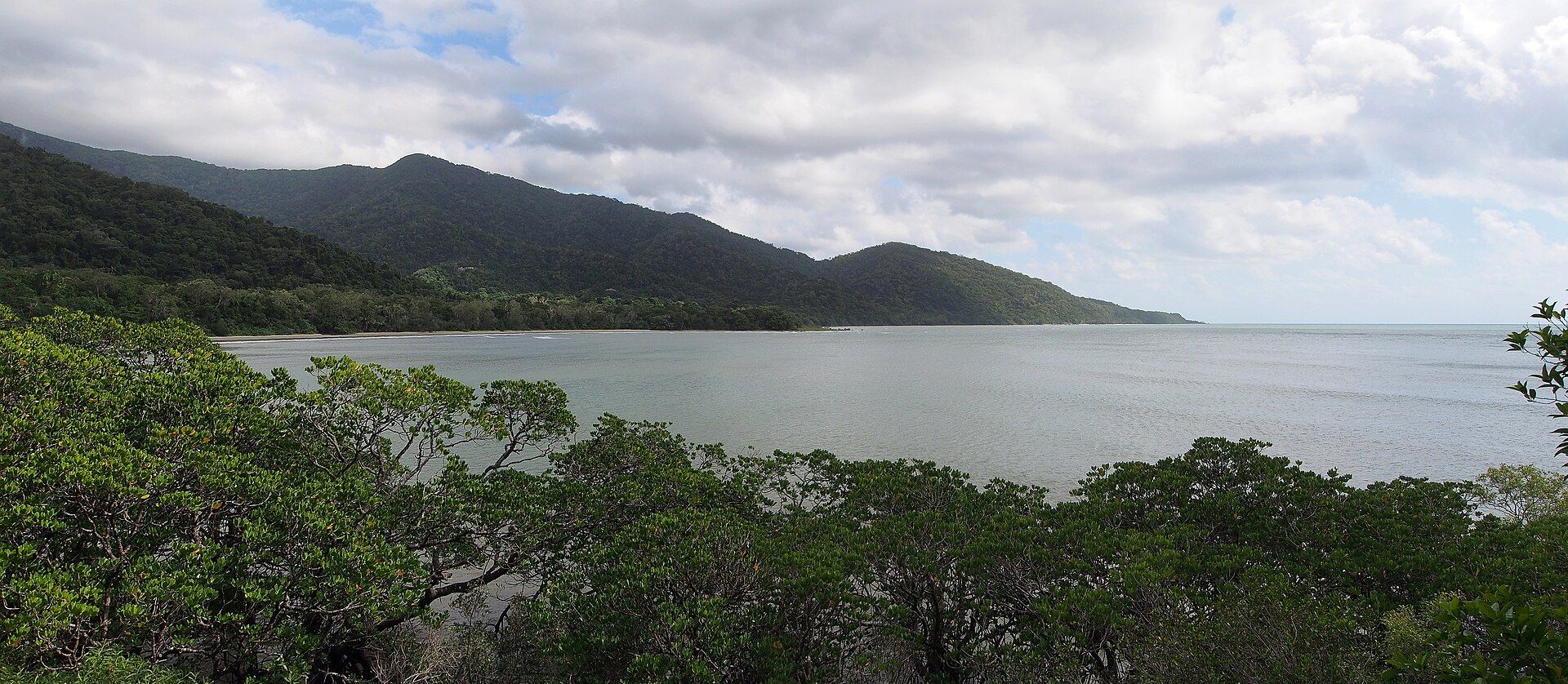
The Daintree covers roughly 1,200 square kilometres of tropical rainforest in Far North Queensland, the largest unbroken stretch in Australia and part of the Wet Tropics World Heritage Area listed in 1988. It is often described as the world's most ancient tropical rainforest. At Cape Tribulation the forested mountains run straight down to the beach, a rare place where two World Heritage Areas — rainforest and reef — sit side by side.
Why visit
Boardwalks lead into a forest of fan palms, strangler figs and ancient ferns; river cruises on the Daintree look for crocodiles; and if you are lucky a southern cassowary may cross the road. Then the beach is a few steps away, with the Great Barrier Reef offshore.
What to know before you go
🗓️ Best time
The dry season, roughly May to October, has easier roads and fewer insects. The wet season (around December to March) brings heavy rain, heat and the risk of cyclones and road closures.
🧭 Getting there & access
About 2 hours' drive north of Cairns, or 45 minutes from Port Douglas, along the Captain Cook Highway. The cable ferry across the Daintree River leads into the heart of the forest and on to Cape Tribulation.
Good to know
- Never swim in rivers or creeks — saltwater crocodiles live here.
- Drive slowly and watch for cassowaries on the road.
- Fill up before the ferry; services north of the river are limited.
Plan your visit
Easy🧭 Getting there
From Cairns (CNS), Queensland
- Fly to Cairns
- Drive north on the Captain Cook Highway past Port Douglas — about 2 hours
- Cross the Daintree River on the cable ferry and continue to Cape Tribulation
- Total travel
- About 2.5 hours from Cairns to Cape Tribulation
- Time at site
- A long day trip; 2–3 nights to explore properly
- Access
- The national park is free to enter. The Daintree River ferry is paid. Some tracks north of Cape Tribulation need a 4WD and close in the wet season.
🎒 What to bring & consider
- Insect repellent and light rain gear
- Plenty of water and sun protection
- Respect for crocodile warning signs
- Fuel and cash before crossing the river
👁️ What to expect
- Crowds
- Day-tour traffic peaks mid-morning at the main boardwalks; Cape Tribulation is quieter early and late.
- Conditions
- Hot and humid year-round; very wet from about December to March.
- Facilities
- Boardwalks, lookouts, small lodges, cafés and campgrounds; limited mobile signal.
- The view
- Rainforest-covered mountains sweeping down to the Coral Sea at Cape Tribulation.
Times and requirements are approximate and change with season, weather, and local rules — confirm permits, fares, and schedules with operators before you travel.
Natural riches of the area
- Australia's largest continuous tropical rainforest
- Rainforest meeting the Great Barrier Reef at Cape Tribulation
- The southern cassowary and other species found nowhere else
- Mangroves and rivers with saltwater crocodiles
Local food
- Tropical fruit ice cream
- Small producers in the Daintree churn ice cream from exotic fruits grown on site.
- Barramundi
- The prized fish of tropical Australia, on menus throughout the far north.
The Daintree is a living window into deep time. This stretch of Far North Queensland holds Australia’s largest continuous block of tropical rainforest, about 1,200 square kilometres, and it is often described as the oldest tropical rainforest in the world. Its Traditional Owners, the Eastern Kuku Yalanji, have lived on this country for tens of thousands of years, and since 1988 it has been protected within the Wet Tropics World Heritage Area.
What sets it apart is where it ends. At Cape Tribulation the forest-clad mountains run all the way down to white beaches, with the Great Barrier Reef just offshore — one of very few places where a rainforest and a living reef sit side by side. Behind the beach, boardwalks wind through fan palms, mangroves and strangler figs, and the southern cassowary, a huge flightless bird, still walks the forest floor.
Getting there is part of the experience: north from Cairns along the coast road, past Port Douglas, and across the Daintree River on a cable ferry. Come in the dry season if you can, drive slowly for cassowaries, and take the crocodile signs seriously — swimming in rivers and creeks here is never safe.
Daintree Rainforest: common questions
How do you get to Daintree Rainforest?
From Cairns (CNS), Queensland: Fly to Cairns; Drive north on the Captain Cook Highway past Port Douglas — about 2 hours; Cross the Daintree River on the cable ferry and continue to Cape Tribulation. Total travel time: About 2.5 hours from Cairns to Cape Tribulation.
When is the best time to visit Daintree Rainforest?
The dry season, roughly May to October, has easier roads and fewer insects. The wet season (around December to March) brings heavy rain, heat and the risk of cyclones and road closures.
How long should you spend at Daintree Rainforest?
A long day trip; 2–3 nights to explore properly. Total travel time: About 2.5 hours from Cairns to Cape Tribulation.
What should you bring to Daintree Rainforest?
Insect repellent and light rain gear Plenty of water and sun protection Respect for crocodile warning signs Fuel and cash before crossing the river
Do you need a permit or guide for Daintree Rainforest?
The national park is free to enter. The Daintree River ferry is paid. Some tracks north of Cape Tribulation need a 4WD and close in the wet season.
Is Daintree Rainforest crowded, and what are conditions like?
Day-tour traffic peaks mid-morning at the main boardwalks; Cape Tribulation is quieter early and late. Hot and humid year-round; very wet from about December to March. Facilities: Boardwalks, lookouts, small lodges, cafés and campgrounds; limited mobile signal.
Added
More wonders to explore
Cockscomb Basin Wildlife Sanctuary
Stann Creek District, south-central Belize, eastern Maya Mountains