Doubtful Sound
📍 Fiordland National Park, South Island, New Zealand
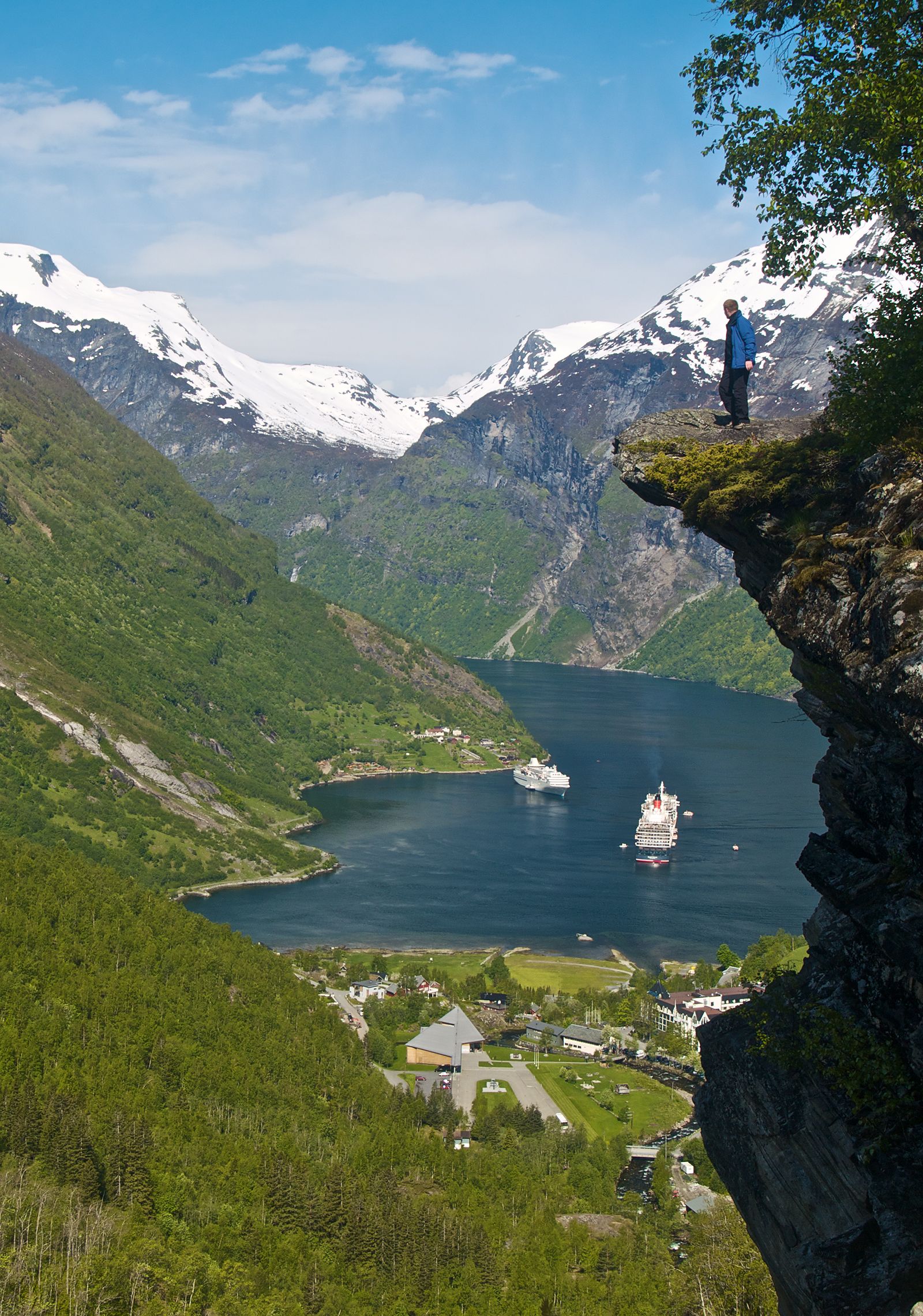
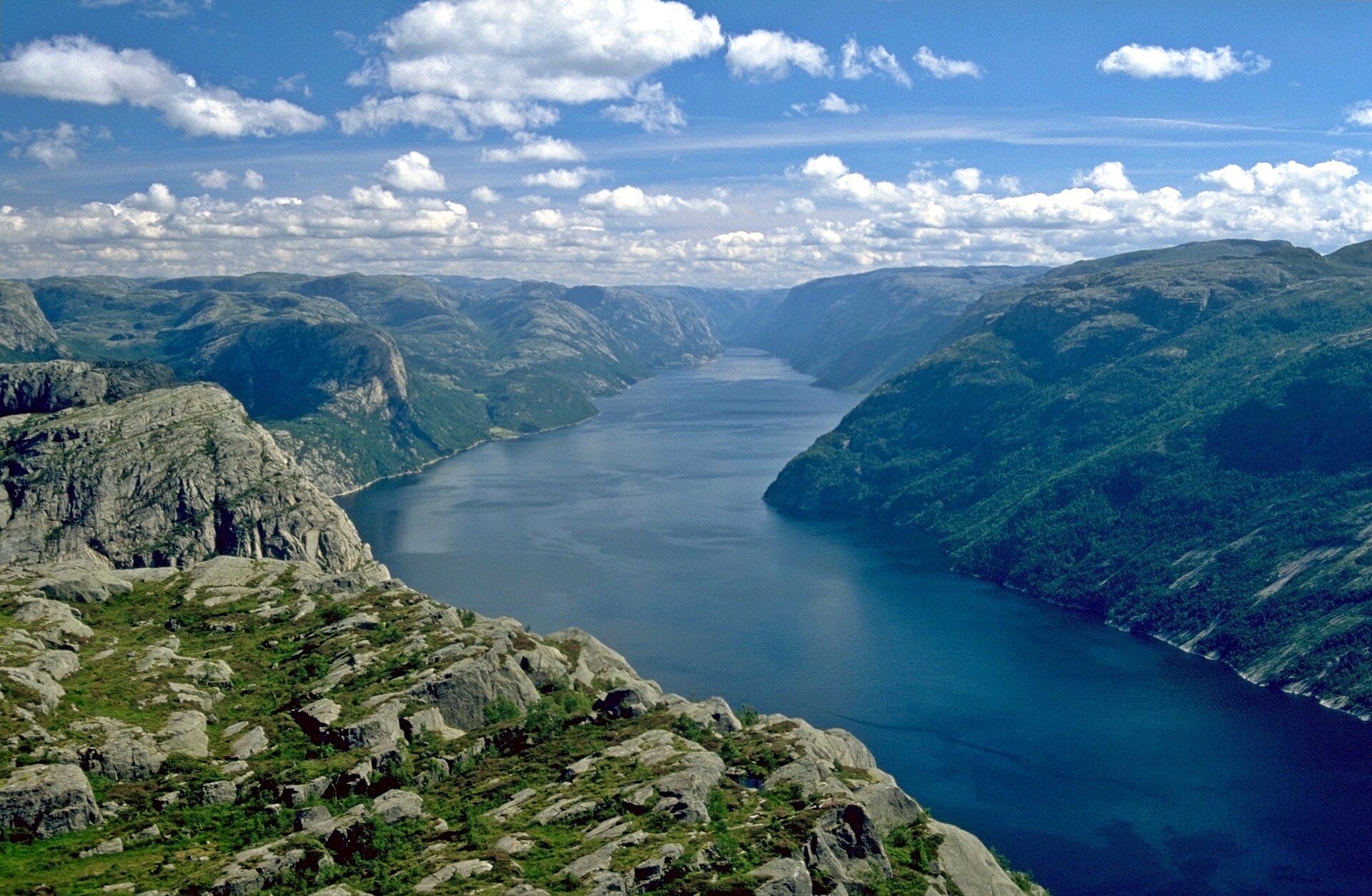
Fiordland's deep, silent wilderness fjord — larger, wilder, and far quieter than neighbouring Milford Sound, reached only by boat across Lake Manapouri and a mountain pass, its three dark arms walled by rainforest cliffs and roamed by dolphins, seals, and penguins.
What makes it marvelous
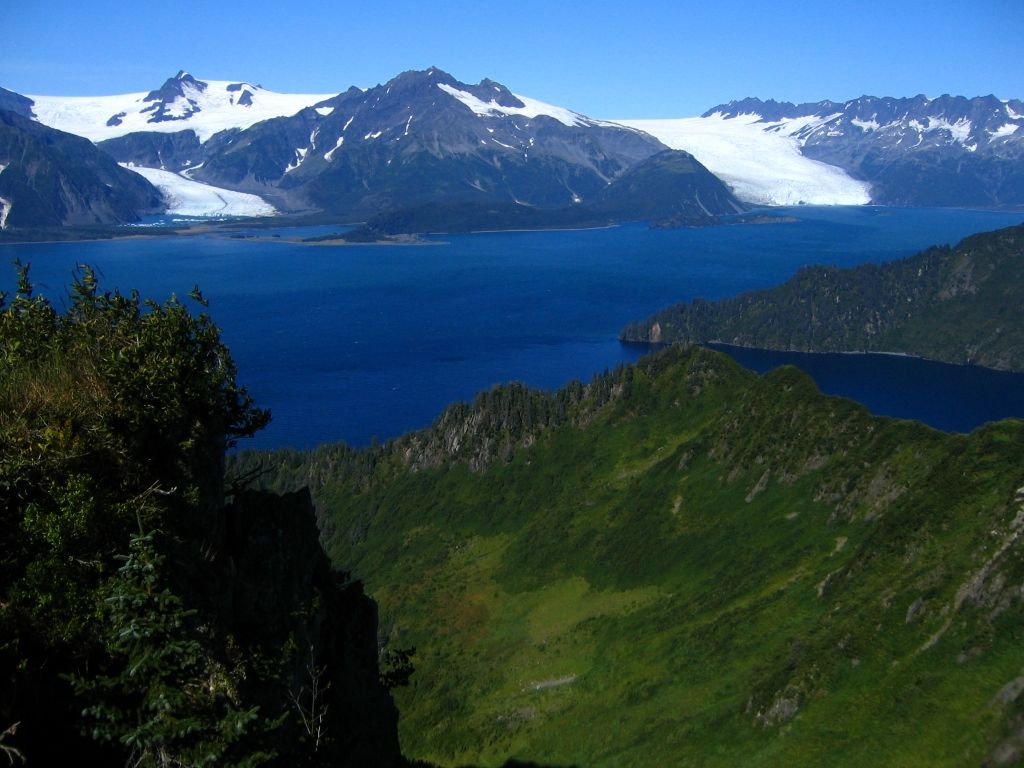
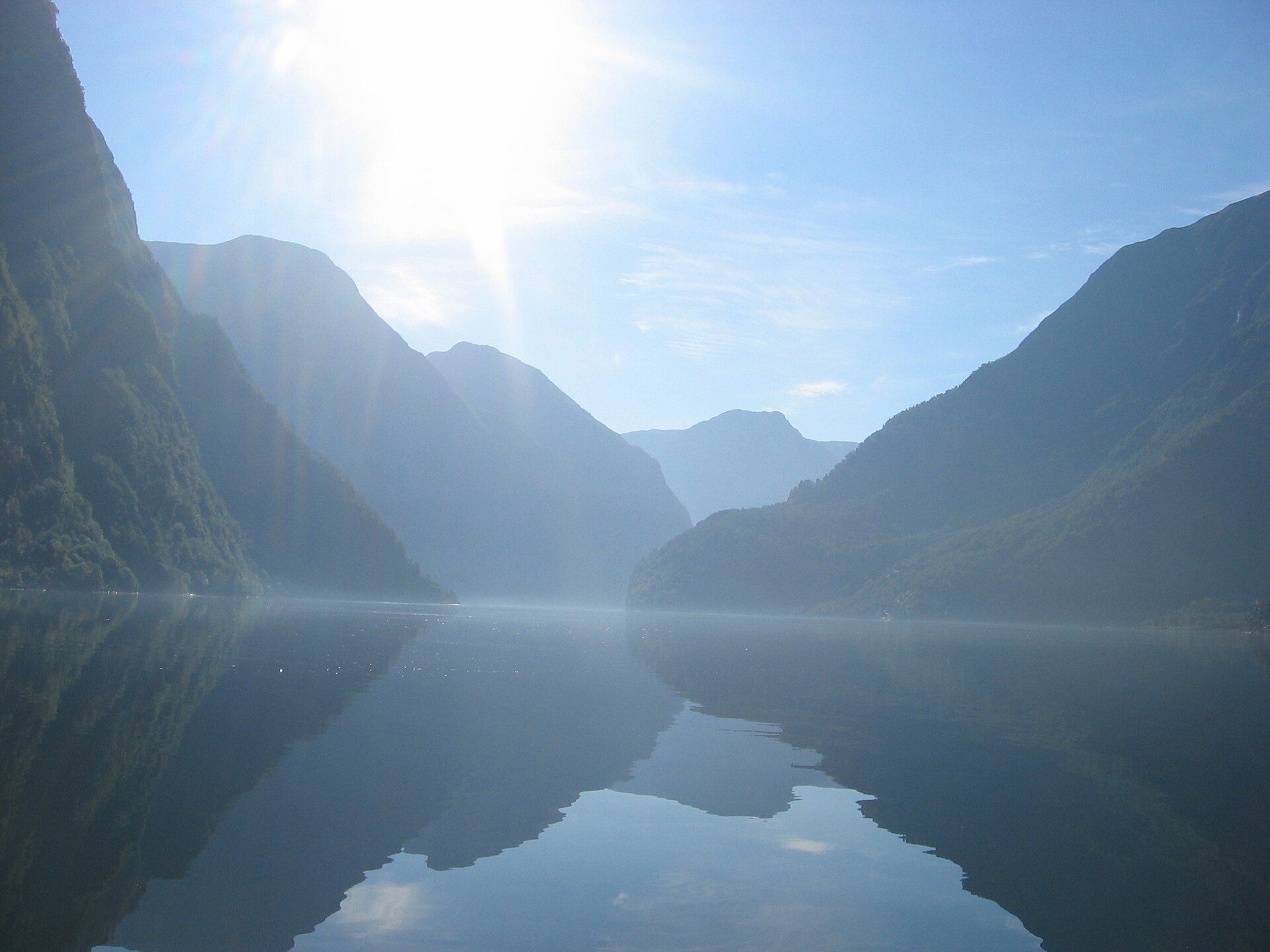
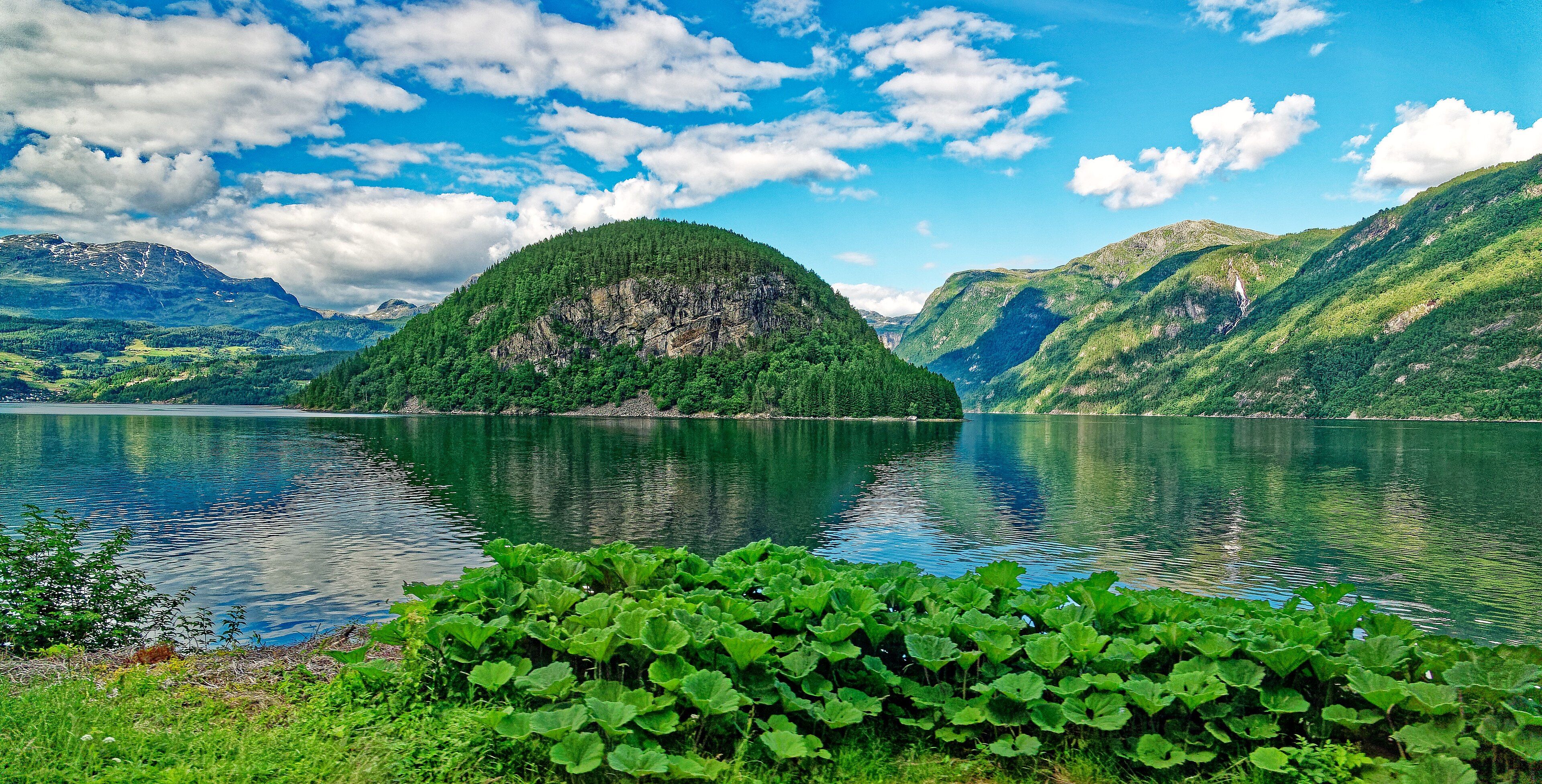
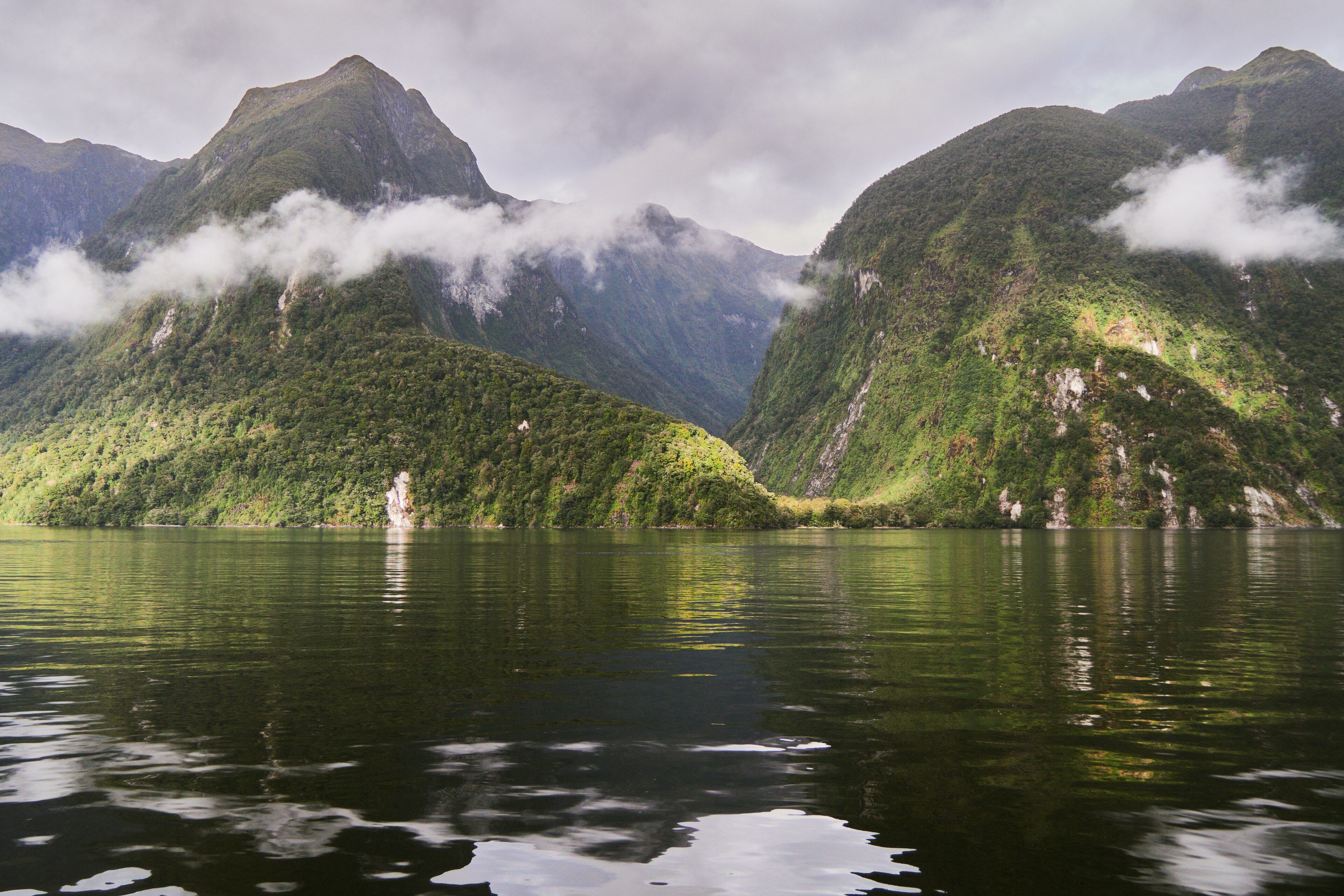
Doubtful Sound (Patea) is the second-longest of Fiordland's fjords, running about 40 kilometres from Deep Cove to the open sea and reaching depths of around 420 metres, the deepest of the New Zealand fiords. It is many times larger than Milford Sound and far less visited, because there is no road to it: reaching it means crossing Lake Manapouri by boat and then a bus over the Wilmot Pass to Deep Cove. What waits is a fjord of profound stillness — often called the Sound of Silence — where three long arms branch between sheer rainforest walls, waterfalls thread down after rain, and the only sounds are birds and water. Its deep, tannin-stained freshwater layer floats over the sea below, and its remoteness shelters bottlenose dolphins, fur seals, and the rare Fiordland crested penguin. Captain Cook, seeing it from the sea, judged it 'doubtful' he could sail back out against the wind, and left it unentered — a name that still fits its wild seclusion.
Why visit
Doubtful Sound offers the Fiordland fjord experience at its wildest and most peaceful — a vast, roadless wilderness of rainforest cliffs and silence, with an overnight cruise letting the engines cut so you can hear the fjord itself. It is the quiet, immersive counterpart to busy Milford.
Still deciding?
Doubtful Sound comes up most often against these — each one weighs cost, effort, season and crowds side by side.
What to know before you go
🗓️ Best time
Year-round; it is a rainforest fjord, so rain is frequent and brings the cliffs alive with waterfalls. Summer (December–February) is warmest and busiest; spring and autumn are quieter.
🧭 Getting there & access
Reached only via Manapouri: a boat crosses Lake Manapouri to the West Arm power station, then a bus climbs the Wilmot Pass road to Deep Cove, where the fjord cruises begin. There is no public road to the fjord itself.
Good to know
- Choose an overnight cruise if you can — the fjord is at its most magical in the still early morning.
- Ask the crew for the 'sound of silence', when the boat cuts all engines and you hear only the fjord.
- Don't fear the rain — it fills the cliffs with waterfalls and suits the fjord's mood.
Plan your visit
Easy🧭 Getting there
From Queenstown or Te Anau, Fiordland
- Fly into Queenstown, then road to Te Anau and on to Manapouri
- Cross Lake Manapouri by boat to the West Arm
- Bus over the Wilmot Pass road to Deep Cove
- Board the day or overnight cruise into the fjord
- Total travel
- A long full day from Queenstown; better as an overnight trip from Te Anau or Manapouri
- Time at site
- A day cruise is several hours on the fjord; an overnight cruise is the fuller experience
- Access
- Access is only by the Manapouri boat-and-bus transfer run by cruise operators — there is no road in. Trips run year-round but can be affected by lake and weather conditions; book ahead, especially for overnight cruises.
🎒 What to bring & consider
- Full waterproofs — Fiordland is one of the wettest places on earth and rain is the norm
- Sandfly repellent, which is essential at the waterfronts and jetties
- Warm layers, as the fjord and boat decks are cold even in summer
- Motion-sickness care for the exposed outer reaches near the open sea
👁️ What to expect
- Crowds
- Far fewer visitors than Milford; the transfer limits numbers and the fjord feels genuinely remote.
- Conditions
- A boat-bus-boat journey to reach it, then easy cruising; the effort of access is part of the reward.
- Facilities
- Basic facilities at Manapouri and on the cruise boats; nothing in the fjord itself.
- The view
- Mist lifting off the rainforest walls in the still morning, waterfalls after rain, or dolphins in the boat's wake.
Times and requirements are approximate and change with season, weather, and local rules — confirm permits, fares, and schedules with operators before you travel.
Natural riches of the area
- The deepest of New Zealand's fiords, carved by glaciers below sea level
- A tannin-stained freshwater layer over seawater, sheltering unusual marine life
- Temperate rainforest cliffs threaded with waterfalls
- Bottlenose dolphins, fur seals, and Fiordland crested penguins
Local food
- Crayfish (rock lobster)
- Prized from the cold Fiordland waters and served across the Southland region.
- Green-lipped mussels
- A famous New Zealand shellfish farmed in the southern sounds, steamed or grilled.
- Southland cheese rolls
- A beloved local comfort food of the deep south, toasted and buttered.
Doubtful Sound is the fjord you have to earn. There is no road to it: to reach this vast, silent arm of the Fiordland wilderness you cross Lake Manapouri by boat, then ride a bus over the Wilmot Pass to Deep Cove, where the cruises begin. What waits is the second-longest and deepest of New Zealand’s fiords — many times larger than Milford Sound, and far quieter — three long arms branching between sheer rainforest cliffs, waterfalls threading down after rain, and a stillness so complete it is known as the Sound of Silence.
That silence is the whole point. On an overnight cruise the crew cut the engines and let the fjord speak for itself: birdsong, dripping forest, the lap of water on the hull. A dark layer of freshwater, stained like tea by the rainforest, floats over the seawater beneath, and the fjord’s remoteness shelters bottlenose dolphins, fur seals, and rare Fiordland crested penguins. Captain Cook sailed past its mouth, judging it “doubtful” he could catch enough wind to sail back out, and so left it unexplored — a hesitation preserved in its name, and fitting for a place that still feels barely touched.
Doubtful Sound: common questions
How do you get to Doubtful Sound?
From Queenstown or Te Anau, Fiordland: Fly into Queenstown, then road to Te Anau and on to Manapouri; Cross Lake Manapouri by boat to the West Arm; Bus over the Wilmot Pass road to Deep Cove; Board the day or overnight cruise into the fjord. Total travel time: A long full day from Queenstown; better as an overnight trip from Te Anau or Manapouri.
When is the best time to visit Doubtful Sound?
Year-round; it is a rainforest fjord, so rain is frequent and brings the cliffs alive with waterfalls. Summer (December–February) is warmest and busiest; spring and autumn are quieter.
How long should you spend at Doubtful Sound?
A day cruise is several hours on the fjord; an overnight cruise is the fuller experience. Total travel time: A long full day from Queenstown; better as an overnight trip from Te Anau or Manapouri.
What should you bring to Doubtful Sound?
Full waterproofs — Fiordland is one of the wettest places on earth and rain is the norm Sandfly repellent, which is essential at the waterfronts and jetties Warm layers, as the fjord and boat decks are cold even in summer Motion-sickness care for the exposed outer reaches near the open sea
Do you need a permit or guide for Doubtful Sound?
Access is only by the Manapouri boat-and-bus transfer run by cruise operators — there is no road in. Trips run year-round but can be affected by lake and weather conditions; book ahead, especially for overnight cruises.
Is Doubtful Sound crowded, and what are conditions like?
Far fewer visitors than Milford; the transfer limits numbers and the fjord feels genuinely remote. A boat-bus-boat journey to reach it, then easy cruising; the effort of access is part of the reward. Facilities: Basic facilities at Manapouri and on the cruise boats; nothing in the fjord itself.
Added
More wonders to explore