Lord Howe Island
📍 Tasman Sea, about 570 km east of Port Macquarie, New South Wales, Australia
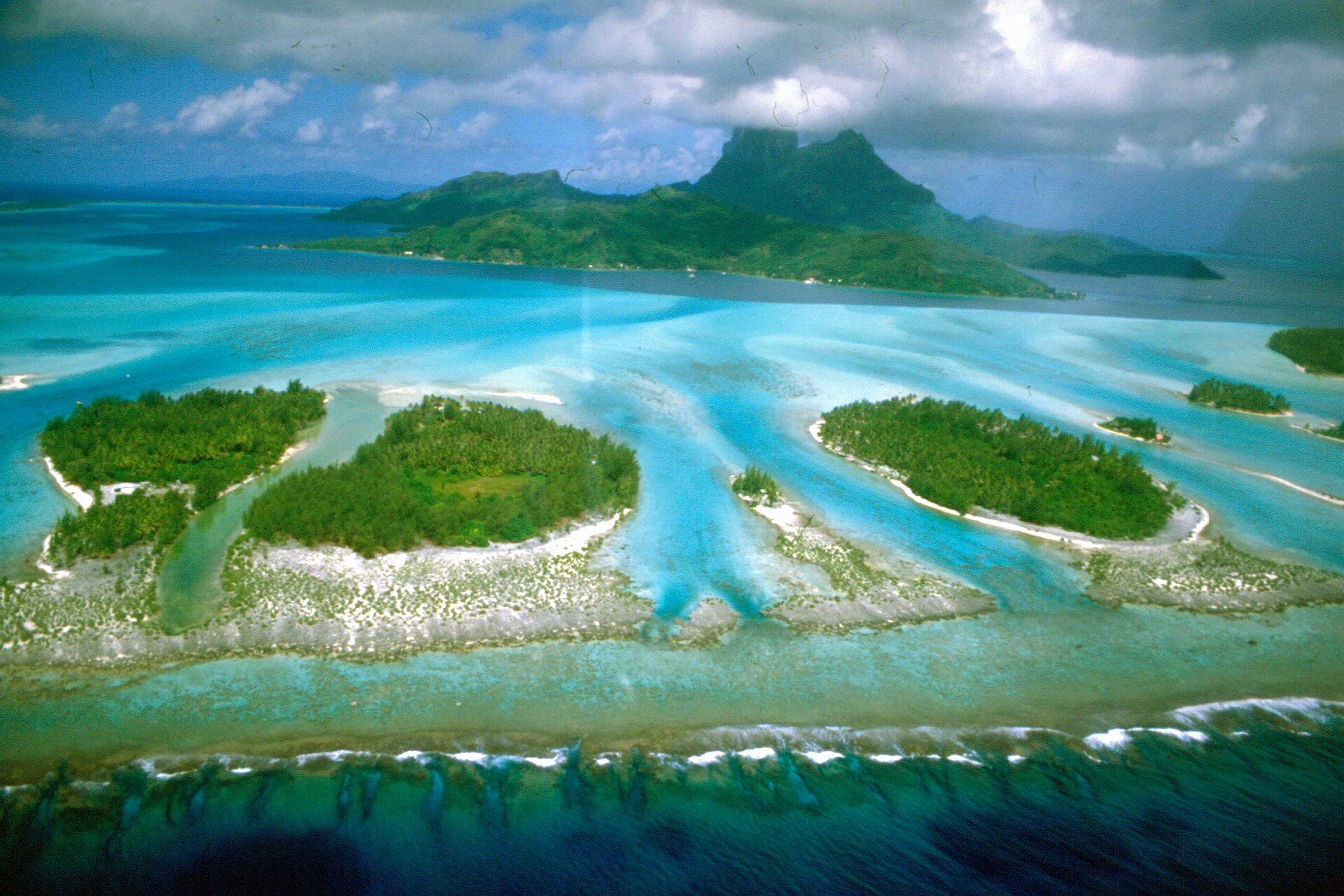
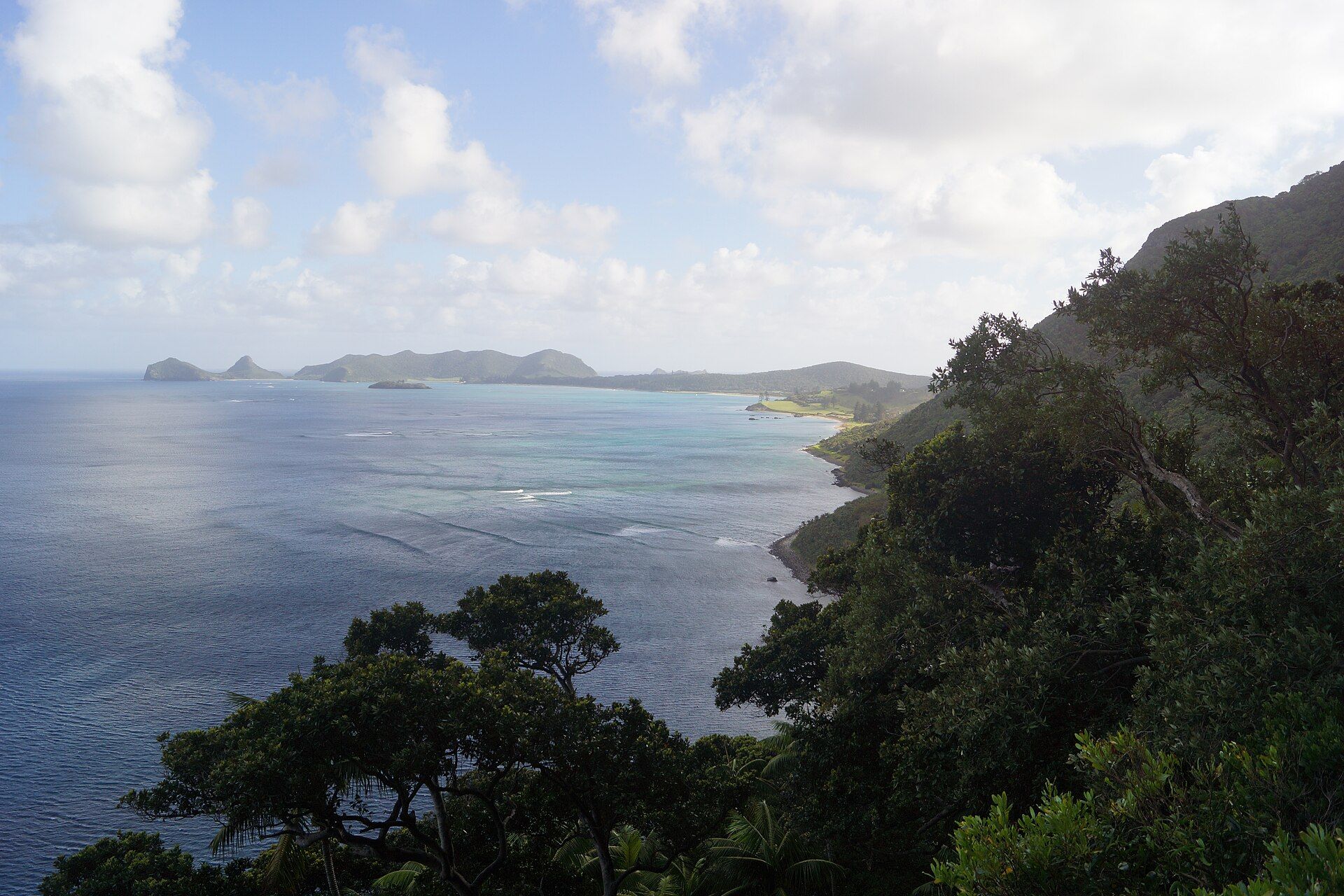
A crescent of volcanic island in the Tasman Sea, 11 km long, with the 875 m Mount Gower above a lagoon sheltered by the world's most southerly coral reef. A World Heritage Site since 1982, it takes only 400 visitors at a time.
What makes it marvelous
Lord Howe Island is what is left of a large shield volcano that has almost completely eroded away. The basalt peaks of Mount Gower (875 m) and Mount Lidgbird (777 m) at the south end are the remains of lava flows about 6.4 million years old that filled a volcanic caldera, and the island group sits on a chain of seamounts that runs about 1,000 km north. UNESCO inscribed the Lord Howe Island Group in 1982 for its scenery and its evolution in isolation. Off the west coast, a barrier coral reef encloses a broad lagoon; UNESCO calls it the world's most southerly true coral reef. Of the 241 native plant species recorded, 113 (47%) grow nowhere else. Two creatures show how isolated the islands are. The flightless Lord Howe woodhen was once considered one of the rarest birds in the world. The Lord Howe Island phasmid, the world's largest stick insect, was feared extinct until it was found surviving on Balls Pyramid, a volcanic sea stack just over 20 km away.
Why visit
Climb through cloud forest to the top of Mount Gower, snorkel coral in a sheltered lagoon, and cycle between empty beaches on an island where visitor numbers are capped at 400 at a time.
What to know before you go
🗓️ Best time
Lord Howe has a mild climate all year. Summer (December to February) averages 20–25°C and is the most popular time, so book early. Winter ranges from 13–19°C and can be wilder. Spring and autumn are pleasant and are when short-notice bookings are most often available. The Mount Eliza track is closed from September to the end of March while sooty terns nest.
🧭 Getting there & access
Lord Howe is reached by air. Skytrans Australia flies from Sydney in under two hours; Qantas and QantasLink connect from Australian capital cities and many regional centres, and Eastern Air Services flies weekly from Port Macquarie, the Gold Coast and Newcastle. Only 400 visitors can stay at one time, so book flights and accommodation together. On the island, bicycles are the usual way to get around; there are a few rental cars and a 25 km/h speed limit. Mount Gower may only be climbed with a licensed guide.
Good to know
- Book flights and accommodation at the same time — with only 400 visitors allowed at once, summer fills well in advance.
- Scrub and dip your boots and walking-pole tips at the boot-cleaning stations at the start of the southern mountain tracks, to help keep the plant disease Phytophthora out.
- The Mount Gower climb takes about eight hours, includes rope-assisted sections and is only allowed with a licensed guide.
- Check the Lord Howe Island Board's pre-departure biosecurity information before you pack.
Plan your visit
Moderate🧭 Getting there
From Sydney (SYD), New South Wales, or another Australian city with Qantas connections
- Fly to Sydney, Brisbane or another Australian city
- Take a flight to Lord Howe Island — under two hours from Sydney with Skytrans
- Get around the island by hired bicycle or on foot
- Total travel
- Under two hours' flying from Sydney; allow a full travel day from elsewhere in Australia
- Time at site
- Four to seven days, to fit a guided Mount Gower climb, snorkelling in the lagoon and the island's shorter walks around the weather
- Access
- Only 400 visitors are allowed on the island at any one time, so book flights and accommodation together. Mount Gower may only be climbed with a licensed guide, and the Mount Eliza track is closed from September to the end of March for nesting sooty terns. Follow the Lord Howe Island Board's biosecurity requirements (lhib.nsw.gov.au). The surrounding waters are a marine park with sanctuary zones — check the zoning map before fishing.
🎒 What to bring & consider
- Sturdy walking shoes, and gloves for the rope sections on Mount Gower
- Snorkel gear and reef-safe sun protection
- A rain jacket — weather on the mountains changes quickly
- Bookings made well ahead for summer
👁️ What to expect
- Crowds
- Never crowded — numbers are capped at 400 visitors at a time.
- Conditions
- Short, mostly easy to moderate walking tracks around the settlement and north end; steep, unmarked and rope-assisted ground on the guided Mount Gower climb.
- Facilities
- Guesthouses and lodges, a few shops and restaurants, bike hire, and a museum and visitor centre.
- The view
- Mount Gower and Mount Lidgbird rising behind the turquoise lagoon, seen from the northern hills at late-afternoon light.
Times and requirements are approximate and change with season, weather, and local rules — confirm permits, fares, and schedules with operators before you travel.
Natural riches of the area
- Mount Gower (875 m) and Mount Lidgbird (777 m), the eroded remains of a shield volcano
- The world's most southerly true coral reef and its sheltered lagoon
- Balls Pyramid, a volcanic sea stack just over 20 km from the main island
- Over 500 fish species and 90 coral species in the surrounding waters
- Endemic plants and animals, including the Lord Howe woodhen and the Lord Howe Island phasmid
Local food
- Island fish fry
- Fish-fry nights are part of the island's dining scene, alongside home-baked roast dinners and fine dining.
- Locally distilled gin
- Spirits from Lord Howe Island Distilling Co., usually served as a G&T at sunset.
Lord Howe Island lies in the Tasman Sea, about 570 kilometres east of Port Macquarie on the New South Wales coast. The main island is a thin crescent, about 11 kilometres long and two kilometres wide. UNESCO inscribed the island group as a World Heritage Site in 1982, calling it an outstanding example of an oceanic island of volcanic origin. It is what remains of a large shield volcano that has been almost completely destroyed by erosion. At the south end, the basalt walls of Mount Gower (875 metres) and Mount Lidgbird (777 metres) are the last of lava flows about 6.4 million years old that once filled a caldera. The islands sit on a chain of seamounts running about 1,000 kilometres north.
A barrier reef shelters a broad lagoon along the west coast. UNESCO describes it as the world’s most southerly true coral reef, and the surrounding waters hold more than 500 fish species and 90 coral species. They have been protected as the Lord Howe Island Marine Park since 1999, with sanctuary zones such as Ned’s Beach, where snorkellers find coral gardens, sea turtles and plenty of fish. The lagoon is shallow enough for snorkelling and glass-bottomed boats, and dive sites run out as far as Balls Pyramid. This volcanic sea stack rises from the ocean just over 20 kilometres from the main island.
Isolation shaped the island’s plants and animals. Of 241 native plant species, 113 grow nowhere else, and more than 1,600 land insects have been recorded, about 60% of them endemic. UNESCO names the islands as the only major breeding place of the Providence petrel and one of the world’s largest breeding colonies of red-tailed tropicbirds. The flightless Lord Howe woodhen, once considered one of the world’s rarest birds, is often seen near the top of Mount Gower. The Lord Howe Island phasmid, the world’s largest stick insect, was feared extinct until it was found surviving on Balls Pyramid.
Lord Howe protects all this partly by limiting tourism: only 400 visitors can stay at once. About three-quarters of the land is managed as a Permanent Park Preserve. The Mount Gower climb, about 14 kilometres over eight hours through moss forest to the summit, may only be done with a licensed guide. The Mount Eliza track closes from September to March for nesting sooty terns.
Lord Howe Island: common questions
How do you get to Lord Howe Island?
From Sydney (SYD), New South Wales, or another Australian city with Qantas connections: Fly to Sydney, Brisbane or another Australian city; Take a flight to Lord Howe Island — under two hours from Sydney with Skytrans; Get around the island by hired bicycle or on foot. Total travel time: Under two hours' flying from Sydney; allow a full travel day from elsewhere in Australia.
When is the best time to visit Lord Howe Island?
Lord Howe has a mild climate all year. Summer (December to February) averages 20–25°C and is the most popular time, so book early. Winter ranges from 13–19°C and can be wilder. Spring and autumn are pleasant and are when short-notice bookings are most often available. The Mount Eliza track is closed from September to the end of March while sooty terns nest.
How long should you spend at Lord Howe Island?
Four to seven days, to fit a guided Mount Gower climb, snorkelling in the lagoon and the island's shorter walks around the weather. Total travel time: Under two hours' flying from Sydney; allow a full travel day from elsewhere in Australia.
What should you bring to Lord Howe Island?
Sturdy walking shoes, and gloves for the rope sections on Mount Gower Snorkel gear and reef-safe sun protection A rain jacket — weather on the mountains changes quickly Bookings made well ahead for summer
Do you need a permit or guide for Lord Howe Island?
Only 400 visitors are allowed on the island at any one time, so book flights and accommodation together. Mount Gower may only be climbed with a licensed guide, and the Mount Eliza track is closed from September to the end of March for nesting sooty terns. Follow the Lord Howe Island Board's biosecurity requirements (lhib.nsw.gov.au). The surrounding waters are a marine park with sanctuary zones — check the zoning map before fishing.
Is Lord Howe Island crowded, and what are conditions like?
Never crowded — numbers are capped at 400 visitors at a time. Short, mostly easy to moderate walking tracks around the settlement and north end; steep, unmarked and rope-assisted ground on the guided Mount Gower climb. Facilities: Guesthouses and lodges, a few shops and restaurants, bike hire, and a museum and visitor centre.
Added
More wonders to explore