Ningaloo Reef
📍 Coral Coast, Western Australia
One of the world's largest fringing reefs — a coral wonderland that hugs the shore of Western Australia, where you can wade off the beach to snorkel with turtles, manta rays, and the giant whale shark.

What makes it marvelous
Unlike the Great Barrier Reef, which lies far offshore, Ningaloo is a fringing reef that runs right along the coast for some 260 kilometres — so close you can swim to vibrant coral straight from the sand. Its rich, sheltered waters host over 500 fish species, turtles, dugongs, and, in season, some of the most reliable gatherings of whale sharks — the largest fish on Earth — anywhere, drawn by an annual coral-spawning feast. Humpback whales and manta rays pass through too. It is a UNESCO World Heritage Site prized for its accessibility and its intact, healthy reef.
Why visit
Swimming alongside a gentle whale shark, snorkelling straight off the beach among turtles and coral, and drifting with manta rays make Ningaloo one of the world's most accessible and thrilling marine encounters — with none of the crowds of Australia's more famous reef.
Still deciding?
Ningaloo Reef comes up most often against these — each one weighs cost, effort, season and crowds side by side.
What to know before you go
🗓️ Best time
March to July for the whale-shark season (peaking around April–June); humpback whales pass roughly June–November. The reef is warm and swimmable much of the year.
🧭 Getting there & access
Along the Coral Coast of Western Australia near Exmouth and Coral Bay, reached by air or a long drive from Perth. Beach snorkelling is easy; whale-shark and manta swims run with licensed operators.
Good to know
- Come March–July for the whale sharks, booked with licensed tour boats.
- Snorkel straight off the beach at Turquoise Bay and Coral Bay.
- Use reef-safe sunscreen and keep a respectful distance from wildlife.
Plan your visit
Easy🧭 Getting there
From Learmonth (LEA) for Exmouth; Carnarvon for the Coral Bay end
- Fly Perth → Learmonth — roughly 2h
- Road Learmonth → Exmouth — about 40 minutes; Coral Bay is around 2h
- Boats leave both towns, and unusually the reef is close enough to snorkel straight off the beach
- Total travel
- Most of a day from Perth
- Time at site
- 4–7 days, particularly if you want a whale shark trip
- Access
- Ningaloo Marine Park and Cape Range National Park entry fees. Swimming with whale sharks and humpbacks is tightly licensed — operator numbers, swimmer numbers and minimum distances are all regulated, so book with a licensed operator. Whale sharks are seasonal, broadly March to July, with humpback swims later in the year; neither is guaranteed on any given day, and reputable operators offer a return trip rather than a promise.
🎒 What to bring & consider
- Reef-safe sunscreen and a full-length rash guard — the UV here is severe and the water is clear enough to burn you through it
- A stinger suit or rash guard for jellyfish
- Reef booties for the coral rubble on beach entries
- Far more water and fuel than seems necessary; this is a remote coast with long gaps between services
- The swimming fitness to keep up with a moving animal in open ocean, which is considerably more tiring than it sounds
👁️ What to expect
- Crowds
- Modest overall. Whale shark season concentrates the boats, but the beach snorkelling at Turquoise Bay is often near-empty.
- Conditions
- Hot, dry and exposed on land. Open-ocean swimming from a boat, or easy drift snorkelling from the shore.
- Facilities
- Good in Exmouth and Coral Bay. Nothing in the national park beyond basic camping.
- The view
- Everything worth photographing is underwater and depends on sun and calm water. Whale shark encounters are brief, fast and shared with other swimmers — a wide lens up close beats a zoom every time.
Times and requirements are approximate and change with season, weather, and local rules — confirm permits, fares, and schedules with operators before you travel.
Natural riches of the area
- One of the world's largest, most accessible fringing reefs
- Seasonal whale-shark and manta-ray gatherings
- 500+ fish species, turtles, dugongs, and passing whales
- Coral spawning that fuels the annual feeding season
Local food
- Fresh Western Australian seafood
- Prawns, rock lobster, and reef fish from the Coral Coast.
- Barramundi & snapper
- Popular Australian fish, grilled fresh.
- Bush-tucker flavours
- Native ingredients increasingly used in Western Australian cooking.
Ningaloo turns a world-class reef into something wonderfully easy to reach. Where Australia’s Great Barrier Reef lies far offshore, Ningaloo is a fringing reef that runs for some 260 kilometres right along the coast of Western Australia — close enough that you can wade off a beach like Turquoise Bay and be among vibrant coral, turtles, and reef fish within minutes.
Its real fame, though, is its big visitors. Each autumn, a mass coral spawning triggers a feeding bonanza that draws whale sharks — the largest fish on Earth — in some of the most reliable gatherings anywhere, and swimming alongside these gentle giants is Ningaloo’s signature experience. Manta rays glide through, humpback whales pass on migration, and dugongs graze the seagrass. A UNESCO World Heritage Site with a fraction of the crowds of its famous cousin, Ningaloo is one of the most accessible and thrilling marine wonders in the world.
Ningaloo Reef: common questions
How do you get to Ningaloo Reef?
From Learmonth (LEA) for Exmouth; Carnarvon for the Coral Bay end: Fly Perth → Learmonth — roughly 2h; Road Learmonth → Exmouth — about 40 minutes; Coral Bay is around 2h; Boats leave both towns, and unusually the reef is close enough to snorkel straight off the beach. Total travel time: Most of a day from Perth.
When is the best time to visit Ningaloo Reef?
March to July for the whale-shark season (peaking around April–June); humpback whales pass roughly June–November. The reef is warm and swimmable much of the year.
How long should you spend at Ningaloo Reef?
4–7 days, particularly if you want a whale shark trip. Total travel time: Most of a day from Perth.
What should you bring to Ningaloo Reef?
Reef-safe sunscreen and a full-length rash guard — the UV here is severe and the water is clear enough to burn you through it A stinger suit or rash guard for jellyfish Reef booties for the coral rubble on beach entries Far more water and fuel than seems necessary; this is a remote coast with long gaps between services The swimming fitness to keep up with a moving animal in open ocean, which is considerably more tiring than it sounds
Do you need a permit or guide for Ningaloo Reef?
Ningaloo Marine Park and Cape Range National Park entry fees. Swimming with whale sharks and humpbacks is tightly licensed — operator numbers, swimmer numbers and minimum distances are all regulated, so book with a licensed operator. Whale sharks are seasonal, broadly March to July, with humpback swims later in the year; neither is guaranteed on any given day, and reputable operators offer a return trip rather than a promise.
Is Ningaloo Reef crowded, and what are conditions like?
Modest overall. Whale shark season concentrates the boats, but the beach snorkelling at Turquoise Bay is often near-empty. Hot, dry and exposed on land. Open-ocean swimming from a boat, or easy drift snorkelling from the shore. Facilities: Good in Exmouth and Coral Bay. Nothing in the national park beyond basic camping.
Added
More wonders to explore

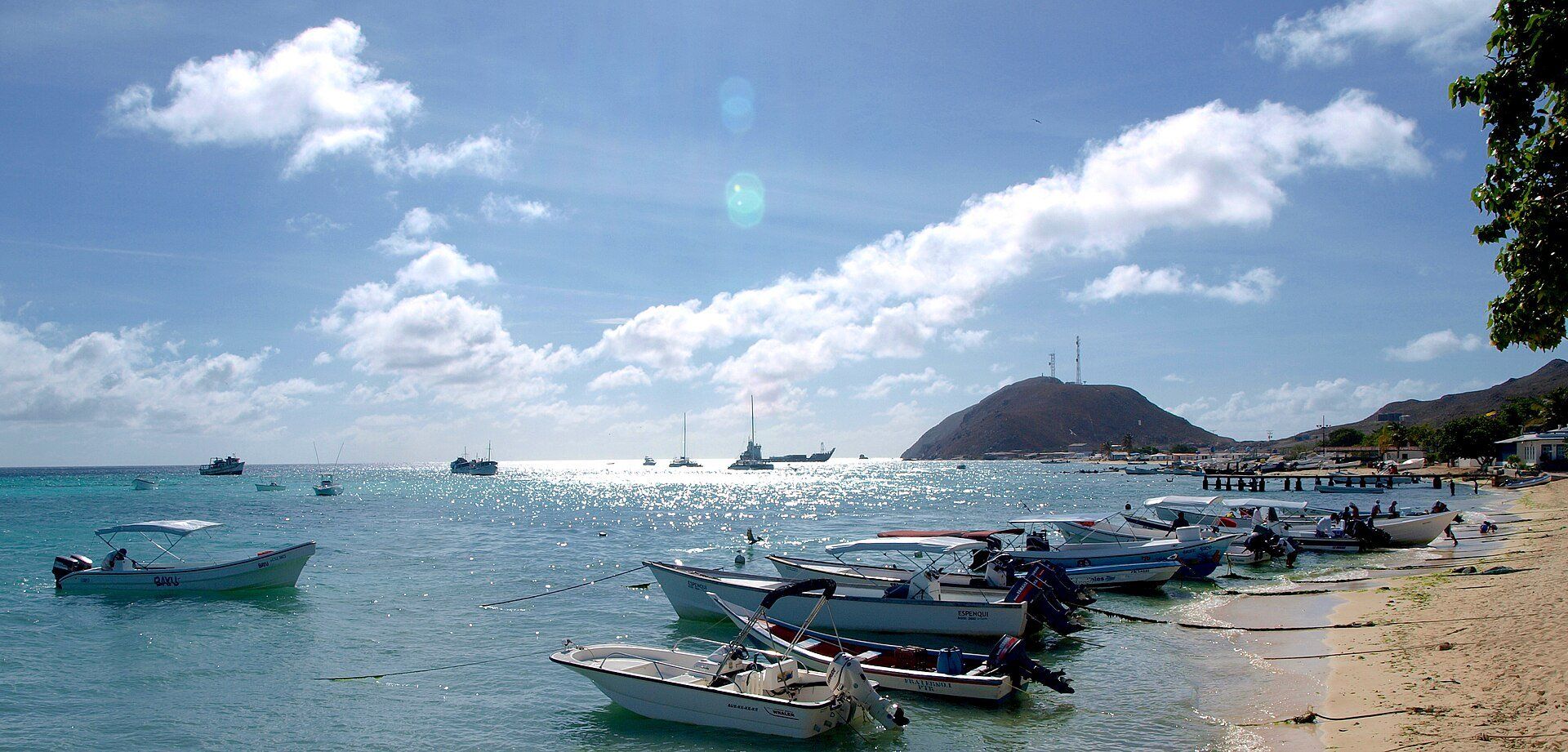
Los Roques Archipelago
Caribbean Sea, about 128 km north of La Guaira, Venezuela
Similan Islands
Mu Ko Similan National Park, Phang Nga Province, Andaman Sea, Thailand