Best of · ice

The 23 Best Places to See Glaciers, Ice, and Polar Wonders

23 places in the atlas

Rivers of ancient ice, the lagoons and fjords they carve, and the frozen ends of the Earth. These are the atlas’s glaciers, fjords, and polar wonders — some of the most fragile places on the list, and among the most moving to stand before.
Antarctic Peninsula, Antarctic Peninsula

Antarctic Peninsula

Antarctic Peninsula

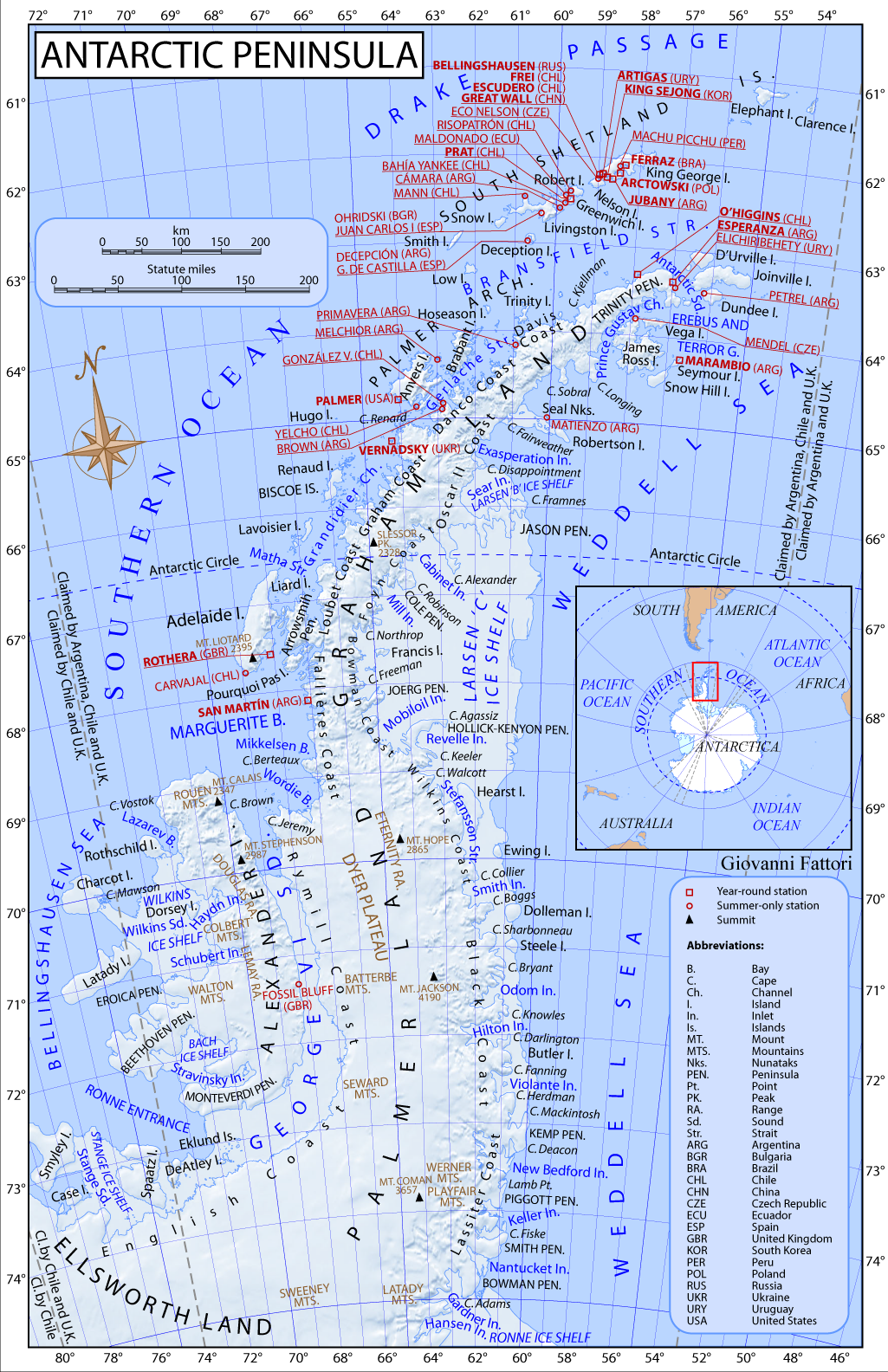
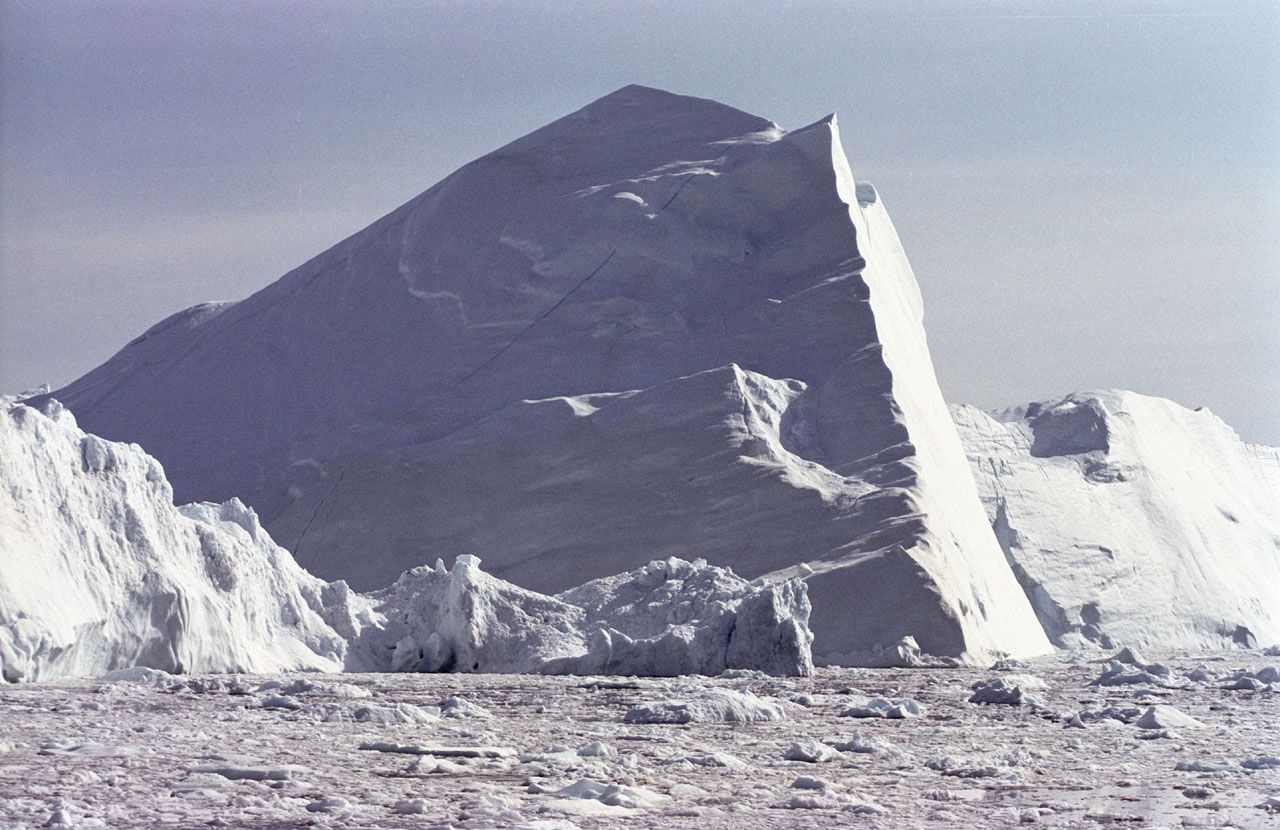
The most accessible edge of the frozen continent — a realm of blue icebergs, glacier-hung mountains, and vast penguin colonies, where wildlife thrives amid staggering polar scenery.

Geirangerfjord, Sunnmøre, Western Norway

Geirangerfjord

Sunnmøre, Western Norway

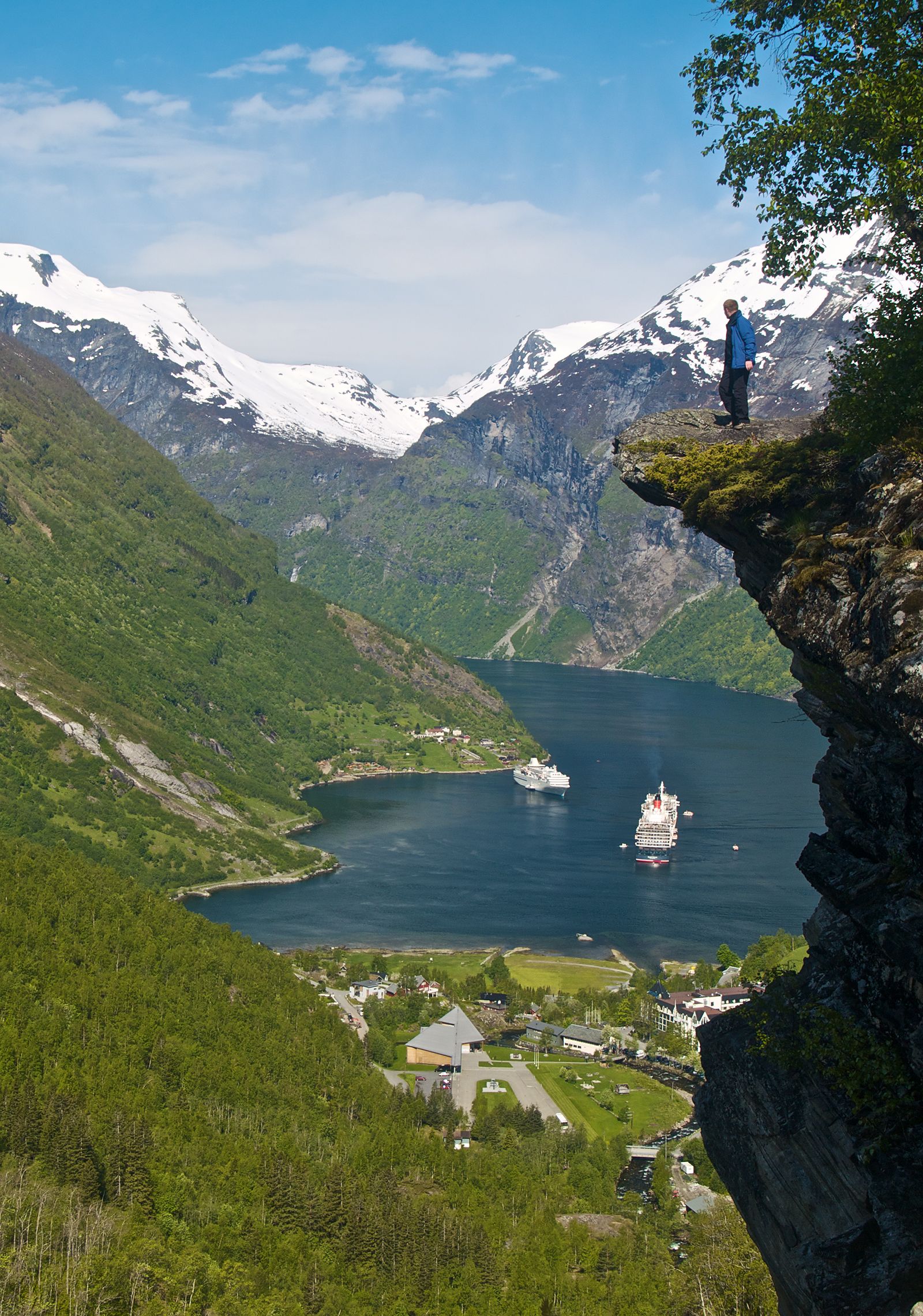
One of the world's most celebrated fjords — a deep, narrow arm of the sea winding between sheer 1,000-metre cliffs laced with waterfalls like the Seven Sisters, with abandoned farms clinging to impossible ledges.

Ilulissat Icefjord, Ilulissat, western Greenland

Ilulissat Icefjord

Ilulissat, western Greenland

A fjord choked with colossal icebergs calved from one of the fastest, most productive glaciers on Earth — a roaring, ever-changing cathedral of ice on Greenland's Arctic coast.

Jökulsárlón Glacier Lagoon, Vatnajökull National Park, Southeast Iceland

Jökulsárlón Glacier Lagoon

Vatnajökull National Park, Southeast Iceland

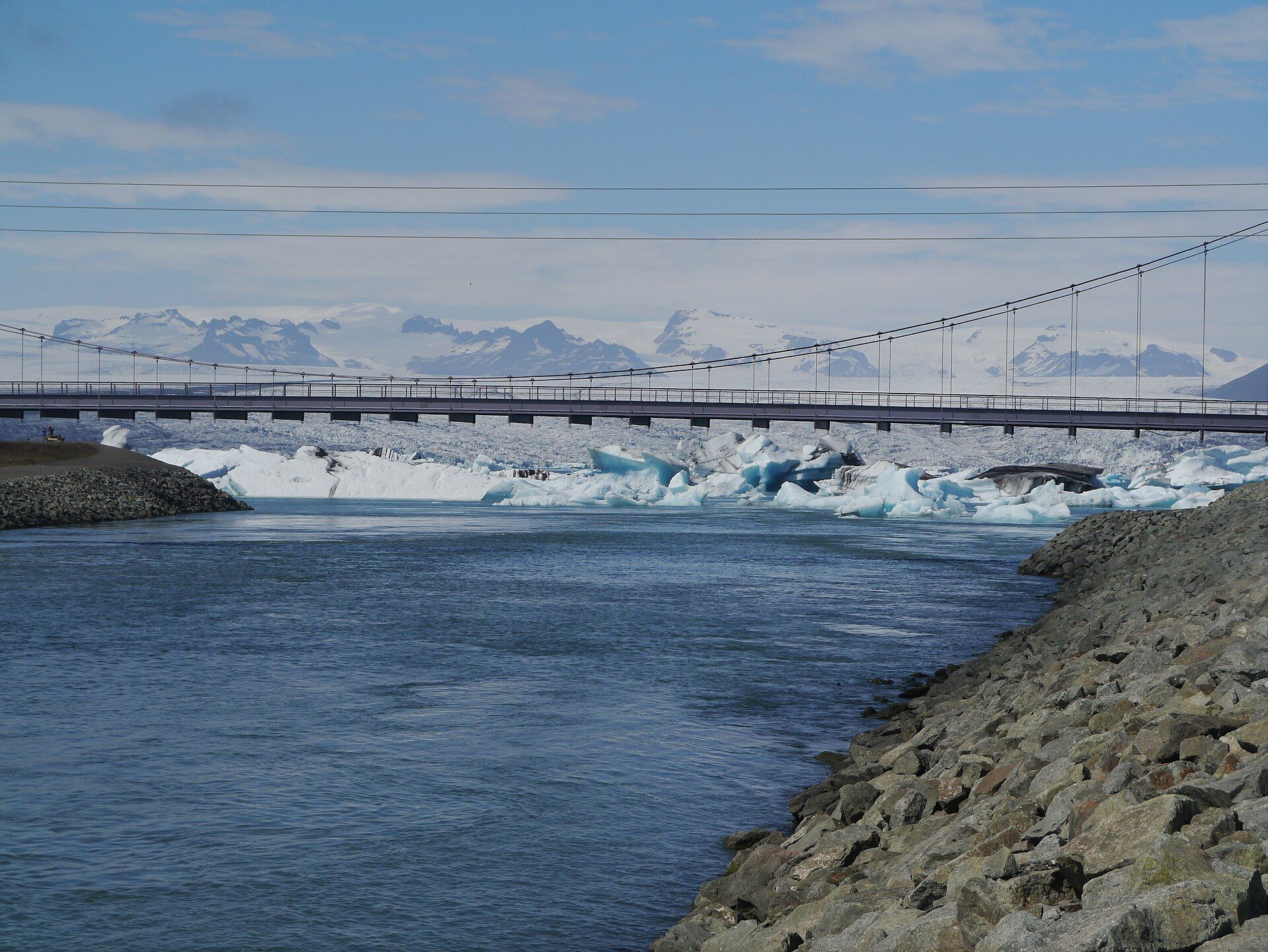
A glacial lagoon where huge icebergs calved from the Vatnajökull ice cap drift in still, deep water before floating out to sea — and wash up as glittering shards on the black-sand 'Diamond Beach'.

Karakoram & Baltoro Glacier, Gilgit-Baltistan, northern Pakistan

Karakoram & Baltoro Glacier

Gilgit-Baltistan, northern Pakistan

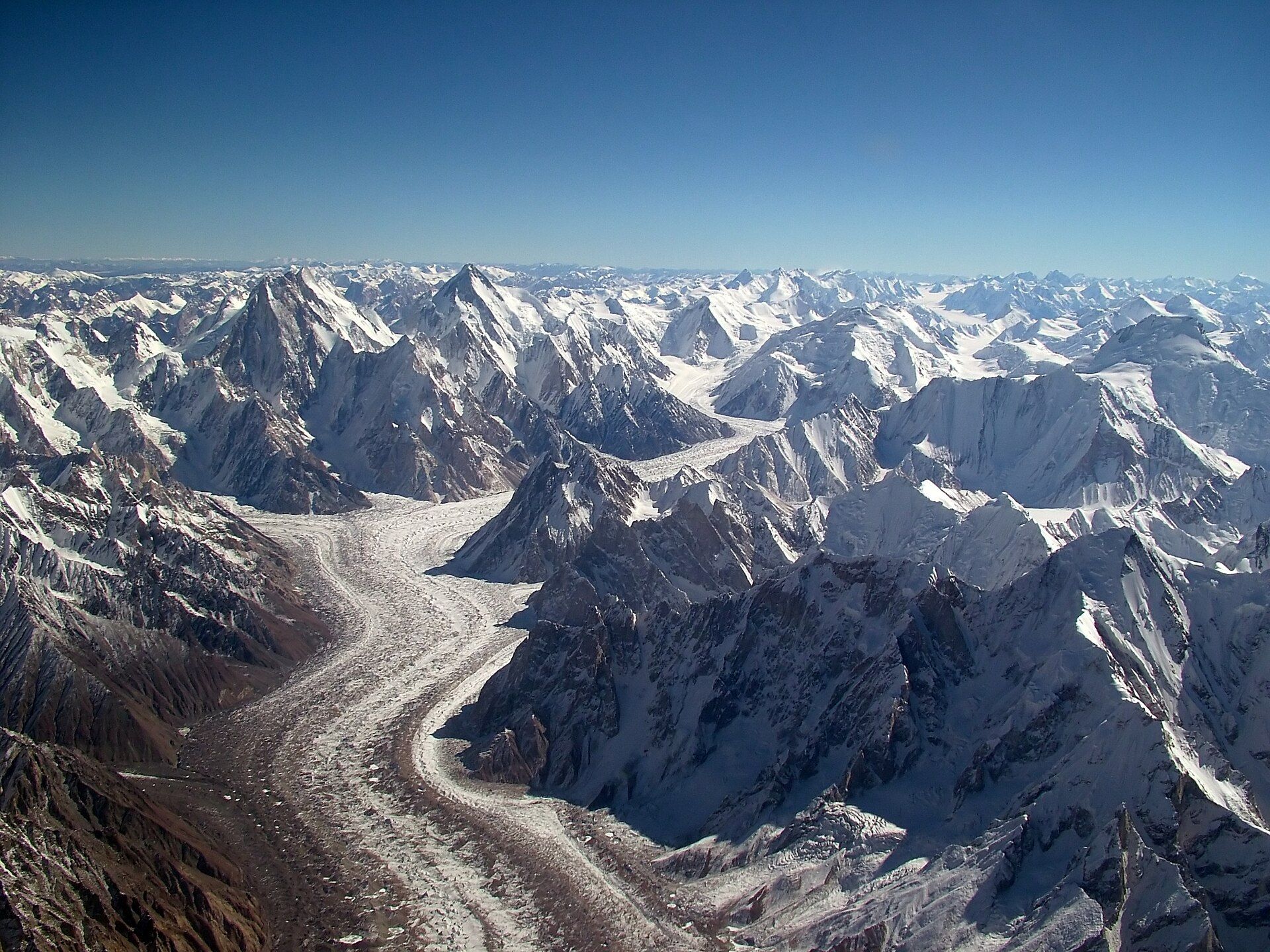
The greatest concentration of high peaks on Earth — a 62-kilometre river of ice leading to K2 and a ring of granite towers, in the most extreme mountain terrain anywhere.

Milford Sound, Fiordland National Park, South Island, New Zealand

Milford Sound

Fiordland National Park, South Island, New Zealand

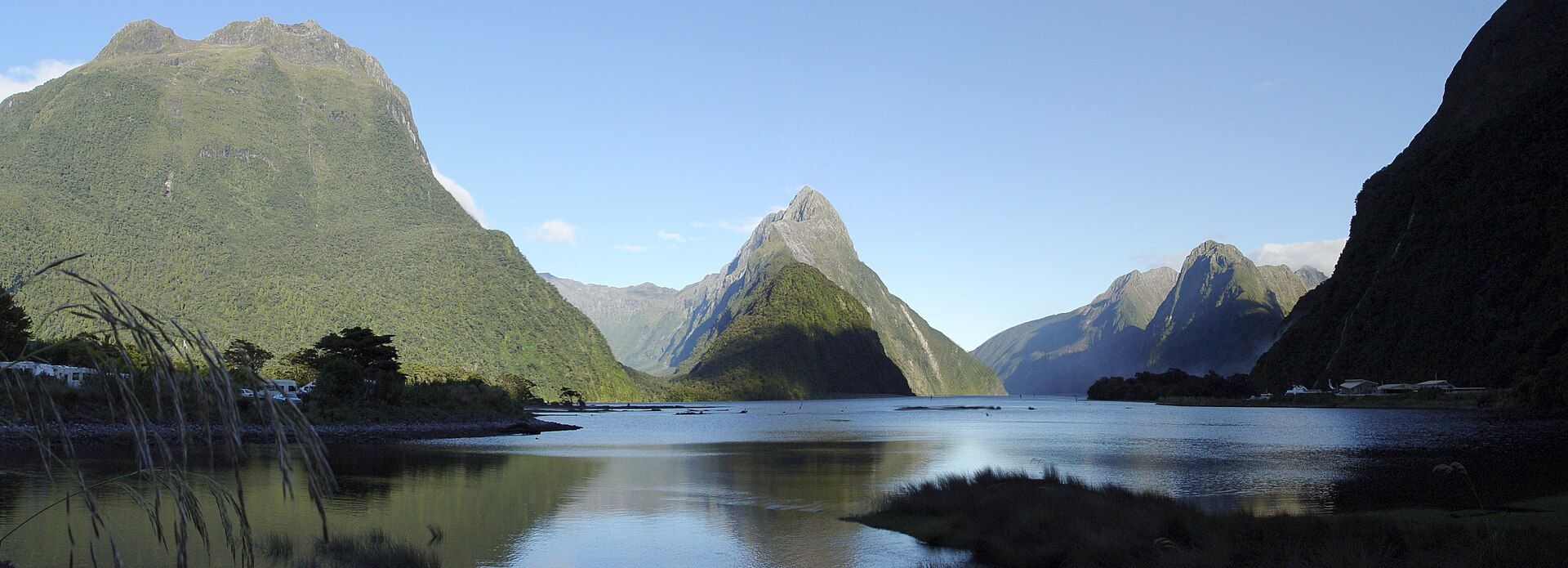
New Zealand's most famous fjord — sheer cliffs and the pyramid of Mitre Peak rising straight from dark water, laced with waterfalls fed by some of the highest rainfall on Earth, in the heart of Fiordland.

South Georgia, South Georgia, South Atlantic

South Georgia

South Georgia, South Atlantic

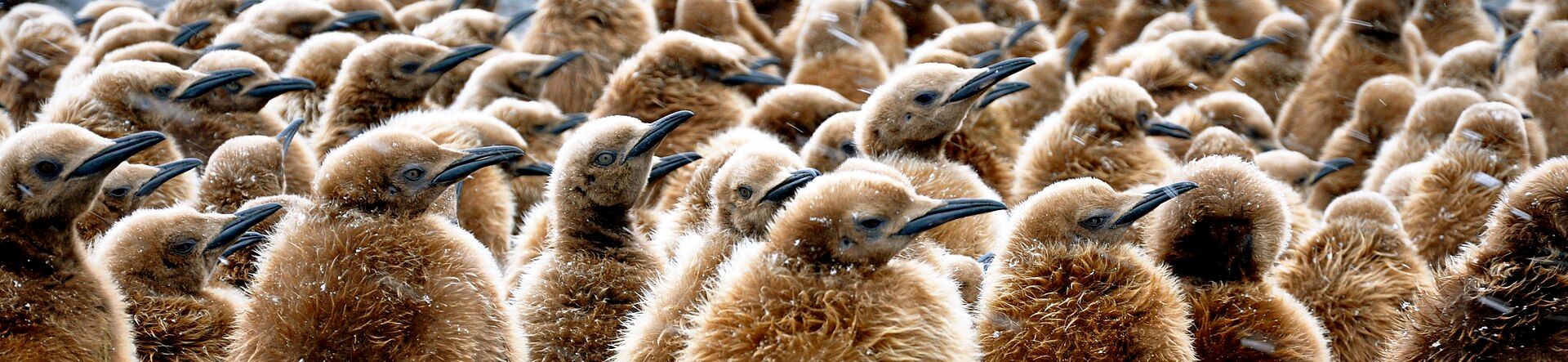
A remote, mountainous sub-Antarctic island where glaciers meet the sea and beaches heave with hundreds of thousands of king penguins and elephant seals — one of the greatest wildlife spectacles on Earth.

Svalbard, Svalbard archipelago, Arctic Ocean

Svalbard

Svalbard archipelago, Arctic Ocean

A High Arctic archipelago of glaciers, jagged peaks, and frozen fjords roughly midway between Norway and the North Pole — the realm of the polar bear, under months of midnight sun and polar night.

Vatnajökull Ice Caves, Southeast Iceland

Vatnajökull Ice Caves

Southeast Iceland

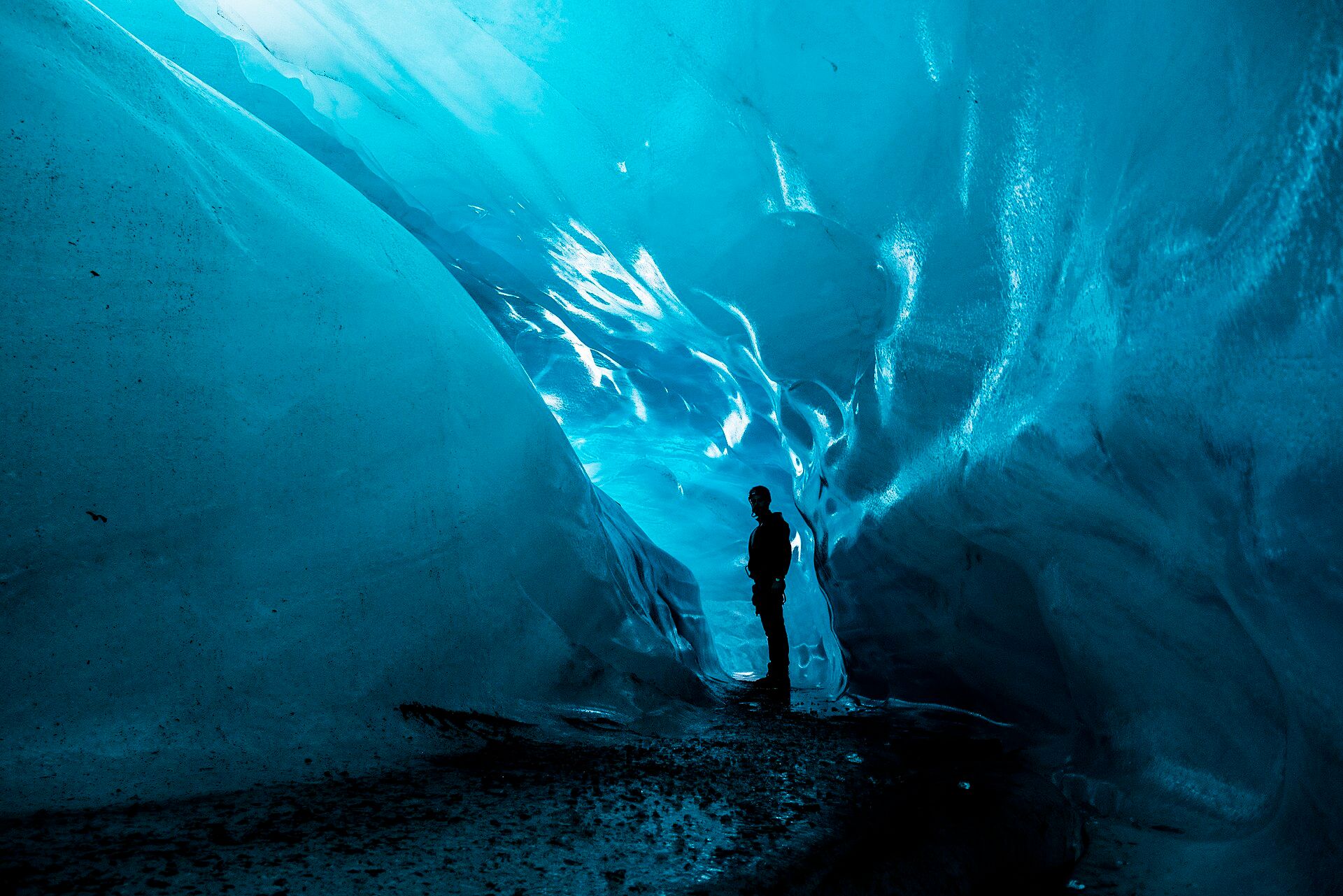
Glowing blue caves melted into the heart of Europe's largest ice cap — crystalline chambers of glacier ice, formed anew each winter beneath a vast frozen dome that hides fire below.

Aletsch Glacier, Valais, Switzerland

Aletsch Glacier

Valais, Switzerland

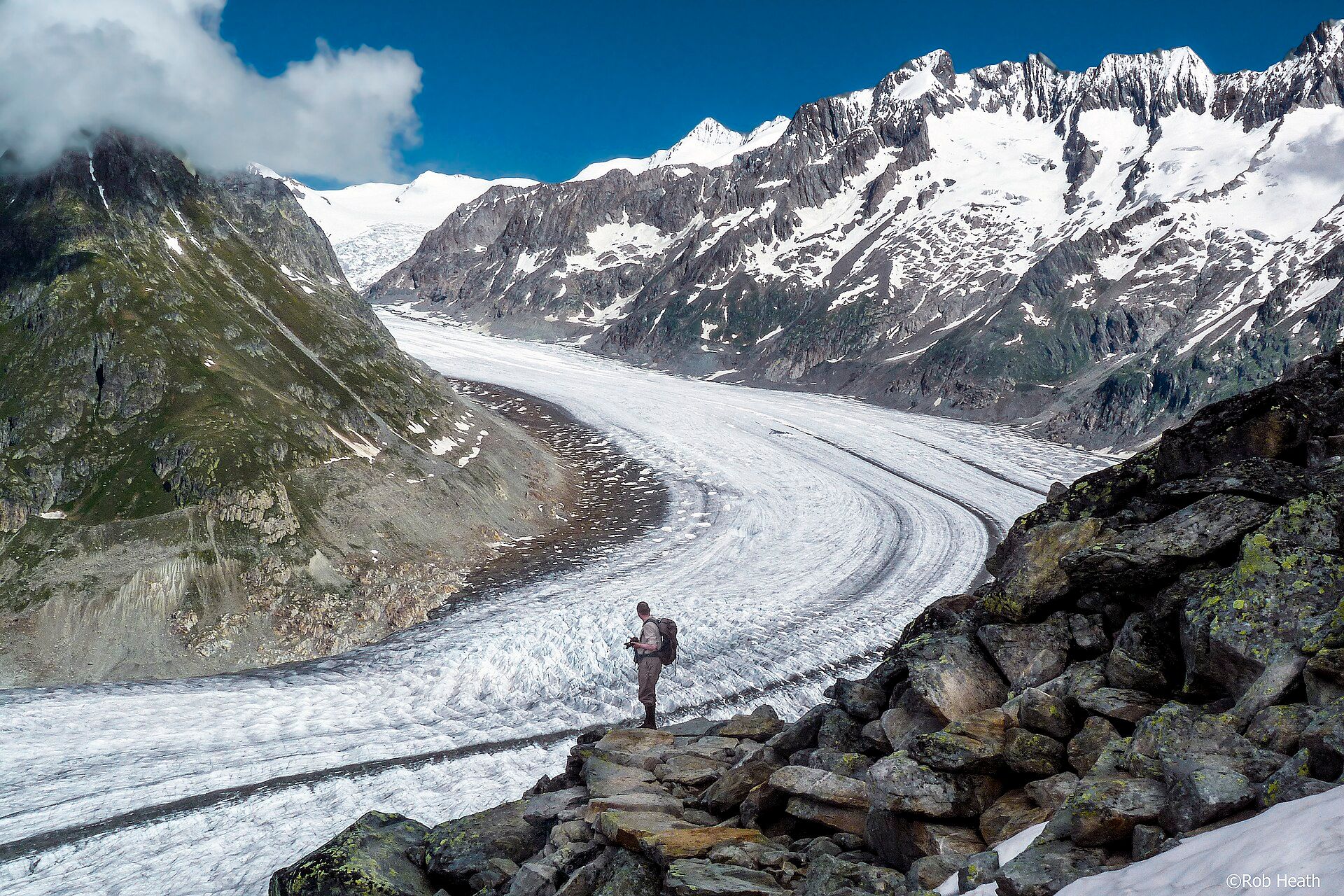
The largest glacier in the Alps — a 20-kilometre river of ice up to 900 metres thick, curving between 4,000-metre peaks in a vast frozen highway.

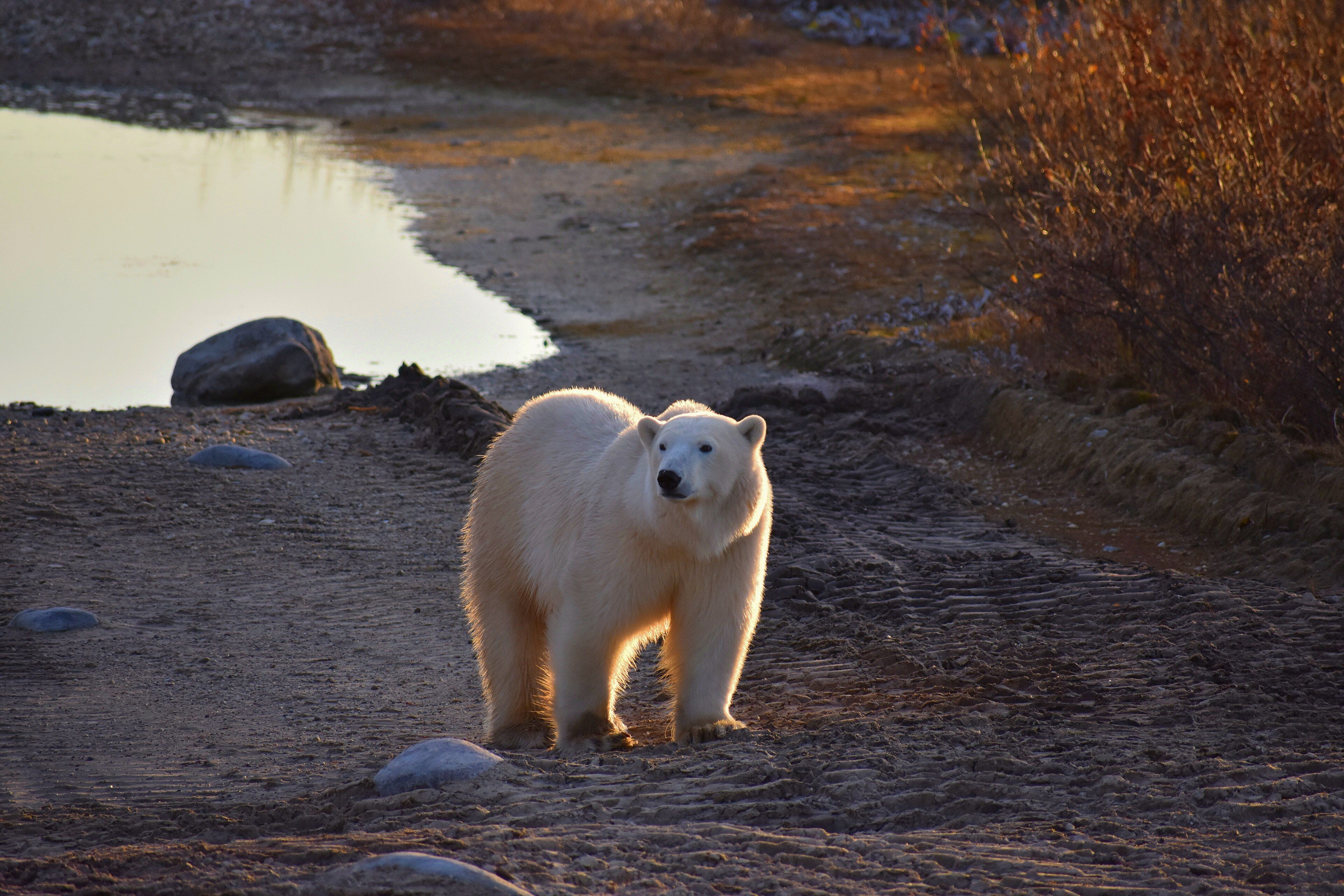
A polar bear on the autumn tundra at Churchill, Manitoba, Canada

Churchill

Churchill, Manitoba, western Hudson Bay, Canada

The stretch of sub-Arctic coast where roughly 900 polar bears gather each autumn, waiting on the tundra for Hudson Bay to freeze — and where thousands of beluga whales fill the river estuary through the short northern summer.

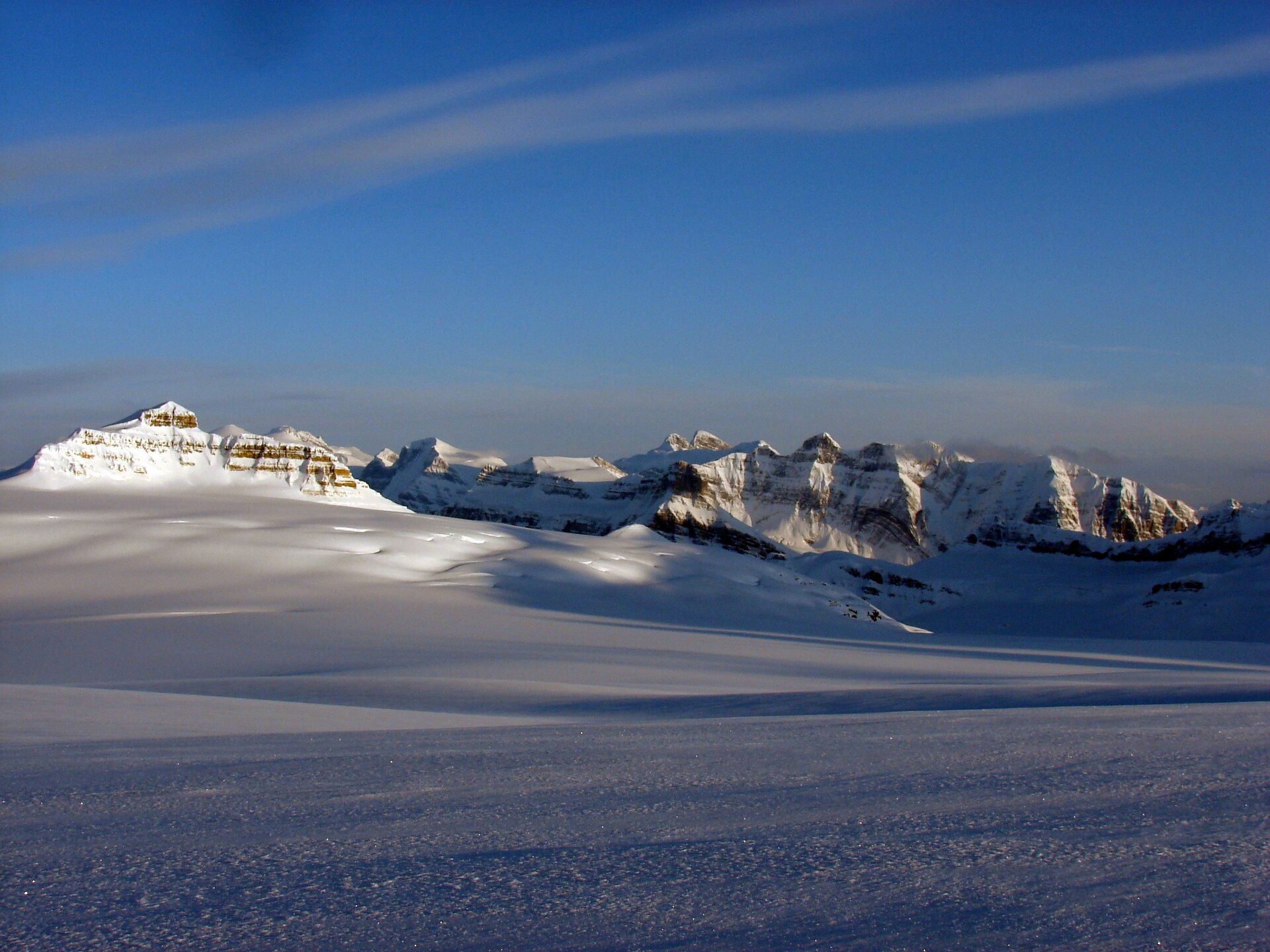
Columbia Icefield, Alberta & British Columbia, Canada

Columbia Icefield

Alberta & British Columbia, Canada

The largest icefield in the Rocky Mountains — a vast frozen plateau feeding glaciers that flow toward three different oceans, reached along one of the world's great mountain highways.

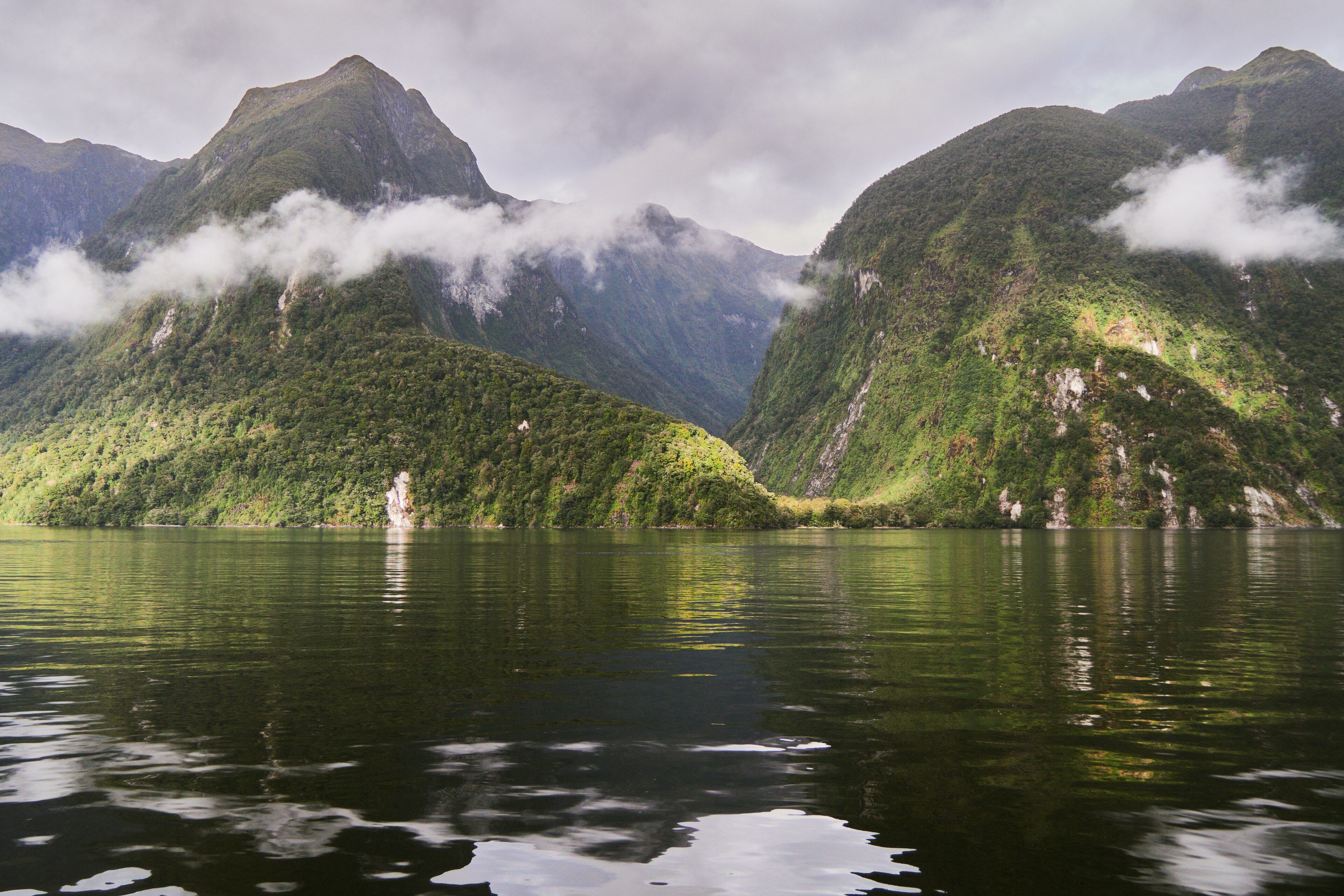
Doubtful Sound, Fiordland National Park, South Island, New Zealand

Doubtful Sound

Fiordland National Park, South Island, New Zealand

Fiordland's deep, silent wilderness fjord — larger, wilder, and far quieter than neighbouring Milford Sound, reached only by boat across Lake Manapouri and a mountain pass, its three dark arms walled by rainforest cliffs and roamed by dolphins, seals, and penguins.

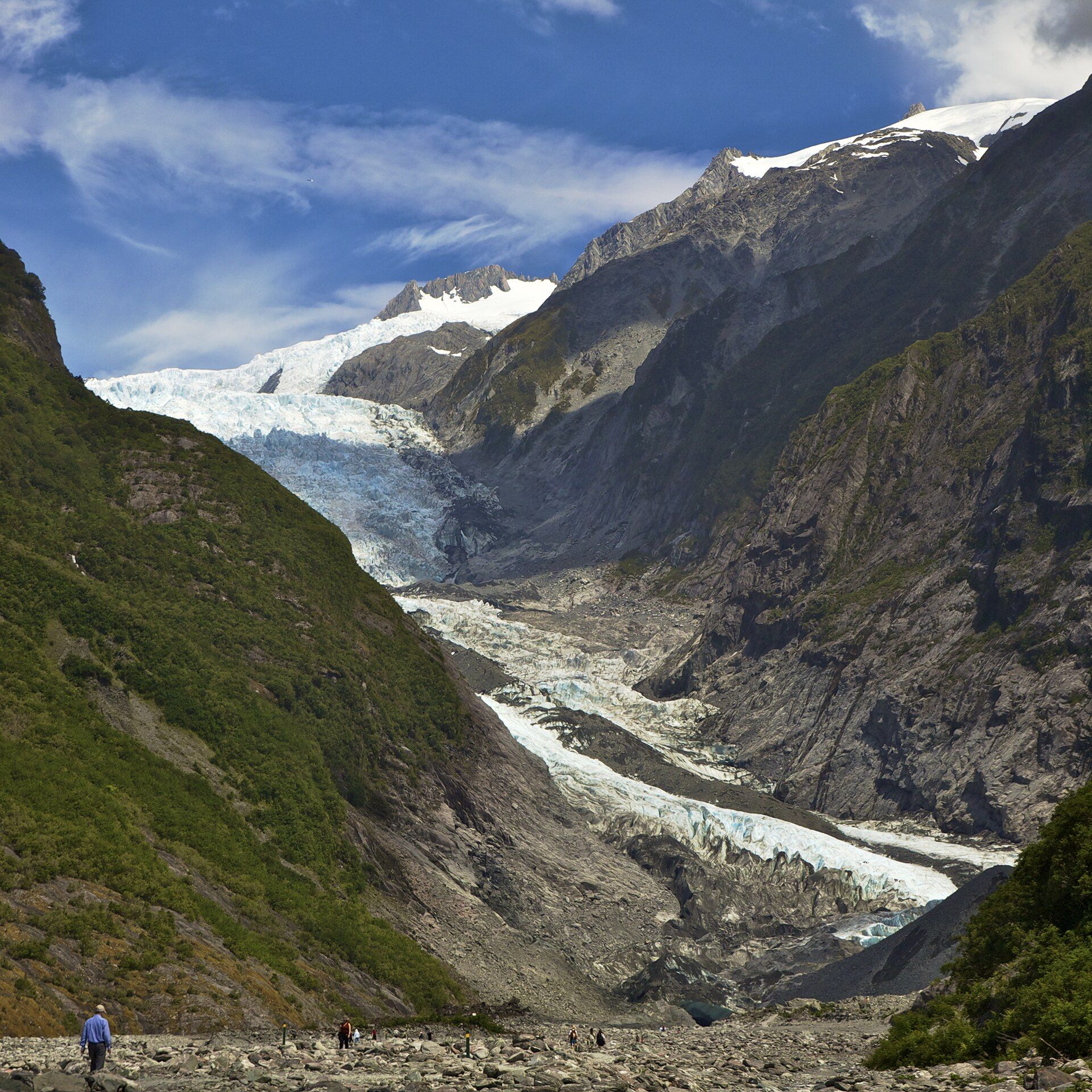
Franz Josef Glacier, Westland Tai Poutini National Park, South Island, New Zealand

Franz Josef Glacier

Westland Tai Poutini National Park, South Island, New Zealand

A steep river of blue ice that pours from the Southern Alps almost into rainforest — one of only a handful of glaciers on Earth that descend so close to temperate forest and the sea, and one of the fastest-moving, tumbling from high snowfields to a valley of ferns.

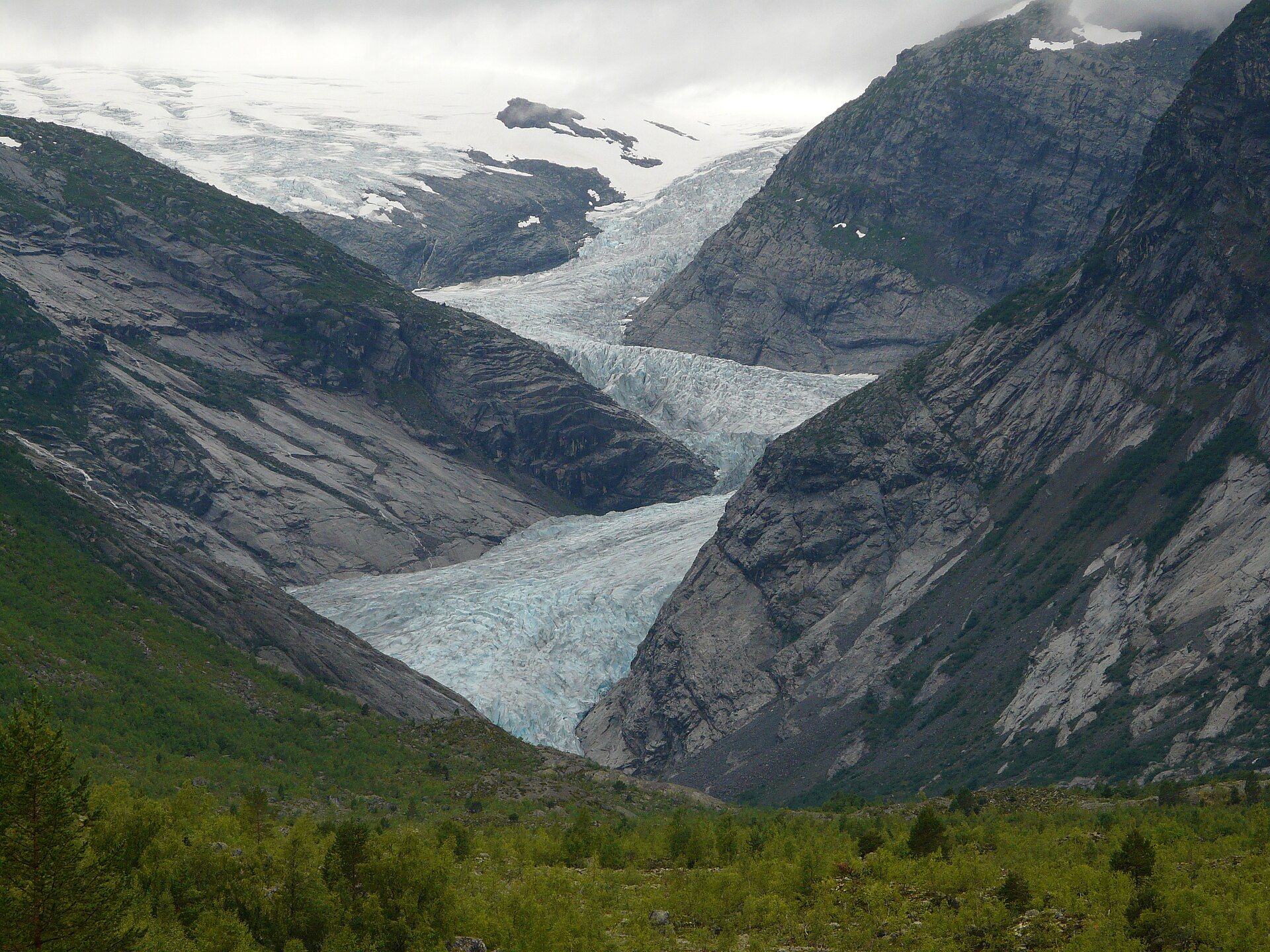
Jostedalsbreen, Vestland, Western Norway

Jostedalsbreen

Vestland, Western Norway

The largest glacier on mainland Europe — a high plateau ice cap that sends blue-tongued arms like Nigardsbreen and Briksdalsbreen spilling down into green valleys and turquoise meltwater lakes.

Kenai Fjords National Park, Kenai Peninsula, Alaska, United States

Kenai Fjords National Park

Kenai Peninsula, Alaska, United States

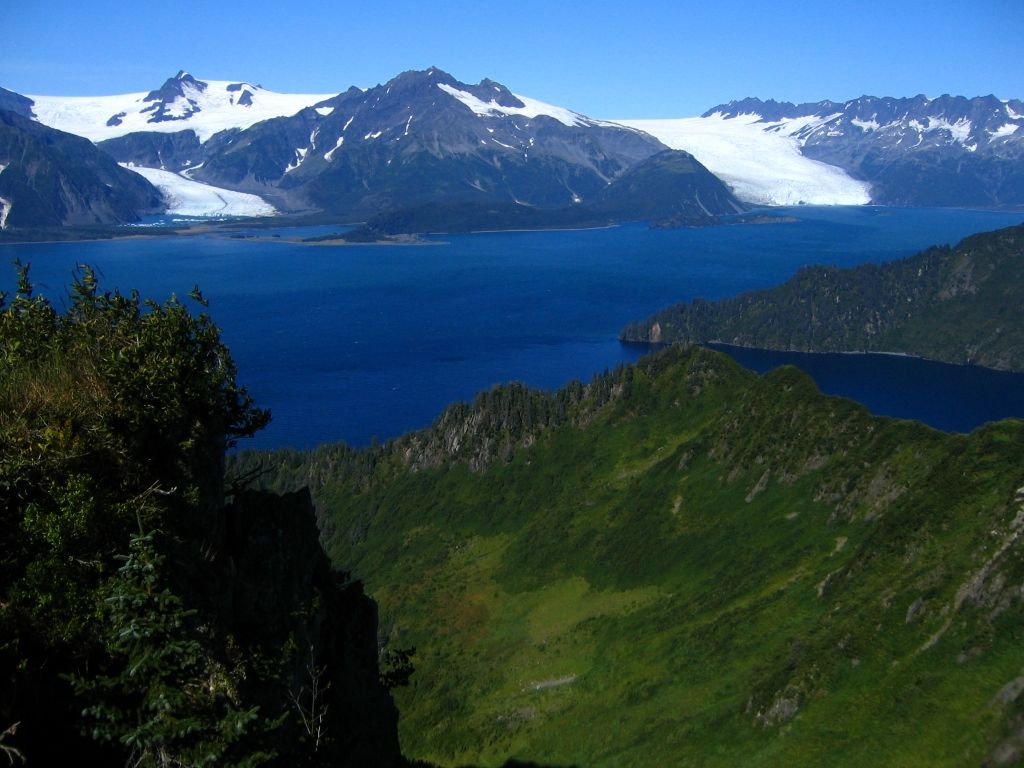
A coast of glacier-carved fjords on the Gulf of Alaska, where tidewater glaciers spilling from the vast Harding Icefield calve straight into the sea among humpback whales, orcas, sea otters, and cliffs of nesting seabirds.

McMurdo Dry Valleys, Victoria Land, Antarctica

McMurdo Dry Valleys

Victoria Land, Antarctica

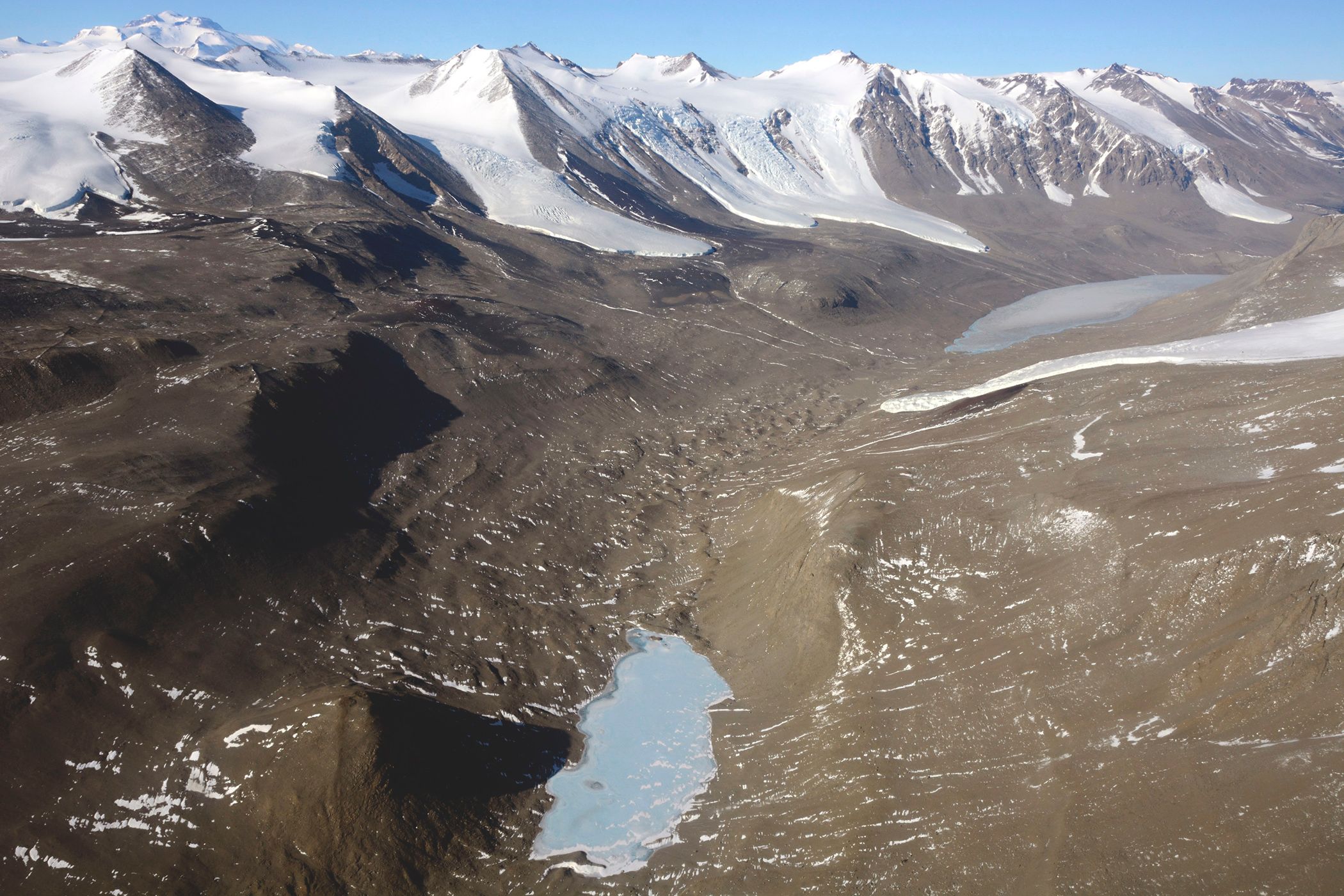
The largest ice-free area in Antarctica — around 4,500 square kilometres of bare rock and gravel where no significant snow or rain has fallen for close to two million years, and the closest thing on Earth to the surface of Mars.

Nærøyfjord, Aurland, Vestland, Western Norway

Nærøyfjord

Aurland, Vestland, Western Norway

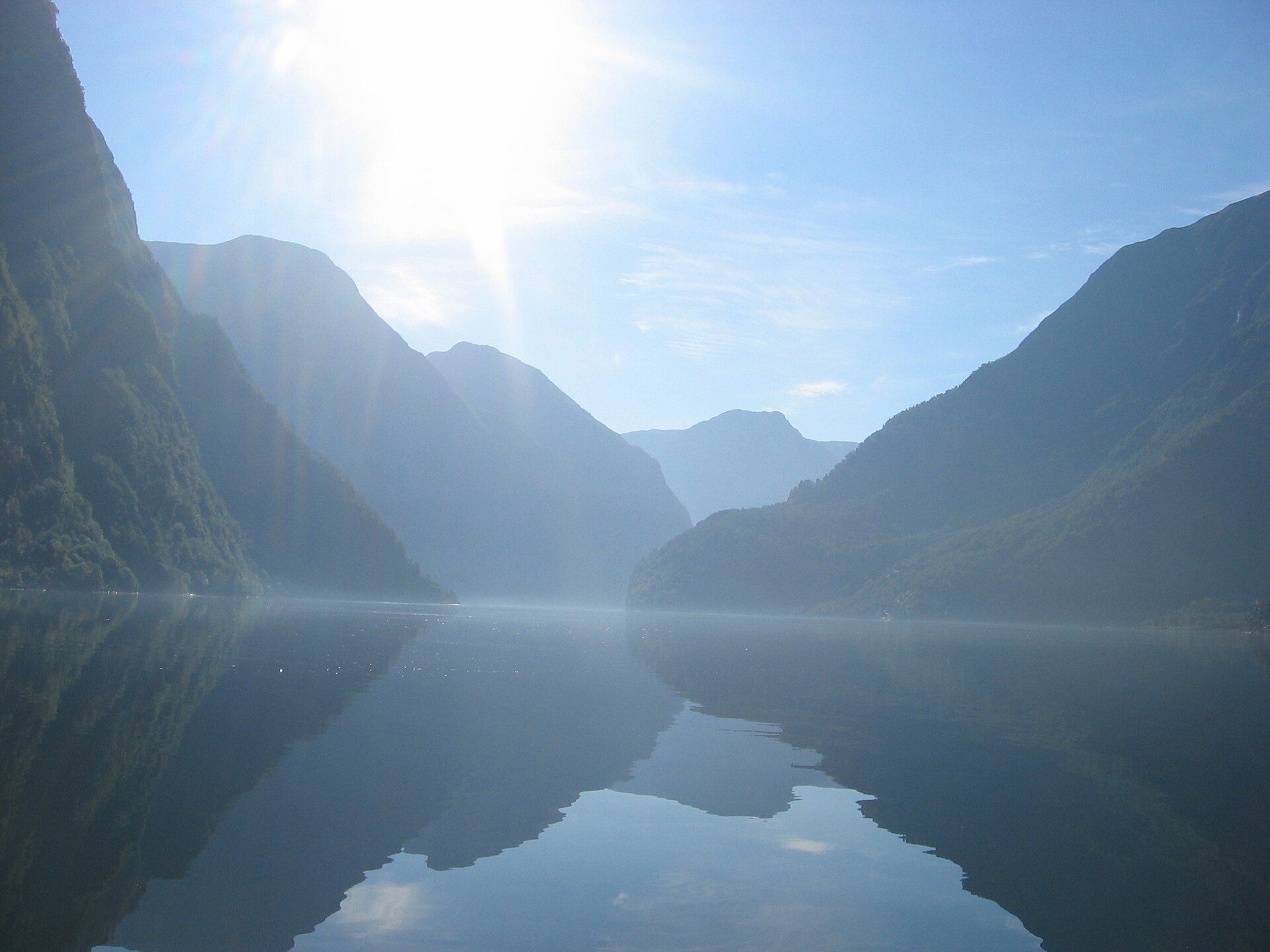
The narrowest fjord in the world open to cruising — a slender, UNESCO-listed arm of the great Sognefjord, squeezed to barely 250 metres between cliffs that climb well over a kilometre straight from the water.

Pasterze Glacier, Hohe Tauern, Carinthia, Austria

Pasterze Glacier

Hohe Tauern, Carinthia, Austria

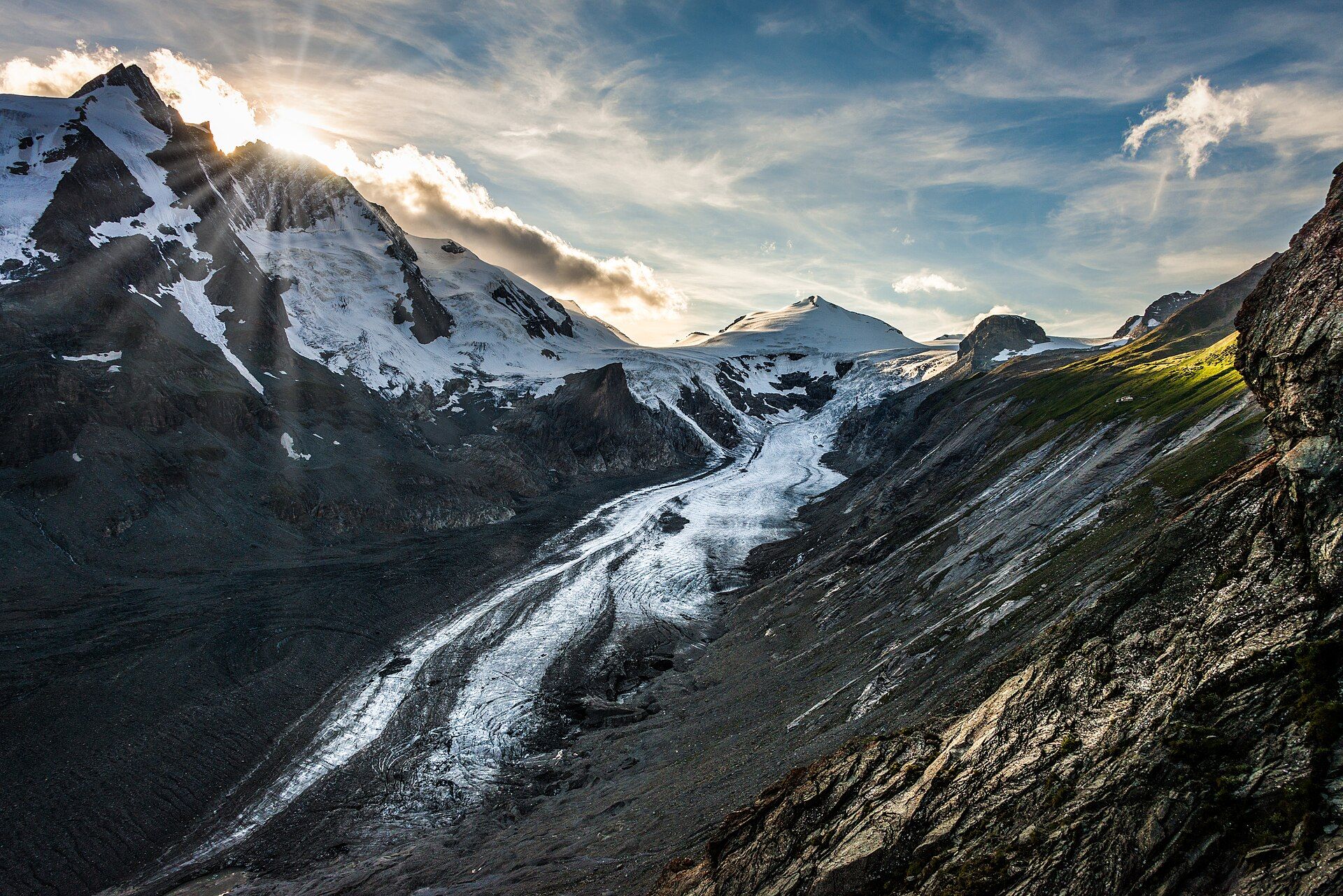
Austria's longest glacier, curling beneath the country's highest peak, the Grossglockner — a great river of ice reached by the famous alpine road, and a stark, moving record of a warming climate.

Perito Moreno Glacier, Los Glaciares National Park, Santa Cruz, Argentina

Perito Moreno Glacier

Los Glaciares National Park, Santa Cruz, Argentina

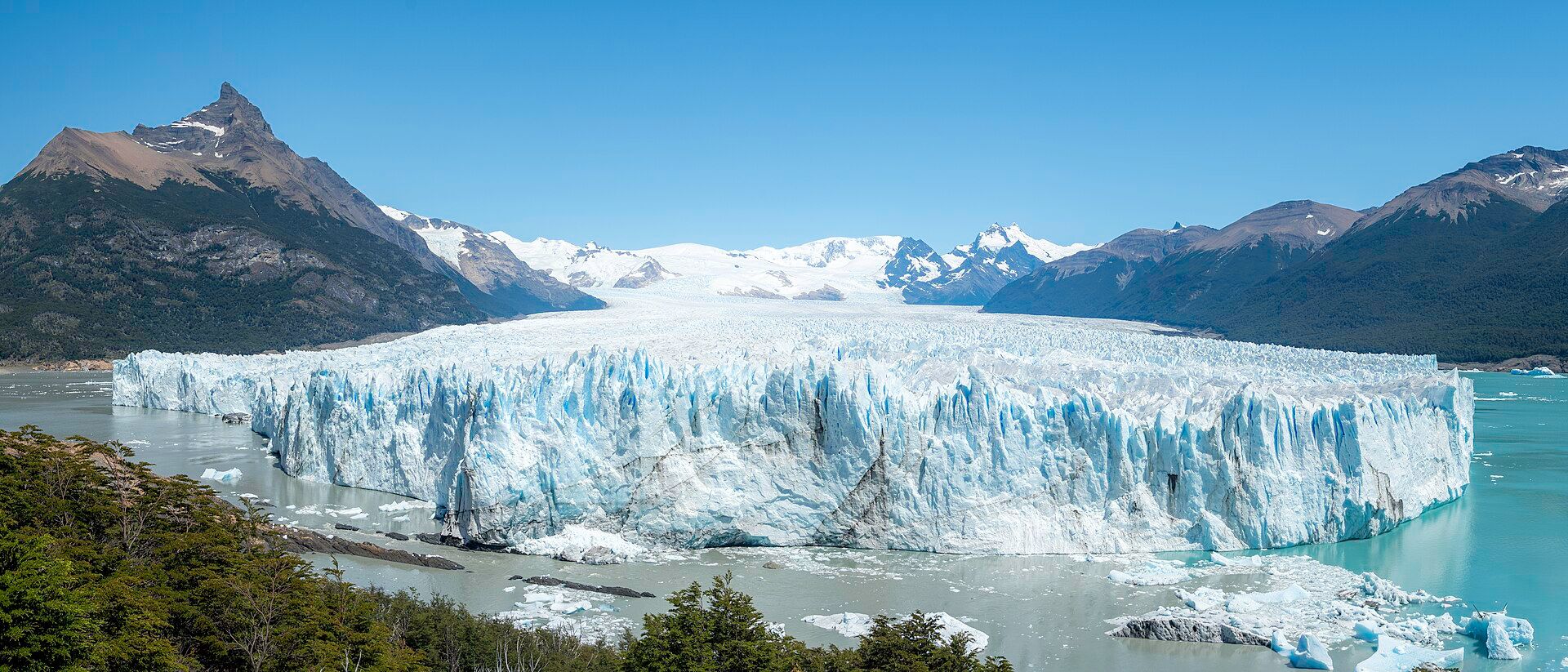
A vast, active glacier in Argentine Patagonia whose towering blue ice face calves thunderously into a lake — one of the few large glaciers on Earth that has stayed roughly in balance rather than sharply retreating.

The Hardangerfjord, Hardanger, Vestland, Western Norway

The Hardangerfjord

Hardanger, Vestland, Western Norway

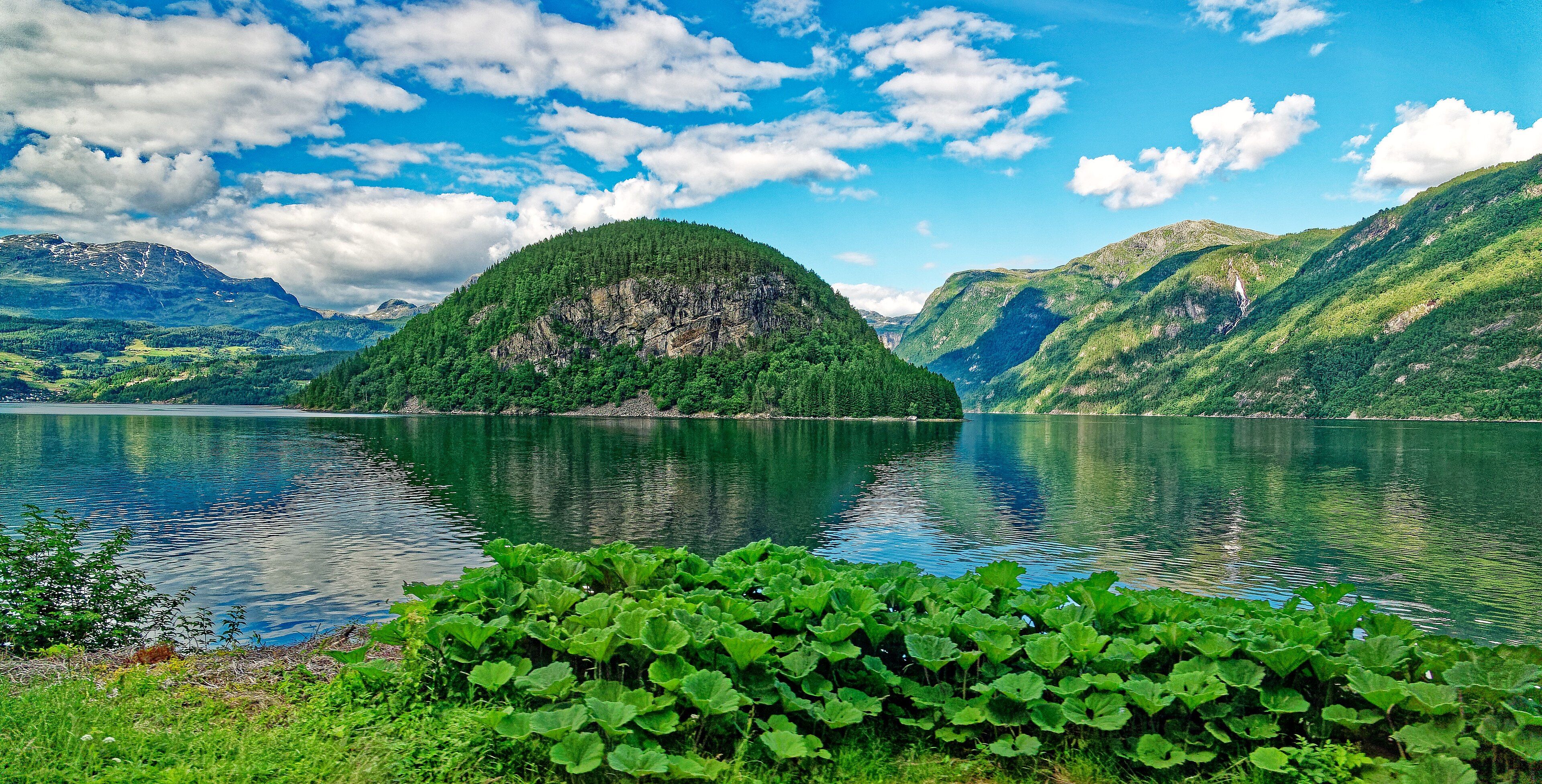
Norway's second-longest fjord and its orchard country — 179 kilometres of deep blue water reaching inland from the coast past Trolltunga, the Vøringsfossen falls, and the Folgefonna glacier, its gentler slopes white with apple and cherry blossom each spring.

The Lysefjord, Rogaland, Southwestern Norway

The Lysefjord

Rogaland, Southwestern Norway

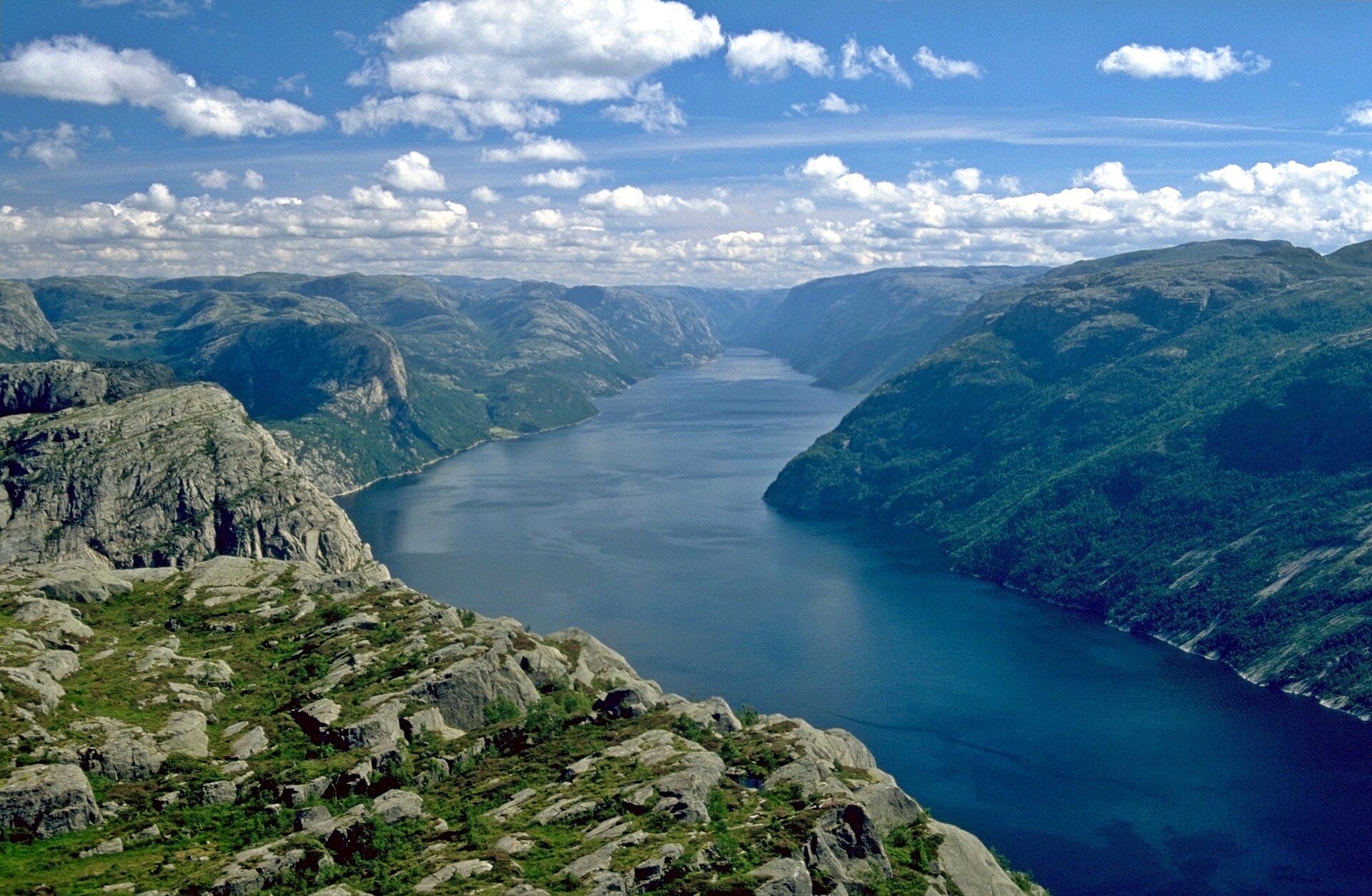
A 42-kilometre fjord of sheer, luminous granite near Stavanger, walled by two of the world's most famous clifftops — Preikestolen, the flat Pulpit Rock 604 metres above the water, and Kjerag, whose face plunges nearly a kilometre straight down.

The Sognefjord, Sogn, Vestland, Western Norway

The Sognefjord

Sogn, Vestland, Western Norway

The King of the Fjords — Norway's longest and deepest fjord, reaching more than 200 kilometres inland from the coast to the foot of the Jotunheimen mountains, its narrow arms lined with sheer cliffs, hanging waterfalls, and villages under snow peaks.