Columbia Icefield
📍 Alberta & British Columbia, Canada
The largest icefield in the Rocky Mountains — a vast frozen plateau feeding glaciers that flow toward three different oceans, reached along one of the world's great mountain highways.
What makes it marvelous
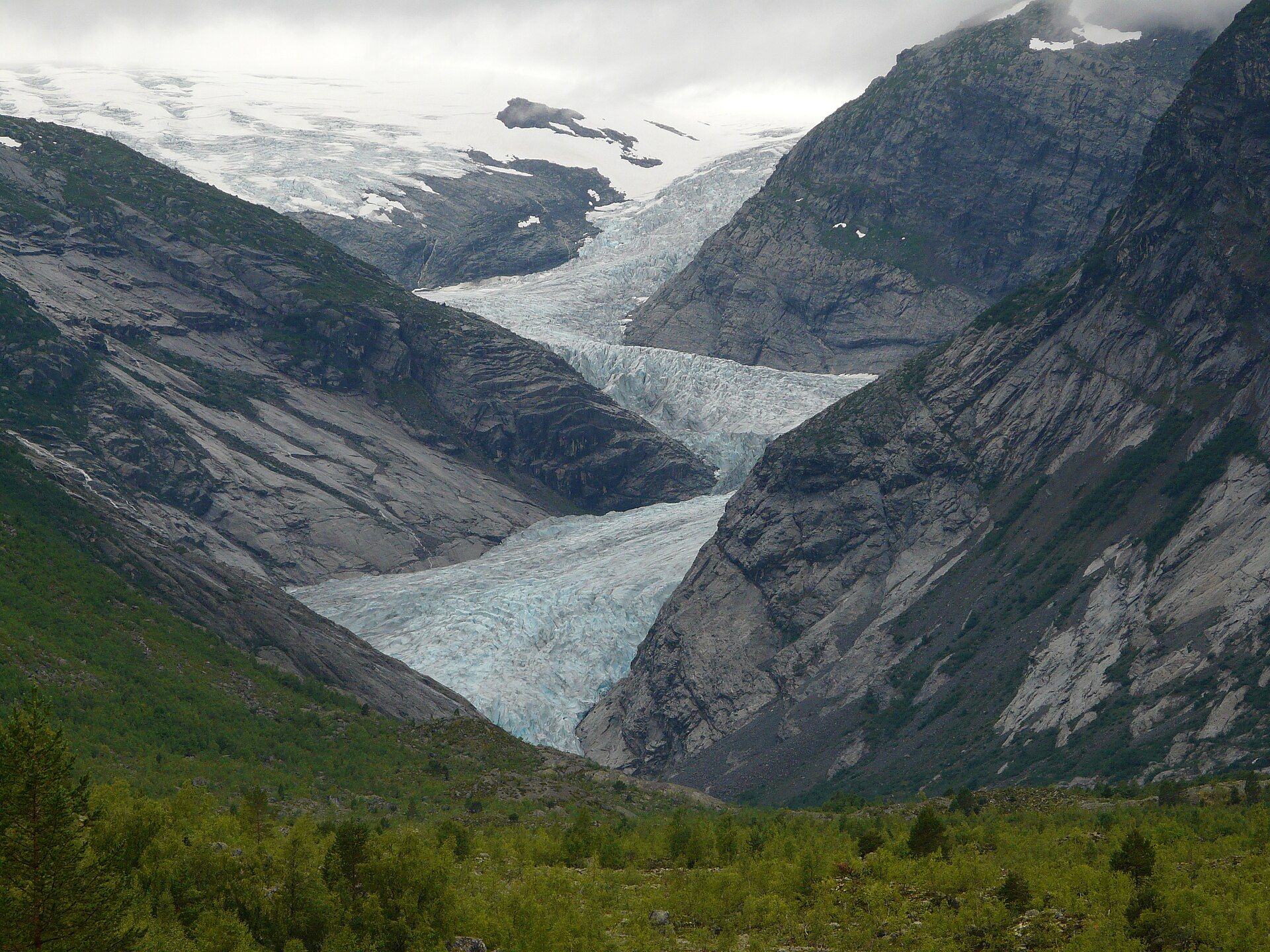
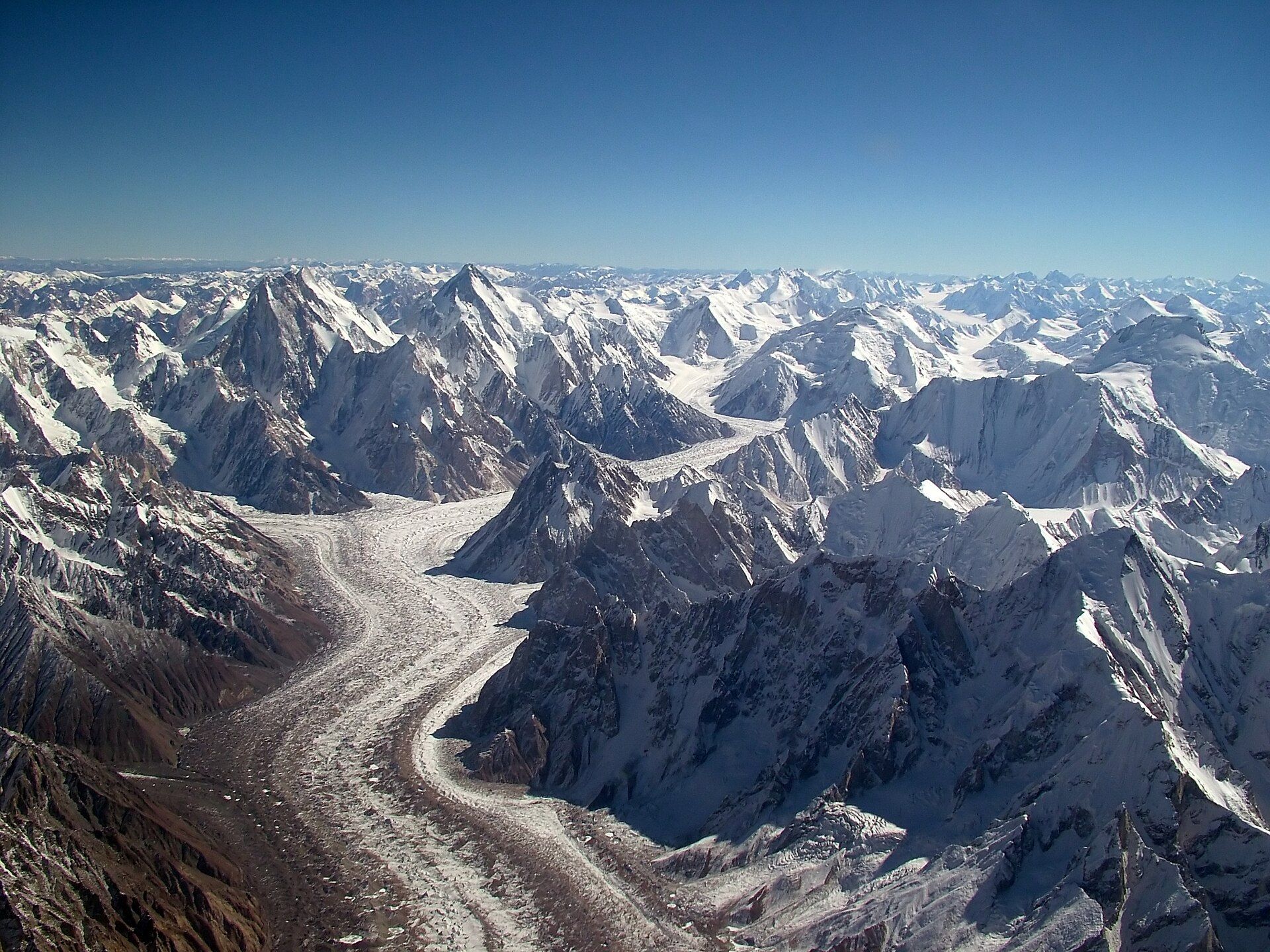
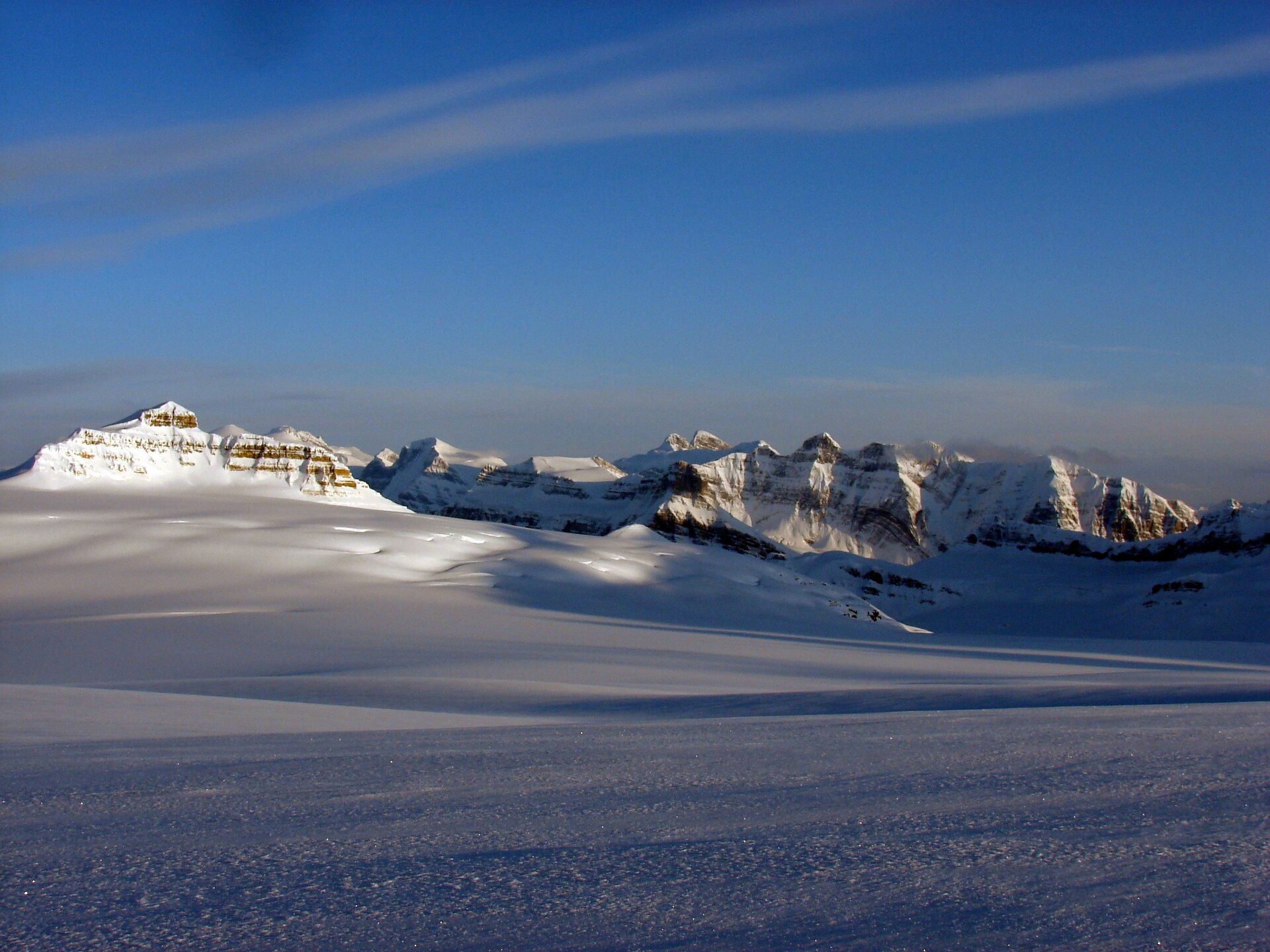
Straddling the Continental Divide in the Canadian Rockies, the Columbia Icefield covers roughly 200 square kilometres and reaches depths of around 300 metres, the largest body of ice in the Rockies. It is a rare hydrological apex: meltwater from this single icefield drains to three different oceans — the Pacific, the Atlantic via Hudson Bay, and the Arctic — a distinction almost nowhere else on Earth can claim. Half a dozen major glaciers spill from its edges, the most famous being the Athabasca, whose tongue creeps down almost to the roadside and can be walked upon with guides. The whole icefield is strung along the Icefields Parkway, a highway that runs between walls of peaks, turquoise glacial lakes, and hanging glaciers, and is widely rated among the most scenic drives in the world. It lies within a UNESCO World Heritage area.
Why visit
Driving the Icefields Parkway past turquoise lakes and hanging glaciers to stand on the Athabasca Glacier itself — with ice hundreds of metres thick beneath your boots — is one of the great mountain journeys of North America.
Still deciding?
Columbia Icefield comes up most often against these — each one weighs cost, effort, season and crowds side by side.
What to know before you go
🗓️ Best time
Summer (roughly June–September), when the Parkway is clear, glacier tours run, and the lakes have thawed to their famous turquoise; winter closes many services and brings avalanche risk.
🧭 Getting there & access
Along the Icefields Parkway between Banff/Lake Louise and Jasper in the Canadian Rockies; the Athabasca Glacier is roadside, with guided ice walks and specialised coach tours onto the ice.
Good to know
- Never walk onto the glacier unguided — hidden crevasses are lethal.
- Drive the full Icefields Parkway and allow a whole day for stops.
- Come in summer; much of the corridor's infrastructure closes in winter.
Plan your visit
Easy🧭 Getting there
From Jasper, Alberta, Canada
- Fly → Calgary (YYC) or Edmonton, then drive to the Icefields Parkway
- Drive the Icefields Parkway to the Columbia Icefield Discovery Centre — roughly 1h from Jasper
- Board an Ice Explorer snowcoach or join a guided ice walk onto the Athabasca Glacier
- Total travel
- About an hour from Jasper along the Icefields Parkway
- Time at site
- Half a day at the icefield and Skywalk
- Access
- The Athabasca Glacier flows down from the Columbia Icefield right to the edge of the Icefields Parkway, and reaching the ice itself is easy — but only safely in one of two ways: the Ice Explorer snowcoach tours, or a licensed guided ice walk. The one thing you must not do is wander onto the glacier on your own; its surface is riddled with crevasses hidden under snow, and people have died falling into them. A Parks Canada pass is required to be in the park, and the tours run seasonally, roughly spring to autumn. The glacier is visibly retreating year on year.
🎒 What to bring & consider
- The absolute rule never to step onto the glacier unguided, because hidden crevasses here have killed people who did
- A Parks Canada pass, and a booking for the snowcoach or guided ice walk in the busy summer months
- Warm, windproof layers and grippy footwear, since it is cold and slick on the ice even on a warm valley day
- Sun protection against strong glare reflecting off snow and ice at altitude
- A visit within the seasonal operating window, as the tours close outside roughly spring to autumn
👁️ What to expect
- Crowds
- Busy at the Discovery Centre and Skywalk in summer. The snowcoach spreads people onto the ice in waves.
- Conditions
- Cold and windy on the ice, easy underfoot on the tours. High-altitude mountain weather changes fast.
- Facilities
- A large Discovery Centre with food and tickets, plus the Skywalk nearby. Nothing on the glacier itself.
- The view
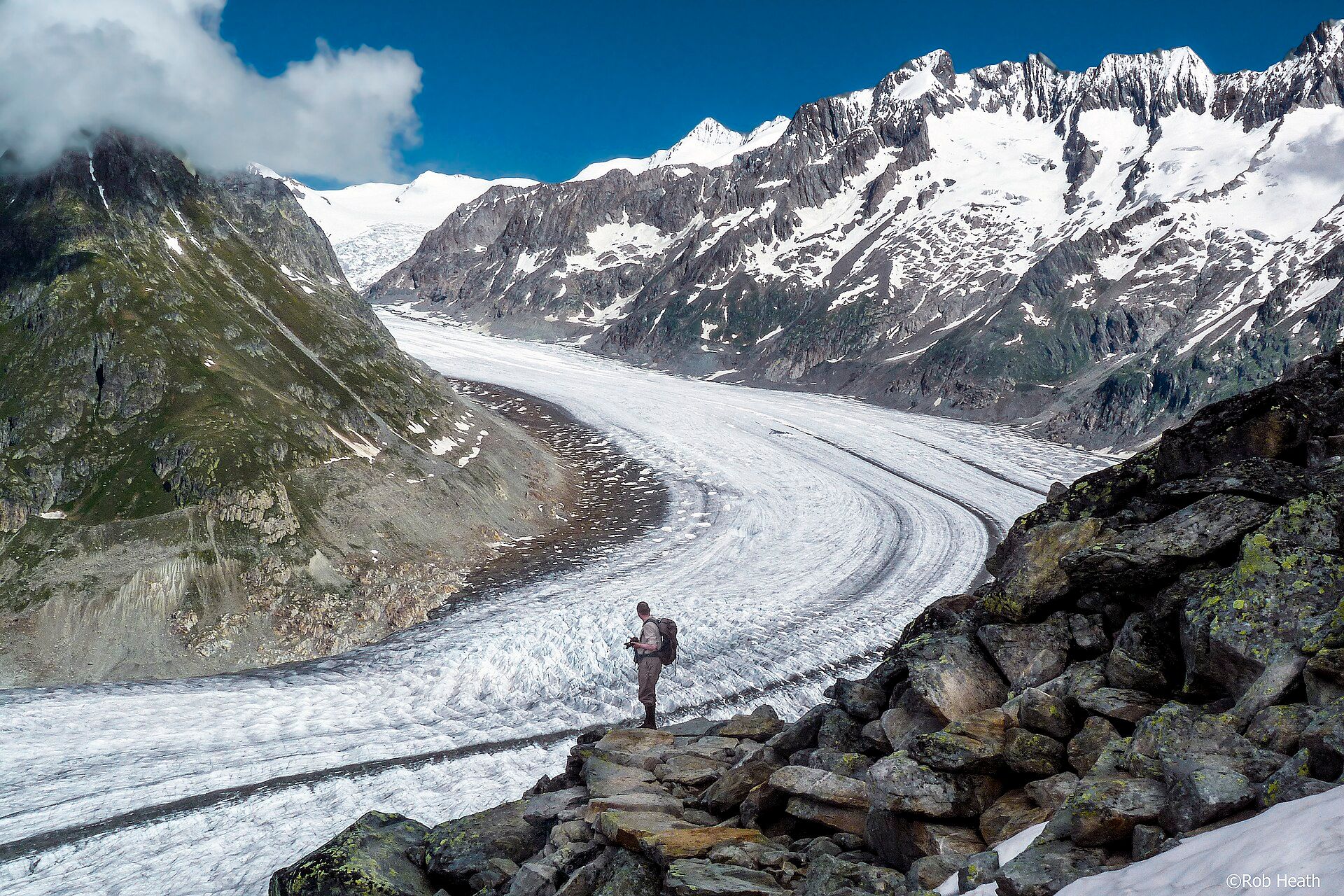
- The tongue of the Athabasca Glacier curving down between the peaks, with the moraine ridges marking how far it has retreated. The Skywalk gives the vertigo shot out over the valley.
Times and requirements are approximate and change with season, weather, and local rules — confirm permits, fares, and schedules with operators before you travel.
Natural riches of the area
- The largest icefield in the Rocky Mountains (~200 km², ~300 m deep)
- A rare triple-ocean hydrological apex
- Six major outlet glaciers including the Athabasca
- Turquoise glacier-fed lakes and hanging glaciers
Local food
- Alberta beef
- Ranch-raised beef, a signature of the Canadian prairies and Rockies.
- Mountain trout & bison
- Freshwater trout and bison served in the Rockies' lodges and towns.
- Saskatoon berries
- A native prairie berry used in pies, jams, and sauces.
Straddling the Continental Divide high in the Canadian Rockies, the Columbia Icefield is the largest body of ice in the range — roughly 200 square kilometres of frozen plateau, in places about 300 metres deep. It holds a rare distinction: meltwater from this single icefield drains to three different oceans, the Pacific, the Atlantic by way of Hudson Bay, and the Arctic. Almost nowhere else on Earth can claim such a triple divide.
Half a dozen major glaciers spill from its edges. The best known is the Athabasca, whose tongue creeps down almost to the roadside, close enough that guided groups can walk out onto ice hundreds of metres thick. The whole icefield is strung along the Icefields Parkway, a highway running between walls of peaks, turquoise glacial lakes, and hanging glaciers, and widely rated among the most scenic drives anywhere in the world.
Columbia Icefield: common questions
How do you get to Columbia Icefield?
From Jasper, Alberta, Canada: Fly → Calgary (YYC) or Edmonton, then drive to the Icefields Parkway; Drive the Icefields Parkway to the Columbia Icefield Discovery Centre — roughly 1h from Jasper; Board an Ice Explorer snowcoach or join a guided ice walk onto the Athabasca Glacier. Total travel time: About an hour from Jasper along the Icefields Parkway.
When is the best time to visit Columbia Icefield?
Summer (roughly June–September), when the Parkway is clear, glacier tours run, and the lakes have thawed to their famous turquoise; winter closes many services and brings avalanche risk.
How long should you spend at Columbia Icefield?
Half a day at the icefield and Skywalk. Total travel time: About an hour from Jasper along the Icefields Parkway.
What should you bring to Columbia Icefield?
The absolute rule never to step onto the glacier unguided, because hidden crevasses here have killed people who did A Parks Canada pass, and a booking for the snowcoach or guided ice walk in the busy summer months Warm, windproof layers and grippy footwear, since it is cold and slick on the ice even on a warm valley day Sun protection against strong glare reflecting off snow and ice at altitude A visit within the seasonal operating window, as the tours close outside roughly spring to autumn
Do you need a permit or guide for Columbia Icefield?
The Athabasca Glacier flows down from the Columbia Icefield right to the edge of the Icefields Parkway, and reaching the ice itself is easy — but only safely in one of two ways: the Ice Explorer snowcoach tours, or a licensed guided ice walk. The one thing you must not do is wander onto the glacier on your own; its surface is riddled with crevasses hidden under snow, and people have died falling into them. A Parks Canada pass is required to be in the park, and the tours run seasonally, roughly spring to autumn. The glacier is visibly retreating year on year.
Is Columbia Icefield crowded, and what are conditions like?
Busy at the Discovery Centre and Skywalk in summer. The snowcoach spreads people onto the ice in waves. Cold and windy on the ice, easy underfoot on the tours. High-altitude mountain weather changes fast. Facilities: A large Discovery Centre with food and tickets, plus the Skywalk nearby. Nothing on the glacier itself.
Added Updated
More wonders to explore