Perito Moreno Glacier
📍 Los Glaciares National Park, Santa Cruz, Argentina
A vast, active glacier in Argentine Patagonia whose towering blue ice face calves thunderously into a lake — one of the few large glaciers on Earth that has stayed roughly in balance rather than sharply retreating.
What makes it marvelous
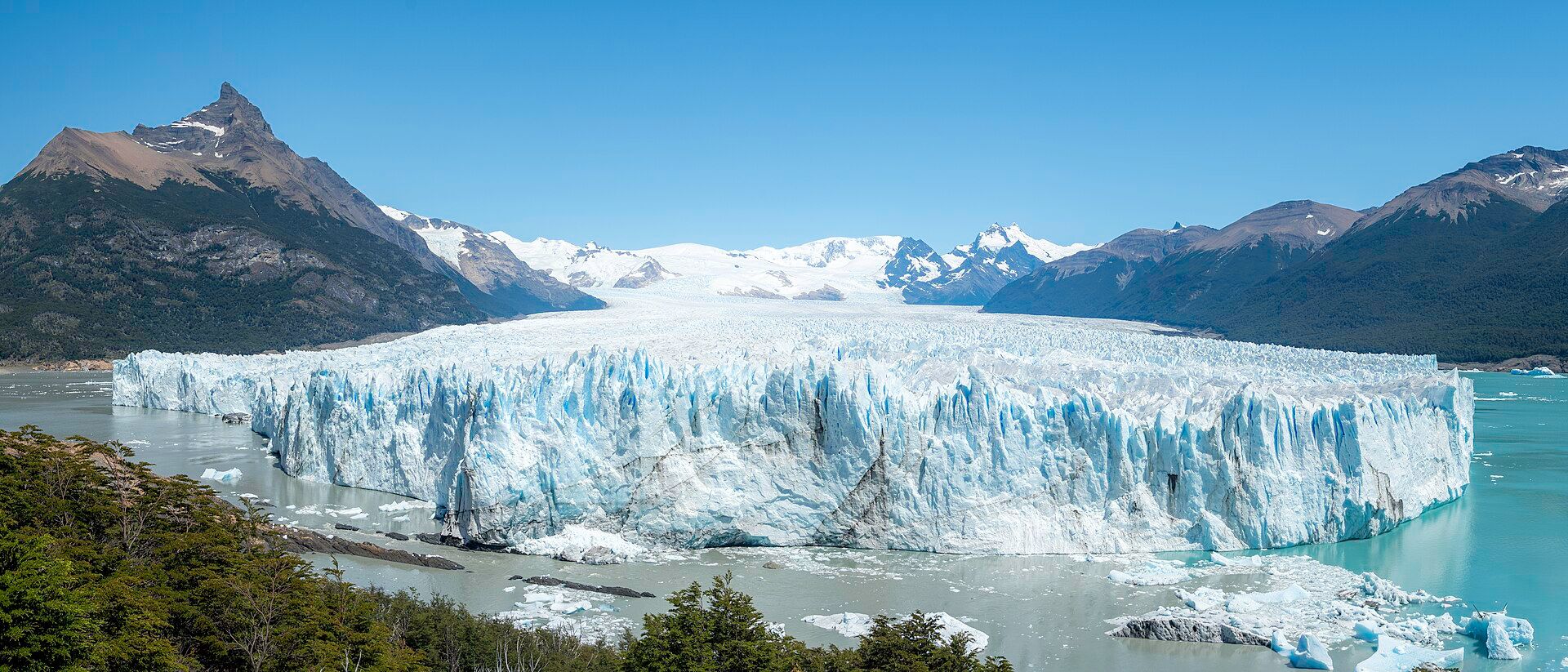
Perito Moreno flows off the Southern Patagonian Ice Field, ending in a face about five kilometres wide and some 70 metres high above the water of Lago Argentino. It is famously active: great blocks of ice break off and crash into the lake with a boom, and periodically the advancing glacier dams an arm of the lake until the rising water carves an ice bridge that spectacularly ruptures. Unusually among the world's big glaciers, it has remained close to equilibrium in recent decades. It anchors the UNESCO-listed Los Glaciares National Park.
Why visit
You can stand on boardwalks almost level with the ice front and watch (and hear) it calve — a rare, visceral encounter with a living glacier. Boat trips approach the face, and guided 'ice trekking' walks you out onto the glacier itself.
Still deciding?
Perito Moreno Glacier comes up most often against these — each one weighs cost, effort, season and crowds side by side.
What to know before you go
🗓️ Best time
The Patagonian summer (roughly November–March) for milder weather and long days; the glacier is accessible year-round, with winter offering snow and solitude.
🧭 Getting there & access
From El Calafate in Santa Cruz province, about 80 km to the park; boardwalks, boat tours, and guided ice treks are run by licensed operators.
Good to know
- Spend time on the boardwalks and just wait — the calving is unpredictable but frequent.
- Book a boat or ice-trek to appreciate the face's true scale.
- Dress for Patagonian wind and fast weather changes.
Plan your visit
Easy🧭 Getting there
From El Calafate, Santa Cruz, Argentina
- Fly Buenos Aires → El Calafate (FTE) — roughly 3h
- Drive El Calafate → the Perito Moreno boardwalks in Los Glaciares National Park — about 1h15–1h30
- Walk the tiered viewing balconies facing the glacier front
- Total travel
- Around 90 minutes from El Calafate
- Time at site
- Half a day at the balconies; a full day with ice-trekking
- Access
- The national park charges an entry fee at the gate, and the great advantage here over most glaciers is how easy it is to see: a network of steel boardwalks brings you right up to the calving front, no hike required. To go further and walk on the ice, the mini-trekking and full ice-trek trips are run by licensed operators only, with crampons provided, and must be booked ahead. There is no schedule to the calving — great blocks fall from the face at random, so the balconies reward simply sitting and waiting.
🎒 What to bring & consider
- Warm, windproof layers, because the wind coming off the ice makes the balconies far colder than El Calafate even in summer
- Patience at the railings, since the calving is unpredictable and the best falls reward whoever is still watching
- A booking made in advance if you want to walk on the ice, which is licensed-operator-only and fills up
- Sturdy shoes for the boardwalks and stairs, which are long and can be icy or wet
- A zoom or steady hand for the calving, plus the patience to keep the camera ready through long quiet spells
👁️ What to expect
- Crowds
- Busy on the main balconies at midday. Early and late, and the lower walkways, are calmer.
- Conditions
- Cold and windy at the ice face, but easy going on built boardwalks with no climbing required.
- Facilities
- Good — a visitor area with café and toilets, and boat trips from a nearby pier. Full services in El Calafate.
- The view
- A tower of ice shearing off the blue face and crashing into the channel, from the central balcony. It is entirely a waiting game; the sound of the crack comes before the fall, giving you a half-second to react.
Times and requirements are approximate and change with season, weather, and local rules — confirm permits, fares, and schedules with operators before you travel.
Natural riches of the area
- The Southern Patagonian Ice Field and its glaciers
- Freshwater stored in and released by the ice
- Lago Argentino and Patagonian steppe/forest ecosystems
- Guanacos, condors, and southern wildlife nearby
Local food
- Patagonian lamb
- Slow-roasted over open fire (cordero al palo), a Patagonian tradition.
- Asado
- The Argentine grilled-meat feast, central to the culture.
- Calafate berries
- The dark Patagonian berry that names El Calafate, made into jams and sweets.
Perito Moreno is a glacier you experience with your ears as much as your eyes. Flowing off the immense Southern Patagonian Ice Field, it ends in a wall of blue-white ice about five kilometres across and some 70 metres tall above Lago Argentino — and it is constantly on the move. Blocks the size of buildings shear off the face and crash into the lake with a report like thunder, sending waves across the water.
Every so often it does something even more dramatic: the advancing ice dams an arm of the lake, the water rises, and eventually it tunnels through to form an ice bridge that collapses in a spectacular rupture. Remarkably, while most of the world’s great glaciers are retreating fast, Perito Moreno has stayed roughly in balance in recent decades. From the boardwalks of Los Glaciares National Park you can stand almost level with the ice and simply wait — sooner or later, the glacier will speak.
Perito Moreno Glacier: common questions
How do you get to Perito Moreno Glacier?
From El Calafate, Santa Cruz, Argentina: Fly Buenos Aires → El Calafate (FTE) — roughly 3h; Drive El Calafate → the Perito Moreno boardwalks in Los Glaciares National Park — about 1h15–1h30; Walk the tiered viewing balconies facing the glacier front. Total travel time: Around 90 minutes from El Calafate.
When is the best time to visit Perito Moreno Glacier?
The Patagonian summer (roughly November–March) for milder weather and long days; the glacier is accessible year-round, with winter offering snow and solitude.
How long should you spend at Perito Moreno Glacier?
Half a day at the balconies; a full day with ice-trekking. Total travel time: Around 90 minutes from El Calafate.
What should you bring to Perito Moreno Glacier?
Warm, windproof layers, because the wind coming off the ice makes the balconies far colder than El Calafate even in summer Patience at the railings, since the calving is unpredictable and the best falls reward whoever is still watching A booking made in advance if you want to walk on the ice, which is licensed-operator-only and fills up Sturdy shoes for the boardwalks and stairs, which are long and can be icy or wet A zoom or steady hand for the calving, plus the patience to keep the camera ready through long quiet spells
Do you need a permit or guide for Perito Moreno Glacier?
The national park charges an entry fee at the gate, and the great advantage here over most glaciers is how easy it is to see: a network of steel boardwalks brings you right up to the calving front, no hike required. To go further and walk on the ice, the mini-trekking and full ice-trek trips are run by licensed operators only, with crampons provided, and must be booked ahead. There is no schedule to the calving — great blocks fall from the face at random, so the balconies reward simply sitting and waiting.
Is Perito Moreno Glacier crowded, and what are conditions like?
Busy on the main balconies at midday. Early and late, and the lower walkways, are calmer. Cold and windy at the ice face, but easy going on built boardwalks with no climbing required. Facilities: Good — a visitor area with café and toilets, and boat trips from a nearby pier. Full services in El Calafate.
Added Updated
More wonders to explore