Wadi Al-Hitan
📍 Faiyum Governorate, Western Desert, Egypt
A stretch of Egyptian desert holding the best fossil record anywhere of whales learning to leave the land — hundreds of skeletons of archaic whales, some still with hind legs, lying where a shallow sea left them.
What makes it marvelous
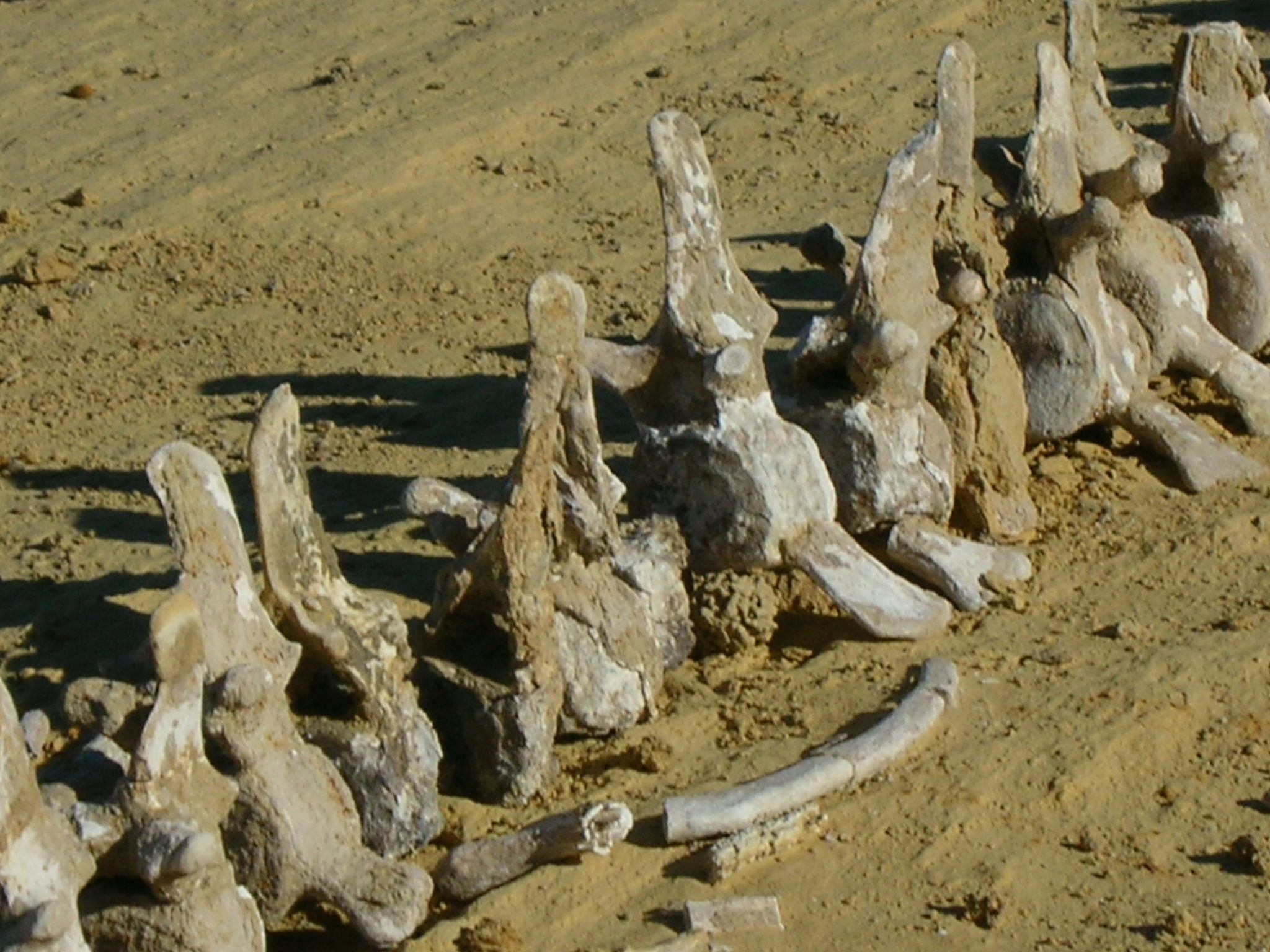
Wadi Al-Hitan preserves a transition that is otherwise mostly inferred. Around 38 to 36 million years ago this was the floor of the Tethys Sea, and the whales swimming in it were not yet fully committed to the water — Basilosaurus isis and Dorudon atrox still carried small hind limbs, the vestiges of the legs their ancestors had walked on. Hundreds of skeletons have been found here, many of them close to complete, along with sea cows, sharks, rays, turtles, crocodiles and bony fish from the same seabed. The concentration and the quality of preservation are what make it exceptional: nowhere else shows this stage of whale evolution so densely or so clearly. It was inscribed by UNESCO in 2005 as Egypt's first natural World Heritage Site — a country whose listings until then had all been archaeological.
Why visit
It is one of very few places where you can walk through an open-air fossil site and see the specimens where they were found, rather than reassembled behind glass. The setting adds to it: wind-carved sandstone, dunes and a silence that makes the scale of the timescale easier to feel. A small museum on site shelters the most complete skeleton.
What to know before you go
🗓️ Best time
October to April, when desert temperatures are manageable. Winter days are pleasant and nights cold. Avoid the summer months entirely — this is open desert with almost no shade, and midsummer heat here is genuinely hazardous.
🧭 Getting there & access
Roughly 3 hours by road from Cairo via Faiyum, the last stretch on desert track that needs a 4x4. Most visitors come on an organised day trip or with a hired driver and guide. There is a site entry fee, and a marked walking trail links the main fossil localities and the museum.
Good to know
- Come between October and April; the summer heat here is not a matter of comfort but of safety.
- A 4x4 and a driver who knows the route are effectively required for the final desert track.
- Stay on the marked trail — the fossils are exposed at the surface and are fragile.
- Bring far more water than feels necessary; there is no shade and no supply on the trail.
Plan your visit
Easy🧭 Getting there
From Cairo (CAI), Egypt
- Fly into Cairo
- Drive southwest to Faiyum, roughly 2 hours
- Continue by 4x4 on desert track to the protected area
- Walk the marked trail between the fossil localities and the museum
- Total travel
- A long day trip from Cairo
- Time at site
- 2–3 hours on the trail, plus the museum
- Access
- A site entry fee applies. The last stretch of the approach is unsealed desert track and needs a 4x4 — ordinary cars do not make it. Visitors must stay on the marked trail; the fossils lie exposed at the surface and removing or handling material is prohibited.
🎒 What to bring & consider
- Several litres of water per person; there is no shade and nothing to buy on site
- Sun protection, a hat and covered arms for open desert
- Warm layers if staying to dusk — desert nights drop fast in winter
- A 4x4 with a driver who knows the route
- Cash in Egyptian pounds for the entry fee and the driver
👁️ What to expect
- Crowds
- Very light. This is a long way off the standard Egypt itinerary and you may have the trail largely to yourself.
- Conditions
- Open desert — hot, dry, bright and exposed, with soft sand underfoot on parts of the trail.
- Facilities
- A small site museum, shade shelters and toilets at the entrance; nothing further out.
- The view
- Low winter light raking across an exposed skeleton with wind-carved sandstone behind it.
Times and requirements are approximate and change with season, weather, and local rules — confirm permits, fares, and schedules with operators before you travel.
Natural riches of the area
- Hundreds of archaic whale skeletons from the late Eocene, roughly 38–36 million years old
- Basilosaurus isis and Dorudon atrox specimens retaining vestigial hind limbs
- Associated fossil sea cows, sharks, rays, turtles, crocodiles and bony fish
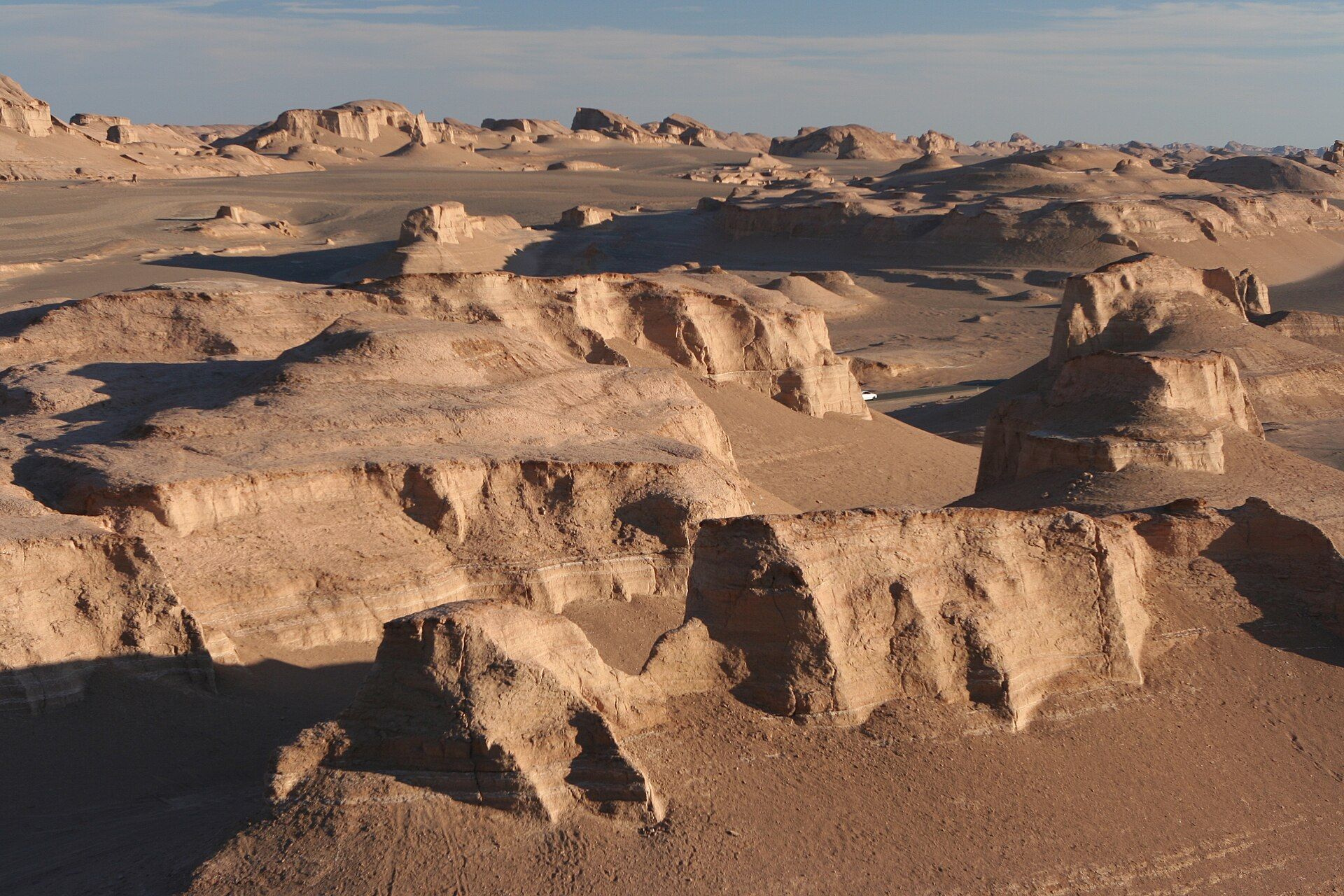
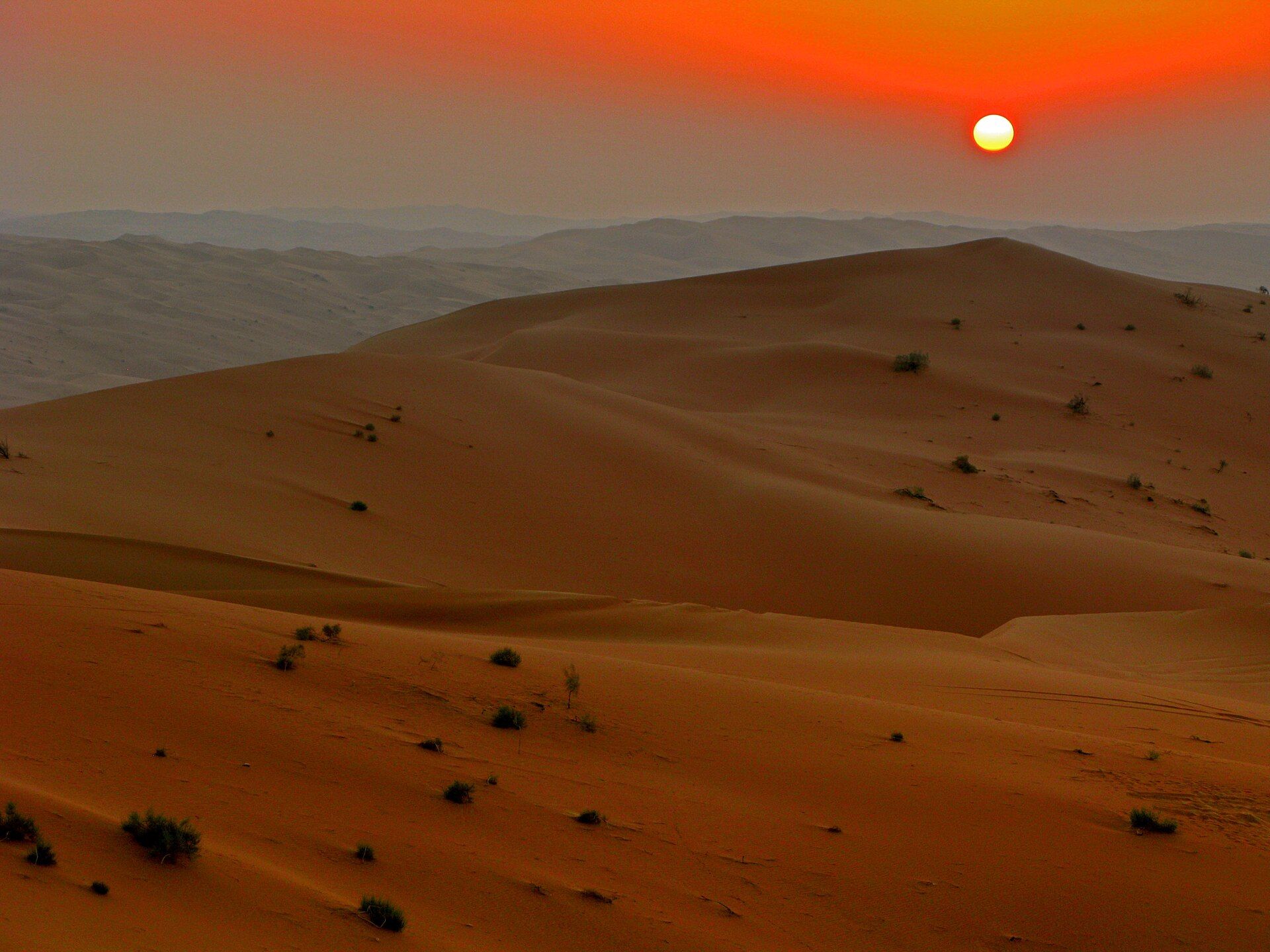
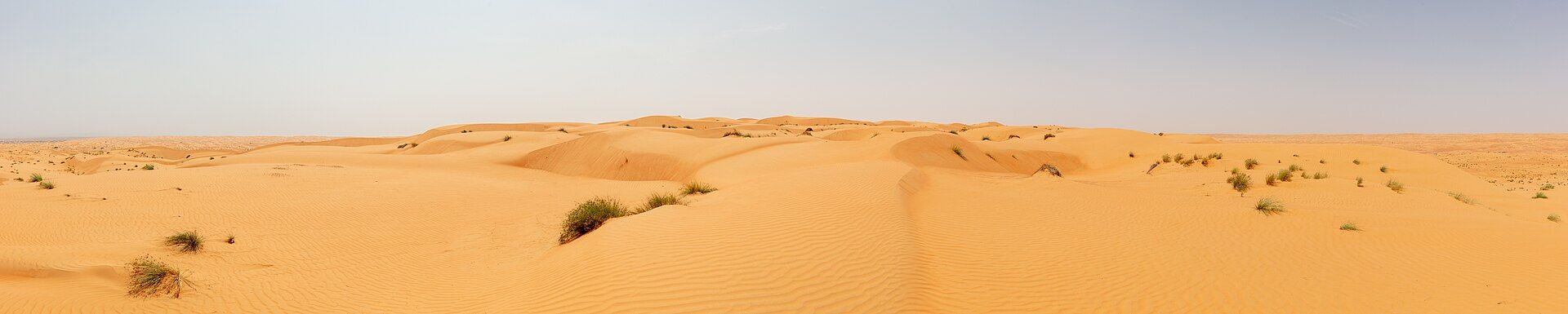
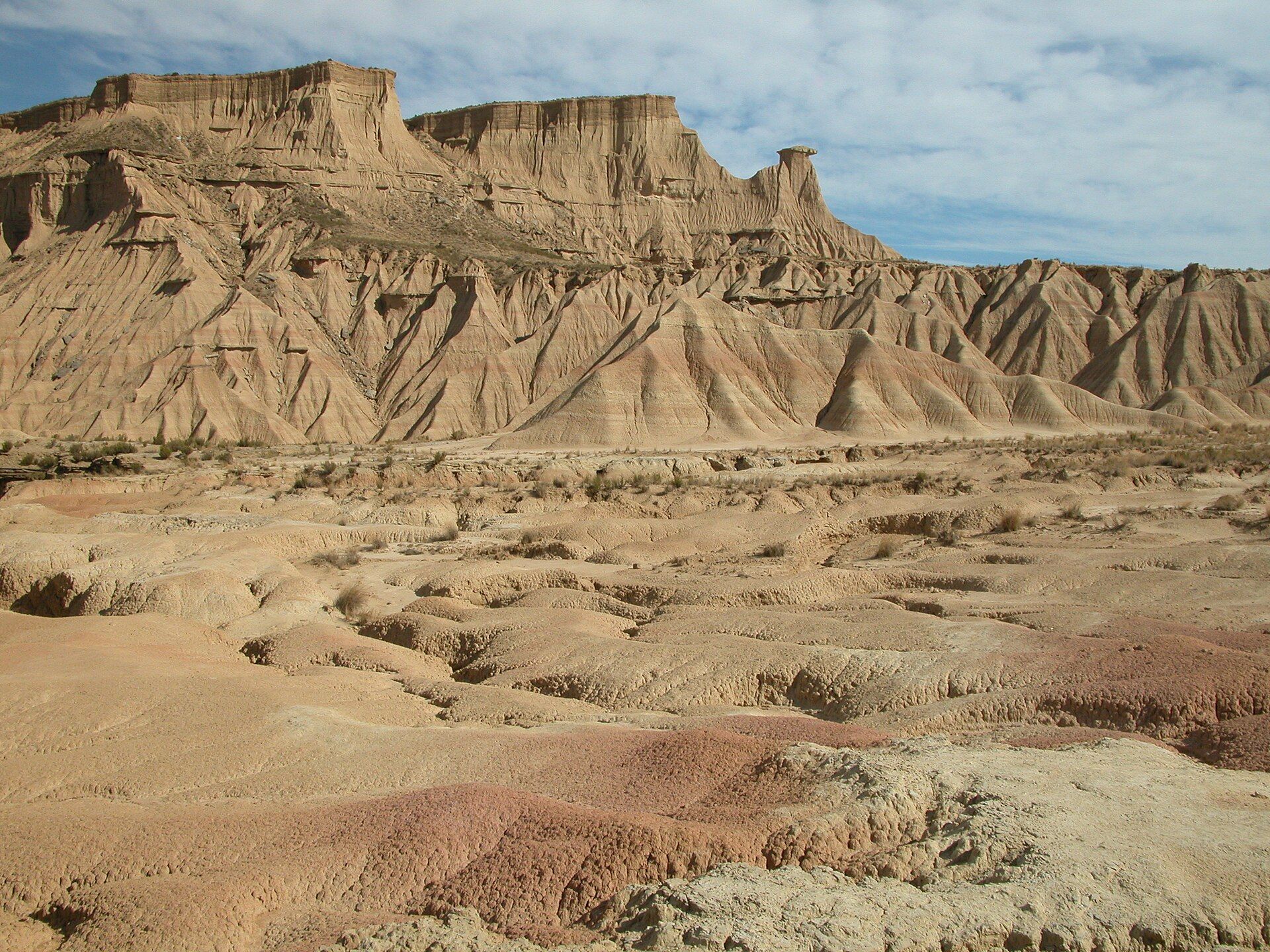
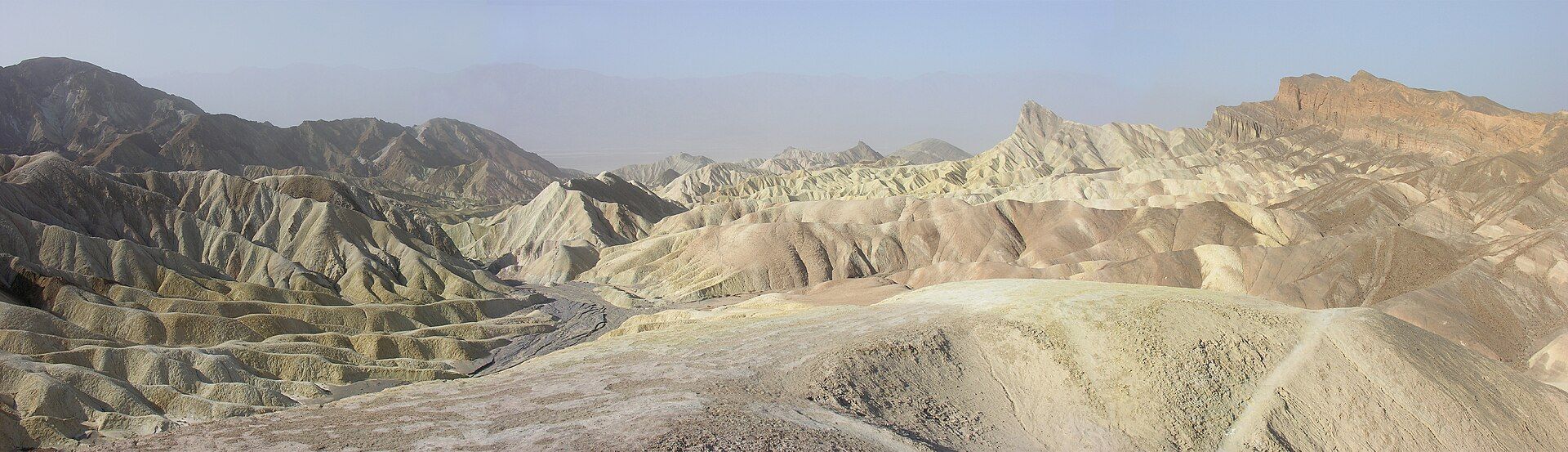
- Wind-eroded sandstone forms and dune fields across the former seabed
Local food
- Koshari
- Egypt's everyday plate of rice, lentils, pasta and fried onion in tomato sauce.
- Ful medames
- Slow-cooked fava beans, the standard Egyptian breakfast.
- Faiyum dates and citrus
- Grown in the oasis depression on the way out from Cairo.
- Feseekh and fresh lake fish
- From Lake Qarun in the Faiyum, the remnant of a far larger ancient lake.
Whales began as land animals, and Wadi Al-Hitan is where that sentence stops being an assertion and becomes something you can walk past. Around 38 to 36 million years ago this patch of Egyptian desert was the floor of the Tethys Sea. The whales swimming above it — Basilosaurus isis and Dorudon atrox — were already committed to the water in most respects, but they still carried small hind limbs: the shrunken remainder of the legs their ancestors had used on land.
Hundreds of skeletons have come out of these sediments, many close to complete, and alongside them the rest of the ecosystem — sea cows, sharks, rays, turtles, crocodiles, bony fish. That density and completeness is why the site matters. Other places preserve fragments of the same transition; nowhere else preserves it so clearly or in such quantity. UNESCO inscribed it in 2005, and it was the first natural World Heritage Site in a country whose listings had until then been entirely archaeological. The specimens lie where they weathered out, on a marked trail through wind-carved sandstone, which is a strange and effective way to be handed forty million years.
Wadi Al-Hitan: common questions
How do you get to Wadi Al-Hitan?
From Cairo (CAI), Egypt: Fly into Cairo; Drive southwest to Faiyum, roughly 2 hours; Continue by 4x4 on desert track to the protected area; Walk the marked trail between the fossil localities and the museum. Total travel time: A long day trip from Cairo.
When is the best time to visit Wadi Al-Hitan?
October to April, when desert temperatures are manageable. Winter days are pleasant and nights cold. Avoid the summer months entirely — this is open desert with almost no shade, and midsummer heat here is genuinely hazardous.
How long should you spend at Wadi Al-Hitan?
2–3 hours on the trail, plus the museum. Total travel time: A long day trip from Cairo.
What should you bring to Wadi Al-Hitan?
Several litres of water per person; there is no shade and nothing to buy on site Sun protection, a hat and covered arms for open desert Warm layers if staying to dusk — desert nights drop fast in winter A 4x4 with a driver who knows the route Cash in Egyptian pounds for the entry fee and the driver
Do you need a permit or guide for Wadi Al-Hitan?
A site entry fee applies. The last stretch of the approach is unsealed desert track and needs a 4x4 — ordinary cars do not make it. Visitors must stay on the marked trail; the fossils lie exposed at the surface and removing or handling material is prohibited.
Is Wadi Al-Hitan crowded, and what are conditions like?
Very light. This is a long way off the standard Egypt itinerary and you may have the trail largely to yourself. Open desert — hot, dry, bright and exposed, with soft sand underfoot on parts of the trail. Facilities: A small site museum, shade shelters and toilets at the entrance; nothing further out.
Added
More wonders to explore