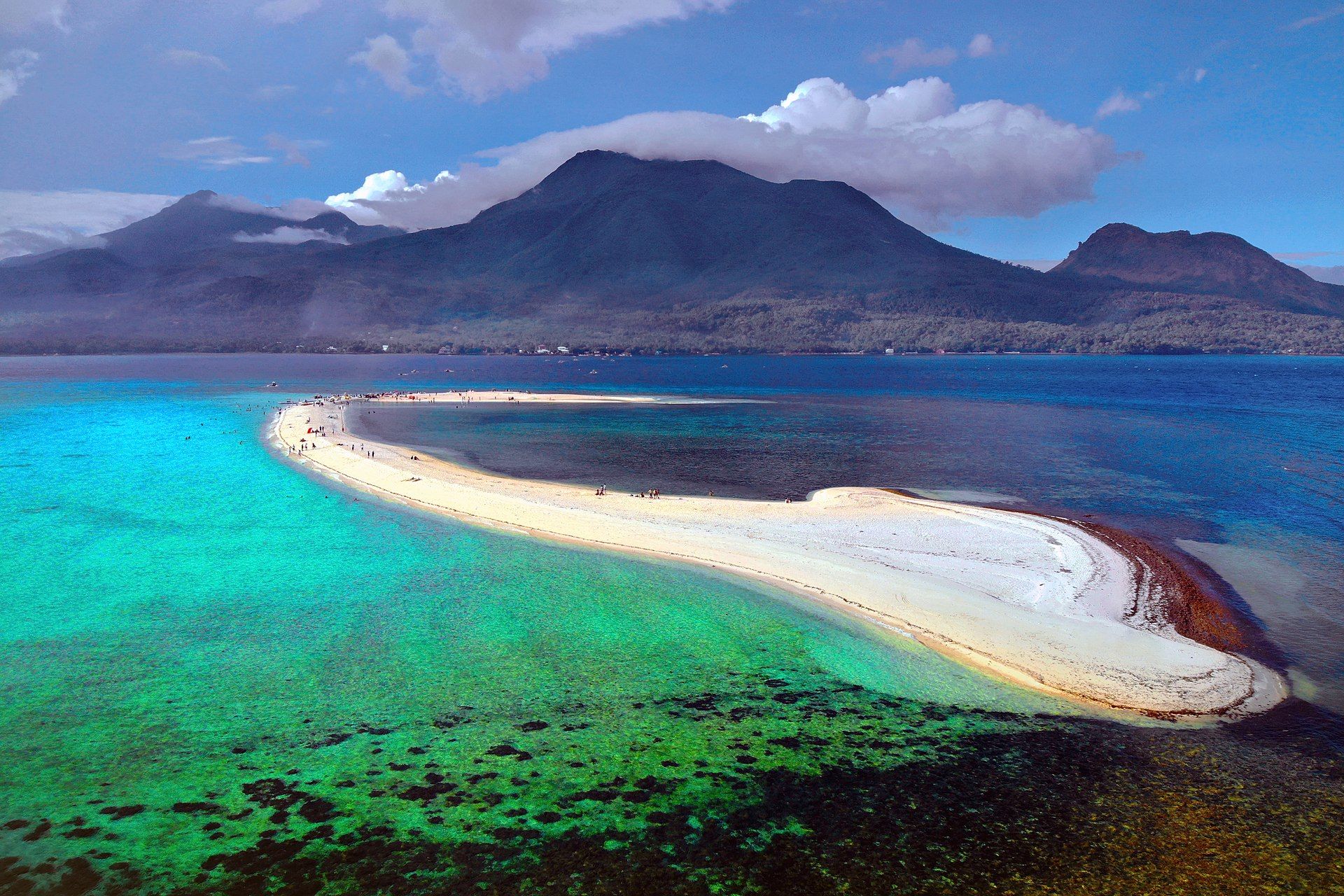
The Farasan Islands
📍 Red Sea, off Jazan, southwestern Saudi Arabia
A low, coral-fringed archipelago in the southern Red Sea — turquoise shallows, mangroves, and reefs that shelter dugongs, nesting seabirds, and a gazelle found nowhere else.
What makes it marvelous
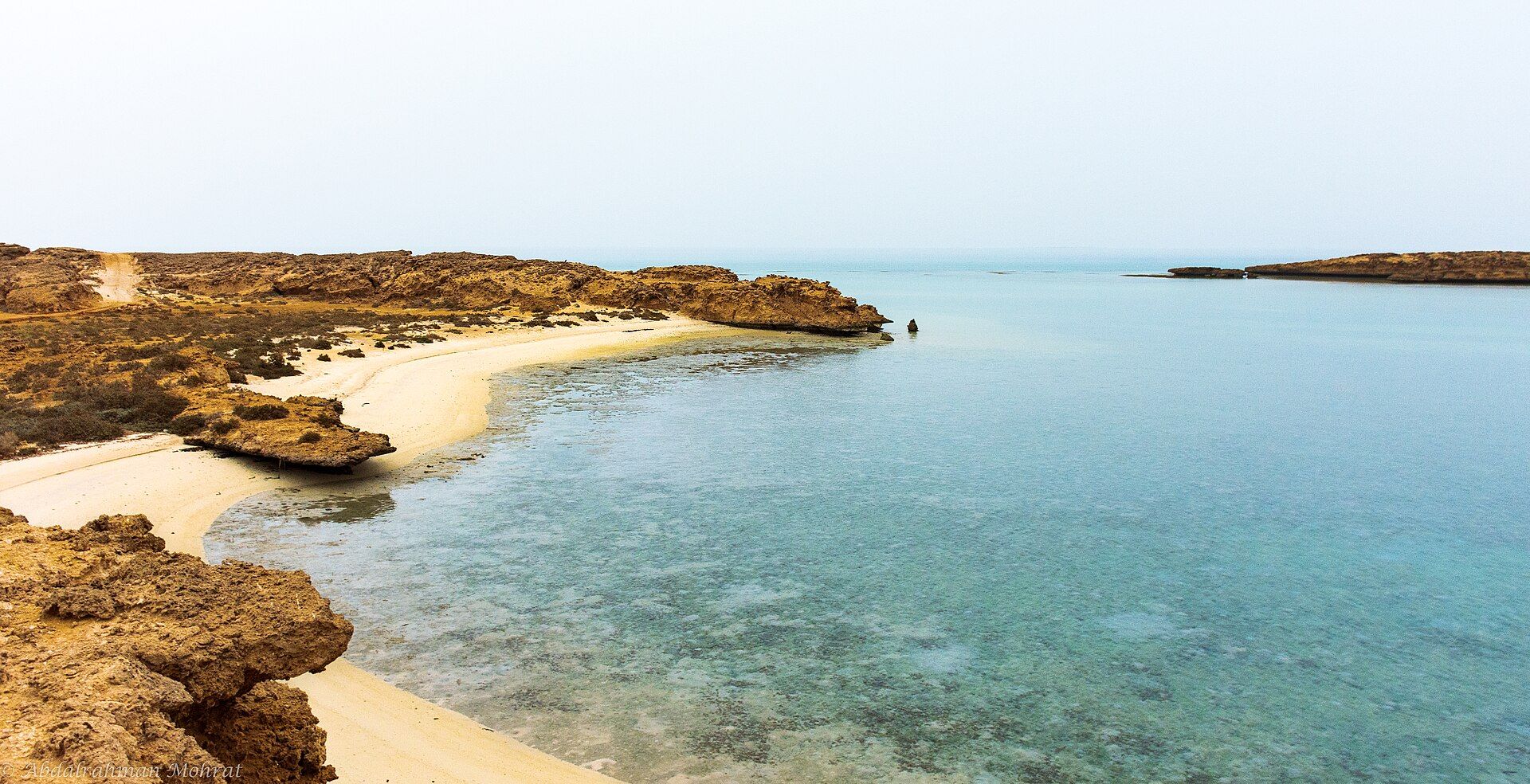
The Farasan Islands are a cluster of low coral islands off Saudi Arabia's southern Red Sea coast, built on ancient reef limestone lifted just above the waves. Ringed by fringing reefs and turquoise shallows and threaded with mangroves, they form one of the richest marine environments in the Red Sea, protected as a national nature reserve. The islands shelter the endemic Farasan gazelle, large colonies of nesting seabirds, dugongs grazing the seagrass, and each spring a famous run of migrating parrotfish.
Why visit
Farasan offers empty white beaches, warm clear water, and reefs alive with colour, far from the crowds of the better-known Red Sea coasts. Beyond the marine life, the main island holds coral-stone heritage houses and old pearling history, and the sheer remoteness — reached by a long ferry from the mainland — lends it a real sense of discovery. It is Saudi Arabia's quiet island wilderness.
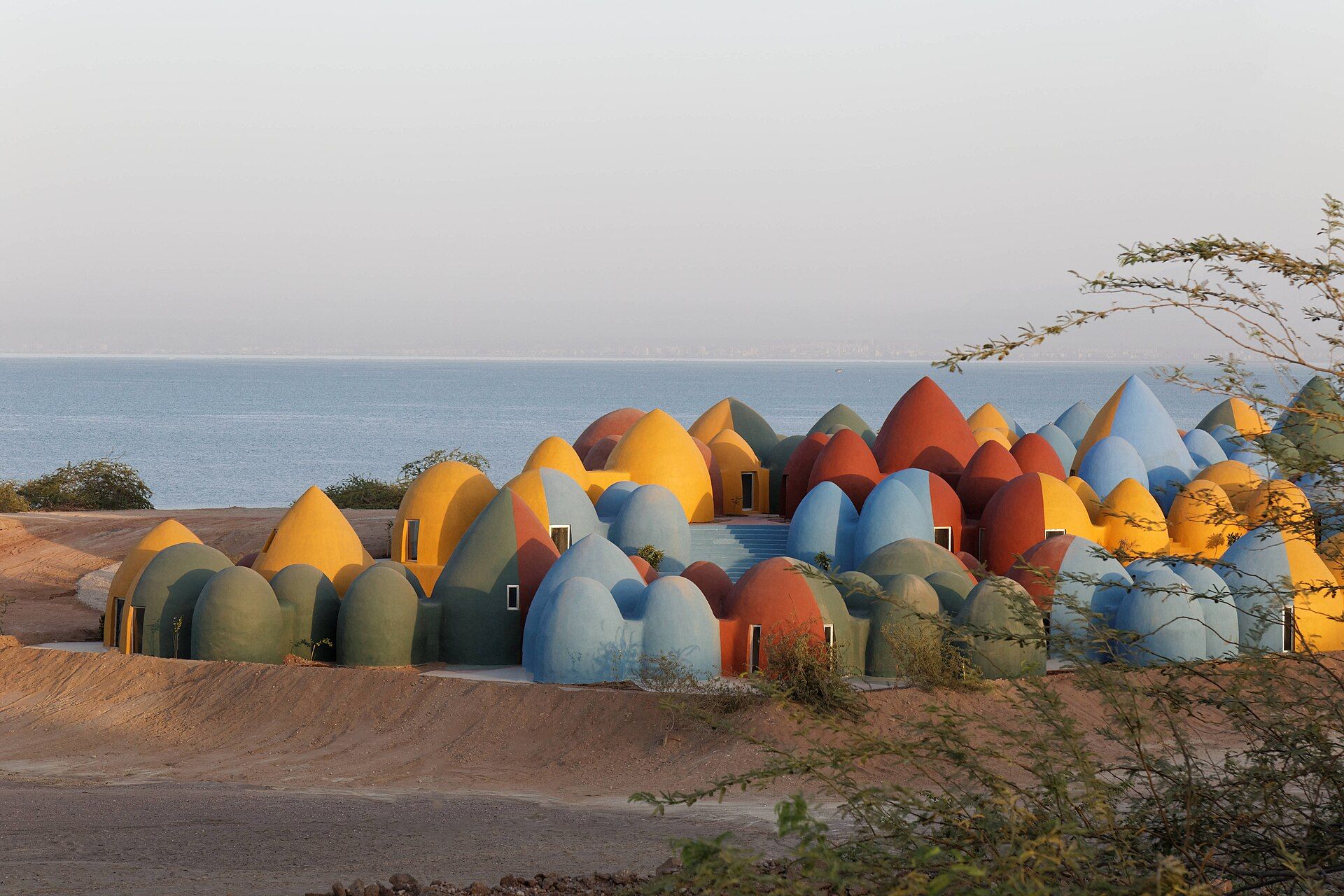
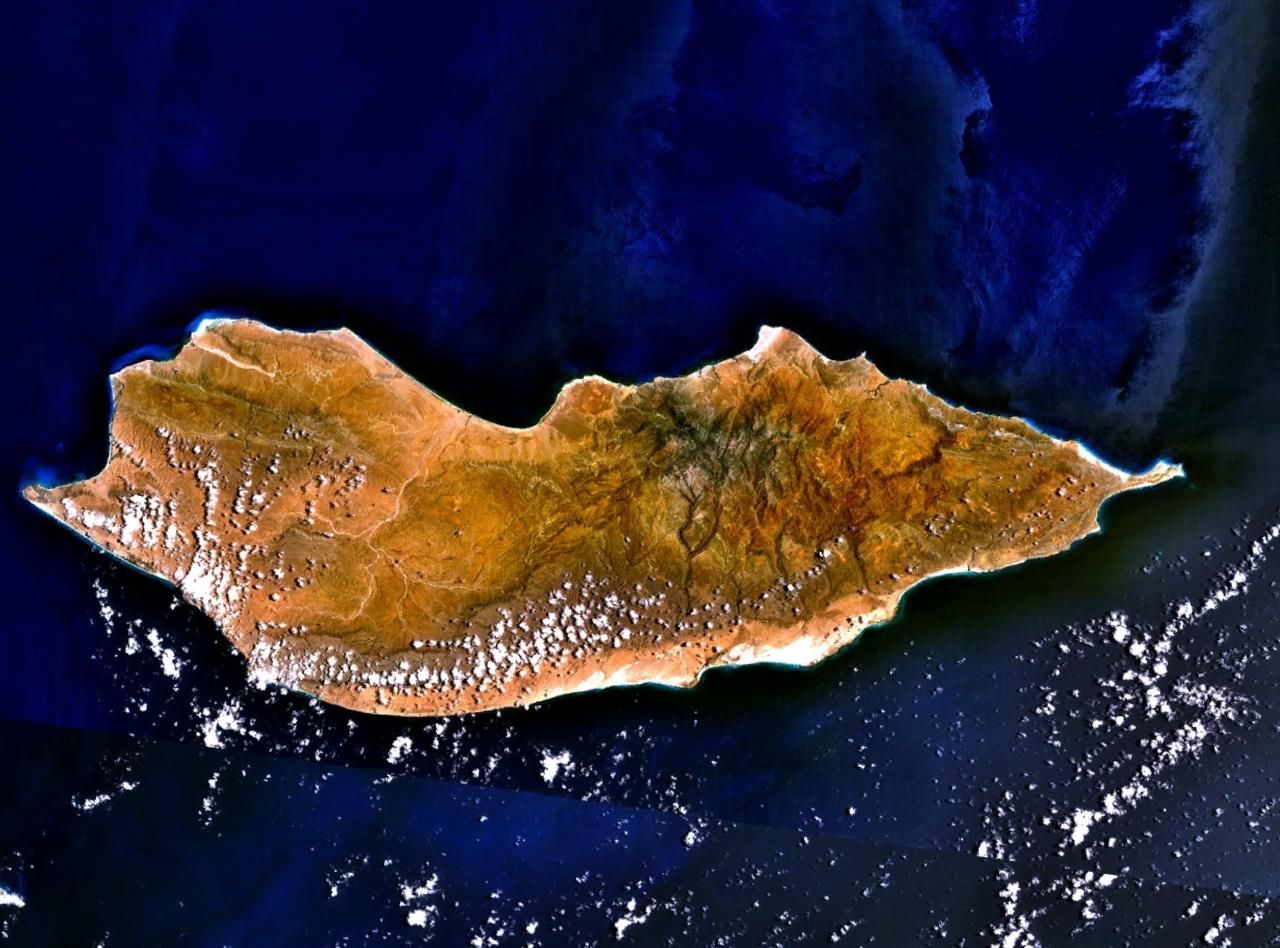
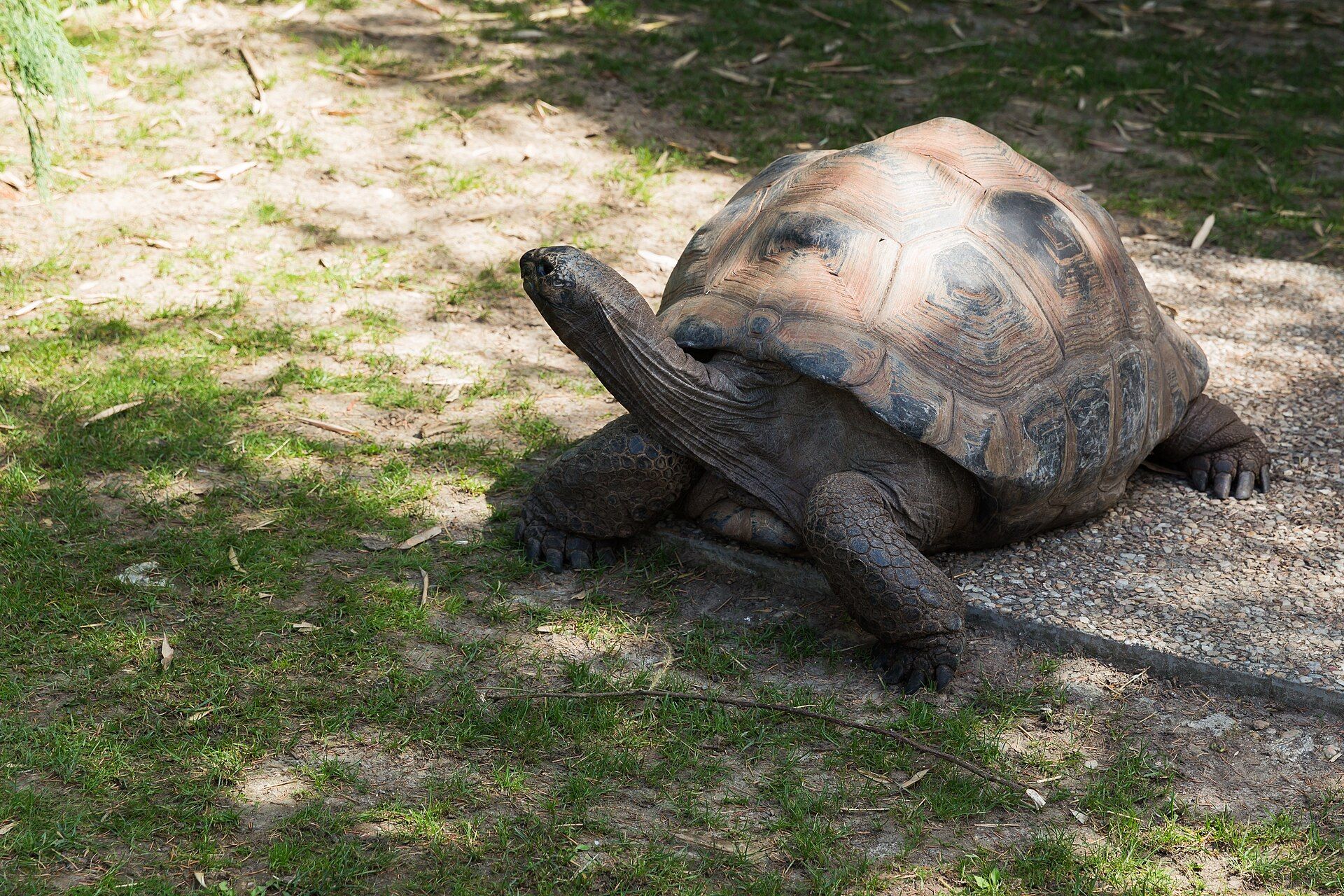
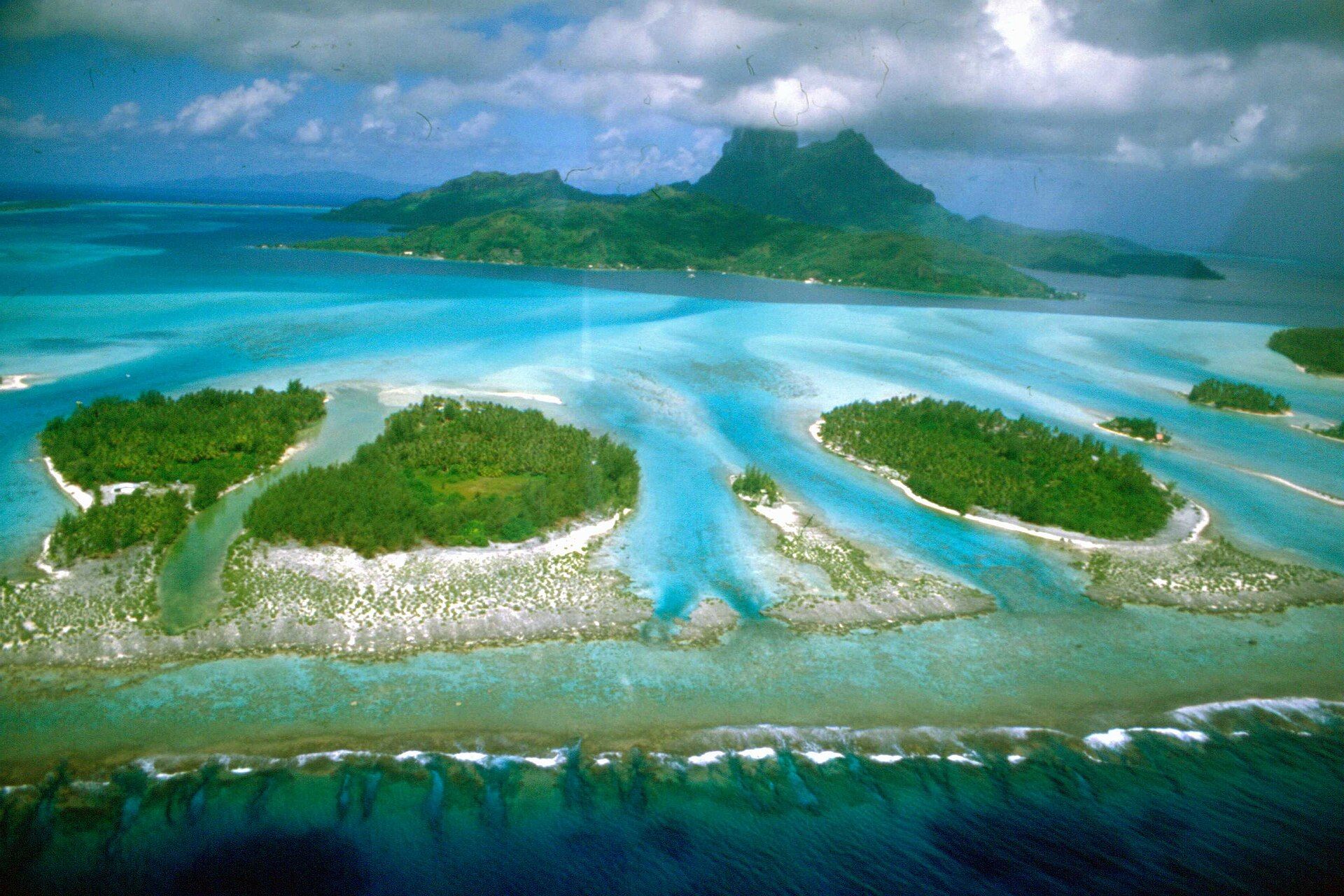
More views of The Farasan Islands
Additional photographs of the actual site — each freely licensed, with its photographer and licence credited.
What to know before you go
🗓️ Best time
The cooler months of roughly October to April for comfortable temperatures on the low, hot islands; the water is warm and inviting year-round.
🧭 Getting there & access
Reached by a car-and-passenger ferry (around an hour or more) from the port of Jazan in Saudi Arabia's far southwest, which has an airport with domestic flights. The islands are explored by road and boat; some areas are protected reserve.
Good to know
- Check the ferry timetable carefully and book vehicle space ahead in busy periods.
- Bring your own snorkelling gear; facilities on the islands are limited.
- Respect the nature reserve — keep off the reefs and away from nesting birds.
Plan your visit
Easy🧭 Getting there
From Jazan (GIZ), southwestern Saudi Arabia
- Fly to Jazan
- Ferry from Jazan port to Farasan — around an hour or more across the water
- Explore the islands by road, with boat trips to reefs and smaller isles
- Total travel
- Most of a day to reach; best as an overnight or multi-day stay
- Time at site
- 2–3 days for the beaches, reefs, and island heritage
- Access
- The free or low-cost ferry runs to a timetable and can fill up; parts of the archipelago are a protected reserve with access rules. Facilities are limited, so plan supplies and accommodation ahead.
🎒 What to bring & consider
- Sun protection and plenty of water for the low, exposed islands
- Your own snorkel gear and reef-safe sunscreen
- Modest clothing in keeping with local custom
- Cash and supplies; services on the islands are basic
👁️ What to expect
- Crowds
- Quiet and remote, busier around Saudi weekends and holidays; long stretches of empty beach are the norm.
- Conditions
- Hot, flat islands with warm, clear water; simple infrastructure and long ferry crossings.
- Facilities
- A few guesthouses and shops on the main island; little on the outer isles.
- The view
- Turquoise shallows meeting white sand and reef, or coral-stone heritage houses. Clear water and the cooler season make for the best visits.
Times and requirements are approximate and change with season, weather, and local rules — confirm permits, fares, and schedules with operators before you travel.
Natural riches of the area
- Coral reefs, seagrass beds, and turquoise shallows
- Mangroves and low coral-limestone islands
- The endemic Farasan gazelle and nesting seabird colonies
- Dugongs and a spring migration of parrotfish
Local food
- Fresh Red Sea fish
- Grilled or spiced fish landed daily around the islands and Jazan coast.
- Sayadeyah
- A fragrant Red Sea dish of fish served over spiced rice.
The Farasan Islands are Saudi Arabia’s quiet island wilderness, scattered across the warm southern Red Sea off the Jazan coast. Low and coral-built, lifted just clear of the sea on ancient reef limestone, they are ringed by fringing reefs, turquoise shallows, and mangroves that together make one of the richest marine areas in the Red Sea — rich enough to be protected as a national reserve. Dugongs graze the seagrass, seabirds nest in great colonies, an endemic gazelle roams the scrub, and each spring huge shoals of parrotfish migrate through the channels.
For visitors, the draw is empty white beaches, clear warm water, and reefs full of colour, all far from the busier Red Sea resorts. The main island adds coral-stone heritage houses and old pearling history, and the long ferry from the mainland gives the whole trip a genuine sense of reaching somewhere remote. In a country better known for its deserts, Farasan is a reminder that Saudi Arabia also holds a wild and beautiful sea.
The Farasan Islands: common questions
How do you get to The Farasan Islands?
From Jazan (GIZ), southwestern Saudi Arabia: Fly to Jazan; Ferry from Jazan port to Farasan — around an hour or more across the water; Explore the islands by road, with boat trips to reefs and smaller isles. Total travel time: Most of a day to reach; best as an overnight or multi-day stay.
When is the best time to visit The Farasan Islands?
The cooler months of roughly October to April for comfortable temperatures on the low, hot islands; the water is warm and inviting year-round.
How long should you spend at The Farasan Islands?
2–3 days for the beaches, reefs, and island heritage. Total travel time: Most of a day to reach; best as an overnight or multi-day stay.
What should you bring to The Farasan Islands?
Sun protection and plenty of water for the low, exposed islands Your own snorkel gear and reef-safe sunscreen Modest clothing in keeping with local custom Cash and supplies; services on the islands are basic
Do you need a permit or guide for The Farasan Islands?
The free or low-cost ferry runs to a timetable and can fill up; parts of the archipelago are a protected reserve with access rules. Facilities are limited, so plan supplies and accommodation ahead.
Is The Farasan Islands crowded, and what are conditions like?
Quiet and remote, busier around Saudi weekends and holidays; long stretches of empty beach are the norm. Hot, flat islands with warm, clear water; simple infrastructure and long ferry crossings. Facilities: A few guesthouses and shops on the main island; little on the outer isles.
Added
More wonders to explore