Lut Desert
📍 Kerman & Sistan provinces, southeastern Iran
One of the hottest and most surreal deserts on Earth — a sea of wind-carved ridges called kaluts that stretch to the horizon, where satellites have recorded record land-surface temperatures.
What makes it marvelous
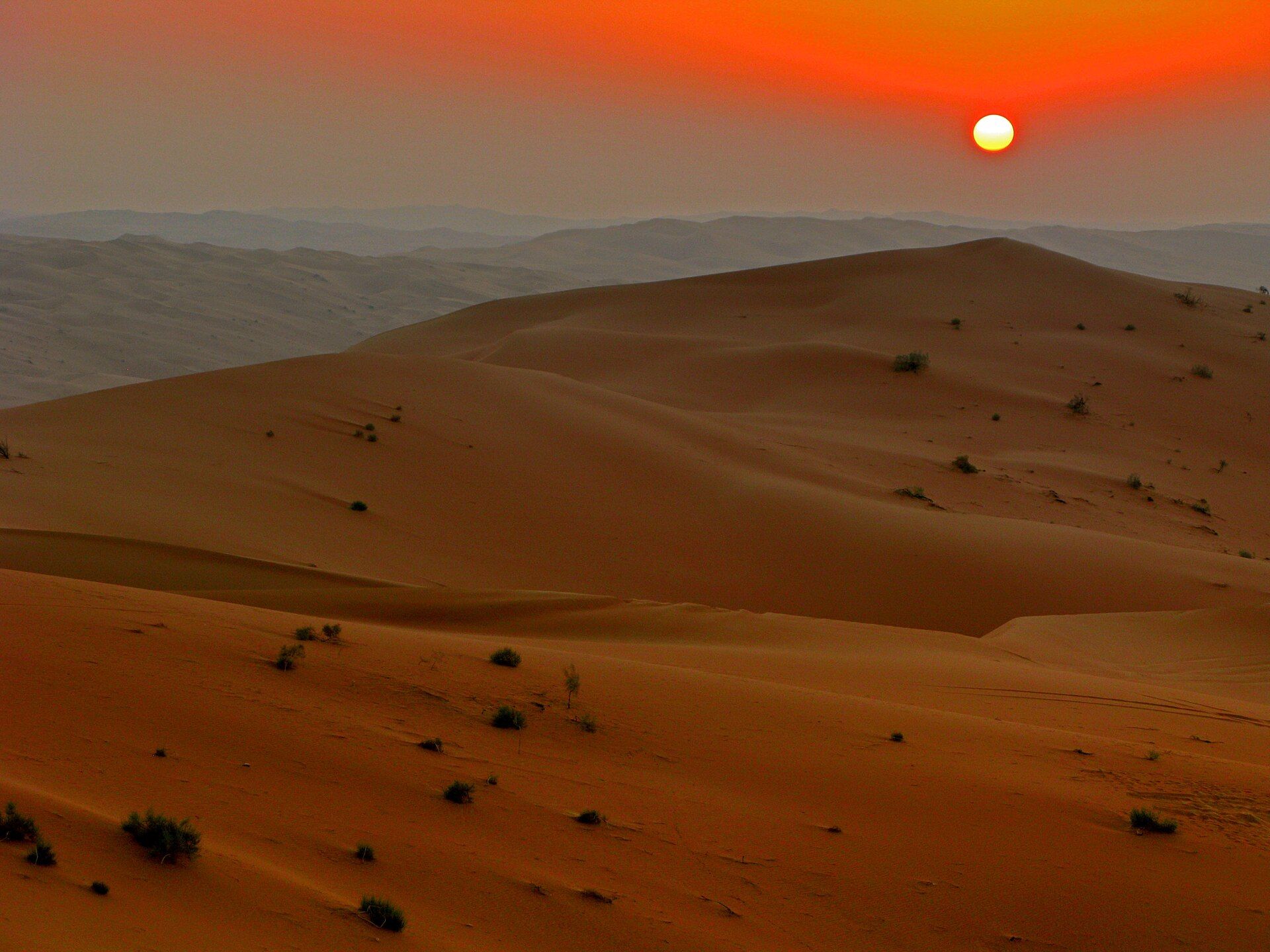
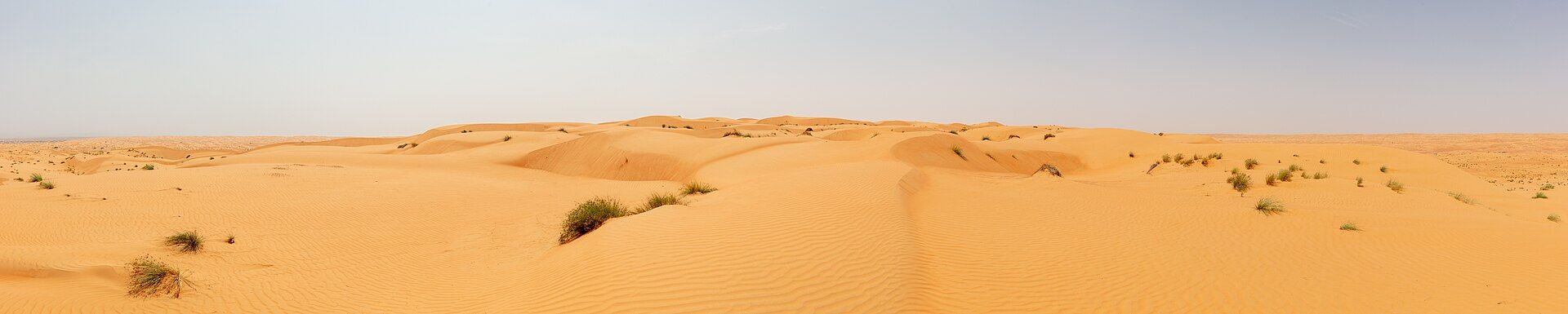
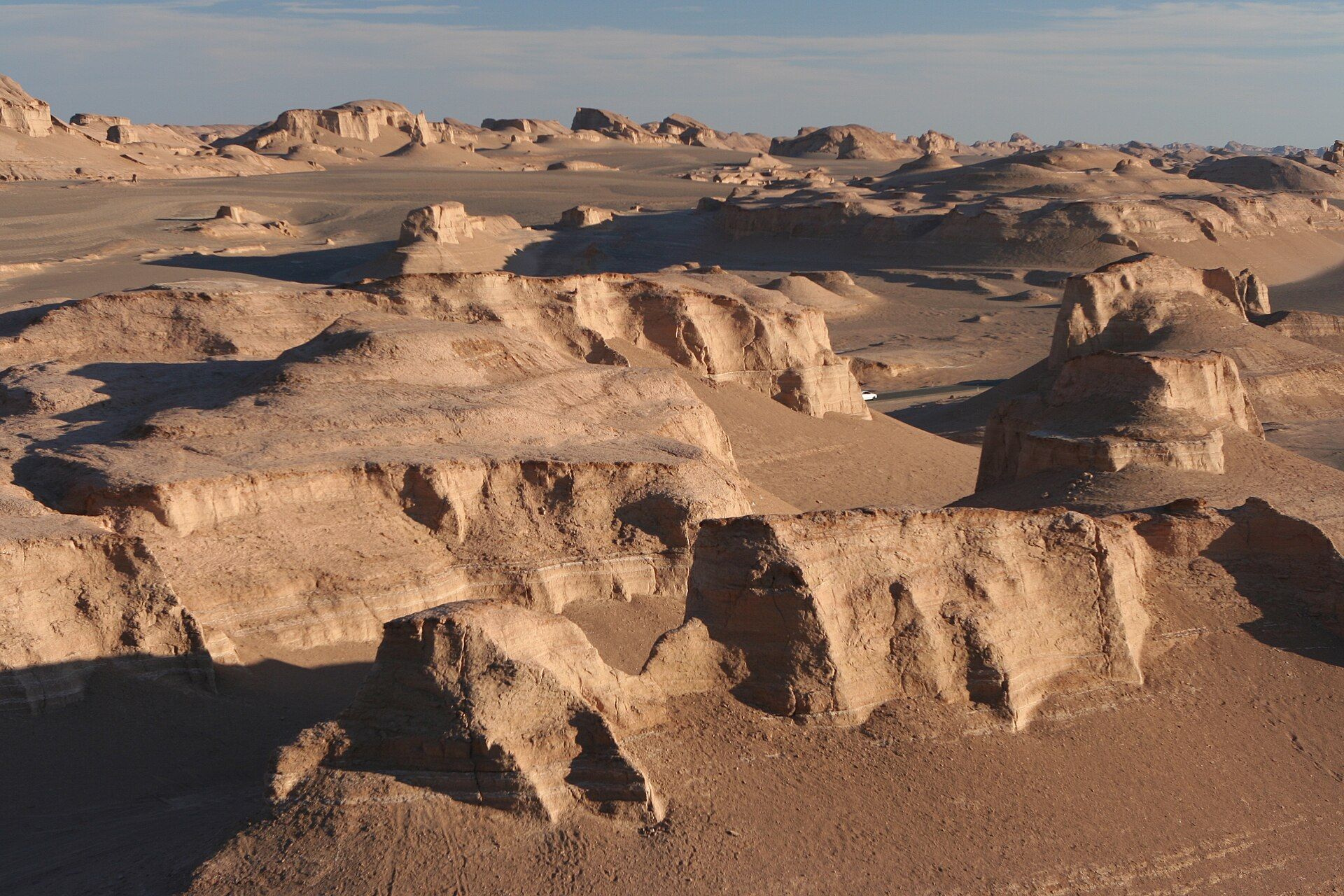
The Dasht-e Lut is a vast desert where relentless wind has sculpted the dried sediment of ancient lakebeds into kaluts — colossal parallel ridges and corridors, some hundreds of metres long, that resemble a ruined city stretching for miles. Elsewhere the desert holds towering sand dunes and salt plains. It is also one of the hottest places on the planet: satellites have measured land-surface temperatures here around 70°C, among the highest ever recorded, and in 2016 it became Iran's first natural UNESCO World Heritage Site.
Why visit
Standing among the kaluts at sunset, as the ridges glow gold and cast enormous shadows across the emptiness, is one of the most otherworldly desert experiences anywhere. The extreme dryness makes the Lut almost sterile and utterly silent, and its clear, unpolluted night skies blaze with stars — a landscape that feels less like Earth than another planet.
What to know before you go
🗓️ Best time
Autumn to spring (roughly October to April) is the only sensible time; summer surface heat here is genuinely among the most extreme on Earth and dangerous.
🧭 Getting there & access
Reached on guided desert trips from the city of Kerman in southeastern Iran, or from the oasis town of Shahdad on the desert's edge. There are no facilities in the desert itself; visits are by 4x4 with local guides who know the tracks.
Good to know
- Only visit outside the summer, and always with an experienced local guide and a 4x4.
- Carry far more water than you think, plus sun protection and shade.
- Stay for sunset and the stars — the low light and dark skies are the whole point.
Plan your visit
Moderate🧭 Getting there
From Kerman (KER), southeastern Iran
- Fly to Kerman
- Road to Shahdad on the edge of the desert — about 1h30
- 4x4 with a guide out among the kaluts, especially for sunset
- Total travel
- A full day or overnight from Kerman
- Time at site
- Half a day to overnight; sunset and night skies are the highlights
- Access
- No permit for the accessible areas, but the desert has no services, no shade, and no water — visits are practically only possible with a local guide and a suitable vehicle. Summer travel is hazardous and generally avoided.
🎒 What to bring & consider
- A large supply of water, plus electrolyte and food
- Sun protection, a hat, and something to make shade
- Warm layers for cold desert nights, especially in winter
- A trusted local guide, a 4x4, and someone who knows you're out there
👁️ What to expect
- Crowds
- Very few visitors; you may have the kaluts almost to yourself, especially away from the main sunset spots near Shahdad.
- Conditions
- Extreme heat by day even in the cooler months, cold nights, no facilities, and soft sand that needs a capable vehicle.
- Facilities
- Simple guesthouses in Shahdad; nothing in the desert itself.
- The view
- The kalut ridges raking long shadows at sunset, or the Milky Way over the desert at night. Go in the cool season and stay for the golden and dark hours.
Times and requirements are approximate and change with season, weather, and local rules — confirm permits, fares, and schedules with operators before you travel.
Natural riches of the area
- Wind-carved yardang ridges (kaluts) and corridors
- Sand seas, dunes, and salt plains
- Some of the highest land-surface temperatures recorded on Earth
- Exceptionally dark, clear skies for stargazing
Local food
- Kerman dates & pistachios
- The Kerman region is famed for its date palms and pistachio orchards.
- Khoresh (Persian stew)
- Slow-cooked stews of meat, herbs, and dried fruit served over rice.
The Dasht-e Lut is one of the strangest landscapes on Earth. Across huge stretches of this southeastern Iranian desert, wind blowing steadily for millennia has carved the hardened sediment of vanished lakes into kaluts — vast parallel ridges and corridors that march to the horizon like the streets and towers of a ruined city. Elsewhere the desert rises into some of the country’s tallest dunes and spreads into blinding salt plains.
It is also brutally hot: satellites scanning the ground here have logged land-surface temperatures around 70°C, placing the Lut among the hottest places ever measured. That extreme aridity leaves it almost lifeless and profoundly silent, and its remoteness gives it some of the darkest night skies anywhere. Visited in the cool season with a guide and a 4x4, and lingered in for sunset and the stars, it delivers a desert experience that feels genuinely unearthly — fittingly, Iran’s first natural UNESCO World Heritage Site.
Lut Desert: common questions
How do you get to Lut Desert?
From Kerman (KER), southeastern Iran: Fly to Kerman; Road to Shahdad on the edge of the desert — about 1h30; 4x4 with a guide out among the kaluts, especially for sunset. Total travel time: A full day or overnight from Kerman.
When is the best time to visit Lut Desert?
Autumn to spring (roughly October to April) is the only sensible time; summer surface heat here is genuinely among the most extreme on Earth and dangerous.
How long should you spend at Lut Desert?
Half a day to overnight; sunset and night skies are the highlights. Total travel time: A full day or overnight from Kerman.
What should you bring to Lut Desert?
A large supply of water, plus electrolyte and food Sun protection, a hat, and something to make shade Warm layers for cold desert nights, especially in winter A trusted local guide, a 4x4, and someone who knows you're out there
Do you need a permit or guide for Lut Desert?
No permit for the accessible areas, but the desert has no services, no shade, and no water — visits are practically only possible with a local guide and a suitable vehicle. Summer travel is hazardous and generally avoided.
Is Lut Desert crowded, and what are conditions like?
Very few visitors; you may have the kaluts almost to yourself, especially away from the main sunset spots near Shahdad. Extreme heat by day even in the cooler months, cold nights, no facilities, and soft sand that needs a capable vehicle. Facilities: Simple guesthouses in Shahdad; nothing in the desert itself.
Added
More wonders to explore