Wadi Mujib
📍 Mujib Biosphere Reserve, east of the Dead Sea, Jordan
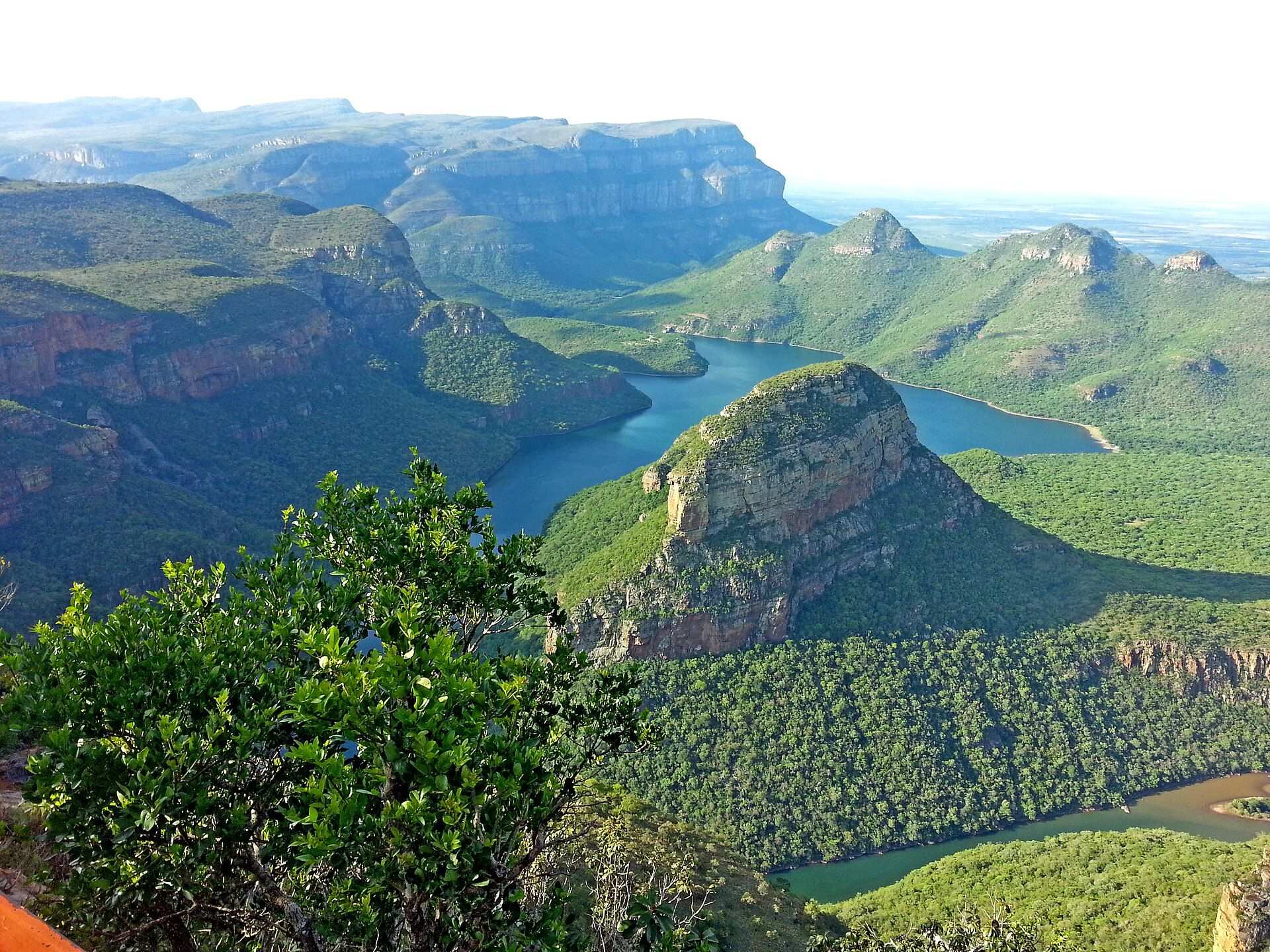
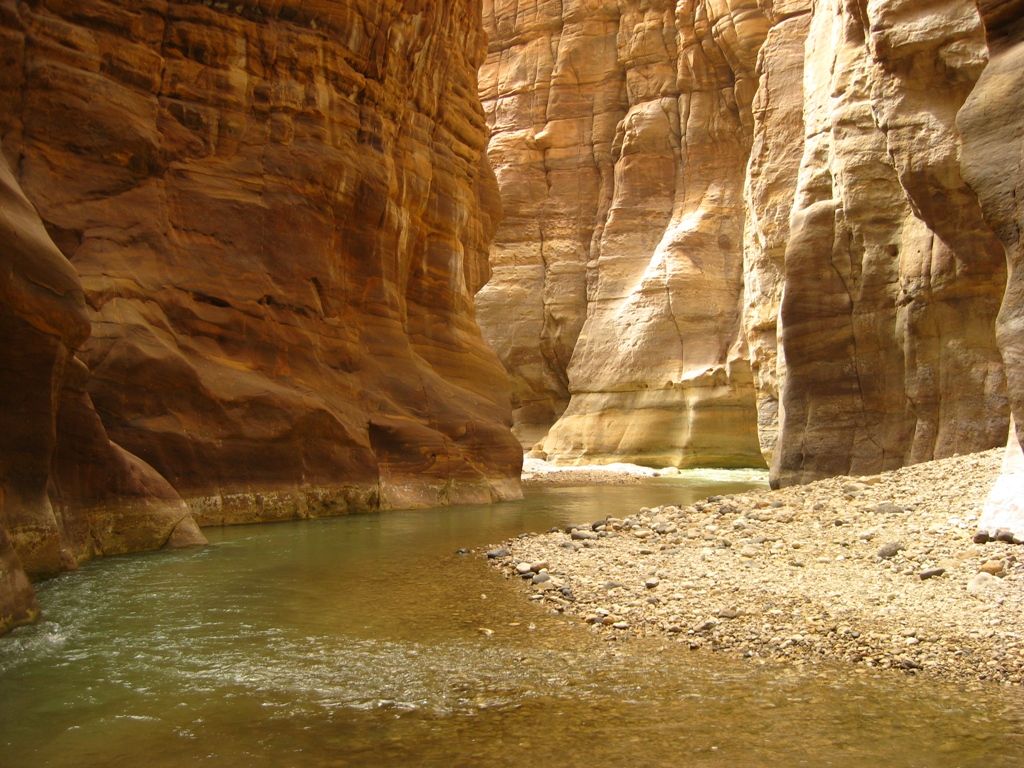
A sandstone river canyon plunging into the Dead Sea — the lowest nature reserve on Earth — where a warm perennial stream lets visitors wade, swim and scramble up a slot gorge between towering red walls.
What makes it marvelous
Wadi Mujib is a deep gorge cut through sandstone by a perennial river that empties into the Dead Sea at 410 metres below sea level, making the surrounding Mujib Biosphere Reserve the lowest protected area on the planet. Because water flows year-round and the canyon drops from highland plateaus of over 900 metres to well below sea level, the reserve packs an extraordinary range of habitats into a small space, and its warm, sheltered gorges shelter species found nowhere else in Jordan. Managed by the Royal Society for the Conservation of Nature, it is a refuge for the Nubian ibex, whose numbers are being rebuilt here, along with striped hyena, caracal and a wealth of birds along the water.
Why visit
The reserve's famous Siq Trail turns canyoning into an accessible adventure: from the visitor centre beside the Dead Sea you wade and swim straight up the river between soaring red walls, hauling over small waterfalls on fixed ropes until the gorge opens to a larger cascade. It is wet, warm and exhilarating — a rare chance to travel a desert canyon by walking up its river — and needs no experience for the self-guided route.
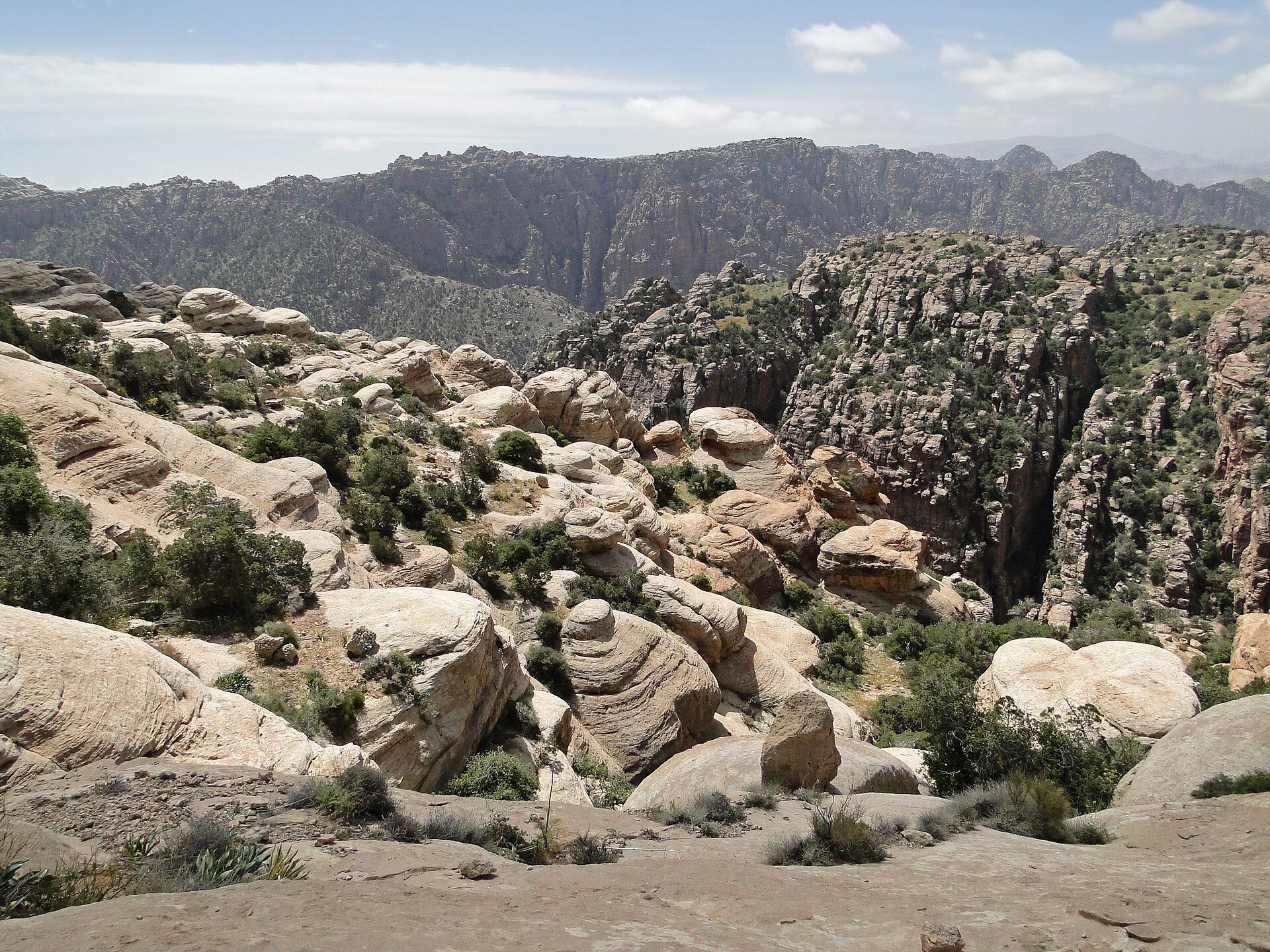
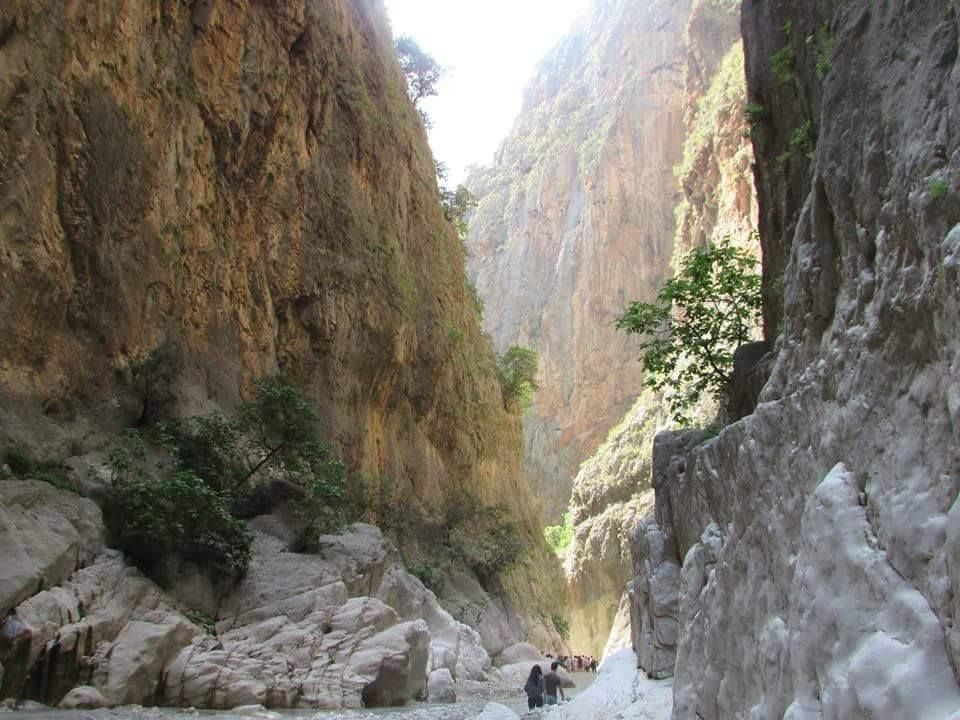
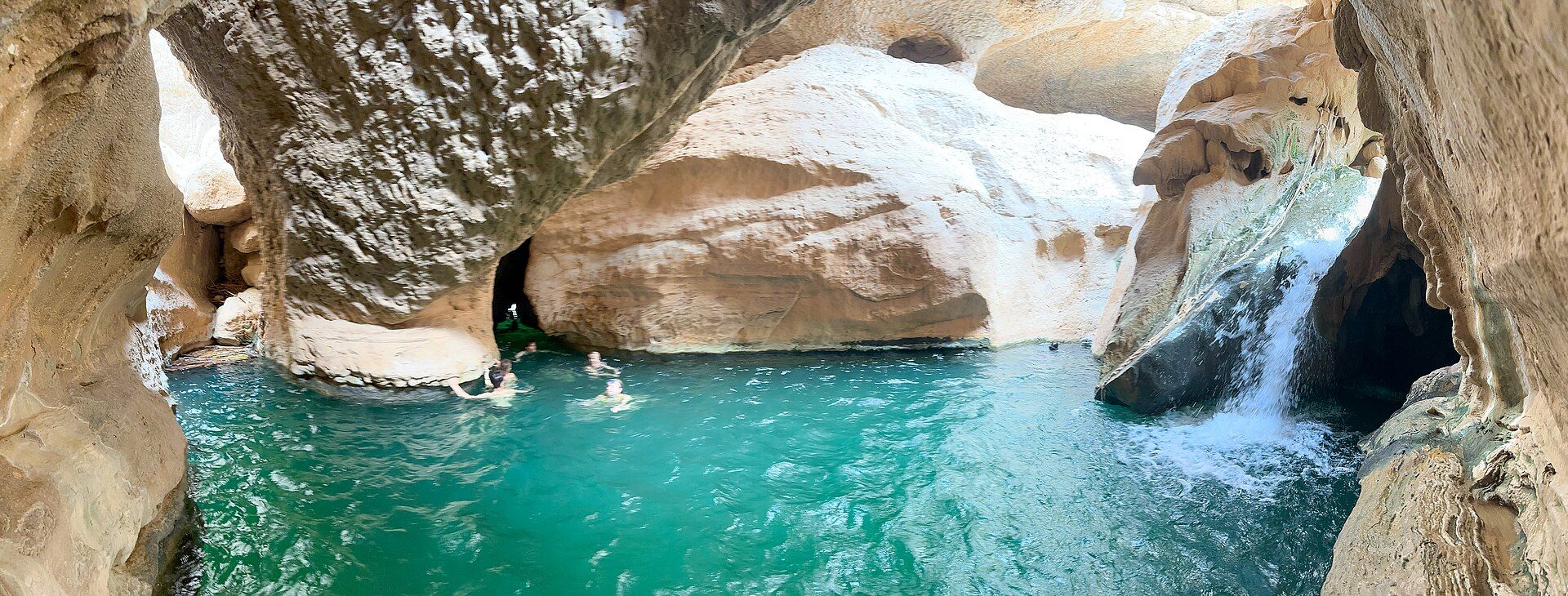
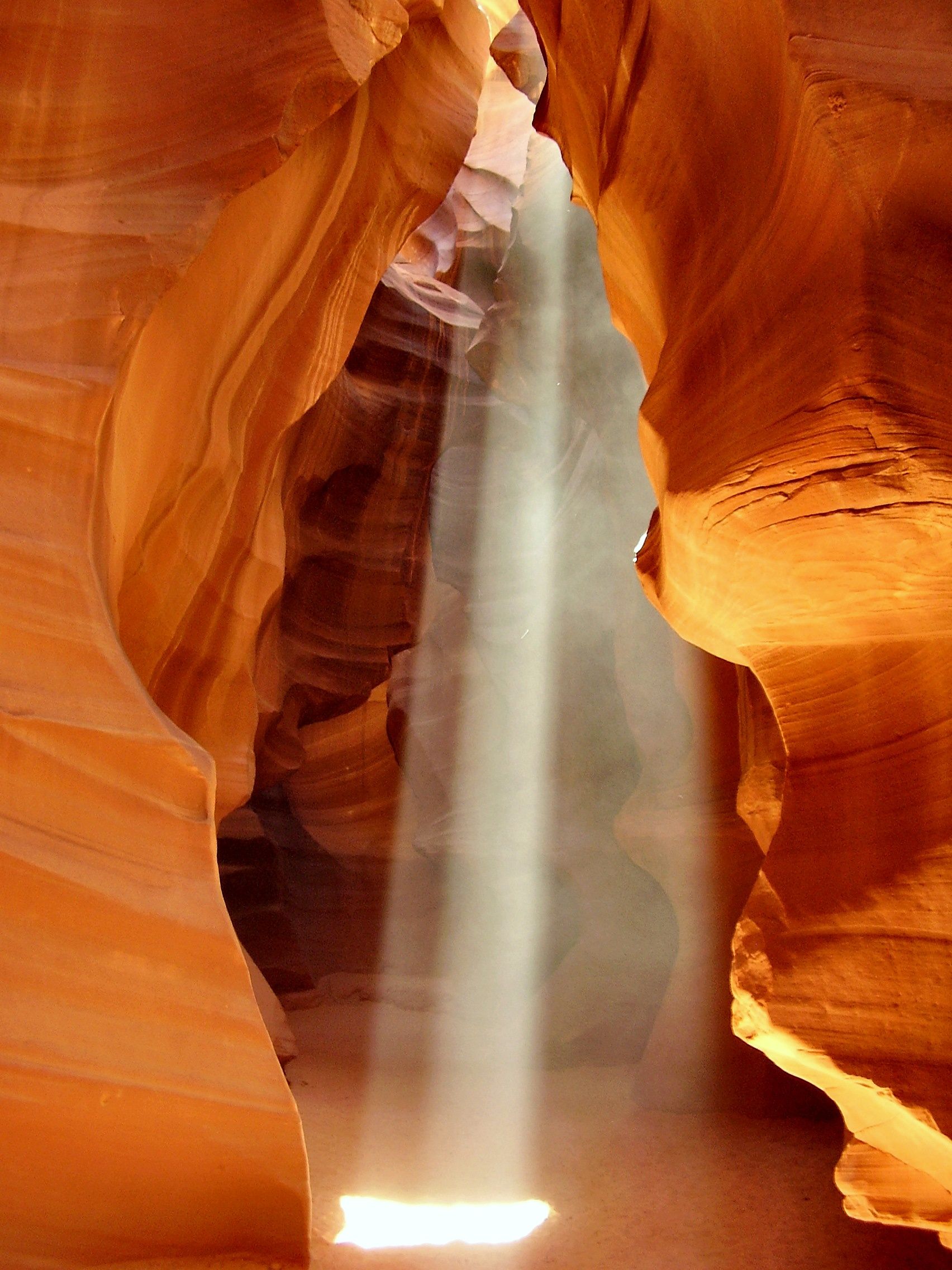
More views of Wadi Mujib
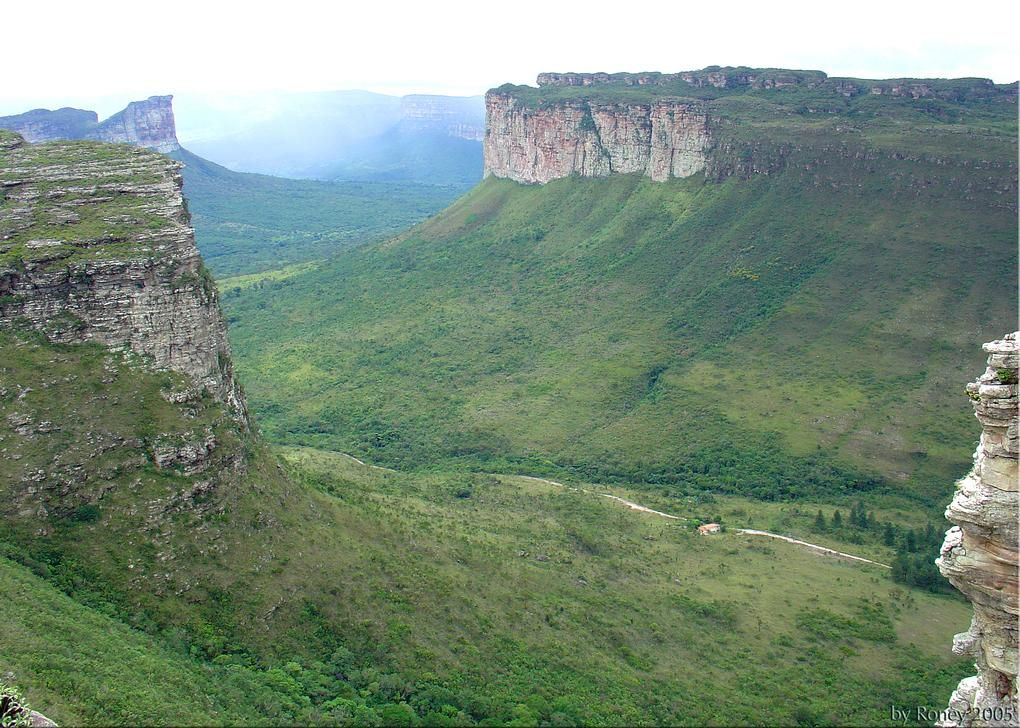
Additional photographs of the actual site — each freely licensed, with its photographer and licence credited.
What to know before you go
🗓️ Best time
The water trails run from 1 April to 31 October; late spring and early autumn avoid the fierce Dead Sea summer heat, and the reserve closes the wet trails in winter and after rain.
🧭 Getting there & access
The Siq Trail starts at the Mujib Adventure Centre on the Dead Sea highway, about an hour and a half south of Amman; an entrance fee applies and trails run in season only.
Good to know
- The Siq Trail involves swimming and climbing small waterfalls — you will get fully wet, so bring water shoes and secure anything precious in a dry bag.
- Trails close on rainy or high-flow days because of flash-flood risk; always check before you go.
- The last entry is early afternoon to allow time to finish before closing — start in the morning.
Plan your visit
Moderate🧭 Getting there
From Amman (airport AMM), via the Dead Sea highway
- Drive from Amman down to the Dead Sea, then south on the highway to the Mujib Adventure Centre — about 1.5 hours
- Start the Siq Trail from the centre, wading up the river into the gorge
- Total travel
- About 1.5 hours from Amman
- Time at site
- Two to four hours for the Siq Trail; longer for guided routes
- Access
- Open 1 April–31 October with an entrance fee; the self-guided Siq Trail needs no experience, but trails close after rain and in winter.
🎒 What to bring & consider
- Water shoes with grip for wet rock
- A dry bag for phone, keys and valuables
- Quick-dry clothing you can swim in
- Sun protection and drinking water for before and after
👁️ What to expect
- Crowds
- Busy on summer weekends; weekday mornings are calmer.
- Conditions
- Wading and swimming up a river with short rope-assisted climbs over waterfalls.
- Facilities
- Visitor centre, changing rooms and parking at the Dead Sea entrance.
- The view
- The narrow red gorge with the river running through it, walls glowing in filtered light.
Times and requirements are approximate and change with season, weather, and local rules — confirm permits, fares, and schedules with operators before you travel.
Natural riches of the area
- A perennial river carving a sandstone slot canyon to below sea level
- Warm, sheltered gorges spanning highland to Dead Sea habitats
- The Nubian ibex, being restored within the reserve
- Striped hyena, caracal and riverside birdlife
Local food
- Mansaf
- Jordan's national dish — lamb cooked in fermented dried yoghurt over rice.
- Galayet bandora
- A simple, rich sauté of tomatoes, olive oil, garlic and chilli scooped with bread.
- Dead Sea dates
- Sweet dates grown in the warm oases of the Jordan Valley.
Wadi Mujib is a canyon adventure unlike any other: a sandstone gorge carved by a river that flows year-round and spills into the Dead Sea at 410 metres below sea level, making the surrounding Mujib Biosphere Reserve the lowest protected area on Earth. Because the land drops from highland plateaus above 900 metres to far below the sea in a short distance, the reserve crams an astonishing range of habitats into its steep, warm gorges.
Managed by the Royal Society for the Conservation of Nature, Mujib is a stronghold for the Nubian ibex and shelters striped hyena, caracal and a wealth of birds along its water. But most visitors come for the Siq Trail — a route that turns canyoning into something almost anyone can do. From the visitor centre beside the Dead Sea, you wade and swim directly up the river, hauling over small waterfalls on fixed ropes between towering red walls, until the canyon opens at a larger cascade.
It is warm, wet and thrilling — a desert canyon travelled by walking up its own river. The water trails run only from spring to autumn and close after rain, when flash floods can tear through the gorge, so the reserve’s rhythm follows the seasons as closely as its wildlife does.
Wadi Mujib: common questions
How do you get to Wadi Mujib?
From Amman (airport AMM), via the Dead Sea highway: Drive from Amman down to the Dead Sea, then south on the highway to the Mujib Adventure Centre — about 1.5 hours; Start the Siq Trail from the centre, wading up the river into the gorge. Total travel time: About 1.5 hours from Amman.
When is the best time to visit Wadi Mujib?
The water trails run from 1 April to 31 October; late spring and early autumn avoid the fierce Dead Sea summer heat, and the reserve closes the wet trails in winter and after rain.
How long should you spend at Wadi Mujib?
Two to four hours for the Siq Trail; longer for guided routes. Total travel time: About 1.5 hours from Amman.
What should you bring to Wadi Mujib?
Water shoes with grip for wet rock A dry bag for phone, keys and valuables Quick-dry clothing you can swim in Sun protection and drinking water for before and after
Do you need a permit or guide for Wadi Mujib?
Open 1 April–31 October with an entrance fee; the self-guided Siq Trail needs no experience, but trails close after rain and in winter.
Is Wadi Mujib crowded, and what are conditions like?
Busy on summer weekends; weekday mornings are calmer. Wading and swimming up a river with short rope-assisted climbs over waterfalls. Facilities: Visitor centre, changing rooms and parking at the Dead Sea entrance.
Added
More wonders to explore