🇸🇦 Natural wonders of Saudi Arabia
Far more varied than its deserts suggest — dramatic escarpments and sandstone country, misty green monsoon mountains, and coral islands in the Red Sea.
🗓️ Best time for nature: October to April for the deserts, escarpments, and Red Sea coast; the Asir highlands are pleasant much of the year and greenest in the monsoon summer.
The lay of the land
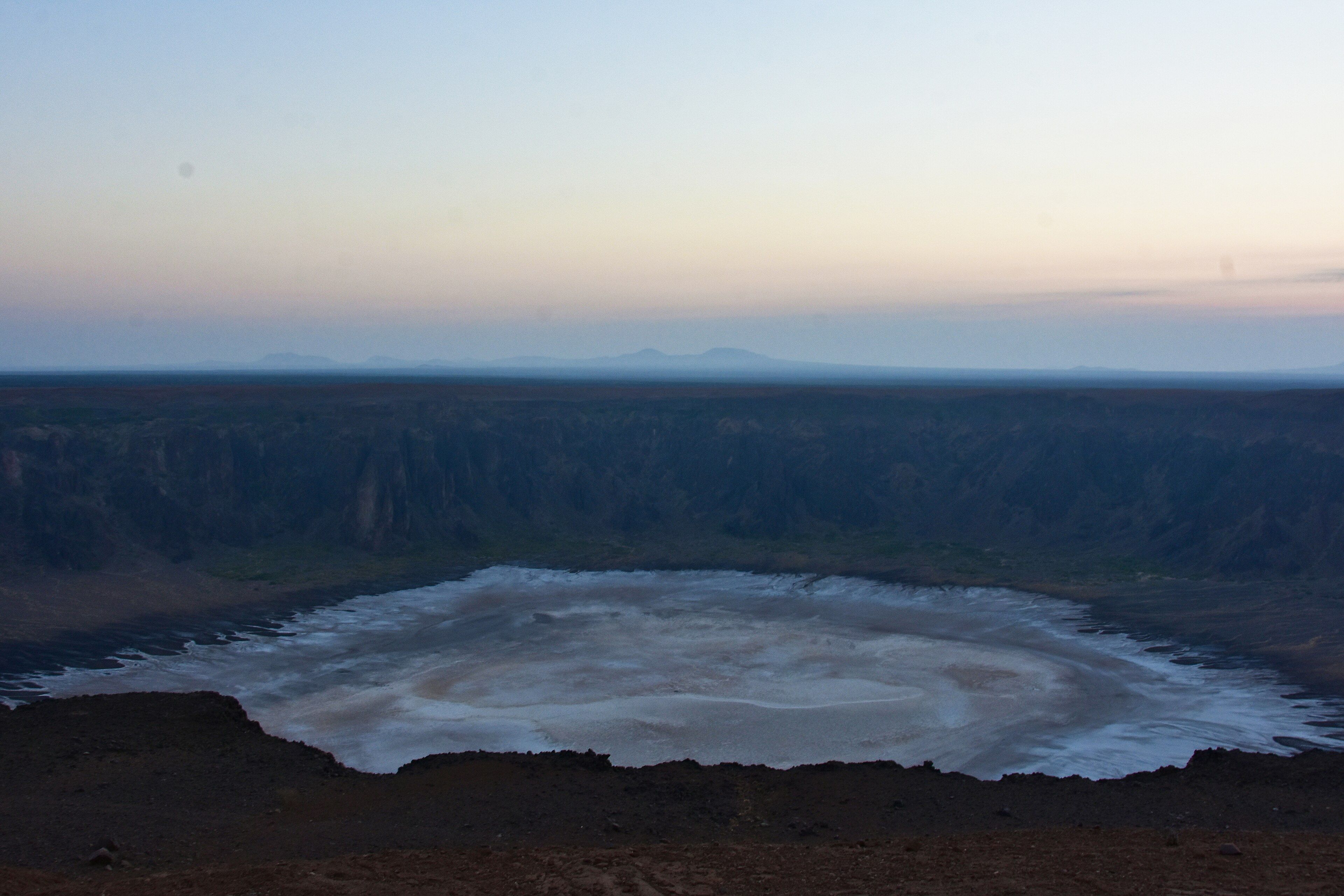
Saudi Arabia is dominated by desert, but its landscapes are surprisingly diverse. Across the centre runs the Tuwaiq escarpment, whose cliffs reach their most dramatic at the Edge of the World near Riyadh. The southwest rises into the Asir Mountains, high enough to catch the monsoon and turn green and misty. Along the Red Sea lie coral reefs and low islands like the Farasan archipelago, while sandstone deserts, lava fields, and oases fill the vast interior.
Where to begin
-
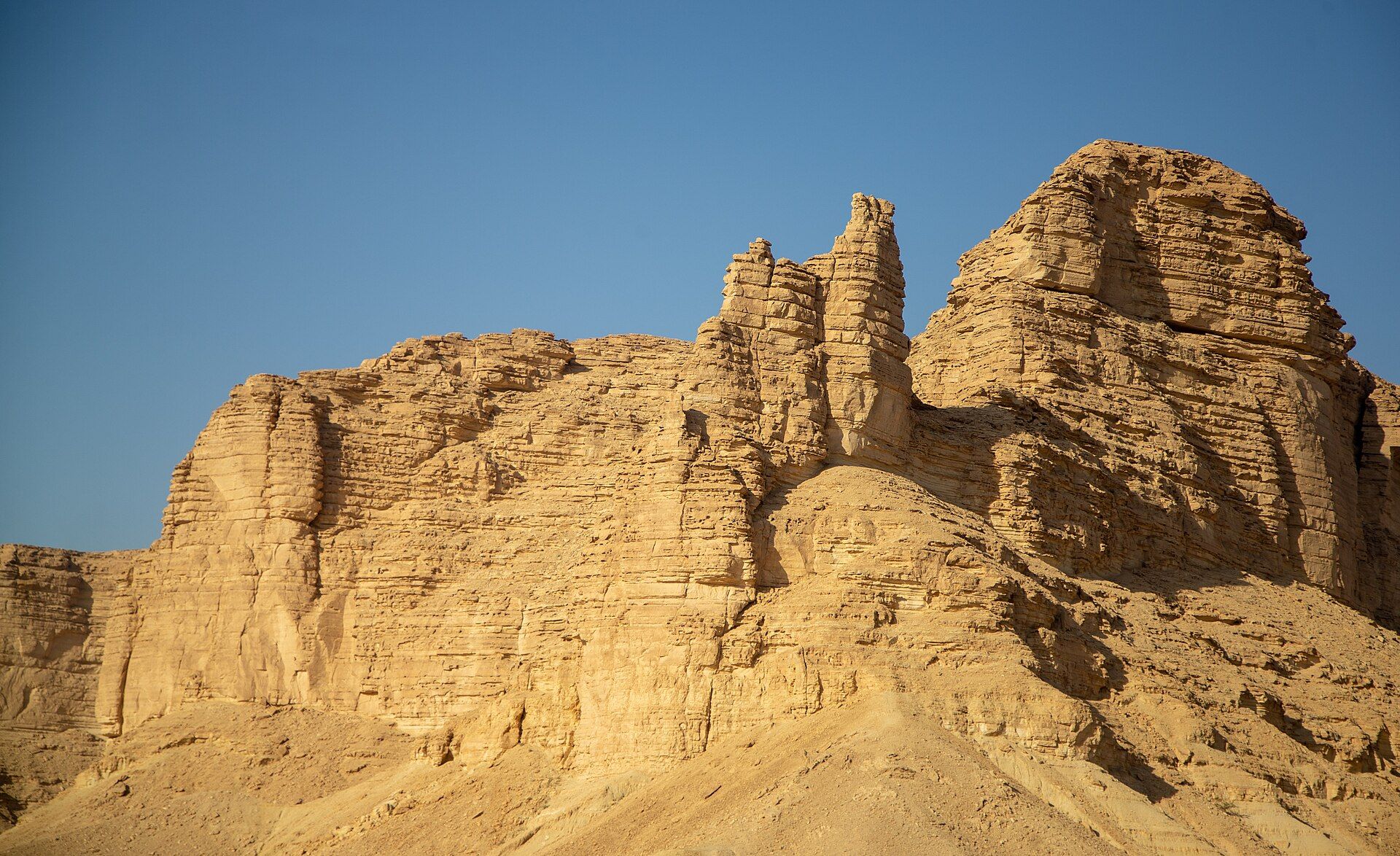
The Edge of the World
A cliff-edge of the Tuwaiq escarpment dropping to an endless plain near Riyadh.
-
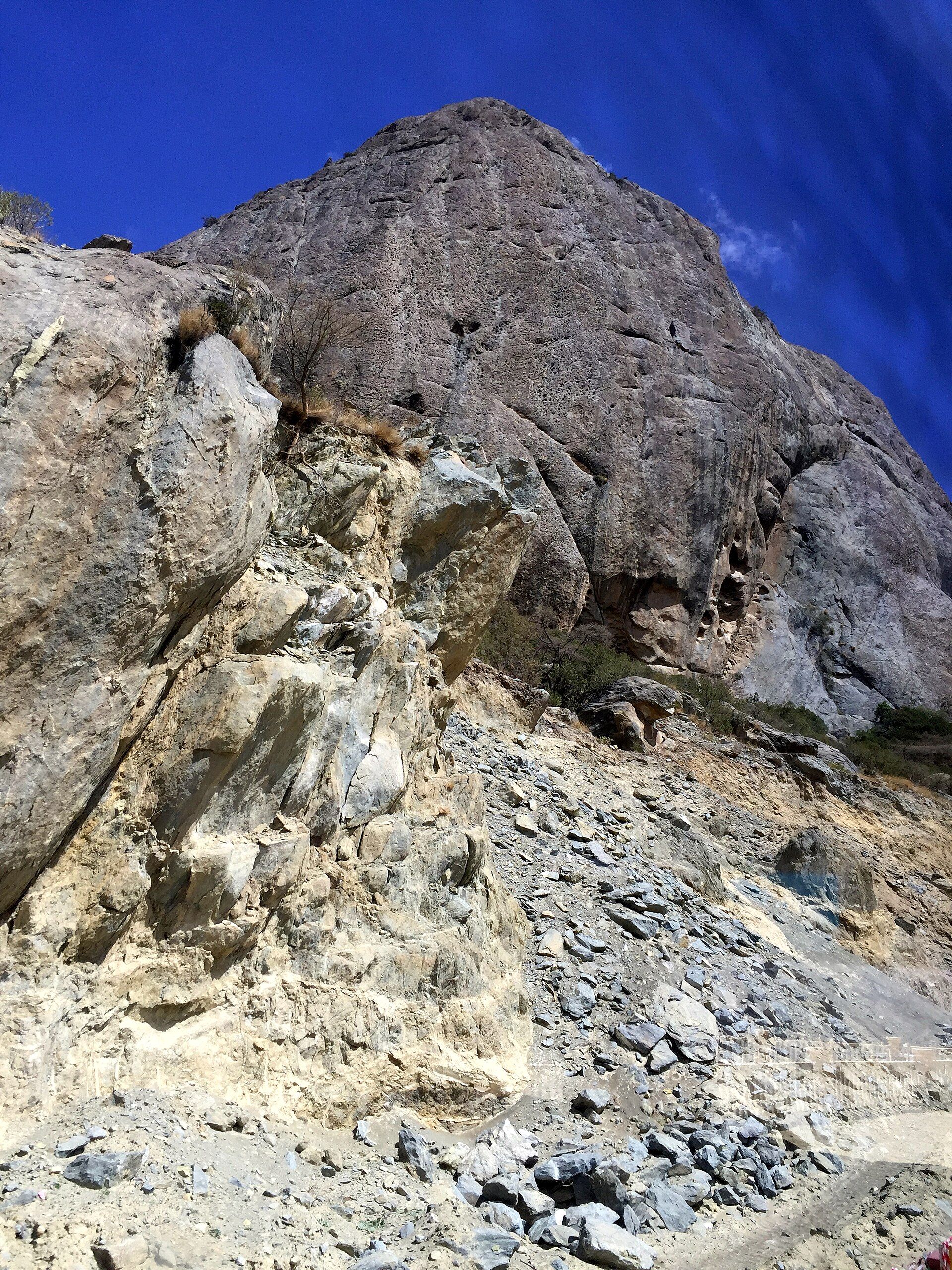
The Asir Mountains
Green, monsoon-fed highlands of terraces and juniper in the southwest.
-
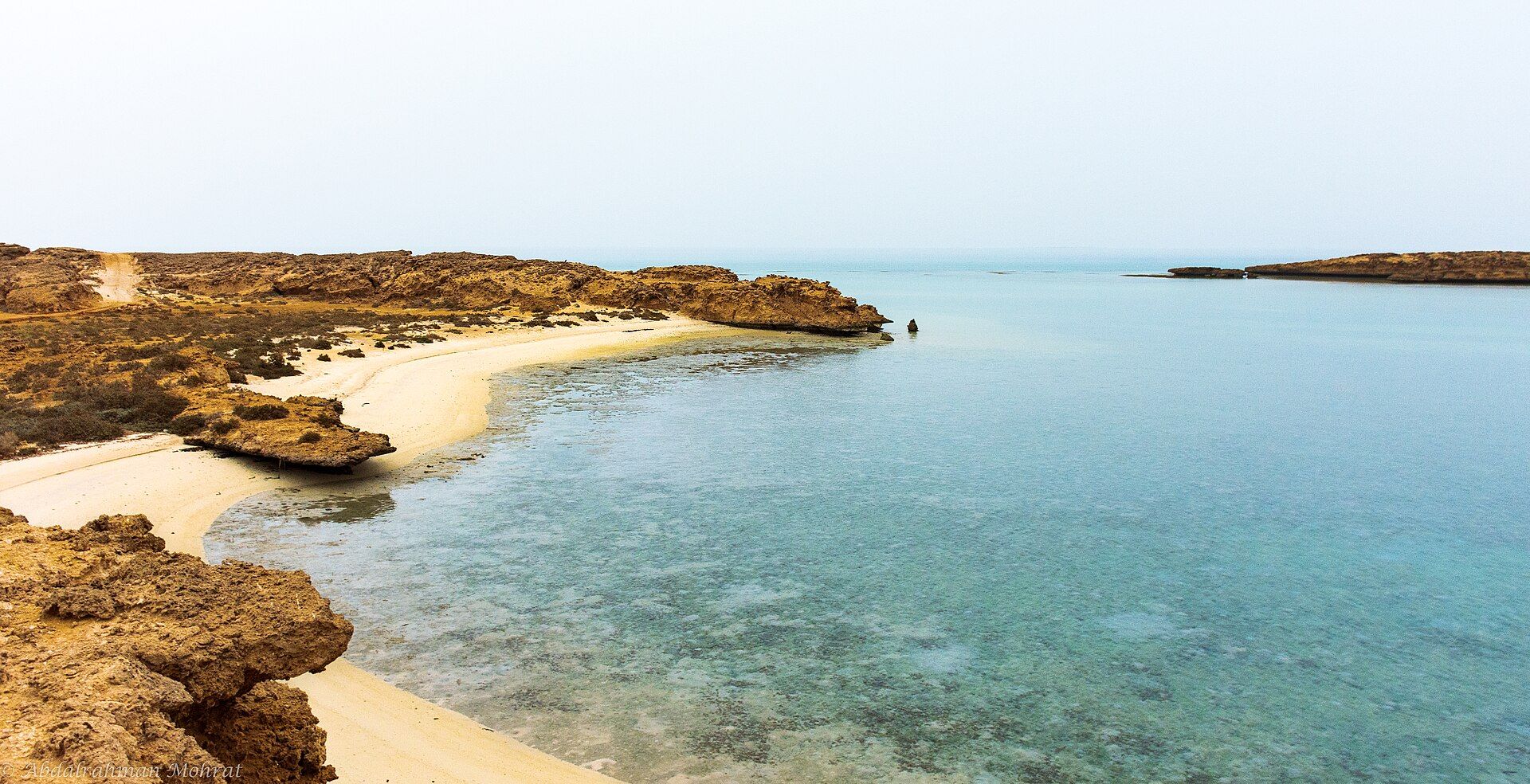
The Farasan Islands
A coral-fringed Red Sea archipelago rich in marine life.
A taste of the place
Saudi food centres on rice dishes like kabsa, slow-cooked lamb, fresh Red Sea and Gulf fish, highland honey, and the ever-present welcome of dates and cardamom coffee.
Traveling responsibly
- Visit the deserts and coast in the cool season; the Asir highlands suit summer.
- Many desert sites need a 4x4 and are best reached with a guide.
- Dress modestly and respect local customs, especially outside the big cities.
Saudi Arabia rewards travellers who look past the sand. The Tuwaiq escarpment falls away at the Edge of the World near Riyadh; the southwestern Asir Mountains rise green and misty above the desert; and coral islands like the Farasan archipelago scatter across the Red Sea. This atlas begins Saudi Arabia’s chapter with those three, with its sandstone deserts, oases, and reefs still to come.
Added
All wonders in Saudi Arabia
4 places