The Wahiba Sands
📍 Ash Sharqiyah, eastern Oman
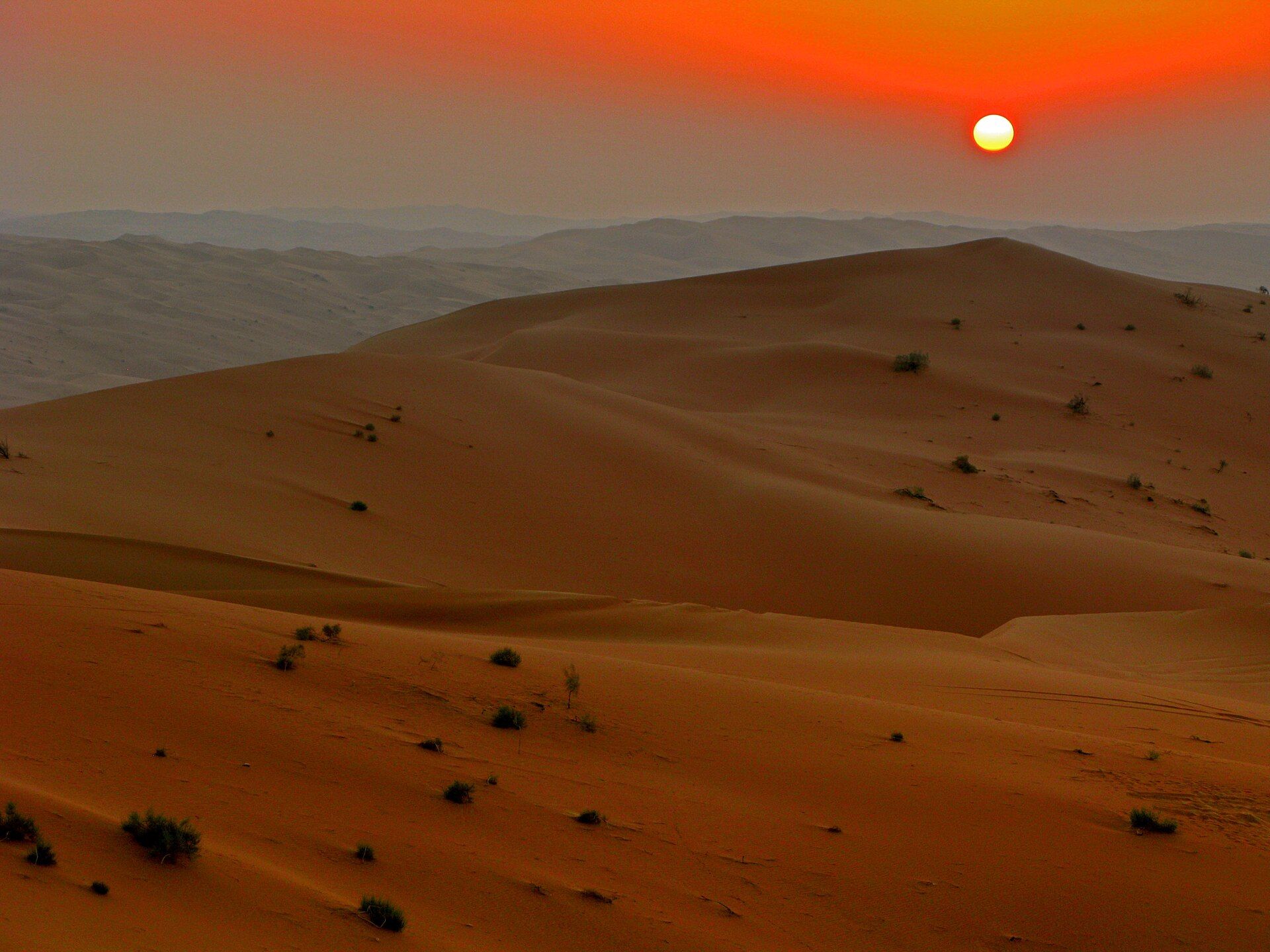
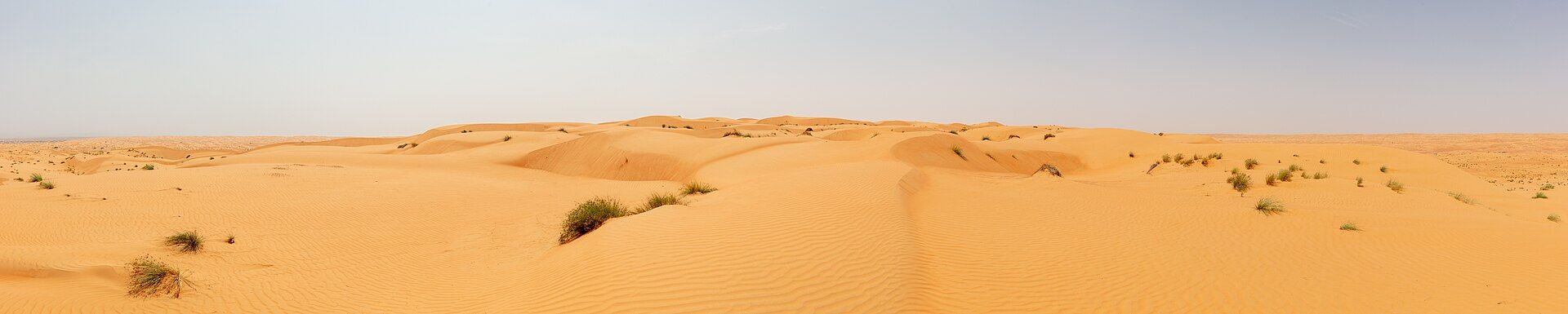
A sea of red-gold dunes rolling for well over a hundred kilometres across eastern Oman — classic Arabian desert, home to the Bedouin and their camels.
What makes it marvelous
The Wahiba Sands — also called the Sharqiya Sands — form a great sand sea in eastern Oman, a body of dunes stretching roughly 180 kilometres north to south and around 80 kilometres across. The dunes run in long parallel ridges shaped by the seasonal winds, some rising to about 100 metres, their sand coloured in shifting tones of gold, amber, and deep red that change with the angle of the sun. A remarkable variety of desert life clings on here, and the sands remain home to Bedouin families and their camels.
Why visit
Driving up and over the towering dunes, watching the sand turn fiery at sunset, and spending a night at a desert camp under a blaze of stars is the quintessential Arabian desert experience — and all within a few hours of Muscat. Visitors ride camels, try sandboarding, and share the hospitality of Bedouin hosts, while the sheer, sculptural scale of the dunes, and the deep silence between them, leave a lasting impression.
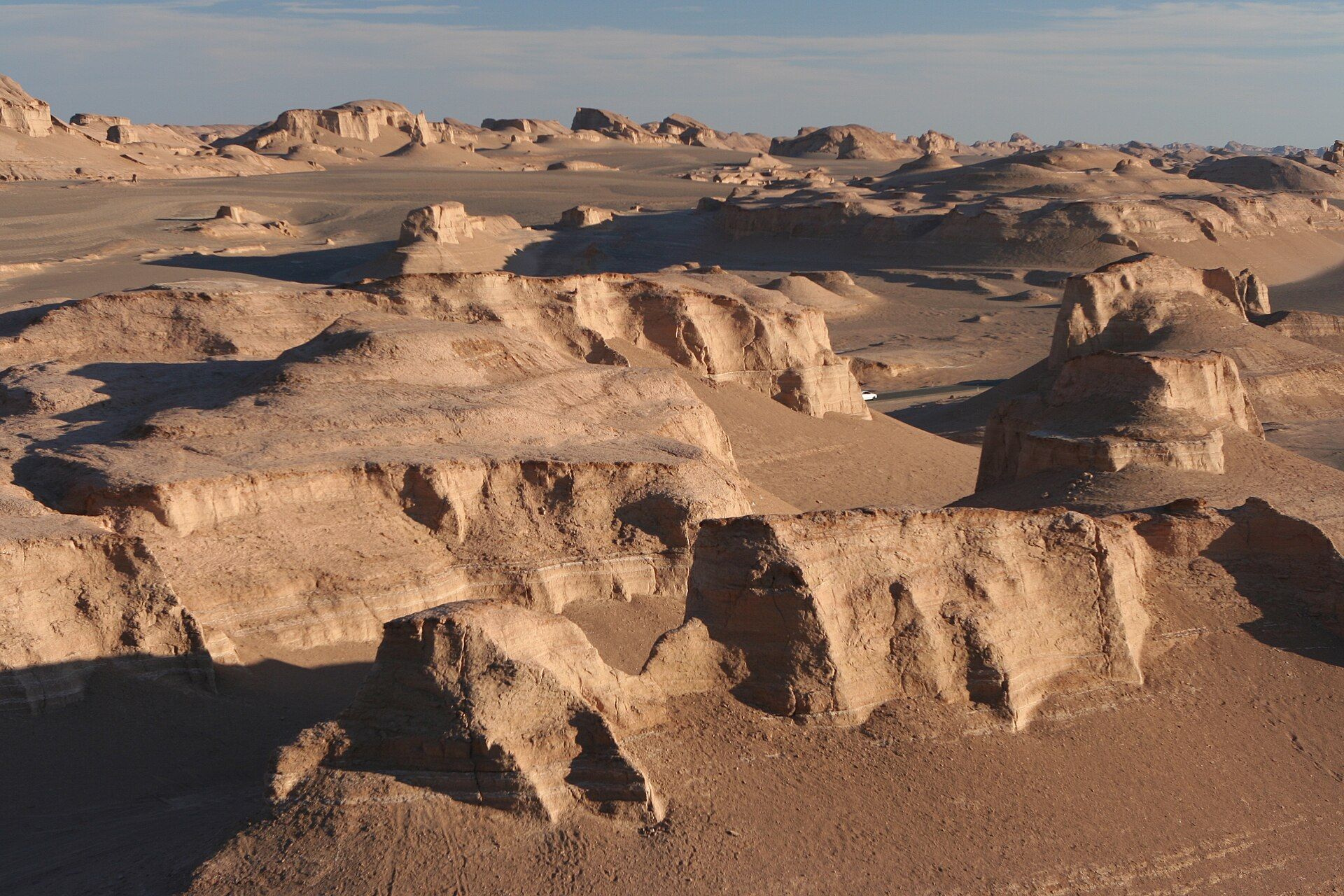
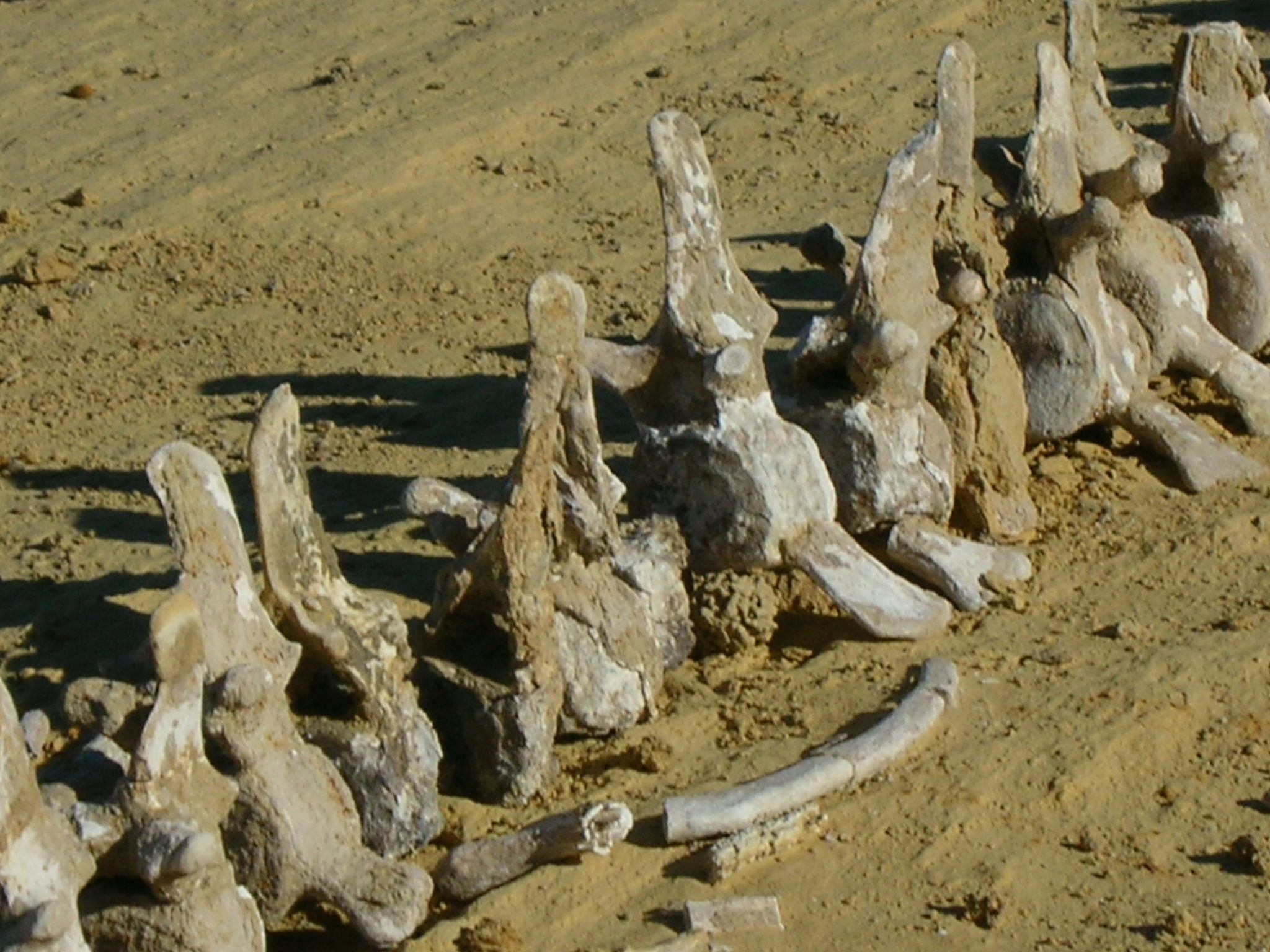
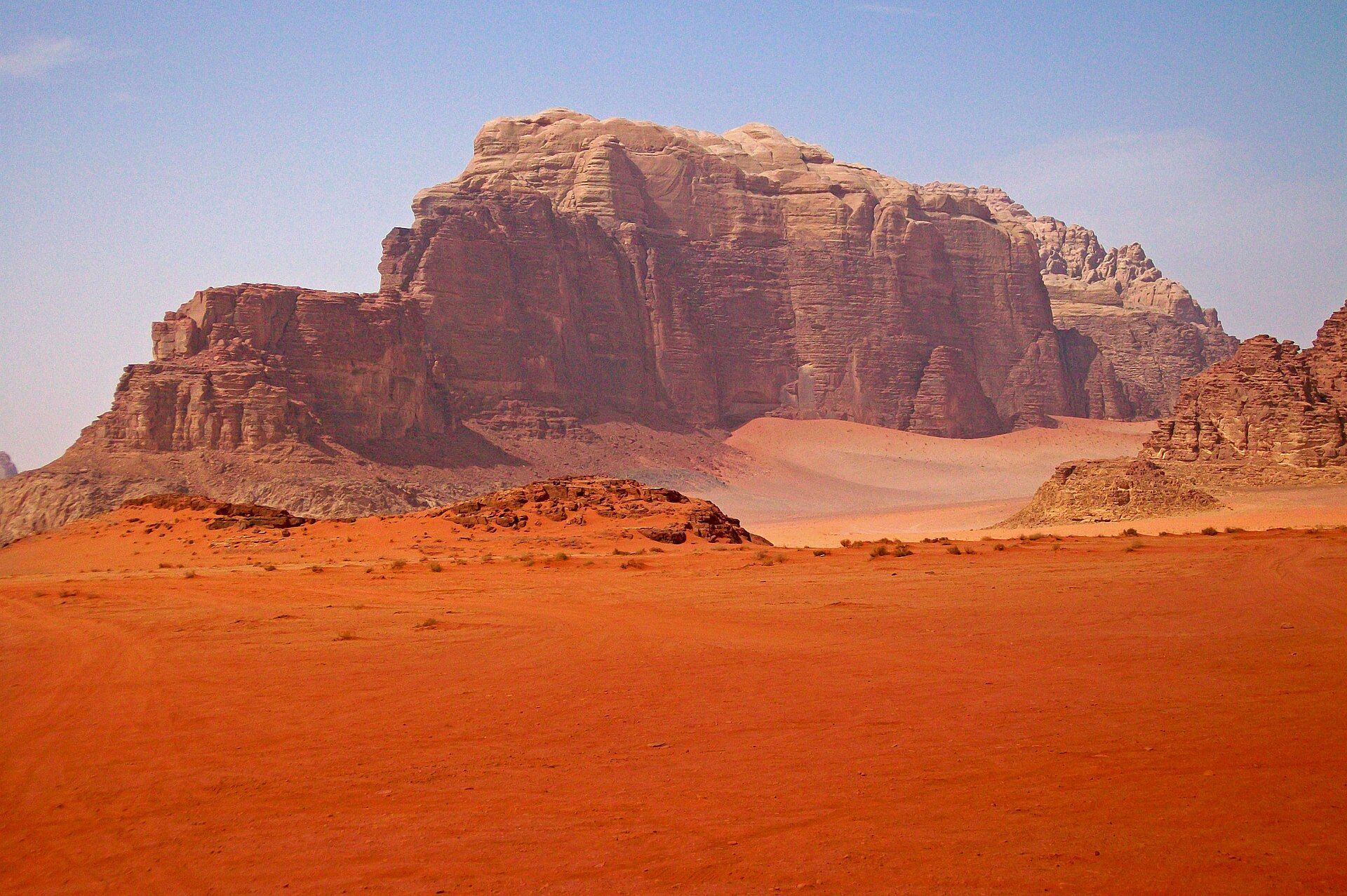
More views of The Wahiba Sands
Additional photographs of the actual site — each freely licensed, with its photographer and licence credited.
What to know before you go
🗓️ Best time
The cooler months of roughly October to April, when daytime temperatures are bearable and desert nights are pleasant; summer is fiercely hot, and nights can be cold in winter.
🧭 Getting there & access
A few hours south of Muscat via the town of Bidiyah, the main gateway. Desert camps arrange transfers, and driving into the dunes requires a 4x4 with lowered tyre pressure — best done with a guide or camp driver.
Good to know
- Enter the dunes only in a 4x4 with a guide or experienced driver, and let tyres down.
- Stay overnight at a desert camp for the sunset, silence, and stars.
- Carry plenty of water and sun protection; there is no shade in the sands.
Plan your visit
Moderate🧭 Getting there
From Muscat (MCT), Oman
- Fly to Muscat
- Road south toward Bidiyah at the edge of the sands — a few hours
- Transfer by 4x4 (with a guide or camp driver) into the dunes
- Total travel
- A day trip is possible; an overnight at a desert camp is far better
- Time at site
- An overnight to experience sunset, stars, and sunrise
- Access
- The desert is open, but driving into the dunes needs a 4x4, lowered tyre pressure, and desert experience — most visitors go with a camp or guide. There are no services in the sands themselves.
🎒 What to bring & consider
- A 4x4 and desert-driving experience, or a guided/camp transfer
- Ample water, sun protection, and a hat
- Warm layers for cold desert nights
- A sense of adventure and respect for Bedouin hosts
👁️ What to expect
- Crowds
- The desert is vast and easily absorbs visitors; camps and the main tracks are the busiest points.
- Conditions
- Soft sand needing a capable vehicle, hot days, cold nights, and total silence between the dunes.
- Facilities
- Desert camps from simple to luxurious; nothing in the open sands.
- The view
- Rippled dune crests glowing red at sunrise or sunset, with long shadows. The golden hours transform the sands.
Times and requirements are approximate and change with season, weather, and local rules — confirm permits, fares, and schedules with operators before you travel.
Natural riches of the area
- A vast sand sea of parallel dune ridges
- Dunes up to ~100 m in shifting gold and red
- Surprisingly varied desert plants and wildlife
- A living Bedouin culture and camel herding
Local food
- Majboos
- Fragrant spiced rice cooked with meat, a staple of Omani tables.
- Dates
- Sweet dates from the oasis palms, offered with coffee across Arabia.
The Wahiba Sands are the Arabian desert of the imagination — a vast sea of dunes rolling across eastern Oman for well over a hundred kilometres, their long parallel ridges piled up by the seasonal winds and coloured in shifting tones of gold, amber, and deep red. Some crests rise around 100 metres, and as the sun moves the whole landscape changes colour and shadow, from soft morning pastels to a fiery blaze at sunset. For all its apparent emptiness, the sand sea supports a surprising range of desert life, and it remains home to Bedouin families who still herd camels among the dunes.
Reaching them is an adventure in itself: a drive south from Muscat to the desert’s edge, then a 4x4 transfer up and over the great dunes to a camp among the sand. To watch the dunes turn to fire at sunset, ride a camel across the ridges, and then lie out under a sky thick with stars, wrapped in the desert’s profound silence, is the essence of an Arabian night — and one of Oman’s most unforgettable experiences.
The Wahiba Sands: common questions
How do you get to The Wahiba Sands?
From Muscat (MCT), Oman: Fly to Muscat; Road south toward Bidiyah at the edge of the sands — a few hours; Transfer by 4x4 (with a guide or camp driver) into the dunes. Total travel time: A day trip is possible; an overnight at a desert camp is far better.
When is the best time to visit The Wahiba Sands?
The cooler months of roughly October to April, when daytime temperatures are bearable and desert nights are pleasant; summer is fiercely hot, and nights can be cold in winter.
How long should you spend at The Wahiba Sands?
An overnight to experience sunset, stars, and sunrise. Total travel time: A day trip is possible; an overnight at a desert camp is far better.
What should you bring to The Wahiba Sands?
A 4x4 and desert-driving experience, or a guided/camp transfer Ample water, sun protection, and a hat Warm layers for cold desert nights A sense of adventure and respect for Bedouin hosts
Do you need a permit or guide for The Wahiba Sands?
The desert is open, but driving into the dunes needs a 4x4, lowered tyre pressure, and desert experience — most visitors go with a camp or guide. There are no services in the sands themselves.
Is The Wahiba Sands crowded, and what are conditions like?
The desert is vast and easily absorbs visitors; camps and the main tracks are the busiest points. Soft sand needing a capable vehicle, hot days, cold nights, and total silence between the dunes. Facilities: Desert camps from simple to luxurious; nothing in the open sands.
Added
More wonders to explore