Region · the Middle East
The Most Beautiful Places in the Middle East
24 places · every one real, mapped, and worth the trip
The Middle East is not one desert. Within it are the lowest point on the Earth's land surface at the Dead Sea, the largest continuous sand desert on Earth in the Empty Quarter, a mile-deep gorge in Oman's Al Hajar mountains, misty juniper highlands in southwest Saudi Arabia, white travertine terraces in Turkey and an Indian Ocean island whose plants exist nowhere else.
This is our editors' pick of the 24 Middle Eastern places in the atlas, across Jordan, Oman, Saudi Arabia, Iran, Turkey, Egypt and Yemen. It is unranked: a fossil valley of walking whales and a turquoise lagoon under a paragliding launch are not competing for the same thing. The atlas files Turkey's Anatolian sites under the Middle East, so they appear here too.
-
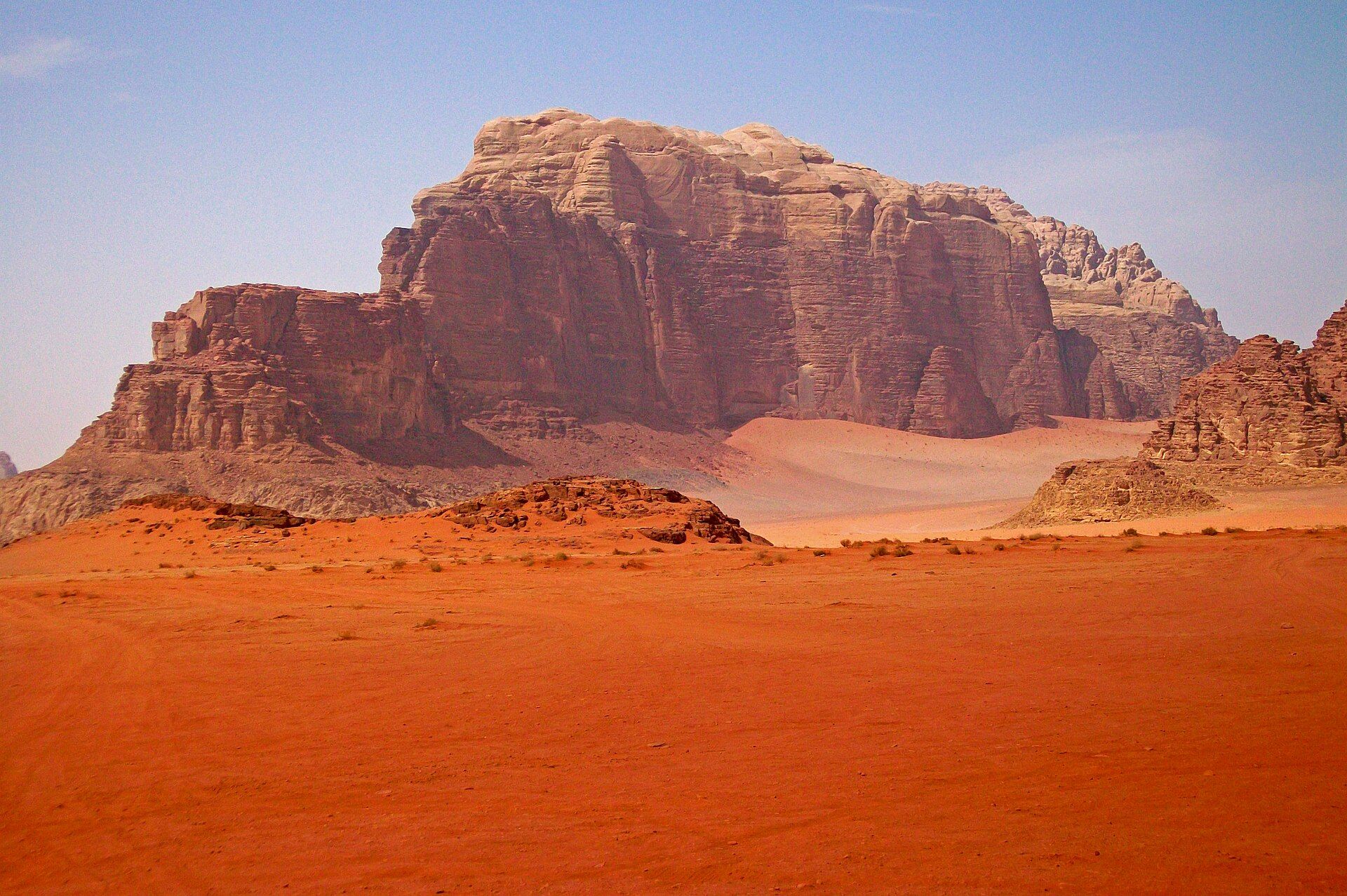
Wadi Rum The Valley of the Moon
Southern Jordan
Sandstone and granite massifs rising abruptly from red sand, carved into arches, siqs and cliffs with rock art and inscriptions — best seen by 4x4 or camel and from a Bedouin camp at night.
-
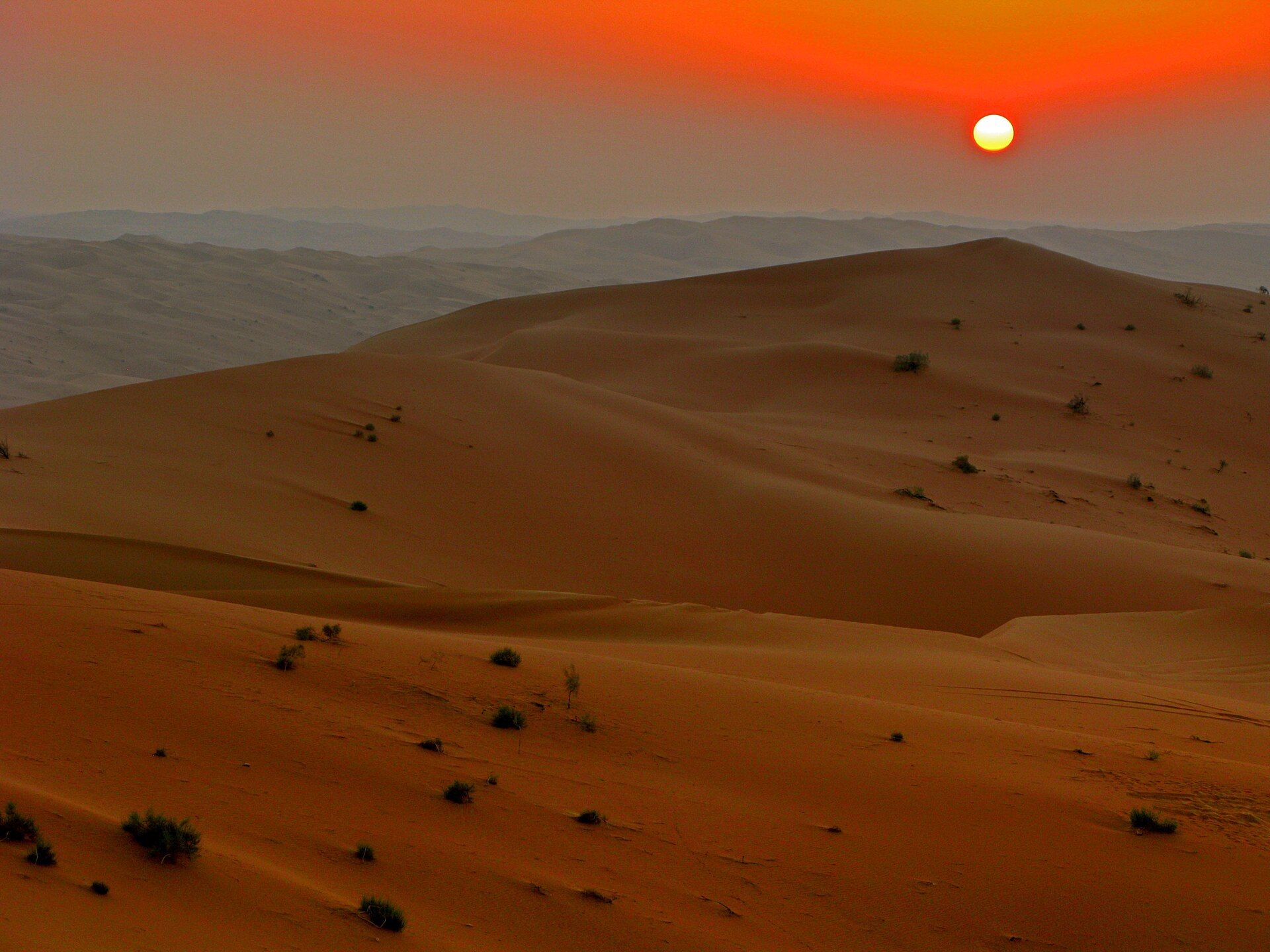
Rub' al Khali The largest sand desert
Southern Arabian Peninsula
The Empty Quarter — the largest continuous sand desert on Earth, with dunes up to 250 metres tall across an area larger than France. The cooler months, roughly November to March, are the only safe window.
-
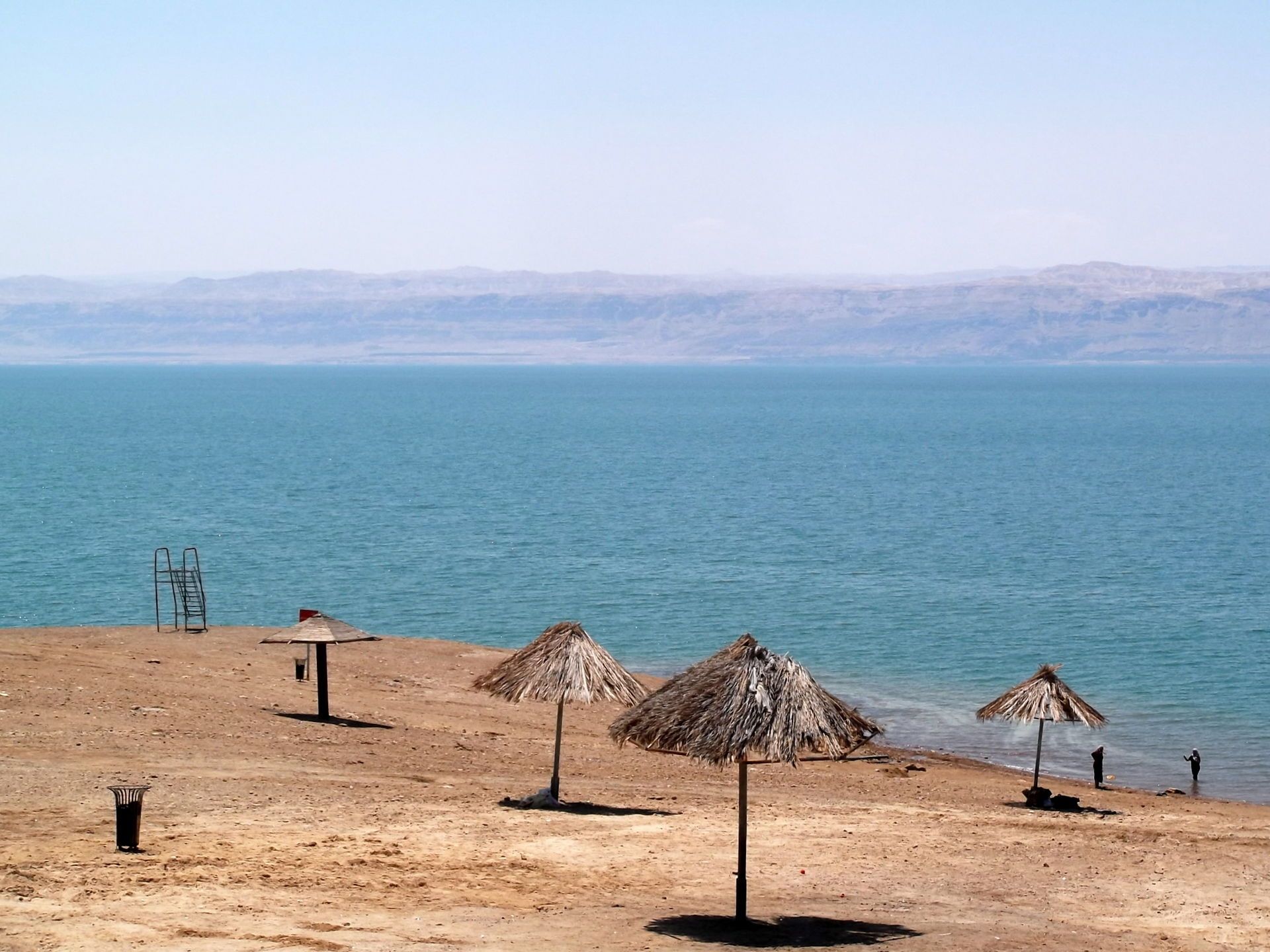
The Dead Sea The lowest point on land
Jordan Rift Valley, Jordan / Israel / West Bank
A hypersaline lake at the lowest point on the Earth's surface, so dense with salt and minerals that swimmers float without trying.
-
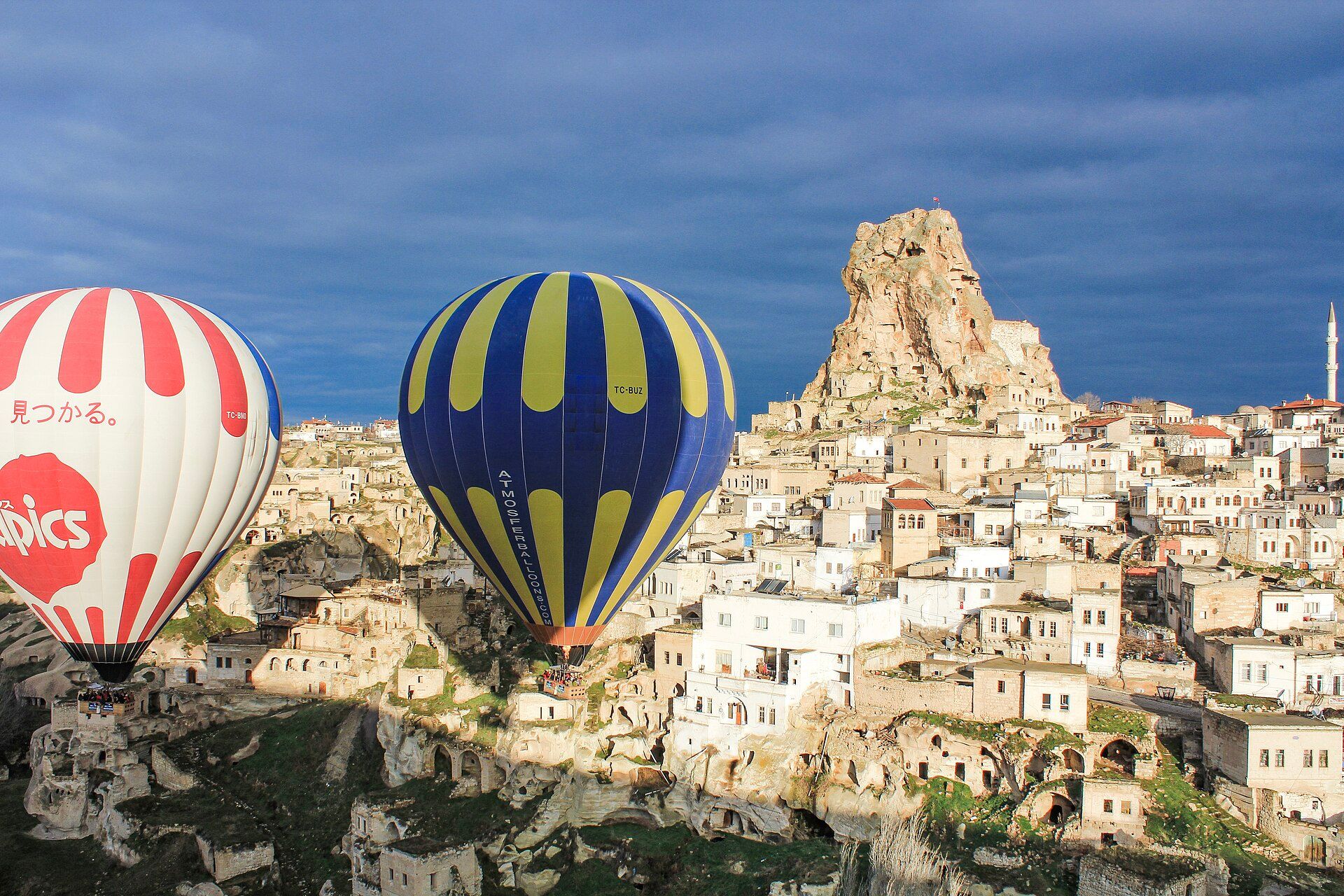
Cappadocia Fairy chimneys
Central Anatolia, Turkey
Tapering cones and pinnacles of soft volcanic rock, honeycombed with cave homes and churches, and famous for its dawn balloon flights, most reliable in spring and autumn.
-
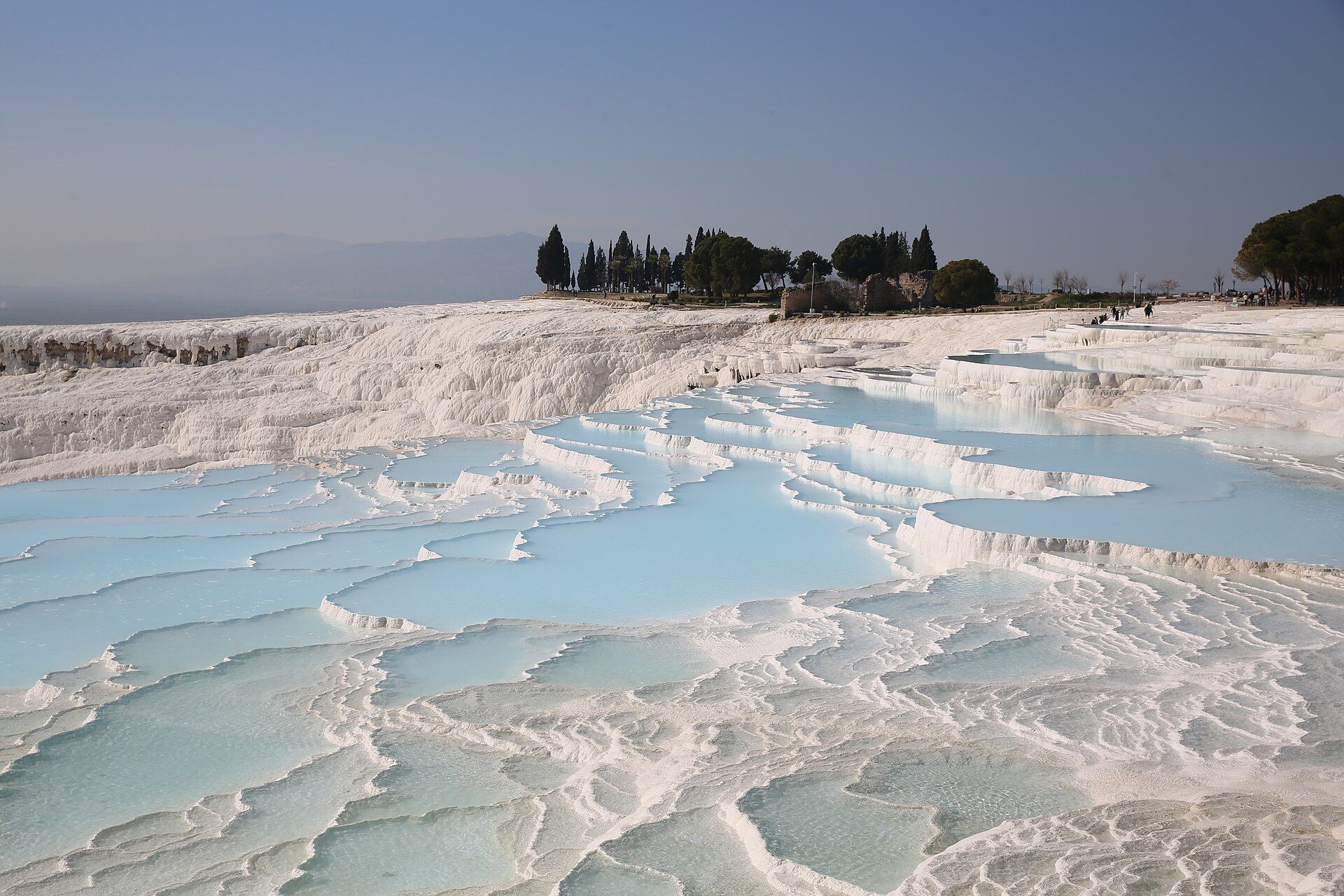
Pamukkale The Cotton Castle
Denizli Province, southwestern Turkey
A white hillside of travertine terraces built by mineral-rich hot springs, with warm turquoise water spilling from pool to pool below the ruins of Hierapolis.
-
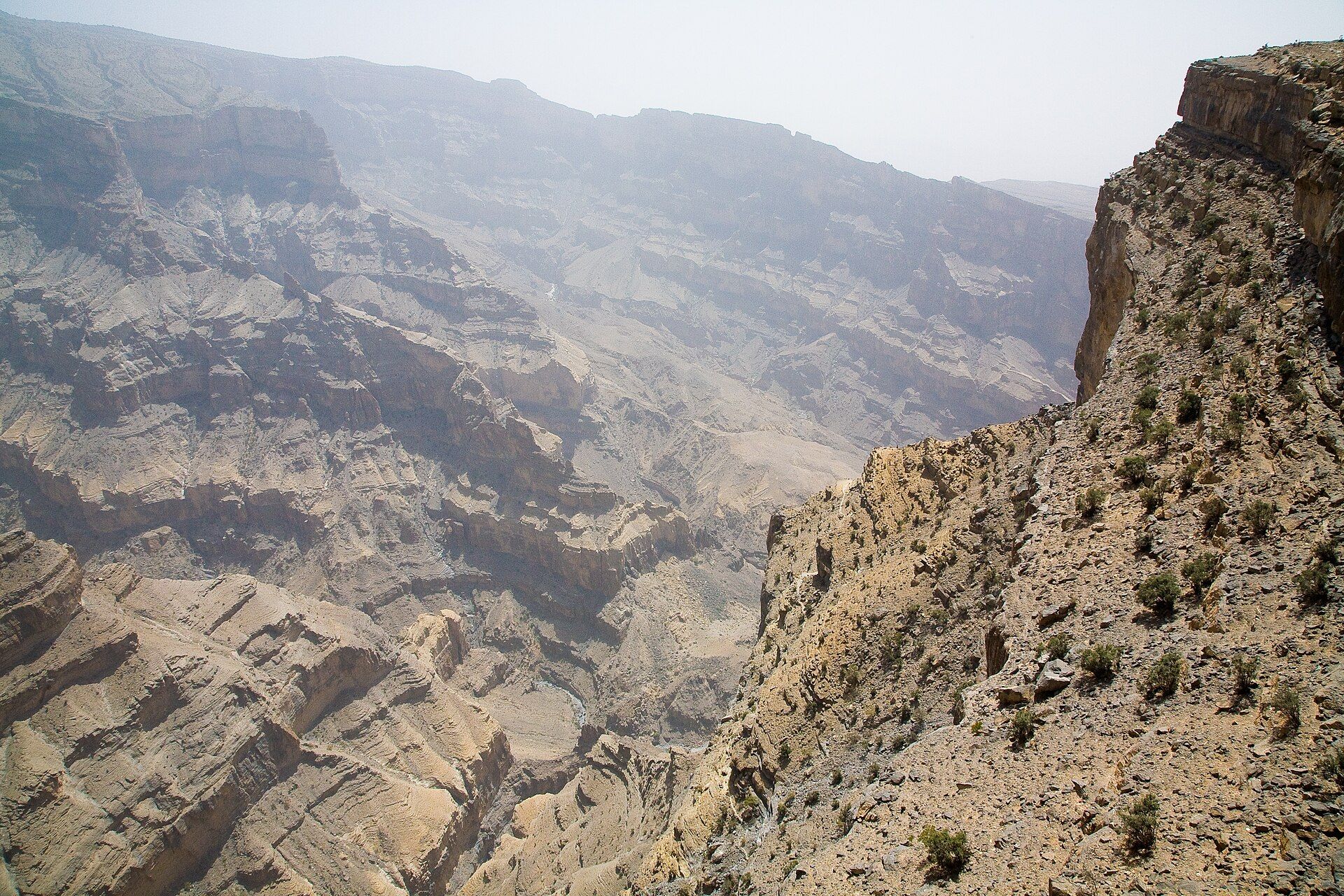
Jebel Shams The Grand Canyon of Arabia
Al Hajar Mountains, northern Oman
Oman's highest mountain, whose rim drops into Wadi Ghul — a mile-deep gorge of banded rock followed along the canyon wall by the Balcony Walk, an unmarked cliff-edge trail.
-
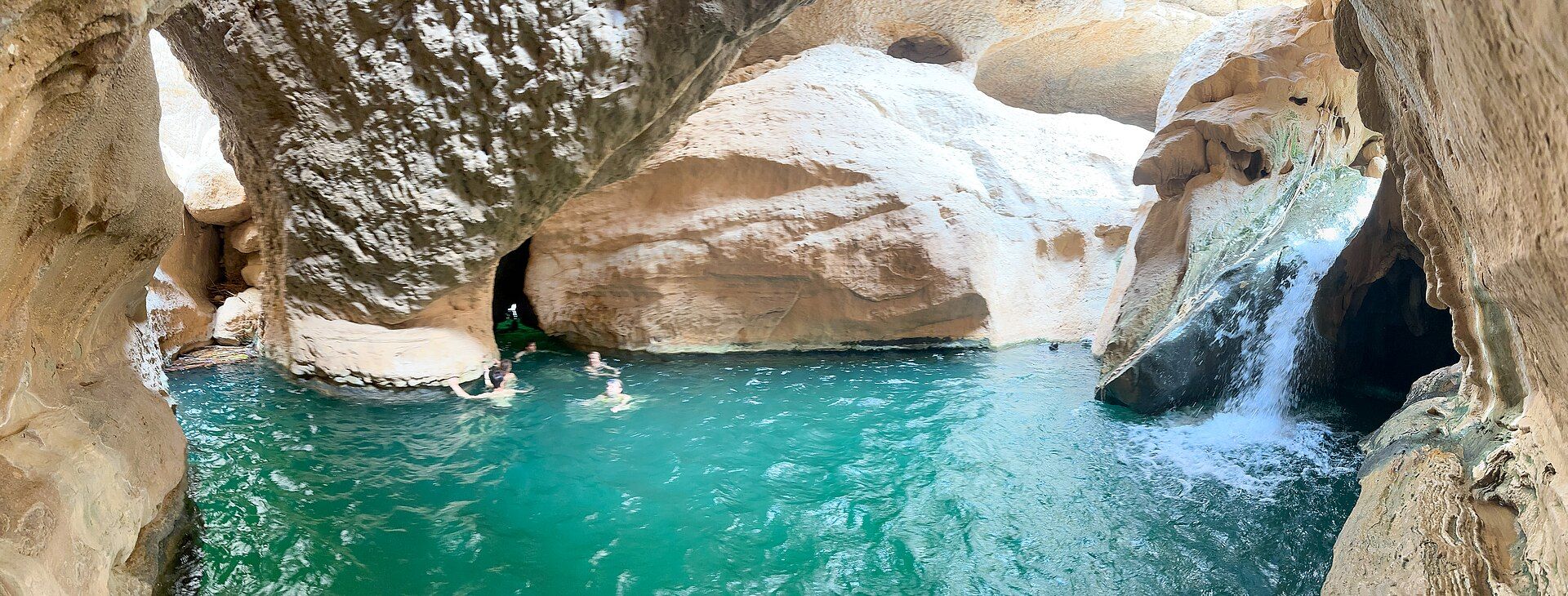
Wadi Shab Pools and a cave waterfall
Ash Sharqiyah coast, northeastern Oman
A palm-fringed canyon on Oman's coast where a hike between sheer cliffs leads to a chain of turquoise pools and a waterfall hidden inside a cave chamber. Never go in or just after rain — flash floods surge through.
-
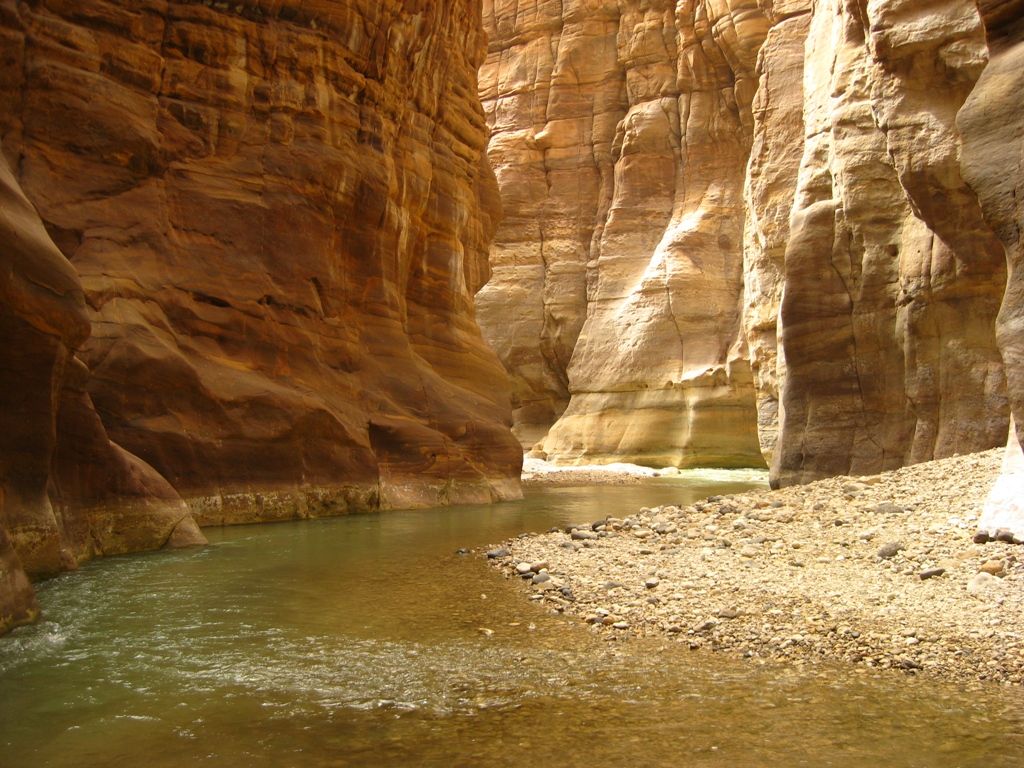
Wadi Mujib The lowest nature reserve on Earth
Mujib Biosphere Reserve, east of the Dead Sea, Jordan
A sandstone river canyon that drains into the Dead Sea, where a warm perennial stream lets you wade, swim and scramble up a slot gorge between red walls. The water trails run 1 April to 31 October.
-
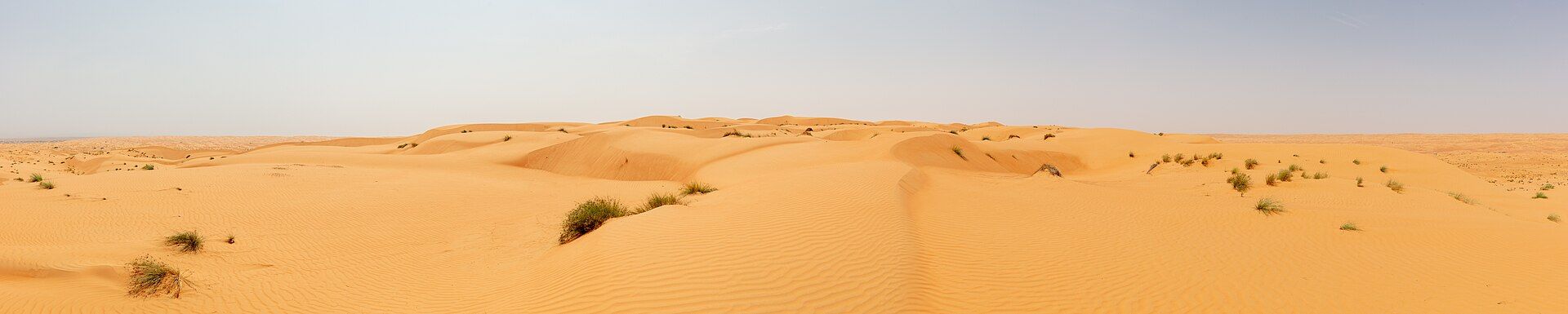
The Wahiba Sands
Ash Sharqiyah, eastern Oman
Red-gold dunes rolling for well over a hundred kilometres across eastern Oman — classic Arabian desert, home to Bedouin and their camels.
-
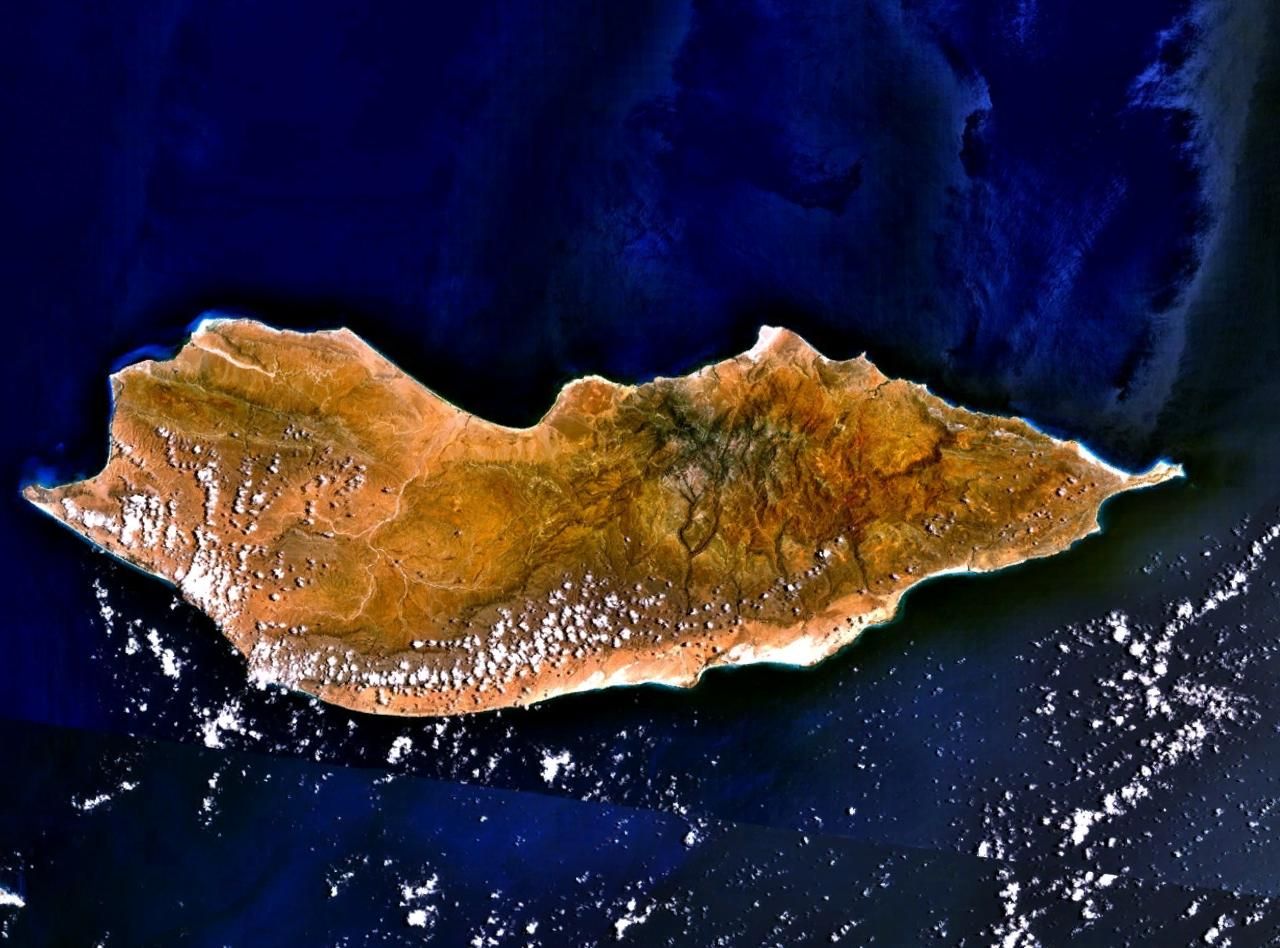
Socotra The Galápagos of the Indian Ocean
Socotra Archipelago, Arabian Sea, Yemen
An isolated Yemeni island where around a third of the plants exist nowhere else, including the umbrella-crowned dragon's blood tree. Reached only on seasonal charters with specialist operators — check travel advice for Yemen first.
-
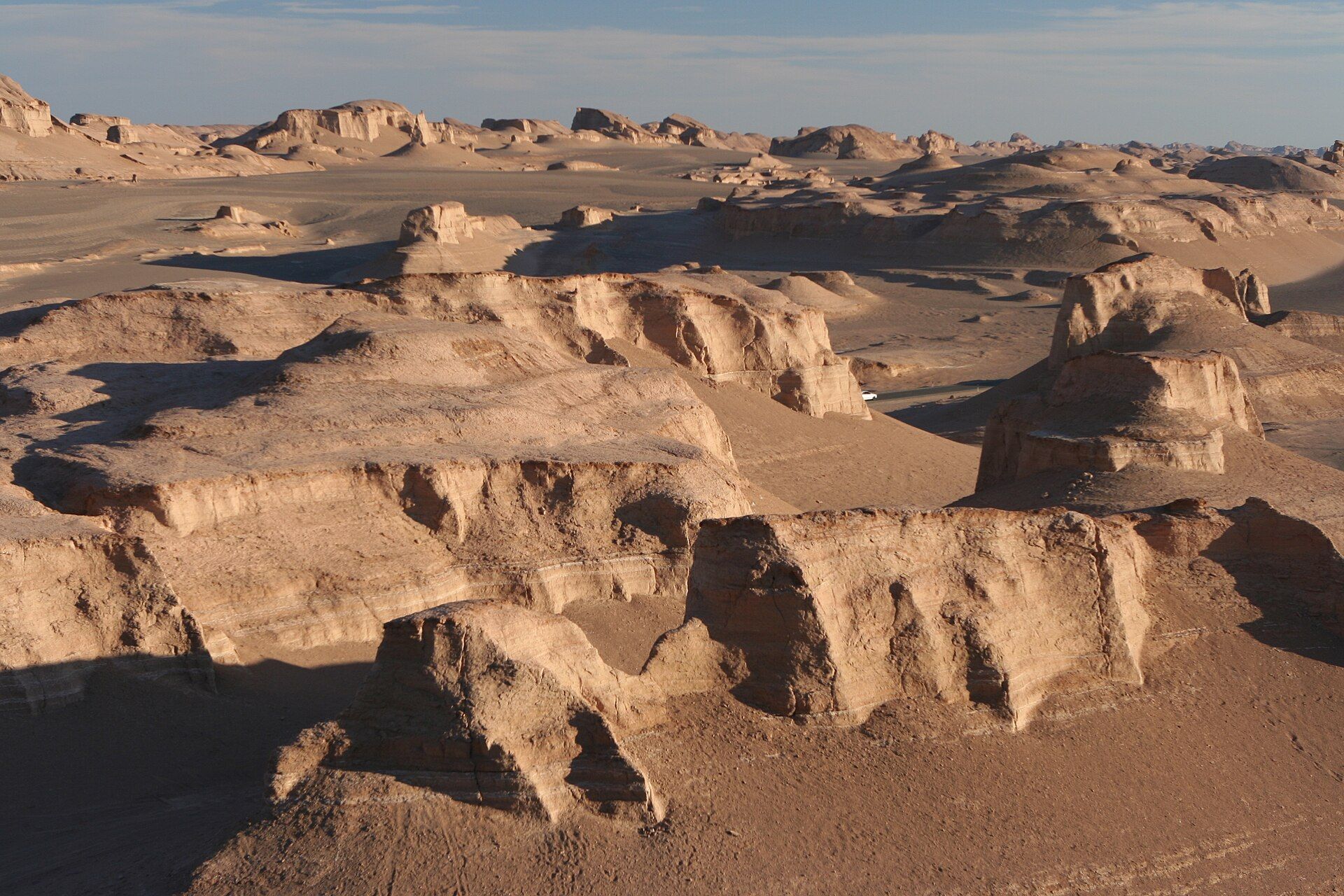
Lut Desert One of the hottest places on Earth
Kerman & Sistan provinces, southeastern Iran
A sea of wind-carved ridges called kaluts in eastern Iran, where satellites have recorded record land-surface temperatures. Autumn to spring, roughly October to April, is the only sensible time.
-
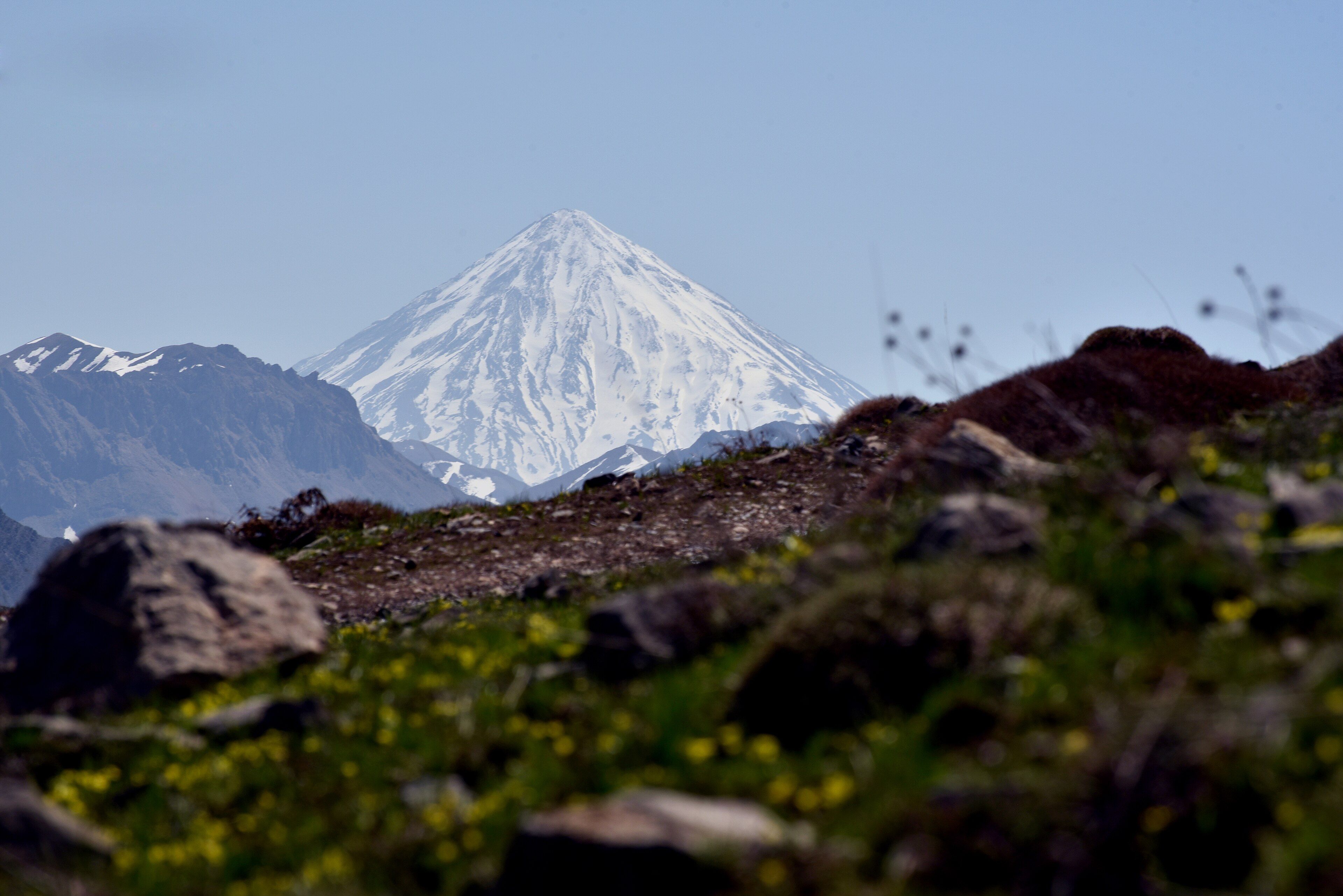
Mount Damavand The highest peak in the Middle East
Alborz range, Mazandaran Province, northern Iran
A near-symmetrical stratovolcano above Iran's Alborz range with sulphur fumaroles still venting at the summit crater; the practical climbing window is mid-June to early September.
-
Badab-e Surt
Mazandaran Province, northern Iran
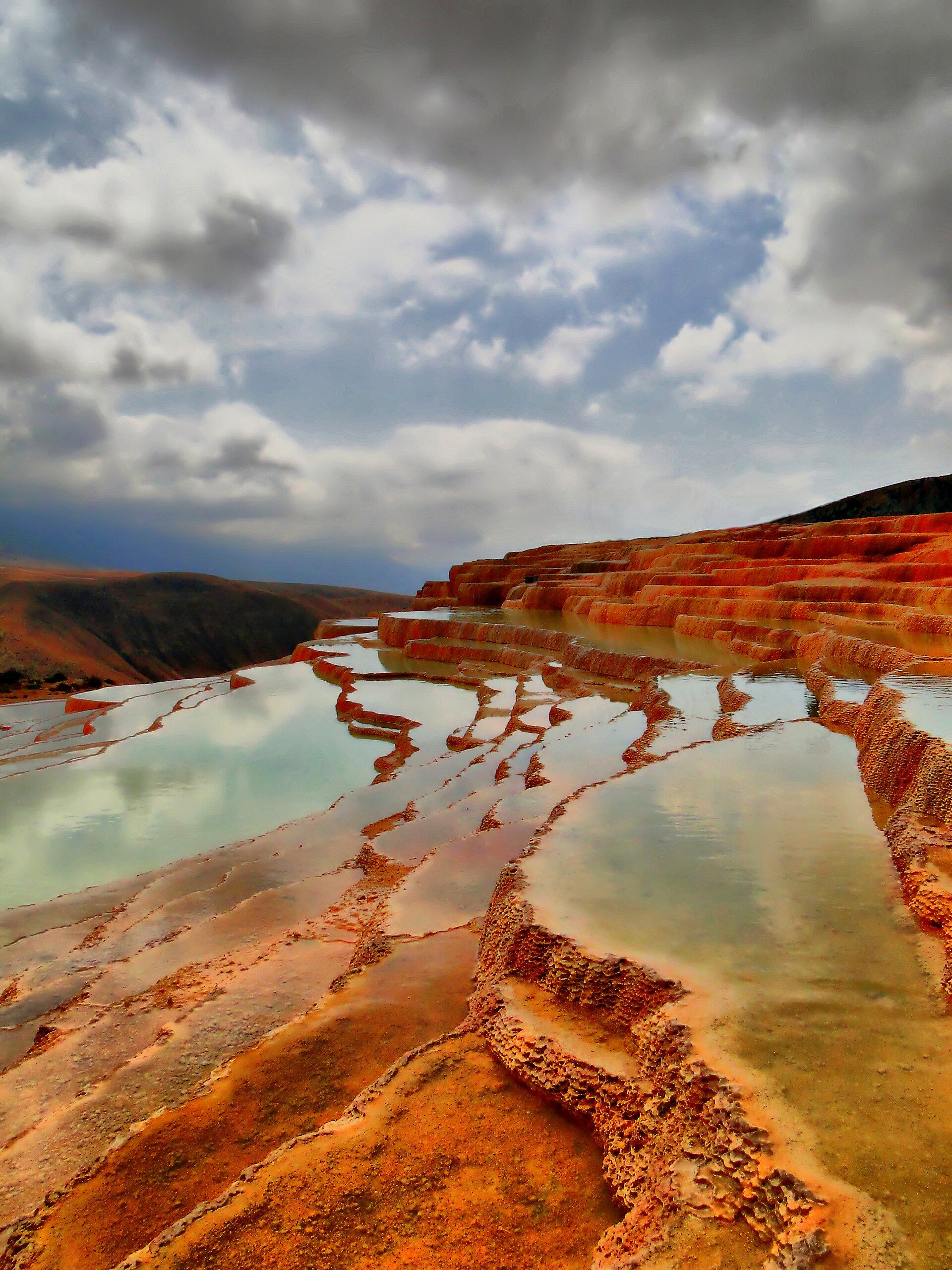
A hillside staircase of orange and red travertine pools in northern Iran, stained by iron-rich spring water and built up over thousands of years.
-
Hormuz Island The rainbow island
Strait of Hormuz, Persian Gulf, southern Iran
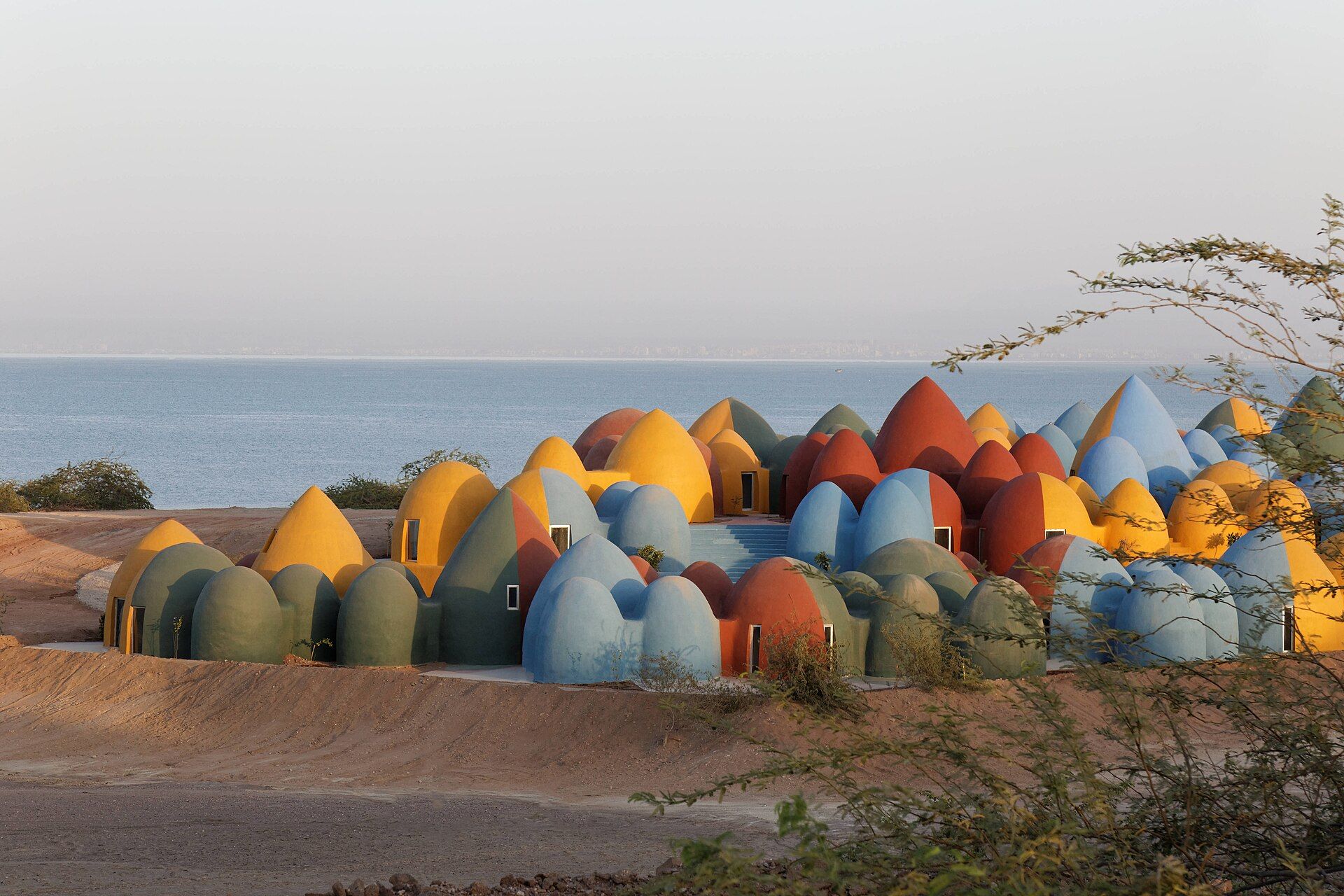
A small island in the Strait of Hormuz where salt-dome geology paints the hills and beaches red, ochre and a spectrum of mineral colours. November to March is the only comfortable time.
-
Dana Biosphere Reserve
Tafilah Governorate, along the Great Rift Valley, Jordan
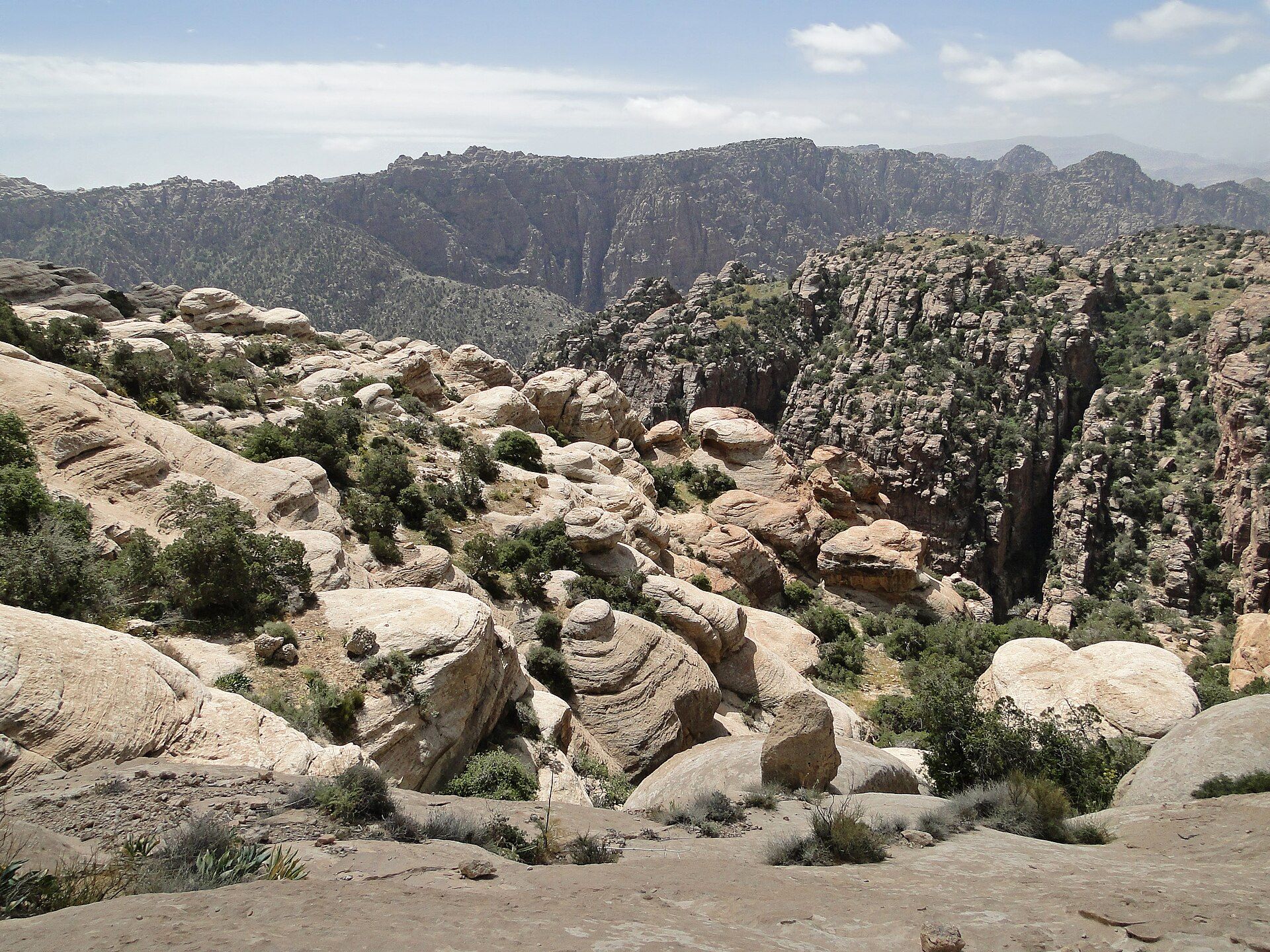
Jordan's largest nature reserve — mountain ridges and sandstone canyons dropping from a 1,500-metre plateau to the desert of Wadi Araba, through several climate zones in one descent.
-
Ma'in Hot Springs
Between Madaba and the Dead Sea, Madaba Governorate, Jordan
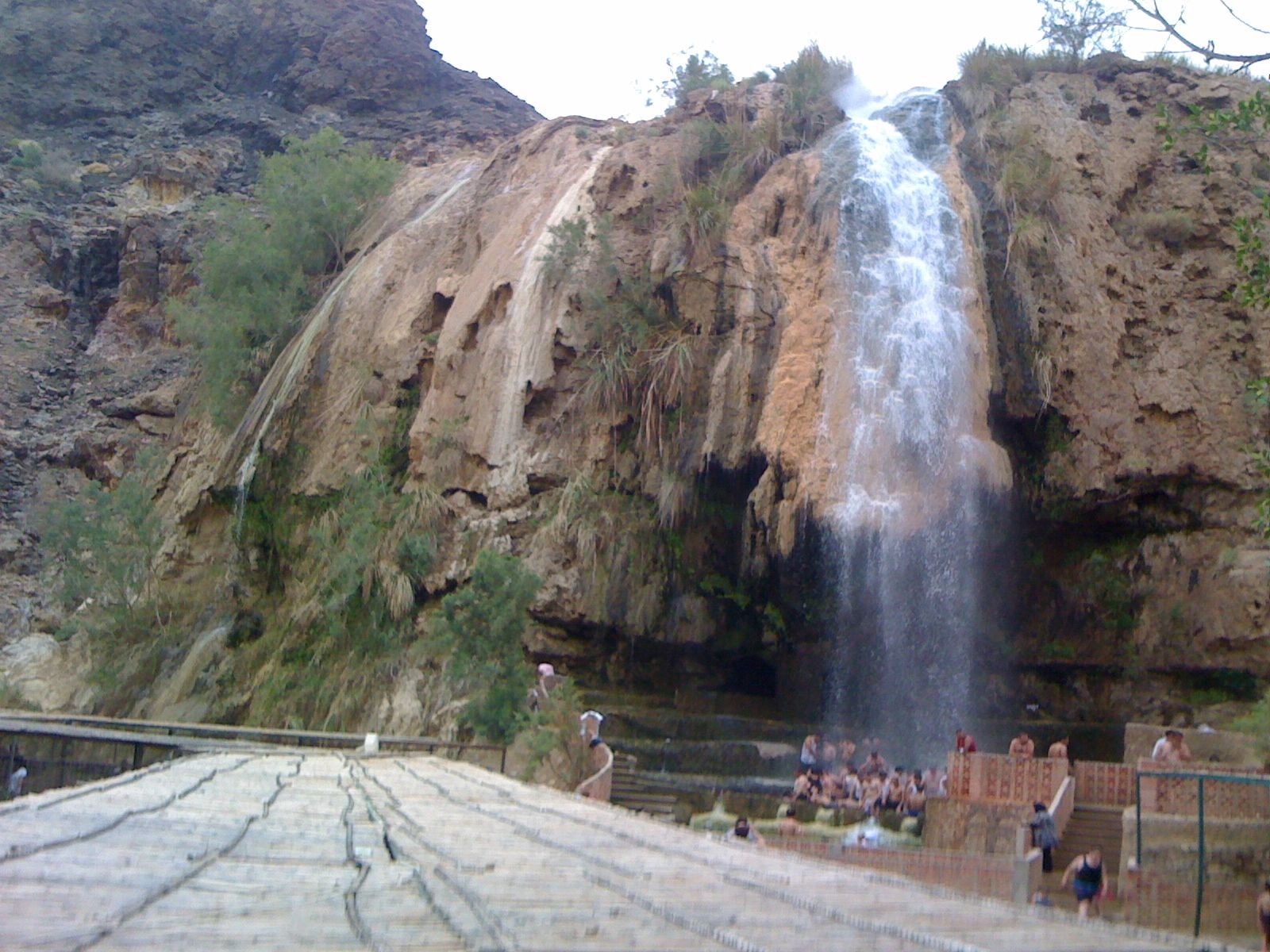
Hot, mineral-rich waterfalls tumbling down a desert canyon near the Dead Sea, used for bathing since Roman times and most welcome between October and April.
-
The Asir Mountains Green Arabia
Asir Province, southwestern Saudi Arabia
Misty terraced highlands and juniper forests in southwest Saudi Arabia, cooled by monsoon cloud and greenest from roughly June to September.
-
The Edge of the World
Jebel Fihrayn, near Riyadh, Saudi Arabia
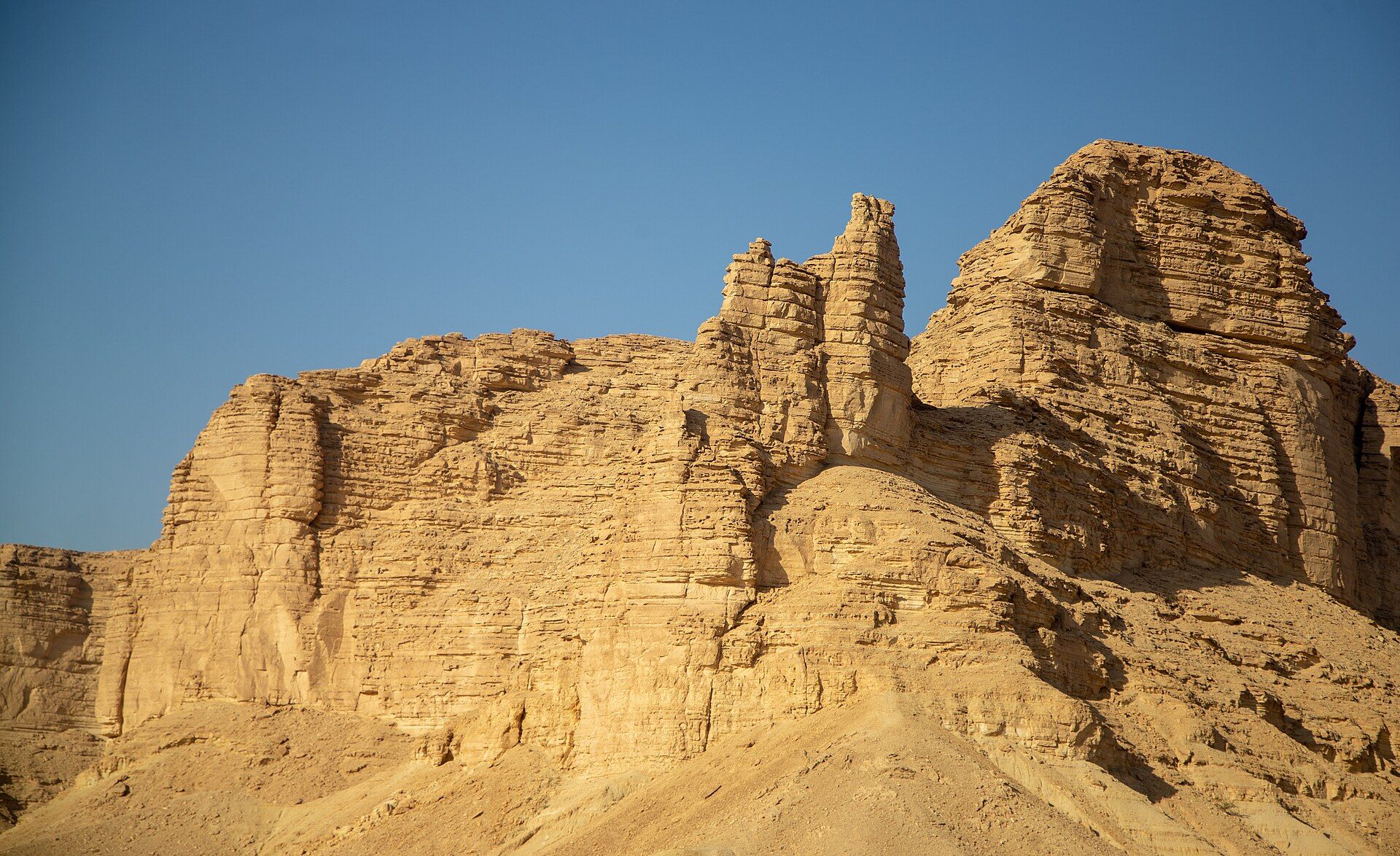
A cliff of the Tuwaiq escarpment near Riyadh where an ancient seabed drops hundreds of metres to a plain that runs to the horizon — a sunset trip in the cooler months.
-
Al Wahbah Crater
Harrat Kishb, Makkah Province, western Saudi Arabia
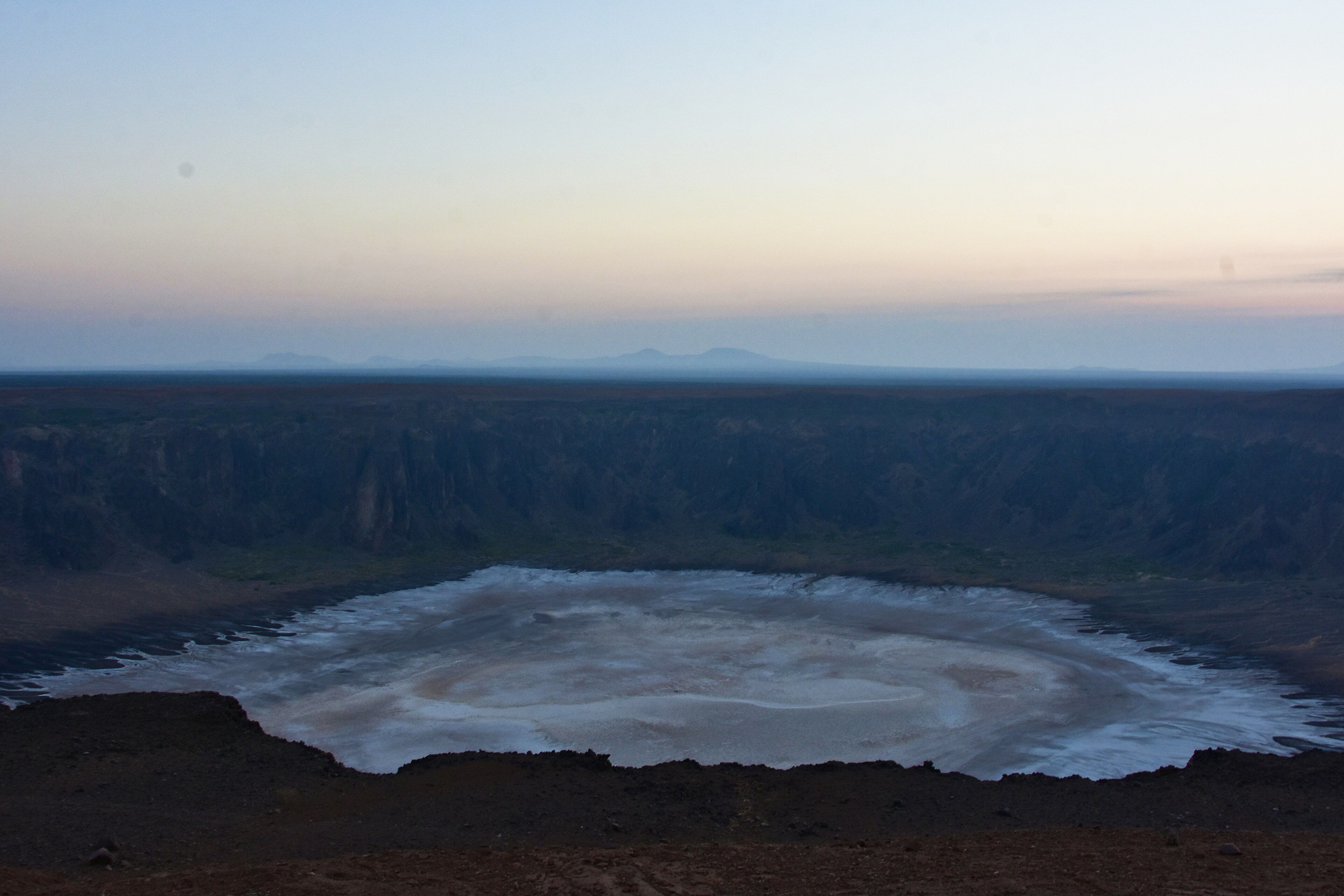
A two-kilometre hole in the Saudi desert floored with white salt, long taken for a meteorite crater and in fact the scar of a steam explosion. There is no shade: go October to March.
-
The Farasan Islands
Red Sea, off Jazan, southwestern Saudi Arabia
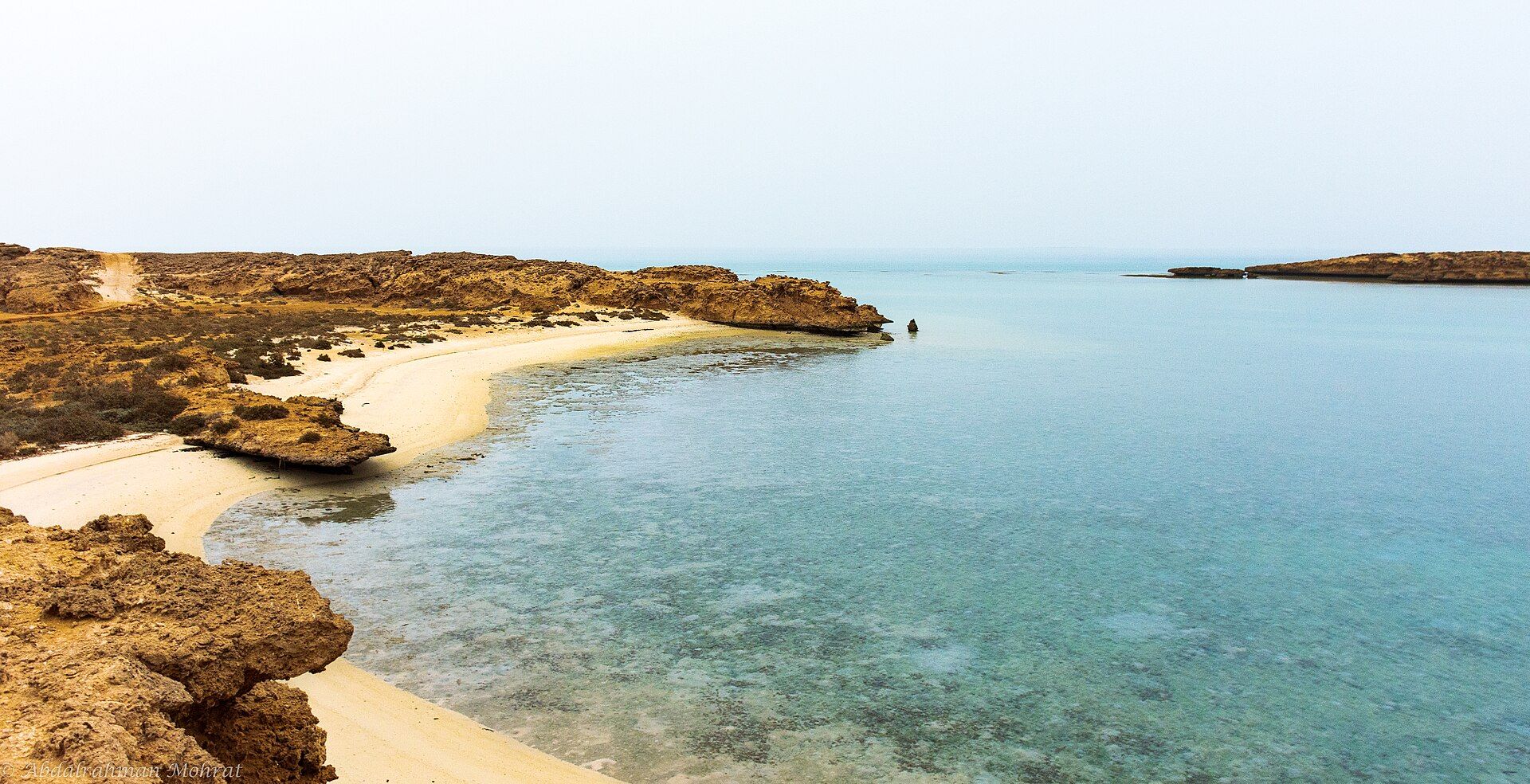
A low coral-fringed archipelago in the southern Red Sea with mangroves, reefs, dugongs, nesting seabirds and a gazelle found nowhere else.
-
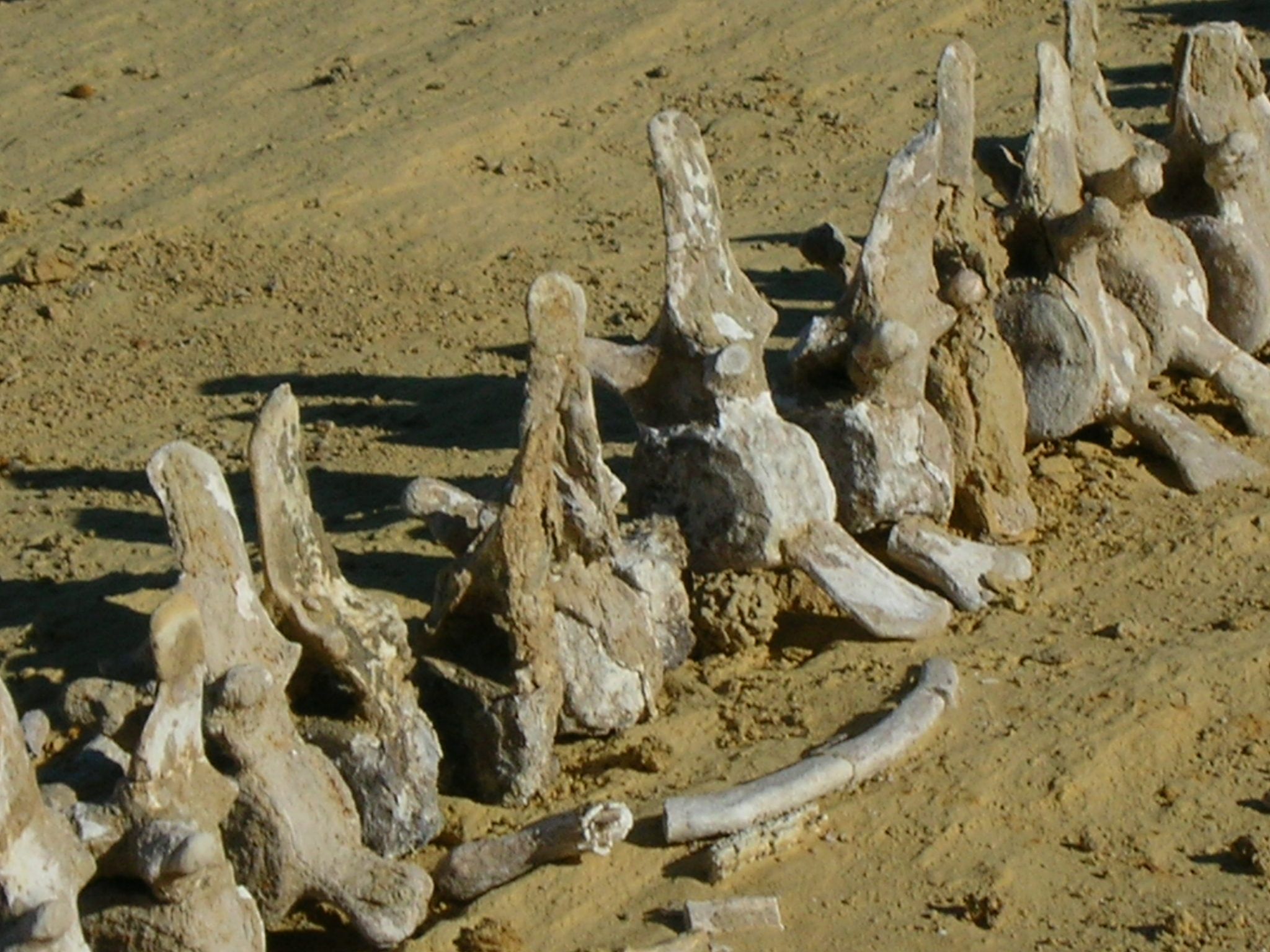
Wadi Al-Hitan The valley of the whales
Faiyum Governorate, Western Desert, Egypt
Egyptian desert holding the best fossil record anywhere of whales leaving the land — hundreds of archaic whale skeletons, some with hind legs, lying where a shallow sea left them.
-
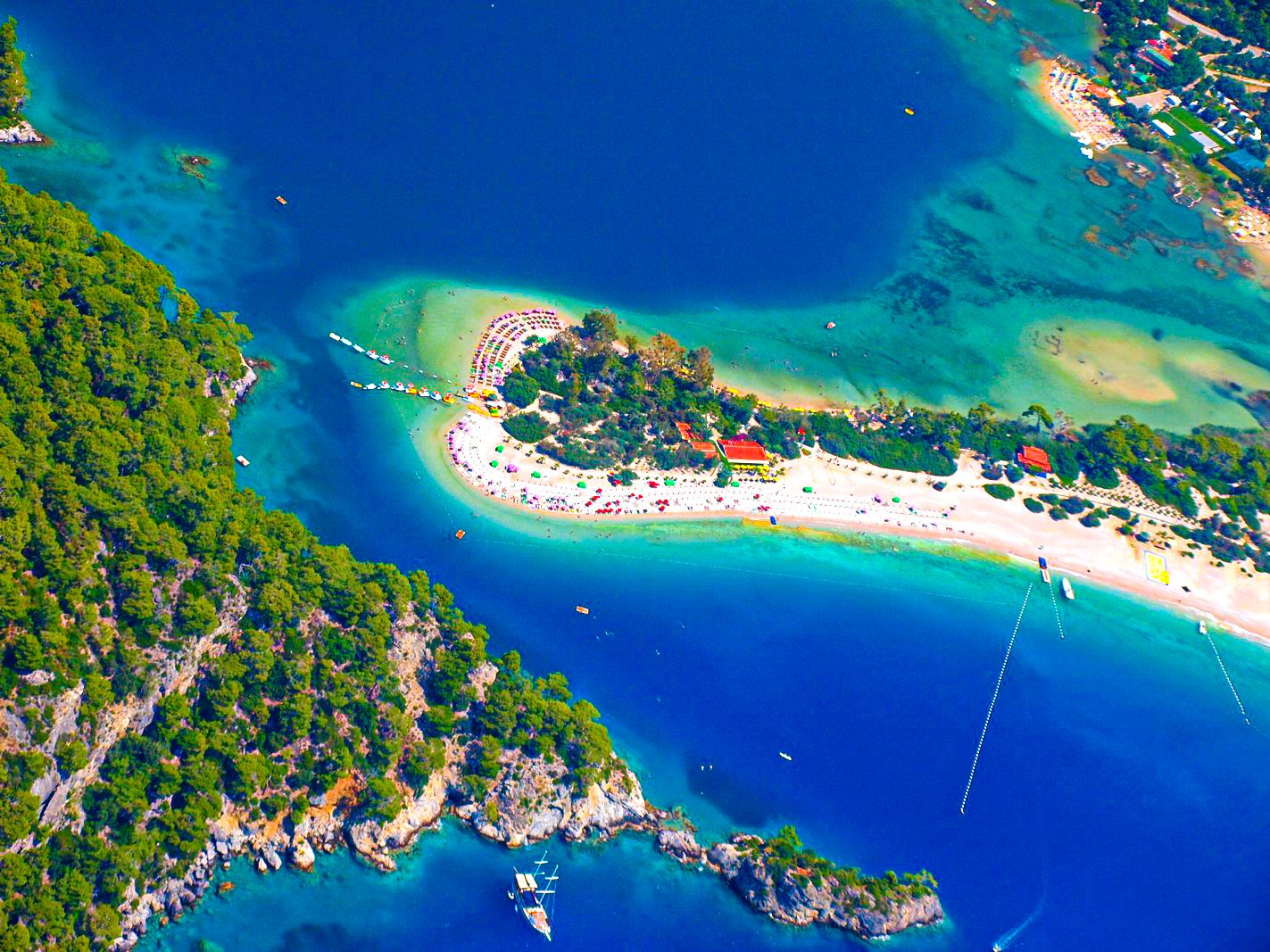
Ölüdeniz The Turquoise Coast
Fethiye, Muğla Province, southwest Turkey
A sheltered turquoise lagoon sealed off by a sand spit, under the pine-clad wall of Babadağ — one of the world's great paragliding launches — with Butterfly Valley nearby.
-
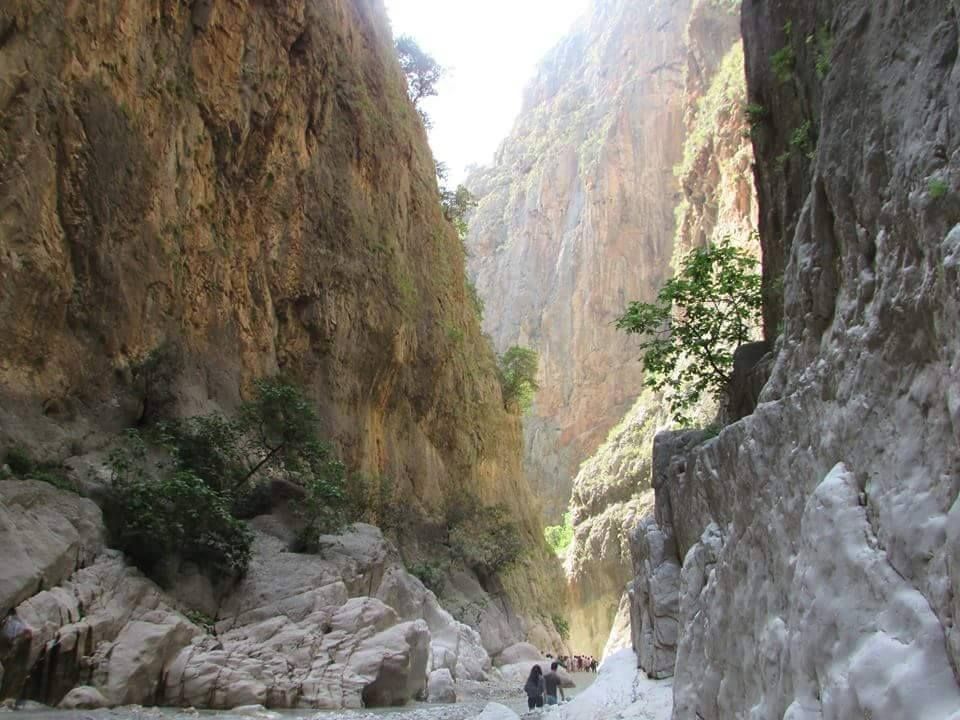
Saklıkent Gorge
Muğla Province, near Fethiye, southwest Turkey
A slot canyon of the Taurus Mountains up to 300 metres deep and around 18 kilometres long, narrow enough in places to touch both walls, entered by wading the icy Esen River from May to September.
-
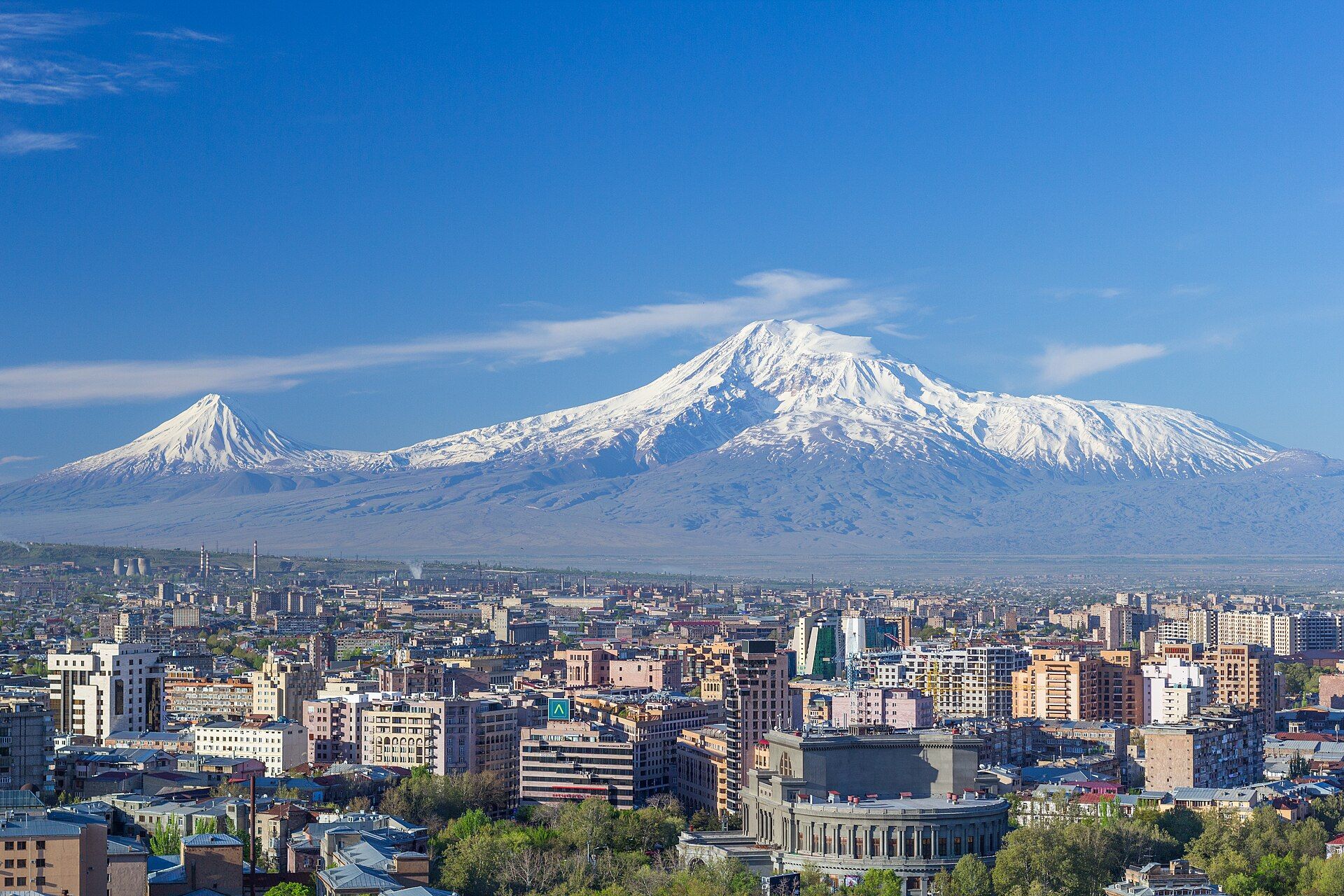
Mount Ararat
Iğdır Province, Eastern Anatolia, Turkey
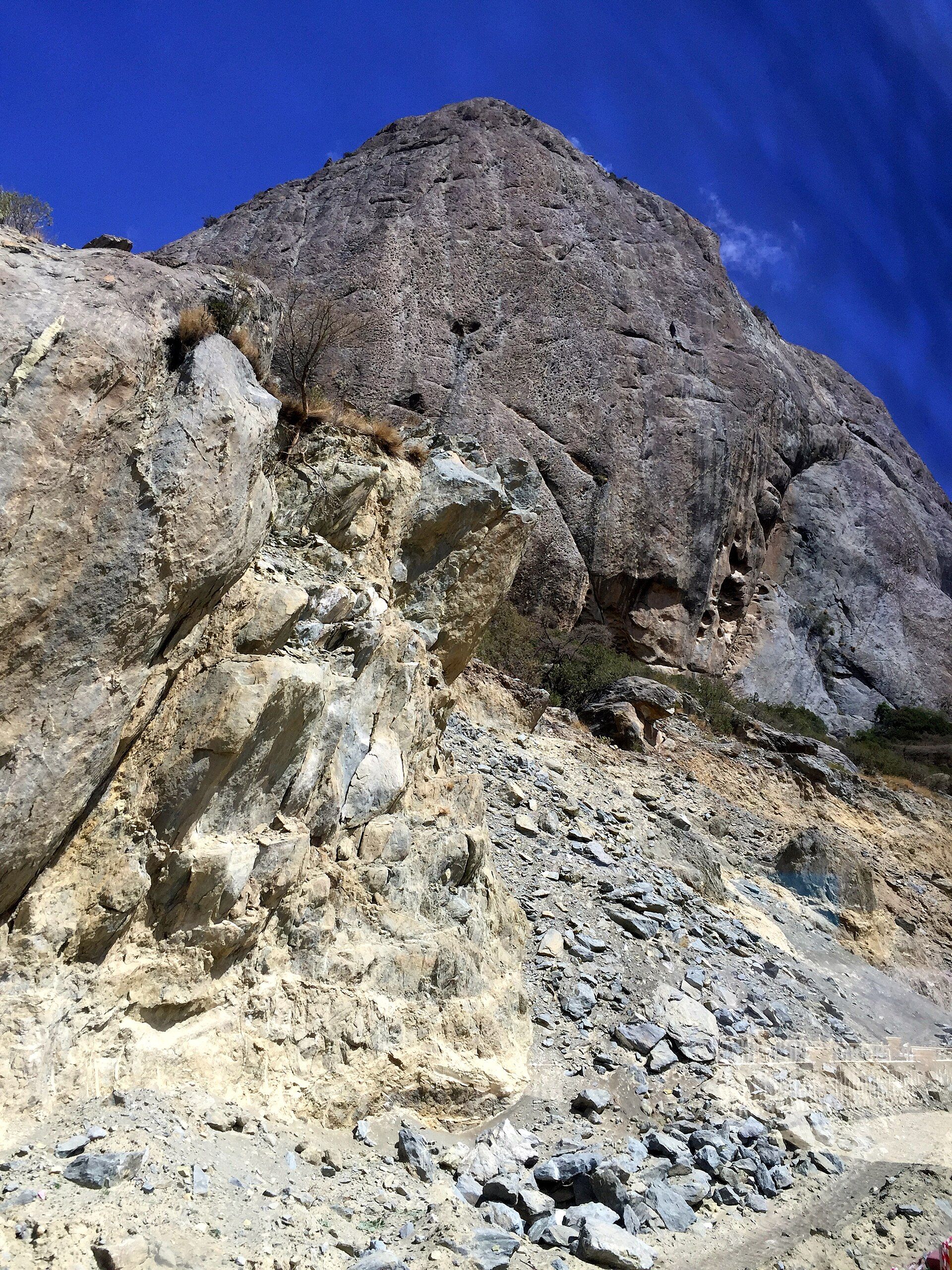
Turkey's highest peak — a dormant volcano of two joined cones rising in isolation above the plains, its ice cap visible a hundred kilometres away; the climbing season is July to September.
Most of the region is a cool-season destination: from roughly October to April the deserts, wadis and Gulf islands are comfortable, while summer heat in the Empty Quarter, the Lut and the Saudi desert is dangerous, not merely unpleasant. The exceptions run the other way — Damavand and Ararat are summer climbs, Wadi Mujib's water trails open only from April to October, and the Asir highlands are greenest in the summer monsoon. Several of these places are in countries with active travel warnings, including Iran and Yemen; check your own government's current advice before planning, and expect permits and specialist operators for Socotra.
Added